
Intravesical chemotherapy is a targeted treatment for non-muscle-invasive bladder cancer. It delivers chemotherapy drugs directly into the bladder.
Understanding Intravesical Chemotherapy Wash
Understanding Intravesical Chemotherapy
Intravesical chemotherapy is a treatment that puts chemotherapy drugs right into the bladder. It fights cancer cells there.
This method works well for non-muscle-invasive bladder cancer. It targets the cancer with fewer side effects.
Who Needs a Chemo Wash for Bladder Cancer
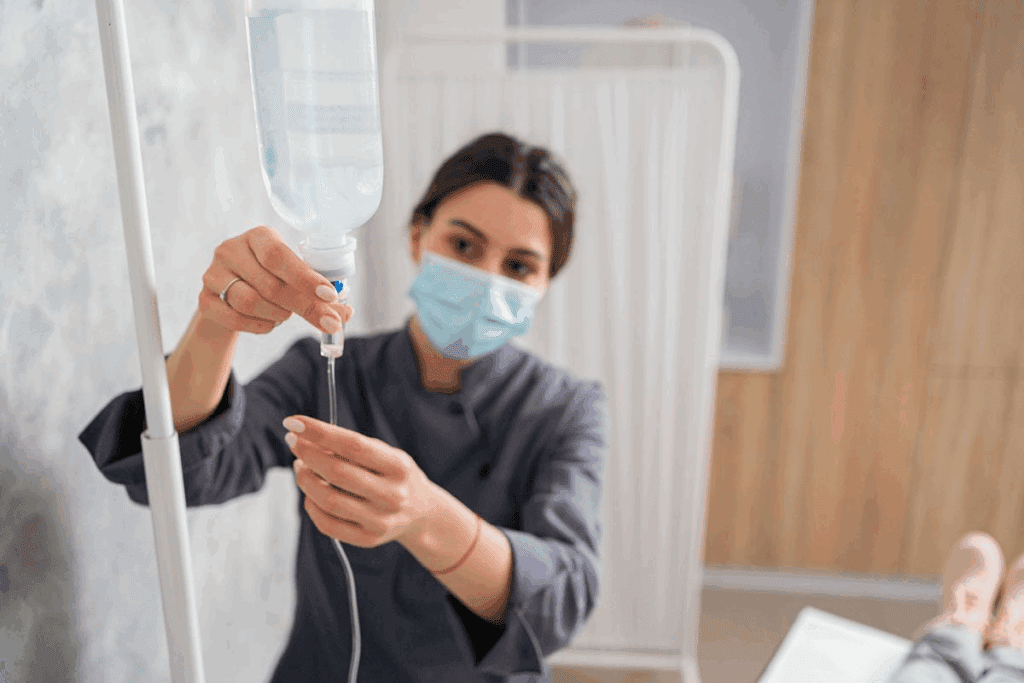
Intravesical chemotherapy is a treatment for non-muscle-invasive bladder cancer. It involves putting chemotherapy drugs directly into the bladder through a catheter.
Those with high-grade or recurrent bladder cancer might benefit from this treatment. The choice to use intravesical chemotherapy depends on the cancer’s stage, grade, and the patient’s health.
This treatment is often suggested for patients with non-muscle-invasive bladder cancer at high risk. It has been shown to lower the risk of cancer coming back and improve patient outcomes.
Common Chemotherapeutic Agents Used in Bladder Instillation
Chemotherapeutic agents are key in treating bladder cancer. Mitomycin C, Gemcitabine, Doxorubicin, and Epirubicin are used to stop cancer cells from growing. They work by interfering with the DNA of cancer cells.
- Mitomycin C: Alkylating agent that cross-links DNA strands.
- Gemcitabine: Nucleoside analog that inhibits DNA synthesis.
- Doxorubicin: Anthracycline antibiotic that intercalates DNA strands.
- Epirubicin: Anthracycline antibiotic similar to doxorubicin.
Effectiveness of Intravesical Therapy for Bladder Cancer
Intravesical therapy is a key treatment for bladder cancer. It has been shown to lower the disease’s return rate.
Recurrence Rates
A study looked at many clinical trials. It found that intravesical chemotherapy cut the disease’s return by 37%. This is compared to treatments given through the whole body.
Factors Affecting Treatment Success
Several things can change how well intravesical therapy works. These include the cancer’s type and stage, and the patient’s health.
Medical Preparation Before Your First Chemo Wash for Bladder Cancer
Before your first chemo wash for bladder cancer, you need to take a few steps. This ensures you’re ready for the treatment.
Medical Tests and Assessments
Several tests will check your health and how far the cancer has spread.
Discussing Your Medical History
Talking about your medical history is key. Share any past illnesses and medications you’re on.
Medication and Supplement Considerations
Before you start intravesical chemotherapy, tell your doctor about all your medications. This includes prescription drugs, over-the-counter items, and supplements.
Medications to Disclose
- Blood thinners
- Diabetes medications
- Herbal supplements
Some medications can affect how well intravesical chemotherapy works. They might also raise the chance of side effects.
Pre-Treatment Adjustments
Your doctor might ask you to change or stop some medications before treatment. This is to lower risks and make sure the treatment works well.
Being open about your medications helps your healthcare team make better choices for you.
Physical Preparation for Intravesical Chemotherapy
Getting your body ready for intravesical chemotherapy is key to a good outcome. Stay hydrated by drinking lots of water. Also, eat foods rich in fruits, vegetables, and whole grains. And, always follow your doctor’s advice.
Drinking at least 8 glasses of water a day is important in the week before your treatment. A healthy diet supports your health and reduces side effects.
Make sure someone is with you before and after the procedure. You might feel tired or uncomfortable. Being well-prepared helps make the treatment go smoothly.
Day-of-Procedure Preparation Steps
Day of the Procedure: Preparation and Expectations
When you’re getting ready for intravesical chemotherapy, knowing what to expect is key. This guide will help you understand the preparation and what happens during your visit.
Preparation is Key
Following your healthcare team’s instructions is vital for a smooth procedure. This means arriving on time, bringing needed documents, and asking questions.
What to Expect During the Procedure
Here’s what you can expect during the procedure:
* A detailed explanation of the treatment from your team
* The chemotherapy medication will be given to you
* Your vital signs and health will be closely monitored
After the Procedure
After the procedure, you’ll be watched for a bit to make sure you’re okay. You might get instructions on home care, including any follow-up visits or meds.
Knowing what to expect can make you feel more ready and confident. If you have questions or concerns, always ask your healthcare team.
Mental and Emotional Preparation

The journey through intravesical chemotherapy is not just physical. It also requires mental and emotional strength. Understanding the importance of mental preparation can greatly impact a patient’s experience.
Managing Anxiety About the Procedure
Managing anxiety is key to mental preparation. Techniques like deep breathing exercises, meditation, and cognitive-behavioral therapy can help. They reduce anxiety and improve coping skills.
One patient said, “
Preparing myself mentally for the procedure made a huge difference in how I handled the treatment. I practiced meditation daily, which helped calm my nerves.
” This shows how effective anxiety management can be.
Support Resources
Support resources are essential for patients going through intravesical chemotherapy. This includes support groups, counseling services, and online forums. These platforms allow patients to share their experiences and get support from others facing similar challenges.
For example, joining a support group can offer emotional support and practical advice. A patient noted, “
Being part of a support group helped me understand that I was not alone in this journey. It gave me the strength to face the treatment with a positive attitude.
“
Setting Realistic Expectations
Setting realistic expectations is vital for mental preparation. Patients should know what to expect during and after treatment. This includes understanding side effects, the treatment schedule, and the recovery process.
By setting realistic expectations, patients can better cope with treatment. Healthcare providers are key in providing detailed information and addressing concerns.
In conclusion, mental and emotional preparation is essential for intravesical chemotherapy. Managing anxiety, seeking support, and setting realistic expectations help patients navigate the treatment more effectively.
What to Expect During the Intravesical Chemotherapy Procedure
Intravesical chemotherapy is a treatment where a chemotherapy medication is directly instilled into the bladder. It targets cancer cells. Here’s what you can expect during the procedure.
Preparation
Before the procedure, you may be asked to arrive with a comfortably full bladder. The healthcare provider will then insert a catheter to administer the chemotherapy.
The Procedure
During the procedure, the chemotherapy medication is instilled into the bladder through the catheter. You may feel a slight discomfort or pressure. But this is usually minimal and temporary.
Post-Procedure
After the treatment, you may experience some mild side effects. These can include discomfort or a burning sensation while urinating. These symptoms are usually temporary and resolve on their own.
It’s essential to follow your healthcare provider’s instructions. Also, report any concerns or unusual symptoms.
Post-Treatment Care and Recovery
After getting intravesical chemotherapy, it’s important to take good care of yourself. Drinking lots of water is key. Aim for 8-10 glasses a day.
For a few days, avoid heavy lifting, bending, or hard exercise. This helps you feel better and heal faster.
If you’re feeling tired, sick to your stomach, or have bladder issues, reach out to your doctor. They can help and offer support.
By following these steps, you can recover well and avoid any big problems.
Conclusion
Intravesical chemotherapy is a key treatment for bladder cancer. It targets the cancer directly, helping to lower the chance of it coming back. This method can greatly improve how well patients do.
As we keep moving forward in medical research, we’ll see even better treatments for bladder cancer. This will help make life better for patients all over the world.
FAQ
Q: What is intravesical chemotherapy?
Intravesical chemotherapy is a treatment where chemotherapy is put directly into the bladder. It’s done through a catheter to treat bladder cancer.
### Q: How does intravesical chemotherapy differ from systemic chemotherapy?
Intravesical chemotherapy targets the bladder directly. Systemic chemotherapy goes through the blood to treat cancer all over the body.
Q: What are the benefits of intravesical chemotherapy?
This treatment is more focused and can be more effective. It also has fewer side effects, which can improve treatment results for bladder cancer patients.
Q: What are the common side effects of intravesical chemotherapy?
Side effects can include bladder irritation, needing to urinate more often, and urgency. There’s also a chance of allergic reactions to the medication.
Q: How is intravesical chemotherapy administered?
The treatment is given through a catheter in the bladder. It’s usually done in a clinical setting.
Q: What is the purpose of TURBT in bladder cancer treatment?
TURBT is a surgery to diagnose and treat bladder cancer. It removes tumors from the bladder wall.
Q: How does Mitomycin C work in intravesical chemotherapy?
Mitomycin C is a chemotherapy drug. It stops cancer cells from making DNA, which prevents them from growing and dying.
Q: What are the possible risks and complications of intravesical chemotherapy?
Risks include allergic reactions, bladder irritation, and infections. These are just a few of the possible complications.
Q: How can I prepare for intravesical chemotherapy?
Preparation involves talking about your medical history and undergoing tests. Your healthcare team will give you specific instructions.
Q: What can I expect during the recovery process after intravesical chemotherapy?
After treatment, you might feel bladder irritation or need to urinate more. These symptoms usually go away on their own. Your healthcare team will help with post-treatment care and follow-up.
References
National Center for Biotechnology Information. (2025). How to Prepare for Intravesical Chemotherapy Wash Complete.