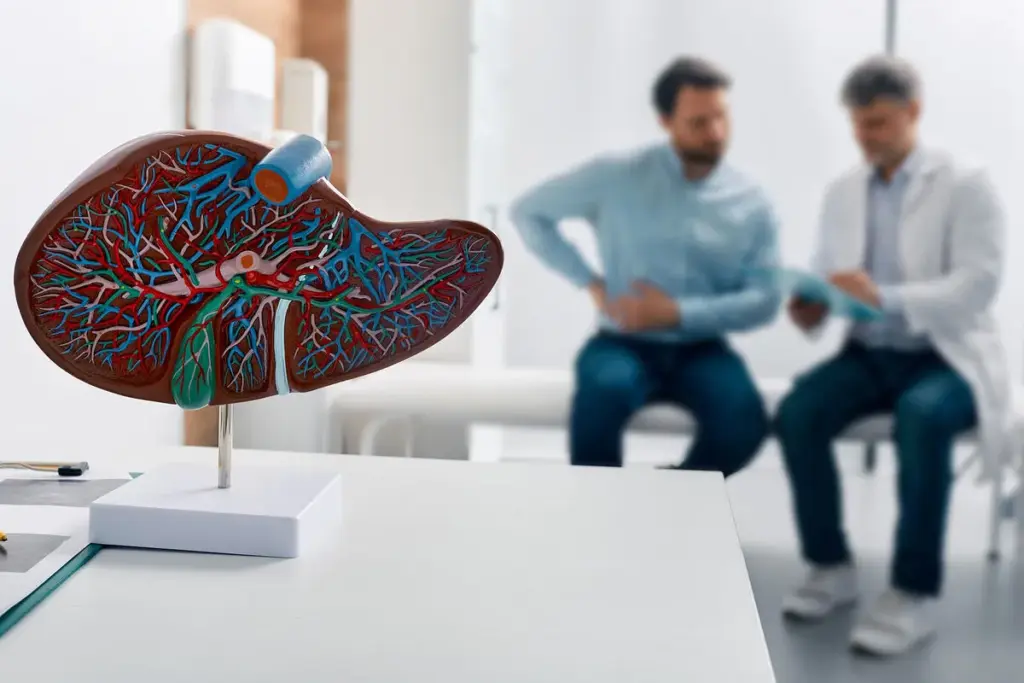
Liver cancer, like hepatocellular carcinoma (HCC), is tough to treat when it can’t be removed. Radioembolization, a small procedure, is now a key treatment for such cases.
Y-90 radioembolization, or Transarterial Radioembolization (TARE), sends radioactive microspheres to the tumor via the blood. This method helps protect healthy tissue nearby. Studies, like the PREMIERE trial, show it’s effective.
Y-90 TARE is now seen as more than just a way to ease symptoms. It’s becoming a treatment that could even cure some cases. This is thanks to new research that links certain dosages to better results.
Key Takeaways
- Y-90 radioembolization is a significant treatment option for unresectable liver cancer.
- It involves delivering radioactive microspheres directly to the tumor.
- Recent trials have shown improved outcomes with radioembolization.
- Dosimetry thresholds are key to knowing if treatment will work.
- Y-90 TARE is evolving from palliative to potentially curative treatments.
Understanding Y-90 Radioembolization
Y-90 radioembolization is a new way to fight liver cancer. It sends radiation right to the tumor.
What is Yttrium-90 Transarterial Radioembolization?
This method is a small, non-invasive procedure. Tiny beads with Yttrium-90 are put into the liver’s arteries. This method gives a lot of radiation to the tumor but not to healthy tissue.
It’s great for liver cancer that doesn’t respond to other treatments. An interventional radiologist does the procedure. They use images to guide the catheter.
How Y-90 Treatment Works
The treatment works by placing beads in the tumor’s blood vessels. The Y-90 radiation only affects the tumor and a little area around it. This helps shrink the tumor and ease symptoms.
The Science Behind Radioembolization
Radioembolization targets liver tumors because they get most of their blood from the hepatic arteries. Normal liver tissue gets blood from both the hepatic arteries and the portal vein. So, Y-90 goes straight to the tumor.
|
Aspect |
Description |
|---|---|
|
Procedure Type |
Minimally invasive, transarterial |
|
Radioactive Isotope |
Yttrium-90 (Y-90) |
|
Treatment Target |
Liver tumors |
|
Delivery Mechanism |
Glass or resin beads infused with Y-90 |
Knowing how Y-90 radioembolization works helps patients and doctors. It’s a key part of treating liver cancer.
The Palliative Nature of Y-90 Treatment
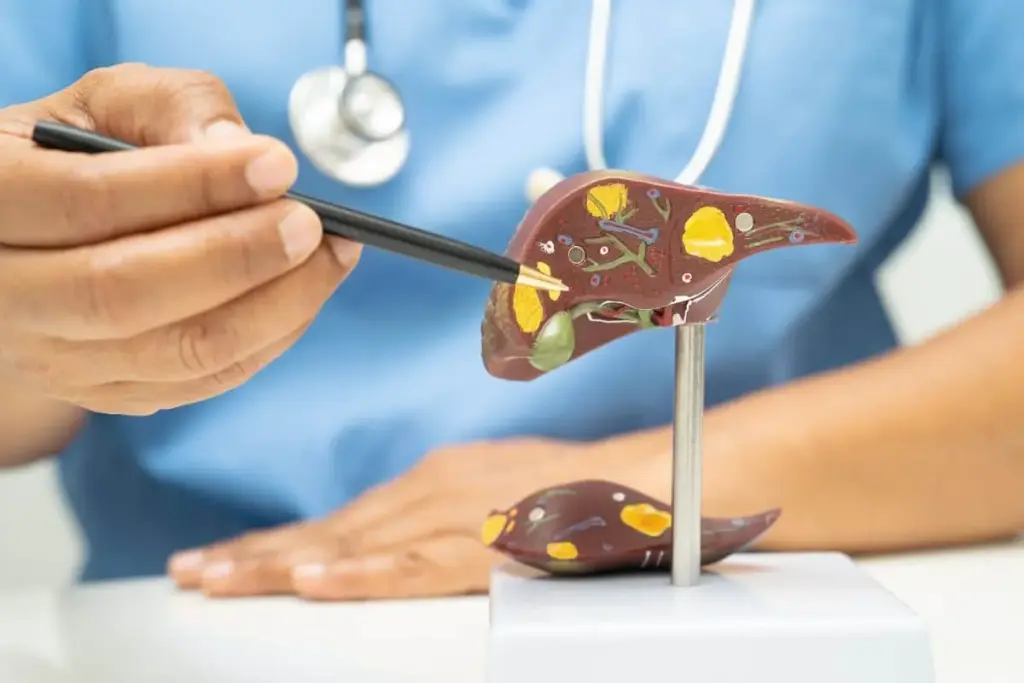
Y-90 is gaining recognition in palliative care for liver cancer patients. It’s important to see its benefits and how it can improve life quality for those with advanced liver cancer.
Defining Palliative Care in Oncology
Palliative care in oncology aims to ease symptoms and stress of serious illnesses like cancer. It aims to improve life quality for patients and their families. This care includes managing pain, controlling symptoms, and addressing psychological and social needs.
Palliative care is not just for end-of-life care. It can be given alongside treatments meant to cure. For liver cancer patients, it helps manage symptoms like pain, fatigue, and loss of appetite. This improves their overall well-being.
Y-90 as a Palliative Intervention
Y-90 radioembolization is a palliative treatment that targets liver tumors with radiation. It’s a precise treatment that minimizes harm to healthy tissue. This reduces side effects and improves outcomes for patients.
The precision of Y-90 treatment helps manage symptoms effectively. By shrinking tumors, Y-90 relieves symptoms like pain and discomfort. This improves the patient’s quality of life.
Goals of Y-90 in Advanced Liver Cancer
The main goals of Y-90 in advanced liver cancer are symptom relief, tumor control, and improving survival. Achieving these goals significantly enhances the patient’s quality of life.
|
Goals |
Description |
Benefits |
|---|---|---|
|
Symptom Relief |
Reducing tumor-related symptoms |
Improved quality of life |
|
Tumor Control |
Controlling tumor growth and spread |
Enhanced survival outcomes |
|
Overall Survival |
Extending patient survival |
Increased life expectancy |
Understanding Y-90’s palliative nature helps healthcare providers support patients with advanced liver cancer. It offers a valuable treatment option that meets their complex needs.
Candidates for Y-90 Radioembolization

Finding the right candidates for Y-90 radioembolization is key in treating liver cancer. This method is great for those with certain types of liver cancer who can’t have surgery.
Patient Selection Criteria
Choosing patients for Y-90 radioembolization requires a detailed look at their medical history and current health. Important factors include the extent of liver disease, liver function, and any other serious health issues.
Those with liver cancer that can’t be surgically removed are often good candidates. This treatment helps control tumor growth and eases symptoms.
Unresectable Liver Cancer Cases
Unresectable liver cancer means the cancer is spread out or the liver isn’t working well. Y-90 radioembolization is a good option for these patients. It helps manage their disease.
|
Characteristics |
Resectable Liver Cancer |
Unresectable Liver Cancer |
|---|---|---|
|
Cancer Spread |
Limited to one area |
Widespread within the liver |
|
Liver Function |
Preserved |
Compromised |
|
Treatment Options |
Surgery, ablation |
Y-90 radioembolization, systemic therapies |
Contraindications for Y-90 Treatment
Y-90 radioembolization is good for many, but there are some who shouldn’t have it. These include those with severe liver problems, lung disease, or other medical conditions that could get worse with treatment.
Healthcare providers carefully check these factors. This helps decide who will benefit most from Y-90 radioembolization. It ensures the treatment is used wisely and safely.
Y-90 for Hepatocellular Carcinoma (HCC)
Yttrium-90 (Y-90) radioembolization is a new hope for HCC patients. It’s a treatment for liver cancer that’s hard to tackle. The disease is complex, and patients’ health matters a lot.
Effectiveness in Early-Stage HCC
In early-stage HCC, Y-90 radioembolization works well. It targets the tumor precisely, protecting the healthy liver. Research shows it can lead to better outcomes for patients.
“Y-90 radioembolization in early-stage HCC is a promising option,” says an expert. “It’s a bridge to treatments like surgery or liver transplant.”
Applications in Intermediate-Stage HCC
For intermediate-stage HCC, Y-90 is a good choice. The disease is more advanced, and cancer may have spread. Y-90’s localized radiation is appealing for managing the disease and easing symptoms.
Studies back Y-90’s effectiveness in intermediate-stage HCC. They show it can improve survival and quality of life.
Benefits for Advanced-Stage HCC
In advanced-stage HCC, Y-90 offers palliative benefits. It can reduce tumor size, ease symptoms, and improve life quality. Though the disease is tough to manage, Y-90 helps control symptoms and may extend life.
Y-90’s use across HCC stages shows its versatility. As research grows, its role in treating HCC will likely expand.
Y-90 for Metastatic Liver Cancer
Y-90 therapy is showing great promise in treating metastatic liver cancer. This type of cancer spreads to the liver from other parts of the body. Y-90 radioembolization offers a new hope for managing this disease.
Colorectal Cancer Liver Metastases
Colorectal cancer often spreads to the liver. Y-90 radioembolization has been found to be effective. It improves survival rates and quality of life for these patients.
Experts say Y-90 therapy is a big step forward in treating colorectal cancer liver metastases.
Neuroendocrine Tumor Liver Metastases
Neuroendocrine tumors (NETs) often spread to the liver. Y-90 therapy helps control tumor growth and relieves symptoms. It’s a targeted treatment that makes it a good option for these patients.
- Effective in controlling tumor growth
- Alleviates symptoms associated with NET liver metastases
- Offers a targeted treatment approach
Other Metastatic Liver Diseases
Y-90 radioembolization is also being explored for other metastatic liver diseases. It works by delivering radiation directly to the tumors in the liver. This method reduces harm to healthy tissue, lowering side effects.
Survival Outcomes with Y-90 Treatment
Understanding Y-90 treatment’s survival outcomes is key for patients and doctors. We’ll look into how Y-90 radioembolization affects survival in liver cancer at different stages.
Overall Survival Rates by Cancer Stage
Survival rates after Y-90 treatment change with cancer stage. Early-stage hepatocellular carcinoma (HCC) patients see promising survival rates with Y-90. A study in the Journal of Gastrointestinal Oncology showed a median survival of 18.6 months for unresectable HCC patients
For advanced disease, Y-90 treatment offers a valuable option. It improves quality of life and may extend survival. The overall survival benefits of Y-90 in advanced cases show its value as a treatment choice.
Progression-Free Survival Statistics
Progression-free survival is key in evaluating Y-90 radioembolization’s effectiveness. Studies show Y-90 can delay tumor growth, giving patients more time without disease progression. This is very encouraging for metastatic liver disease patients, showing a significant benefit in controlling tumor growth.
Comparative Survival Benefits
Comparing Y-90 radioembolization to other treatments like TACE, Y-90 shows competitive or superior survival outcomes in some patients. The comparative survival benefits of Y-90 highlight its value as a preferred treatment for certain patients.
In summary, Y-90 treatment’s survival outcomes are complex, influenced by cancer stage, patient health, and treatment details. By looking at overall survival rates, progression-free survival, and comparative benefits, we can see Y-90’s role in liver cancer management.
Tumor Response to Y-90 Radioembolization
Tumor response is key to knowing if Y-90 radioembolization works for liver cancer patients. This treatment has shown great promise in controlling tumor growth and improving patient outcomes.
Objective Response Rates
Objective response rates (ORR) are important for measuring Y-90 radioembolization’s success. ORR includes both complete and partial responses. This gives a full picture of how tumors react to the treatment.
Research shows Y-90 radioembolization can lead to high objective response rates in patients with liver cancer that can’t be removed. For example, a study on patients with hepatocellular carcinoma (HCC) found an ORR of about 40-50%.
|
Cancer Type |
Objective Response Rate |
Complete Response Rate |
|---|---|---|
|
Hepatocellular Carcinoma (HCC) |
40-50% |
10-20% |
|
Metastatic Colorectal Cancer |
30-40% |
5-15% |
Complete vs. Partial Responses
It’s important to know the difference between complete and partial responses in Y-90 radioembolization. A complete response means the tumor is gone. A partial response means the tumor has shrunk a lot.
Both types of responses show the treatment is working. They also mean patients might live longer and have a better quality of life.
Measuring Treatment Effectiveness
Measuring Y-90 radioembolization’s success involves looking at tumor response, survival benefits, and quality of life. Doctors use MRI and CT scans to check how tumors change over time.
By looking at objective response rates and other outcomes, doctors can fully understand how well the treatment works. This helps them make better decisions for their patients.
Comparing Y-90 to Conventional Chemoembolization
When looking at treatments for liver cancer, it’s key to know the differences between Y-90 radioembolization and traditional chemoembolization. Both are used to fight liver cancer but in different ways.
Y-90 vs. Transarterial Chemoembolization (TACE)
Y-90 radioembolization and Transarterial Chemoembolization (TACE) are both minimally invasive treatments for liver cancer. The main difference is how they work. TACE delivers chemotherapy directly to the tumor and then blocks the artery to starve the tumor. Y-90 radioembolization uses radioactive microspheres that get stuck in the tumor’s blood vessels, killing the tumor from inside.
Key differences between Y-90 and TACE include:
- Mechanism of Action: TACE combines chemotherapy with embolization, while Y-90 relies on the radiation emitted by the microspheres.
- Delivery Method: TACE involves a more direct delivery of chemotherapy followed by embolization, whereas Y-90 involves the permanent implantation of radioactive microspheres.
- Side Effects: TACE can cause more immediate side effects like post-embolization syndrome, whereas Y-90 may have a different side effect profile due to the radiation.
Differences in Mechanism and Delivery
The way Y-90 radioembolization and TACE work and are delivered is quite different. TACE has been used for years, injecting chemotherapy drugs into the hepatic artery and then blocking it. This prevents the tumor from getting nutrients and oxygen. Y-90 radioembolization, on the other hand, delivers radioactive microspheres into the tumor, providing a targeted radiation effect.
The choice between these treatments depends on various factors, including tumor size, location, and the patient’s overall health.
Patient Selection for Each Treatment
Choosing between Y-90 radioembolization and TACE depends on several factors. These include the type and stage of liver cancer, liver function, and any contraindications to either procedure. For example, patients with a large tumor burden or those who have not responded to previous treatments might be better suited for one treatment over the other.
Considerations for patient selection include:
- Tumor Characteristics: Size, location, and vascularity of the tumor.
- Liver Function: The patient’s liver reserve and overall health.
- Previous Treatments: History of treatments and responses.
Healthcare providers carefully evaluate these factors to decide the best treatment plan for each patient. This could be Y-90 radioembolization or traditional chemoembolization.
The Y-90 Mapping and Treatment Procedure
Y-90 radioembolization starts with a detailed pre-treatment evaluation and mapping. This step is key to safely and effectively treating the liver area.
Pre-Treatment Evaluation and Mapping
We start by checking the patient’s health, liver function, and cancer extent. Mapping is vital, using angiography and SPECT/CT to see the liver’s blood vessels and find the tumor.
“Accurate mapping is essential for the success of Y-90 radioembolization,” experts say. This ensures the treatment fits the patient’s unique anatomy and tumor.
The Y-90 Administration Process
After mapping, we begin the Y-90 administration. We deliver the Y-90 microspheres to the liver tumor through the hepatic artery. The process is done under local anesthesia, requiring precise catheter placement.
- The Y-90 microspheres then block the small blood vessels around the tumor.
- This targets the tumor with high radiation, protecting healthy tissue.
Post-Procedure Monitoring
We watch the patient closely after treatment for any side effects or complications. Regular check-ups and imaging studies help us see how well the treatment is working.
“Post-procedure care is a critical aspect of Y-90 radioembolization, ensuring that patients receive the necessary support and interventions to manage any treatment-related side effects.”
By managing each step carefully, we aim to improve outcomes for liver cancer patients.
Safety Profile of Y-90 Radioembolization
Y-90 radioembolization is a treatment for liver cancer that has shown promise. Yet, it also has safety concerns.
Exploring the safety of Y-90 radioembolization is key. We need to know the risks and complications it may cause.
Common Side Effects
People getting Y-90 radioembolization might face various side effects. Some are mild and short-lived, while others can be serious.
Common side effects include:
- Fatigue
- Nausea and vomiting
- Abdominal pain
- Loss of appetite
These side effects are usually managed with supportive care. Most of the time, they go away within a few weeks after treatment.
Serious Adverse Events
Though rare, serious problems can happen with Y-90 radioembolization.
Some serious adverse events include:
- Liver dysfunction or failure
- Radiation-induced lung injury
- Gastrointestinal complications
- Damage to the bile ducts
It’s vital for patients to be watched closely after treatment. This way, any serious issues can be caught and treated quickly.
Managing Treatment Complications
Handling complications from Y-90 radioembolization needs a team effort. This team includes interventional radiologists, medical oncologists, and supportive care specialists.
Strategies for managing complications include:
- Close monitoring of liver function and overall health post-treatment
- Proactive management of side effects with medications and supportive care
- Regular follow-up appointments to assess treatment response and detect any possible complications early
By understanding Y-90 radioembolization’s safety and how to manage complications, we can improve patient outcomes. This helps in making life better for those undergoing treatment.
Quality of Life Improvements with Y-90
Y-90 treatment is gaining attention for its benefits in liver cancer. It helps reduce symptoms and improves how well patients can function. This treatment aims to make life better for those with advanced liver cancer.
Symptom Relief and Management
Y-90 treatment is known for its symptom relief benefits. It shrinks tumors and slows their growth. This can ease pain and discomfort caused by liver cancer.
A study in the Journal of Clinical Oncology showed Y-90’s effectiveness. Patients saw a big drop in symptoms, leading to better overall health.
Functional Status Improvements
Y-90 treatment also boosts functional status. It helps control tumor growth. This means patients can move better and do more daily tasks.
|
Functional Status Measure |
Pre-Y-90 Treatment |
Post-Y-90 Treatment |
|---|---|---|
|
Pain Interference |
Moderate to Severe |
Mild to Moderate |
|
Physical Function |
Limited |
Improved |
|
Daily Activity Performance |
Difficult |
Easier |
Patient-Reported Outcomes
Patient feedback is key in judging Y-90’s success. Studies reveal big life quality boosts after Y-90 treatment.
Using patient feedback helps doctors understand Y-90’s real-life effects. This guides better care decisions for patients.
Y-90 in Combination with Other Treatments
Y-90 radioembolization is changing how we treat liver cancer. It’s becoming a key part of combination therapies.
Sequencing with Systemic Therapies
Y-90 and systemic therapies are showing great promise. Getting the timing right is key to make them work best together. Now, doctors are making treatment plans that mix Y-90 with chemotherapy and targeted therapy.
Combination with External Beam Radiation
Y-90 can also be paired with external beam radiation therapy (EBRT). This combo offers a more complete treatment plan. It tackles both local and systemic liver cancer issues.
- Enhanced tumor control
- Improved survival rates
- Better symptom management
Role in Multimodal Treatment Approaches
In multimodal treatments, Y-90 is essential. It provides a targeted treatment that can be mixed with other therapies. This flexibility helps create personalized treatment plans.
As we look ahead, Y-90’s role in treatment will grow. It brings new hope to those with liver cancer. By understanding its benefits and challenges, we can improve patient care and quality of life.
Cost-Effectiveness of Y-90 as Palliative Care
Y-90 radioembolization is a key option for liver cancer patients needing palliative care. We look at its cost-effectivenessby examining healthcare economics, insurance, and value. These aspects are vital in assessing Y-90’s role in palliative care.
Healthcare Economics of Radioembolization
The economics of Y-90 radioembolization involve many costs. These include the procedure, hospital stay, follow-up care, and managing complications. Cost-effectiveness analyses weigh these costs against the treatment’s benefits, like better survival and quality of life.
Research indicates Y-90 can be cost-effective for some patients with liver cancer that can’t be removed. But, the cost impact changes based on cancer stage, patient health, and extrahepatic disease presence.
Insurance Coverage and Accessibility
Insurance coverage is key to Y-90 radioembolization access for patients. In the U.S., policies differ, with some seeing Y-90 as medically necessary for specific cases.
We need to help patients and their families with insurance issues. This includes pre-authorization, appealing denied claims, and finding financial help.
Value Assessment in Cancer Care
Value assessment in cancer care looks at a treatment’s overall worth. It considers how well it works, its safety, quality of life, and cost. For Y-90 radioembolization, this is essential in its place in liver cancer treatment.
- Improved survival rates
- Enhanced quality of life
- Reduced symptoms
- Potential for downstaging to enable curative treatments
By examining these factors, we can grasp Y-90’s value in palliative care. This helps us make informed decisions about its use.
Future Directions in Y-90 Radioembolization
The field of Y-90 radioembolization is growing fast. New research and tech are leading the way. We’re looking into ways to make treatments better for patients.
Emerging Research and Clinical Trials
Research and trials are key to Y-90’s future. They help us find the best ways to treat patients.
Some areas being looked into include:
- Combining Y-90 with immunotherapy
- Improving dosimetry for better results
- Using Y-90 for different types of cancer
Technological Advancements
New tech is making Y-90 radioembolization safer and more effective. Better imaging, like 3D dosimetry and real-time monitoring, helps target tumors more accurately.
|
Technological Advancement |
Description |
Benefit |
|---|---|---|
|
3D Dosimetry |
Advanced imaging for precise radiation delivery |
Improved treatment efficacy |
|
Real-time Monitoring |
Continuous monitoring during treatment |
Enhanced safety |
Personalized Dosimetry Approaches
Personalized dosimetry is becoming more important. It tailors treatments to each patient’s needs. This leads to better results.
Advanced imaging and models help make dosimetry more accurate. This approach aims to improve outcomes and reduce side effects.
Looking ahead, artificial intelligence and machine learning will likely improve personalized dosimetry. This will make Y-90 radioembolization even more effective.
Selecting the Right Interventional Radiology Center
Choosing the right place for Y-90 radioembolization is key. The center’s skills can greatly affect the treatment’s success and your experience.
Expertise and Experience Considerations
The skills of the radiologists are very important. Find centers with a team that has lots of experience with Y-90 radioembolization. Their skills can make the treatment work better and safer. It’s good to check the doctors’ qualifications and success rates.
It’s also important that the center can handle complex cases and any problems that might come up. Centers that do a lot of Y-90 procedures are likely to be better at it. They have better techniques and care for patients.
Facility and Technology Requirements
The center needs the latest technology, like advanced imaging and dosimetry tools. Modern facilities help make sure the treatment is done right and patients get the best care. You need modern equipment, like angiography suites and SPECT/CT scanners, for precise Y-90 microsphere delivery.
The center must also follow strict safety rules and have a good quality assurance program. This means keeping equipment in top shape and training staff regularly.
Multidisciplinary Team Approach
A team of different doctors is important for Y-90 radioembolization care. The team should include oncologists, radiation doctors, and radiologists, among others. This team approach means better care from start to finish.
Having a team helps with better care coordination, clearer communication, and a treatment plan that fits you. Ask about the team and how they work together.
By looking at these things, you can choose the best center for Y-90 radioembolization. This will make your treatment better and more successful.
Conclusion: The Palliative Value of Y-90 Radioembolization
Y90 radioembolization is a key treatment for liver cancer, bringing big benefits. We’ve looked at how it works and its uses in liver cancer at different stages.
This treatment greatly improves life quality for those with advanced liver cancer. It cuts down tumor size and relieves symptoms. This lets patients keep their daily functions and feel better overall.
As we keep improving liver cancer treatments, Y90 radioembolization is a big part of it. It’s great at easing symptoms and helping patients. We think Y90 radioembolization will keep being a top choice for liver cancer treatment.
FAQ
What is Y-90 radioembolization?
Y-90 radioembolization is a treatment that sends tiny radioactive beads to liver tumors. It uses the bloodstream to target cancer cells. This way, it minimizes harm to healthy tissue nearby.
Is Y-90 a palliative treatment for liver cancer?
Yes, Y-90 radioembolization helps manage symptoms and improve life quality. It’s for patients with advanced liver cancer who can’t have surgery or ablation.
How does Y-90 radioembolization work?
A catheter is inserted through the groin to reach the liver arteries. Then, Y-90 microspheres are released. They lodge in blood vessels around the tumor, delivering radiation to cancer cells.
What are the common side effects of Y-90 radioembolization?
Side effects include fatigue, nausea, abdominal pain, and fever. These are usually mild and go away within a few days to weeks.
How is Y-90 different from conventional chemoembolization?
Y-90 delivers radiation directly to tumors, unlike TACE which combines chemotherapy and embolization. It’s a unique option for patients with liver cancer, even if it’s not treatable with surgery or chemotherapy.
Can Y-90 be used in combination with other treatments?
Yes, Y-90 can be used with other treatments like systemic therapies or external beam radiation. This approach can make treatment more effective and improve outcomes.
What is the role of Y-90 mapping in the treatment process?
Y-90 mapping is a key step before treatment. It uses imaging to assess the tumor’s blood supply. This helps determine the best dosage and delivery of Y-90 microspheres for safe and effective treatment.
How is the effectiveness of Y-90 radioembolization measured?
Effectiveness is checked through imaging studies like CT or MRI scans. These show how well the tumor responds to treatment. Patient-reported outcomes and quality of life improvements are also considered.
What are the benefits of choosing a specialized interventional radiology center for Y-90 treatment?
Choosing a center with expertise in Y-90 ensures high-quality care. It means better treatment planning and management of complications. This leads to better outcomes for patients.
References
National Center for Biotechnology Information. Evidence-Based Medical Insight. Retrieved from https://pubmed.ncbi.nlm.nih.gov/11736709/