
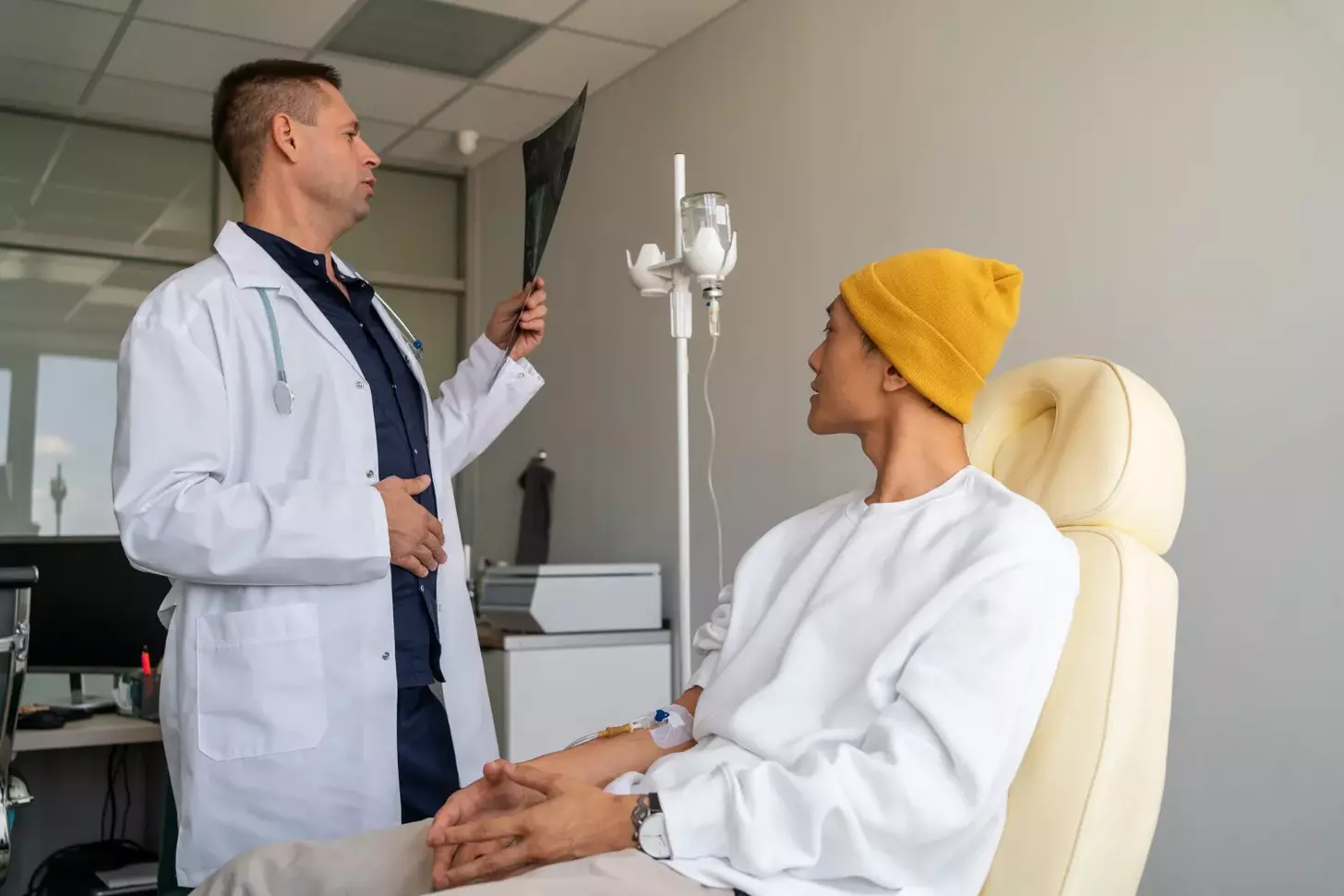
Undergoing chemotherapy can be a daunting experience, filled with questions about what to expect. At Liv Hospital, we understand the importance of being prepared for the journey ahead. Our expert team is committed to guiding you through every step, from preparation to recovery, ensuring you receive the care and support you need.
Understanding the changes that occur before, during, and after treatment can significantly impact your ability to manage side effects and navigate the process with confidence. We emphasize the importance of a multidisciplinary approach to care, ensuring that all aspects of your health are considered. For more insights on managing side effects, you can read about how sick chemotherapy can make you on our website.
Key Takeaways
- Preparation is key to managing chemotherapy side effects.
- A multidisciplinary care approach ensures comprehensive support.
- Understanding the treatment timeline helps in navigating the process.
- Patient experiences vary, but support is always available.
- Chemotherapy effects can be significant, but knowing what to expect helps.
The Chemotherapy Journey: What to Expect

Embarking on chemotherapy can be a daunting experience, but understanding the process can significantly ease the journey. We are here to guide you through what to expect, from the basics of chemotherapy to the importance of preparation and the multidisciplinary care approach that supports you throughout your treatment.
What Is Chemotherapy and How It Works
Chemotherapy is a systemic treatment that uses powerful drugs to target and destroy cancer cells. Unlike localized treatments such as surgery or radiation, chemotherapy works throughout the body, making it a crucial component of cancer treatment for many patients. The specific chemotherapy regimen is tailored to the individual’s type of cancer, its stage, and their overall health.
The chemotherapy process involves cycles of treatment followed by periods of recovery. During each cycle, the drugs are administered to attack the cancer cells. The goal is to shrink tumors, prevent the spread of cancer, and ultimately achieve remission. Our healthcare team will closely monitor your progress, adjusting the treatment plan as needed to maximize its effectiveness.
The Importance of Preparation and Awareness
Preparation is key to navigating chemotherapy successfully. Being aware of the potential side effects and understanding how to manage them can significantly improve your experience. We educate our patients on what to expect and provide strategies to cope with common challenges such as fatigue, nausea, and hair loss.
Awareness also extends to understanding the importance of maintaining a healthy lifestyle during treatment. This includes nutritional guidance, recommendations for physical activity, and advice on managing stress. By being proactive, patients can better maintain their strength and resilience throughout the treatment process.
Multidisciplinary Care Approach
A multidisciplinary care approach is fundamental to our chemotherapy program. This means that a team of specialists, including oncologists, nurses, nutritionists, and support staff, work together to provide comprehensive care. Our team is dedicated to addressing not just the medical aspects of cancer treatment, but also the emotional and practical needs of our patients.
By collaborating closely, we ensure that every aspect of a patient’s care is considered and addressed. This integrated approach helps to optimize treatment outcomes, improve quality of life, and support patients and their families throughout the chemotherapy journey and beyond.
Preparing for Chemotherapy: Essential Pre-Treatment Steps

Medical Assessments and Baseline Testing
Before starting chemotherapy, we conduct comprehensive medical assessments to establish a baseline of your current health status. These assessments may include blood tests, imaging studies, and other diagnostic procedures to evaluate your overall health and the extent of your condition. Baseline testing is crucial as it helps us monitor changes during and after treatment.
Nutritional and Physical Preparation Strategies
Nutritional preparation is vital for maintaining your strength during chemotherapy. We recommend focusing on a balanced diet rich in nutrient-dense foods, such as fruits, vegetables, whole grains, and lean proteins. Additionally, staying hydrated and managing your weight are important aspects of nutritional preparation. Physical activity, tailored to your current health status, can also help in maintaining your physical function and reducing fatigue.
Psychological Readiness and Building Support Systems
Psychological readiness is equally important as physical preparation. We encourage patients to build a strong support system, including family, friends, and support groups. Counseling and psychological support can help you cope with the emotional challenges of chemotherapy. Engaging in stress-reducing activities, such as meditation or yoga, can also contribute to your overall wellbeing.
By taking these essential pre-treatment steps, we can work together to ensure that you are well-prepared for chemotherapy, enhancing your ability to manage treatment side effects and improve your overall outcome.
Chemotherapy Before and After: The Complete Timeline
As patients embark on their chemotherapy journey, it’s essential to understand what to expect before, during, and after treatment. The chemotherapy timeline is a complex process that involves several stages, each with its own set of challenges and milestones.
Pre-Treatment Phase: What Happens Before You Begin
Before chemotherapy begins, patients undergo a series of preparations to ensure they are ready for the treatment. This phase includes medical assessments, baseline testing, and nutritional and physical preparation strategies.
- Medical assessments to evaluate overall health and determine the best course of treatment.
- Baseline testing, such as blood work and imaging studies, to establish a reference point for future comparisons.
- Nutritional counseling to help patients optimize their diet and manage potential side effects.
During Treatment: Cycle Patterns and Monitoring
Chemotherapy treatment is typically administered in cycles, with each cycle consisting of a treatment period followed by a rest period. During this phase, patients are closely monitored for side effects, and treatment plans are adjusted as needed.
| Chemotherapy Cycle Phase | Description | Monitoring and Adjustments |
|---|---|---|
| Treatment Period | Chemotherapy drugs are administered to target cancer cells. | Patients are monitored for side effects, and medication adjustments are made as needed. |
| Rest Period | The body is allowed to recover from the treatment. | Patients are assessed for treatment response and potential side effects. |
Post-Treatment Recovery Phases and Milestones
After chemotherapy treatment is completed, patients enter the post-treatment recovery phase. During this time, they are monitored for potential long-term side effects, and their overall health is assessed.
Key milestones during post-treatment recovery include:
- Follow-up appointments with healthcare providers to monitor for recurrence and manage side effects.
- Gradual return to normal activities and routines.
- Emotional and psychological adjustment to the post-treatment lifestyle.
By understanding the chemotherapy timeline, patients can better prepare themselves for the challenges ahead and navigate their treatment journey with confidence.
Change #1: Physical Energy and Fatigue Management
Fatigue is a common and debilitating side effect of chemotherapy, affecting up to 80% of patients undergoing treatment. This condition is not just about feeling tired; it’s a profound lack of energy that can impact daily activities, social interactions, and overall quality of life.
Understanding Chemotherapy-Related Fatigue
Chemotherapy-related fatigue is a complex condition influenced by multiple factors, including the treatment itself, the body’s response to cancer, and individual patient characteristics. Unlike normal tiredness, this type of fatigue is not necessarily relieved by rest and can persist throughout the treatment period.
Key factors contributing to chemotherapy fatigue include:
- The type and dose of chemotherapy
- The frequency of treatment cycles
- Underlying health conditions
- Nutritional deficiencies
- Stress and anxiety
Energy Conservation Techniques During Treatment
Managing energy levels during chemotherapy is crucial for maintaining quality of life. Effective energy conservation techniques can help patients cope with fatigue. Some strategies include:
- Prioritizing activities and focusing on what’s most important
- Breaking tasks into smaller, manageable chunks
- Using assistive devices to reduce physical exertion
- Practicing relaxation techniques, such as deep breathing or meditation
- Maintaining a balanced diet and staying hydrated
When Energy Levels Typically Return After Therapy
The timeline for recovery from chemotherapy fatigue varies among individuals. Generally, energy levels begin to improve a few weeks to a few months after completing treatment. However, some patients may experience lingering fatigue for several months post-treatment.
Factors influencing recovery time include:
- The duration and intensity of chemotherapy
- Patient’s overall health and age
- Presence of other health conditions
- Effectiveness of energy management strategies during treatment
By understanding chemotherapy-related fatigue and implementing effective energy management strategies, patients can better navigate this challenging aspect of their treatment journey.
Change #2: Hair Loss and Body Image Transformations
One of the most distressing side effects of chemotherapy is hair loss, which can profoundly impact a patient’s body image and self-esteem. Hair loss, or alopecia, is a common consequence of chemotherapy, affecting not just the scalp but potentially other parts of the body as well.
The Science Behind Chemotherapy-Induced Hair Loss
Chemotherapy targets rapidly dividing cells, which includes cancer cells but also hair follicle cells. This can lead to hair loss across the body, not just on the scalp. The extent of hair loss can vary depending on the type of chemotherapy drugs used, their dosage, and the individual’s overall health.
Coping Strategies and Appearance Options During Treatment
Coping with hair loss involves both practical and emotional strategies. Many patients opt for wigs, hats, or scarves to manage their appearance. Counseling and support groups can also provide emotional support during this challenging time. Some patients may also consider advanced treatments that might help mitigate hair loss.
Exploring different appearance options can help individuals regain a sense of control over their body image. This might include experimenting with different head coverings or makeup techniques to accentuate other features.
Hair Regrowth Timeline and What to Expect
Hair typically begins to regrow a few months after completing chemotherapy, though the rate and texture of regrowth can vary. Initially, the new hair may be finer or differently textured than before, but it usually returns to its original state over time. Understanding that hair regrowth is a gradual process can help manage expectations and reduce anxiety.
It’s essential for patients to be aware that hair loss is often a temporary side effect of chemotherapy. With time, most people experience full regrowth, and there are various resources available to support them through this transition.
Change #3: Digestive and Immune System Disruptions
One of the critical changes patients may experience during chemotherapy is disruptions to their digestive and immune systems. Chemotherapy, while targeting rapidly dividing cancer cells, can also affect other fast-dividing cells in the body, such as those lining the digestive tract and those involved in immune responses.
Managing Nausea, Vomiting, and Appetite Changes
Nausea and vomiting are common chemotherapy side effects that can significantly impact a patient’s quality of life. To manage these symptoms, we recommend a combination of medication, dietary changes, and relaxation techniques.
- Eat small, frequent meals to avoid overwhelming the stomach.
- Avoid strong-smelling foods that can trigger nausea.
- Stay hydrated by drinking plenty of fluids.
According to a study published in the Journal of Clinical Oncology, “the use of antiemetic therapy has significantly reduced the incidence of chemotherapy-induced nausea and vomiting.”
“The introduction of new antiemetic agents has revolutionized the management of chemotherapy-induced nausea and vomiting, improving patient outcomes and quality of life.”
Understanding Neutropenia and Infection Risk
Chemotherapy can lead to immune system suppression, resulting in a condition known as neutropenia, where the number of neutrophils (a type of white blood cell crucial for fighting infections) is lower than normal. This increases the risk of infections.
| Neutropenia Severity | Absolute Neutrophil Count (ANC) | Infection Risk |
|---|---|---|
| Mild | 1,000-1,500 cells/μL | Moderate |
| Moderate | 500-1,000 cells/μL | High |
| Severe | <500 cells/μL | Very High |
Protective Measures During Low Immunity Periods
To minimize the risk of infections during periods of neutropenia, patients should take several precautions:
- Avoid close contact with people who are sick.
- Practice good hygiene, including frequent handwashing.
- Avoid undercooked or raw foods that may contain bacteria.
By understanding the potential digestive issues and taking proactive steps to manage them, patients can better navigate the challenges of chemotherapy. Additionally, being aware of the risk of neutropenia and taking protective measures can help minimize the risk of infections.
Change #4: Hormonal, Reproductive, and Cognitive Effects
Chemotherapy’s impact extends beyond physical changes, affecting hormonal balance, reproductive health, and cognitive function. As we navigate the complexities of cancer treatment, understanding these changes is crucial for patients to prepare and cope effectively.
Menstruation Changes and Fertility Concerns
Chemotherapy can significantly affect the reproductive system, leading to changes in menstrual cycles and fertility concerns. Many patients experience irregular periods or amenorrhea during treatment. The impact on fertility varies depending on the type and dose of chemotherapy, as well as the patient’s age.
We recommend that patients discuss their fertility concerns with their healthcare provider before starting treatment. This conversation can help identify options for preserving fertility and managing menstrual changes.
Fertility Preservation Options Before Treatment
For many patients, preserving fertility is a significant concern. Fortunately, there are several options available before starting chemotherapy. These include egg freezing, embryo freezing, and ovarian tissue freezing. Sperm banking is also a viable option for male patients.
We encourage patients to explore these options with their healthcare team to determine the best approach for their individual situation. Early consultation with a fertility specialist can provide valuable insights and help patients make informed decisions.
Cognitive Function and “Chemo Brain” Management
Cognitive changes, often referred to as “chemo brain,” are a common side effect of chemotherapy. Patients may experience difficulties with memory, concentration, and processing information. While the exact cause is not fully understood, it is believed to be related to the effects of chemotherapy on the brain.
To manage cognitive changes, we recommend staying mentally active through activities like puzzles, reading, and social engagement. Additionally, maintaining a healthy lifestyle, including regular exercise and a balanced diet, can support overall brain health.
By understanding the potential hormonal, reproductive, and cognitive effects of chemotherapy, patients can better prepare for the challenges they may face during treatment. We are committed to providing comprehensive care that addresses these concerns and supports patients throughout their journey.
Change #5: Emotional and Psychological Wellbeing
The emotional and psychological impact of chemotherapy is significant and multifaceted. As we navigate the complexities of treatment, it’s essential to acknowledge the various emotional responses that patients may experience.
Common Emotional Responses Throughout Treatment
Patients undergoing chemotherapy often encounter a range of emotions, from anxiety and fear to sadness and frustration. It’s normal to feel overwhelmed by the diagnosis and the treatment process. We recognize that these emotional responses can vary widely among individuals, influenced by personal circumstances, support systems, and the specific challenges of their treatment regimen.
Support Resources and Effective Coping Mechanisms are crucial for managing the emotional and psychological impact of chemotherapy. We recommend exploring various support options, including:
- Counseling or therapy sessions to address emotional concerns
- Support groups, either in-person or online, to connect with others undergoing similar experiences
- Mindfulness and relaxation techniques, such as meditation or deep breathing exercises
- Engaging in activities that bring joy and help maintain a sense of normalcy
Post-Treatment Psychological Adjustment and Growth
After completing chemotherapy, patients often face the challenge of post-treatment psychological adjustment. This period can involve a mix of emotions, including relief, anxiety about the future, and sometimes, a sense of loss or grief for the experiences endured during treatment. We emphasize the importance of continued support during this phase, as patients work to rebuild their lives and adjust to a new normal.
It’s also a time when many patients reflect on their journey and explore opportunities for personal growth. Embracing this new chapter with a focus on wellbeing and resilience can be a powerful step towards healing and recovery.
By acknowledging the emotional and psychological aspects of chemotherapy and leveraging the right support resources and coping mechanisms, patients can better navigate their treatment journey and emerge stronger on the other side.
Conclusion: Moving Forward After Chemotherapy
As we conclude our exploration of the chemotherapy journey, it’s clear that recovery is a significant milestone. However, the journey doesn’t end there. Ongoing support is crucial for long-term wellbeing during the chemotherapy recovery phase.
We’ve discussed the key changes to expect during chemotherapy, from physical energy and fatigue management to emotional and psychological wellbeing. Understanding these changes is vital for patients to navigate their post-treatment care effectively.
Moving forward after chemotherapy requires a multidisciplinary care approach. Our healthcare team plays a vital role in providing comprehensive support, ensuring that patients receive the care they need during this critical phase.
By acknowledging the importance of chemotherapy support, we can better prepare patients for the challenges they may face. As patients move forward, they can rely on their healthcare team to provide guidance on managing any lingering effects of treatment.
Ultimately, the goal of post-treatment care is to empower patients to regain their strength and confidence. With the right support and care, patients can successfully navigate the challenges of chemotherapy recovery and move forward with renewed hope and resilience.
What is chemotherapy and how does it work?
Chemotherapy is a cancer treatment that uses drugs to kill cancer cells or stop them from growing and dividing. We use a multidisciplinary care approach to administer chemotherapy, which can be given orally or intravenously, depending on the type and stage of cancer.
How can I prepare for chemotherapy?
To prepare for chemotherapy, we recommend undergoing medical assessments and baseline testing, nutritional and physical preparation, and building psychological readiness. This includes discussing fertility preservation options with our team if needed.
What are the common side effects of chemotherapy?
Common side effects of chemotherapy include fatigue, hair loss, nausea, vomiting, appetite changes, and changes in cognitive function. We also provide guidance on managing neutropenia and infection risk during periods of low immunity.
How long does it take to recover from chemotherapy?
The recovery time from chemotherapy varies depending on the individual, the type of chemotherapy, and the overall health of the patient. We outline the post-treatment recovery phases and milestones to help patients understand what to expect.
Can I manage chemotherapy-related fatigue?
Yes, we provide energy conservation techniques and strategies to manage chemotherapy-related fatigue. This includes pacing activities, taking regular breaks, and maintaining a balanced diet.
Will I lose my hair during chemotherapy?
Chemotherapy-induced hair loss is a common side effect, but not all chemotherapy drugs cause hair loss. We offer coping strategies and appearance options to help patients manage changes in body image.
How can I manage nausea and vomiting during chemotherapy?
We provide guidance on managing nausea and vomiting, including medication options and dietary changes. This helps patients maintain their nutritional intake and overall health during treatment.
What are the long-term effects of chemotherapy?
Long-term effects of chemotherapy can include hormonal changes, reproductive issues, and cognitive changes. We discuss these potential effects with patients and provide information on managing them.
How can I cope with the emotional impact of chemotherapy?
We offer support resources and effective coping mechanisms to help patients manage the emotional and psychological impact of chemotherapy. This includes counseling, support groups, and stress management techniques.
What kind of support can I expect during chemotherapy?
Our multidisciplinary care team provides comprehensive support throughout the chemotherapy process, including medical care, nutritional guidance, psychological support, and help with managing side effects.