
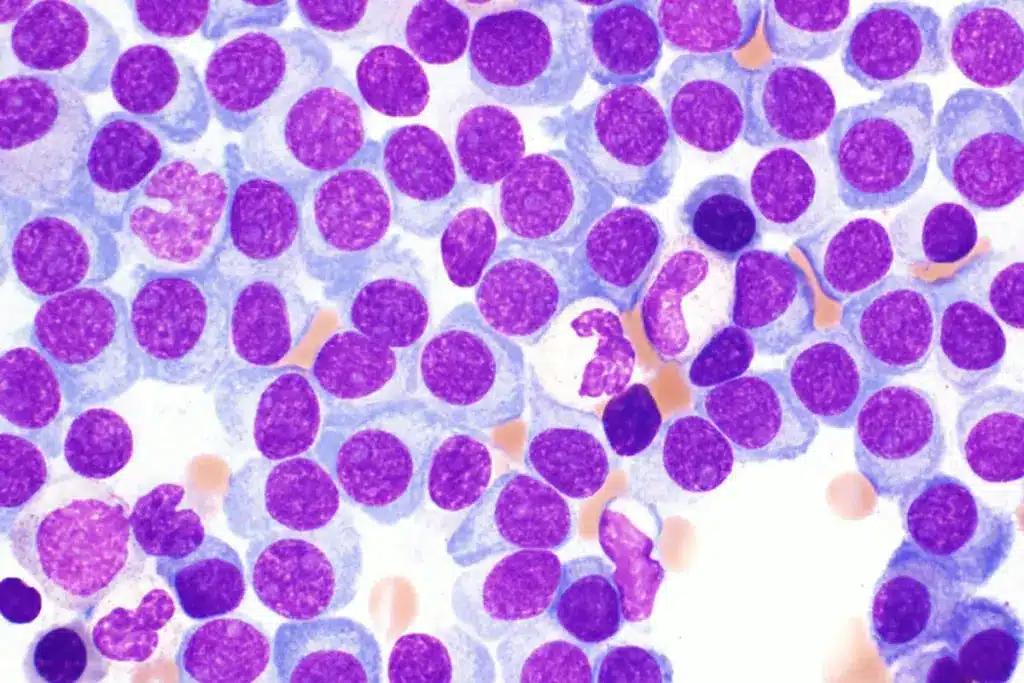
Multiple myeloma treatment has seen big changes. Now, it mixes old chemotherapy regimens with new stuff like immunotherapies and targeted agents.
Every year, about 36,110 new cases are found in the U.S. It’s important for patients to know their treatment choices and what might happen. Getting a multiple myeloma diagnosis can feel scary, but knowing what’s going on helps a lot.
When it comes to multiple myeloma chemotherapy, patients get a plan made just for them. This plan might include different treatments to help manage the disease well.
Key Takeaways
- Multiple myeloma treatment now combines traditional chemotherapy with innovative therapies.
- Annual diagnoses in the U.S. total around 36,110 new cases as of 2025.
- Understanding treatment options and outcomes is key for patients.
- A personalized treatment approach is usually recommended.
- Using different treatments can help manage the disease better.
Understanding Multiple Myeloma: A Brief Overview
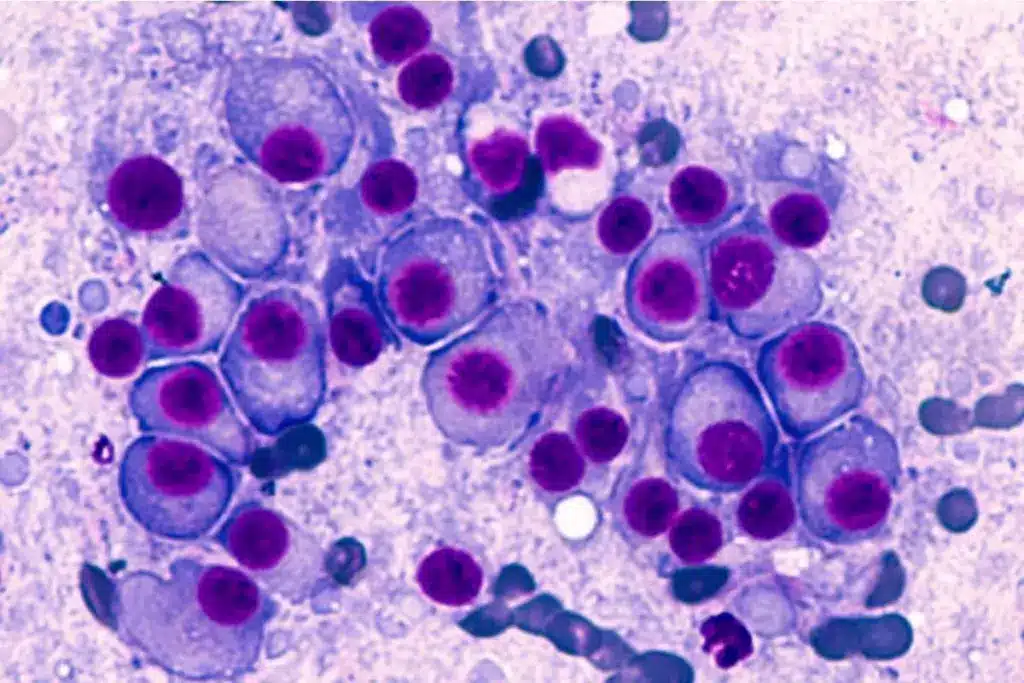
Multiple myeloma is a blood cancer that grows in the bone marrow. This disease makes it hard for the body to make healthy blood cells, causing many problems.
What is Multiple Myeloma?
Multiple myeloma affects plasma cells, a type of white blood cell in the bone marrow. Plasma cells usually fight infections by making antibodies. But in multiple myeloma, these cells turn cancerous and take over, weakening the immune system.
“The abnormal plasma cells accumulate in the bone marrow, where they interfere with the production of normal blood cells.” This can cause anemia, infections, and bone damage.
Current Statistics and Prevalence in the United States
The American Cancer Society says multiple myeloma makes up 1.8% of all new cancer cases. It mostly affects people over 65. Knowing these numbers helps patients and doctors fight the disease better.
Multiple myeloma is common in the U.S., showing the need for awareness and quick medical help. Thanks to new treatments, survival rates have improved, giving hope to those with the disease.
How Multiple Myeloma Affects the Body
Multiple myeloma can cause bone lesions, anemia, and make infections more likely. It can also harm the kidneys and cause high calcium levels from bone destruction.
Managing multiple myeloma well means a detailed treatment plan, including drugs and supportive care. Knowing how the disease affects the body helps tailor treatments.
Looking into treatments for multiple myeloma, it’s key to see how multiple myeloma medications and drug therapy play a role in controlling the disease.
The Role of Chemotherapy for Myeloma Cancer
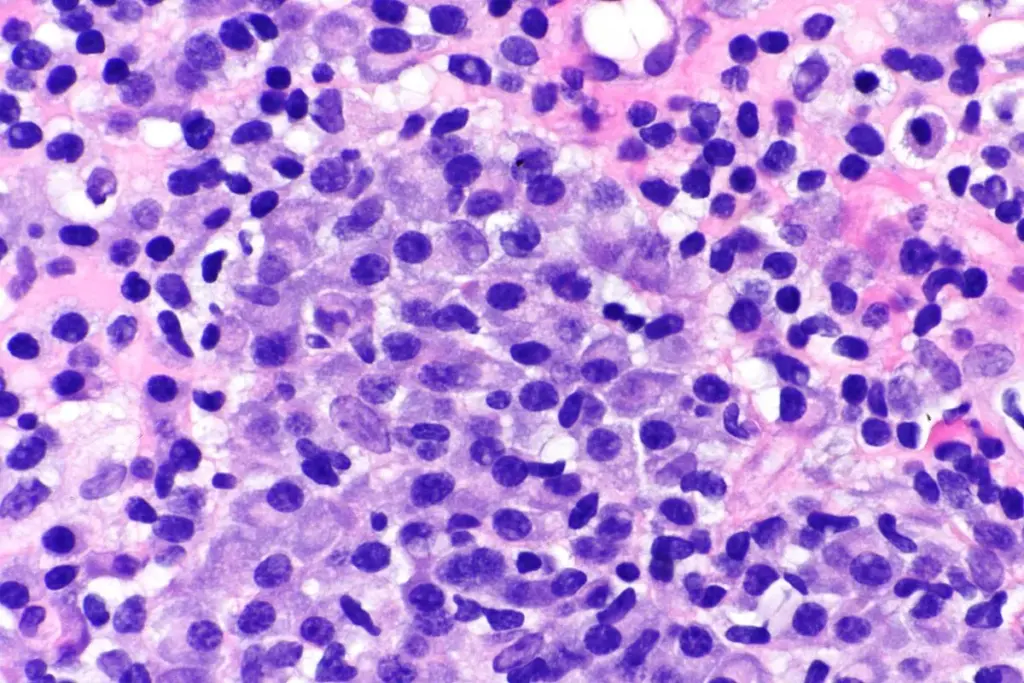
Chemotherapy’s role in treating myeloma cancer has grown, with new methods and therapies added. It’s now a key part of managing myeloma, giving patients many treatment options.
Traditional Chemotherapy Approaches
For years, traditional chemotherapy has been a mainstay in treating myeloma. It uses drugs to kill cancer cells. Alkylating agents like melphalan and cyclophosphamide are often used because they work well against myeloma cells. But, these old methods can have tough side effects, affecting patients’ lives.
Modern Treatment Paradigms
New ways of treating myeloma have changed the game. New drugs and combinations have boosted response rates and survival. Now, treatments are more personalized, based on the patient’s genes and disease. This move towards precision medicine has made chemotherapy more effective.
Integration with Newer Therapies
Combining chemotherapy with new therapies has been a big leap forward. Proteasome inhibitors like bortezomib and immunomodulatory drugs like lenalidomide have shown great promise. Together with traditional chemotherapy, they’ve led to better responses and longer lives for patients.
This mix of old and new treatments offers patients more effective plans. It not only improves results but also makes treatment better for patients’ quality of life.
Common Chemotherapy Drugs Used for Multiple Myeloma
Chemotherapy is a key part of treating multiple myeloma. Different drugs are used based on the disease’s stage, the patient’s health, and past treatments.
Alkylating Agents
Alkylating agents attach an alkyl group to cancer cells’ DNA. This stops them from copying themselves and kills them. Melphalan and Cyclophosphamide are two drugs used for this purpose in multiple myeloma treatment.
- Melphalan is often used in high-dose chemotherapy regimens followed by stem cell transplantation.
- Cyclophosphamide can be used in combination with other drugs for both initial treatment and in cases of relapsed multiple myeloma.
Corticosteroids
Corticosteroids are also important in treating multiple myeloma. Dexamethasone and Prednisone are the most used. They help fight myeloma and are often paired with other drugs.
|
Corticosteroid |
Common Use |
Notable Side Effects |
|---|---|---|
|
Dexamethasone |
Initial treatment and relapse |
Increased appetite, insomnia, mood changes |
|
Prednisone |
Combination therapy |
Weight gain, hypertension, hyperglycemia |
Anthracyclines and Other Cytotoxic Agents
Doxorubicin, an anthracycline, is used in some treatments for multiple myeloma. It’s often used in combination therapies for relapsed or refractory disease. Other drugs may also be used, depending on the treatment plan.
It’s important for patients to know about the different chemotherapy drugs for multiple myeloma. Each drug works in its own way and can have side effects. Doctors and healthcare teams work to manage these effects through careful planning and supportive care.
Innovative Treatments Combined with Chemotherapy
Using new treatments with chemotherapy is key in fighting multiple myeloma. This mix has greatly improved how well patients do. It has also raised hopes for better survival rates.
Proteasome Inhibitors
Bortezomib and carfilzomib have changed how we treat multiple myeloma. They block the proteasome, a key part in breaking down proteins. This makes myeloma cells die off. Research shows combining these with chemotherapy boosts patient results.
“Proteasome inhibitors have greatly helped us fight multiple myeloma,” says a top hematologist. “Mixing them with chemotherapy is now common in many treatments.”
Immunomodulatory Drugs
Lenalidomide and pomalidomide are also big players in treating multiple myeloma. They tweak the immune system to better fight cancer. Together with chemotherapy, they lead to better responses and longer lives.
- Lenalidomide has been shown to improve survival when paired with chemotherapy.
- Pomalidomide is for those who haven’t responded to other treatments, giving them a fresh chance.
Monoclonal Antibodies
Monoclonal antibodies, like daratumumab and elotuzumab, are also game-changers in treating multiple myeloma. They target specific cancer cells, making them easier for the immune system to destroy. Studies show they work well when combined with chemotherapy.
Using monoclonal antibodies in treatment plans has led to deeper and longer-lasting responses. This brings new hope to those with multiple myeloma.
First-Line Treatment: What to Expect
When you’re first diagnosed with multiple myeloma, the treatment you start is key. It’s a big step that needs careful thought and planning. Knowing what to expect can make the journey less scary and uncertain.
Induction Therapy Goals and Process
Induction therapy is the first step in fighting multiple myeloma. Its main goal is to quickly lower the number of myeloma cells in your body. Doctors use a mix of alkylating agents and corticosteroids to do this. The exact treatment depends on your health, age, and other factors.
“The first treatment phase is very important,” says a top hematologist. “Knowing about induction therapy helps patients get ready for what’s ahead.”
Treatment Regimens for Newly Diagnosed Patients
There are many treatment plans for new multiple myeloma patients. The plan depends on your age, health, and myeloma type. Doctors often mix drugs like proteasome inhibitors and immunomodulatory drugs with corticosteroids. They aim for a treatment that works well but is also easy to handle.
- Proteasome inhibitors: Bortezomib, carfilzomib
- Immunomodulatory drugs: Lenalidomide, pomalidomide
- Corticosteroids: Dexamethasone, prednisone
Measuring Treatment Response and Success Rates
Checking how well treatment is working is very important. Doctors use blood tests, imaging, and bone marrow biopsies to see how you’re doing. Success rates can change based on how well you respond to treatment and your health.
Recent studies show new treatments have greatly improved results for multiple myeloma patients. “New therapies have changed how we treat multiple myeloma,” says a leading medical journal. “Patients are now doing better and enjoying a better quality of life.”
The Treatment Journey: Multiple Lines of Therapy
Patients with multiple myeloma often go through many treatments. Each treatment has its own goals and challenges. It’s important to understand the different phases and how treatments can change.
Understanding Treatment Phases
Multiple myeloma treatment has several phases. The first phase, induction therapy, aims to quickly reduce tumors and ease symptoms. The goal is to adapt treatments based on how the disease progresses.
Induction Therapy: This initial phase is key. It sets the stage for future treatments by reducing tumors and managing symptoms.
Consolidation and Maintenance: After induction, consolidation therapy may follow to further reduce the disease. Then, maintenance therapy helps keep the response going over time.
When and Why Treatment Changes
Changing treatments is common in multiple myeloma care. These changes usually happen due to disease progression, treatment response, or side effects.
- Disease Progression: If the disease gets worse, a new treatment may be needed to regain control.
- Treatment Response: Achieving a deep response might lead to switching to maintenance therapy.
- Side Effects: Severe side effects can require a treatment change to improve quality of life.
Navigating Multiple Treatment Lines
Managing multiple treatments requires careful planning and support. It’s vital for patients to understand the reasons behind treatment changes and what to expect.
Patient Education: Teaching patients about their options, side effects, and the importance of sticking to treatment is key.
Support Systems: A strong support network, including healthcare providers, family, and support groups, is essential. It helps patients navigate through multiple treatments.
Preparing for Chemotherapy Sessions
Getting ready for chemotherapy means taking several important steps. These steps help reduce side effects and keep you safe. Knowing what to expect and how to prepare can greatly improve your treatment experience.
Pre-Treatment Assessments
Your healthcare team will do many tests before starting chemotherapy. These tests check your health and find the best treatment for you. You might have:
- Blood tests to check your blood cell counts and liver function
- Imaging tests like X-rays, CT scans, or MRI scans to see how far your disease has spread
- Bone marrow biopsy to look at your bone marrow’s condition
- Cardiac evaluation to check your heart health
These tests give your healthcare team the info they need to tailor your treatment just for you.
What to Bring to Appointments
Being ready for your chemotherapy appointments can make things easier. Here are some things to bring:
|
Item |
Purpose |
|---|---|
|
Insurance cards and identification |
To verify your identity and insurance coverage |
|
Medication list |
To inform your healthcare team about any medications you’re currently taking |
|
Comfortable clothing |
To ensure you’re comfortable during the treatment |
|
Snacks and water |
To keep you hydrated and nourished during the appointment |
|
Entertainment (books, tablets, etc.) |
To help pass the time during your treatment session |
Mental and Physical Preparation
Getting mentally and physically ready is as important as the medical prep. Here are some tips to help you cope:
- Mental Preparation: Try relaxation techniques like meditation, deep breathing, or yoga to manage stress and anxiety.
- Physical Preparation: Eat a healthy diet full of nutrients to help your body handle the treatment. Drink lots of water to stay hydrated.
- Support System: Have family and friends around for emotional support and help with daily tasks.
By following these steps, you can prepare better for chemotherapy. This can make your treatment experience better.
Administration Methods for Multiple Myeloma Chemotherapy
It’s important for patients with multiple myeloma to know how chemotherapy is given. There are different ways to get chemotherapy, each with its own benefits and things to consider. The choice depends on the treatment plan, the patient’s health, and what the doctors aim to achieve.
Intravenous (IV) Chemotherapy
Intravenous chemotherapy means the medicine goes straight into a vein. This method lets doctors give high doses quickly. It’s often used to treat multiple myeloma.
Advantages of IV Chemotherapy:
- Rapid delivery of high doses
- Effective for certain chemotherapy regimens
- Can be used in combination with other treatments
Oral Chemotherapy Options
Oral chemotherapy means taking pills or liquid medicine. This method is easy and flexible. It lets patients manage their treatment at home.
Benefits of Oral Chemotherapy:
- Convenience and ease of administration
- Less invasive than IV chemotherapy
- Allows for more control over treatment schedule
Subcutaneous Treatments
Subcutaneous chemotherapy means injecting medicine under the skin. This is less invasive than IV and used for some treatments of multiple myeloma.
Advantages of Subcutaneous Chemotherapy:
- Less invasive than IV chemotherapy
- Can be administered in a clinical setting or at home
- May reduce the risk of certain side effects
|
Administration Method |
Key Characteristics |
Benefits |
|---|---|---|
|
Intravenous (IV) |
High doses, rapid delivery |
Effective for certain regimens, can be used in combination |
|
Oral |
Convenient, flexible |
Ease of administration, less invasive |
|
Subcutaneous |
Less invasive, injectable |
Reduced risk of side effects, can be done at home |
In conclusion, how chemotherapy is given is a key part of treating multiple myeloma. Knowing the different ways helps patients understand their treatment better. This way, they can make informed choices about their care.
Common Side Effects and How to Manage Them
Treating multiple myeloma can lead to various side effects. These can be tough but can be handled with the right approach. We’ll look at the common side effects of treatment, their short and long-term impacts, and how to lessen them.
Short-Term Side Effects
Short-term side effects happen during or right after treatment. They can include feeling very tired, nausea, hair loss, and a higher risk of getting sick. Fatigue is a big issue for many patients getting chemotherapy. It’s not just feeling tired; it’s a deep exhaustion that makes daily tasks hard.
It’s key to manage these side effects. For example, there are medicines to help with nausea, and gentle exercise can fight fatigue. We suggest talking to your doctor about your side effects to make a plan just for you.
Long-Term Side Effects
Long-term side effects can last for months or even years after treatment ends. These might include nerve damage, bone thinning, and a higher chance of getting other cancers. Neuropathy, for instance, can come from certain drugs like bortezomib, causing nerve pain or numbness.
To deal with long-term side effects, you might need ongoing care. This could be physical therapy for nerve damage or medicines to keep bones strong. Regular check-ups with your doctor are important to keep an eye on and treat these effects.
Supportive Care Strategies
Supportive care is key in handling the side effects of multiple myeloma treatment. It includes many ways to improve your life quality. For example, supportive care teams can help with eating right, managing pain, and mental support.
|
Supportive Care Strategy |
Description |
Benefit |
|---|---|---|
|
Nutritional Counseling |
Personalized dietary advice to manage treatment side effects. |
Helps maintain strength and manage side effects like nausea. |
|
Pain Management |
Techniques and medications to control pain. |
Improves quality of life by reducing discomfort. |
|
Psychological Support |
Counseling and therapy to cope with the emotional impact of treatment. |
Enhances mental well-being and coping strategies. |
By adding supportive care to your treatment plan, you can handle the side effects of multiple myeloma therapies better. It’s important to work with your healthcare team to make these strategies fit your needs.
Specific Side Effects of Common Myeloma Medications
Understanding the side effects of myeloma medications is key to managing the disease. Treatments like bortezomib, lenalidomide, and pomalidomide have greatly improved outcomes. Yet, they also have side effects that need careful management.
Bortezomib Side Effects and Management
Bortezomib is a major treatment for multiple myeloma. It can cause several side effects, including:
- Peripheral Neuropathy: This common side effect leads to numbness, tingling, or pain in hands and feet. Adjusting the dose or adding medications can help manage symptoms.
- Fatigue: Many patients feel tired or weak. Rest, physical activity, and sometimes medication can help.
- Gastrointestinal Issues: Nausea, diarrhea, and constipation are possible. Dietary changes and anti-nausea medications can offer relief.
Regular monitoring and talking to healthcare providers are vital to manage these side effects. Sometimes, adjusting the dose or stopping treatment temporarily is needed.
Lenalidomide (Revlimid) Side Effects and Management
Lenalidomide is used in multiple myeloma treatment. Its side effects include:
- Blood Count Suppression: It can lower blood counts, increasing infection, anemia, and bleeding risks. Regular blood tests are essential.
- Fatigue: Like bortezomib, lenalidomide can cause tiredness. Lifestyle changes and medication can help.
- Risk of Secondary Cancers: There’s a higher risk of secondary malignancies. Regular check-ups with healthcare providers are important.
Managing lenalidomide’s side effects often involves adjusting the dose and supportive care. Patients should report any symptoms to their healthcare team right away.
Pomalidomide (Pomalyst) Side Effects and Management
Pomalidomide is used when other treatments fail. Its side effects are somewhat similar to lenalidomide and include:
- Blood Count Suppression: Regular blood count monitoring is necessary to prevent infections and other complications.
- Fatigue and Weakness: Tiredness can be managed with rest, exercise, and possibly medication.
- Neuropathy: Though less common, pomalidomide can cause peripheral neuropathy.
Effective management of pomalidomide’s side effects requires close monitoring, patient education, and sometimes dose adjustments. Patients should discuss any concerns or symptoms with their healthcare providers.
Treatment Outcomes and Survival Rates
Recent advances in chemotherapy have greatly improved treatment outcomes and survival rates for multiple myeloma patients. As we keep improving treatment methods, it’s key to know what affects these results.
Response Rates to Modern Chemotherapy Regimens
Modern chemotherapy regimens have led to higher response rates among multiple myeloma patients. Studies show that combining new therapies with traditional ones has boosted overall response rates. Some regimens now achieve response rates over 80%.
- Proteasome inhibitors like bortezomib have been shown to improve response rates when combined with other therapies.
- Immunomodulatory drugs such as lenalidomide have also contributed to higher response rates and longer progression-free survival.
Factors Affecting Survival
Several factors can influence survival rates for multiple myeloma patients. These include age, overall health, and certain genetic abnormalities. Knowing these factors helps healthcare providers tailor treatments to each patient’s needs.
- Age is a significant factor, with older patients often facing more challenges due to comorbidities and decreased physiological reserve.
- Genetic factors, such as the presence of high-risk cytogenetic abnormalities, can also impact survival rates.
Age-Related Considerations and Attrition Rates
As patients age, their ability to tolerate certain treatments can decrease, potentially affecting attrition rates. Older patients may need more personalized treatment approaches to balance efficacy with tolerability.
We understand that age-related considerations are vital in treatment planning. By grasping these factors, healthcare providers can create more effective and compassionate care plans.
Monitoring Treatment Effectiveness
It’s important for patients with multiple myeloma to know how to check if treatment is working. This helps doctors adjust plans for better results.
Blood Tests and What They Mean
Blood tests are key for tracking how well treatment is going. They check things like:
- M-protein levels: High levels mean myeloma is active.
- Complete Blood Count (CBC): This checks blood cell counts.
- Blood chemistry tests: They look at kidney function and other important stuff.
These tests help us see if treatment is working and if changes are needed.
Imaging Studies
Imaging studies are also very important. They help see how much myeloma is present and how it’s reacting to treatment. Some common ones are:
|
Imaging Modality |
Purpose |
|---|---|
|
PET/CT scans |
They find active myeloma spots and check how treatment is doing. |
|
MRI |
They look at bone marrow and see changes over time. |
|
X-rays |
They check bone damage and look for fractures. |
These studies give us important info on how myeloma is reacting to treatment.
Bone Marrow Biopsies
Bone marrow biopsies are very important. They take a small bone marrow sample for testing. We use them to:
- Diagnose and stage multiple myeloma.
- Check how well treatment is working by looking at myeloma cell numbers.
- Find minimal residual disease (MRD) to decide on more treatment.
By looking at blood tests, imaging studies, and bone marrow biopsies, we can really understand how treatment is doing. This helps us make the best choices for care.
Personalized Treatment Approaches
The way we treat multiple myeloma is changing. We now tailor treatments to fit each patient’s needs. This is thanks to genetic testing and precision medicine, making treatments more effective.
Factors That Influence Treatment Decisions
Many things help decide the best treatment for multiple myeloma. These include the patient’s health, age, and disease details. Genetic abnormalities in myeloma cells are key. Also, other health issues must be considered to make sure the treatment is safe and works well.
Genetic Testing and Precision Medicine
Genetic testing is key in managing multiple myeloma. It helps doctors find specific genetic issues that guide treatment. Precision medicine uses this info to create treatments that match the patient’s cancer. This makes treatments more effective and reduces side effects.
Genetic testing has led to better treatment plans. For example, some genetic signs mean a patient might need stronger or more targeted treatments.
Age and Comorbidity Considerations
Age and other health issues are big factors in treatment choices. Older patients or those with other health problems might need treatments that are gentler. Comprehensive geriatric assessments help doctors choose the right treatment for older patients.
Also, having other health problems like diabetes or heart disease can affect treatment choices. Some drugs might not be safe for patients with these conditions, so doctors have to find other options.
Latest Advancements in Myeloma Cancer Chemotherapy
New research and clinical trials are changing how we treat myeloma cancer. We’re seeing new drug combinations and treatment methods. This is a big change in the field.
Emerging Drug Combinations
Studies show combining old and new drugs can work well. For example, mixing proteasome inhibitors with immunomodulatory drugs has shown great results. Combinations like bortezomib with lenalidomide and dexamethasone are now key in treating multiple myeloma.
Research also looks at using monoclonal antibodies with chemotherapy. Daratumumab, for instance, has been paired with different chemotherapy regimens. This has made treatments more effective, even for those who didn’t respond to single drugs.
|
Drug Combination |
Treatment Phase |
Notable Outcomes |
|---|---|---|
|
Bortezomib + Lenalidomide + Dexamethasone |
Induction Therapy |
Improved response rates, prolonged PFS |
|
Daratumumab + Bortezomib + Dexamethasone |
Relapsed/Refractory |
Enhanced overall response, improved OS |
|
Carfilzomib + Lenalidomide + Dexamethasone |
First-Line Treatment |
Better tolerance, significant efficacy |
Clinical Trials and Research Directions
Clinical trials are key in shaping myeloma treatment’s future. They’re looking at new drug combinations and ways to give treatments. For example, subcutaneous formulations of some drugs are making treatment easier and less painful for patients.
Trials are also exploring CAR-T cell therapy and other immunotherapies for myeloma. These methods aim to use the body’s immune system to fight cancer better.
Future Treatment Paradigms
The future of myeloma treatment will be more personalized. Treatments will be tailored to each patient’s needs. Advances in genetic testing and precision medicine will help choose the best treatments for each person.
As research keeps moving forward, we’ll see new therapies added to current treatments. This will lead to better results for patients. The work of researchers, doctors, and patients will be key in making these advancements happen.
Conclusion: Navigating Your Multiple Myeloma Treatment Journey
Dealing with multiple myeloma treatment can be tough. It’s key to understand the process and the help available. This helps patients make smart choices about their health.
We talked about different chemotherapy methods and new treatments. Personalized care is also very important. With the right help, patients can get better and live better lives.
It’s important for patients to keep up with new treatments and options. Knowing about proteasome inhibitors, immunomodulatory drugs, and monoclonal antibodies is vital. These are key parts of treatment plans.
Getting through treatment well means a lot of planning and checking up on how things are going. Patients should be active in their care. This way, they can handle their condition better and feel better overall.
Handling multiple myeloma treatment is a team effort. Patients, doctors, and support groups all play a part. Together, they can help patients get the best results and keep a good quality of life during treatment.
FAQ
What is multiple myeloma and how is it treated?
Multiple myeloma is a blood cancer where bad plasma cells grow in the bone marrow. Treatment often includes chemotherapy, targeted therapy, and sometimes stem cell transplants.
What are the common chemotherapy drugs used for multiple myeloma?
For multiple myeloma, doctors use drugs like melphalan and cyclophosphamide. They also use dexamethasone and newer drugs like bortezomib and lenalidomide.
What are the side effects of bortezomib, lenalidomide, and pomalidomide?
Bortezomib can cause nerve problems, tiredness, and stomach issues. Lenalidomide may lead to tiredness, low white blood cells, and infections. Pomalidomide can cause tiredness, low red blood cells, and low white blood cells. It’s important to manage these side effects to keep quality of life high.
How is treatment response measured in multiple myeloma?
Doctors check how well treatment is working by testing blood and doing imaging studies like PET scans. They also do bone marrow biopsies to see how much disease is present.
What factors influence treatment decisions for multiple myeloma?
Decisions on treatment depend on the patient’s health, age, and genetic makeup of the myeloma. Genetic testing and precision medicine help tailor treatments.
What are the latest advancements in myeloma cancer chemotherapy?
New advancements include better drug combinations and the use of monoclonal antibodies like daratumumab. Researchers are also exploring CAR-T cell therapy. Clinical trials are looking into new ways to treat the disease.
How can patients prepare for chemotherapy sessions?
Patients should get ready by doing pre-treatment tests and bringing needed items. They should also prepare mentally and physically for the treatment.
What are the different methods of administering chemotherapy for multiple myeloma?
Chemotherapy can be given through an IV, orally, or under the skin. The method depends on the drugs and treatment plan.
How can side effects of multiple myeloma treatment be managed?
Managing side effects involves supportive care like medications and lifestyle changes. Regular check-ups with healthcare providers are also important.
What is the role of personalized medicine in treating multiple myeloma?
Personalized medicine tailors treatment based on the patient’s genetic makeup and health. It aims to improve treatment results.
What are the survival rates for multiple myeloma patients?
Survival rates have gotten better with modern treatments. Age, disease type, and treatment response all affect survival chances.
Reference
National Institutes of Health (NIH). Understanding Symptoms of Ovarian Cancer. https://www.nih.gov/news-events/nih-research-matters/understanding-symptoms-ovarian-cancer