
As cancer treatment evolves, chemotherapy pills are gaining more attention. By 2025, around 56.8% of chemotherapy treatments are expected to be taken orally. This shift allows patients to receive effective treatment from the comfort of their homes.
Chemotherapy pills work by targeting and stopping the growth of cancer cells, preventing them from spreading. They are used for various cancers, including breast, lung, prostate, and colorectal.
One of the biggest advantages of chemotherapy pills is convenience, but patients must manage them properly and be aware of possible side effects. In this article, we’ll explore 12 key facts about chemotherapy pills, including their benefits, challenges, and essential tips for patients and caregivers.
Key Takeaways
- Oral chemotherapy is becoming a preferred method of cancer treatment.
- It offers flexible, at-home treatment options for patients.
- Oral chemo agents are used for various types of cancer.
- Proper management and understanding of side effects are key.
- Patients should follow specific instructions for taking oral chemotherapy drugs.
The Rising Importance of Oral Chemotherapy in Cancer Care
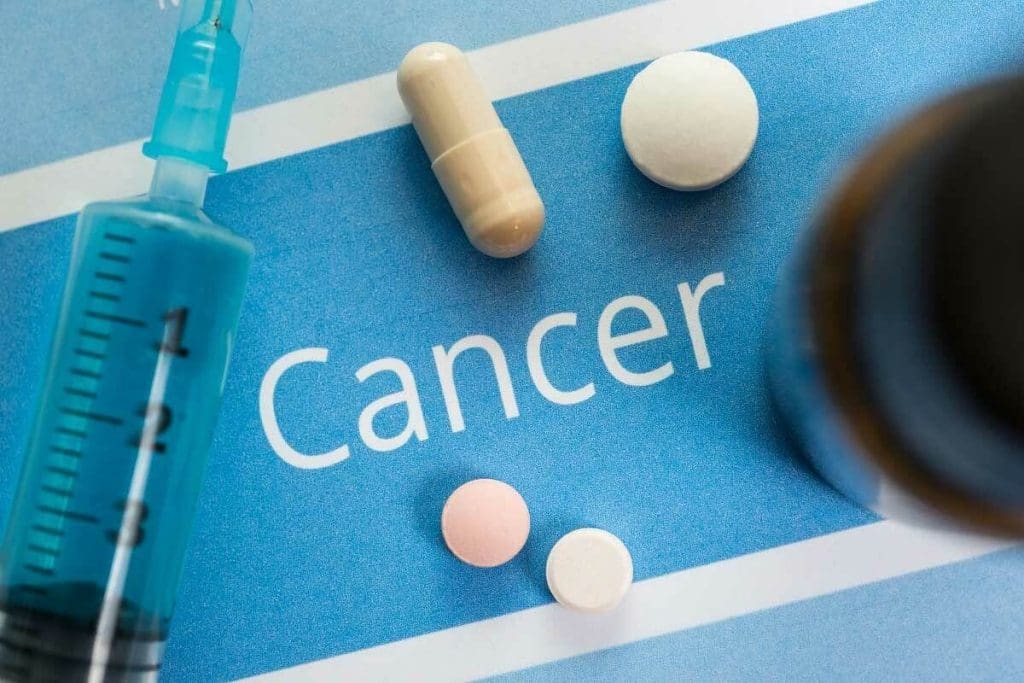
The way we treat cancer is changing, with oral chemotherapy becoming key. It’s now easier and more convenient for patients to take their chemo at home. This change is making treatment more accessible and improving how well patients stick to their plans.
Oral chemotherapy lets patients manage their treatment at home. This move from IV to oral chemo is a big deal. It’s not just about making things easier; it’s a major change in how we care for cancer patients.
The Shift from IV to Oral Administration
Several reasons are pushing us towards oral chemo, like better drug development and wanting to help patients more. Oral chemo lets patients take their treatment whenever it fits their schedule. This can make them more likely to stick with their treatment and might even make it work better.
A report by Coherent Market Insights shows a big move towards oral chemo. It says that by 2025, about 56.8% of chemo will be taken orally. This shows how important oral chemotherapy is becoming in treating cancer.
Current Statistics: 56.8% of Chemo Delivered Orally by 2025
The fact that 56.8% of chemo will be oral by 2025 shows how widely accepted oral chemo is getting. This trend will keep growing as more oral chemo options become available. The ease of taking chemo by mouth is a big reason for this shift.
Looking ahead, oral chemo will be even more vital in cancer treatment. Being able to take chemo orally will help patients get better and live better lives while they’re being treated for cancer.
What Are Chemotherapy Pills and How Do They Work?

Chemotherapy pills, or oral chemo drugs, fight cancer by stopping or slowing its growth. These drugs are a key part of cancer treatment. They offer a less invasive option compared to traditional intravenous chemotherapy.
Defining Oral Chemo Agents and Their Mechanisms
Oral chemotherapy agents work in different ways to fight cancer. Some stop cancer cells from reproducing by messing with their DNA. Others target proteins or pathways that help tumors grow. For example, drugs like Abemaciclib and Osimertinib are effective against certain cancers, like breast and lung cancer.
These drugs can kill cancer cells directly or slow down tumor growth. Knowing how they work helps doctors choose the best treatment for each patient.
Different Forms: Tablets, Capsules, and Liquid Formulations
Chemotherapy pills come in tablets, capsules, and liquid forms. The choice depends on the drug, the cancer type, and the patient’s needs. Tablets and capsules are common because they’re easy to take and dose accurately. Liquid forms are better for those who can’t swallow pills.
Some drugs are available in different forms. This lets doctors tailor treatments to fit each patient’s needs. For instance, some drugs can be made into liquids for patients who need them.
- Tablets: Easy to administer and precise dosing.
- Capsules: Often used for drugs that are not compatible with tablet form.
- Liquid formulations: Useful for patients with swallowing difficulties.
As research improves, we’ll see new ways to make chemotherapy pills. This will make them more effective and easier for patients to take.
Key Fact #1: Improved Quality of Life with Oral Chemotherapy
Oral chemotherapy has changed cancer treatment for the better. It lets patients take their medicine at home. This makes treatment more comfortable and easier to manage.
Home-Based Treatment Advantages
Oral chemotherapy means patients can treat themselves at home. This cuts down on hospital trips, saving time and stress. It also keeps their daily life as normal as possible.
Key benefits of home-based oral chemotherapy include:
- Reduced need for hospital visits
- Less time spent traveling to treatment centers
- Ability to maintain daily routines
- Increased privacy and comfort
Reduced Hospital Visits and Travel Requirements
Oral chemotherapy means fewer trips to the hospital. Patients save time and avoid the hassle of hospital visits. This reduces stress and makes treatment easier.
| Aspect | IV Chemotherapy | Oral Chemotherapy |
| Hospital Visits | Frequent visits required | Minimal visits required |
| Travel Requirements | Significant travel time | Little to no travel needed |
| Patient Comfort | Often requires prolonged hospital stays | Allows for treatment at home |
Oral chemotherapy makes life better for patients. It lets them focus on getting better and live more normally during treatment.
Key Facts #2-4: Types of Cancers Treated with Oral Chemotherapy Pills
Oral chemotherapy agents are now widely used to treat various cancers. They improve patient outcomes and quality of life. These medications are given at home, making treatment easier.
These pills are used for many cancer types. We will look at their use in breast cancer, lung cancer, blood malignancies, and prostate cancer.
Breast Cancer: Abemaciclib and Other Targeted Agents
In breast cancer treatment, Abemaciclib has shown great promise. It is a CDK4/6 inhibitor used with hormone therapy for advanced HR-positive, HER2-negative breast cancer. It has been shown to improve survival without the cancer getting worse.
Other targeted agents for breast cancer include:
- Palbociclib and Ribociclib, also CDK4/6 inhibitors, have shown similar benefits in HR-positive, HER2-negative advanced breast cancer.
- Olaparib, a PARP inhibitor used for patients with germline BRCA mutations and HER2-negative metastatic breast cancer.
Lung Cancer: Osimertinib and Related Treatments
Lung cancer treatment has also benefited from oral chemotherapy pills. Osimertinib is a third-generation EGFR tyrosine kinase inhibitor used for EGFR-mutated non-small cell lung cancer (NSCLC). It works well in patients with T790M resistance mutations.
Other oral agents for lung cancer include:
- Alectinib and Ceritinib, ALK inhibitors used for ALK-positive NSCLC.
- Brigatinib is another ALK inhibitor with activity against ALK-positive NSCLC.
Blood Malignancies and Prostate Cancer: Venetoclax and Enzalutamide
Oral chemotherapy pills are also key in treating blood malignancies and prostate cancer. Venetoclax is a BCL-2 inhibitor used in chronic lymphocytic leukemia (CLL) and acute myeloid leukemia (AML). It has shown significant efficacy in CLL, even in those with 17p deletion.
In prostate cancer, Enzalutamide is an androgen receptor inhibitor for metastatic castration-resistant prostate cancer. It has improved survival and delayed disease progression.
The use of these oral chemotherapy pills is a big step forward in cancer treatment. They offer patients more targeted and effective therapies with better safety.
Key Facts #5-7: Benefits and Challenges of Chemo by Pill
Oral chemotherapy has changed cancer treatment for the better. It offers a more convenient and flexible option than traditional intravenous chemotherapy. Looking into the benefits and challenges of oral chemo pills helps us see how they change patient care.
Convenience and Treatment Flexibility
Oral chemotherapy is a big plus for patients because it’s easy to use at home. It means fewer trips to the hospital. As an oncologist, notes, “Oral chemo makes life easier for patients during treatment.”
It also lets patients keep their lives normal and feel independent. But they have to take charge of their treatment at home.
Patient Compliance Considerations
Oral chemo has its downsides, like making it hard for patients to stick to their treatment. Unlike IV chemo, oral chemo requires patients to remember to take their pills at home. Forgetfulness or not wanting to take the pills can hurt treatment success.
Doctors and patients must work together to make sure patients take their pills as directed. This might include using reminders or apps to help patients stay on track.
Financial and Insurance Implications
The cost of oral chemo is another big issue. While it might save money on hospital visits, the pills themselves can be very expensive. Insurance and what patients have to pay out of pocket can vary a lot, which can be hard on patients.
Doctors and patients need to work together to figure out insurance and find ways to make treatment affordable. They should also talk about other treatment options if needed.
Understanding the good and bad of oral chemo helps us support patients better. It makes their treatment journey smoother and more effective.
Key Facts #8-10: Managing Side Effects of Oral Chemo Drugs
Oral chemotherapy has many benefits, but also side effects that need careful handling. Understanding these side effects and how to lessen them is key to comfort and treatment success.
Common Side Effects Specific to Oral Chemotherapy
Oral chemotherapy drugs can lead to various side effects, some unique to these medications. Common issues include:
- Fatigue: Feeling tired or weak, which can impact daily activities.
- Nausea and Vomiting: Managing these symptoms is key to keeping nutrition and hydration up.
- Diarrhea or Constipation: Gastrointestinal side effects that need dietary changes.
- Hair Loss: Though less common than with IV chemotherapy, some oral chemo drugs can cause hair loss.
A study in the Journal of Clinical Oncology found that managing these side effects can greatly improve patient outcomes and quality of life.
“The ability to manage side effects effectively is a critical component of successful oral chemotherapy treatment.”
Strategies for Side Effect Management at Home
Managing side effects at home needs a proactive approach. Here are some strategies to help patients cope:
| Side Effect | Management Strategy |
| Fatigue | Prioritize rest, maintain a balanced diet, and engage in gentle exercise. |
| Nausea and Vomiting | Take medication as prescribed, eat small, frequent meals, and avoid strong odors. |
| Diarrhea or Constipation | Stay hydrated, adjust diet to include fiber-rich foods, or avoid irritants. |
By using these strategies, patients can better manage their side effects and improve their overall treatment experience.
It’s vital for patients to work closely with their healthcare team to create a personalized plan for managing side effects. This way, we can make oral chemotherapy more effective and improve patient outcomes.
Key Facts #11-12: The Future of Chemotherapy Pills in Oncology
We are on the brink of a new era in fighting cancer. This is thanks to the growth of oral chemotherapy pills. These pills are making cancer treatment more personal and precise, thanks to new research and next-generation pills.
Emerging Oral Cancer Medications and Research Trends
The world of cancer care is changing fast with new oral chemotherapy agents. Emerging oral cancer medications aim to be more effective and have fewer side effects. Research is moving towards targeted therapies that kill cancer cells without harming healthy tissue.
- Development of novel targeted agents that exploit specific genetic mutations in cancer cells.
- Advancements in immunotherapy which harness the body’s immune system to fight cancer.
- Increased focus on combination therapies that pair oral chemotherapy with other treatment modalities.
Next-Generation Cancer Pill and Chemo Tablet Developments
The next generation of cancer pills aims to improve patient outcomes and quality of life. Next-generation cancer pills are being made to work better and more consistently. These changes could greatly change how we treat different cancers.
- Improved formulations that enhance the solubility and absorption of oral chemotherapy agents.
- Development of pills with modified release mechanisms, allowing for more flexible dosing schedules.
- Integration of digital health technologies to monitor patient adherence and treatment response.
As research keeps moving forward, we’ll see even more new oral chemotherapy options. The future of chemotherapy pills in oncology looks very promising, with many exciting developments coming.
Practical Guidance: Taking Oral Chemotherapy Medications Safely
It’s important to follow guidelines when taking oral chemotherapy. This ensures safety and effectiveness. Managing oral chemotherapy can be tough, but with the right info, patients can feel more confident.
Storage, Handling, and Administration Best Practices
Storing and handling oral chemotherapy meds properly is key. Keep them in their original containers, away from sunlight and moisture. Make sure they’re out of children’s and pets’ reach.
Here are some tips for taking oral chemotherapy:
- Take the medication at the same time every day to maintain consistent drug levels.
- Use a pill box or calendar to keep track of doses.
- Swallow tablets or capsules whole with water; do not crush or chew them unless instructed.
- If a dose is missed, contact the healthcare provider for guidance on what to do next.
Monitoring Requirements and Healthcare Communication
Monitoring and talking to healthcare providers are key to safe oral chemotherapy management. Be aware of side effects and report them quickly. Regular blood tests and check-ups are needed to track treatment.
Keep a log of your medication and any side effects. This info is very helpful during doctor visits. Also, don’t hesitate to ask your healthcare team about your treatment.
Not all generic versions of oral chemotherapy meds are the same.
Conclusion: Making Informed Decisions About Oral Chemotherapy Options
Oral chemotherapy pills are playing a big role in cancer care today. We’ve looked at their benefits and challenges. They can make life better for patients, but managing side effects is key.
Patients need to know about their treatment choices. This means understanding the different pills, how they work, and their possible side effects. Knowing this helps patients make choices that fit their needs.
We suggest patients talk to their doctors about treatment plans. Looking at oral chemotherapy options can help. This way, patients can be more involved in their care. Working together can lead to better treatment results and happier patients.
FAQ
What are chemotherapy pills, and how do they work?
Chemotherapy pills are medications taken by mouth to fight cancer. They target and kill cancer cells. These pills come in different forms like tablets, capsules, and liquids.
What are the benefits of oral chemotherapy compared to traditional IV administration?
Oral chemotherapy improves quality of life and reduces hospital visits. It lets patients treat themselves at home. This cuts down on travel and hospital stays.
What types of cancers are treated with oral chemotherapy pills?
Oral chemotherapy pills treat many cancers, like breast, lung, blood, and prostate cancer. Examples include abemaciclib, osimertinib, venetoclax, and enzalutamide.
What are the common side effects of oral chemotherapy, and how can they be managed?
Side effects include nausea, fatigue, and hair loss. To manage these, eat well, drink plenty of water, and take meds as directed. Talk to your doctor to keep side effects in check.
How can patients ensure safe administration of oral chemotherapy medications?
Follow storage, handling, and administration guidelines. Store meds in a cool, dry place and handle them carefully. Take them exactly as told. Always talk to your doctor about any concerns.
What is the future of chemotherapy pills in oncology?
The future looks bright for chemotherapy pills. New medications and research aim for better treatments. Next-generation pills target cancer cells more precisely and have fewer side effects.
Are oral chemotherapy pills covered by insurance?
Coverage varies by medication and insurance. Check with your provider to see what’s covered and any costs you might face.
Can oral chemotherapy pills be used in combination with other treatments?
Yes, oral chemotherapy can be used with other treatments like surgery or radiation. Your treatment plan will depend on your specific needs and medical history.
References
- Amjad, M.T., Zulfiqar, M., Imran, M., et al. (2023). Cancer Chemotherapy – StatPearls. StatPearls Publishing. https://www.ncbi.nlm.nih.gov/books/NBK564367/
- O’Neill, V.J., Keefe, D.M.K. (2002). Oral cancer treatment: developments in chemotherapy and supportive care. Nature Reviews Cancer, 2(10), 732-741. https://www.nature.com/articles/6600591