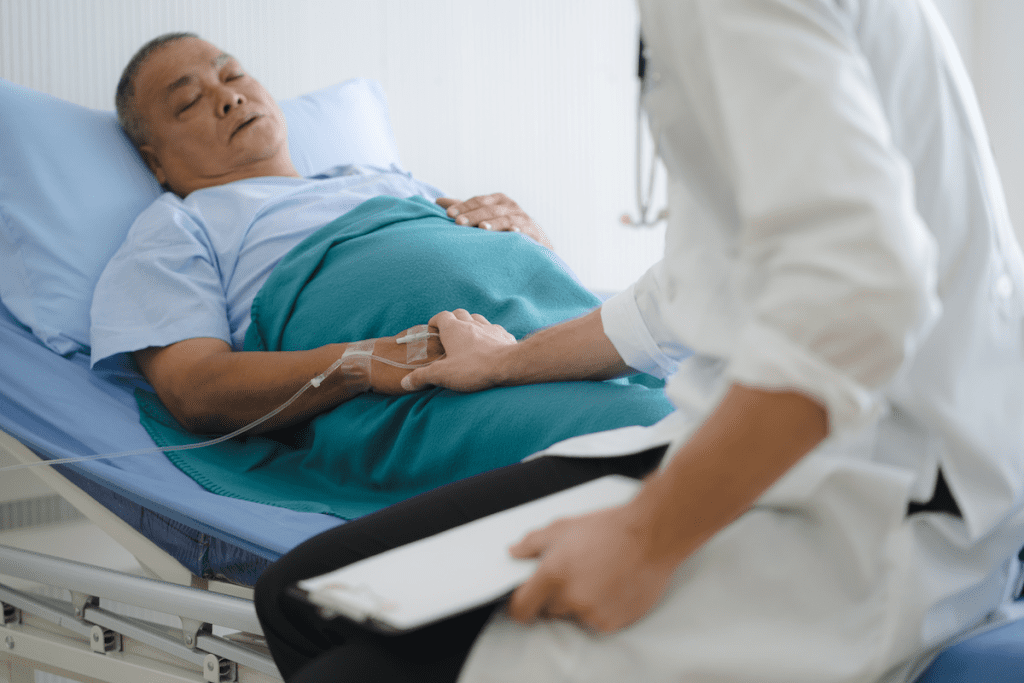
Patients going through cancer treatment often face tough chemotherapy side effects that can significantly affect their quality of life. Managing these side effects well is key to helping patients get through treatment smoothly and safely.
Every patient’s experience with chemotherapy side effects is different. What helps one person might not work for another. Some may struggle with nausea, fatigue, or hair loss, while others might face changes in appetite or skin sensitivity. That’s why it’s vital to create a care plan that matches each patient’s specific needs.
By teaming up with healthcare experts, patients can develop personalized strategies to manage chemotherapy side effects effectively. This not only supports physical recovery but also improves overall emotional well-being throughout the treatment journey.
Key Takeaways
- Understanding the importance of managing cancer treatment symptoms
- Developing a personalized care plan to address individual needs
- Working with healthcare professionals to mitigate treatment impact
- Improving overall well-being during cancer treatment
- Enhancing quality of life for cancer patients
Understanding Chemotherapy and Its Impact on the Body
Chemotherapy targets cells that grow fast, leading to side effects. It’s a key part of cancer treatment. It aims to kill cancer cells that grow quickly.
How Chemotherapy Works
Chemotherapy uses drugs to kill or slow down cancer cells. These drugs can be taken by mouth or given through an IV. It targets fast-growing cancer cells but can also harm healthy cells.
Why Side Effects Occur
Side effects happen because chemotherapy drugs harm both cancer and healthy cells. This is because they can’t tell the difference. Common side effects include nausea, hair loss, and feeling very tired. The severity and type of side effects vary among patients.
Individual Factors Affecting Side Effect Severity
Several factors can change how severe side effects are. These include the patient’s health, age, the type of chemotherapy drugs, and the dosage. Genetic factors also play a role in how the body reacts to chemotherapy drugs.
| Factor | Impact on Side Effects |
| Age | Older patients may experience more severe side effects due to decreased physiological reserve. |
| Overall Health | Patients with pre-existing health conditions may be more susceptible to severe side effects. |
| Type of Chemotherapy | Different chemotherapy drugs have varying side effect profiles. |
| Genetic Factors | Genetic variations can affect how chemotherapy drugs are metabolized, influencing side effect severity. |
Knowing these factors helps patients and doctors manage side effects better. It improves the treatment experience.
Common Chemotherapy Side Effects: What to Expect

Knowing about chemotherapy side effects is key for patients. Chemotherapy fights cancer cells but can harm other fast-growing cells too. This leads to different side effects.
Short-term vs. Long-term Side Effects
Chemotherapy side effects fall into two groups: short-term and long-term. Short-term effects happen during or right after treatment. These include nausea, fatigue, and hair loss. Long-term effects can last months or even years after treatment ends.
Every person’s experience with chemotherapy is different. Not everyone will face all side effects. The type of chemotherapy, dosage, and individual factors can affect how severe and long-lasting side effects are.
Most Frequently Reported Symptoms
Some common chemotherapy side effects are:
- Nausea and vomiting
- Fatigue
- Hair loss
- Mouth sores
- Neuropathy
These symptoms can affect a patient’s life quality. There are ways to manage them and improve life during treatment.
| Side Effect | Management Strategies |
| Nausea and Vomiting | Anti-nausea medications, dietary changes, relaxation techniques |
| Fatigue | Activity pacing, energy conservation, sleep hygiene |
| Hair Loss | Scalp cooling, gentle hair care, wigs or head coverings |
When to Contact Your Healthcare Provider
While many side effects can be managed at home, some need medical attention. Severe symptoms like intense nausea, fever, or signs of infection need immediate help.
Also, contact your healthcare provider if you experience:
- Persistent or severe pain
- Significant changes in appetite or hydration
- Unusual bleeding or bruising
Understanding what to expect and when to seek help can make chemotherapy treatment better. It improves the overall experience for patients.
Managing Nausea and Vomiting During Treatment

Managing nausea and vomiting from chemo needs a mix of meds, diet changes, and other therapies. These symptoms can really hurt a patient’s quality of life. So, it’s key to try all possible ways to help.
Anti-nausea Medications and Their Timing
Anti-nausea meds, or antiemetics, are key in fighting chemo nausea and vomiting. They block the brain signals that cause nausea. It’s important to take them before chemo to stop nausea from starting.
Common Anti-nausea Medications:
- Ondansetron (Zofran)
- Granisetron (Kytril)
- Dexamethasone (Decadron)
- Metoclopramide (Reglan)
Dietary Strategies for Chemo Nausea Relief
Changing your diet can help with nausea. Eating small meals often helps because it doesn’t overload your stomach. Also, skip foods that are fatty, spicy, or very sweet.
| Dietary Recommendation | Benefit |
| Eating small, frequent meals | Reduces stomach overload |
| Avoiding fatty or spicy foods | Less likely to trigger nausea |
| Staying hydrated | Prevents dehydration caused by vomiting |
Alternative Therapies for Nausea Control
Other than meds and diet, things like acupressure and ginger might help with nausea. Acupressure bands, which apply pressure to a wrist spot, can help some people.
“Ginger has natural anti-inflammatory properties and has been used for centuries to aid digestion and alleviate nausea.” “ A nutritionist
Talking to your doctor about these options is important. They can help figure out the best plan for you.
Combating Fatigue and Energy Conservation
Cancer-related fatigue is a big problem for patients getting chemotherapy. It makes daily tasks hard and affects their mood. We know managing this condition needs a mix of physical and emotional care.
Understanding Cancer-Related Fatigue
Cancer-related fatigue is not just feeling tired. It’s a deep, lasting feeling of tiredness or exhaustion. This fatigue isn’t just about how much you do. It’s also linked to the cancer type, treatment, and the person’s health.
Activity Pacing and Energy Management
Managing cancer-related fatigue means activity pacing and energy conservation. It’s about finding a balance between rest and activity. Patients should focus on the most important tasks and break them down into smaller steps.
- Keep a diary to track energy levels and identify patterns.
- Schedule regular rest periods.
- Engage in gentle exercises, like walking or yoga, if possible.
Sleep Hygiene During Cancer Treatment
Good sleep hygiene is key to fighting fatigue. Having a regular sleep schedule and a calm sleep area can really help.
Here are some tips for better sleep:
- Avoid caffeine and electronic screens before bed.
- Make your sleep area dark and quiet.
- Keep naps short, under 30 minutes.
Hair Loss Prevention and Management Strategies
Managing hair loss during chemotherapy is key. It involves prevention and coping strategies. Hair loss can be distressing, but there are ways to lessen it.
Scalp Cooling Techniques
Scalp cooling is a popular method to reduce hair loss during chemo. It works by cooling the scalp, which makes blood vessels smaller. This reduces the amount of chemo that reaches hair follicles. It’s especially helpful for some chemo types.
Key benefits of scalp cooling include:
- Reduced hair loss
- Non-invasive procedure
- Can be used with other hair loss prevention methods
Hair Care During Chemotherapy
Gentle hair care is vital during chemo. It helps prevent hair loss and scalp irritation. Use mild shampoos and conditioners, avoid heat styling, and be gentle when combing or brushing.
Tips for hair care during chemotherapy:
- Use a wide-tooth comb to minimize breakage
- Avoid harsh chemical treatments
- Use a soft-bristled brush for gentle detangling
Wigs, Scarves, and Head Coverings
Wigs, scarves, and head coverings are essential during chemo. They help patients feel normal and cope with hair loss.
Considerations for choosing wigs and head coverings:
- Comfort and fit
- Material and breathability
- Style and personal preference
Combining these strategies helps manage hair loss during chemo. It’s important to talk to your healthcare provider about the best options for you.
Preventing and Treating Mouth Sores
Oral mucositis, or mouth sores, is a common side effect of chemotherapy. It’s important to manage it well to improve patients’ quality of life.
Oral Hygiene Protocols
Good oral hygiene is key to preventing and managing mouth sores. Here are some tips:
- Brush your teeth gently with a soft-bristled toothbrush at least twice a day.
- Use a mild, non-abrasive toothpaste.
- Rinse your mouth with a saline solution or a baking soda and water mix several times a day.
- Avoid mouthwashes with alcohol.
Soothing Remedies for Oral Mucositis
There are several ways to soothe mouth sores. These include:
- Topical anesthetics like benzocaine or lidocaine to numb the area.
- Medications such as sucralfate to protect the mucous membranes.
- Using a humidifier to keep the mouth moist.
Always talk to your healthcare provider before trying new treatments.
Foods to Avoid and Recommended Alternatives
Changing your diet can help manage mouth sores. Avoid:
- Spicy or acidic foods that can irritate the mouth.
- Sharp or crunchy foods that can cause physical damage.
- Very hot or cold foods and drinks.
Instead, choose:
- Soft, bland foods like yogurt, scrambled eggs, or mashed potatoes.
- Cold or lukewarm liquids to soothe the mouth.
- Nutritional supplements if solid foods are hard to eat.
| Food Type | Recommended | To Avoid |
| Fruits | Soft fruits like bananas or avocados | Citrus fruits or fruits with seeds |
| Vegetables | Cooked, soft vegetables | Raw or crunchy vegetables |
| Proteins | Soft-cooked eggs, tender meats | Spicy meats or dry, tough meats |
By following these guidelines, patients can better manage mouth sores and reduce discomfort during chemotherapy.
Addressing Chemotherapy-Induced Neuropathy
Understanding and managing chemotherapy-induced neuropathy is key for patients to stay independent during treatment. This side effect affects many patients, impacting their quality of life.
Early Signs and Symptoms
The early signs include numbness or tingling in the hands and feet. Some may feel pain, sensitivity to cold or heat, or have trouble with coordination and balance. Spotting these symptoms early is crucial for effective management.
Medical Interventions for Neuropathic Pain
Managing chemotherapy-induced neuropathy often requires a mix of medical treatments. These may include:
- Medications like anticonvulsants or antidepressants to manage pain
- Pain relief creams or patches for localized pain
- Nerve blocks or other procedures for severe cases
It’s vital for patients to work with their healthcare team to find the best treatment plan.
Lifestyle Adaptations for Neuropathy Management
Along with medical treatments, lifestyle changes can help manage neuropathy from chemo. These include:
- Doing gentle exercises like yoga or swimming to improve circulation
- Practicing good foot care, including wearing comfortable shoes and checking feet daily
- Avoiding extreme temperatures and using protective measures when handling cold or hot items
By combining medical treatments with these lifestyle changes, patients can manage chemotherapy-induced neuropathy better. This improves their quality of life during cancer treatment.
Effective Ways to Manage Chemotherapy Side Effects
Managing chemotherapy side effects needs a proactive plan and the right strategies. Being ready and having a plan helps patients face the challenges of chemotherapy.
Creating a Side Effect Journal
Keeping a side effect journal is a great way to manage chemotherapy side effects. It helps patients track symptoms and talk to their healthcare team.
- Record the date and time of each symptom
- Describe the severity and impact of the symptom
- Note any factors that may have contributed to the symptom
- Track any medications or interventions used to manage the symptom
This info helps healthcare providers adjust treatment plans.
Communicating with Your Healthcare Team
Talking openly with your healthcare team is key in managing side effects. Patients should share any changes or concerns.
Key aspects to discuss with your healthcare team include:
- Any new or worsening symptoms
- Concerns about medication side effects
- Questions about treatment plans
- Emotional or psychological challenges
Working together, patients and healthcare providers can find effective ways to manage side effects.
Timing Medications for Maximum Relief
When you take medications can greatly affect how well they work. Patients should work with their healthcare team to find the best timing.
Consider the following:
- Take anti-nausea medications before chemotherapy sessions
- Schedule pain relief medication around activities
- Adjust medication timing to minimize side effects
Optimizing medication timing can help patients feel better from chemotherapy side effects.
Boosting Your Immune System During Treatment
Boosting your immune system during chemotherapy can make a big difference. Chemotherapy can weaken your immune system, making you more likely to get sick. It’s important to find ways to support your immune function during this time.
Infection Prevention Strategies
Preventing infections is key when you’re on chemotherapy. Here are some steps to help you stay safe:
- Avoid close contact with people who are sick
- Practice good hygiene, including frequent handwashing
- Avoid large crowds and public gatherings
- Stay up-to-date on recommended vaccinations
By taking these precautions, you can lower your chance of getting infections while on chemotherapy.
Nutritional Support for Immune Function
Eating right is crucial for your immune system during chemotherapy. A balanced diet with all the necessary nutrients can help strengthen your immune system. Here are some tips:
- Consuming a variety of fruits and vegetables
- Including lean proteins and whole grains in your diet
- Staying hydrated by drinking plenty of water
- Avoiding foods that may cause infection or irritation
Nutritional supplements can also be helpful. But, always talk to your doctor before adding any supplements.
Physical Activity and Immune Health
Doing gentle exercises can also help your immune system during chemotherapy. It’s important to avoid too much exercise, but activities like walking or yoga can be good. Here’s what we suggest:
- Starting with short, manageable sessions
- Gradually increasing the duration and intensity as tolerated
- Listening to your body and resting when needed
By adding these activities to your daily routine, you can support your immune system during chemotherapy. This might help reduce the risk of complications and improve your quality of life.
Nutrition and Hydration: Eating Well Through Chemotherapy
Eating well during chemotherapy is key to managing side effects and staying healthy. Chemotherapy can weaken your body’s defenses and energy levels. A balanced diet helps you cope with treatment and recover faster.
Managing Taste Changes and Appetite Loss
Chemotherapy can change your taste and appetite. To cope, try these tips:
- Eat foods that are cold or at room temperature, as they may be less bothersome than hot foods.
- Choose marinated meats or foods with strong flavors to enhance taste.
- Add ginger or other spices to help stimulate your appetite.
Eating smaller, more frequent meals can also help. This approach makes eating less overwhelming and keeps your nutrition up.
Nutrient-Dense Foods for Cancer Patients
Focus on nutrient-dense foods for essential vitamins, minerals, and proteins. Include:
- Lean proteins like chicken, fish, and beans.
- Whole grains such as brown rice, quinoa, and whole-wheat bread.
- A variety of fruits and vegetables, aiming for a rainbow of colors to ensure a broad intake of vitamins and minerals.
Healthy fats in nuts, seeds, avocados, and olive oil are also crucial for energy and overall health.
Hydration Strategies During Treatment
Staying hydrated is critical during chemotherapy. Aim to drink at least 8-10 glasses of fluid per day. You can consume:
- Water as the primary source of hydration.
- Herbal teas or clear broths for added variety.
- Electrolyte-rich beverages like coconut water or sports drinks to help maintain electrolyte balance.
Check your urine output to see if you’re hydrated; it should be pale yellow or clear. If you’re having trouble staying hydrated, talk to your healthcare provider for advice.
Skin and Nail Care During Chemotherapy
Chemotherapy can affect your skin and nails, but proper care can help. It can make your skin dry and sensitive, and change your nails. It’s important to use gentle care.
Managing Skin Dryness and Sensitivity
To deal with dry and sensitive skin, use mild, fragrance-free cleansers and moisturizers. Look for products with aloe vera or hyaluronic acid. They help soothe and hydrate your skin.
- Apply moisturizer right after bathing when your skin is still damp.
- Stay away from harsh soaps and hot water, as they take away your skin’s natural oils.
- Wear loose, comfy clothes to avoid irritation.
Preventing and Treating Nail Changes
Chemotherapy can make your nails brittle, discolored, or develop ridges. To prevent or lessen these changes, consider the following:
- Keep your nails short and clean to avoid breakage.
- Avoid harsh chemicals or nail polish removers.
- Use a nail strengthening base coat if you wear nail polish.
Sun Protection During Treatment
During chemotherapy, your skin may be more sensitive to the sun. This increases the risk of sunburn and damage. Here’s what we recommend:
- Use a broad-spectrum sunscreen with at least SPF 30 every day.
- Wear protective clothing, like hats and sunglasses, when outside.
- Seek shade, especially during the peak sun hours.
By following these tips, you can protect your skin and nails during chemotherapy. This reduces the risk of complications and improves your comfort.
Emotional and Psychological Support Strategies
Coping with cancer treatment is not just about physical health. It also needs a holistic approach for emotional and psychological well-being.
Coping with Anxiety and Depression
Anxiety and depression are common in cancer patients going through chemotherapy. We know how crucial it is to tackle these mental health issues for full care.
Strategies for Managing Anxiety and Depression:
- Seeking professional help from mental health specialists
- Engaging in relaxation techniques such as deep breathing or meditation
- Staying connected with friends and family
- Participating in activities that bring joy and fulfillment
Support Groups and Counseling Resources
Support groups and counseling services are key for emotional support in cancer patients. They offer a safe place to share and get guidance.
| Support Resource | Description | Benefits |
| Support Groups | Group sessions led by professionals or peers | Shared experiences, emotional support, practical advice |
| Counseling Services | One-on-one or family counseling sessions | Personalized guidance, coping strategies, emotional support |
| Online Resources | Web-based forums, educational content, and support groups | Accessibility, anonymity, diverse perspectives |
Mindfulness and Stress Reduction Techniques
Mindfulness and stress reduction techniques can greatly improve emotional well-being in cancer patients. They help manage stress and promote relaxation.
Mindfulness Techniques:
- Meditation and guided imagery
- Yoga and tai chi
- Mindful breathing exercises
- Progressive muscle relaxation
By using these emotional and psychological support strategies, cancer patients can handle chemotherapy’s challenges better.
Conclusion: Creating Your Personalized Side Effect Management Plan
Every patient’s experience with chemotherapy is different. A personalized plan can help manage side effects better. By using the strategies from this article, you can create a detailed plan for managing chemo side effects.
A plan tailored to your needs helps address your specific concerns. It’s important to work closely with your healthcare team. Together, you can make a care plan that fits your lifestyle and treatment needs.
Managing chemo side effects requires medical help, lifestyle changes, and emotional support. By being proactive, you can lessen the impact of side effects. This improves your quality of life.
We want to give you the knowledge and resources to handle your treatment journey well. With a personalized care plan, you can focus on getting better. You’ll know you have the support and guidance to manage chemotherapy side effects effectively.
FAQ
What are the most common side effects of chemotherapy?
Common side effects include nausea, vomiting, and fatigue. Hair loss, mouth sores, and neuropathy are also common. The severity and type of side effects vary by individual and treatment.
How can I manage nausea and vomiting during chemotherapy?
Take anti-nausea medications as directed. Eat small meals often and avoid strong smells. Try acupuncture or ginger to help with nausea and vomiting.
What can I do to combat fatigue during cancer treatment?
Pace your activities and take breaks. Practice good sleep habits. Gentle exercises like yoga or walking can help conserve energy.
How can I prevent or minimize hair loss during chemotherapy?
Use scalp cooling techniques and gentle hair care. Wigs, scarves, or head coverings can also help. Discuss these options with your healthcare provider.
What are some effective ways to prevent and treat mouth sores?
Keep your mouth clean and use saltwater rinses. Avoid spicy or acidic foods. Consult your healthcare provider for personalized advice.
How can I manage chemotherapy-induced neuropathy?
A combination of medical treatments, lifestyle changes, and alternative therapies can help. Discuss the best approach with your healthcare provider.
What are some strategies for boosting my immune system during chemotherapy?
Practice infection prevention, eat nutrient-dense foods, and stay hydrated. Engage in physical activity as tolerated.
How can I maintain good nutrition and hydration during chemotherapy?
Eat small meals often and manage taste changes. Drink plenty of fluids. Consider nutritional supplements and consult a registered dietitian.
What are some tips for managing skin and nail changes during chemotherapy?
Use gentle skin care products and protect your skin from the sun. Keep your nails trimmed and moisturized to prevent damage.
How can I cope with anxiety and depression during cancer treatment?
Explore support groups, counseling, and mindfulness techniques. Discuss your emotional well-being with your healthcare provider.
Why is it essential to create a personalized plan for managing chemotherapy side effects?
A personalized plan helps tailor your approach to your specific needs. It makes managing side effects more effective and improves your quality of life.
References
- Management of chemotherapy-induced side-effects. (2005). The Lancet Oncology. https://www.thelancet.com/journals/lanonc/article/PIIS1470-2045%2805%2970182-0/fulltext