Cancer treatment, including chemotherapy, can lead to many gastrointestinal side effects. Up to 80% of patients get diarrhea. Some also notice changes in stool color, like black stools, also called melena.

These changes can be scary and might show a bigger health problem, like bleeding in the gut. We need to understand how chemotherapy side effects affect stool color. It’s key to know what black stools mean and how to handle these symptoms.
Key Takeaways
- Chemotherapy can cause gastrointestinal side effects, including changes in stool color and consistency.
- Black stools, or melena, can be a sign of gastrointestinal bleeding.
- Understanding the link between chemotherapy and black stools is critical for patient care.
- Managing gastrointestinal side effects is vital for overall health during cancer treatment.
- Patients should be aware of the possible changes in stool color during chemotherapy.
What Black Stools Indicate in Cancer Patients
Black stools, known as melena, are a warning sign for cancer patients. It’s important to know what melena means and why it happens, mainly in those getting chemotherapy.
Clinical Definition of Melena (Black, Tarry Stools)
Melena is when your stools turn black because of blood digestion in your gut. It usually means there’s bleeding in the upper part of your gut. This can happen in cancer patients due to their treatment or the disease itself.
Common Causes of Black Stools in the General Population
Black stools can happen for a few reasons in regular people. These include:
- Upper gastrointestinal bleeding
- Taking certain medicines like iron or bismuth subsalicylate
- Eating foods or substances that can change the color of your stool
But for cancer patients, the reasons are more complex. They often tie back to their treatment or how their disease is growing.
Why Black Stools Require Special Attention During Cancer Treatment
For cancer patients on chemotherapy, black stools are a big deal. They might mean there’s bleeding in the gut, which is very serious. The risk of bleeding goes up because chemotherapy can hurt the gut lining and lower platelet counts.
Here are some reasons why black stools are a worry:
- Gastrointestinal Bleeding: Chemotherapy can damage the gut lining, causing bleeding.
- Medication Interactions: Mixing chemotherapy with other drugs can up the risk of bleeding.
- Cancer Progression: Black stools might also show that the cancer is spreading to the gut.
If you’re a cancer patient and see black stools, you need to see a doctor right away. They can figure out why and how to treat it.
Understanding Common Chemotherapy Side Effects on Digestion
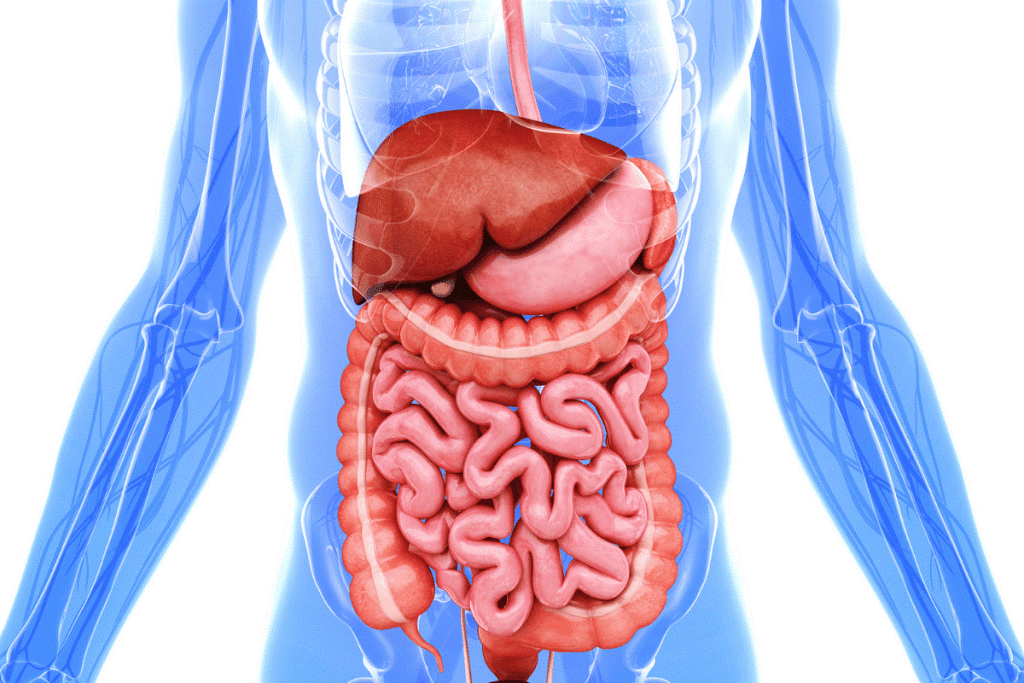
Chemotherapy is a key part of cancer treatment. But it can affect the body in many ways. It’s important to know how chemotherapy impacts the digestive system. We’ll look at common digestive side effects, how often they happen, and how they change during treatment.
The 80% Prevalence Rate of Digestive Disturbances
Research shows that 80% of patients face digestive issues during chemotherapy. These issues can be mild or severe. It’s key to manage these side effects well to keep patients healthy and strong.
Side effects like nausea, vomiting, diarrhea, and constipation are common. They can really affect a patient’s life and how well they stick to their treatment.
How Chemotherapy Drugs Target Rapidly Dividing Cells
Chemotherapy drugs aim at fast-growing cancer cells. But they can also harm other fast-growing cells, like those in the gut. This can cause damage, inflammation, and mess up digestion.
These drugs work by messing with DNA and cell division. This helps fight cancer but can also hurt healthy gut cells, causing side effects.
Timeline of Digestive Side Effects During Treatment Cycles
When and how bad digestive side effects are can vary. It depends on the treatment and the patient. Side effects can start during or right after treatment and can last a while after it’s done.
Knowing when side effects will happen helps patients and doctors plan better. They might adjust treatment, add supportive care, or use medicines to lessen symptoms.
5 Ways Chemotherapy Can Lead to Black Stools
It’s important to know aboutchemotherapy side effects, like black stools. Chemotherapy can upset the stomach and cause changes in stool color. Let’s look at how chemotherapy can lead to black stools.
Mucosal Damage Causing Gastrointestinal Bleeding
Chemotherapy can hurt the lining of the stomach and intestines, causing bleeding. This bleeding can turn stool black. It happens because chemotherapy targets fast-growing cells, including those in the stomach lining.
Altered Gut Microbiome Composition
The gut microbiome is key for digestion and health. Chemotherapy can mess with this balance, changing stool color and consistency. Studies show that an upset gut microbiome can cause many side effects, including black stools.
Disrupted Bile Acid Metabolism
Bile acids help with digestion, and chemotherapy can affect them. Changes in bile acid processing can change stool color. Some chemotherapy drugs can alter bile acid metabolism, leading to black stools.
Medication Interactions with Chemotherapy Drugs
Patients on chemotherapy often take many medications. These can interact with chemotherapy drugs, raising the risk of bleeding or other issues. It’s important to tell doctors about all medications being taken.
The five ways chemotherapy can cause side effects show how complex it is. Understanding these connections helps patients and doctors work together to manage symptoms.
- Key Factors:Mucosal damage
- Altered gut microbiome
- Disrupted bile acid metabolism
- Medication interactions
Research Findings on Chemotherapy Side Effects and Stool Changes
New research shows that chemotherapy can really mess with your gut, including your stool. Studies are helping us understand how chemotherapy affects patients. They’ve given us important insights into these side effects.
2024 Translational Oncology Study on Intestinal Integrity
A 2024 study in Translational Oncology found that chemotherapy harms the gut and liver. It shows why keeping an eye on your gut health is key during treatment. The study found that chemotherapy can cause problems like changes in stool.
Clinical Data on Diarrhea Prevalence
Diarrhea hits 50-80% of people getting chemotherapy. This shows we need better ways to deal with it. Diarrhea can cause dehydration and mess with your body’s balance of salts and minerals.
Case Reports of Upper GI Bleeding During Treatment
Some patients on chemotherapy have bled in their upper gut. These cases show how serious gut side effects can be. Bleeding in the upper gut is very dangerous and needs quick medical help.
Emerging Research on Microbiome Protection Strategies
New studies are looking into keeping the gut microbiome safe during chemo. Keeping the gut healthy is key to avoiding some side effects. Researchers are looking into probiotics and prebiotics to help protect the gut.
As we learn more about chemotherapy’s side effects, taking care of the gut is more important than ever. Keeping up with the latest research helps us support patients better during their treatment.
When to Seek Emergency Care for Black Stools During Cancer Treatment
Knowing when to get emergency care for black stools during cancer treatment is key. Black stools, or melena, can be a sign of bleeding in the gut. Some cases need routine care, but others need urgent help.
Red Flag Symptoms Requiring Immediate Medical Attention
Some symptoms with black stools mean you need to go to the emergency room right away. These include:
- Severe abdominal pain: Sudden, intense pain in the belly.
- Vomiting blood: This means you’re bleeding in your upper gut.
- Dizziness or fainting: Feeling very lightheaded or passing out can mean you’ve lost a lot of blood.
- Rapid heartbeat: A fast heart rate can happen if you’ve lost blood or have other problems.
Diagnostic Procedures Used to Evaluate Black Stools
Healthcare providers use different tests to find out why you have black stools. These tests include:
- Endoscopy: This lets doctors see inside your upper gut to find bleeding spots.
- Imaging studies: Like CT scans, to see how bad any bleeding or problems are.
- Laboratory tests: These include blood and stool tests to check for bleeding or infection.
How Oncologists Differentiate Between Expected Side Effects and Complications
Oncologists look at black stools in the big picture of your health. They think about:
- The type and stage of cancer: Different cancers and treatments have different risks for gut side effects.
- Chemotherapy regimen: The drugs and how much you get can affect your gut’s risk.
- Patient’s medical history: Your past health can affect your gut or bleeding risk.
By looking at these things, oncologists can tell if it’s just a side effect or something serious that needs quick action.
7 Strategies to Manage Digestive Health During Chemotherapy
Managing digestive health is key for those going through chemotherapy. Chemotherapy can really mess with your digestive system, causing many side effects. Here are seven ways to help manage your digestive health during this tough time.
Dietary Modifications to Protect Gut Integrity
Making changes to your diet is a great way to keep your digestive system healthy during chemotherapy. Increasing fiber intake helps keep your bowels regular and prevents constipation. Foods high in fiber like fruits, veggies, and whole grains are good choices. Also, eating probiotic-rich foods like yogurt and kefir helps keep your gut healthy.
Try to avoid spicy and fatty foods to lessen digestive discomfort. If you’re feeling sick or have diarrhea, stick to bland foods like bananas, rice, applesauce, and toast (BRAT diet). Drinking plenty of water is also key, as dehydration can make digestive problems worse.
Hydration Guidelines for Treatment Days
Drinking enough water is very important when you’re getting chemotherapy. Aim to drink at least eight glasses of water a day. Electrolyte-rich beverages can also help replace lost salts. Avoid caffeinated drinks, as they can make you pee more.
On treatment days, drink water often throughout the day. Checking your urine color is a good way to see if you’re drinking enough. If your urine is pale yellow or clear, you’re likely hydrated.
Medications That May Help Prevent GI Bleeding
Some medications can help prevent GI bleeding during chemotherapy. Proton pump inhibitors (PPIs) and H2-receptor antagonists can lower stomach acid, protecting your GI tract. Your doctor will decide the best medication and dosage for you.
Talk to your oncologist about any medications you’re taking. This is to avoid any bad interactions with your chemotherapy drugs.
Probiotic Considerations (Benefits and Risks)
Probiotics can help keep your gut healthy during chemotherapy. They can restore the balance of gut microbiota and lessen diarrhea. But, it’s important to pick the right probiotic and talk to your doctor before starting any supplements.
Some probiotics might not work well with chemotherapy or other medications. Your healthcare team can help you figure out the best probiotic for you.
By using these strategies, patients can better manage their digestive health during chemotherapy. This can help reduce complications and improve their quality of life.
Conclusion: Balancing Cancer Treatment with Digestive Wellbeing
When dealing with cancer treatment, it’s key to focus on digestive health too. Chemotherapy side effects, like black stools, can really affect a patient’s life quality.
We’ve looked into why black stools might happen during chemo. It could be due to bleeding in the gut or changes in the gut’s bacteria. Knowing this helps patients take care of their digestive system better. They can work with their doctors to lessen any discomfort.
It’s vital to balance cancer treatment with keeping the digestive system healthy. This approach helps patients stay as healthy as possible. Managing chemo side effects is important for a better life during and after treatment.
FAQ
What are black stools, and what do they indicate in cancer patients undergoing chemotherapy?
Black stools, or melena, usually mean there’s bleeding in the gut. For cancer patients on chemo, this is a big worry and needs quick doctor’s attention.
How common are gastrointestinal side effects during chemotherapy?
Gastrointestinal side effects are very common, hitting up to 80% of patients. These can include nausea, diarrhea, and changes in stool color, like black stools.
Can chemotherapy directly cause black stools?
Chemotherapy can indirectly cause black stools. This happens through mucosal damage, changes in gut bacteria, and issues with bile acid.
What are the red flag symptoms that require immediate medical attention during chemotherapy?
Red flag symptoms include severe abdominal pain, vomiting blood, very dark stools, and dehydration signs. If you see these, get emergency care fast.
How can patients manage their digestive health during chemotherapy?
Patients can manage their digestive health by changing their diet, staying hydrated, and using preventive meds. Probiotics might help, but talk to your doctor first.
What diagnostic procedures are used to evaluate black stools during chemotherapy?
Doctors might use endoscopy, imaging, and blood tests to figure out black stools. They check for bleeding in the gut.
Are there any emerging strategies to protect the gut microbiome during chemotherapy?
Yes, research is looking into ways to keep the gut microbiome safe during chemo. This includes specific probiotics and other methods to keep the intestines healthy.
How can patients differentiate between expected side effects and more serious complications during chemotherapy?
Patients should talk to their doctors about what side effects to expect. If they notice symptoms that seem serious, like bleeding, they should get help right away.
What role do medication interactions play in the development of black stools during chemotherapy?
Medication interactions can increase the risk of black stools during chemo. Some drugs can make bleeding more likely or mess with gut bacteria.
Can changes in stool color, including black stools, be a sign of cancer progression?
Changes in stool color can be due to treatment or other issues. It’s important to talk to your doctor about any changes to find out why.