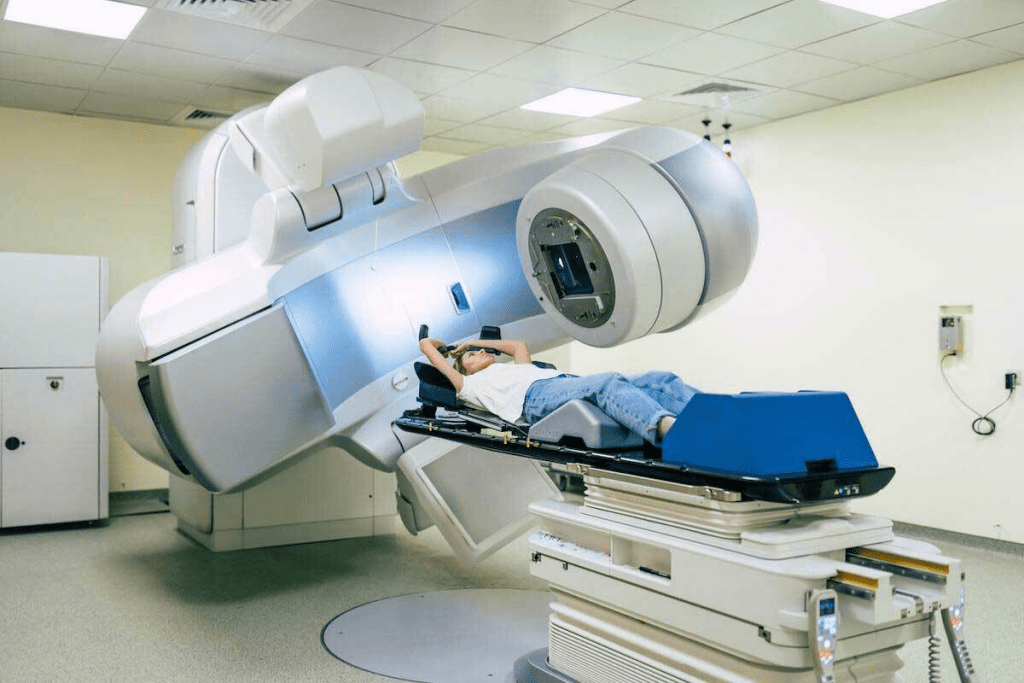
When you get a cancer diagnosis, knowing about your treatment options is key. There are two main types: systemic therapies and localized treatments. Systemic therapies use drugs to fight cancer cells all over your body. Localized treatments, like radiation, use beams to kill cancer cells in one area.
Liv Hospital is dedicated to top-notch care and keeping patients informed. Cancer treatment options can seem overwhelming. But, knowing the main differences helps patients make better choices.
Key Takeaways
- Understanding the differences between cancer treatments is key for making informed choices.
- Chemotherapy targets cancer cells all over your body.
- Radiation therapy uses beams to kill cancer cells in one area.
- Liv Hospital offers top care and the latest on cancer treatments.
- Knowing the differences helps patients make confident decisions.
Cancer Treatment Fundamentals: What Patients Need to Know

When someone gets a cancer diagnosis, they need to know about their treatment options. Today, treatments like chemotherapy and radiation therapy are key. Personalized treatment approaches are becoming more common. They make treatments better by matching them to each patient’s needs.
The Importance of Personalized Treatment Approaches
Personalized cancer treatment looks at the cancer’s type, stage, and where it is. It also considers the patient’s health and what they prefer. This way, doctors can pick the best treatment for each person. As a leading oncologist, says, “Personalized treatment plans have changed cancer care. They let us focus on the specific needs of a patient’s cancer.”
Personalized treatment has many benefits. It can lead to better treatment results, fewer side effects, and a better quality of life. By knowing the unique details of a patient’s cancer, doctors can create plans that are more likely to work.
How Cancer Treatments Have Evolved
Cancer treatments have made big strides in recent years. Chemotherapy and radiation therapy have both improved. Modern chemotherapy is more focused and has fewer side effects. Radiation therapy has also gotten more precise, thanks to new technologies.
“The advancements in cancer treatment have been remarkable, with new technologies and approaches emerging regularly. It’s an exciting time for cancer care, and we’re committed to providing the best possible outcomes for our patients.” –
-Oncologist
Today, doctors often use combination therapies. This means using more than one treatment at a time. This method has shown great promise in improving patient results. It’s likely to keep being a big part of cancer care.
What is Chemotherapy? Understanding Systemic Treatment

Chemotherapy is a way to fight cancer by using cytotoxic drugs to kill cancer cells.
Definition and Mechanism of Action
Chemotherapy uses drugs to kill cancer cells. It targets cells that grow fast, like most cancer cells. The drugs stop these cells from dividing and spreading.
The cytotoxic drugs can be given in different ways, like by mouth, through veins, or muscles. This helps the drugs reach and kill cancer cells all over the body.
Types of Chemotherapy Drugs and Protocols
There are many types of chemotherapy drugs, each working in its own way:
- Alkylating agents: They damage the DNA of cancer cells so they can’t make copies.
- Antimetabolites: They block the making of DNA and RNA, stopping cancer cells from growing.
- Anthracyclines: They insert themselves between DNA strands, stopping DNA and RNA production.
Chemotherapy plans change based on the cancer type, stage, and the patient’s health. Plans can use one drug or a mix, given in cycles to let the body rest.
When Chemotherapy is Typically Recommended
Chemotherapy is often used for cancers that have spread or are likely to spread. It can be used:
- As a primary treatment to shrink tumors before surgery or radiation.
- With other treatments, like surgery or radiation therapy, to kill all cancer cells.
- For palliative care, to ease symptoms and improve life quality in advanced cancer.
Choosing chemotherapy depends on many things, like the cancer type, stage, and the patient’s health. It also depends on what the patient wants.
What is Radiation Therapy? Understanding Localized Treatment
Radiation therapy, also known as radiotherapy, uses ionizing radiation to harm cancer cells. This harm stops cancer cells from growing and eventually kills them.
Definition and How It Destroys Cancer Cells
Radiation therapy sends high-energy particles or waves to target cancer cells. These particles damage the DNA of cancer cells, stopping them from reproducing. As the body gets rid of the dead cells, the tumor shrinks.
The success of radiation therapy depends on several factors. These include the type of cancer, its stage, and the patient’s health. It’s a localized treatment, focusing on cancer cells in a specific area to protect healthy tissues.
External vs. Internal Radiation Approaches
There are two main ways to deliver radiation therapy: external beam radiation therapy (EBRT) and internal radiation therapy, or brachytherapy.
- External Beam Radiation Therapy (EBRT): This is the most common method. It uses a machine outside the body to send beams to the cancer site. EBRT is given in small doses over several weeks.
- Internal Radiation Therapy (Brachytherapy): This involves placing radioactive material inside or near the tumor. Brachytherapy can be temporary or permanent, depending on the cancer type.
When Radiation Therapy is Typically Recommended
Radiation therapy is often used for patients with localized tumors or cancer that hasn’t spread. It’s also used with other treatments like surgery or chemotherapy to improve their results.
The choice to use radiation therapy depends on several factors. These include the cancer type and stage, the patient’s health, and their preferences. It’s a versatile treatment that can be used for different cancer types and stages.
“Radiation therapy has become an essential component of cancer treatment, providing patients with a localized and effective way to manage their disease.”
” Cancer Research Institute
In summary, radiation therapy is a powerful tool in fighting cancer. It offers a localized treatment approach that can be tailored to each patient’s needs.
Chemotherapy vs Radiation Therapy: The Fundamental Difference
It’s key for patients to know the difference between chemotherapy and radiation therapy. This knowledge helps in making treatment choices. It’s not just about the treatments but how they are used and their impact on care.
Systemic vs. Localized: The Core Distinction
The main difference is in how they treat cancer. Chemotherapy targets cancer cells all over the body. This is vital for cancers that spread easily. Radiation therapy, on the other hand, focuses on a specific area to kill cancer cells.
Targeting Methodology: Whole Body vs. Specific Area
Chemotherapy uses drugs that travel through the blood to fight cancer cells everywhere. Radiation therapy, though, sends beams directly to the tumor. This method helps avoid harming healthy tissues nearby.
How This Affects Treatment Planning
The way these treatments target cancer affects how doctors plan treatment. For cancers that spread, chemotherapy might be better. For tumors in one place, radiation therapy could be more effective. The choice depends on the cancer type, its stage, and the patient’s health.
In summary, knowing the difference between chemotherapy and radiation therapy is vital for cancer treatment. It helps doctors plan treatments that are more targeted and effective.
Difference #1: Method of Administration and Delivery
The way treatments are given is a big difference between chemotherapy and radiation therapy. This affects how patients get treated and their experience.
Chemotherapy: Pills, Injections, and Infusions
Chemotherapy can be given in different ways, like pills, injections, or through an IV. The choice depends on the cancer type, the drugs, and the patient’s health.
Oral chemotherapy lets patients take their meds at home. This makes it easier to fit treatment into their schedule. But, they must follow the treatment plan closely.
In contrast, intravenous chemotherapy is given in a clinic. This way, doctors can watch for side effects and act fast if needed.
Radiation Therapy: External Beams and Implanted Sources
Radiation therapy uses beams from outside the body or tiny radioactive sources inside. External beam radiation is non-invasive and targets the tumor well.
Internal radiation therapy, or brachytherapy, puts radioactive material close to the tumor. This method gives a strong dose of radiation right where it’s needed, reducing side effects elsewhere.
Patient Experience During Each Treatment
Patients have different experiences with chemotherapy and radiation therapy. Chemotherapy sessions can last from minutes to hours, depending on the method and drugs.
“The treatment process was quite manageable, but the side effects were challenging to navigate.” – A cancer patient
Radiation therapy sessions are usually shorter, just a few minutes. But getting ready and finding the right position can take longer.
Knowing these differences helps patients get ready for their treatment and set the right expectations.
Difference #2: Treatment Schedule and Time Commitment
Cancer treatment’s schedule is as key as the treatment itself. Chemotherapy and radiation therapy have different schedules. These schedules affect patients’ daily lives and treatment experience.
Chemotherapy Cycles and Frequency
Chemotherapy comes in cycles. Each cycle has a treatment and rest period. The cycle’s length and frequency depend on the cancer type, drugs, and patient’s health.
For example, some treatments are given daily for a week, then three weeks off. Others are given every three weeks for months.
This cycle lets the body recover from treatment side effects like fatigue and nausea. But, it means patients must visit treatment centers often and adjust their lives.
Radiation Therapy Sessions and Duration
Radiation therapy is given daily, Monday to Friday, for weeks. Its length depends on the cancer type and stage, and treatment goals. It’s given in small doses over time to target the tumor precisely.
Each session is short, lasting minutes. But, the whole treatment can last weeks. Patients must commit to a regular schedule.
Impact on Patient’s Daily Life
Both chemotherapy and radiation therapy schedules affect daily life. Chemotherapy has treatment and recovery periods. Radiation therapy requires daily visits for weeks.
Patients must change their routines, work, and social life for treatment. Knowing these schedules helps them prepare for their treatment journey.
Difference #3: Side Effects and Their Management
Chemotherapy and radiation therapy are both used to fight cancer. But, they have different side effect profiles. Knowing these differences helps patients manage their treatment better and live better during it.
Common Chemotherapy Side Effects
Chemotherapy affects the whole body, leading to hair loss, nausea, and immune suppression. This is because it targets fast-growing cells, not just cancer cells.
- Hair loss (alopecia) due to the effect on hair follicles
- Nausea and vomiting caused by the stimulation of the brain’s vomiting center
- Immune suppression, making patients more susceptible to infections
Common Radiation Therapy Side Effects
Radiation therapy mainly affects the treated area. It can cause skin changes, fatigue, and local reactions. The severity and type of these side effects vary among patients.
- Skin changes, such as redness, itching, or blistering in the treated area
- Fatigue, which can be persistent and affect daily activities
- Local reactions, such as inflammation or damage to tissues near the treated area
Modern Approaches to Managing Treatment Side Effects
Modern medicine has greatly improved in managing side effects from chemotherapy and radiation therapy. For more information, patients can check out Cancer Survivor’s Network.
Today, there are better medications, lifestyle changes, and supportive care. For example, anti-nausea drugs work better, and treatments for skin reactions and fatigue are available.
By knowing the side effects of their treatment and working with their healthcare team, patients can improve their cancer journey. This helps them live better during treatment.
Difference #4: Cancer Types and Treatment Selection Criteria
The type of cancer a patient has is key in picking the best treatment. Choosing cancer treatment is complex. It looks at the cancer type and stage, and the patient’s health.
Metastatic vs. Localized Cancer Considerations
Whether the cancer has spread or not is a big deal. Metastatic cancer has spread and needs treatments like chemotherapy to fight cancer cells everywhere. On the other hand, localized cancer stays in one place and can be treated with radiation therapy or surgery.
Knowing if cancer is metastatic or localized is key. Patients with metastatic cancer might get chemotherapy to stop the disease from spreading. Those with localized cancer might get radiation therapy to remove the tumor.
Tumor Type and Location Factors
The type and where the tumor is also matter a lot. Different cancers react differently to treatments. For example, some lymphomas do well with chemotherapy, while some skin cancers are better treated with radiation.
Where the tumor is can also change treatment plans. Tumors in sensitive areas might need precise treatments like radiation to protect nearby tissues.
Stage of Cancer and Treatment Goals
The cancer stage is also very important. Early cancers might aim for a cure with treatments like surgery or radiation. But advanced cancers might focus on comfort and quality of life with palliative care.
Knowing the cancer stage and treatment goals helps doctors create a plan that meets the patient’s needs.
In short, choosing between chemotherapy and radiation therapy depends on many things. These include the cancer type and stage, and the patient’s health. By looking at these factors, doctors can make plans that help patients get better.
Difference #5: Combining Therapies – When and Why
Cancer treatment often uses a mix of therapies to help patients. This mix, like chemotherapy and radiation, depends on the cancer type and stage. It aims to improve treatment results.
Sequential vs. Concurrent Treatment Approaches
The order and timing of therapies are key. Sequential treatment means one therapy follows another. This lets doctors see how well the first treatment works before starting the next.
Concurrent treatment means using multiple therapies at the same time. It’s often used for aggressive or advanced cancers. This approach is more intense.
Choosing between these methods depends on the patient’s health and cancer type. For example, neoadjuvant therapy is given before main treatments. It aims to shrink tumors, making them easier to treat.
Neoadjuvant and Adjuvant Therapy Concepts
Neoadjuvant therapy is given before main treatments to shrink tumors. It helps make tumors easier to remove. Adjuvant therapy is given after main treatments to kill any remaining cancer cells. It lowers the chance of cancer coming back.
- Neoadjuvant therapy can make inoperable tumors operable.
- Adjuvant therapy can reduce the risk of cancer recurrence.
- Both approaches are tailored to the individual patient’s needs and cancer type.
How Combination Therapies Improve Outcomes
Combining therapies can greatly improve treatment results. It attacks cancer from different angles. This can lead to better survival rates, less recurrence, and a better quality of life.
Combining therapies is a complex and personalized way to fight cancer. As research grows, so will the use of these therapies. This brings new hope and better results for patients.
Difference #6: Radiation vs Chemo for Breast Cancer: A Case Study
Choosing between radiation and chemotherapy for breast cancer depends on many factors. Each treatment plan is tailored to the patient’s unique situation. This includes the tumor’s characteristics, the patient’s health, and the cancer’s stage.
Breast Cancer Treatment Decision Factors
Several factors influence the decision between radiation therapy and chemotherapy for breast cancer. These include:
- Tumor size and location: Larger tumors or those located in certain areas may require one treatment over the other.
- Cancer stage: The stage of breast cancer is a critical factor in determining the most appropriate treatment.
- Patient’s overall health: Patients with certain health conditions may be more suited to one treatment than the other.
- Biological characteristics of the tumor: The presence of certain biomarkers can influence the choice between radiation and chemotherapy.
A leading oncologist, says, “The decision between radiation therapy and chemotherapy for breast cancer is not a one-size-fits-all solution. It requires a thorough evaluation of the patient’s condition and the tumor’s specific characteristics.”
“The treatment of breast cancer has evolved significantly, with a growing emphasis on personalized medicine.”
Current Guidelines and Clinical Approaches
Current guidelines for breast cancer treatment recommend a multidisciplinary approach. This involves surgeons, medical oncologists, and radiation oncologists. The choice between radiation and chemotherapy is guided by evidence-based guidelines and clinical judgment.
Patient-Specific Considerations
The decision between radiation therapy and chemotherapy for breast cancer is made on a patient-by-patient basis. Factors such as the patient’s preferences, lifestyle, and values are considered. This ensures the chosen treatment meets their needs and expectations.
By considering these factors and staying updated with the latest clinical guidelines, healthcare providers can offer personalized treatment plans. These plans aim to optimize outcomes for breast cancer patients.
Difference #7: Long-term Effects and Recovery Expectations
It’s important to know how cancer treatments affect people long-term. Both chemotherapy and radiation therapy have big impacts on patients’ lives. These effects last beyond the treatment itself.
Long-term Considerations After Chemotherapy
Chemotherapy affects the body in many ways. Long-term considerations include heart damage, fertility issues, and “chemo brain.” These effects differ from person to person, based on the treatment and individual factors.
Heart problems, like congestive heart failure, can happen months or years later. Fertility issues are a big worry, more so for younger patients. Cognitive changes can affect memory, focus, and daily tasks.
Long-term Considerations After Radiation Therapy
Radiation therapy can also have lasting effects. Fibrosis, or scarring, in the treated area is common. It can lead to functional problems. There’s also a higher risk of secondary cancers, depending on the dose and area treated.
Other effects include skin changes and lymphedema, mainly in breast cancer patients. These risks highlight the need for careful treatment planning and follow-up care.
Recovery Timelines and Follow-up Care
Recovery times after cancer treatment vary. The type and stage of cancer, treatments, and overall health play a role. Follow-up care is key for monitoring late effects and managing symptoms.
A typical follow-up plan includes regular check-ups, imaging tests, and treatments for long-term effects. Teaching patients to recognize and report symptoms is also important.
In summary, knowing the long-term effects and recovery expectations is vital for cancer care. Healthcare providers can better support patients by understanding these aspects. This helps patients through their cancer journey and beyond.
Conclusion: Making Informed Treatment Decisions
It’s important for patients to know the differences between chemotherapy and radiation therapy. This knowledge helps them make better choices about their treatment. By understanding each treatment’s unique aspects, patients can better navigate their cancer care journey.
The 7 key differences between chemotherapy and radiation therapy are key for patients. They provide a framework to evaluate treatment options. This knowledge helps patients talk better with their healthcare providers. It leads to more personalized and effective treatment plans.
Understanding chemotherapy vs radiation therapy can greatly impact patient outcomes. By knowing the differences, patients can optimize their care. This improves their overall quality of life.
FAQ
Are chemo and radiation the same?
No, chemo and radiation are not the same. Chemotherapy uses drugs to kill cancer cells all over the body. Radiation therapy uses radiation to damage cancer cells in a specific area.
What is the difference between chemotherapy and radiation therapy?
Chemotherapy targets cancer cells all over the body. Radiation therapy targets cancer cells in a specific area. This is the main difference between them.
Is radiotherapy the same as chemotherapy?
No, radiotherapy and chemotherapy are not the same. Both kill cancer cells, but they work differently. They are used in different situations.
What is the difference between radiation and chemo for breast cancer?
For breast cancer, the choice between radiation and chemotherapy depends on several factors. Radiation is often used for localized tumors. Chemotherapy is used for cancers that have spread or are at high risk of spreading.
Does chemo have radiation?
No, chemotherapy does not have radiation. It uses drugs to kill cancer cells.
What is the difference between radiation therapy and chemotherapy?
Radiation therapy damages cancer cells’ DNA with radiation. Chemotherapy kills cancer cells with drugs. The choice between them depends on the cancer type, stage, and patient health.
Is radiation therapy the same as chemotherapy?
No, radiation therapy and chemotherapy are not the same. They are two different treatments that kill cancer cells in different ways.
What are the long-term effects of chemotherapy and radiation therapy?
Both treatments can have long-term effects. Chemotherapy can harm the heart, fertility, and brain. Radiation therapy can cause fibrosis and secondary cancers. It’s important to know these effects for patient care.
Can chemotherapy and radiation therapy be used together?
Yes, chemotherapy and radiation therapy can be used together. They can be used one after the other or at the same time. This is often used for certain cancers, depending on the type and stage.
How do I choose between chemotherapy and radiation therapy?
Choosing between chemotherapy and radiation therapy depends on several factors. These include the cancer type, stage, location, and patient health. It’s best to talk to a healthcare professional to find the right treatment for you.
Reference
- Zou, J., et al. (2024). Detection of whole body bone fractures based on improved deep learning models. Artificial Intelligence in Medicine. https://www.sciencedirect.com/science/article/abs/pii/S1746809424000533