
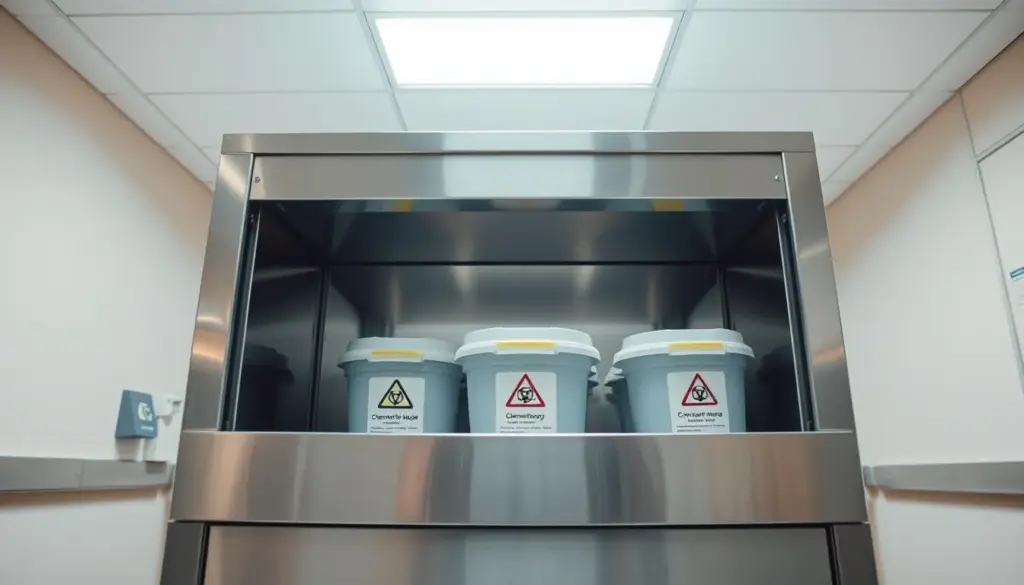
It’s very important to dispose of chemotherapy waste correctly. This helps keep our environment safe and prevents drugs from getting into the wrong hands. Handling medical waste at home can be tough, but it’s key to do it right.
The World Health Organization says over 85% of healthcare waste isn’t harmful. But, there’s a big risk of drug exposure at home if we don’t follow the right steps. This risk isn’t just for patients but also for their families and the environment.
At livhospital.com, we stress the need for safe disposal. We want to protect everyone and the planet. In this article, we’ll show you how to safely get rid of chemotherapy waste at home.
Key Takeaways
- Proper disposal of chemotherapy waste is essential for protecting the environment.
- Using the best disposal methods can lower the risk of drug exposure.
- Safe disposal helps keep patients and their families safe.
- Livhospital.com is a leader in safety and care.
- Knowing how to dispose of chemotherapy waste keeps our environment safe.
The Growing Challenge of Chemotherapy Waste Management
Cancer treatment is getting better, leading to more home-based chemotherapy. This change is good for patients but makes managing chemotherapy waste harder. It’s important to dispose of this waste safely.
Current Statistics and Future Projections
Experts say chemotherapy drug use will jump by over 50% globally in 20 years. This means we need better ways to deal with the waste. We must look at the current numbers and future trends to manage chemotherapy waste well.
Why Home-Based Chemotherapy is Becoming More Common
More people are getting chemotherapy at home because it’s easier and more comfortable. New medical tech and home care services let us give complex treatments at home. But, this means patients and caregivers must handle chemotherapy waste safely.
We need to understand why more people are getting chemotherapy at home. It’s key to make sure patients and caregivers know how to safely dispose of chemo waste.
Understanding Chemotherapy Waste and Its Hazards
Chemotherapy waste is a big worry for patients at home and healthcare workers. It’s important to know how dangerous it can be to dispose of it safely.
Chemotherapy waste includes anything that has touched chemotherapy drugs. These drugs are harmful because they kill cells. If not thrown away right, they can hurt people, animals, and the planet.
What Qualifies as Chemotherapy Waste
Chemotherapy waste is split into two types: trace waste and bulk waste. Trace waste has less than 3% drug left, and bulk waste has more. Each needs its own way to be thrown away to keep everyone safe and follow the rules.
Cytotoxic Properties and Environmental Impact
Chemotherapy drugs kill fast-growing cells, like cancer cells. But they can also harm other living things and the environment. If not disposed of correctly, they can pollute soil and water, causing long-term damage.
The World Health Organization says bad disposal of healthcare waste, like chemotherapy, can pollute and harm health. It can cause infections and toxicity in people and animals.
WHO Statistics on Healthcare Waste
The World Health Organization says a lot of healthcare waste isn’t thrown away right. This shows we need better ways to handle hazardous waste, like chemotherapy drugs. Safe disposal methods are key to reducing risks.
Categories of Chemotherapy Waste You’ll Encounter at Home
Knowing how to dispose of chemotherapy waste starts with knowing its types. Not all waste is the same. The U.S. EPA gives clear rules for trace and bulk waste disposal.
Trace Waste (Less Than 3% Residue)
Trace waste has touched chemotherapy drugs but has less than 3% drug left. This includes:
- Gloves and gowns used during chemotherapy
- Empty chemotherapy bags and tubing
- Sheets or clothing with small drug amounts
These items have little drug left but need careful handling to avoid harm.
Bulk Waste (More Than 3% Remaining Drug)
Bulk waste has more than 3% of the original drug. It includes:
- Unused chemotherapy drugs
- Partially used vials
- IV bags or syringes with a lot of drug
This waste is riskier because it has more drug. So, it needs stricter handling and disposal.
Personal Items That Become Contaminated
Items touching chemotherapy drugs or patient fluids can get contaminated. These are:
- Toiletries like toothbrushes or razors
- Soiled linens or clothing
- Items directly touching drugs or fluids
It’s key to spot and separate these items to avoid exposure or pollution.
In summary, knowing the types of chemotherapy waste is key for safe disposal at home. By identifying trace, bulk, and contaminated items, patients and caregivers can manage waste properly.
Essential Supplies for Safe Handling of Chemotherapy Waste
To manage chemotherapy waste safely, we need the right equipment. It’s not just about following rules; it’s about keeping ourselves and the environment safe. We must be ready with the correct supplies to handle this dangerous waste.
Container Requirements by Waste Type
The U.S. EPA has rules for containers used for chemotherapy waste. Different waste types need different containers. For example, trace waste goes in yellow containers, and bulk waste goes in black ones.
It’s key to use containers made for chemotherapy waste. This prevents leaks and keeps things clean.
Containers should also be strong and leak-proof. Leak-proof and puncture-resistant containers are a must to avoid spills.
Personal Protective Equipment (PPE)
Personal Protective Equipment (PPE) is vital when dealing with chemotherapy waste. PPE includes gloves, gowns, masks, and eye protection. The right PPE depends on the waste type.
For example, when dealing with bulk waste, wear chemotherapy-rated gloves and a protective gown. This reduces skin contact.
Wearing PPE correctly and consistently is key. Following proper protocols for putting it on and taking it off is also important. For more info on handling chemotherapy waste, check out .
Labeling and Documentation Materials
Proper labeling and documentation are essential for safe waste handling. Containers need to be labeled with what’s inside, the date, and any hazards. This info is key for correct handling and disposal.
We should use clear and durable labels that last through storage and transport. Documentation is also vital for tracking waste. It helps with following rules and auditing waste management.
Step-by-Step Guide to Disposing of Trace Chemotherapy Waste
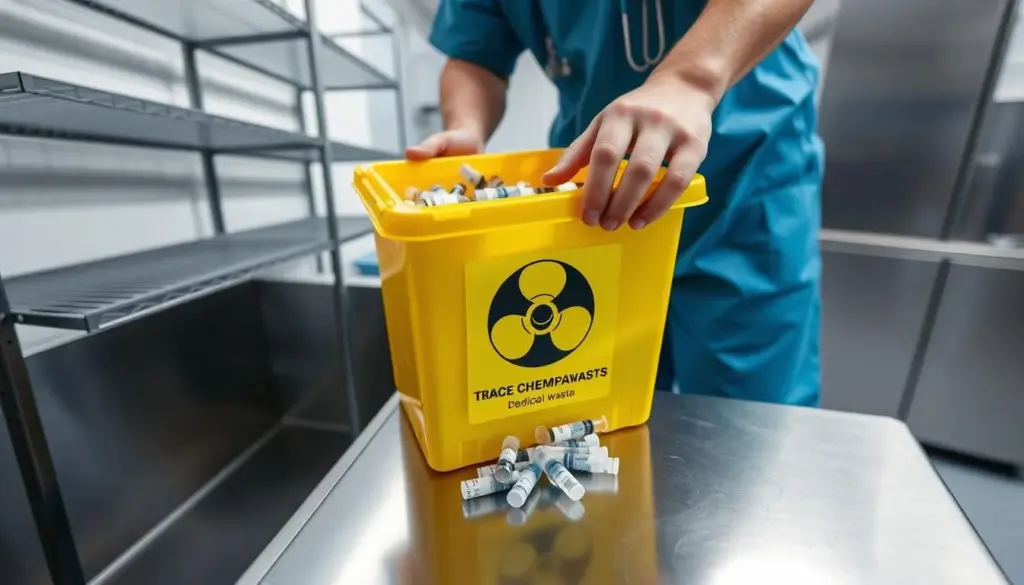
It’s very important for healthcare providers and patients to handle trace chemotherapy waste carefully. This waste has touched chemotherapy drugs but has less than 3% of them left. We must dispose of it safely to protect our environment and keep everyone safe.
Proper Handling Techniques
When dealing with trace chemotherapy waste, always wear gloves and masks. This helps prevent us from coming into contact with harmful substances. We should handle the waste carefully to avoid spills or damage.
For example, when throwing away used chemotherapy infusion sets, put them in the right containers without touching the dirty parts.
Packaging in Yellow Containers
Put trace chemotherapy waste in yellow chemotherapy containers. These containers are made for cytotoxic waste and are safe and leak-proof.
Storage Before Final Disposal
Before we get rid of it, store the yellow containers in a safe, well-ventilated spot. This area should be off-limits to the public and pets. It should also be clearly marked as hazardous waste.
Check the containers often for any damage or leaks.
Step-by-Step Guide to Disposing of Bulk Chemotherapy Waste
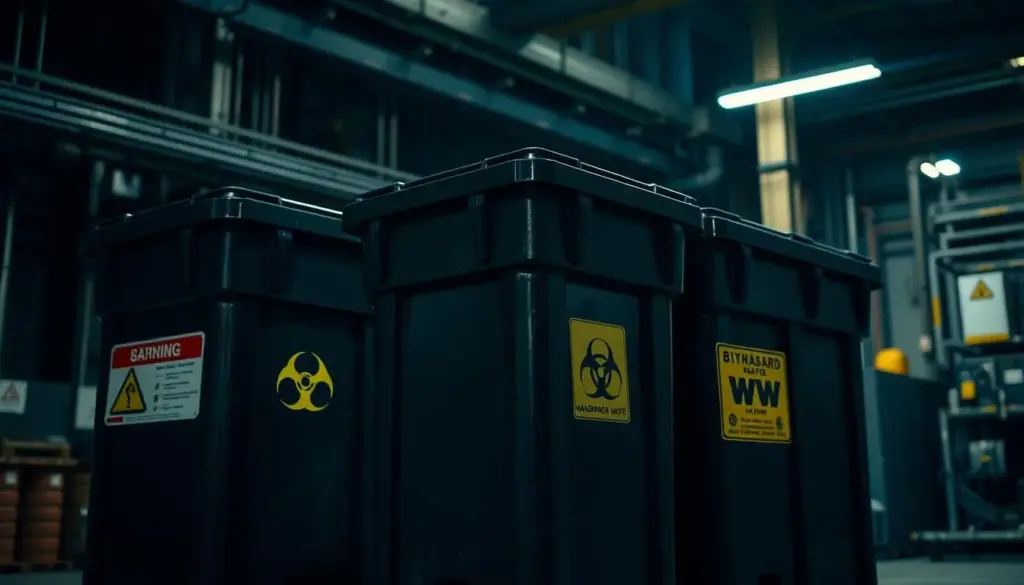
Handling bulk chemotherapy waste needs care to avoid harming the environment and keep everyone safe. This waste has more than 3% of the chemotherapy drug left. We must follow certain steps to dispose of it right.
Safety Precautions for Handling
When dealing with bulk chemotherapy waste, wearing the right protective gear is key. This includes gloves, gowns, and masks to protect against harmful agents. Also, make sure the area has good air flow to avoid harmful fumes.
Safe handling practices include:
- Using puncture-resistant containers for sharps and other hazardous materials
- Avoiding overfilling containers to prevent spills and leakage
- Labeling containers clearly with the contents and hazard warnings
Proper Use of Black Hazardous Waste Containers
Bulk chemotherapy waste must go into black hazardous waste containers to follow U.S. EPA rules. These containers are made for hazardous waste and have the right labels.
Key considerations for using black hazardous waste containers include:
- Ensuring the container is compatible with the waste being disposed of
- Sealing the container properly to prevent leakage
- Labeling the container with the date and contents
Secure Storage Guidelines
After putting bulk chemotherapy waste in black hazardous waste containers, it’s important to store them safely. This storage area should be out of reach for unauthorized people and protected from the weather.
Secure storage practices involve:
- Storing containers in a well-ventilated area away from living spaces
- Keeping the storage area clean and free of clutter
- Regularly inspecting containers for signs of damage or leakage
By following these steps, we can safely get rid of bulk chemotherapy waste. This helps protect both people and the environment.
U.S. EPA Regulations for Chemotherapy Waste
It’s important to know U.S. EPA rules for throwing away chemotherapy waste at home. The U.S. Environmental Protection Agency (EPA) has set clear guidelines. These ensure the safe disposal of hazardous waste, like chemotherapy waste.
Resource Conservation and Recovery Act (RCRA) Requirements
The Resource Conservation and Recovery Act (RCRA) guides how to handle hazardous waste. This includes chemotherapy waste, which is toxic and might cause cancer. Places and people making this waste must follow RCRA rules. This means they have to store, label, and dispose of it correctly.
Key RCRA Requirements:
- Proper identification and segregation of hazardous waste
- Use of approved containers for storage
- Accurate labeling of containers with hazardous waste content
- Compliance with EPA regulations for transportation and disposal
State-Specific Variations in Regulations
RCRA sets a federal standard for managing hazardous waste. But, states can have their own rules. It’s key for patients and caregivers to know their state’s rules for throwing away chemotherapy waste. Some states might need special permits or have different rules for storage and disposal.
For example, some states might have laws about throwing away hazardous waste at home. This could change how chemotherapy waste is handled at home.
Documentation Requirements for Home Care
Keeping records is vital for following EPA rules on chemotherapy waste. For home care, this means keeping track of waste, how it’s stored, and how it’s thrown away. Patients and caregivers should work with their doctors and waste services to meet these record-keeping needs.
Important Documentation Includes:
- Waste generation records
- Manifests for waste transportation
- Certificates of disposal
By following U.S. EPA rules, patients can safely get rid of chemotherapy waste at home. This protects their health and the environment.
Coordinating with Healthcare Providers for Waste Management
Working with healthcare providers is key for safe chemotherapy waste disposal. It’s a team effort that includes patients, caregivers, and healthcare staff. Together, they ensure safety and follow all rules.
Pre-Treatment Planning for Waste Disposal
Before starting chemotherapy at home, talk to your healthcare provider about waste disposal. This planning phase helps you understand the waste you’ll have and how to handle it.
Key steps in pre-treatment planning include:
- Understanding the chemotherapy regimen and the associated waste
- Identifying the necessary supplies for waste handling and disposal
- Learning about local regulations and guidelines for chemotherapy waste disposal
Hospital and Clinic Take-Back Programs
Many healthcare providers have take-back programs for chemotherapy waste. These programs let patients return their used supplies to the hospital or clinic for safe disposal.
Here’s how these programs work:
|
Program Aspect |
Description |
|---|---|
|
Collection Containers |
Patients get special containers for collecting chemotherapy waste. |
|
Return Process |
Patients return the containers to the hospital or clinic. |
|
Disposal Method |
The waste is disposed of safely, following all rules. |
Home Healthcare Service Support Options
Patients with home healthcare services get extra help with waste management. Home healthcare staff teach how to handle and dispose of waste properly.
They offer:
- Education on safe handling and disposal of chemotherapy waste
- Provision of necessary waste disposal supplies
- Assistance with arranging for waste collection or take-back programs
Community Resources for Chemotherapy Waste Disposal
Community resources are key for patients who need to safely get rid of chemotherapy waste at home. It can be tough to handle hazardous waste, but the right help makes it easier.
Locating Hazardous Waste Collection Facilities
Hazardous waste collection facilities are a big help. They are made to handle dangerous materials, like chemotherapy waste. Here’s how to find one near you:
- Look on your local government’s waste management website for info on facilities and hours.
- Ask local hospitals or pharmacies for tips on where to find a facility.
- Use online directories for hazardous waste disposal to find a place in your area.
These places offer a safe way to get rid of chemotherapy waste. They make sure it doesn’t hurt the environment or people’s health.
Mail-Back Program Details
If you can’t get to a collection facility, mail-back programs are a good option. They let you:
- Get a pre-paid, pre-labeled container for hazardous waste.
- Follow the program’s rules to pack the waste.
- Send the waste back to the facility for safe disposal.
Mail-back programs are great for people in rural areas or with mobility issues. They offer a safe and easy way to dispose of waste.
Pharmacy Take-Back Initiatives
Many pharmacies have take-back programs for hazardous waste, including chemotherapy waste. These programs let patients return unused or expired meds for safe disposal. Here’s how to join:
- See if local pharmacies have take-back programs.
- Find out any special rules or how to package the waste.
Pharmacy take-back programs are a big help. They make it easier for patients to dispose of chemotherapy waste responsibly.
Using these community resources helps patients safely get rid of chemotherapy waste. This protects their health and the environment. We suggest everyone look into these options and pick the best one for them.
Managing Accidental Spills of Chemotherapy Drugs
Accidental spills of chemotherapy drugs need quick action and the right steps. These spills can happen for many reasons, like a container breaking or dropping waste. It’s key to have a plan ready to handle these situations safely.
Emergency Spill Kit Components
An emergency spill kit is vital for dealing with spills of chemotherapy drugs. It should have:
- Absorbent pads and spill response granules
- Chemotherapy-resistant gloves
- Protective eyewear
- A disposable gown
- A face mask
- Warning signs or caution tape
- A container for disposing of contaminated materials
Having these items ready can help reduce the dangers of spills.
Step-by-Step Spill Cleanup Procedure
When a spill happens, it’s important to follow a clear cleanup process:
- Put on protective gear, like gloves, eyewear, and a mask.
- Use absorbent pads or granules to contain the spill.
- Gently pick up the spilled material and any contaminated pads.
- Put the collected items in a special hazardous waste container.
- Clean the area with soap and water.
- Dispose of any contaminated items as per local rules.
Post-Spill Safety Measures
After cleaning up a spill, it’s important to take extra safety steps:
|
Safety Measure |
Description |
|---|---|
|
Monitor the area |
Make sure the spill area is safe and free from hazards. |
|
Document the incident |
Write down the details of the spill, including what happened, how it was cleaned, and any actions taken after. |
|
Review and update procedures |
Use the spill as a chance to check and improve your spill response plan to avoid future accidents. |
By following these steps, people can manage spills of chemotherapy drugs well. This helps keep everyone safe.
Special Considerations for Bodily Waste During Chemotherapy
Bodily waste during chemotherapy is a big challenge. It needs to be handled and disposed of correctly. Chemotherapy drugs in waste can harm others if not managed right.
Handling Urine, Stool, and Vomit
It’s important to handle urine, stool, and vomit carefully during chemotherapy. These can have harmful drugs. Patients and caregivers should wear gloves when touching these wastes.
For the first 48 hours after treatment, use a dedicated toilet if you can. Flush twice after each use to reduce risks.
Bathroom Cleaning Protocols
Cleaning the bathroom after the patient is key to avoid exposure to chemotherapy drugs. Use a disinfectant that kills many pathogens. Clean all surfaces the patient touched, like toilet handles and sinks.
|
Surface |
Cleaning Frequency |
Recommended Disinfectant |
|---|---|---|
|
Toilet Handle |
After each use |
Bleach-based |
|
Sink |
Daily |
Quaternary ammonium compounds |
|
Countertops |
Daily |
Hydrogen peroxide-based |
Laundry Handling for Contaminated Linens
Linens with bodily waste or fluids need special care. Wash them in hot water with a biohazard detergent. Wash them twice to remove all harmful residues.
By following these steps, we can reduce risks from bodily waste during chemotherapy. Proper handling and disposal of waste and linens keep everyone safe.
Common Mistakes in Handling Chemotherapy Waste
Proper disposal of chemotherapy waste is key, but mistakes happen often. At home, errors in managing chemotherapy waste can harm our health and the environment.
Mixing with Regular Household Trash
Mixing chemotherapy waste with regular trash is a big mistake. It can expose people to harmful chemicals. This can also contaminate other items and surfaces.
Flushing Medications Down the Toilet
Flushing chemotherapy drugs down the toilet is another error. It can pollute water and harm fish and other aquatic life. Chemotherapy drugs are not filtered out by water treatment, making this a big environmental issue.
Inadequate Protection During Handling
Not wearing proper gear when handling chemotherapy waste is a major mistake. Without gloves and masks, people can get exposed to dangerous chemicals. It’s vital to use the right protective equipment to stay safe.
Improper Container Selection
Choosing the wrong containers for chemotherapy waste is risky. Containers not made for hazardous waste can leak or break. This can cause spills and exposure. Always pick containers that meet the standards for hazardous waste disposal.
Knowing these common mistakes helps us avoid them. We must follow the right guidelines and rules to protect our health and the environment.
Conclusion
Proper disposal of chemotherapy waste is key to avoiding environmental dangers and keeping patients safe. We’ve shared important steps and best practices for handling and disposing of this waste. It’s all about being aware and educated on how to manage it.
By following these steps, patients and caregivers can handle chemotherapy waste safely. This reduces the risks of waste disposal. It means using the right containers, wearing protective gear, and following the rules.
Managing chemotherapy waste well needs a team effort. It involves working with healthcare providers, using community resources, and following U.S. EPA rules. We urge patients and caregivers to stay informed and take action. This helps create a safer world for all of us.
FAQ
What is considered chemotherapy waste?
Chemotherapy waste includes materials with chemotherapy drugs, like used gloves and gowns. It also includes disposable supplies and empty containers. Bodily waste from patients, such as urine and vomit, is also considered waste.
How should I store chemotherapy waste at home?
Use leak-proof, puncture-resistant containers for chemotherapy waste. Use yellow containers for trace waste and black for bulk. Keep them away from living areas and label them properly.
Can I dispose of chemotherapy waste in regular trash?
No, chemotherapy waste is hazardous and can’t go in regular trash. It needs special disposal to protect the environment and prevent toxic exposure.
How do I dispose of unused chemotherapy drugs?
Unused drugs are hazardous waste. Dispose of them through take-back programs or hazardous waste facilities. Some pharmacies and healthcare facilities offer drug take-back services.
What are the U.S. EPA regulations for chemotherapy waste disposal?
The U.S. EPA classifies chemotherapy waste as hazardous under the RCRA. It must be handled, stored, and disposed of according to specific guidelines. This includes using the right containers and keeping records.
How can I manage bodily waste during chemotherapy?
Handle bodily waste carefully, like urine and vomit. Wear gloves and consider using liners. For the first 48 hours, flush waste down the toilet to reduce exposure.
What should I do in case of a chemotherapy spill?
Use a spill kit for chemotherapy spills. Wear protective gear and contain the spill. Absorb it, clean with soap and water, and dispose in a hazardous container.
Can I flush chemotherapy medications down the toilet?
No, flushing medications is not recommended. It can pollute water supplies. Instead, use drug take-back programs or hazardous waste facilities.
How do I coordinate with healthcare providers for chemotherapy waste management?
Talk to your healthcare provider before starting treatment. Many places have take-back programs for waste. Home healthcare services can also help manage waste at home.
What are the common mistakes to avoid when handling chemotherapy waste?
Avoid mixing waste with regular trash and flushing medications. Don’t handle waste without proper protection and use the right containers. These steps ensure safe disposal.
References
National Center for Biotechnology Information. Anti-cancer drug waste disposal practices and wastewater management in hospitals: A Lebanese survey. Retrieved from https://pmc.ncbi.nlm.nih.gov/articles/PMC10804692/