
Chest pain after a viral illness can be scary, and it often involves the heart. At Liv Hospital, we focus on advanced, patient-centered care. We look into the seven key reasons for chest pain after being sick and when to get help.
It’s important to know why chest pain happens after being sick.chest hurts after being sickChest Syndrome Symptoms: Crucial Signs & Treatments Viral infections can cause heart muscle inflammation, known as myocarditis. Other reasons include pericarditis and pleurisy.
Key Takeaways
- Viral infections can cause chest pain due to conditions like myocarditis.
- Understanding the cause of chest pain is key for the right action.
- Chest pain can be a lasting effect of viral illnesses.
- Conditions like pericarditis and pleurisy can also cause chest pain.
- Getting medical help is vital when chest pain doesn’t go away or gets worse.
Understanding Why Your Chest Hurts After Being Sick
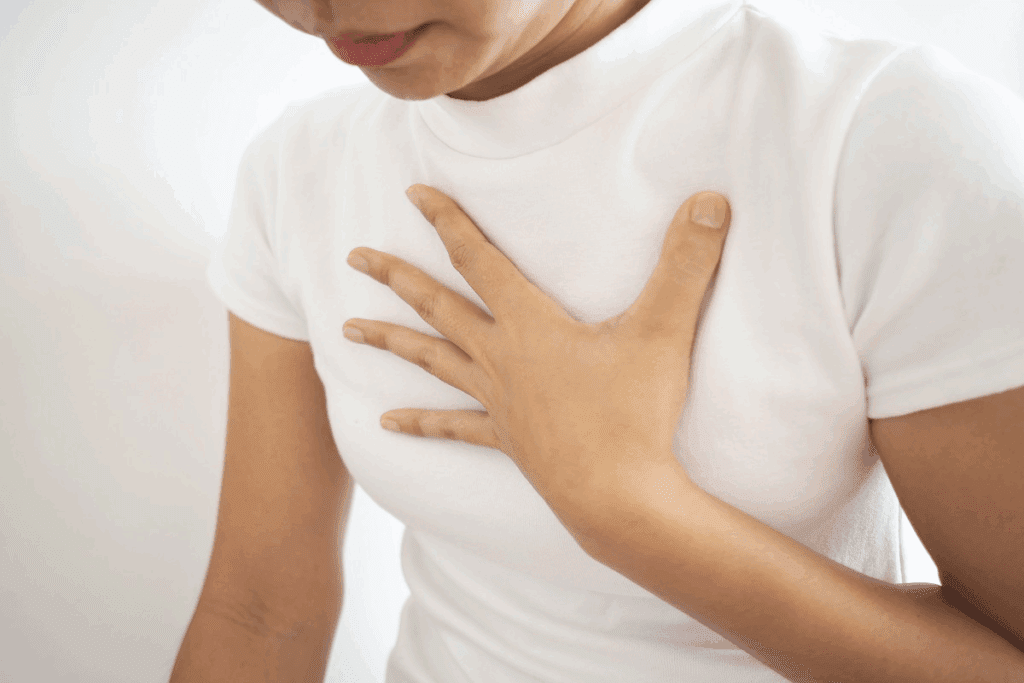
After being sick, chest pain can be scary. It’s important to know why it happens. Many people worry about chest pain after a viral infection. We need to look into how viruses and chest pain are linked.
The Connection Between Viral Infections and Chest Pain
Viral infections can harm the heart and tissues around it, causing pain. Myocarditis, an inflammation of the heart muscle, is a possible complication. We’ll see how viruses lead to chest pain and what it means for getting better.
Some important things to think about:
- The type of virus and its effect on the heart
- The severity of the infection and its effects later on
- Any heart problems that might get worse because of the virus
Common Misconceptions About Post-Illness Chest Pain
There are many wrong ideas about chest pain after being sick. For example, some think all chest pain is heart-related. But, pain can also come from costochondritis, an inflammation of the rib cartilage, or pleurisy, an inflammation of the lung lining.
It’s key to remember that:
- Not all chest pain is heart-related.
- The reasons for chest pain can differ from person to person.
- It’s important to see a doctor to find out why you have chest pain.
By understanding the link between viral infections and chest pain, and clearing up common myths, we can handle post-illness chest pain better.
Viral Myocarditis: When Viruses Attack the Heart
Myocarditis is when viruses harm the heart muscle, leading to inflammation. This can cause chest pain, irregular heartbeats, and even heart failure. It’s a serious condition that affects heart health.
What Is Myocarditis and How Viruses Cause It
Myocarditis means the heart muscle is inflamed. Viruses often cause this by attacking heart cells. This leads to an immune response and inflammation.
The main viruses causing myocarditis are coxsackievirus, adenovirus, and parvovirus B19. These viruses damage heart muscle cells. This damage can impair the heart’s function.
What Does Myocarditis Chest Pain Feel Like
The chest pain from myocarditis can feel sharp or pressing. It might get worse with deep breathing or lying down. Sitting up or leaning forward can help.
In some cases, the pain feels like a heart attack. If you have severe or unusual chest pain, see a doctor right away.
Common Viruses That Can Lead to Myocarditis
Several viruses can cause myocarditis. These include:
- Coxsackievirus: A common cause of viral myocarditis, known for its role in causing hand, foot, and mouth disease.
- Adenovirus: Typically associated with respiratory infections, but can also cause myocarditis.
- Parvovirus B19: Known to cause the childhood illness fifth disease, but can also infect the heart and lead to myocarditis.
Knowing the causes and symptoms of viral myocarditis is key. If you have chest pain or other symptoms, see a doctor. They can help diagnose and treat the condition.
Post-Viral Pericarditis: Inflammation of the Heart’s Protective Sac
The pericardium is a sac around the heart that can get inflamed after a virus. This leads to pericarditis, causing chest pain. It’s important to know about pericarditis to manage it well and avoid complications.
Distinguishing Pericarditis from Other Cardiac Conditions
Diagnosing pericarditis can be tricky because its symptoms are similar to other heart problems. Yet, there are signs that make it stand out. For example, pericarditis pain is sharp and gets better when leaning forward but gets worse when lying down. This is different from the pain of a heart attack, which is more constant.
Key diagnostic features of pericarditis include:
- Sharp, stabbing chest pain
- Pain that improves with leaning forward
- Pain that worsens with deep breathing or lying down
- A pericardial friction rub heard on auscultation
Typical Symptoms and Pain Patterns
Pericarditis symptoms often start with chest pain. This pain is sharp and can spread to the neck, shoulders, or back. It can get worse with movement, deep breathing, or coughing. Other symptoms like fever, fatigue, and palpitations may also occur.
“The pain of pericarditis is often described as sharp and stabbing, and can be quite distressing for patients.” – Medical Expert, Cardiologist
Recovery Timeline and Management
Managing pericarditis involves reducing inflammation and easing symptoms. Doctors often use anti-inflammatory drugs like NSAIDs or colchicine. In severe cases, corticosteroids might be used, but with caution due to side effects.
Recovery from pericarditis can vary:
- Mild cases may resolve within a few weeks
- More severe cases can take several months to recover
- Recurrent pericarditis can occur, requiring ongoing management
It’s key to follow up with a healthcare provider to track recovery and adjust treatment as needed. Knowing about pericarditis helps us manage it better and improve patient care.
Pleurisy: When Chest Pain Comes From Lung Inflammation
Chest pain after being sick can sometimes be due to pleurisy. This is an inflammation of the pleura, the lining around the lungs. Pleurisy can happen after a respiratory infection, causing sharp, stabbing pain that gets worse with breathing or coughing. We will look at how respiratory infections can lead to pleurisy, how to spot pleuritic chest pain, and what treatments are available.
How Respiratory Infections Lead to Pleurisy
Respiratory infections, like viral and bacterial ones, can cause pleurisy. When the pleura gets inflamed, the two layers rub against each other, causing pain. The pain’s severity depends on how much the pleura is inflamed.
Several things can make you more likely to get pleurisy after a respiratory infection. These include:
- The severity of the initial infection
- Underlying health conditions
- A history of respiratory diseases
Identifying Pleuritic Chest Pain
Pleuritic chest pain feels like sharp, stabbing sensations. It gets worse with deep breathing, coughing, or sneezing. The pain usually happens on one side of the chest and can come with other symptoms like shortness of breath, fever, and cough. It’s important to tell the difference between pleuritic chest pain and other types to get the right treatment.
Treatment Options for Post-Viral Pleurisy
Treatment for post-viral pleurisy aims to manage symptoms and treat the cause. Common treatments include:
| Treatment | Description |
| Anti-inflammatory medications | To reduce inflammation and alleviate pain |
| Pain management | Using analgesics to manage chest pain |
| Rest and hydration | To help the body recover from the infection |
Understanding pleurisy and its link to respiratory infections is key to managing it well. By recognizing symptoms and getting the right medical care, people can ease their pain and avoid more serious problems.
Costochondritis: Inflammation of Rib Cartilage After Illness
Being sick can lead to costochondritis, a condition causing chest pain and tenderness. It happens when the cartilage connecting the ribs to the breastbone gets inflamed. This is known as the costosternal joints.
Triggers of Costochondritis
Coughing and being sick can start costochondritis. A strong cough from a respiratory infection can strain the chest. This strain causes the costosternal joints to get inflamed.
This inflammation leads to pain and tenderness. It might feel like heart pain, but it’s not.
Differentiating Costochondritis from Cardiac Pain
Telling costochondritis apart from heart pain is key. Heart pain usually goes to the arm or jaw. But costochondritis pain stays in the chest and gets worse with movement or deep breaths.
| Characteristics | Costochondritis | Cardiac Pain |
| Pain Location | Localized to the chest wall | Often radiates to the arm or jaw |
| Pain Triggers | Worsens with movement or deep breathing | Can be triggered by exertion |
| Nature of Pain | Sharp or aching | Pressure or heaviness |
Self-Care Strategies for Recovery
Managing costochondritis needs self-care and sometimes medical help. Here are some self-care tips to help:
- Avoid heavy lifting or bending
- Apply heat or cold packs to the affected area
- Practice deep breathing exercises
- Maintain good posture
- Use over-the-counter pain relievers as directed
Knowing about costochondritis and using these self-care tips can help manage symptoms. This way, people can recover better.
Post-Viral Dysautonomia and Heart Palpitations
Post-viral dysautonomia is a condition where the autonomic nervous system is out of balance. This can cause heart palpitations and other symptoms. It happens when a virus affects the autonomic nervous system. This system controls things like heart rate and blood pressure.
Can Viruses Cause Palpitations? Understanding the Connection
Yes, viruses can cause heart palpitations by messing with the heart’s rhythm. When a virus hits the body, it can mess with the heart’s electrical system. This can lead to irregular heartbeats or palpitations.
Many people get palpitations after getting over a viral illness. This shows a link between viruses and heart palpitations.
Studies show that the autonomic nervous system’s reaction to viruses can cause palpitations. This system controls the heart’s rhythm. When it’s affected by a virus, it can lead to irregular heartbeats.
Types of Heart Rhythm Disturbances After Illness
After a viral illness, people might have different heart rhythm problems. These include:
- Atrial fibrillation: a rapid and irregular heart rhythm
- Supraventricular tachycardia (SVT): a rapid heart rate from the upper chambers
- Ventricular ectopic beats: premature heartbeats from the lower chambers
These issues can be scary, but often they’re not serious and go away by themselves. But, it’s important to watch them and see a doctor if they don’t get better or get worse.
| Type of Heart Rhythm Disturbance | Description | Typical Symptoms |
| Atrial Fibrillation | Rapid and irregular heart rhythm | Palpitations, shortness of breath, fatigue |
| Supraventricular Tachycardia (SVT) | Rapid heart rate from the upper chambers | Rapid heartbeat, dizziness, chest discomfort |
| Ventricular Ectopic Beats | Premature heartbeats from the lower chambers | Skipped beats, palpitations |
When Palpitations Warrant Medical Attention
While many cases of heart palpitations after a viral illness are not serious, some need medical help. If you have persistent or severe palpitations, chest pain, shortness of breath, or dizziness, get medical care.
Also, see a doctor if you have heart problems or are worried about your symptoms. They can help figure out what’s going on and what to do next.
Esophageal Irritation and Gastric Reflux Following Illness
Viral infections can lead to digestive issues like esophageal irritation and gastric reflux. This causes chest discomfort. When we’re sick, our body’s response can affect our digestive system.
Impact on Digestive Function
Viral infections can disrupt our digestive function in many ways. Some viruses can directly affect the esophagus and stomach, causing inflammation and irritation. This can lead to symptoms like heartburn, difficulty swallowing, and chest pain.
Being sick often makes us lose our appetite and change how we eat. This can make digestive discomfort worse. Also, some medicines for viral infections can irritate the stomach lining, making reflux symptoms worse.
Distinguishing Cardiac Pain from Digestive Discomfort
It’s important to tell the difference between cardiac pain and digestive discomfort. Cardiac pain feels like a squeezing or pressure in the chest. It might spread to the arms, back, or jaw. Digestive discomfort, on the other hand, is usually felt in the chest and upper abdomen. It’s often accompanied by heartburn or regurgitation.
| Characteristics | Cardiac Pain | Digestive Discomfort |
| Description | Squeezing or pressure | Burning or discomfort |
| Location | Central chest, may radiate | Chest and upper abdomen |
| Associated Symptoms | Shortness of breath, dizziness | Heartburn, regurgitation |
Managing Post-Illness Reflux and Chest Discomfort
To manage esophageal irritation and gastric reflux, we need to make lifestyle changes and sometimes take medicine. We should avoid foods that can make reflux worse, like spicy or fatty foods. Also, sleeping with the head of the bed elevated and not eating too close to bedtime can help.
For mild to moderate symptoms, over-the-counter antacids or acid reducers can help. But if symptoms don’t get better or get worse, we should see a doctor for more help.
Understanding why we get esophageal irritation and gastric reflux after being sick helps us manage these issues. This can reduce discomfort and help us recover faster.
When Your Chest Hurts After Being Sick: Warning Signs That Require Immediate Care
It’s important to know the signs of heart problems after being sick. Many times, chest pain after being sick is not serious. But sometimes, it can mean a serious heart issue.
Red Flag Symptoms That Shouldn’t Be Ignored
Some symptoms mean you need to see a doctor right away. These include:
- Severe chest pain that doesn’t go away or gets worse
- Shortness of breath or trouble breathing
- Palpitations or an irregular heartbeat
- Dizziness or fainting spells
- Severe fatigue or feeling very weak
Diagnostic Tests Your Doctor May Order
Your doctor might do several tests to find out why you have chest pain. These tests include:
| Diagnostic Test | Purpose |
| Electrocardiogram (ECG) | Measures the electrical activity of the heart |
| Echocardiogram | Uses sound waves to create images of the heart |
| Blood Tests | Checks for signs of inflammation or infection |
| Chest X-ray | Provides images of the heart and lungs |
These tests help your doctor find out what’s causing your chest pain. They then decide the best treatment for you.
Treatment Approaches for Post-Viral Cardiac Complications
The treatment for heart problems after being sick varies. It depends on what your doctor finds. Some common treatments are:
- Medications to help manage symptoms and reduce inflammation
- Rest and recovery to help the heart heal
- Lifestyle modifications to lower the risk of more heart problems
- Monitoring to keep track of how you’re doing and adjust treatment as needed
By knowing the warning signs and getting medical help quickly, you can get the right treatment. This can help prevent serious heart problems.
Conclusion: Recovery and Prevention of Post-Illness Chest Pain
Recovering from chest pain after being sick needs a full plan. This plan should tackle the root cause and manage symptoms well. Knowing why chest pain happens after being sick helps prevent it from happening again.
To get better, a mix of self-care, lifestyle changes, and doctor’s help is key. It’s smart to work with your doctor to make a plan that fits your health needs.
Staying healthy is also important to avoid chest pain. Eating right, exercising, and managing stress helps. Getting vaccinated and seeing a doctor quickly if symptoms don’t go away are also good steps.
By taking charge of your health and following your doctor’s advice, you can handle symptoms better. This lowers the chance of serious problems and makes life better. Always see a doctor if symptoms keep coming back or get worse.
FAQ
Can a viral infection cause chest pain?
Yes, viral infections can lead to chest pain. This is due to conditions like myocarditis, pericarditis, pleurisy, and costochondritis. It’s important to know the cause to get the right treatment.
What does myocarditis chest pain feel like?
Myocarditis chest pain can feel sharp or stabbing. It often comes with fatigue, shortness of breath, and palpitations. The pain might stay constant or come and go.
Can viruses cause heart palpitations?
Yes, viruses can cause heart palpitations. This happens through post-viral dysautonomia, affecting the autonomic nervous system. It can lead to heart rhythm problems.
How can I differentiate costochondritis from cardiac pain?
Costochondritis hurts the rib cartilage and can be felt by pressing on it. Cardiac pain is more widespread and might include shortness of breath or dizziness.
What are the warning signs that require immediate medical care for chest pain after being sick?
Severe chest pain, trouble breathing, dizziness, or palpitations need immediate care. If you have these symptoms, get medical help right away.
Can heart inflammation be cured?
Heart inflammation treatment depends on the cause and severity. Often, it involves rest, medication, and supportive care.
How do I manage post-illness reflux and chest discomfort?
To manage post-illness reflux and chest discomfort, avoid trigger foods and elevate your bed. Use antacids or acid reducers as needed. If symptoms last, talk to your doctor.
What diagnostic tests may my doctor order to investigate chest pain after being sick?
Your doctor might do ECGs, echocardiograms, chest X-rays, or blood tests. These help find the cause of chest pain after being sick.
Can viruses cause long-term heart problems?
Viral infections can sometimes cause long-term heart issues like chronic heart failure or arrhythmias. But, most people fully recover with the right treatment and care.
References
- O’Rourke, M. F. (2018). Structure and function of systemic arteries: reflections on the vascular wall and blood flow. Vascular Medicine, 23(4), 316-323.https://pubmed.ncbi.nlm.nih.gov/30016416/