
Every year, over 500,000 open-heart surgeries happen in the United States. Many of these are coronary artery bypass grafting (CABG) surgeries. Recovering from such a big surgery means healing the heart and getting the chest muscles and strength back. When do chest muscles heal after open heart surgery? distinct Learn the recovery timeline for your torso to manage pain safely and effectively.
The road to getting better can seem tough. But knowing what to expect can help a lot. The recovery after open-heart surgery depends on many things. These include the surgery type, the patient’s health, and how well they’re cared for after surgery.
Knowing how long it takes for chest muscles to heal is key for a good recovery. Research shows that moving around early after CABG surgery can really help patients. This shows how important rehab is in getting better.
Key Takeaways
- Over 500,000 open-heart surgeries are performed annually in the United States.
- Recovery involves healing of both the heart and chest muscles.
- The type of surgery, overall health, and post-operative care influence recovery.
- Early mobilization after CABG surgery improves patient outcomes.
- Understanding the chest muscle healing timeline is important for recovery.
Understanding Open-Heart Surgery and Its Impact on Chest Muscles
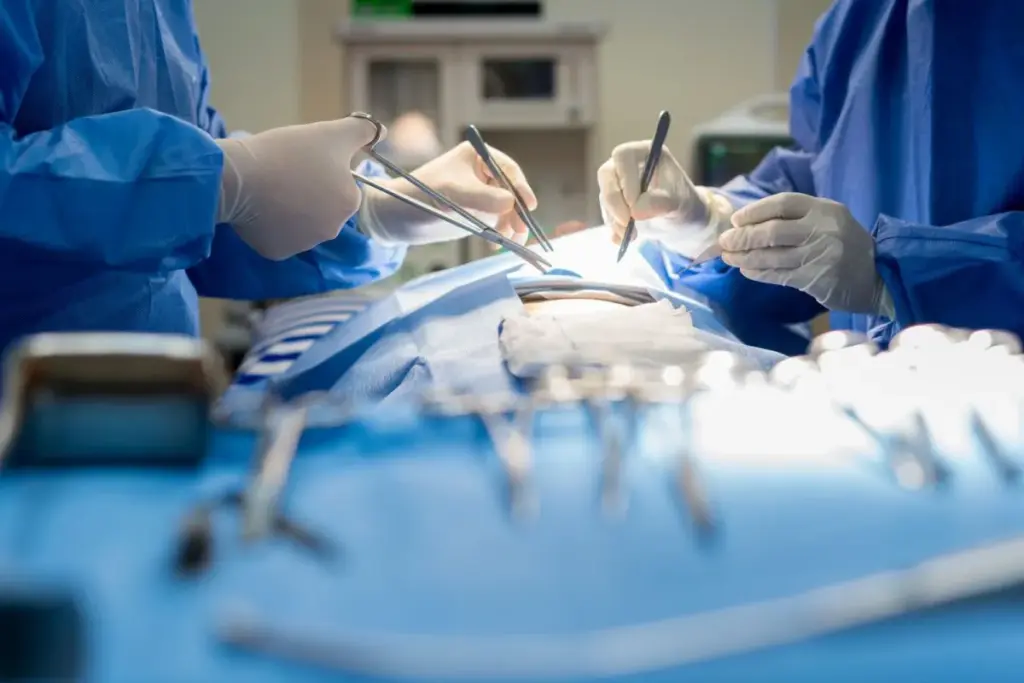
Open-heart surgery, including sternotomy, deeply affects the chest. It causes initial trauma that needs time to heal. This surgery is complex, aiming to repair or replace the heart.
What happens during a sternotomy
A sternotomy involves cutting the sternum open to reach the heart. A saw carefully divides the sternum. Then, a retractor holds it open, giving the team access to the heart.
Chest anatomy affected during surgery
The surgery impacts the sternum, muscles around it, and the tissues connecting them. This trauma leads to a complex healing process.
|
Anatomical Structure |
Impact of Surgery |
|---|---|
|
Sternum |
Cut open to access the heart, requiring healing post-surgery |
|
Pectoralis Major |
May be stretched or partially detached, affecting muscle strength |
|
Surrounding Tissues |
Subject to trauma, swelling, and possible scarring |
Initial trauma to muscles, bones, and tissues
The surgery causes damage to chest muscles, bones, and tissues. This leads to inflammation, pain, and a long healing time. Knowing this helps manage recovery expectations.
Recovering from open-heart surgery is a complex journey. It involves healing the heart and the chest muscles and tissues. Understanding sternotomy’s impact helps patients prepare for recovery.
The Typical Timeline for How Chest Muscles Heal After Open Heart Surgery
Recovering from open-heart surgery takes time and patience. Knowing the healing timeline can make the journey easier. The recovery has several stages, from right after surgery to long-term healing. Each stage has its own challenges and progress.
Immediate Post-Operative Period (1-2 weeks)
In the first couple of weeks, patients are watched closely for any problems. Managing pain is a big focus. This early time sets the stage for recovery.
- Rest and limited activity help the body start healing.
- Medications are used to control pain.
- Patients usually go home in 1-2 weeks, based on their health and any issues.
Early Recovery Phase (2-6 weeks)
As patients move into the early recovery phase, they start to feel better. It’s important to keep following the doctor’s instructions.
- Slowly increasing physical activity is encouraged, avoiding heavy lifting or bending.
- Energy levels may improve, but fatigue is common.
- Regular check-ups with the doctor are key to tracking healing.
Mid-term Recovery (6-12 weeks)
By this time, most patients have made a lot of progress. The goal is to regain strength and improve mobility.
- Patients can start doing more strenuous activities, like driving and light exercise.
- Physical therapy may be suggested to improve chest muscle strength and range of motion.
- Some discomfort or stiffness is normal but usually gets better over time.
Long-term Healing (3-6 months)
By this stage, most patients have recovered a lot. Some may have minor lasting effects from the surgery.
- Chest muscle strength usually returns fully.
- Patients can usually do all normal activities, including more intense exercise.
- Occasional discomfort is common but usually manageable.
|
Recovery Stage |
Timeline |
Key Characteristics |
|---|---|---|
|
Immediate Post-Operative |
1-2 weeks |
Hospital stay, pain management, limited activity |
|
Early Recovery |
2-6 weeks |
Gradual increase in activity, follow-up appointments |
|
Mid-term Recovery |
6-12 weeks |
Regaining strength, improving mobility, possible physical therapy |
|
Long-term Healing |
3-6 months |
Full recovery of chest muscle strength, resumption of normal activities |
Sternum Healing vs. Muscle Healing: Understanding the Difference
Sternum healing and muscle recovery are two important processes after open-heart surgery. Knowing these differences helps manage patient care and expectations during recovery.
Bone Healing Process After Sternotomy
The sternum, or breastbone, is often divided during open-heart surgery. This process, called sternotomy, involves several stages of healing:
- Inflammation: The body’s first response to injury.
- Repair: The body starts to fix the damaged bone.
- Remodeling: The final stage where the bone is reshaped and strengthened.
This healing can take months. During this time, the sternum needs careful care to heal properly.
Muscle and Soft Tissue Recovery Timeline
Muscle and soft tissue recovery has its own timeline. The muscles around the sternum are affected by the surgery. The recovery can be broken down into:
- Immediate post-operative period (0-2 weeks): Rest and minimal activity.
- Early recovery phase (2-6 weeks): Gradual introduction of mobility exercises.
- Mid-term recovery (6-12 weeks): Progressive strengthening of the muscles.
Soft tissues, including muscles, start to feel better in a few weeks. But full recovery can take months.
How They Affect Each Other During Recovery
The healing of the sternum and the recovery of muscles and soft tissues are connected. Proper sternum healing is key for chest stability. This stability affects muscle recovery. Also, muscle strength and mobility can influence sternum healing.
“The interplay between bone and soft tissue healing is complex, and understanding this relationship is key to optimizing patient care during recovery.” A Cardiothoracic Surgeon
|
Healing Process |
Timeline |
Factors Influencing Recovery |
|---|---|---|
|
Sternum Healing |
Several months |
Age, overall health, surgical technique |
|
Muscle Recovery |
Several weeks to months |
Pre-existing conditions, post-operative care, physical therapy |
Understanding the differences and connections between sternum healing and muscle recovery helps healthcare providers. They can offer more tailored support and guidance to patients during their recovery journey.
Factors That Influence Chest Muscle Recovery Time
Recovery time for chest muscles after open-heart surgery depends on several factors. Knowing these can help both patients and doctors manage the recovery better. It also helps predict any challenges that might come up.
Age and Overall Health
Age and health are big factors in how fast you recover. Younger people usually heal faster than older ones. Also, being healthy, eating well, and staying active can make recovery quicker and smoother.
It’s a good idea to talk to your doctor about your health. They can tell you how these factors might affect your recovery.
Pre-existing Conditions
Health problems before surgery can slow down recovery. Issues like diabetes, COPD, and heart failure can make healing harder and longer.
- Diabetes: It can slow down wound healing and raise the chance of infections.
- COPD: It might make breathing exercises and physical therapy harder.
- Heart Failure: It can make it tough for the heart to get better after surgery.
Surgical Technique Used
The surgery method used can also affect recovery time. Different techniques, like traditional sternotomy or minimally invasive surgery, have different effects on the chest muscles and overall recovery.
Post-operative Complications
Complications after surgery, like infections or breathing problems, can slow down recovery. It’s important to watch for these and deal with them quickly to avoid delays in recovery.
Understanding these factors helps patients prepare for their recovery. It also lets them work closely with their healthcare team to handle any challenges that come up.
Common Symptoms During Chest Muscle Healing
Chest muscle healing after open-heart surgery is complex. It shows through several common symptoms. Knowing these symptoms helps patients manage their recovery better.
Pain and Discomfort Patterns
Pain is a big symptom during chest muscle healing. The pain’s nature and intensity vary among patients. Some feel sharp pains, while others have a dull ache.
The pain can be constant or happen with certain actions. This includes coughing, sneezing, or deep breathing. It’s important to remember that pain patterns can change over time.
At first, pain may be intense due to the surgery and the body’s response. As healing goes on, the pain often becomes less intense. It may then be more related to muscle and tissue repair.
Stiffness and Mobility Limitations
Stiffness in the chest and shoulder area is common after surgery. This stiffness comes from the surgery and the healing process. Patients may struggle with movements like lifting arms or rotating shoulders.
As the chest muscles heal, mobility can be limited. Simple actions like reaching for objects or dressing can be hard. But, this stiffness and limited mobility usually get better with physical therapy exercises.
Sensations Around the Incision Site
Patients often feel numbness, tingling, or tightness around the incision site. These feelings come from healing skin and tissues, and sometimes nerve damage during surgery.
Itching around the incision site is also common as the skin heals. It’s important not to scratch the area to avoid infection and help healing.
Changes in Symptoms Over Time
As the body heals, symptoms can change a lot. At first, pain and discomfort are more intense. Over time, these symptoms lessen, and patients may feel sensations of healing.
|
Symptom |
Initial Stage |
Later Stage |
|---|---|---|
|
Pain |
More intense, sharp |
Less intense, dull |
|
Stiffness |
Significant, limiting mobility |
Improving, more manageable |
|
Sensations Around Incision |
Numbness, tingling |
Itching, feeling of healing |
Understanding these changes helps patients better navigate their recovery. It’s also key to talk to healthcare providers about any concerns or big changes in symptoms.
“The key to a successful recovery is not just about managing pain but also about understanding and adapting to the various physical sensations and limitations that arise during the healing process.”
A Cardiothoracic Surgeon
Physical Therapy for Chest Muscle Recovery
Physical therapy is key in recovering from open-heart surgery. It helps patients get their chest muscles strong and mobile again. Understanding physical therapy’s role is important for a smooth recovery.
When physical therapy typically begins
Physical therapy starts soon after surgery, often in the hospital. It’s important to move early to avoid problems and speed up healing.
Early mobility exercises
Early exercises help patients move and get stronger. They might start with simple tasks like sitting, standing, and walking. These exercises boost blood flow, reduce stiffness, and aid in recovery.
Progressive strengthening protocols
As recovery advances, therapy gets tougher to build chest muscle strength. Exercises are customized to fit each person’s pace. They might include resistance bands or light weights.
Breathing exercises for chest expansion
Breathing exercises are a big part of therapy after heart surgery. They help expand the chest and improve lung function. Techniques like diaphragmatic breathing are very helpful.
|
Phase |
Typical Exercises |
Goals |
|---|---|---|
|
Early Recovery |
Sitting, standing, walking |
Improve circulation, reduce stiffness |
|
Progressive Strengthening |
Resistance band exercises, light weights |
Strengthen chest muscles |
|
Breathing Exercises |
Diaphragmatic breathing |
Improve lung capacity, chest expansion |
Pain Management During Chest Muscle Healing
Managing pain well is key for those recovering from open-heart surgery. It affects their comfort and how well they recover. We know pain after surgery can be tough, and it’s important to handle it right.
Medication Options and Timeline
Medicines are very important for pain after open-heart surgery. At first, patients get strong pain meds like opioids. Later, these are replaced with over-the-counter options as needed.
How long you need pain meds varies. But usually, it’s a few days to a week. Always follow your doctor’s advice to manage pain and avoid getting too dependent on meds.
Non-Pharmaceutical Pain Management Techniques
There are also ways to manage pain without meds. These include:
- Breathing exercises: Deep breathing can relax your body and lessen pain.
- Relaxation techniques: Things like meditation and progressive muscle relaxation can help with stress and pain.
- Physical therapy: Gentle exercises and stretches can make you move better and feel less stiff, which helps with pain.
- Pain management through positioning: Finding comfy positions can also help ease discomfort.
When to Expect Pain Reduction
Pain usually gets better as you get further along in your recovery. Most people see a big drop in pain within the first few weeks. But, how fast pain goes away can depend on many things, like your health, any complications, and how well you follow your recovery plan.
Distinguishing Between Normal and Abnormal Pain
It’s important to know the difference between normal and abnormal pain. Normal pain is usually manageable with meds and gets better over time. But, abnormal pain is severe, doesn’t go away, or gets worse. This could mean there’s a problem like an infection or healing issues.
Keep an eye on your pain and talk to your doctor if you notice anything off.
Activity Restrictions and Gradual Return to Daily Functions
It’s key to follow activity restrictions after open-heart surgery for a smooth recovery. We’ll guide you through healing, balancing rest with daily activities.
Lifting Restrictions and Rationale
Lifting is a big no-no after open-heart surgery. You should not lift anything over 5-10 pounds (2.3-4.5 kg) for 6-8 weeks. This helps your chest muscles and sternum heal without strain.
Heavy lifting can cause problems like sternal dehiscence or pain. It might slow down your recovery. Stick to light items like groceries or a coffee mug.
Driving Limitations
Driving is off-limits for 4-6 weeks or until you’re off pain meds. The exact time depends on your surgery and recovery. You need to be able to drive safely and quickly.
Make sure you can turn the wheel and press pedals without pain. This is important before you start driving again.
Household Activities Timeline
You can start with simple tasks like light housekeeping or cooking a few weeks after surgery. Just avoid heavy lifting or hard work.
Start with short tasks and gradually do more as you get stronger. Stay away from bending, heavy lifting, or pushing/pulling.
Return to Work Considerations
When you can go back to work depends on your job, health, and surgeon’s advice. Desk jobs might take 6-12 weeks, but harder jobs could take up to 3 months.
Talk to your doctor about when you can go back to work. They’ll give advice based on your recovery and job needs.
By following these tips and listening to your body, you can recover safely from open-heart surgery.
Potential Complications That May Delay Chest Muscle Healing
Open-heart surgery is a lifesaver, but it can lead to complications. Knowing these can help patients and caregivers take steps to avoid them. This ensures a smoother recovery.
Sternal Wound Infections
Sternal wound infections are a big risk after heart surgery. Bacteria can infect the surgical site, causing serious problems if not treated quickly. Look out for redness, swelling, more pain, and discharge from the wound.
Prevention is key: Keeping clean, following care instructions, and going to follow-up visits can lower the risk of infection.
Dehiscence (Separation of the Sternum)
Dehiscence is when the sternum separates. It can happen due to infection, poor healing, or too much strain. This can make recovery take longer and might need more surgery.
- Watch for signs like a clicking sound or more pain in the chest.
- Following your surgeon’s advice on care and activity can help avoid this.
Chronic Pain Syndromes
Some people may have chronic pain after heart surgery. This pain lasts longer than expected. Managing it often needs a team effort, including medicine, therapy, and lifestyle changes.
|
Management Strategies |
Description |
|---|---|
|
Medication |
Using pain relief as your doctor suggests. |
|
Physical Therapy |
Doing exercises to move better and feel less pain. |
|
Lifestyle Adjustments |
Making daily life changes to avoid putting too much strain on the chest. |
Frozen Shoulder and Related Issues
Frozen shoulder, or adhesive capsulitis, is stiff and painful in the shoulder. After heart surgery, the risk of getting it goes up because of less movement.
Early mobilization and physical therapy are key to avoiding frozen shoulder. Gentle exercises and stretches help keep the shoulder moving and lower the risk.
Nutritional Support for Optimal Chest Muscle Recovery
Good nutrition is key for chest muscle recovery after heart surgery. Eating right helps the healing process a lot. A balanced diet can make a big difference in how fast you recover.
Protein Requirements for Tissue Repair
Protein is very important for fixing damaged tissues. After heart surgery, the body needs more protein to heal muscles and bones. We suggest eating 1.2-1.5 grams of protein per kilogram of body weight daily to help with healing.
Good protein sources are lean meats, fish, eggs, dairy, legumes, and nuts. Eating protein throughout the day helps keep the body repairing tissues.
Vitamins and Minerals That Support Healing
Vitamins and minerals are also key for healing. Vitamin C helps make collagen and heal wounds. Vitamin D is good for bones and the immune system. Zinc helps with wound healing and keeping the immune system strong.
Eating a variety of fruits, vegetables, whole grains, and lean proteins can give you the vitamins and minerals you need. Sometimes, supplements are needed. But always talk to your doctor before taking any supplements.
Hydration Importance
Drinking enough water is very important for healing. Water helps move nutrients and oxygen to cells and removes waste. We recommend drinking at least 8-10 glasses of water per day, unless your doctor tells you differently.
Clear broths and drinks with electrolytes can also help with hydration. Make sure your urine is pale yellow or clear to know you’re drinking enough water.
Foods to Avoid During Recovery
Some foods are not good to eat when you’re recovering. High-sodium foods can make you retain water and raise blood pressure. High-sugar foods can cause inflammation and slow healing.
It’s also best to limit or avoid processed and high-fat foods. They can be hard to digest and may make you feel uncomfortable. Stick to whole, nutrient-rich foods to help your body recover well.
|
Nutrient |
Importance for Recovery |
Food Sources |
|---|---|---|
|
Protein |
Tissue repair and healing |
Lean meats, fish, eggs, dairy, legumes, nuts |
|
Vitamin C |
Collagen synthesis and wound healing |
Fruits, vegetables, citrus fruits |
|
Vitamin D |
Bone health and immune function |
Fatty fish, fortified dairy, sunlight exposure |
|
Zinc |
Wound healing and immune function |
Meat, shellfish, legumes, nuts, seeds |
Sleep Positioning and Its Effect on Chest Muscle Healing
Sleeping right is key after open-heart surgery. It affects how you feel and how your chest muscles heal. The right sleep position can reduce pain and help your muscles mend.
Recommended Sleeping Positions
Doctors usually suggest sleeping on your back after heart surgery. This eases pressure on your chest and sternum. Sleeping on your side or stomach can make healing harder.
To sleep comfortably on your back, use a pillow under your knees. This keeps your spine straight and lessens chest strain.
Pillow Support Techniques
Using pillows correctly is important for a good night’s sleep and healing. Here are some tips:
- Use a firm pillow under your upper back and shoulders for support.
- Place a pillow under your knees to ease your lower back.
- Avoid holding a pillow too close to your chest to avoid sternum pressure.
Addressing Sleep Disturbances During Recovery
It’s common to have trouble sleeping after heart surgery. Discomfort, pain, and anxiety can keep you awake. Here are ways to help:
|
Strategy |
Description |
|---|---|
|
Establish a bedtime routine |
Start a calming routine before bed, like reading or listening to music. |
|
Manage pain effectively |
Work with your doctor to find ways to control pain. |
|
Create a sleep-conducive environment |
Make your bedroom dark, quiet, and cool. |
By following these tips and sleeping in the right position, you can get better sleep. This helps your chest muscles heal after heart surgery.
Psychological Aspects of Recovery and Their Impact on Physical Healing
Recovery from open-heart surgery is not just about the body. The mind also plays a big role. How well patients heal depends a lot on their mental state.
Managing Expectations About Recovery Timeline
Having the right expectations is important for a smooth recovery. Patients who know what to expect tend to handle challenges better. Talk to your doctor to get a clear picture of your recovery.
Here are some tips for managing expectations:
- Understand that recovery is a gradual process.
- Be prepared for setbacks and don’t get discouraged by them.
- Set realistic goals for your recovery and celebrate your achievements.
Dealing with Frustration During Slow Healing Periods
Feeling frustrated is normal when recovery seems slow. It’s important to find ways to manage this feeling. This helps keep a positive outlook and supports physical healing.
Some strategies for dealing with frustration include:
- Engaging in relaxation techniques such as deep breathing or meditation.
- Staying connected with family and friends for emotional support.
- Participating in activities that bring joy and distraction from discomfort or pain.
The Connection Between Stress and Physical Recovery
Stress levels can greatly affect how well the body heals. High stress can harm recovery by affecting sleep, appetite, and the immune system.
To mitigate the impact of stress on recovery:
- Practice stress-reducing techniques regularly.
- Stay physically active within the limits recommended by your healthcare provider.
- Maintain a healthy diet rich in nutrients that support healing.
Understanding and addressing the psychological aspects of recovery is key. Patients can support their healing by considering both physical and mental well-being. Recovery should be seen as a whole, not just physical.
Minimally Invasive Cardiac Surgery: Different Healing Trajectories
Minimally invasive cardiac surgery has changed heart surgery a lot. It offers a new way to heal compared to old methods. This new approach affects how quickly and easily patients recover, mainly in how fast the chest muscles heal.
Comparison with Traditional Sternotomy Recovery
Old-style heart surgery cuts the breastbone open. But, new surgery uses tiny cuts between the ribs. This new way can hurt the chest less, making recovery faster and less painful for some.
Key differences in recovery include:
- Smaller incisions, leading to less tissue damage
- Less disruption to the chest muscles and bones
- Potential for reduced post-operative pain
- Generally shorter hospital stays
Muscle Healing Differences with Robotic or Thoracoscopic Approaches
Robotic and thoracoscopic surgeries are the latest in heart surgery. They use special tools and cameras through tiny cuts. This greatly helps the chest muscles heal faster.
The robotic method is very precise. It’s less invasive than old surgeries. This can mean:
- Less muscle damage during surgery
- Faster return to normal activities
- Reduced risk of complications
Recovery Advantages and Considerations
Minimally invasive surgery has many recovery benefits. But, there are things to think about too. These include longer surgery times and the need for special surgeon training. Not all patients can have this surgery.
It’s very important for patients to talk to their doctors about their options. Things like health, the heart condition, and past surgeries play a big role. They help decide if this surgery is right.
When to Contact Your Doctor During the Healing Process
Recovering from open-heart surgery is more than just healing. It’s also about knowing when to get medical help. It’s key to understand the signs that show you might have complications or need medical care.
Warning Signs of Healing Complications
It’s important to watch out for warning signs during your recovery. These signs can include:
- Increasing pain or discomfort that is not managed with prescribed medication
- Redness, swelling, or discharge around the surgical site
- Fever or chills
- Difficulty breathing or shortness of breath
- Chest pain or tightness
Symptoms That Require Immediate Attention
Some symptoms need you to get medical help fast. These include:
- Severe chest pain or pressure
- Sudden shortness of breath
- Severe headache or confusion
- Weakness or numbness in the arms or legs
- Severe dizziness or fainting
If you have any of these severe symptoms, get help right away.
Normal vs. Abnormal Recovery Experiences
Telling normal from abnormal recovery can be hard. Some pain, tiredness, and mild discomfort are okay. But if you see unusual or severe symptoms, talk to your doctor.
We know recovery can be tough. But knowing what to do and being proactive helps a lot. Always be careful and call your doctor if you’re not sure about anything.
Long-Term Outcomes: What to Expect for Chest Muscle Function
After open-heart surgery, patients face different outcomes for chest muscle function. Knowing these can help set realistic recovery goals and future health expectations.
Residual Effects After Complete Healing
Some patients might feel mild discomfort or stiffness in their chest after healing. These feelings are usually not severe and can be eased with exercises and physical therapy.
Every person’s healing journey is different. The level of discomfort can vary based on age, health, and any pre-existing conditions.
Return to Pre-Surgery Strength Levels
Many patients regain their strength before surgery with the right rehabilitation. This includes physical therapy, exercise, and changes in lifestyle.
- Progressive strengthening exercises help improve muscle strength.
- Cardiovascular exercises enhance overall cardiovascular health.
- Flexibility exercises improve range of motion and reduce stiffness.
Permanent Changes to Be Aware Of
Some patients might see permanent changes like altered sensation or changes in the chest wall. Knowing these changes can help prepare for recovery.
Long-Term Exercise Considerations
Keeping chest muscles strong over time is key. Patients should aim for regular physical activity, including:
- Aerobic exercises such as walking or cycling.
- Resistance training to maintain muscle strength.
- Flexibility exercises to preserve range of motion.
Following your doctor’s advice on exercise intensity and frequency is also vital. This helps in maximizing recovery and maintaining long-term health.
Conclusion
Understanding how chest muscles heal after cardiac surgery is key for a good recovery. We’ve looked at the different stages of healing, from right after surgery to long-term recovery. We’ve also talked about what affects the healing process. Recovering from cardiac surgery, like open heart surgery, is complex. It involves healing muscles, bones, and getting back physically. Knowing about chest muscle healing helps patients understand their recovery better. This way, they can make smart choices about their care. Recovering from open heart surgery takes time and following doctor’s orders. We urge patients to stick to their treatment plans and be ready for any challenges. This approach helps patients recover well and regain their strength and mobility. Every person’s recovery from chest muscle healing after cardiac surgery is different. But, understanding this process is essential for the best results. It helps patients get back to their normal lives.
FAQ
How long does it typically take for chest muscles to heal after open-heart surgery?
Chest muscles usually heal in 6-12 weeks after open-heart surgery. Full recovery might take up to 6 months.
What factors can influence the recovery time of chest muscles after open-heart surgery?
Recovery time can vary based on age, health, and surgery type. Pre-existing conditions and complications also play a role.
What are the common symptoms experienced during chest muscle healing after open-heart surgery?
Symptoms include pain, stiffness, and limited mobility. You might also feel sensations around the incision site.
How does physical therapy support chest muscle recovery after open-heart surgery?
Physical therapy starts soon after surgery. It includes exercises for mobility, strengthening, and breathing to aid recovery.
What are the recommended pain management strategies during chest muscle healing?
Strategies include medication and non-pharmaceutical methods. It’s important to know when pain should lessen and when it’s abnormal.
Are there any activity restrictions after open-heart surgery, and when can normal activities resume?
Yes, there are restrictions on lifting, driving, and household activities. These are gradually lifted as you heal.
What are the possible complications that may delay chest muscle healing after open-heart surgery?
Complications include infections, dehiscence, chronic pain, and frozen shoulder. These can slow down healing.
How does nutritional support contribute to optimal chest muscle recovery?
Good nutrition is key. Focus on protein, vitamins, minerals, and hydration. Avoid certain foods during recovery.
What is the importance of sleep positioning during chest muscle healing?
Proper sleep positioning is vital. Use pillows and follow strategies to manage sleep disturbances during recovery.
How do psychological aspects impact physical healing after open-heart surgery?
Managing stress and expectations is important. Understanding the link between stress and recovery can help your healing.
How does minimally invasive cardiac surgery compare to traditional open-heart surgery in terms of chest muscle healing?
Minimally invasive surgery may lead to faster recovery and less muscle trauma. It’s a different healing path than traditional surgery.
When should I contact my doctor during the healing process after open-heart surgery?
Contact your doctor for warning signs of complications or symptoms needing immediate attention. It’s also good to ask about normal recovery.
What are the long-term outcomes for chest muscle function after open-heart surgery?
Long-term outcomes include possible residual effects and the chance to regain pre-surgery strength. Consider long-term exercise for muscle function.
What is the difference between sternum healing and muscle healing after open-heart surgery?
Sternum healing is the bone recovery after sternotomy. Muscle healing involves the recovery of muscles and soft tissues, both important for recovery.
How can I support my chest muscle recovery through diet and lifestyle?
Support recovery with a balanced diet, hydration, and a healthy lifestyle. Follow your healthcare provider’s advice for the best results.
National Center for Biotechnology Information. Evidence-Based Medical Insight. Retrieved from https://www.ncbi.nlm.nih.gov/pmc/articles/PMC11429673/



 Departments
 Related Videos
 Our Doctors
 News
News