
Did you know millions visit emergency rooms each year for chest pain? But, many find out it’s not heart pain or angina. This shows how tricky it is to figure out sharp pain in chest. Many conditions can look like angina, making it hard to know the real cause.
It’s common for angina to be mixed up with other problems, or the other way around. This mix-up can cause delays in finding and treating the real issue. Knowing what chest pain can mean is key to getting the right help.
Key Takeaways
- Chest pain can be caused by various conditions, not just heart-related issues.
- Angina symptoms can be mistaken for other health issues.
- Accurate diagnosis of chest pain is vital for effective treatment.
- Understanding the characteristics of heart pain can help in diagnosis.
- Sharp pain in chest should not be ignored and requires immediate medical attention.
Understanding Angina: The Basics

Feeling angina can be scary, but knowing what causes it is important for heart health. Angina happens when blood flow to the heart is reduced, often because of blocked arteries. We’ll explore what angina is, how it affects the heart, and the factors that increase the risk of getting it.
Definition and Mechanism of Angina
Angina pectoris, or angina, is chest pain or discomfort. It happens when the heart doesn’t get enough oxygen-rich blood. This is usually because the arteries that supply blood to the heart are narrowed or blocked.
The pain from angina can be triggered by physical activity or stress. It often goes away when you rest or take medication.
How Angina Affects the Heart
Angina means the heart is under strain and not getting enough oxygen. If angina happens often, it could mean the heart disease is getting worse. If not treated, it could lead to a heart attack.
When you have angina, your heart is working harder to get oxygen. This is often because of exertion or stress. Chronic angina can make life less enjoyable and may require lifestyle changes or medical treatment.
Risk Factors for Developing Angina
Several factors can increase the risk of getting angina. These include high blood pressure, high cholesterol, smoking, diabetes, obesity, and a family history of heart disease. Knowing these risk factors is key to preventing and managing angina.
Recent studies show that inflammation also plays a role in heart disease, even in women without traditional risk factors. This highlights the importance of a holistic approach to treating angina.
- High blood pressure
- High cholesterol
- Smoking
- Diabetes
- Obesity
- Family history of heart disease
Understanding these risk factors helps individuals take steps to protect their heart health. This can reduce the risk of complications from angina.
Common Symptoms of Angina
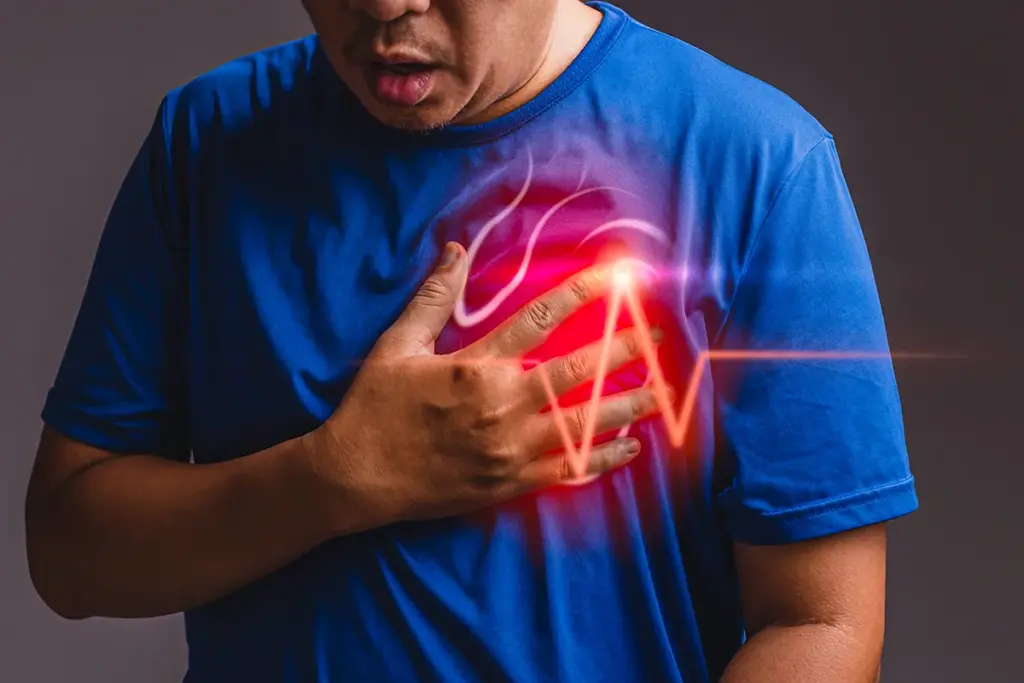
Knowing the symptoms of angina is key to getting help quickly. Angina is chest pain or discomfort caused by a temporary lack of blood flow to the heart. It shows up in different ways, with varying intensity and frequency.
Classic Angina Symptoms
Classic angina symptoms include chest discomfort that feels like squeezing or pressure in the middle of the chest. This pain can spread to the arms, back, neck, jaw, or stomach. It usually happens when you’re active or stressed and goes away with rest or medicine.
Other signs might be shortness of breath, feeling tired, or lightheadedness. Spotting these symptoms is important for getting the right medical care.
Atypical Presentation in Women, Elderly, and Diabetics
Women, older adults, and people with diabetes often have different symptoms. They might feel pain or discomfort on the left side of the chest or upper body, without the usual chest pain. Their symptoms can be less clear, like indigestion or a general feeling of discomfort.
Duration and Triggers of Angina Pain
Angina pain usually lasts between 5 to 15 minutes. It’s often caused by activity, like walking uphill, and can stop with rest or medicine. Knowing when and why it happens helps manage it better.
|
Symptom Characteristics |
Classic Angina |
Atypical Angina |
|---|---|---|
|
Chest Discomfort |
Squeezing or pressure in the middle of the chest |
Variable, may not be present |
|
Radiation of Pain |
To arms, back, neck, jaw, or stomach |
Can be different, sometimes to the left side |
|
Triggers |
Physical exertion, emotional stress |
Variable, sometimes without clear triggers |
|
Duration |
Typically 5-15 minutes |
Can vary |
Types of Angina and Their Distinct Features
It’s key to know the different types of angina for the right treatment. Angina is chest pain caused by a temporary lack of blood flow to the heart. It’s not just one thing but several types, each with its own signs and treatment needs.
Stable Angina: Predictable Patterns
Stable angina is the most common type. It happens when you’re active or stressed and goes away with rest or medicine. It follows a pattern, making it easier to predict when it will happen.
- Triggered by physical exertion or stress
- Relieved by rest or nitroglycerin
- Pattern is generally consistent
Unstable Angina: A Medical Emergency
Unstable angina is a serious condition that means you’re at high risk of a heart attack. It comes without warning, can be severe, and doesn’t get better with rest or medicine. It’s a medical emergency.
- Occurs without warning
- May happen at rest
- Requires immediate medical attention
Variant (Prinzmetal’s) Angina: Spasms in Coronary Arteries
Variant or Prinzmetal’s angina is caused by spasms in the heart’s arteries. This reduces blood flow to the heart, often at rest. It can also cause changes in an electrocardiogram.
- Caused by coronary artery spasm
- Often occurs at rest, typically between midnight and early morning
- Can be associated with other conditions like migraines or Raynaud’s phenomenon
Microvascular Angina: Small Vessel Disease
Microvascular angina is caused by disease in the heart’s small arteries. It can cause chest pain but often has different symptoms. It’s more common in women and people with diabetes.
- Affects the microvasculature of the heart
- More common in women and certain populations like diabetics
- Diagnosis can be challenging, requiring specialized tests
Understanding these different types of angina enables healthcare providers to offer better care by tailoring treatments to meet the specific needs of each patient.
Chest Pain: When It’s Not Angina
Chest pain can be scary, but it’s not always a heart problem. It can come from many sources. Knowing the different types and causes is key to finding the right treatment.
Understanding Different Types of Chest Pain
Chest pain can be broken down into types. Cardiac chest pain is linked to heart issues. On the other hand, non-cardiac chest pain comes from other areas. This includes the stomach, muscles, lungs, and mind.
We’ll look into these areas to understand chest pain better.
Location and Radiation Patterns
The spot and how pain spreads can tell us a lot. Pain going to the arm, neck, or jaw might be heart-related. Pain that gets worse with movement or deep breathing could be from muscles or lungs.
- Pain in one spot might mean a muscle problem.
- Pain with breathing or swallowing could point to the lungs or stomach.
Distinguishing Features of Non-Cardiac Chest Pain
Non-cardiac chest pain can feel like heart pain but has its own signs. It might be sharp, stabbing, or in one place. It can also change with certain actions or positions.
Knowing these signs is vital for the right diagnosis and treatment.
Heart Attack vs. Angina: Critical Differences
It’s important to know the difference between a heart attack and angina. Both can cause chest pain, but they need different actions.
Symptom Duration and Intensity
Angina happens when you’re active or stressed and goes away with rest or medicine. A heart attack can happen anytime, even when you’re not doing anything, and the pain lasts longer than 15 minutes.
The pain from angina feels like pressure in the chest. A heart attack pain is more intense and can feel like a heavy weight. It can also spread to your arms, back, neck, jaw, or stomach.
Associated Symptoms Like Sweating and Nausea
Heart attacks often come with sweating, nausea, vomiting, or feeling lightheaded in addition to chest pain. Angina doesn’t usually have these symptoms.
Heart attacks can also make you short of breath, even when you’re not moving. Angina might make you short of breath when you’re active, but it goes away with rest.
Emergency Response Differences
For angina, resting and taking your medicine usually helps. But if the pain gets worse or you think it’s a heart attack, call emergency services right away.
If you think you’re having a heart attack, don’t wait. Emergency responders can start helping you on the way to the hospital.
Long-term Implications
Both angina and heart attacks show heart disease. But a heart attack is a bigger and more urgent problem. After a heart attack, you’re at higher risk for more heart problems, and managing heart disease is key.
Knowing the difference helps you get the right medical help fast. This can save lives and improve health outcomes.
Why Does My Heart Hurt? Cardiac Conditions Beyond Angina
It’s important to know about different heart problems that can cause pain. Angina is known, but other issues can also hurt. We’ll look at three main problems: pericarditis, aortic dissection, and mitral valve prolapse.
Pericarditis: Inflammation of the Heart Sac
Pericarditis is when the heart sac gets inflamed. It can cause sharp pain in the chest. This pain might feel better when sitting up and leaning forward, but gets worse when lying down or taking deep breaths. Symptoms include:
- Sharp, stabbing chest pain
- Pain that radiates to the neck, arms, or back
- Fever and fatigue
It can be caused by viruses, bacteria, or autoimmune diseases. Treatment focuses on the cause and managing pain.
Aortic Dissection: A Life-Threatening Emergency
Aortic dissection is a tear in the aorta’s inner layer. It’s a serious emergency. Symptoms include:
- Sudden, severe chest or back pain described as tearing or ripping
- Pain that radiates to the neck, jaw, or arms
- Difficulty breathing, sweating, or nausea
High blood pressure, atherosclerosis, and genetic conditions like Marfan syndrome increase risk. Emergency surgery is often needed.
Mitral Valve Prolapse and Other Valve Issues
Mitral valve prolapse happens when the valve between the heart’s chambers doesn’t close right. This can cause blood to leak back. While many don’t have symptoms, some may feel:
- Chest pain or palpitations
- Fatigue or shortness of breath
- Anxiety or panic attacks
Other valve problems, like stenosis or regurgitation, can also cause pain. Treatment varies by severity and may include medication or surgery.
Knowing about these heart conditions is key to finding the right medical care. Here’s a table with the main points:
|
Condition |
Primary Symptoms |
Risk Factors |
Treatment |
|---|---|---|---|
|
Pericarditis |
Sharp chest pain, fever, fatigue |
Viral or bacterial infections, autoimmune disorders |
Address underlying cause, pain management |
|
Aortic Dissection |
Sudden, severe chest or back pain |
High blood pressure, atherosclerosis, genetic conditions |
Emergency surgery |
|
Mitral Valve Prolapse |
Chest pain, palpitations, fatigue |
Genetic predisposition, connective tissue disorders |
Monitoring, medication, or surgery |
Knowing the symptoms and risk factors can help get timely medical help. This can prevent serious problems.
Gastrointestinal Conditions Mistaken for Angina
Gastrointestinal disorders can cause chest pain that looks like angina. This can lead to wrong diagnoses and treatments. We’ll look at common GI issues that are often mistaken for angina, helping to clear up the confusion.
GERD and Acid Reflux: The Common Culprit
Gastroesophageal reflux disease (GERD) and acid reflux are common GI issues that can mimic angina. Stomach acid flowing back into the esophagus can cause chest pain. Symptoms of GERD and acid reflux include heartburn, regurgitation, and trouble swallowing. These symptoms are usually helped by antacids or acid reducers, unlike angina.
Gallbladder Disease and Biliary Colic
Gallbladder disease, like gallstones, can cause severe pain in the upper right abdomen that feels like angina. Biliary colic, caused by gallstones blocking the bile ducts, can lead to intense pain. This pain is usually in the abdomen but can sometimes feel in the chest, causing confusion with angina.
Esophageal Spasms and Disorders
Esophageal spasms are abnormal contractions of the esophagus that can cause chest pain, often mistaken for angina. These spasms can be triggered by eating, stress, or certain foods. Other esophageal disorders, like esophagitis or strictures, can also cause chest pain. Diagnosing esophageal spasms and disorders often involves tests like esophageal manometry or endoscopy.
Peptic Ulcers and Gastritis
Peptic ulcers, sores in the stomach or duodenum, can cause pain that radiates to the chest. Gastritis, or inflammation of the stomach lining, can also cause discomfort that may be confused with angina. Symptoms of peptic ulcers and gastritis include burning pain, nausea, and vomiting. Unlike angina, these symptoms are often related to eating and can be relieved by antacids or acid reducers.
Understanding these GI conditions is key for accurate diagnosis and treatment. By recognizing the unique features of each, healthcare providers can avoid misdiagnosis and provide the right care.
Chest Pain After Eating: Digestive or Cardiac?
Chest pain after eating is a symptom that needs to be checked out. We’ll look at what might cause it and how to handle it. This will help you figure out if it’s from your stomach or your heart.
Food Triggers for Both Cardiac and Digestive Pain
Some foods can cause pain in both your heart and stomach. Big meals can make your heart work harder, which might lead to heart pain. Foods that cause acid reflux, like citrus or spicy foods, can hurt your stomach.
Here are some common foods that might trigger pain:
- Fatty or fried foods
- High-sodium foods
- Caffeine
- Alcohol
Knowing what foods to avoid can help manage chest pain after eating.
Timing and Duration of Post-Meal Chest Pain
The timing and how long chest pain lasts can tell us a lot. Stomach pain from acid reflux usually happens right after eating and can last from a few minutes to a couple of hours.
|
Condition |
Timing |
Duration |
|---|---|---|
|
Digestive Pain (GERD) |
Shortly after eating |
Few minutes to 2 hours |
|
Cardiac Pain (Angina) |
After heavy meals or exertion |
Typically 5-15 minutes |
Noticing these patterns can help tell if the pain is from your heart or stomach.
Distinguishing Features and Relief Methods
It’s important to know if chest pain is from your heart or stomach. Heart pain feels like pressure or squeezing and might spread to your arms, back, or jaw. Stomach pain is often linked to what you eat and might include bloating or nausea.
How to feel better depends on the cause:
- For stomach pain, antacids or acid reducers can help.
- For heart pain, rest, nitroglycerin (if prescribed), and avoiding big meals can help.
Knowing the differences and using the right treatments can greatly improve your life if you have chest pain after eating.
Pulmonary Conditions That Mimic Angina
Diagnosing angina can be tricky because of pulmonary conditions that look similar. These conditions can make it hard to tell if someone has angina. It’s important to look at many factors to make an accurate diagnosis.
Pulmonary Embolism: A Medical Emergency
A pulmonary embolism happens when a blood clot blocks a lung’s blood vessel. It can cause chest pain like angina. This is a serious condition that needs quick help.
Symptoms include sudden sharp chest pain, shortness of breath, and coughing up blood. These signs mean you need to see a doctor right away.
Pneumonia and Respiratory Infections
Pneumonia and other lung infections can also cause chest pain like angina. They often come with a fever, cough, and trouble breathing. The pain from pneumonia gets worse when you breathe deeply or cough.
Pleurisy: Inflammation of the Lung Lining
Pleurisy is when the lining around the lungs gets inflamed. It can cause sharp chest pain that might seem like angina. The pain gets worse when you breathe or move.
Pneumothorax: Collapsed Lung
A pneumothorax is when air gets into the space between the lung and chest wall. It causes sudden, sharp chest pain and shortness of breath. These symptoms can be mistaken for angina. It’s a serious condition that needs fast treatment.
It’s key to know about these lung issues to diagnose and treat them right. When we see patients with chest pain, we must think about these conditions. This way, we can give the right care.
Musculoskeletal Causes of Chest Pain
It’s important to know that chest pain can come from muscles, bones, or cartilage, not just the heart. This pain can feel as bad as heart pain but needs different treatment. Knowing the difference is key for the right diagnosis.
Costochondritis: Inflammation of Rib Cartilage
Costochondritis is when the cartilage between ribs and the sternum gets inflamed. It can cause sharp chest pain, often mistaken for heart problems. The pain is usually in the front of the chest and gets worse when pressed.
Muscle Strain and Chest Wall Injuries
Muscle strain in the chest can happen from overuse, injury, or sudden movements. It can make pain worse with movement or deep breathing. Chest wall injuries, like bruises or strains, can also cause a lot of discomfort.
Rib Fractures and Trauma
Rib fractures or chest trauma can cause severe pain, often sharp and in the injured area. This pain gets worse with movement, coughing, or deep breathing. If you think you have a rib fracture, see a doctor right away.
Fibromyalgia and Chronic Pain Syndromes
Fibromyalgia is a chronic condition with widespread muscle pain, fatigue, and tender points. While it’s not the only cause of chest pain, it can cause chest discomfort. Understanding fibromyalgia is key to diagnosing and managing chest pain from it.
Knowing the musculoskeletal causes of chest pain helps identify the source of discomfort. It’s important to see a healthcare professional for a proper evaluation. They can help find out the exact cause of chest pain.
Left Side of Chest Hurts: Cardiac or Something Else?
Left-sided chest pain is a symptom that needs attention. It can be linked to heart or non-heart issues. We’ll look at the reasons behind this pain and when you should see a doctor right away.
Cardiac Causes of Left-Sided Chest Pain
Heart problems often cause left-sided chest pain. Coronary artery disease is a big reason, as it narrows or blocks heart arteries. This can lead to angina or a heart attack. Other heart issues include pericarditis and myocarditis.
The American Heart Association says coronary artery disease is a top heart disease in the U.S. It’s a big cause of heart attacks.
“The most common heart attack symptom in both men and women is chest pain or discomfort.” – American Heart Association
Non-Cardiac Causes Including Splenic and Gastric Issues
Not all left-sided chest pain comes from the heart. Issues like gastroesophageal reflux disease (GERD) can cause pain. Splenic problems and musculoskeletal issues like costochondritis can also lead to pain.
|
Cause |
Characteristics |
|---|---|
|
Cardiac |
Often related to exertion, relieved by rest, associated with other symptoms like sweating and nausea |
|
Gastrointestinal |
May be related to eating, relieved by antacids, associated with symptoms like dysphagia and regurgitation |
|
Musculoskeletal |
Often related to movement, relieved by rest or pain medication, associated with tenderness to touch |
When Left-Sided Pain Requires Immediate Attention
Seek immediate medical help for severe chest pain, difficulty breathing, or dizziness. These could be signs of serious problems like a heart attack or pulmonary embolism. Quick medical care can greatly improve your chances of recovery.
It’s important to listen to your body and not delay seeking medical help. Knowing the causes of left-sided chest pain can help you make better health choices.
Psychological Conditions and Chest Discomfort
Psychological factors can greatly affect how we feel chest discomfort. Many patients have chest pain not from heart problems but from mental health issues. It’s key to understand this link for better care.
Panic Attacks and Anxiety Disorders
Panic attacks and anxiety disorders often cause chest pain. During a panic attack, people might feel tightness or pressure in their chest. They might also have a fast heartbeat, sweat, and shake.
Anxiety disorders, like generalized anxiety, can also lead to chest pain. Anxiety can tighten muscles, causing chest discomfort. It’s important to tell the difference between heart pain and anxiety pain for the right treatment.
Stress-Induced Chest Pain and Takotsubo Syndrome
Stress can also cause chest pain. Takotsubo syndrome, or “broken heart syndrome,” happens when intense stress weakens the heart muscle. It can cause symptoms like chest pain and trouble breathing.
The exact cause of Takotsubo syndrome isn’t known. But it’s thought to be linked to stress hormones that “stun” the heart. Knowing this is key, as treatment is different from a heart attack.
Depression and Its Physical Manifestations
Depression can also cause chest pain. People with depression might feel tired, have changes in appetite, and experience pain, including chest pain. Depression can also lead to heart disease.
It’s vital to treat depression when someone has chest pain. Managing depression can help reduce physical symptoms, improving overall health.
Chest Pain When Breathing: Respiratory or Cardiac Origin?
Chest pain with breathing can mean several health issues. Knowing if it’s from the lungs or heart is key to treating it right.
Respiratory Causes Including Asthma and COPD
Respiratory problems often cause chest pain that gets worse with breathing. Asthma and COPD are common culprits. Asthma narrows airways, causing wheezing and shortness of breath. COPD strains the lungs and chest, leading to pain.
Pneumonia, pleurisy, and pneumothorax are other respiratory issues. Pneumonia inflames lung air sacs, causing pain with deep breaths. Pleurisy inflames the lung lining, causing sharp pain. Pneumothorax, or a collapsed lung, also causes pain and breathing trouble.
Cardiac Causes That Worsen With Respiration
Cardiac issues can also cause chest pain that changes with breathing. Pericarditis, an inflammation of the heart sac, is a common cardiac cause. The pain from pericarditis can get worse with deep breathing or lying down.
Other heart problems like angina or heart attacks usually have consistent pain. But, deep breathing or certain positions can make it worse.
When to Be Concerned About Pain During Breathing
See a doctor if you have chest pain with breathing. It’s urgent if the pain is severe, doesn’t go away, or comes with other symptoms like trouble breathing or dizziness. Sudden, sharp pain could be a sign of a serious issue like a collapsed lung or blood clot in the lungs.
If you have chest pain with breathing, watch your symptoms closely. A doctor will check you, do tests like X-rays or blood work, to find out what’s wrong and how to treat it.
Diagnostic Procedures for Chest Pain
Doctors use a mix of medical history, physical exams, and tests to figure out chest pain. This method helps find the real cause of the pain. It could be heart-related, stomach issues, or something else.
Initial Evaluation and Medical History
The first step is a detailed medical history and physical check-up. We ask about the pain’s details, like how long it lasts and what makes it better or worse. This helps us decide what tests to do next.
During the physical exam, we look for heart disease signs and other possible causes of pain. We also ask about health risks to help narrow down the cause.
Non-Invasive Tests: ECG, Stress Tests, and Imaging
Non-invasive tests are key in figuring out chest pain. These include:
- Electrocardiogram (ECG): This records the heart’s electrical activity. It can show heart rhythm problems or signs of heart not getting enough blood.
- Stress Tests: These check how the heart works when it’s under stress. This is usually done by exercising or taking medicine to raise the heart rate.
- Imaging Tests: Like chest X-rays, echocardiograms, or MRI scans. They give clear pictures of the heart and nearby areas.
|
Test |
Purpose |
Key Findings |
|---|---|---|
|
ECG |
Assess heart’s electrical activity |
Arrhythmias, ischemia signs |
|
Stress Test |
Evaluate heart function under stress |
Ischemia, arrhythmias during stress |
|
Echocardiogram |
Visualize heart structure and function |
Valve abnormalities, wall motion issues |
Cardiologist
Invasive Diagnostic Procedures: Angiography
For some, invasive tests like coronary angiography are needed. This involves putting dye into the heart’s arteries to see any blockages.
Coronary angiography is great for finding heart artery disease. It helps decide if treatments like angioplasty or stenting are needed.
By using all these methods, we can find the cause of chest pain. Then, we can plan the best treatment.
When to Seek Emergency Medical Attention
Knowing when to get help fast can save lives. Chest pain is a big warning sign that needs quick attention. We’ll show you the signs that mean you should get help right away. We’ll also tell you how to call for emergency services and what to say to them.
Red Flag Symptoms That Shouldn’t Be Ignored
Some symptoms with chest pain are very serious and need help fast. These include:
- Severe chest pain that feels like pressure, tightness, or a heavy weight on the chest.
- Radiating pain to the arm, back, neck, jaw, or stomach.
- Shortness of breath or trouble breathing.
- Cold sweats or feeling lightheaded.
- Nausea or vomiting.
If you or someone else has these symptoms, act fast. Don’t hesitate to seek help. These could be signs of a serious problem like a heart attack.
Using Emergency Services Appropriately
Using emergency services right can save time. Here’s what to do:
- Call the local emergency number right away.
- Give clear and simple information about the situation.
- Do what the emergency operator tells you to do.
- Stay on the line until help gets there.
It’s good to have some info ready. This includes the patient’s age, what’s happening, and any health history.
What to Tell Emergency Responders
When responders come, give them the right info. Be ready to share:
- The symptoms you’re seeing and when they started.
- Any health conditions or allergies.
- What medicines you’re taking, including how much.
- Any recent activities or things you’ve been exposed to.
Good info helps responders make the best choices for care.
Conclusion: Managing Chest Pain and Improving Heart Health
It’s important to know why you’re feeling chest pain. Chest discomfort can come from heart problems or other issues like stomach or muscle pain. Finding out the cause is the first step to getting better.
To handle chest pain, you need to make lifestyle changes and follow your doctor’s advice. This might mean eating right, exercising, and finding ways to relax. Working with your healthcare team is essential to create a plan that works for you.
By acting early and taking care of your heart, you can avoid serious problems. If you’re feeling bad chest pain, don’t wait to see a doctor. It’s better to be safe than sorry.
FAQ
Why does my heart hurt?
Heart pain, or chest pain, can have many causes. These include angina, heart attack, pericarditis, and other heart problems. We explore the reasons behind heart pain and what they mean.
What is the difference between a heart attack and angina?
A heart attack happens when blood flow to the heart stops, damaging the heart muscle. Angina, on the other hand, is chest pain or discomfort from reduced blood flow. Both involve chest pain, but symptoms and severity differ.
Why does my chest hurt when I breathe?
Chest pain while breathing can stem from lung or heart issues. Lung problems like pneumonia or pneumothorax can cause it. Heart issues like angina or heart attack also lead to chest pain. We look into the causes and when to worry.
What are the common symptoms of angina?
Angina symptoms include chest pain or discomfort, often from activity or stress. Women, the elderly, and diabetics may have different symptoms. Knowing these symptoms is key for treatment.
Can gastrointestinal conditions be mistaken for angina?
Yes, stomach issues like GERD or peptic ulcers can mimic angina. We explain how to tell them apart and how to diagnose them.
What causes chest pain after eating?
Digestive or heart problems can cause chest pain after eating. We help figure out if it’s from food or the heart. We also talk about relief options and when to see a doctor.
Why does my left side of chest hurt?
Left chest pain can come from heart or non-heart issues. This includes problems with the spleen or stomach. We discuss the possible causes and when to get help fast.
Can psychological conditions cause chest discomfort?
Yes, mental health issues like anxiety or depression can cause chest pain. We explore the link between mental health and chest pain, and its impact on care.
What are the diagnostic procedures for chest pain?
Tests for chest pain include an initial check, ECG, and stress tests. Angiography is also used. Knowing these tests is important for accurate diagnosis and treatment.
When should I seek emergency medical attention for chest pain?
Severe chest pain, trouble breathing, or dizziness need immediate help. We talk about when to call for emergency services and what to say to responders.
What is the difference between stable and unstable angina?
Stable angina has a predictable pattern. Unstable angina is a serious emergency with sudden, severe pain. Knowing the difference is vital for quick medical action.
Can musculoskeletal causes lead to chest pain?
Yes, muscle or bone issues like costochondritis can cause chest pain. We discuss these causes and their effects.
How can I manage chest pain and improve heart health?
To manage chest pain, understand its causes and seek help when needed. A healthy lifestyle is also key. We offer tips for better heart health and reducing heart disease risk.
References
JAMA Network. Evidence-Based Medical Insight. Retrieved from https://jamanetwork.com/journals/jamainternalmedicine/fullarticle/2779543



 Departments
 Related Videos
 Our Doctors
 News
News