Listing five crucial warning signs of chf after cabg (Congestive Heart Failure after bypass surgery). Heart failure is a big worry after coronary artery bypass grafting (CABG) surgery. It’s key to spot its signs early. At Liv Hospital, we focus on catching these symptoms to help you heal well.
Medical studies show heart failure is a common issue after CABG surgery. Its signs can be hard to notice. We aim to help you know these important signs. This way, you can get medical help fast if needed.
Spotting heart failure signs early can save lives. Our team is ready to support you. We offer detailed care and advice to help you recover.
Key Takeaways
- Heart failure is a serious complication after CABG surgery.
- Identifying early warning signs is key for quick medical help.
- Liv Hospital is dedicated to giving you full care and support.
- Seeing symptoms early can greatly improve your recovery.
- Getting medical help fast is vital if symptoms don’t get better or get worse.
Understanding CABG Surgery and Post-Operative Cardiac Complications
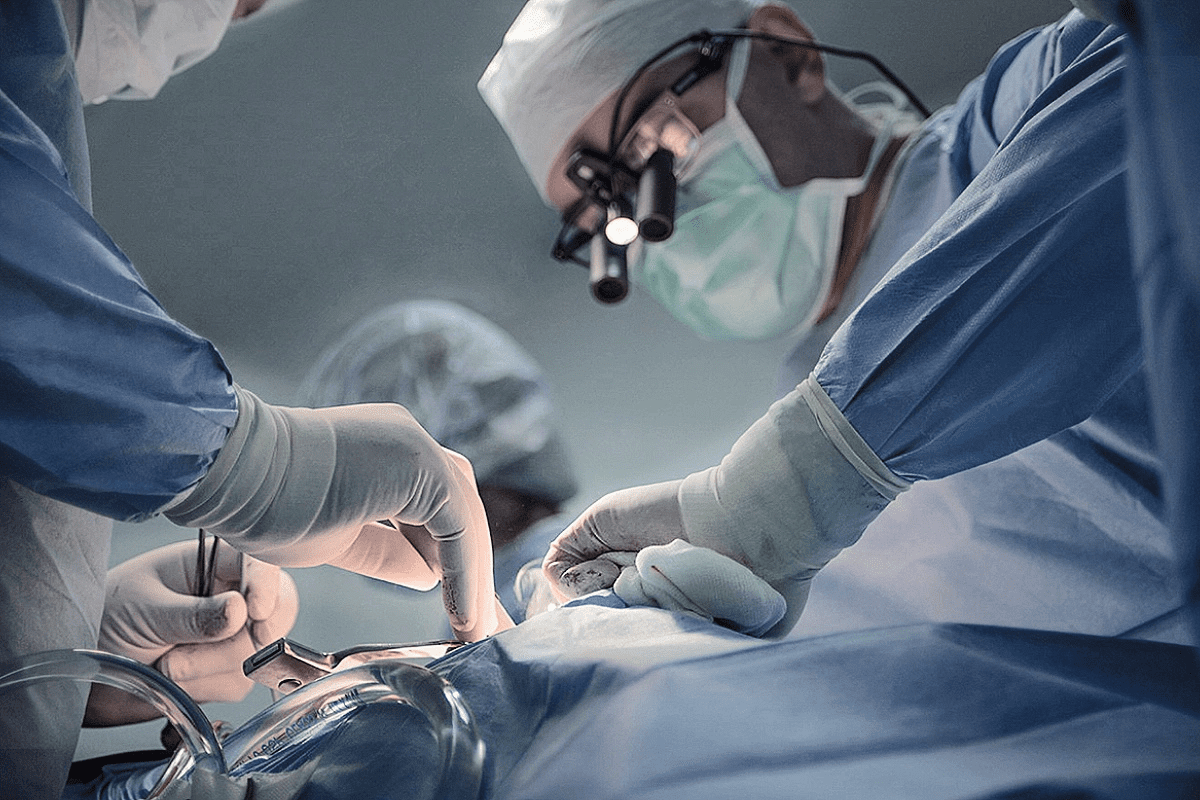
Coronary artery bypass grafting (CABG) is a key treatment for heart disease. It involves attaching a healthy blood vessel to a blocked artery. This helps blood flow to the heart muscle again.
CABG is for those with severe heart disease. It’s done when arteries are narrowed or blocked. Doctors use tests like coronary angiography to decide if surgery is needed.
What is CABG Surgery and Why It’s Performed
CABG surgery aims to ease symptoms and improve life quality. It also helps prevent heart attacks. By bypassing blocked arteries, it ensures the heart gets enough blood.
The surgery uses a graft from the leg or arm to bypass the blockage. It’s done under general anesthesia. The patient is on a heart-lung machine during the procedure.
The Recovery Process and Expected Challenges
Recovering from CABG surgery is important. Patients stay in the ICU for a few days. Their heart function is closely watched.
Challenges include managing pain and watching for heart problems. Patients also need to start moving slowly. Risks include irregular heartbeats, heart failure, and blockages in the graft.
Complication | Description | Management |
Atrial Fibrillation | Irregular heart rhythm | Medications, cardioversion |
Heart Failure | Inadequate cardiac output | Diuretics, ACE inhibitors |
Graft Occlusion | Blockage of the graft vessel | Anticoagulation, reoperation |
Why CHF After CABG Occurs and Its Prevalence
Knowing how common CHF is after CABG helps us manage patient expectations better. Congestive heart failure (CHF) after coronary artery bypass grafting (CABG) is a big problem. It can really hurt a patient’s quality of life and chances of survival.
Statistical Overview of Heart Failure Following Bypass
Research shows CHF is a common issue after CABG surgery. It affects a lot of patients. The exact number can vary, but it’s between 10% to 30% of patients.
Key statistics include:
- About 1 in 5 patients may get heart failure after CABG.
- Those with heart problems before surgery or a weak heart are at higher risk.
- Older patients and those with diabetes or high blood pressure are also at higher risk.
A leading cardiologist says,
“The development of CHF after CABG is a complex process involving multiple factors, including perioperative myocardial injury and graft failure.”
Impact on Short and Long-Term Survival Rates
CHF after CABG affects survival rates a lot. Patients with CHF after CABG face a higher risk of death and illness. This is compared to those without this complication.
Short-term risks include more in-hospital problems and longer stays in intensive care. Long-term risks include lower survival chances and a lower quality of life because of heart failure symptoms.
Managing CHF after CABG needs a full plan. This includes medicines, lifestyle changes, and sometimes advanced treatments. By knowing how common and serious CHF after CABG is, doctors can improve care and outcomes for patients.
Risk Factors That Increase Heart Failure Likelihood After Bypass Surgery
Heart failure risk after CABG surgery comes from health conditions, demographics, and lifestyle. Knowing these helps doctors spot high-risk patients. They can then adjust care plans to help these patients.
Pre-existing Cardiac Conditions and Ejection Fraction
Heart conditions before surgery greatly affect heart failure risk after CABG. The ejection fraction (EF) is a key factor. It shows how well the heart pumps blood. A low EF means the heart isn’t working well, raising heart failure risk.
Other heart issues that can up the risk include:
- Previous heart attacks
- Arrhythmias or valve problems
- Thickened heart muscle
Demographic and Lifestyle Factors
Demographics and lifestyle also play a part in heart failure risk after CABG. These include:
Factor | Description | Impact on Risk |
Age | Being older | Higher risk due to less physical strength |
Smoking Status | Smoking or having quit | Higher risk due to blood vessel damage |
Physical Activity | Being inactive | Higher risk due to poor heart health |
Medical Comorbidities That Compound Risk
Some medical conditions can make heart failure risk after CABG worse. These include:
- Diabetes
- High blood pressure
- Chronic kidney disease
- Chronic lung disease
Understanding these risk factors helps doctors identify and help high-risk patients. They can then use specific strategies to lower these risks.
Mechanisms of Heart Failure Development Following CABG
It’s important to know why heart failure can happen after CABG surgery. This condition can come from several things that happen during or after the surgery.
Perioperative Myocardial Injury
Perioperative myocardial injury is when the heart muscle gets damaged during surgery. This can happen for many reasons, like not enough blood flow, damage when blood flow is restored, or direct injury to the heart. Even small damage to the heart muscle during CABG can greatly affect long-term survival and heart function.
Graft Failure and Its Consequences
Graft failure is a big reason for heart failure after CABG. It happens when the bypass grafts used to bypass blocked arteries don’t work right. This can be because of blockages, thickening of the graft’s lining, or problems with how the graft was put in. The effects of graft failure can be very serious, leading to more chest pain, heart attacks, and heart failure.
Reperfusion Injury and Inflammatory Response
Reperfusion injury happens when blood flow is brought back to the heart after a time without it. This leads to inflammation that can harm the heart. This injury is a complex process involving many cellular and molecular steps. The inflammation from reperfusion injury can make heart damage worse, leading to heart failure.
Mechanism | Description | Consequences |
Perioperative Myocardial Injury | Damage to heart muscle during surgery due to ischemia, reperfusion, or direct trauma. | Impact on long-term survival and cardiac function. |
Graft Failure | Occlusion or dysfunction of bypass grafts due to thrombosis, intimal hyperplasia, or technical issues. | Recurrent angina, myocardial infarction, heart failure. |
Reperfusion Injury | Inflammatory response and tissue damage upon restoration of blood flow after ischemia. | Exacerbated cardiac damage, contributing to heart failure. |
Understanding these mechanisms helps healthcare providers find ways to lower the risk of heart failure after CABG. This can lead to better outcomes for patients.
Sign #1: Persistent Shortness of Breath After CABG
Shortness of breath after CABG surgery is common. But, it’s important to know when it’s a sign of something serious. We’ll help you understand this symptom and tell normal recovery from heart failure.
Differentiating Normal Recovery vs. Heart Failure Symptoms
After CABG, some shortness of breath is normal. But, watch how long and how bad it is. Normal recovery gets better slowly, but heart failure symptoms don’t.
Knowing the difference is key. If breathing gets better, it’s likely normal. But, if it stays bad or gets worse, it could be heart failure.
Activity-Related Breathing Difficulties
Shortness of breath during activities is a big worry after CABG. It might be normal, but if it’s severe, it could mean heart failure.
Activity Level | Normal Recovery | Potential Heart Failure |
Mild Exercise | Some shortness of breath, improving with rest | Significant shortness of breath, not improving with rest |
Daily Activities | Manageable with some effort | Difficult, requiring frequent rest |
Nocturnal Dyspnea and Orthopnea as Warning Signs
Nocturnal dyspnea and orthopnea are serious signs. They mean the heart is having trouble, possibly showing heart failure.
Nocturnal dyspnea makes you wake up to breathe. Orthopnea makes you sit up to breathe, showing lung pressure when lying down.
It’s important to know these signs and the difference from normal recovery. If you or a loved one has persistent or severe shortness of breath, see a doctor. They can figure out what’s wrong and what to do next.
Sign #2: Unusual Fatigue and Weakness Following Bypass Surgery
Exploring signs of heart failure after CABG, we find unusual fatigue and weakness are key indicators. Some fatigue is normal after surgery. But, if it’s persistent or severe, it could signal heart problems.
Expected vs. Abnormal Fatigue Patterns
After CABG, patients often feel tired due to surgery stress and healing. But, unusual fatigue that doesn’t get better or gets worse is a warning sign. It’s important to tell normal post-surgery tiredness from signs of heart failure.
- Normal recovery fatigue gets better over weeks.
- Abnormal fatigue stays or gets worse.
- Fatigue that makes daily tasks hard is a concern.
Connection to Reduced Cardiac Output
Unusual fatigue and weakness after CABG might mean the heart isn’t pumping well. This is a sign of heart failure. When the heart doesn’t pump enough, tissues and muscles don’t get the oxygen and nutrients they need, causing tiredness and weakness.
Impact on Daily Activities and Quality of Life
The impact of unusual fatigue and weakness on daily life is big. Simple tasks become hard, and life quality drops. Seeing these symptoms as heart failure signs lets patients get medical help early, which can help a lot.
Important things to think about include:
- Having trouble with everyday tasks because of tiredness.
- Being unable to do physical activities or exercise.
- Needing to rest a lot during the day.
Understanding and tackling unusual fatigue and weakness helps healthcare and patients. They can spot heart failure early and manage it well.
Sign #3: Fluid Retention and Swelling Post-CABG
Fluid retention and swelling are key signs of heart failure after CABG. These symptoms are not just minor side effects. They can show serious heart function issues.
Peripheral Edema in Extremities
Peripheral edema is swelling in the legs, ankles, and feet. It happens when the heart can’t pump well, causing fluid buildup. It’s important to watch for any unusual swelling and tell your doctor.
A medical expert says, “Peripheral edema is often one of the first signs that the heart is not functioning properly after CABG surgery.”
“The presence of peripheral edema should prompt further investigation into the patient’s cardiac function.”
Medical Expert, Cardiologist
Abdominal Swelling and Unexpected Weight Gain
Fluid retention can also cause swelling in the belly, leading to discomfort and unexpected weight gain. This swelling, known as ascites, happens when fluid builds up in the belly. Monitoring weight changes is a simple yet effective way to detect fluid retention early.
Symptom | Description | Action |
Peripheral Edema | Swelling in legs, ankles, and feet | Monitor swelling, elevate legs |
Abdominal Swelling | Fluid accumulation in the abdomen | Track weight, report abdominal discomfort |
Pulmonary Edema | Fluid buildup in the lungs | Seek immediate medical attention for breathing difficulties |
Pulmonary Edema and Its Symptoms
Pulmonary edema is a severe condition where fluid builds up in the lungs. It’s a serious heart failure complication. Symptoms include shortness of breath, coughing up frothy sputum, and feeling like you’re suffocating. Immediate medical attention is required if these symptoms happen.
Recognizing fluid retention and swelling signs after CABG is vital for timely action. By knowing these symptoms and acting quickly, patients can improve their outcomes and quality of life after surgery.
Sign #4: Irregular Heartbeat and Palpitations After Cardiac Bypass
Patients often worry about irregular heartbeat and palpitations after CABG surgery. These signs might mean heart failure. It’s important to understand them to get help quickly.
Common Arrhythmias Following CABG
After CABG, patients might face different arrhythmias. Atrial fibrillation is common, showing an irregular and fast heart rate. Other arrhythmias include ventricular tachycardia and supraventricular tachycardia.
These arrhythmias can come from the surgery, heart disease, or complications. It’s key to watch and manage them to avoid more heart problems.
When Palpitations Signal Heart Failure
Palpitations can mean heart failure in post-CABG patients. If the heart doesn’t pump well, it can cause irregular rhythms. Symptoms like shortness of breath, fatigue, or swelling with palpitations might show heart failure.
It’s vital for patients to tell their doctor about persistent or severe palpitations. Early action can stop heart failure from getting worse.
Home Monitoring Techniques for Heart Rhythm
Patients can check their heart rhythm at home. A simple way is to feel the pulse regularly. Advanced devices like wearable heart rate monitors or smartwatches with ECG can give more detailed info.
Keeping a log of heart rhythm can help spot patterns or changes. This is useful for both patients and doctors to know when to seek medical help.
Monitoring Method | Description | Benefits |
Manual Pulse Check | Regularly checking the pulse for irregularities | Simple, cost-effective |
Wearable Heart Rate Monitors | Using devices that continuously monitor heart rate and rhythm | Provides detailed heart rhythm data, convenient |
Smartwatches with ECG | Utilizing smartwatches with built-in ECG features to monitor heart rhythm | Convenient, provides detailed ECG data |
Sign #5: Cognitive Changes and Confusion Post-Surgery
Heart failure after CABG surgery can show up as changes in thinking and confusion. This is why it’s so important to watch closely after surgery. These signs can worry patients and their families a lot. They might mean a serious problem that needs quick medical help.
The Heart-Brain Connection in Cardiac Insufficiency
The heart and brain work together closely. When the heart doesn’t pump well, it can affect the brain. This might cause thinking problems and confusion.
Studies have found a strong link between heart failure and brain problems. People with heart failure are more likely to get dementia or have their thinking skills decline.
Reduced Cardiac Output and Mental Status Changes
When the heart doesn’t pump enough, it can reduce blood flow to the brain. This can cause changes in how someone thinks and feels. Symptoms might include confusion, trouble knowing where they are, or trouble focusing.
In some cases, symptoms can be even worse. This might include delirium or a big change in how someone acts or thinks.
Cognitive Symptom | Description |
Confusion | Disorientation and difficulty understanding surroundings |
Disorientation | Confusion regarding time, place, or person |
Difficulty Concentrating | Trouble focusing on tasks or conversations |
Distinguishing From Normal Post-Surgical Confusion
It’s key to tell normal post-surgery confusion from confusion caused by heart failure. While some confusion is normal after surgery, lasting or severe confusion might mean a bigger problem.
Patients and their caregivers should watch for thinking changes and confusion after CABG surgery. If they notice any, they should tell their doctor right away.
When to Seek Emergency Care for Post-CABG Heart Failure Symptoms
If you’ve had CABG surgery, knowing when to get emergency care for heart failure symptoms is key. Heart failure after CABG is serious and needs quick attention. Some symptoms are normal during recovery, but others are red flags you shouldn’t ignore.
Red Flag Symptoms That Require Immediate Attention
Some symptoms after CABG surgery need immediate medical help. These include:
- Severe shortness of breath that worsens over time or is accompanied by other symptoms like chest pain or dizziness
- Chest pain or discomfort that is not relieved by rest or medication
- Severe fatigue or weakness that interferes with daily activities
- Swelling in the legs, ankles, or feet that is sudden or severe
- Confusion, disorientation, or difficulty concentrating
These symptoms can mean your heart failure is getting worse or you have other serious problems. Don’t wait to get medical help if you see any of these red flags.
Communication With Your Healthcare Team
Talking well with your healthcare team is key in managing heart failure symptoms after CABG. Keep a record of your symptoms, when they happen, and what might make them better or worse. This info helps your healthcare team make the best decisions for you.
If you’re worried about your symptoms or don’t know if they’re an emergency, reach out to your healthcare team. It’s always safer to be cautious with your health.
What to Expect in the Emergency Department
If you need emergency care for heart failure symptoms after CABG, knowing what to expect can help. When you get to the emergency department, you’ll be checked fast to see how serious your condition is.
Medical staff will:
- Evaluate your symptoms and medical history
- Perform diagnostic tests, such as electrocardiograms (ECGs) or blood tests
- Provide oxygen or other treatments as needed to stabilize your condition
- Consult with your cardiologist or other specialists to develop an appropriate treatment plan
Quick action in the emergency department can greatly improve outcomes for patients with heart failure symptoms after CABG surgery.
Diagnostic and Treatment Approaches for Heart Failure After Bypass Surgery
Diagnosing heart failure after CABG surgery is complex. It involves many tools and techniques. We will look at the latest diagnostic methods, how to manage medications, lifestyle changes, and advanced treatments for heart failure after bypass surgery.
Modern Diagnostic Tools and Procedures
Modern tools are key in finding heart failure after CABG surgery. We use:
- Echocardiography to check the heart’s function and shape
- Electrocardiogram (ECG) to watch the heart’s rhythm
- Blood tests to check biomarkers like BNP and NT-proBNP
- Cardiac catheterization to see if coronary arteries are open
These tools help us accurately find and watch heart failure. They guide our treatment choices.
Medication Management Strategies
Managing medications is key in treating heart failure after CABG surgery. We use a variety of drugs, including:
- ACE inhibitors or ARBs to lower blood pressure
- Beta-blockers to slow the heart rate and cut down oxygen demand
- Diuretics to handle too much fluid
- Aldosterone antagonists to lower death and illness risk
We tailor medications to each patient. We watch how well they work closely.
Lifestyle Modifications and Cardiac Rehabilitation
Changing your lifestyle and cardiac rehab are vital for heart failure after CABG surgery. We suggest:
- Eating less sodium and fluid
- Exercise to boost heart health
- Stopping smoking and managing stress
- Keeping an eye on other health issues
These changes and rehab programs improve symptoms and life quality. They also lower the risk of more problems.
Advanced Therapies for Severe Cases
For severe heart failure after CABG surgery, we might need advanced treatments. We look at:
Therapy | Description | Benefits |
Mechanical Circulatory Support | Devices that help the heart pump | Better heart function, less symptoms |
Heart Transplantation | Replacing the heart with a donor one | Longer life, better quality of life |
Cardiac Resynchronization Therapy | Device therapy to sync heart beats | Better heart function, less symptoms |
We consider these advanced treatments carefully. We look at each patient’s specific situation and needs.
Conclusion: Improving Long-Term Outcomes After CABG
Managing heart failure after CABG surgery is key to better long-term results. It helps patients live a better life. Early action and a detailed treatment plan can greatly improve survival and well-being.
Knowing the signs of heart failure is important. These include constant shortness of breath, unusual tiredness, swelling, irregular heartbeat, and changes in thinking. Patients should get help quickly if they notice these symptoms. Doctors use new tools and medicines to diagnose and treat heart failure.
Changing lifestyle and joining cardiac rehab are also important. A healthy lifestyle can lower the risk of problems and improve outcomes. Working together, patients, caregivers, and doctors can manage heart failure after CABG surgery effectively.
FAQ
What are the common signs of heart failure after CABG surgery?
Signs include shortness of breath and feeling very tired. You might also notice swelling and an irregular heartbeat. Some people experience confusion or memory problems.
How can I differentiate between normal recovery and heart failure symptoms after CABG?
Normal recovery gets better over time. Heart failure symptoms can get worse. If symptoms are severe or don’t get better, see your doctor.
What is the prevalence of congestive heart failure after CABG surgery?
Studies show many patients get congestive heart failure after CABG. The exact rate varies based on individual factors.
Can lifestyle modifications help manage heart failure after bypass surgery?
Yes, changes like eating right and exercising can help. Managing stress and following your medication plan also helps.
What are the risk factors that increase the likelihood of heart failure after bypass surgery?
Risk factors include heart problems before surgery and certain health conditions. Lifestyle and demographic factors also play a role.
How is heart failure diagnosed after CABG surgery?
Doctors use your medical history, physical exam, and tests like echocardiography. They also look at lab results and imaging studies.
What are the treatment approaches for heart failure after bypass surgery?
Treatment includes medicines and lifestyle changes. Cardiac rehab and advanced therapies like devices or transplant are also options.
When should I seek emergency care for post-CABG heart failure symptoms?
Go to the emergency room for severe symptoms like hard breathing, chest pain, or confusion. If unsure, it’s always best to seek help.
Can heart failure after CABG surgery be managed effectively?
Yes, with the right care and treatment, heart failure can be managed. This improves your long-term health and quality of life.
What is the impact of heart failure on short-term and long-term survival rates after CABG surgery?
Heart failure can affect survival rates both short and long term. It’s critical to recognize and treat symptoms quickly.
Are there any advanced therapies available for severe heart failure cases after CABG?
Yes, for severe cases, treatments like devices and heart transplant are options. They can help manage severe heart failure.
References
National Center for Biotechnology Information. Evidence-Based Medical Guidance. Retrieved from https://pubmed.ncbi.nlm.nih.gov/27025260/



 Departments
 Related Videos
 Our Doctors
 News
News