Stage 2 to 6 Years is one of the most important phases in a child’s life. The years between 2 and 6 are full of growth in many areas — physical, emotional, and social. This time is known as early childhood or the preschool stage.
During Stage 2 to 6 Years, children make big steps in thinking, talking, and moving. It’s a crucial time that shapes how they learn and interact with the world.
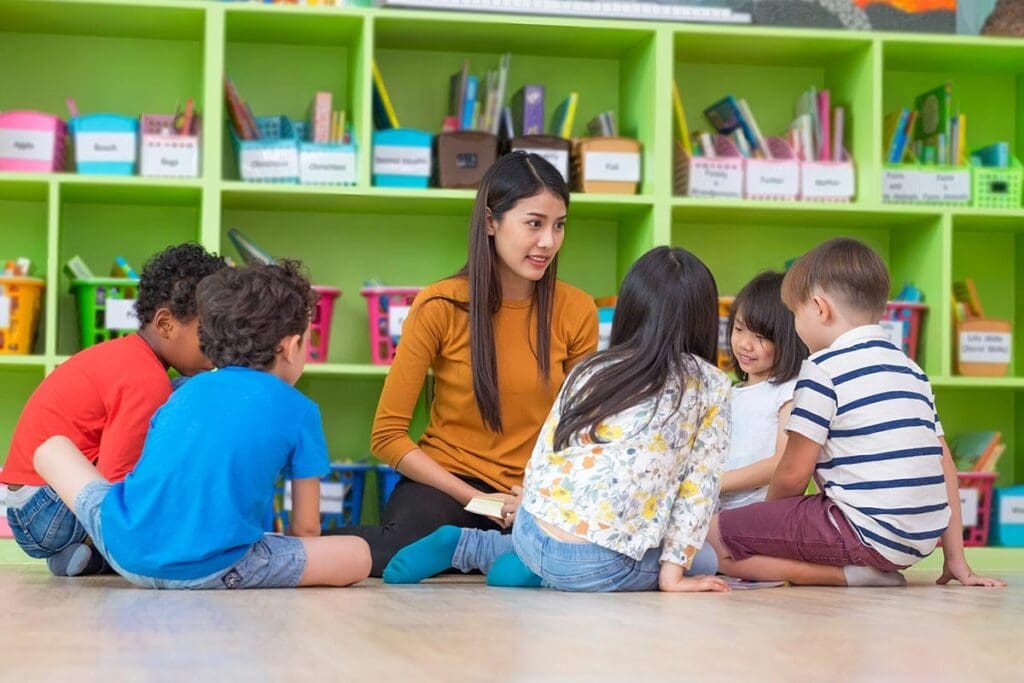
This stage is key to kids’ future success.Jean Piaget’s theory says kids start to think in new ways. They learn to use words and pictures to show things.
We will look at the important parts of this stage. We’ll see how kids grow and change in amazing ways.
Key Takeaways
- Early childhood is a critical period for cognitive, language, and motor skill development.
- Children begin to think symbolically and use words and pictures to represent objects.
- This stage is foundational for future success and lays the groundwork for lifelong health.
- Rapid advancements in cognition, language, and motor skills are characteristic of this stage.
- Understanding these milestones helps parents and healthcare professionals support optimal development.
The Stage from 2 to 6 Years: Early Childhood Defined
Early childhood, from 2 to 6 years, is a key time for growth. It sets the stage for future success. During this period, children see big changes in their thinking, speaking, and moving skills.
The Preschool Stage: Key Characteristics
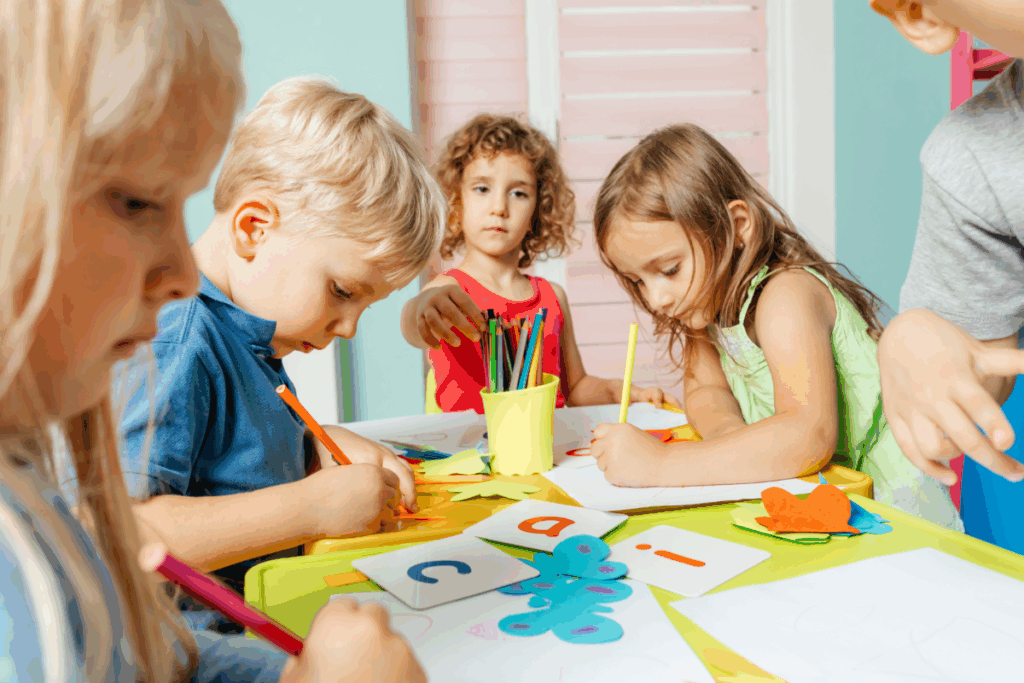
The preschool stage is filled with important milestones. Children start to think symbolically and improve their language skills. Jean Piaget said this stage, from 2 to 7, is all about playing and learning to speak.
Symbolic play lets kids try out language and thinking. Language development helps them talk better. This is a big step for them.
Children also get better at solving problems and thinking creatively. They learn about cause and effect. This helps them think critically.
Why This Developmental Period Is Critical
The early years are key to a child’s future. They learn skills like emotional regulation and self-control. These are important for their happiness and well-being.
“The years from 2 to 6 are a time of rapid growth and development, laying the groundwork for future learning and social interactions.”
Understanding early childhood is important. It shows how vital supportive environments are for growth. By knowing this, we can create better places for kids to learn and grow.
7 Remarkable Physical Growth Patterns During Early Childhood
Between 2 and 6 years old, kids go through amazing physical changes. They grow a lot and start building a strong foundation for their health. This is a key time for their development.
Children usually gain 4–6 pounds and grow 2–3 inches per year from 2 to 6. This steady growth shows how fast and exciting early childhood is.
Height and Weight Progression
Early childhood is all about getting taller and heavier. Kids grow about 4-6 pounds and 2-3 inches each year. Keeping an eye on these numbers helps us see if they’re growing right.
- Average annual weight gain: 4-6 pounds
- Average annual height increase: 2-3 inches
- Importance of regular check-ups to track growth
Fine and Gross Motor Skill Development
Early childhood is also a time for big leaps in fine and gross motor skills. Fine motor skills help with small tasks like drawing and using utensils. Gross motor skills are for bigger movements, like running and jumping.
As kids get older, they get better at moving and handling things more precisely.
- Enhanced dexterity in hands and fingers
- Better coordination and balance
- Increased ability to engage in physical activities
Physical Activity Requirements for Optimal Growth
Studies show that physical activity is key to healthy growth in early childhood. It helps kids grow physically and feel good overall.
We suggest kids do different kinds of physical activities. This can be sports or just playing around. It helps them grow and learn.
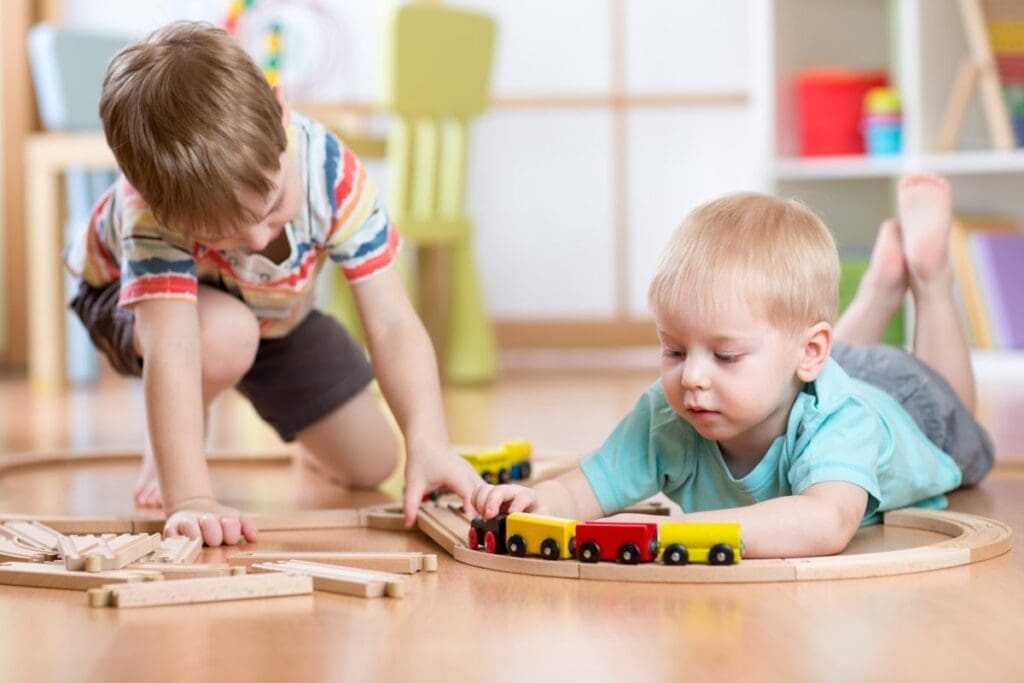
By knowing and supporting these growth patterns, we help kids do well in early childhood and later on.
5 Fascinating Cognitive Changes in the Preschool Years
Cognitive development in preschoolers is truly captivating. It’s marked by the start of symbolic thinking and a big leap in language skills. During this time, kids move through Jean Piaget’s preoperational stage. This stage is all about developing symbolic thinking and language abilities.
Piaget’s Preoperational Stage Explained
Jean Piaget’s theory says the preoperational stage is from ages 2 to 7. Kids start using symbols and language to show how they see the world. They learn symbolic thinking, which lets them think about things that aren’t right there.
This stage is also about being egocentric. Kids find it hard to see things from others’ viewpoints. But, as they grow, their thinking becomes more flexible.
Memory Development and Attention Span Growth
Preschoolers see big leaps in memory development and attention span growth. Their brains get better at keeping information and staying focused. This shows in their ability to listen to instructions and do simple tasks.
Their attention span grows a lot. They start to enjoy more complex play and activities. This is key to doing well in school later on.
Problem-Solving and Imaginative Thinking Emergence
In the preschool years, kids start to get better at problem-solving and imaginative thinking. Play helps them tackle challenges and find creative solutions. This is a big part of growing up.
Imaginative play also boosts their creative thinking. It lets them explore different worlds. This improves their problem-solving and encourages creativity and innovation.
Language Explosion: From 50 to 2,000+ Words
Early childhood is a time of huge growth in language. Kids’ vocabulary grows fast. Between ages 2 and 6, they learn to talk better.
Vocabulary Milestones Year by Year
Children hit many vocabulary milestones in preschool. By age 2, they know about 50 words. By age 3, they know around 1,000 words.
By age 4, they know about 1,500 words. By age 5 or 6, their vocabulary goes over 2,000 words.
- At 2 years: around 50 words
- At 3 years: approximately 1,000 words
- At 4 years: around 1,500 words
- At 5-6 years: over 2,000 words
Complex Sentence Formation and Grammar Development
As vocabulary grows, so do sentence skills. By preschool’s end, most children use complex sentences. This is a big step in talking well.
Grammar development is also key. Kids start using rules like verb tenses. This helps them make clear sentences.
Conversation Skills and Turn-Taking Abilities
Improving in conversation skills is another big step. Kids learn to take turns in talks. This is vital for making friends and sharing ideas.
Studies show kids’ vocabulary and talking skills grow fast in preschool. They learn to make complex sentences and talk well. A supportive environment helps a lot with language growth.
6 Critical Social-Emotional Milestones from Ages 2-6
Between 2 and 6, kids grow a lot in social-emotional skills. These skills help them make friends and feel good about themselves. They learn to control their feelings and play well with others.
Emotional Regulation and Self-Control Development
From 2 to 6, kids get better at handling their feelings. They learn to manage anger, frustration, and excitement in good ways. Emotional regulation helps them think before acting.
They start to talk about their feelings and needs. This means fewer tantrums and fights. They also learn to understand and care for others’ feelings.
Evolution of Play: From Parallel to Cooperative
Children’s play changes a lot from 2 to 6. At first, they play next to others but not together. Then, they start playing together, working towards a goal.
This change shows they’re getting better at working with others. They learn to share, take turns, and solve problems together. Cooperative play helps them develop important social skills.
Friendship Formation and Conflict Resolution Skills
Starting friendships is key in preschool. Kids pick friends based on what they like to do. Friendship formation teaches them to cooperate, be empathetic, and solve problems.
Dealing with conflicts is a big part of this. Kids learn to solve problems healthily. We help them by showing them how to handle disagreements and giving them chances to play with others.
School Readiness: Building Foundations for Academic Success
School readiness is more than just knowing your ABCs. It’s about being ready for school in many ways. This includes skills and attitudes that help kids do well in school.
It’s about being able to learn, make friends, and handle school life. Self-care and independence are key. They help kids take care of themselves and feel confident with others.
Self-Care and Independence Markers
Children who are ready for school show certain signs. They can dress themselves, use the bathroom alone, and do simple tasks by themselves. They also take care of their things and want to be independent.
These signs help kids feel in control. They make it easier for them to start school.
Early Literacy and Numeracy Foundations
Knowing how to read and do math is very important. Studies show that these skills help kids do well in school later on. Kids who learn a lot and have fun with numbers and letters do better in reading and math.
Some important signs of early literacy and numeracy include:
- Knowing letters and numbers
- Understanding stories
- Loving to read and write
- Enjoying counting and simple math
Curiosity and Learning Attitudes That Predict Success
How a child feels about learning is very important. Being curious and loving to learn helps kids do well in school. It’s not just about knowing things.
To help kids feel this way, we can:
- Encourage them to ask questions and explore
- Give them fun and challenging activities
- Focus on trying hard, not just being smart
- Show them how much we love to learn
By focusing on these areas, we can make sure kids are ready for school. This helps them succeed in their education.
Conclusion: Nurturing Development During the Crucial Early Childhood Years
The early childhood stage is from 2 to 6 years. It’s a time of big growth in thinking, talking, and feeling. Children start building a strong base for their future.
Studies show early help and health care are key. At LivHospital, we offer full care and the latest health plans for kids. We meet their special needs during this important time.
Knowing what kids need in these early years helps us support their growth. Our goal is to give top-notch care and help. We want to make sure kids do well in school and life.
FAQ’s:
What is the preschool stage, and what are its key characteristics?
The preschool stage is from 2 to 6 years old. It’s a time of fast growth in thinking, talking, and moving.
What are the major physical growth patterns during early childhood?
Kids grow a lot in early childhood. They gain 4-6 pounds and grow 2-3 inches each year. They also get better at small and big movements.
What cognitive changes occur during the preschool years?
Kids make big strides in thinking during preschool. They start using symbols and words better. They also get better at remembering, focusing, and solving problems.
How do language skills develop during early childhood?
Between 2 and 6, kids learn a lot of new words. They go from knowing about 50 words to over 2,000. They also get better at making sentences and talking with others.
What social-emotional milestones are achieved during the preschool years?
Kids learn to control their feelings and play better with others. They start to make friends and learn how to be friends.
What are the indicators of school readiness?
Being ready for school means kids can take care of themselves and learn basic reading and math. They also love to learn and explore.
Why is the early childhood stage critical for future success?
Early childhood is very important. It sets the stage for later success. It’s key to give kids a good start in life.
How can parents and caregivers support children’s development during early childhood?
Parents and caregivers can help by knowing what kids need at this age. They can support their growth and help them succeed in school and life.
References:
- HighSpeedTraining. (2025, March 12). Why is child development so important in the early years?https://www.highspeedtraining.co.uk/hub/child-development-in-early-years/
- Healthy Children. (2025, January 2). Ages & stages: Preschool (3-5 years). American Academy of Pediatrics.https://www.healthychildren.org/English/ages-stages/Pages/default.aspx
- Sydney Children’s Hospitals Network. (2023, November 30). Child development: Preschoolers (3-5 years).https://www.schn.health.nsw.gov.au/kids-health-hub/growth-and-development/preschoolers