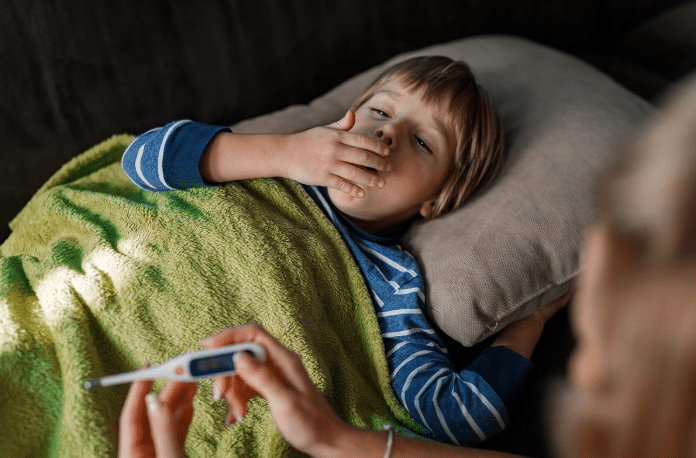
Fevers are common in children. They can be a normal sign of infection. But sometimes, they can mean a serious problem. Studies show that fevers in young children worry parents a lot. It’s important to know when to go to the emergency room. Know the child fever ER rules. Learn why any fever in a newborn is an emergency and when older kids can stay home safely.
Seeing your child sick is scary. We want to help you know when a high fever needs urgent care. This approach will enable you to make the best decisions for your child’s health.
Key Takeaways
- Understand the signs that indicate a fever is a cause for concern.
- Learn when to seek emergency care for your child’s fever.
- Discover how to manage your child’s fever at home.
- Find out when a high fever is a sign of a more serious condition.
- Get guidance on how to support your child’s recovery.
Understanding Fever in Children
It’s key for parents to understand fever in kids to know what to do. Fever often shows an infection or illness. Knowing how to handle it can really help.
What is a Fever?
A fever is how our body fights off sickness. It happens when the body gets too hot. This is because of chemicals released to fight off viruses or bacteria.
Typical Temperature Ranges
Children’s body temperatures can change during the day. A fever is usually over 100.4°F (38°C). The way you take the temperature can affect the reading, so some methods are better for kids.
Common Causes of Fever
Many things can cause fever in kids. This includes viruses like the cold or flu, and bacterial infections like ear infections. Even teething or some medicines can cause it. Knowing the cause helps decide how to treat it.
Understanding fever in kids is important. It can be scary, but knowing the basics helps us care for them better. Next, we’ll look at how to tell if a fever is serious and when to see a doctor.
Assessing the Severity of the Fever

It’s important to know how serious a child’s fever is. We look at their age, how high the fever is, any other symptoms, and how long it lasts.
Fever Thresholds for Different Age Groups
The worry level for fever changes with age. Babies under 3 months need quick medical help if their fever hits 100.4°F (38°C). Babies from 3 to 6 months should see a doctor if their fever goes over 102°F (39°C). Kids over 6 months might need a doctor if their fever is over 103°F (39.4°C).
| Age Group | Fever Threshold | Action |
| Under 3 months | 100.4°F (38°C) or higher | Seek immediate medical attention |
| 3 to 6 months | Above 102°F (39°C) | Monitor closely, consider medical evaluation |
| Over 6 months | Above 103°F (39.4°C) | Monitor closely, consider medical evaluation if accompanied by other symptoms |
Signs of Severe Illness
Some symptoms with a fever mean it’s a serious illness. Look out for severe headache, stiff neck, trouble breathing, or a rash. If your child shows these signs, get medical help fast.
- Severe headache or stiff neck
- Difficulty breathing or rapid breathing
- Rash or skin lesions
- Vomiting or diarrhea that leads to dehydration
Duration of Fever to Monitor
How long a fever lasts is key. A fever that goes on for 3 to 5 days needs a doctor’s check, with other symptoms too.
Knowing these points helps you decide when to get medical help for your child.
Age-Specific Guidelines for Seeking Care
Age is key when dealing with a child’s fever. How to manage a fever changes with age. Each age group faces different risks and when to see a doctor.
Infants Under Three Months
Infants under three months are at high risk for serious infections. If they have a fever over 100.4°F (38°C), seek medical help right away. The American Academy of Pediatrics says infants under 3 months with fever need quick medical checks.
Children Ages Three to Six Months
Children between three to six months should be watched closely if their fever is over 102°F (39°C). Look for signs of serious illness like irritability, lethargy, or difficulty feeding.
Children Over Six Months
Children over six months can usually be treated at home. But, if they show signs of serious illness or have a high fever, see a doctor. Use acetaminophen (after a doctor’s advice) and make sure they drink plenty of water.
Accompanying Symptoms to Watch For
When a child has a fever, it’s important to watch for other symptoms. These can show if the illness is serious. We’ll talk about the symptoms to look out for and when to get help.
Rash and Skin Reactions
A rash with a fever might mean a serious infection. If your child gets a rash that doesn’t go away when pressed, get medical help fast. Some rashes can be very dangerous, like those from meningitis.
Key signs to look for include:
- Rashes that are spreading or getting worse
- Petechiae (small red or purple spots on the skin)
- Rashes with fever, headache, or stiff neck
Difficulty Breathing
Feeling hard to breathe or breathing fast can mean a lung infection. If your child is having trouble breathing, wheezing, or looks upset, get help right away.
Signs of breathing difficulties include:
- Flaring nostrils
- Grunting sounds while breathing
- Retractions (the chest pulls in with each breath)
Persistent Vomiting or Diarrhea
Vomiting and diarrhea can be from a virus. But with fever, they can cause dehydration. It’s key to watch for dehydration signs and keep your child hydrated. If these symptoms don’t stop, or if you see dehydration signs, get medical help.
| Symptom | Signs to Watch For | Action |
| Rash/Skin Reaction | Spreading rash, petechiae, rash with fever/headache | Seek immediate medical help |
| Difficulty Breathing | Flaring nostrils, grunting, retractions | Seek immediate medical care |
| Persistent Vomiting/Diarrhea | Signs of dehydration (dry mouth, fewer wet diapers) | Monitor hydration, seek help if persists |
Knowing these symptoms helps you take care of your child better. It tells you when to get medical help.
The Importance of Hydration
Keeping children with fever hydrated is vital. It helps avoid complications and aids in their recovery. When a child has a fever, they lose fluids through sweat. This can lead to dehydration if not managed well.
Symptoms of Dehydration in Children
Dehydration in kids shows in different ways. Look for dry mouth, fewer wet diapers, and in serious cases, sunken eyes or tiredness. It’s important to spot these signs early.
- Dry lips and mouth
- Decreased urine output
- Sunken eyes or fontanelles
- Lethargy or irritability
Tips for Keeping Your Child Hydrated
To keep your child hydrated, offer fluids often. Infants can have breast milk or formula. Older kids can have water or Pedialyte, which is full of electrolytes.
| Age Group | Recommended Fluids | Frequency |
| Infants | Breast milk or formula | Frequent feeding |
| 1-2 years | Water, Pedialyte | Small amounts every 15-20 minutes |
| Older children | Water, electrolyte drinks | Regular intervals |
When to Seek Help for Dehydration
If your child shows signs of severe dehydration, get medical help fast. Look for signs like deep tiredness, trouble keeping fluids down, or bad diarrhea.
Signs that need immediate medical help include:
- Severe vomiting or diarrhea
- Blood in stool or vomit
- Fever above 104°F (40°C)
- Signs of severe dehydration
Home Care Options Before Visiting the ER
Before you rush to the ER, it’s key to know how to manage pediatric fever symptoms at home. Many fevers in kids can be handled with the right care and attention.
Over-the-Counter Medications
Over-the-counter (OTC) meds are often used to lower fever in kids. Acetaminophen and ibuprofen are common choices. However, it is essential to use them correctly to prevent any adverse effects.
- Always follow the dosage instructions based on your child’s age and weight.
- Never give aspirin to children due to the risk of Reye’s syndrome.
- Be cautious when giving medication to children under six months; consult your pediatrician if unsure.
The American Academy of Pediatrics says, “using acetaminophen or ibuprofen can help kids feel better. But, it’s key to watch their temperature and overall health.”
Comfort Measures to Reduce Fever
There are comfort measures that can help lower your child’s fever and make them feel better.
| Comfort Measure | Description |
| Dressing lightly | Remove excess clothing to help your child cool down. |
| Hydration | Encourage your child to drink plenty of fluids to stay hydrated. |
| Lukewarm baths | A lukewarm bath can help bring down the fever; ensure the water is not too cold. |
When to Monitor at Home
It’s important to watch your child’s condition at home. Keep an eye on their temperature, behavior, and look for signs of severe illness.
“If your child is under three months old and has a fever over 100.4°F (38°C), seek medical attention immediately,” advises a pediatric expert.
For older kids, watch their fever and look for symptoms like trouble breathing, persistent vomiting, or a rash. If unsure, always talk to your pediatrician.
Preparing for an ER Visit
When your child has a fever, knowing how to prepare for an ER visit is key. As parents, we want to help our children feel better and get the care they need.
What to Bring to the Hospital
Before going to the ER, gather important items. These include:
- Your child’s medical history, including any allergies or previous conditions
- A list of any medications your child is currently taking
- Insurance cards and identification
- A change of clothes and any comfort items, such as a favorite toy or blanket
Having these items can make the registration process smoother. It ensures healthcare providers have the info they need to care for your child.
Importance of Documenting Symptoms
Keeping a record of your child’s symptoms is very helpful. Track their fever, any changes, and what you’ve tried so far. You can use a log or a mobile app for this.
Accurate documentation helps healthcare providers understand your child’s situation better. This leads to more effective care.
How to Communicate with Healthcare Providers
Good communication is essential when talking to healthcare providers in the ER. Be ready to:
- Clearly describe your child’s symptoms and medical history
- Ask questions about your child’s diagnosis and treatment options
- Seek clarification on any instructions or recommendations provided
By being open, prepared, and proactive, you can help ensure your child gets the best care during their ER visit.
The Role of Emergency Medical Services
Emergency medical services are key in handling severe fever cases in kids. It’s vital for parents to know when to seek help. If a child’s condition gets worse fast, emergency services can offer urgent care.
When to Call for an Ambulance
It’s important to know when to call an ambulance. If your child shows any of these symptoms, call for help right away:
- Severe difficulty breathing: If your child is having trouble breathing or making odd sounds while breathing.
- Seizures: If your child has a seizure, and it’s their first one or lasts more than a few minutes.
- Unresponsiveness: If your child is not responding or hard to wake up.
- Severe injury: If your child has a serious injury.
Situations Requiring Immediate Attention
Some situations need immediate medical help. These include:
| Situation | Symptoms to Watch For |
| High Fever with Rash | Fever with a rash, if the rash is getting worse or spreading. |
| Difficulty Breathing | Rapid breathing, wheezing, or signs of trouble breathing. |
| Persistent Vomiting or Diarrhea | Vomiting or diarrhea that lasts a long time and causes dehydration. |
Understanding the Triage Process
When you get to the emergency department, your child will go through triage. This is a quick check to see how serious their condition is. The triage nurse will evaluate vital signs, medical history, and symptoms to determine the urgency of care needed.
“Triage is a critical process that ensures patients receive the appropriate level of care based on the severity of their condition. It’s a system that helps healthcare providers prioritize patients who need immediate attention.”
Emergency Medicine Expert
Knowing about emergency medical services and triage can help you make good choices when your child has a fever emergency. By knowing when to call for an ambulance and what happens at the hospital, you can make sure your child gets the care they need quickly.
Post-ER Care and Follow-Up
After your child sees the ER for a fever, watching them closely is key. It’s natural to worry about their health after a scary visit. We’ll guide you on how to make sure they get better and watch for any signs that might mean they need more help.
Signs That Require Further Medical Attention
It’s important to keep an eye out for signs that your child might need to see a doctor again. Look for:
- Persistence or recurrence of fever: If the fever doesn’t go away or comes back, it could mean an infection isn’t fully cleared.
- Worsening symptoms: If your child’s symptoms get worse, like they’re more upset, having trouble breathing, or has a bad headache, get medical help.
- Signs of dehydration: Watch for signs like fewer wet diapers, a dry mouth, or sunken eyes, which mean they might not have enough fluids.
- New symptoms: If your child starts showing new symptoms, like a rash or swelling, see a doctor right away.
Potential Aftereffects of Fever
Fever can sometimes cause problems in kids, from mild to serious. Knowing about these can help you take better care of them. Some common issues include:
- Fatigue: Kids often feel very tired after having a fever. Make sure they get lots of rest.
- Loss of appetite: It’s normal for kids to not want to eat after being sick. Try to keep them hydrated and offer healthy food when they’re ready.
- Mild irritability: Kids might be crankier than usual after being sick. Being patient and comforting can help them feel better.
When to Schedule a Pediatrician Appointment
It’s important to know when to see a pediatrician to make sure your child is fully recovered. You should schedule an appointment if:
- The fever was very high or lasted a long time.
- You see any signs that need more medical help, like we mentioned before.
- Your child has a health condition that could be affected by the fever.
- You’re worried about your child’s recovery or have questions about their care.
By staying alert and following these steps, you can help your child recover well after a fever visit to the ER. If you’re unsure or have questions, always talk to your pediatrician.
Conclusion: Knowing When to Act
As parents, knowing when to take your child to the ER for a fever can be tough. We’ve given you important tips to help you decide. These include checking how bad the fever is and looking for symptoms that need quick help.
Key Takeaways for Parents
Knowing when to go to the ER is crucial. Look out for signs like trouble breathing, not stopping vomiting, or a rash. Keeping your child hydrated is also very important. We have tips on how to do that.
Resources for Further Guidance
For more help, check out the American Academy of Pediatrics or your child’s doctor. They have great advice on handling fever emergencies. They also offer a detailed guide on caring for your child’s fever.
Vigilant Care
Being informed and careful helps your child get the right care. Trust your gut and get help if you’re not sure about your child’s health. With the right advice, you can handle fever emergencies confidently.
FAQ
What is considered a fever in children, and what is the normal temperature range?
A fever in kids is when their body temperature goes over 100.4°F (38°C). Their normal temperature is usually between 97°F (36.1°C) and 99°F (37.2°C).
How do I know if my child’s fever is a sign of a serious condition?
We look at the fever’s severity based on age, symptoms, and how long it lasts. If your child is under three months and has a fever, it’s urgent. For older kids, watch for breathing trouble, constant vomiting, or a rash.
At what age is a fever more concerning, and why?
Infants under three months are more at risk because their immune systems are not fully grown. For them, any fever over 100.4°F (38°C) means you need to see a doctor right away.
What are the symptoms that, when accompanied by fever, require immediate medical care?
Signs like trouble breathing, constant vomiting or diarrhea, a rash, or dehydration signs need quick medical help.
How can I keep my child hydrated when they have a fever?
Encourage your child to drink lots of fluids. Use breast milk, formula, or Pedialyte for younger kids. For older kids, try water, clear broths, or coconut water.
What are the signs of dehydration in children, and when should I seek help?
Dehydration signs include fewer wet diapers, dry mouth, sunken eyes, or feeling very tired. If you see these, get medical help, and watch for severe dehydration signs.
Can I manage my child’s fever at home, and how?
Yes, you can manage their fever at home. Use over-the-counter medicines like Tylenol or Advil. Also, dress them in light clothes and keep the room cool.
When should I take my child to the ER for a fever?
Take your child to the ER if they’re under three months with a fever. Also, if they have severe symptoms like trouble breathing, a bad headache, or a stiff neck.
What should I bring to the hospital when taking my child for a fever?
Bring your child’s medical history, a list of their medicines, and any important medical records. It’s also good to write down their symptoms and how long they’ve had them.
How do I communicate effectively with healthcare providers about my child’s fever?
Be ready to share all about your child’s symptoms, medical history, and any medicines they’ve taken. Ask about their diagnosis, treatment, and what to expect during their care.
What happens during the triage process in the ER?
In triage, a healthcare professional quickly checks your child’s condition. They decide how serious their illness is and how to prioritize their care.
What are the signs that require further medical attention after an ER visit for fever?
Watch for signs like symptoms getting worse, new symptoms, or not getting better with treatment. If you’re worried, don’t hesitate to get more medical help.
When should I schedule a follow-up appointment with a pediatrician after an ER visit?
Make a follow-up appointment if your child’s condition is ongoing, symptoms haven’t gone away, or you have concerns about their recovery or care.
References
Centers for Disease Control and Prevention. Evidence-Based Medical Insight. Retrieved from https://www.cdc.gov/childrenshealth/fever-children.html