
Childhood AML prognosis has improved greatly over the past few decades, giving families new hope after a tough diagnosis. Acute Myeloid Leukemia (AML) in children is a serious condition, but advances in treatment have significantly increased survival rates. Today, the five-year survival rate stands at 60–70%, showing just how far modern healthcare has come.
At Liv Hospital, we understand how challenging this diagnosis can be for families. Our team is committed to providing compassionate care and the latest treatment options for children with AML.
In this article, we’ll explore the key facts about childhood AML prognosis, including survival rates and what they mean for families. Understanding these numbers helps parents make informed decisions and find strength through knowledge and support.
Key Takeaways
- Significant improvement in childhood AML prognosis due to advancements in medical treatments.
- Five-year survival rate for children with AML has reached 60-70 percent.
- Understanding the factors influencing survival rates is key for families.
- Liv Hospital offers full care and support for families facing an AML diagnosis.
- Staying up-to-date with the latest evidence and care standards is vital for better outcomes.
Understanding Childhood AML and Its Impact
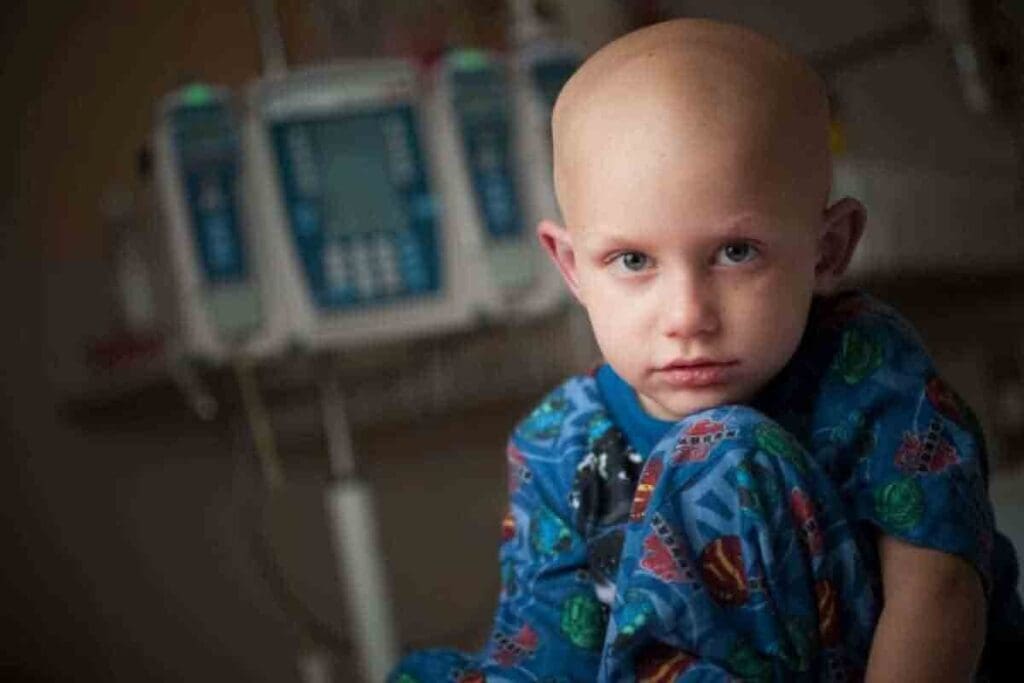
It’s important to understand childhood AML for those facing this tough diagnosis. Acute Myeloid Leukemia (AML) is a rare and aggressive cancer in kids. It starts in the bone marrow and quickly spreads to the blood and other parts of the body.
What is Acute Myeloid Leukemia in Children?
AML is when abnormal cells grow fast in the bone marrow. This stops normal blood cells from being made. It leads to problems like anemia, infections, and bleeding.
AML is more aggressive than Acute Lymphoblastic Leukemia (ALL) in kids. It needs intense treatment.
“The diagnosis of AML is a critical moment that requires immediate and effective action,” say pediatric oncologists. AML’s complexity comes from its many subtypes needing different treatments.
Prevalence and Incidence Rates
Childhood AML makes up about 25-30% of all leukemia cases in kids. It’s less common than ALL. Yet, AML is a big worry because it’s aggressive and hard to treat.
The pediatric leukemia survival rate has improved thanks to new medical discoveries. But survival depends on genetic factors, how well the treatment works, and if there’s any cancer left after treatment.
How AML Differs from Other Childhood Leukemias
AML is different from other leukemias, like ALL, because of its cell type and how aggressive it is. ALL grows from lymphoblasts, while AML grows from myeloid cells. This difference affects treatment and outlook.
AML’s aggressive nature means it needs a stronger treatment plan. The childhood leukemia survival rates for AML are lower than for ALL. This shows we need to keep working on better treatments.
The Evolution of Childhood AML Prognosis Over Decades

The treatment for childhood AML has seen big changes, leading to better survival rates. This progress comes from hard work by researchers, doctors, and healthcare teams. They’ve worked to understand AML better and find new ways to treat it.
Historical Survival Rates
In the 1970s and early 1980s, survival rates for kids with AML were very low. Less than 20% of kids survived five years. This was because we didn’t know much about the disease and had few treatment options. But, as we learned more, we started to see improvements in treatment.
Modern Treatment Approaches
Today, treating childhood AML involves many steps. These include strong chemotherapy, bone marrow transplants, and targeted treatments. Over time, we’ve made these treatments better and safer. For example, using high-dose cytarabine and anthracyclines has helped more kids go into remission.
Targeted therapies are also key in modern AML treatment. They aim at specific genetic or molecular issues in the disease. This makes treatment more tailored to each patient. FLT3 inhibitors and other agents are examples of these treatments.
Milestone Advancements in AML Care
There have been many important steps forward in AML care. Better supportive care has helped manage side effects. Advances in genetic and molecular diagnostics have also helped plan treatments more accurately.
The use of minimal residual disease (MRD) monitoring has been a big help. It lets doctors see how well a treatment is working. This is very important for kids with high-risk AML.
We keep working to understand AML better and find even better treatments. Our goal is not just to save more lives but also to make sure survivors have a good quality of life.
Current Survival Rates for Childhood AML
The outlook for kids with AML has gotten much better. Thanks to new treatments and care, there’s hope now. This is a big step forward.
We’ll dive into the survival rates for childhood AML. We’ll look at the five-year survival stats, survival rates by age, and how they compare to adults.
Overall Five-Year Survival Statistics
Children with AML have a 60-70 percent chance of surviving five years. This shows how far we’ve come in treating this disease.
Let’s break down the survival rates by age:
| Age Group | Five-Year Survival Rate |
| 0-1 year | 50% |
| 1-9 years | 65% |
| 10-19 years | 60% |
Age-Specific Survival Rates
Survival rates change a lot with age. Young kids face different challenges than older ones.
Infants under one year: They have a 50% chance of survival. This is because AML in infants is very complex.
Children between 1-9 years: This age group has a better chance, with a 65% survival rate.
Adolescents (10-19 years): Teens have a 60% survival rate. Treating AML in teens is very challenging.
Comparison to Adult AML Outcomes
Childhood AML survival rates are much higher than for adults. Adults face a 40% to less than 10% chance of survival over five years. This depends on age and genetic factors.
The big difference in survival rates shows how AML affects kids and adults differently. It highlights the unique challenges in treating each group.
Genetic Factors Influencing Childhood AML Prognosis
Understanding the genetics of childhood AML is key to predicting outcomes. Genetic factors greatly affect how well a patient will do and their survival chances.
Favorable Genetic Markers
Certain genetic markers are linked to better outcomes in childhood AML. For example, those with t(8;21) or inv(16) genetic abnormalities tend to do well because they respond well to chemotherapy. These markers help doctors know who will likely benefit from standard treatments.
Children with these markers often have a higher chance of being cured, thanks to early treatment. This allows for a more focused treatment plan, possibly reducing the need for intense treatments.
High-Risk Genetic Abnormalities
On the other hand, some genetic abnormalities are linked to a worse prognosis. For instance, those with complex karyotypes or FLT3-ITD mutations face tougher challenges in getting into remission. They might need more intense or new treatments.
Spotting these high-risk genetic factors helps doctors sort patients by risk level. This is key for improving outcomes in childhood AML.
The Role of Molecular Testing in Predicting Outcomes
Molecular testing is now a key part of managing childhood AML. It helps find specific genetic issues. This info is vital for predicting how a patient will do and for customizing treatments.
With genetic markers found through molecular testing, doctors can choose the best treatment. This personalized approach has greatly boosted survival rates for kids with AML.
We know that kids with good genetics or quick treatment responses have much better cure rates. Using genetic info in treatment planning has changed how we care for childhood AML. It brings new hope for better survival and quality of life.
Risk Classification Systems and Their Impact on Outlook
The outlook for kids with AML changes a lot because of risk classification systems. These systems sort patients into groups based on their risk. This helps doctors give the right treatment for each child, leading to better results.
Standard Risk vs. High Risk Categories
AML in kids is split into standard and high-risk groups. The split is based on the leukemia’s genetic makeup and how well it responds to treatment. Standard-risk patients usually have a better chance of survival, with higher leukemia survival rates than high-risk patients.
Knowing a child’s risk group is key. It decides how tough the treatment will be. For example, high-risk kids might need stronger treatments, like intense chemo and possibly a bone marrow transplant.
How Risk Stratification Guides Treatment
Risk stratification is key in deciding how to treat kids with AML. It helps doctors choose the right treatment intensity for each child. This way, they can increase the chances of a good outcome.
- Risk Assessment: First, doctors assess the risk to plan the treatment.
- Treatment Intensity: High-risk kids get more intense treatments, like new therapies and clinical trials.
- Monitoring: It’s important to watch how the treatment is working. This lets doctors adjust the plan if needed.
For high-risk kids, aggressive and focused treatments can greatly improve their survival chances. On the other hand, standard-risk kids might do well with less intense treatments. This can help avoid long-term side effects.
Evolving Classification Methods
Systems for classifying AML risk in kids are getting better all the time. They now use new genetic and molecular markers for better predictions. Thanks to advances in molecular testing, treatments are more precise, leading to higher cure rates for childhood leukemia.
New biomarkers and genetic info are being added to risk systems. This makes predicting and planning treatments even more accurate. As these systems get better, we expect to see even higher leukemia survival rates for kids around the world.
Treatment Response as a Key Predictor of Childhood AML Prognosis
How well a child responds to treatment is key to AML prognosis. It affects both short-term and long-term results. The initial therapy’s success greatly influences remission and survival chances.
Measuring Early Response to Induction Therapy
Assessing early treatment response is critical. It shows if the treatment is working. This is done through bone marrow tests after the first round of chemotherapy. The goal is to see no cancer cells and normal blood cell production.
Those who reach complete remission after the first treatment do better. How fast and well a patient responds guides further treatment. If a patient doesn’t respond well, doctors might change the treatment or try something new.
Minimal Residual Disease (MRD) Monitoring
MRD monitoring is also key. It checks for remaining cancer cells after treatment. It helps adjust treatment plans based on relapse risk. Tests like flow cytometry and molecular diagnostics are used.
MRD checks are now a big part of AML care. High MRD levels mean a higher risk of relapse. Low or no MRD levels are good signs. Regular MRD checks help see how well treatment is working and plan for after remission.
Implications of Refractory or Relapsed Disease
Some kids with AML don’t respond to treatment or relapse. Refractory disease doesn’t respond to initial therapy, and relapse occurs when it comes back. Both are tough to handle and have a worse outlook.
Managing refractory or relapsed AML is hard. More intense and experimental treatments are often used. Sometimes, a bone marrow transplant is considered to replace the marrow with healthy donor cells. But success depends on many factors, like finding a good donor and the patient’s health.
In summary, how well a child responds to treatment is very important in AML prognosis. By watching early treatment response and MRD levels, doctors can make treatment plans that work best for each child. This helps improve AML outcomes for kids.
Special Considerations: Infant Leukemia Survival Rate
Infant leukemia is different from leukemia in older kids. It’s a big deal when a baby under one gets leukemia. We’ll look at why and how it affects treatment and survival.
Unique Challenges in Infants Under One Year
Babies with leukemia have special problems. Their immune systems are not fully grown. The disease often presents with different characteristics, like mixed lineage leukemia (MLL) gene rearrangements. These are more common in babies and can change how well they do.
Treatment of infant leukemia must think about how it will affect the child later. Doctors have to find the right balance between treating the disease and avoiding harm.
Treatment Adaptations for the Youngest Patients
Doctors adjust treatment for baby’s leukemia to protect their future. Reduced-intensity chemotherapy and targeted therapies are being tried. They aim to keep the treatment effective but gentle.
Supportive care is also getting better. It helps manage the side effects of treatment in babies.
Long-term Outcomes for Infant AML
The survival rate for infant leukemia, like Acute Myeloid Leukemia (AML), is lower than for older kids. Research into the genetic factors that affect infant AML is ongoing. The goal is to find better, more focused treatments.
Thanks to new treatments and care, babies with AML are doing better. But, we need more research to keep improving the infant leukemia survival rate. This will help tackle the special challenges of treating leukemia in babies.
Demographic and Socioeconomic Factors Affecting Outcomes
Childhood AML outcomes are shaped by many factors. These include demographics and socioeconomic status. Knowing these helps improve survival rates and ensure fair access to care for all AML patients.
Racial and Ethnic Disparities in Survival
There are racial and ethnic disparities in AML survival rates for kids. Some groups face barriers to getting the right care on time. This affects their survival chances.
Disparities in healthcare access lead to different outcomes. For example, Hispanic and African American kids might have lower survival rates than white kids.
Access to Care and Its Impact on Prognosis
Getting the right care is key to AML prognosis in kids. Timely diagnosis and proper treatment boost survival chances. Kids who get care at specialized centers or in clinical trials do better.
We need to fix the problem of unequal access to healthcare. This means making sure every child, no matter their background, gets the best treatment.
Global Variations in Childhood AML Outcomes
AML outcomes vary worldwide. This shows differences in healthcare, treatment, and socioeconomic factors. Each country has its own challenges.
Countries with better healthcare and treatment plans have higher survival rates. But, low- and middle-income countries struggle with limited resources and infrastructure.
Long-term Survival and Quality of Life After Childhood AML
Childhood AML survival rates are getting better. Now, we focus on long-term survival and quality of life for young patients. Advances in therapy have raised the overall survival rate for pediatric leukemia. But late effects are a big concern.
We now know that long-term survival depends on more than just the initial treatment. It also depends on managing long-term side effects and improving quality of life.
Late Effects of Treatment
Childhood AML treatment can cause lasting damage. This includes organ damage, secondary cancers, and endocrine disorders. We must closely monitor these patients to reduce these risks.
A study in the Journal of Clinical Oncology found that survivors of childhood AML face a higher risk of late mortality and morbidity. This is due to treatment-related toxicities.
“The late effects of childhood cancer treatment are a significant concern, as they can impact the quality of life and long-term survival of survivors,”
- Cardiac dysfunction due to anthracycline exposure
- Endocrine disorders, such as growth hormone deficiency
- Secondary malignancies, including therapy-related AML
- Cognitive and neuropsychological impairments
Psychological and Social Outcomes
Survivors of childhood AML face unique psychological and social challenges. We need to provide support services to address these needs. Research shows that survivors may experience anxiety, depression, and PTSD.
A study in the Journal of Pediatric Psychology found that childhood cancer survivors are at risk for psychological distress. This includes anxiety and depression.
To address these issues, we recommend:
- Regular psychological assessments and interventions
- Support groups for survivors and their families
- Education and vocational training to facilitate reintegration into society
Survivorship Care and Monitoring
Effective survivorship care is key for managing late effects and improving quality of life. We advocate for a multidisciplinary approach to survivorship care. This involves pediatric oncologists, primary care physicians, and other specialists.
A care plan should include:
- Regular follow-up visits to monitor for late effects
- Surveillance for secondary cancers
- Health education and promotion to encourage healthy lifestyles
By providing high-quality survivorship care, we can enhance the long-term survival and quality of life for childhood AML survivors. As a pediatric oncologist, I noted,
“Survivorship care is not just about managing late effects, but also about promoting a healthy and fulfilling life for survivors.”
Conclusion: The Future of Childhood AML Prognosis
Looking at childhood AML prognosis today, we see big steps forward. Survival rates and treatment results have greatly improved. The future of fighting leukemia looks bright, thanks to ongoing research and new care methods.
Genetic factors, risk levels, and how well treatments work are key to a good prognosis. More progress in these areas will help even more. By focusing on better care and support for kids with AML, we aim for a future where every child can live a full life.
Improvements in leukemia care are more than just treating the disease. They’re about giving kids and their families a brighter future. As we continue, we must keep the needs of these children at the forefront. They deserve the best care and support possible.
FAQ
What is the current survival rate for childhood Acute Myeloid Leukemia (AML)?
The five-year survival rate for childhood AML is 60-70 percent. This rate can change based on age, genetic markers, and treatment response.
How does the survival rate for infant leukemia compare to older children?
Infant leukemia survival rates are lower than for older kids. This is due to the disease’s unique biology and the challenges of treating young patients.
What factors influence the prognosis of childhood AML?
Several factors affect childhood AML prognosis. These include genetic factors, risk classification, initial treatment response, age, and socioeconomic status.
What is the role of genetic factors in childhood AML prognosis?
Genetic factors are key in determining AML prognosis. Certain genetic markers can indicate a better or worse outlook.
How does risk classification impact treatment decisions for childhood AML?
Risk classification helps decide treatment intensity. It categorizes patients into standard and high-risk groups, guiding treatment and predicting outcomes.
What is the significance of Minimal Residual Disease (MRD) monitoring in childhood AML?
MRD monitoring is vital. It detects remaining cancer cells after treatment. This information helps assess therapy effectiveness and predict outcomes.
Are there racial and ethnic disparities in childhood AML survival rates?
Yes, racial and ethnic disparities exist. Some groups face barriers to proper care, affecting survival rates.
What are the long-term effects of treatment for childhood AML?
Treatment for childhood AML can have lasting effects. Survivors may face physical and psychological impacts. This highlights the need for thorough survivorship care.
How have advancements in therapy impacted the pediatric leukemia survival rate?
Therapy advancements have greatly improved pediatric leukemia survival rates. Yet, ongoing research is needed to tackle remaining challenges.
What is the outlook for the future of childhood AML prognosis?
The future for childhood AML prognosis looks promising. Ongoing research and treatment advancements offer hope for better survival rates and quality of life.
References
- Ghafoor, T., & colleagues. (2020). Prognostic factors in childhood acute myeloid leukemia. Journal of Hematology & Oncology, 13(1). https://www.ncbi.nlm.nih.gov/pmc/articles/PMC7941425/
- American Cancer Society. (2025). Prognostic factors and survival rates for childhood leukemia. https://www.cancer.org/cancer/types/leukemia-in-children/detection-diagnosis-staging/survival-rates.html