
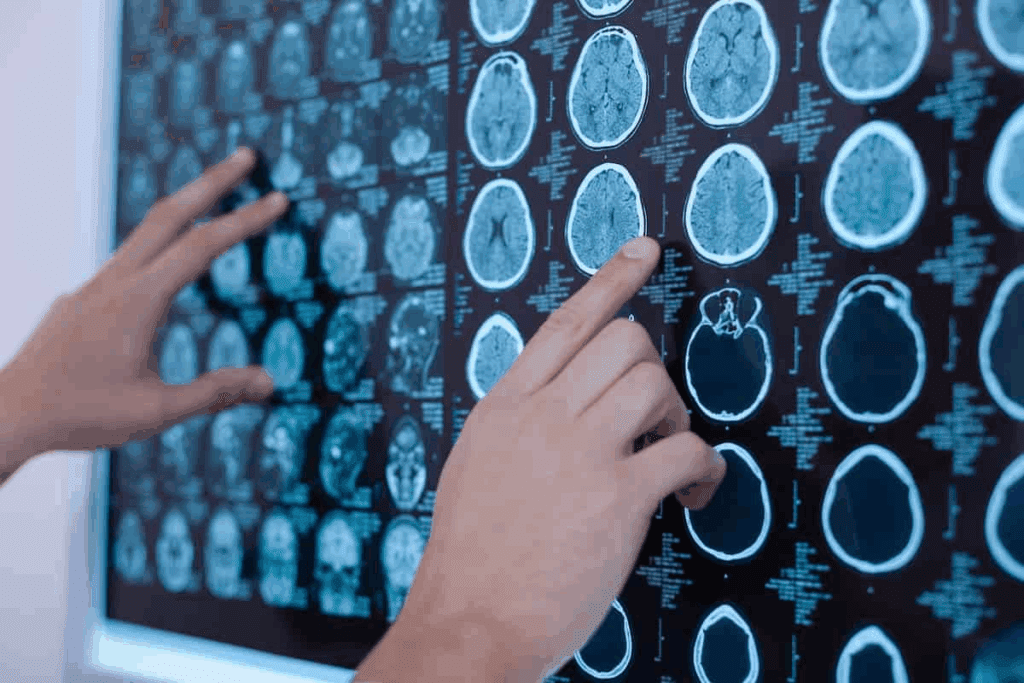
In 2014, the CDC found that nearly one in three kids who died from cancer had brain cancer. This shows how serious childhood brain tumors are.
Pediatric brain cancer is a big worry.childhood brain tumors symptomsCancer Childhood Symptoms We want to give you all the facts about symptoms and how to find out if your child has it.
We want to help families dealing with childhood brain tumors. We’ll give you the info you need to face this tough situation.
Key Takeaways
- Knowing how serious childhood brain tumors are is key to catching them early.
- Brain tumor signs in kids can be different for everyone.
- Diagnosing pediatric brain cancer needs a full medical check-up.
- Families with childhood brain tumors need support and help.
- Getting a diagnosis and starting treatment early can really help.
What Are Childhood Brain Tumors?
Brain tumors in children are abnormal cell growths that can significantly impact their health and development. These tumors can be either benign or malignant. Their impact on a child’s health depends on several factors like their location, size, and type.
Definition and Types
Childhood brain tumors are grouped based on the type of cells affected and their behavior. The most common types include medulloblastoma, glioma, and ependymoma. Medulloblastoma is a malignant tumor that starts in the cerebellum. Glioma comes from the brain’s glial cells. Ependymoma grows from the ependymal cells lining the ventricles and central canal of the spinal cord.
Knowing the specific type of brain tumor is key for the right treatment plan. We will look into these tumors’ characteristics, diagnosis, and treatment in the next sections.
Prevalence in Children
Childhood brain tumors are rare compared to other cancers in kids, but they are a big worry. Recent stats show brain tumors make up a big part of pediatric cancers. The exact number can change based on age, gender, and where you live.
We know how important awareness and early detection are for managing childhood brain tumors. By knowing more about them, we can help families and kids dealing with these conditions.
Common Symptoms Associated with Brain Tumors
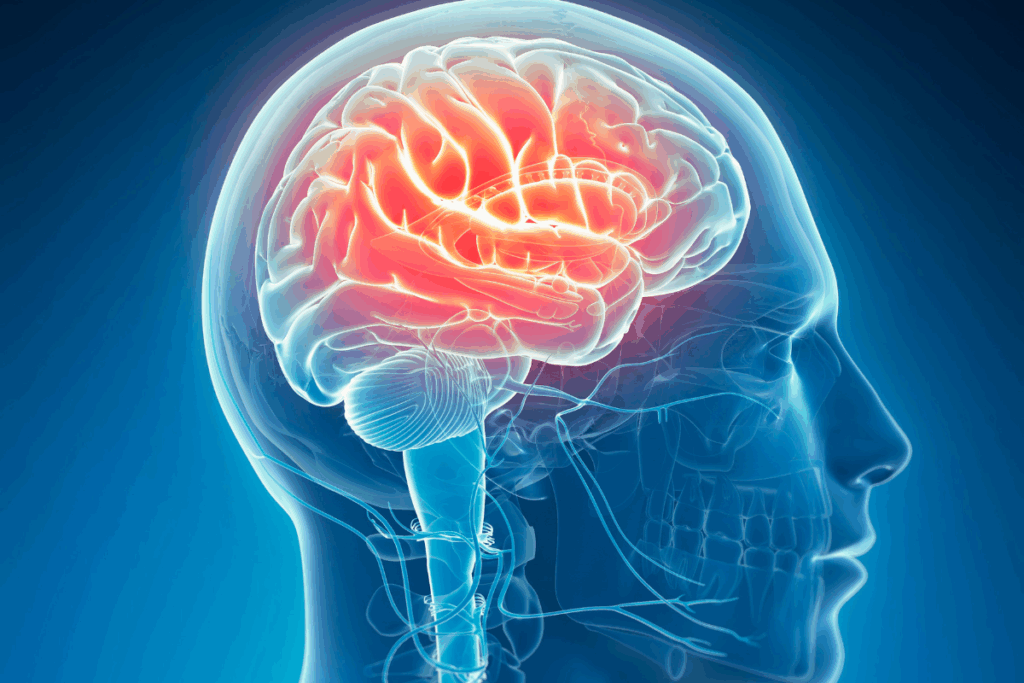
It’s important to know the signs of brain tumors in kids to catch them early. We’ll talk about the main symptoms parents and caregivers should watch for. This way, they can get medical help fast.
Headaches and Pain
Headaches are a common sign of brain tumors in children. They can happen because of the tumor or because of too much pressure in the brain. It’s key to keep track of how often and how bad the headaches are. This can tell if a tumor is there.
“Headaches that keep getting worse need a doctor’s check-up.”
Nausea and Vomiting
Nausea and vomiting are also signs of brain tumors. They can happen because of brain pressure or where the tumor is. Morning vomiting is a big red flag and should be taken seriously, with other symptoms like headaches.
Vision and Hearing Changes
Changes in vision and hearing can mean a brain tumor. Kids might see blurry, double, or have hearing loss. Any vision or hearing changes need quick checking. Early detection is key for better treatment.
Cognitive and Behavioral Changes
Changes in how a child thinks and acts can also point to a brain tumor. They might act differently, forget things, or have trouble focusing. Keep an eye on these changes and talk to a doctor if they don’t go away or get worse.
Knowing these symptoms helps parents and caregivers get their kids the right care fast. This is very important for their health.
Warning Signs to Watch For
warning signs of brain tumor in children
Understanding and recognizing the warning signs of childhood brain tumors is key. As a parent or caregiver, being alert to these signs can greatly impact a child’s health. We will discuss the important warning signs that need immediate attention.
Changes in Coordination
One sign of brain tumors in kids is changes in coordination and balance. This might show as clumsiness, trouble walking, or issues with fine motor skills like writing. Parents should worry if their child often stumbles or drops things. These signs can mean there’s pressure on the brain.
Seizures
Seizures are another key warning sign. They can be mild or severe and may cause loss of consciousness or convulsions. Seek medical help right away if a child has a seizure, even if it’s their first time. Seizures often mean there’s abnormal brain activity due to a tumor.
Fatigue and Sleep Issues
Children with brain tumors might feel very tired or have unusual sleep patterns. This could be because the tumor affects the brain’s normal work, causing pressure or hormonal problems. Watch for persistent tiredness or sudden sleep schedule changes. These symptoms, while common, can be signs of a tumor when seen with other brain symptoms.
Knowing these warning signs helps parents and caregivers act fast. Early detection and diagnosis are key to managing childhood brain tumors. If you see these symptoms lasting or getting worse, it’s important to talk to a doctor.
Key Diagnostic Procedures
Diagnosing brain tumors in children requires careful steps. We use advanced imaging and neurological tests to get accurate results. This helps us plan the best treatment.
MRI Scans in Diagnosis
Magnetic Resonance Imaging (MRI) is key for finding brain tumors. MRI scans show the brain’s details. They help us see where the tumor is, how big it is, and how it affects the brain.
This info is vital for planning surgery and other treatments.
CT Scans and Their Role
Computed Tomography (CT) scans are used in emergencies. They quickly show the brain’s images. This helps us spot important details like hemorrhages and calcifications.
Importance of Neurological Exams
A thorough neurological examination is critical. It checks how well the child’s brain works. It looks at thinking, movement, and senses.
This exam gives us important info for diagnosis and treatment.
By using MRI, CT scans, and neurological exams together, we get a clear diagnosis. Then, we can create a treatment plan that fits the child’s needs.
Staging and Classification of Brain Tumors
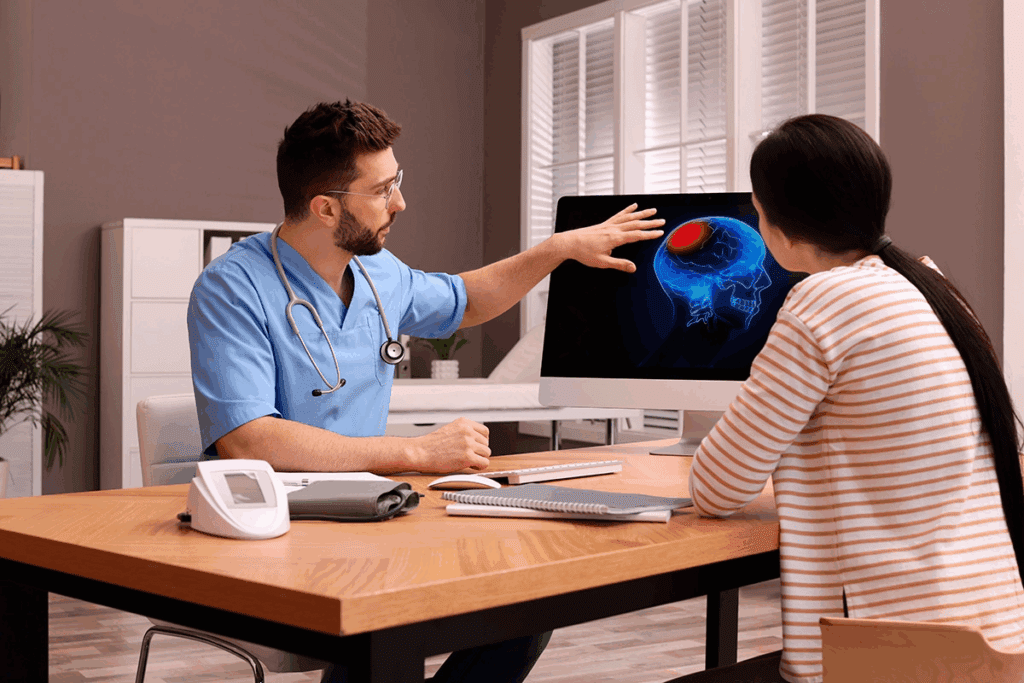
Staging and classifying brain tumors is key to predicting outcomes and treatment plans. We’ll look at how these evaluations are done. It’s vital for finding the best treatment.
Understanding Tumor Grades
Brain tumors are graded based on their growth rate and how they spread. The World Health Organization (WHO) grading system is widely used. It ranges from Grade I (least aggressive) to Grade IV (most aggressive).
Knowing the tumor grade helps doctors predict its behavior. It also helps them choose the right treatment intensity.
Commonly Diagnosed Types
In children, common brain tumors include medulloblastomas, gliomas, and ependymomas. Each type has its own traits and treatment needs. For example, medulloblastomas grow fast and need strong treatment.
On the other hand, some gliomas grow slower and are watched closely with imaging. Getting the tumor type right is key for a personalized treatment plan.
We’ll explore how these classifications affect treatment choices in the next sections.
Treatment Options for Childhood Brain Tumors
Children with brain tumors get treatment that’s tailored to their needs. The treatment plan depends on the tumor’s type, grade, and where it is. We’ll look at surgery, radiation, and chemotherapy.
Surgical Interventions
Surgery is often the first step in treating childhood brain tumors. It aims to remove as much of the tumor as possible. Advances in surgical techniques help remove tumors more precisely, with less damage to the brain.
Deciding on surgery depends on the tumor’s location and how accessible it is. Sometimes, surgery isn’t possible. But when it is, it can greatly improve the child’s chances of recovery.
Radiation Therapy
Radiation therapy is a key treatment for childhood brain tumors. It uses high-energy rays to kill tumor cells. Radiation therapy can be external, from a machine outside the body, or internal, with radioactive material near the tumor.
| Type of Radiation Therapy | Description | Benefits |
| External Beam Radiation Therapy | Radiation delivered from outside the body | Non-invasive, precise targeting |
| Internal Radiation Therapy | Radioactive material placed near the tumor | Directly targets tumor cells |
Chemotherapy Approaches
Chemotherapy uses drugs to kill tumor cells. It’s often used with surgery and/or radiation to improve treatment results. Chemotherapy can be given orally or through an IV, based on the drugs and treatment plan.
The choice of chemotherapy depends on the tumor type, grade, and the child’s health. We work with pediatric oncologists to create a treatment plan that works best for each child.
Knowing about treatment options for childhood brain tumors helps families make better decisions. By using different treatments together, we can improve outcomes and quality of life for kids with brain tumors.
Long-Term Effects and Survivorship
Childhood brain tumor survivors face many challenges. These can include cognitive and emotional issues. Improving treatment is key to bettering their lives.
Survivors often struggle with cognitive and emotional impacts. Cognitive difficulties might include memory loss or trouble learning. They also face emotional challenges like anxiety and depression.
Common Side Effects of Treatment
Treatment for childhood brain tumors can have lasting effects. Some common side effects are:
- Cognitive impairments, such as memory loss and difficulty with problem-solving
- Emotional and psychological challenges, including depression and anxiety
- Physical changes, such as hearing loss or vision impairment
- Hormonal imbalances due to radiation or surgery affecting the pituitary gland
Knowing these side effects is key to caring for survivors.
| Common Side Effects | Description | Potential Interventions |
| Cognitive Impairments | Memory loss, difficulty with concentration | Cognitive rehabilitation therapy |
| Emotional Challenges | Anxiety, depression | Counseling, support groups |
| Physical Changes | Hearing loss, vision impairment | Audiological or ophthalmological interventions |
Counseling and Support Services
Counseling and support are vital for survivors and their families. Psychological support helps manage anxiety and depression.
“Survivors of childhood brain tumors need support that covers physical, emotional, and psychological needs. Counseling and support services can greatly improve their lives.”
Support services include individual counseling, family therapy, and support groups. These help survivors connect with others, creating a sense of community.
By understanding and addressing the long-term effects of treatment, we can improve survivorship. Healthcare providers must offer care that meets survivors’ complex needs.
Research Advances in Childhood Brain Tumors
Research into childhood brain tumors has made big strides. This brings new hope to patients and their families. We’re seeing new ways to understand and treat these complex cancers.
As we move forward in pediatric oncology, it’s key to talk about clinical trials and new therapies. These efforts are vital for better treatment and quality of life for young patients.
Current Clinical Trials
Clinical trials are essential for finding new treatments for childhood brain tumors. They test the safety and effectiveness of new therapies. This data is critical for improving patient outcomes.
- Immunotherapy Trials: Looking into how immunotherapy can target cancer cells.
- Targeted Therapy Trials: Focusing on treatments that target specific genetic mutations or pathways.
- Combination Therapy Trials: Testing the effectiveness of combining different treatments.
Being part of clinical trials gives patients access to new treatments. It also helps advance medical knowledge, benefiting future patients.
Emerging Therapies
New therapies in pediatric brain cancer research are showing great promise. These include:
- Gene Therapy: Trying to fix or change genes involved in tumor growth.
- Precision Medicine: Tailoring treatment to the patient’s and tumor’s genetic profile.
- Oncolytic Virus Therapy: Using viruses that target and kill cancer cells.
These new therapies mark a new era in treating childhood brain tumors. They offer hope for more effective and less invasive treatments.
As research keeps moving forward, we’re dedicated to finding new paths. We’re also working with international research groups to speed up progress against childhood brain tumors.
The Importance of Early Detection
childhood brain tumor diagnosis
We stress how key early detection is in fighting childhood brain tumors. Finding tumors early helps improve treatment results and boosts a child’s quality of life.
Benefits of Prompt Diagnosis
Getting a quick diagnosis of childhood brain tumors has many advantages. These include:
- Improved treatment outcomes thanks to early action
- Better symptom management and lower complication risk
- Higher quality of life for kids going through treatment
- Greater chances of successful treatment and survival
Early detection lets doctors create a treatment plan that fits each child’s needs. This tailored approach can greatly improve treatment success.
Benefits of Prompt Diagnosis
Quick diagnosis means doctors can start treatment sooner. This can lead to better results. The benefits include:
- Lower risk of tumor growth
- Less damage to the brain around the tumor
- Better chances of successful surgery
Parent and Caregiver Vigilance
Parents and caregivers are key in spotting early signs of childhood brain tumors. Their watchfulness can lead to early detection and quick medical care. This greatly affects treatment success.
Some important signs that need immediate doctor visits include:
- Persistent headaches or pain
- Nausea and vomiting, often in the morning
- Changes in vision, hearing, or thinking
- Seizures or issues with balance and coordination
By knowing these signs and acting fast, parents and caregivers help in early detection. This leads to better treatment outcomes for kids with brain tumors.
Holistic Approaches to Care
Children with brain tumors need more than just medical treatment. They need a care plan that covers their physical, emotional, and psychological health. This approach is key to their overall well-being.
Holistic care is not just a sidekick to medical treatment. It’s a vital part of the healing process. It looks at all aspects of a child’s health.
Nutrition and Wellness
Nutrition is very important for kids with brain tumors. A healthy diet helps manage treatment side effects and supports their health.
We suggest families work with a nutritionist. They can create a meal plan that fits the child’s needs. This plan considers the child’s diet, likes, and any food restrictions.
| Nutritional Element | Benefits | Food Sources |
| Protein | Supports muscle health and recovery | Lean meats, fish, eggs, dairy products |
| Complex Carbohydrates | Provides energy and fiber | Whole grains, fruits, vegetables |
| Healthy Fats | Supports brain health and satisfies hunger | Nuts, seeds, avocados, olive oil |
Psychological Support for Families
Getting a brain tumor diagnosis is tough for families. They need psychological support to deal with their feelings and challenges.
We offer counseling and support groups for families. These resources give them a safe place to share, get advice, and meet others facing similar issues.
By adding holistic care to the plan, we create a better environment for kids with brain tumors and their families.
Resources and Support Networks
Dealing with childhood brain tumors can feel overwhelming. That’s why it’s key to have access to resources and support networks. Families need help with medical care, emotional support, and educational resources.
Essential Organizations and Foundations
Many organizations and foundations help families with childhood brain tumors. They offer support and resources. Some important ones are:
- The Childhood Brain Tumor Foundation, which provides information on treatment and support.
- The National Brain Tumor Society, giving detailed info and advocacy.
- The Pediatric Brain Tumor Consortium, focusing on research and treatment.
These groups are vital for emotional support, educational materials, and connecting with others. They help families feel less alone.
Online Support Groups and Forums
Online communities are also very helpful for families. They offer a place to share experiences, ask questions, and get support. It’s a space where others understand the challenges of childhood brain tumors.
Key online resources include:
- CureSearch for Children’s Cancer, with lots of info on childhood cancers, including brain tumors.
- The Brain Tumor Foundation’s online community, where families can share their stories.
By using these resources and support networks, families can face diagnosis, treatment, and survivorship with more confidence and support.
Conclusion: Raising Awareness and Advocacy
Raising awareness and pushing for more research and funding is key to helping kids with brain tumors. By learning about symptoms, diagnosis, and treatments, we can all make a difference. This helps kids and their families a lot.
Community Awareness and Its Impact
Community awareness is very important for kids with brain tumors. When we learn about the signs and the need for early detection, we help kids get the care they need fast. Groups focused on childhood brain cancer lead the way, giving support and pushing for change.
Driving Research and Funding Forward
Supporting research and funding is vital for finding better treatments for brain tumors in kids. By backing clinical trials and new treatments, we can improve life for kids with brain cancer. We need to keep pushing for more money and resources for research and care.
Through awareness, advocacy, and community support, we can aim for a future where every child with a brain tumor gets the best care. We’re dedicated to top-notch healthcare for all, including international patients. Together, we can truly make a difference.
FAQ
What are the most common symptoms of a brain tumor in children?
Symptoms include headaches, nausea, and vomiting. Vision and hearing changes are also common. Children may act differently or have trouble coordinating. Seizures, fatigue, and sleep issues are other signs.
How are brain tumors diagnosed in children?
Doctors use MRI and CT scans, along with neurological exams. These help find and understand the tumor.
What are the treatment options for childhood brain tumors?
Treatment varies by tumor type and location. It might include surgery, radiation, or chemotherapy.
What are the long-term effects of treatment for childhood brain tumors?
Survivors might face cognitive, emotional, and physical challenges. They may need counseling and support to cope.
How can parents and caregivers identify potentially warning signs of a brain tumor in children?
Look for changes in coordination, seizures, and fatigue. Also, watch for headaches, nausea, and changes in behavior or thinking.
What is the importance of early detection in childhood brain tumors?
Early detection is key for effective treatment and better outcomes. Parents and caregivers should watch for symptoms closely.
What resources are available for families affected by childhood brain tumors?
There are many organizations, foundations, online groups, and forums. They offer support and help for families.
How can individuals and organizations contribute to raising awareness and advocating for research and funding?
Supporting research, joining campaigns, and advocating for funding are important. They help improve treatment options for children with brain tumors.
What is the survival rate for children with brain cancer?
Survival rates vary by tumor type and grade. Treatment effectiveness also plays a role. Some types have better chances of recovery.
Are there any new treatments or therapies being developed for childhood brain tumors?
Yes, new clinical trials and therapies are being researched. They offer hope for better treatment options and outcomes.
How can holistic care support families affected by childhood brain tumors?
Holistic care includes nutrition, wellness, and psychological support. It helps families manage the challenges of brain tumors.
What is the role of nutrition and wellness in supporting children with brain tumors?
Good nutrition and wellness help children deal with treatment and side effects. They improve quality of life.
Can childhood brain tumors be cured?
Cure chances depend on tumor type, grade, and location. Treatment effectiveness also matters. Some types are more likely to be cured.
Reference
- Kline, R., Nowell, M., & Houlahan, E. (2022). Long-term follow-up of pediatric CNS tumor survivors—Quality of life and late effects. Pediatric Neurosurgery, 57, 1-12. https://pmc.ncbi.nlm.nih.gov/articles/PMC9029633/



 Departments
 Related Videos
 Our Doctors
 News
News