Childhood cancer rates have slowly gone up, mainly among teenagers. This trend is worrying. The number of pediatric cancer cases has grown a lot in recent years.
Recent data shows a big jump in child cancer. From 14.23 cases per 100,000 kids in 1975“1979 to 18.89 in 2010“2019. This rise is most alarming in teenagers. It shows we need to understand why this is happening.
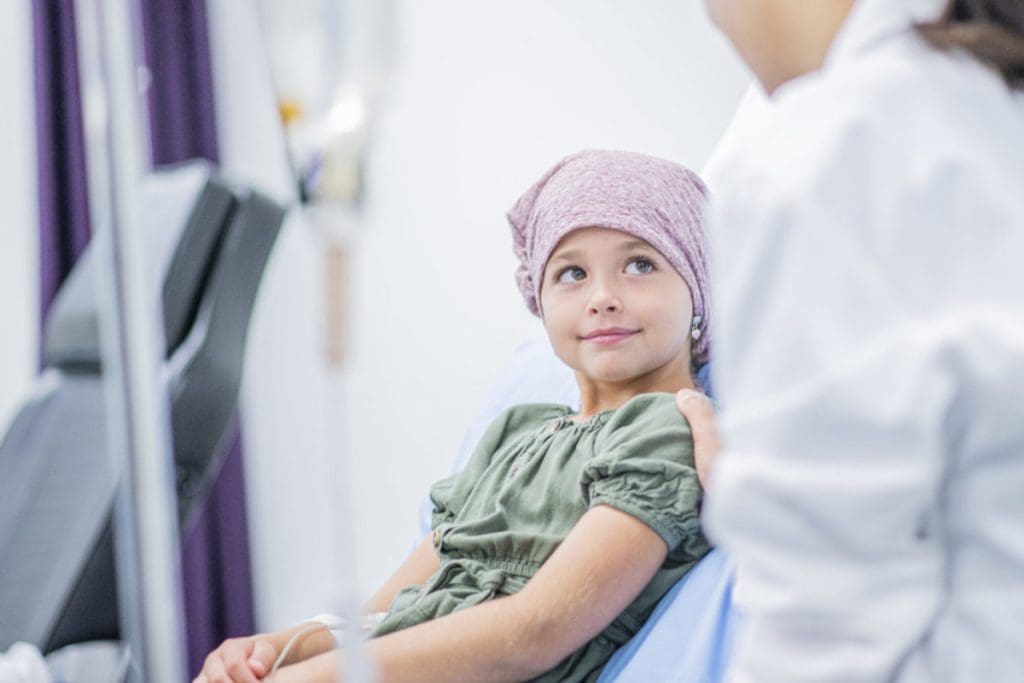
Looking into kids cancer shows we must know the trends and stats well. This knowledge helps us create better treatments and support. We need to find out what’s causing this rise to improve care for kids.
Key Takeaways
- The incidence of pediatric cancer has increased over the past few decades.
- Adolescents are most affected by the rising trend of childhood cancer.
- Understanding the causes and consequences is key to better outcomes.
- Effective treatments and support services are being developed to address the issue.
- Innovations in pediatric care are being guided by the rising concern of childhood cancer.
The Rising Concern of Childhood Cancer
Childhood cancer is on the rise worldwide, making it a critical issue. We need to understand its causes and what it means for our children. This trend is not just a number; it’s a call to action for everyone involved in healthcare and research.

Recent studies show a worrying increase in childhood cancer cases. From 1992 to 1994, the rate was between 154 to 161 cases per million kids. But from 2016 to 2018, it jumped to 186 to 193 cases per million. By 2025, it’s estimated that 9,550 kids under 14 and 5,140 teens will be diagnosed with cancer.
The Scope of the Problem
More kids being diagnosed with cancer shows we need to grasp the full extent of this issue. Childhood cancer includes many types, with leukemia being the most common. Other common cancers include brain tumors and lymphomas. The increase in these cancers among kids emphasizes the need for ongoing research to find causes and treatments.
Why Understanding the Increase Matters
Knowing why childhood cancer is rising is key for several reasons. It helps us find ways to prevent it by identifying risk factors. It also leads to better diagnosis and treatment, which can save lives. Lastly, it highlights the need for more research to find new treatments and improve care for kids with cancer. By looking at the trends and numbers, we can tackle this growing problem together.
Current Trends in Pediatric Cancer Rates
Childhood cancer rates have been steady in younger kids but are rising in teens. This is a big worry for doctors and scientists. It shows a change in how cancer affects kids.
Recent data shows a jump in childhood cancer from 14.23 cases per 100,000 kids in 1975“1979 to 18.89 in 2010“2019. This rise is mainly because of a 0.7% annual increase in cancer rates among adolescents aged 15-19. We’ll look into this trend and what it means for understanding pediatric cancer.
0.7% Annual Increase in Adolescents (15-19)
The 0.7% annual increase in cancer rates among teens is a big worry. This age group is at risk due to hormonal changes, increased exposure to environmental carcinogens, and lifestyle factors. We need to explore the causes and how to tackle them.
Some important stats include:
- A steady rise in cancer diagnoses among teenagers over the past few decades.
- Increased incidence of specific cancer types, such as leukemia and lymphoma, in this age group.
- The role of environmental exposures and genetic predispositions in the development of cancer.

Stabilization and Decline in Younger Children (0-14)
In contrast, cancer rates among younger kids (0-14 years) have stabilized or even declined. This is good news, showing that efforts to find and treat cancer in young children are working.
Factors leading to this stabilization include:
- Advances in medical technology and diagnostic capabilities.
- Improved treatment protocols and targeted therapies.
- Increased awareness and early detection efforts.
As we keep an eye on these trends, it’s vital to understand the reasons behind them. This knowledge will help guide future research and treatment strategies for pediatric cancer.
Childhood Cancer by the Numbers
Childhood cancer statistics show a worrying trend. They highlight the need for action and attention. Thousands of children and families worldwide are affected by pediatric cancer.
Projected Cases in 2025
In 2025, about 9,550 children and 5,140 adolescents will be diagnosed with cancer. These numbers show the ongoing fight against pediatric cancer. We need more research and support.
The Risk of Diagnosis Before Age 20
Before they turn 20, 1 in 285 children will get cancer. This fact stresses the importance of early detection and awareness. It can help improve treatment outcomes for kids with cancer.
- Children under 5 and those aged 15 to 19 have the highest rates.
- In 2016-2018, these age groups saw about 231 and 241 cases per million, respectively.
Expected Mortality Rates
Despite better treatments, cancer is a top killer in kids. It’s expected that 1,050 deaths will happen in 2025 due to childhood cancer. This shows we need to keep improving treatments and care.
- Better diagnostics have led to more survivors.
- Research into new treatments and precision medicine offers hope for better results.
Knowing these numbers is key to raising awareness and supporting families with childhood cancer. By pushing research and treatment forward, we aim to improve survival rates and lessen the disease’s impact.
Most Common Types of Childhood Cancer
Leukemia, brain tumors, and lymphomas are top cancers in kids. Each has its own traits and effects on young patients.
Leukemia: The Leading Diagnosis
Leukemia is the most common cancer in kids, making up 30% of all cases. Acute lymphoblastic leukemia (ALL) and acute myeloid leukemia (AML) are the main types. ALL is more common, making up 80% of cases.
Brain and Central Nervous System Tumors
Brain and CNS tumors are big in childhood cancer. They can be benign or malignant. Medulloblastoma and gliomas are examples that affect kids.
Lymphomas and Other Prevalent Cancers
Lymphomas, like Hodgkin lymphoma and non-Hodgkin lymphoma, are common in kids. Other cancers, such as neuroblastoma and Wilms tumor, are also seen in children.
Knowing about these cancers helps in finding better treatments for kids. More research is needed to fight childhood cancer.
Why Is Childhood Cancer Increasing? Examining Possible Causes
Childhood cancer rates are rising, and finding out why is key to better prevention and treatment. The exact causes of childhood cancer are not fully known. It’s believed that different cancers have different causes. Scientists are looking into environmental factors, genetics, and better diagnostic tools.
Environmental Exposures and Toxins
Researchers are looking into how environmental toxins might play a role. Exposure to certain chemicals and pollutants could be a risk factor. Studies are checking if pesticides, heavy metals, and other harmful substances are linked to childhood cancer.
- Exposure to pesticides and other agricultural chemicals
- Contact with heavy metals such as lead and mercury
- Air and water pollution
While the evidence is not yet clear, it’s important to keep studying these environmental risks. This will help us understand their effect on childhood cancer rates.
Genetic and Hereditary Factors
Genetic and hereditary factors are also being looked into. Some genetic syndromes and mutations can raise cancer risk. For example:
- Li-Fraumeni syndrome
- Down syndrome
- Other genetic predispositions
Learning about these genetic factors can help spot children at higher risk. It can also guide prevention and early detection efforts.
Improved Diagnostic Capabilities and Reporting
Another reason for the rise in childhood cancer is better diagnostics and reporting. Advances in medical imaging and diagnostic techniques mean cancers are caught earlier and more accurately. Also, changes in how cancer cases are reported have helped capture more cases.
Enhanced diagnostic capabilities mean more cancers are found that might have been missed before. This can make it seem like there’s an increase in cases.
In summary, the rise in childhood cancer is complex, with many possible causes. Ongoing research into environmental factors, genetics, and better diagnostics is vital. It will help us understand and tackle this trend.
Modern Lifestyle Factors Under Investigation
Researchers are looking into why childhood cancer is on the rise. They’re checking how today’s lifestyle might be causing it.
Diet and Nutrition Considerations
Diet is key to health, and it’s linked to childhood cancer. Eating too much processed food and not enough nutrients can be bad. Kids who don’t eat enough fruits and veggies might face higher cancer risks.
But, a diet full of antioxidants and fiber can help. It’s good to choose whole foods for your kids.
Screen Time and Sedentary Behavior
Too much screen time and sitting around can harm kids’ health. While we’re studying its link to cancer, being active is known to help. It can lower the risk of some cancers.
Encourage kids to move more and watch less TV. This helps their health and might lower cancer risks. Simple things like playing outside or joining a sports team can help a lot.
Chemical Exposures in Everyday Products
Some chemicals in products might be linked to childhood cancer. Secondhand smoke and chemicals in plastics and pesticides are concerns. These can increase cancer risks.
To reduce exposure, use safe cleaners and avoid BPA plastics. Choose personal care products without harmful chemicals. While we need more research, it’s wise to limit toxin exposure.
Survival Rates and Treatment Advances
The way we treat childhood cancer has changed a lot, leading to better survival rates. Over time, the outlook for kids with cancer has gotten much better. This is thanks to new research and better treatment plans.
Dramatic Improvement to 80% Five-Year Survival
The five-year survival rate for kids with cancer has gone up a lot. It’s now 85.2% ±0.2% from 2010“2019, up from 63.1% ±0.8% in 1975“1979. This big jump shows how far pediatric oncology has come.
As a leading researcher said,
“The improvement in survival rates is a testament to the collaborative efforts of researchers, clinicians, and families working together to combat childhood cancer.”
Evolution of Treatment Protocols
Treatment plans for childhood cancer have changed a lot. Now, we use more personalized treatment plans. These plans are made just for each child.
This change includes using targeted therapies and precision medicine. These new methods make treatments work better and cause fewer side effects.
Targeted Therapies and Precision Medicine
The arrival of targeted therapies and precision medicine has changed how we treat childhood cancer. These therapies focus on the specific causes of cancer. This gives hope to kids with cancers that were hard to treat before.
Precision medicine makes treatments fit the child’s cancer genes. This makes treatments work better and cause less harm.
As we keep moving forward in pediatric oncology, we must keep working on new treatments. We need to keep improving survival rates for all kids with cancer.
Long-term Health Consequences for Childhood Cancer Survivors
Childhood cancer survivors often face big health challenges later in life. It’s key to understand and address these issues as survival rates improve.
95% of Survivors Face Significant Health Issues by Age 45
More than 95% of childhood cancer survivors will have big health problems by age 45. These can include chronic conditions and life-threatening diseases. The late effects of childhood cancer treatment can affect many areas of a survivor’s health and life.
Physical Late Effects and Secondary Cancers
Survivors of pediatric cancer are at higher risk for physical late effects. This includes organ damage, growth issues, and secondary cancers. The risk of secondary cancers is a big concern, as it can be caused by treatments that saved their lives.
- Organ damage due to chemotherapy or radiation
- Impaired growth and development in children treated at a young age
- Increased risk of secondary cancers
Psychological and Social Impacts
Childhood cancer survivors also face psychological and social challenges. These can include anxiety, depression, and trouble forming relationships. The trauma of cancer treatment can affect their mental health and social life.
It’s vital to provide care that meets their physical, psychological, and social needs. This includes mental health services, support groups, and educational resources. These are tailored to their unique experiences.
Understanding these long-term health consequences helps us support childhood cancer survivors better. It’s a complex challenge, but essential for improving their quality of life.
Current Research Directions in Pediatric Oncology
Pediatric oncology research is at a critical juncture. Studies are looking into environmental, genetic, and preventive factors related to childhood cancer. It’s clear that a multifaceted approach is needed to understand and combat this disease.
Investigating Environmental Triggers
One key area of research is looking into environmental triggers for childhood cancer. Studies are checking how exposure to toxins like pesticides and industrial chemicals might raise cancer risk. For example, research has found links between certain pollutants and an increased risk of childhood cancer.
Understanding these environmental factors is key to reducing exposure and lowering cancer incidence. We’re also looking into how lifestyle factors, like diet and exercise, might affect cancer risk in children.
Genetic Research Breakthroughs
Genetic research is giving us new insights into childhood cancer causes. Recent studies have found specific genetic mutations linked to certain pediatric cancers. For instance, new research shows that inherited genetic variants can increase the risk of certain pediatric cancers. This knowledge helps us understand the disease better and develop targeted therapies.
Genetic research also leads to precision medicine approaches. Treatments are tailored to a child’s specific genetic characteristics. This personalized approach could improve treatment outcomes and reduce side effects from traditional therapies.
Prevention Strategies Under Study
Prevention is a key focus in pediatric oncology research. We’re exploring ways to prevent childhood cancer, like reducing risk factor exposure and promoting healthy lifestyles. For example, research is looking into the benefits of dietary interventions and vaccinations in preventing certain cancers.
By understanding the factors behind childhood cancer and developing prevention strategies, we can work towards reducing its incidence. Ongoing research in pediatric oncology is essential for improving outcomes for children with cancer and finding a cure.
Prevention and Awareness: What Parents Should Know
As parents, it’s vital to know about childhood cancer risks and signs. This knowledge helps in early detection and treatment. We must educate ourselves about pediatric cancer to protect our children.
Recognizing Early Warning Signs
Spotting cancer early in kids can greatly improve their chances of recovery. Parents should watch for common symptoms. These include:
- Persistent fatigue or weakness
- Unexplained weight loss or loss of appetite
- Pain or swelling in the abdomen, bones, or joints
- Frequent infections or bruising
- Headaches or seizures
These signs can also mean other health issues. But, it’s important to see a doctor if they don’t go away or get worse. Early diagnosis is key to effective treatment.
Reducing Potencial Risk Factors
While we don’t know most childhood cancer causes, we can take steps to lower risks. Not smoking while pregnant is very important. Tobacco smoke increases cancer risk in kids. Also, try to limit radiation exposure, which is harmful in early childhood.
Research shows some environmental and lifestyle factors might also increase cancer risk in kids. So, being careful about our surroundings and making smart lifestyle choices helps. This is all about prevention and awareness.
“Prevention is not just about avoiding risks; it’s also about promoting healthy behaviors that can significantly impact our children’s well-being.”
By staying informed and taking action, we can all help lower childhood cancer rates. This way, we can improve outcomes for kids who do get cancer.
Conclusion
Childhood cancer is a big health problem that needs more research, support, and awareness. The number of kids getting cancer has gone up, but more are surviving. It’s important to understand the trends and statistics to help kids with cancer.
Looking into why kids get cancer is key. Things like environmental factors, genetics, and better tests are important. We need to keep funding research and finding new treatments.
We can make a difference by working together. Innovation and teamwork are essential to fight childhood cancer. Our goal is to give top-notch care to kids and their families around the world.
FAQ
What is the most common type of childhood cancer?
Leukemia is the most common childhood cancer. It makes up a big part of all cancer cases in kids. We also see a lot of brain and central nervous system tumors, and lymphomas.
Why is childhood cancer increasing?
The reasons for more childhood cancer are not fully known. But, possible causes include environmental factors, genetics, and better ways to find and report cancer.
What are the current trends in pediatric cancer rates?
Cancer rates in kids are going up by 0.7% each year for teens (15-19). But, rates are staying the same or going down for younger kids (0-14). Knowing these trends helps us find and tackle the causes.
What are the projected numbers for new childhood cancer cases in 2025?
We think about 9,550 kids and 5,140 teens will get cancer in 2025. Sadly, around 1,050 will die from it that year.
What are the long-term health consequences for childhood cancer survivors?
Survivors often face big health problems. These include physical issues, second cancers, and mental and social challenges. By age 45, 95% will have significant health issues.
How have treatment advances impacted survival rates for childhood cancer?
New treatments have greatly improved survival rates. Now, about 80% of kids survive five years after diagnosis. We keep getting better at treatments, targeted therapies, and precision medicine.
What can parents do to reduce the risk of childhood cancer?
While we can’t remove all risks, parents can lower them. Being aware of environmental dangers, eating well, and watching for early signs are important steps.
What are the current research directions in pediatric oncology?
Research is looking into environmental causes, genetics, and prevention. We’re also seeing progress in targeted treatments and precision medicine.
How common is childhood cancer?
Childhood cancer is rare but serious. About 1 in 285 kids will get cancer before they’re 20.
What are the most common childhood cancers?
The top childhood cancers are leukemia, brain tumors, and lymphomas. Knowing these helps us find better treatments and support.
References
- O’Sullivan, J., & Pritchard, J. (2022). Childhood cancer survival in Great Britain: An analysis of trends from 1971 to 2011. British Journal of Cancer, 126(11), 1640“1647. https://doi.org/10.1038/s41416-022-01869-w
- Ostrom, Q. T., Price, M., Neff, C., Cioffi, G., Waite, K. A., Kruchko, C., & Barnholtz-Sloan, J. S. (2023). CBTRUS statistical report: Pediatric brain tumor data from the United States, 2016-2020. Neuro-Oncology, 25(Suppl 1), i1“i104. https://doi.org/10.1093/neuonc/noad181