


When kids finish cancer treatment, it’s a big win for them and their families. But, it’s just the start. Childhood cancer survivorship care is all about the ongoing support and medical care for kids who’ve beaten cancer treatment.
The National Cancer Institute says follow-up care is key for kids who’ve finished treatment. Each child gets a survivorship care plan. This plan includes regular checks for cancer recurrence, help with late effects, and support for their mental health.
We know that childhood cancer survivorship care is vital. It helps kids get the care and support they need to stay healthy and thrive.
Key Takeaways
- Childhood cancer survivorship care is a specialized, ongoing support and medical management.
- A survivorship care plan is developed for each child who has completed cancer treatment.
- The plan includes exams and tests to check for cancer recurrence.
- Care and support are provided to manage late effects.
- Psychosocial support or counseling is also provided.
1. Understanding Childhood Cancer Survivorship
More children are surviving cancer than ever before. This makes it more important than ever to have good care for survivors. Thanks to better treatments, over 80% of kids in high-income countries live at least five years after being diagnosed.
Recent studies show that about 85% of kids survive for five years. This is almost double the rate from the 1970s.
The Evolution of Cancer Treatment Success Rates
Improvements in cancer treatment come from better technology and understanding of the disease. Childhood cancer survivors now face late effects of their treatment. These can include secondary cancers and organ problems.
The Children’s Oncology Group has made guidelines for long-term care of cancer survivors. These guidelines help manage late effects and improve survivors’ quality of life.
Why Specialized Post-Treatment Care Matters
Special care after treatment is key for pediatric cancer support. It meets the unique needs of survivors. This care includes watching for late effects and managing chronic conditions.
“Survivors of childhood cancer are at risk for a variety of long-term and late effects due to their cancer and its treatment. Ongoing care is essential to mitigate these effects and ensure the best possible quality of life.”
Specialized care includes:
- Regular follow-up appointments to monitor health
- Screening for late effects
- Psychosocial support services
- Educational and vocational guidance
Comprehensive care can greatly improve the health and life quality of childhood cancer survivors. It’s vital to offer ongoing support and care for these individuals to live healthy, fulfilling lives.
2. Essential Components of Childhood Cancer Survivor Care
Comprehensive care for childhood cancer survivors is key to reducing late effects and enhance quality of life. As treatment success rates climb, the focus has moved to childhood cancer support tailored to survivors’ needs.
Survivor care includes a wide range of services for physical, emotional, and social well-being. The American Cancer Society says plans should include referrals to specialists, rehabilitation, fertility, or genetic counseling.
Integrated Psychosocial Support Services
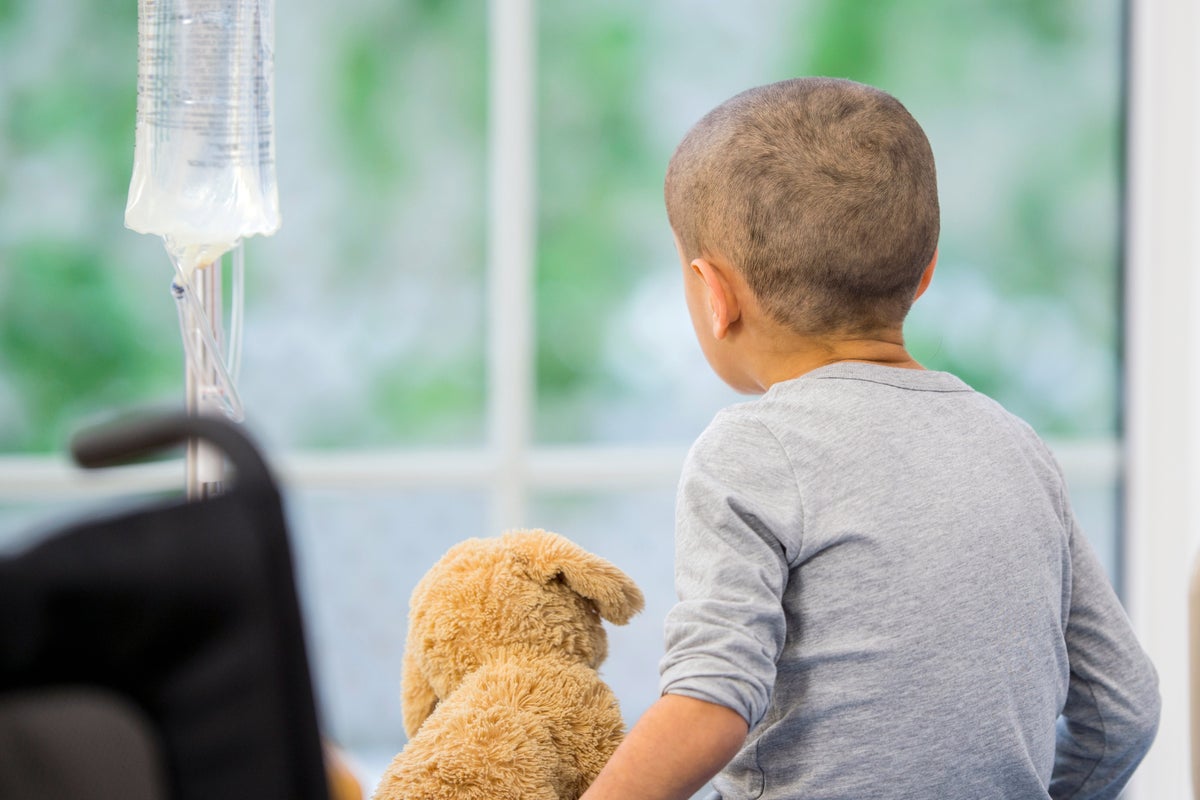
Psychosocial support is vital for childhood cancer survivor care. Survivors often face emotional and social hurdles, like anxiety, depression, and daily life challenges. We offer counseling and support groups to help them cope.
“Survivors of childhood cancer often experience significant emotional and psychological distress,” a study on long-term effects notes. Early intervention and ongoing support are key to addressing these issues.
Educational and Vocational Guidance
Childhood cancer survivors may need educational and vocational guidance to reach their full potential. We provide resources and support for navigating educational and career choices, ensuring success.
- Individualized educational plans
- Vocational training and career counseling
- Assistance with job placement
Secondary Cancer Development and Prevention
Childhood cancer survivors face a high risk of secondary cancers. We stress the importance of secondary cancer prevention through screenings, healthy lifestyles, and risk reduction.
“The risk of secondary cancers is a significant concern for childhood cancer survivors, highlighting the need for ongoing surveillance and preventive measures.”
Source: Journal of Clinical Oncology
Cardiovascular and Organ System Complications
Childhood cancer treatment can cause cardiovascular and organ system complications. We offer detailed care to monitor and manage these late effects, ensuring survivors stay healthy.
- Regular cardiac evaluations
- Monitoring for organ dysfunction
- Interventions to mitigate cardiovascular risk factors
By focusing on these key areas of childhood cancer survivor care, we offer comprehensive support to improve survivors’ long-term health and well-being.
4. Emotional and Social Challenges in Childhood Cancer Survivors
Childhood cancer survivors often face many emotional and social challenges. These can come from the treatment, the shock of being diagnosed young, and the lasting effects of treatment.
Many survivors deal with anxiety, depression, and post-traumatic stress. The National Cancer Institute says survivorship care plans should include psychosocial support or counseling. This support is key to helping them cope and fit back into their communities.
Post-Traumatic Stress and Coping Mechanisms
Post-traumatic stress is a big worry for childhood cancer survivors. The trauma of diagnosis and treatment can have lasting effects. Survivors can find help through cognitive-behavioral therapy (CBT) and support groups.
A study on the National Center for Biotechnology Information website shows the importance of mental health support. It stresses the need for full care that includes mental health.
Navigating Social Reintegration
Social reintegration is a big challenge for survivors. They may struggle to go back to school, make friends, and find jobs. They might need help figuring out how to share their cancer history and deal with stigma.
To help with social reintegration, care plans should include educational and vocational guidance. This support helps survivors fit into their social world and reach their goals. By tackling these issues, we can make life better for childhood cancer survivors.
5. Developing Effective Childhood Cancer Survivorship Care Plans
As more kids beat cancer, making good care plans is key. These plans help survivors get the right support and care after treatment.
Creating Individualized Long-term Care Roadmaps
Every survivor needs a care plan made just for them. The Children’s Oncology Group says these plans should list follow-up visits and tests. Individualized care roadmaps make sure each survivor gets the right help, improving their life quality.
Creating these plans involves a team of doctors and specialists. This teamwork ensures survivors get the best care possible.
Managing the Transition to Adult Healthcare
Helping survivors move to adult care is a big part of these plans. This step can be tough, needing careful planning to keep care going smoothly.
We need to give survivors the tools and support they need for this big change. This includes teaching them about their health and connecting them with adult doctors who know how to care for survivors.
By using the best care standards and new ideas, we’re making life better for survivors. We’re dedicated to giving top-notch care and support to kids from around the world, helping them live well after cancer.
6. Innovative Solutions for Childhood Cancer Survivor Support
Childhood cancer survivor care is changing fast with new tech and programs. We’re getting better at treating cancer, but we must meet survivors’ unique needs. This means finding new ways to help them.
Digital Health Technologies and Telemedicine Applications
Digital health is changing how we support childhood cancer survivors. Telemedicine lets survivors get care from home. This is great for those in remote or hard-to-reach places.
Key benefits of digital health technologies include:
- Increased accessibility to care
- Personalized support through data analytics
- Enhanced patient engagement
These technologies help us offer better, more efficient support. We can meet survivors’ physical, emotional, and social needs better.
Evidence-Based Programs for Resource-Limited Settings
In places with less resources, we’re using evidence-based programs. These programs are made to fit the local situation and available resources.
The focus is on:
- Developing low-cost, high-impact interventions
- Training local healthcare workers
- Promoting community involvement
These programs help ensure all survivors get the support they need. It doesn’t matter where they live or their background.
We must keep innovating in supporting childhood cancer survivors. By doing so, we can improve their lives and those of their families. We aim to overcome the challenges they face after treatment.
7. Conclusion: Advancing the Future of Childhood Cancer Survivorship Care
Childhood cancer survivorship care is key to helping survivors live healthy lives. We aim to give top-notch healthcare and support to patients from around the world. This improves their health and happiness.
The National Cancer Institute says follow-up care is vital for kids who’ve beaten cancer. Together, we can boost childhood cancer survivorship. We focus on the health and mental well-being of survivors as they grow up.
We’re dedicated to making childhood cancer survivorship care better. We use new ideas and proven methods to help survivors live well. Our goal is to make a big difference in their lives, giving them the care and support they need to succeed.
FAQ
What is childhood cancer survivorship care?
Childhood cancer survivorship care is a full support system for kids who beat cancer. It helps them stay healthy and deal with any late effects.
Why is specialized post-treatment care important for childhood cancer survivors?
Special care is key because it meets the unique needs of survivors. It helps with late effects, offers psychosocial support, and guides their education and career paths.
What are the essential components of childhood cancer survivor care?
Key parts include psychosocial support, educational and career guidance, and managing secondary cancers. It also covers heart and organ issues.
What emotional and social challenges do childhood cancer survivors face?
Survivors often deal with stress, anxiety, depression, and social challenges. Survivorship care plans help tackle these issues.
How are effective childhood cancer survivorship care plans developed?
Good plans are made by tailoring long-term care plans for each survivor. They help with the transition to adult healthcare, ensuring they get the right care.
What innovative solutions are available to support childhood cancer survivors?
New solutions include digital health tools, telemedicine, and evidence-based programs. They help improve care, even in resource-poor areas.
How can pediatric cancer support services benefit childhood cancer survivors?
These services offer a wide range of care, like psychosocial support, educational help, and medical management. They meet the special needs of survivors.
What is the significance of managing the transition to adult healthcare for childhood cancer survivors?
Transitioning to adult care is vital. It ensures ongoing medical support and helps survivors navigate adult healthcare systems.
References
- American Cancer Society. (2020). Cancer facts & figures 2020. https://www.cancer.org/research/cancer-facts-statistics/all-cancer-facts-figures/cancer-facts-figures-2020.html


 Departments
 Related Videos
 Our Doctors
 News
News


