The six diseases are tuberculosis, diphtheria, pertussis (whooping cough), tetanus, poliomyelitis, and measles. These fatal conditions cause a lot of sickness and death in kids.
We know how important it is to understand and tackle these health issues. By doing so, we can help children get better care and support. Working on these health challenges can help lessen the impact of these diseases.
Key Takeaways
- Tuberculosis, diphtheria, pertussis, tetanus, poliomyelitis, and measles are the six major diseases affecting children.
- These diseases are a significant cause of morbidity and mortality worldwide.
- Understanding these conditions is key for effective care.
- Addressing these health challenges can help reduce child mortality rates.
- Global efforts are needed to fight these fatal pediatric diseases.
Understanding Childhood Killer Diseases
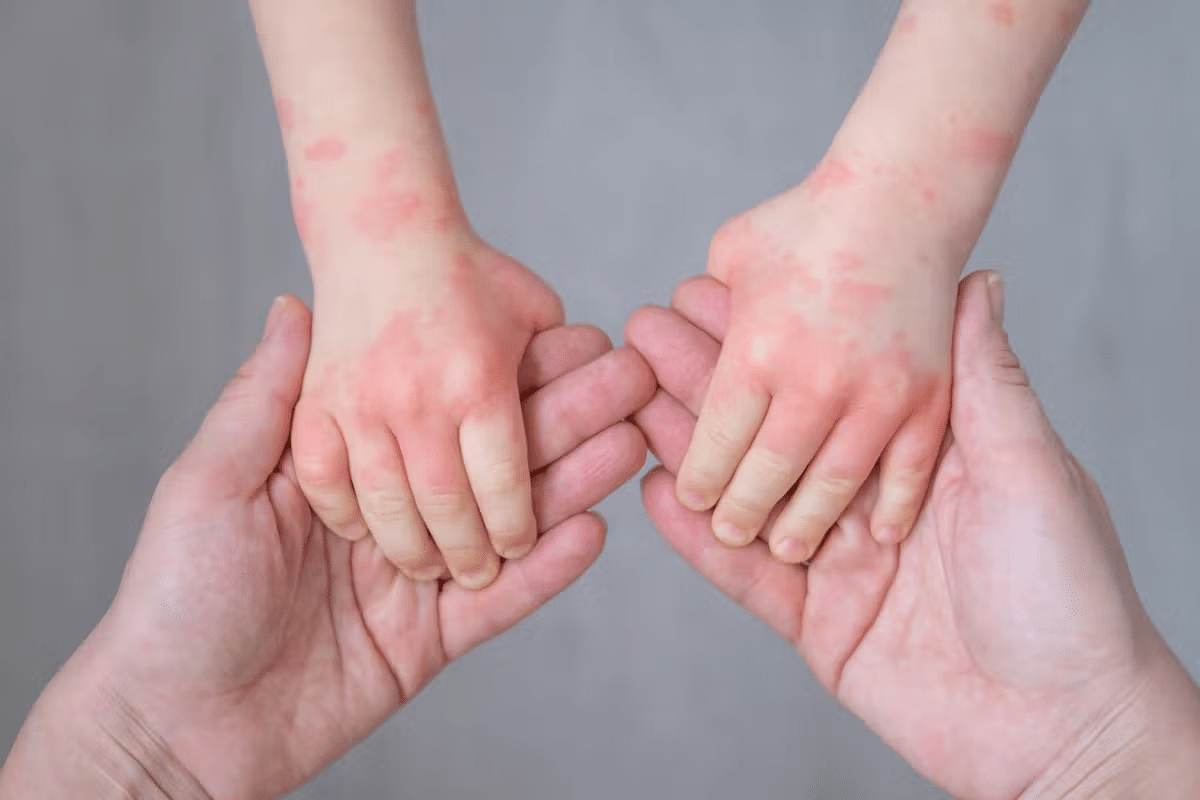 Understanding childhood killer diseases is essential for effective prevention and treatment. These diseases are a big reason why kids get sick and die all over the world.
Definition and Impact on Child Health
Childhood killer diseases are serious illnesses that cause a lot of deaths in kids. They include measles, pneumonia, diarrheal diseases, malaria, neonatal tetanus, and HIV/AIDS. Most of these diseases can be stopped or treated if caught early.
These diseases really hurt kids. They can make kids very sick and even affect their growth and health later on. For example, diseases like pneumonia can make kids very weak and more likely to get other sicknesses.
Statistics on Childhood Mortality
Every year, millions of kids die from diseases that can be prevented. In 2019, about 5.2 million kids under five died, with many of these deaths from just six diseases.
|
Disease |
Estimated Annual Deaths |
Percentage of Total Under-5 Deaths |
|---|---|---|
|
Pneumonia |
740,000 |
14% |
|
Diarrheal Diseases |
480,000 |
9% |
|
Malaria |
230,000 |
4% |
|
Measles |
140,000 |
3% |
|
HIV/AIDS |
100,000 |
2% |
|
Neonatal Tetanus |
30,000 |
1% |
Importance of Awareness and Prevention
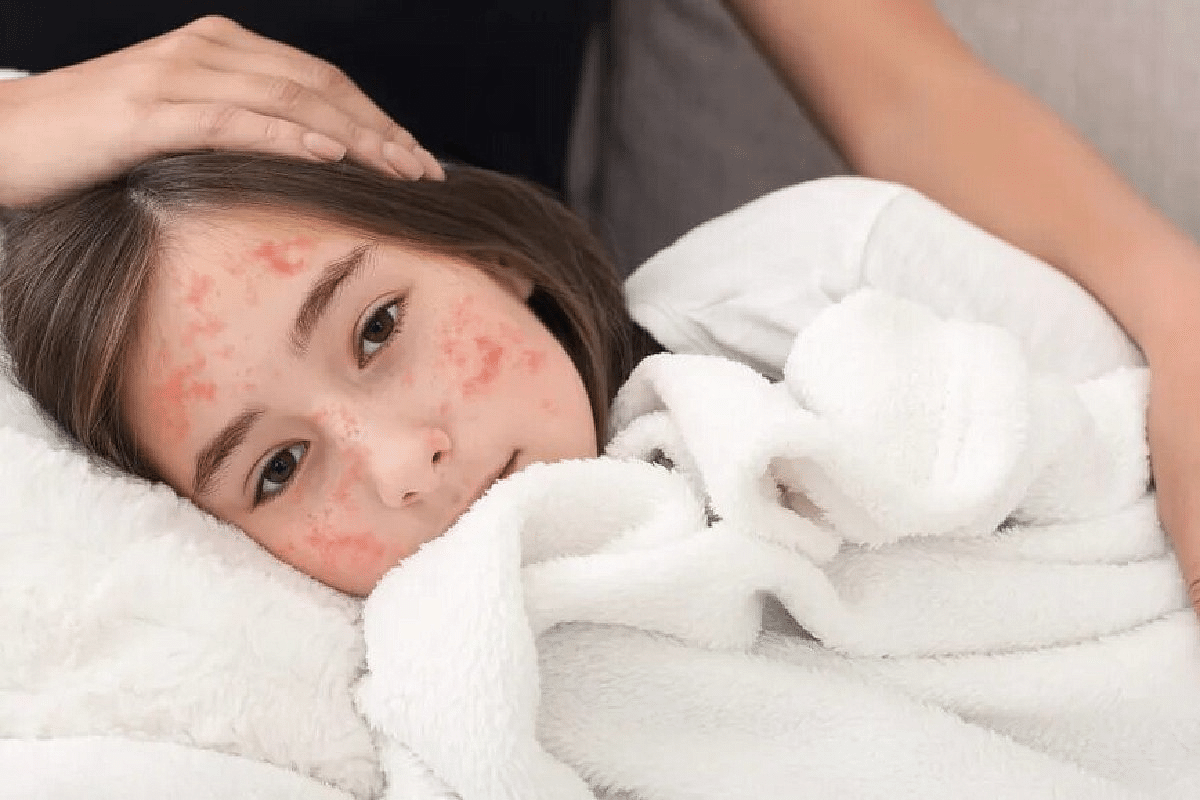 It’s key to spread the word about childhood killer diseases and how to prevent them. Things like vaccines, clean water, and teaching kids about hygiene can really help.
Knowing what causes these diseases helps us fight them better. Also, telling parents and caregivers how to keep their kids safe is very important.
The Six Main Childhood Killer Diseases
Keeping children safe from the six main killer diseases is a big deal for doctors and parents. These diseases have long been a threat to kids’ health. Knowing about them helps us find ways to stop them.
Overview of Common Killer Diseases
The six main childhood killer diseases are measles, pneumonia, diarrhea, malaria, neonatal tetanus, and HIV/AIDS. Some places also count pertussis as a serious disease. Vaccines have been key in fighting these diseases, showing how important vaccines are.
Measles is very contagious and can cause serious problems like pneumonia and brain infections. Pneumonia is a big killer of kids under five, caused by germs or viruses. Diarrhea is another big problem, spread through bad food and water.
Significance of Each Disease
Each of the six main childhood killer diseases has a big impact on kids’ health. Malaria is a big problem in many places, mainly in warm areas. Neonatal tetanus is very dangerous for newborns. HIV/AIDS can be passed from mother to child during pregnancy or birth.
Knowing how each disease works helps us make better plans to stop and treat them. For example, vaccines against measles and tetanus work well. Fighting malaria focuses on controlling bugs and quick treatment.
Vaccination Role in Prevention
Vaccines are very important in stopping the six main childhood killer diseases. They not only protect kids but also help keep everyone safe. Vaccines are made for diseases like measles, tetanus, and some types of pneumonia and diarrhea.
It’s key to follow the vaccination schedule to keep kids safe. This not only protects them but also helps fight these diseases worldwide.
Measles: The Silent Threat
Measles is a highly contagious viral disease that threatens children’s health globally. It causes fever, cough, and a distinctive rash. We will look at its symptoms, complications, and the vital role of vaccination in preventing it.
Symptoms and Complications
Measles starts with high fever, light sensitivity, and a runny nose. A characteristic rash appears as it progresses. Measles can cause serious problems like pneumonia and encephalitis, mainly in malnourished or immunocompromised children. These issues can be deadly, making quick medical attention essential.
Some measles complications include:
- Ear infections
- Pneumonia
- Diarrhea
- Encephalitis (inflammation of the brain)
Vaccination and Herd Immunity
Vaccination is the best way to stop measles. The measles, mumps, and rubella (MMR) vaccine is safe and works well in two doses. Herd immunity happens when many in a community get vaccinated, stopping the disease from spreading. This protects those who can’t get vaccinated, like those with certain health issues.
We push for vaccination as a personal and community duty. High vaccination rates prevent measles outbreaks and safeguard the most vulnerable.
Global Impact and Case Studies
Measles is a big health problem worldwide, despite vaccination efforts. Outbreaks happen where not enough people are vaccinated, showing the need for ongoing immunization.
Recent studies show vaccination campaigns can greatly lower measles cases. Where vaccination rates have gone up, measles cases have plummeted, saving many lives.
We must back global health efforts to boost vaccination rates and cut measles cases. Together, we can greatly improve children’s health worldwide.
Pneumonia: A Respiratory Risk
Pneumonia is a serious and potentially deadly infection in kids. It’s a top cause of death in children around the world. This is true, mainly in poor countries where healthcare is hard to get.
Causes and Risk Factors
Pneumonia in kids is usually caused by bacteria, viruses, or fungi. The most common bacteria is Streptococcus pneumoniae. Viral pneumonia often comes from the respiratory syncytial virus (RSV).
Things that increase the risk include being underweight, breathing in bad air indoors, and not getting vaccinated.
Key risk factors for pneumonia in children include:
- Malnutrition
- Indoor air pollution
- Lack of immunization
- Low birth weight
- Not being breastfed
Treatment Options and Prevention
Treating pneumonia involves antibiotics for bacterial cases and supportive care for viral ones. This includes oxygen and staying hydrated. To prevent it, vaccines against Streptococcus pneumoniae and Haemophilus influenzae type b are key. Also, breastfeeding and reducing indoor air pollution help.
Prevention is key in managing pneumonia. Vaccines have been shown to greatly lower pneumonia cases in kids. It’s important to make sure kids get vaccinated against pneumococcal and Hib diseases.
Importance of Early Diagnosis
Diagnosing pneumonia early is vital for treatment and saving lives. Doctors look for signs like cough, trouble breathing, and fast breathing. Sometimes, a chest X-ray is needed to confirm.
Prompt recognition of pneumonia symptoms by parents and caregivers is key. Knowing the signs and when to get medical help is very important.
Diarrheal Diseases: The Hidden Danger
Diarrheal diseases are a big threat to kids’ health all over the world. They are most common in places without good sanitation. These diseases can cause severe dehydration, malnutrition, and even death in kids.
Causes and Transmission
Diarrheal diseases come from bacteria, viruses, and parasites. Rotavirus, Escherichia coli (E. coli), and Shigella are the main culprits. They spread through contaminated food, water, or touching someone who is sick.
Bad sanitation and hygiene make these diseases spread faster. Without proper waste management and clean water, the risk of getting sick is higher.
Nutritional Impact on Children
Diarrheal diseases can really hurt a child’s nutrition. Losing nutrients and fluids from diarrhea can lead to malnutrition. This weakens the immune system, making kids more likely to get sick again.
Also, diarrhea can slow down growth and development in kids. It’s important to make sure they get enough nutrients during and after an episode of diarrhea to help them recover and stay healthy.
Prevention Strategies for Parents
To stop diarrheal diseases, we need to improve sanitation, promote hygiene, and make sure water is clean. Parents can do several things to keep their kids safe:
- Make sure they have access to clean and safe drinking water.
- Practice good hygiene, like washing hands often with soap and water.
- Use proper sanitation facilities and teach kids to dispose of waste safely.
- Breastfeed babies for the first six months to give them important antibodies.
- Make sure kids get vaccinated against Rotavirus.
Malaria: A Vector-Borne Disease
Malaria is a big health risk for kids in tropical areas. It’s caused by the Plasmodium parasite, spread by an infected Anopheles mosquito. We’ll look at the parasite’s life cycle, symptoms, and how to prevent and treat it.
Life Cycle of the Malaria Parasite
The malaria parasite’s life cycle is complex. It involves a mosquito and a human host. When an infected mosquito bites a person, it injects parasites into the blood. These parasites go to the liver, multiply, and then infect red blood cells.
The parasite’s life cycle is vital to understand. Knowing it helps us find ways to stop the disease.
Symptoms and Treatment
Malaria symptoms include fever, chills, and flu-like feelings. In severe cases, it can lead to coma, organ failure, and death. Quick diagnosis and treatment are key to avoiding serious problems. Treatment usually involves antimalarial drugs, chosen based on the parasite type, disease severity, and patient’s health.
The World Health Organization says, “Prompt and effective treatment of malaria is critical to prevent severe illness and death.” Early treatment can greatly improve malaria outcomes for kids.
Preventive Measures for Families
To prevent malaria, families can avoid mosquito bites and use preventive medication. Steps include using bed nets treated with insecticide, wearing protective clothes, and applying insect repellent. In high-risk areas, kids might need preventive medication.
- Use insecticide-treated bed nets to protect against mosquito bites.
- Wear long-sleeved shirts and pants, specially during peak mosquito hours.
- Apply insect repellent to exposed skin and clothing.
By following these steps, families can lower the risk of malaria in children.
Neonatal Tetanus: Newborns at Risk
Neonatal tetanus is a big worry worldwide, mainly in places with few vaccines. It’s a serious infection that hits newborns hard, causing muscle stiffness and spasms. We’ll look at why it happens, how it affects babies, and why vaccines are key for moms-to-be. We’ll also check out the latest numbers on cases around the globe.
Causes and Effects on Infants
Neonatal tetanus happens when tetanus bacteria get into a newborn’s body, often through the umbilical stump. This can happen if delivery isn’t clean or if the umbilical cord is cut with dirty tools. The bacteria’s toxins harm the baby’s nervous system, leading to muscle spasms and stiffness. Without treatment, it can be deadly.
Symptoms to watch for in newborns include:
- Muscle stiffness and spasms
- Difficulty feeding
- Irritability
- Severe cases can lead to respiratory failure
Vaccination for Expecting Mothers
Getting expecting mothers vaccinated against tetanus is a top way to stop neonatal tetanus. The World Health Organization says pregnant women should get the tetanus toxoid vaccine. This way, they pass on immunity to their babies. We stress the need for prenatal care that includes vaccines to protect both mom and baby.
“Maternal immunization is a cornerstone in the prevention of neonatal tetanus, providing a shield of protection for newborns during their most vulnerable period.” –
Global Health Expert
Statistics on Global Cases
Even with progress in vaccination, neonatal tetanus is a big problem in many places. Here are some recent numbers:
|
Region |
Reported Cases (2022) |
Coverage of Tetanus Vaccination (%) |
|---|---|---|
|
South Asia |
1,200 |
85 |
|
Sub-Saharan Africa |
900 |
78 |
|
Global |
2,500 |
82 |
These numbers show we need to keep working to get more people vaccinated, mainly in areas with lots of cases. We must make sure all expecting mothers can get the vaccines they need.
By knowing the risks and taking steps to prevent them, we can greatly lower neonatal tetanus cases. This helps keep newborns safe all over the world.
HIV/AIDS: A Lifelong Challenge
Children with HIV/AIDS face a big challenge that needs care and support. HIV/AIDS is a deadly disease that affects kids. It needs a special approach to help them stay healthy.
Effects on Children
HIV/AIDS hurts kids’ health and growth. Vertical transmission, from mother to child, is the main way kids get HIV. This can cause many health problems and slow down their growth.
Millions of kids worldwide live with HIV, mostly in sub-Saharan Africa. This area is hit hard by the HIV/AIDS epidemic.
“The HIV epidemic among children is a stark reminder of the need for continued efforts in prevention, treatment, and support.”
UNAIDS Report
Treatment and Support Options
Antiretroviral therapy (ART) is key in treating HIV. It helps kids live healthy lives. Starting ART early is very important. Support systems, like nutrition and counseling, also help kids with HIV.
- Access to ART and adherence support
- Nutritional counseling and support
- Psychological services for children and families
|
Component |
Description |
Benefits |
|---|---|---|
|
Antiretroviral Therapy (ART) |
Treatment regimen that suppresses the virus |
Improves immune function, reduces viral load |
|
Nutritional Support |
Dietary guidance and nutritional supplements |
Enhances overall health, supports ART efficacy |
|
Psychological Counseling |
Mental health support for children and caregivers |
Addresses emotional and psychological needs |
Ongoing Global Initiatives
Global efforts are key in fighting HIV/AIDS in kids. Programs like PEPFAR and the Global Fund help a lot. They fund prevention, treatment, and care services.
We see progress but there’s more to do. We need to keep working together to end AIDS in kids.
The Role of Nutrition in Preventing Diseases
Nutrition is key to keeping kids healthy and strong. It helps fight off many diseases. A good diet gives kids the nutrients they need to grow well.
A Balanced Diet for Optimal Health
A balanced diet is vital for kids. It gives them the right mix of nutrients for growth. This includes proteins, carbs, fats, vitamins, and minerals.
Proteins help build and fix tissues. Carbohydrates give energy. Vitamins and minerals are important for the immune system.
Parents should aim for a variety of foods in their child’s diet. Include fruits, veggies, whole grains, lean proteins, and healthy fats. Foods high in vitamin C, like oranges and strawberries, boost the immune system.
Nutritional Deficiencies and Disease
Nutritional gaps can make kids more prone to diseases. For example, not enough vitamin A weakens the immune system and raises the risk of measles. Iron deficiency can cause anemia, making kids more susceptible to infections.
|
Nutritional Deficiency |
Disease/Condition |
|---|---|
|
Vitamin A Deficiency |
Measles, Night Blindness |
|
Iron Deficiency |
Anemia |
|
Zinc Deficiency |
Impaired Growth, Weakened Immunity |
Guidelines for Parents
To make sure kids get enough nutrients, parents can follow these tips:
- Offer a diverse diet with different food groups.
- Encourage eating fruits and veggies.
- Limit processed and sugary foods.
- Make sure kids drink enough water.
- Get help from a healthcare provider or nutritionist for a personalized diet plan.
By following these guidelines, parents can help prevent diseases and keep their kids healthy.
Access to Healthcare and Its Importance
Children all over the world face big challenges when it comes to getting the healthcare they need. Getting to healthcare is hard for many families. This affects the health and happiness of kids.
Barriers to Healthcare for Families
Many things make it hard for families to get to healthcare. Money problems, where they live, and language and culture differences are some of these barriers.
- Financial Constraints: Medical care is expensive, and some families can’t afford it.
- Geographical Barriers: Families in far-off or poor areas have few places to get medical help.
- Cultural and Language Barriers: Different languages and health beliefs can make it hard to get care.
Community Support Efforts
Help from the community is key to better healthcare access. There are many efforts like community health workers, mobile clinics, and health education.
- Community Health Worker Programs: Training locals to help with basic health needs.
- Mobile Health Clinics: Taking health services to places that are hard to reach.
- Health Education Programs: Teaching families about staying healthy and preventing sickness.
Policy Changes Needed for Improvement
To really make healthcare better, we need to change policies. We need more money for healthcare, fair policies, and working together worldwide to share ideas and resources.
- Increased Funding: More money for healthcare services and places.
- Policy Reforms: Making policies that help everyone get healthcare.
- International Cooperation: Working together to share the best ways to improve healthcare.
In short, making sure all kids have access to healthcare is a big challenge. We must tackle barriers, boost community support, and make policy changes.
Educating Parents and Caregivers
Teaching parents about health is key to keeping kids safe. By learning, parents can lower the risk of diseases and help their children stay healthy.
Building Health Literacy
Health literacy is the base for making smart health choices. It means understanding health info, using healthcare services, and living a healthy life. Boosting health literacy helps prevent diseases and ensures kids get the right care.
We can improve health literacy in many ways. For example, making health info easy to read and using digital tools. This helps parents spot illness early and know when to see a doctor.
Resources for Parents
Parents need good resources to help their kids stay healthy. These include:
- Trustworthy online health sites
- Parenting workshops and groups
- Advice from healthcare providers
With these resources, parents can keep up with health tips, learn healthy habits, and get help when they need it.
Community Workshops and Initiatives
Local efforts are important for teaching parents. Workshops and seminars by health experts, community centers, and non-profits share vital child health info.
Such initiatives not only provide essential education but also foster a supportive community. They offer a network of support for parents facing childcare challenges.
|
Initiative |
Description |
Benefits |
|---|---|---|
|
Parenting Workshops |
Workshops focused on child health, nutrition, and development |
Empowers parents with knowledge, builds community |
|
Health Information Campaigns |
Campaigns distributing health information materials |
Improves health literacy, promotes healthy practices |
|
Support Groups |
Groups for parents to share experiences and advice |
Provides emotional support, fosters community |
The Future of Childhood Health
Looking ahead, we see the need for new vaccines and treatments to better health. Medical research and global health efforts are changing how we fight childhood diseases. These changes are promising for a healthier future.
Advancements in Medical Research
New vaccines and treatments are being made to fight the six killer diseases of children. Thanks to these innovations, death rates have dropped worldwide. For example, vaccines against pneumonia have cut down on pneumonia deaths in kids.
Global Cooperation and Initiatives
Global health projects are key to better childhood health. Groups like the World Health Organization (WHO) and UNICEF are teaming up. They work on vaccination programs and help communities in need. Their work is essential for a healthier world for kids.
Promoting Healthy Practices
It’s important to teach kids about healthy habits. We need to educate parents and caregivers on good nutrition, hygiene, and when to seek medical help. Together, we can make a better world for kids to grow in.
FAQ
What are the six killer diseases that affect children worldwide?
The six killer diseases are measles, pneumonia, diarrheal diseases, malaria, neonatal tetanus, and HIV/AIDS. These diseases cause a lot of sickness and death in kids, mainly in tropical areas.
Why is vaccination important in preventing childhood killer diseases?
Vaccines are key in fighting childhood killer diseases. They protect kids from measles, pneumonia, diarrheal diseases, malaria, and neonatal tetanus. This reduces the chance of getting sick and helps avoid serious problems.
How can parents protect their children from diarrheal diseases?
Parents can keep kids safe from diarrheal diseases by washing hands often. They should also make sure water is safe to drink and homes are clean. Breastfeeding and a healthy diet also help a child’s immune system.
What is the significance of early diagnosis in managing pneumonia?
Catching pneumonia early is very important. It means kids can get treatment quickly and avoid serious problems. Early action helps kids recover better from pneumonia.
How does malaria affect children, and what preventive measures can families take?
Malaria is a big risk for kids, causing fever and flu-like symptoms. Families can prevent it by using bed nets treated with insecticide. They should also get rid of standing water and use insect repellent to stop mosquito bites.
Why is nutrition essential in preventing diseases among children?
A good diet is key to keeping kids healthy. It gives them the nutrients they need to grow strong. Without enough nutrients, kids are more likely to get sick, so it’s important to feed them well.
What are the barriers to healthcare access for families, and how can they be addressed?
Families face many barriers to healthcare, like not having money or transportation. But, community support and better healthcare policies can help. These efforts make sure families get the care they need.
How can health literacy and education support child health?
Knowing about health is very important for keeping kids well. It helps parents make smart choices for their children’s health. Workshops and programs can give families the knowledge and support they need.
What innovations are being made in vaccination and treatment to improve childhood health?
New vaccines and treatments are being developed to help kids stay healthy. Global efforts and research are working hard to beat childhood killer diseases. This is a big step forward for kids’ health worldwide.
References
World Health Organization. Evidence-Based Medical Insight. Retrieved from https://www.who.int/news/item/22-05-2020-at-least-80-million-children-under-one-at-risk-of-diseases-such-as-diphtheria-measles-and-polio-as-covid-19-disrupts-routine-vaccination-efforts-warn-gavi-who-and-unicef