
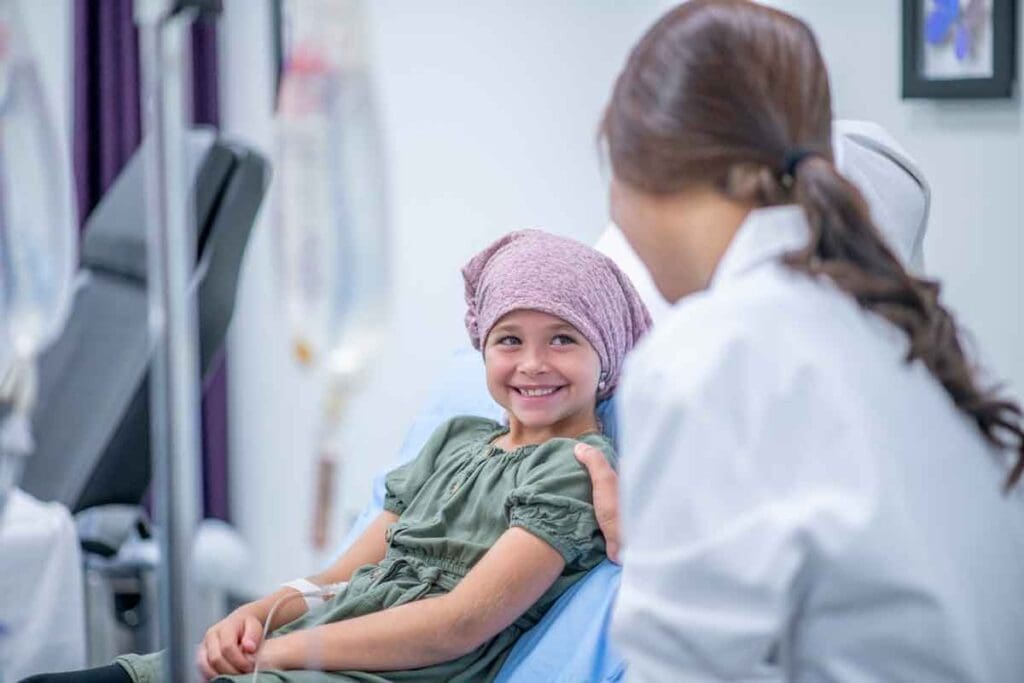
The outlook for kids withleukemia has gotten much better. This is thanks to new treatments and a focus on patient care.
Today, about 85 to 90 percent of kids survive for five years after diagnosis. This is a big improvement that gives families hope.
This article will share seven key facts about childhood leukemia prognosis. It will help families understand the survival rates and treatment options better.
Key Takeaways
- Understanding the improved survival rates for childhood leukemia
- Exploring the factors that influence prognosis
- Learning about the latest treatment options and their effectiveness
- Discovering the importance of patient-focused care
- Gaining insights into the future of leukemia treatment
The Current State of Childhood Leukemia
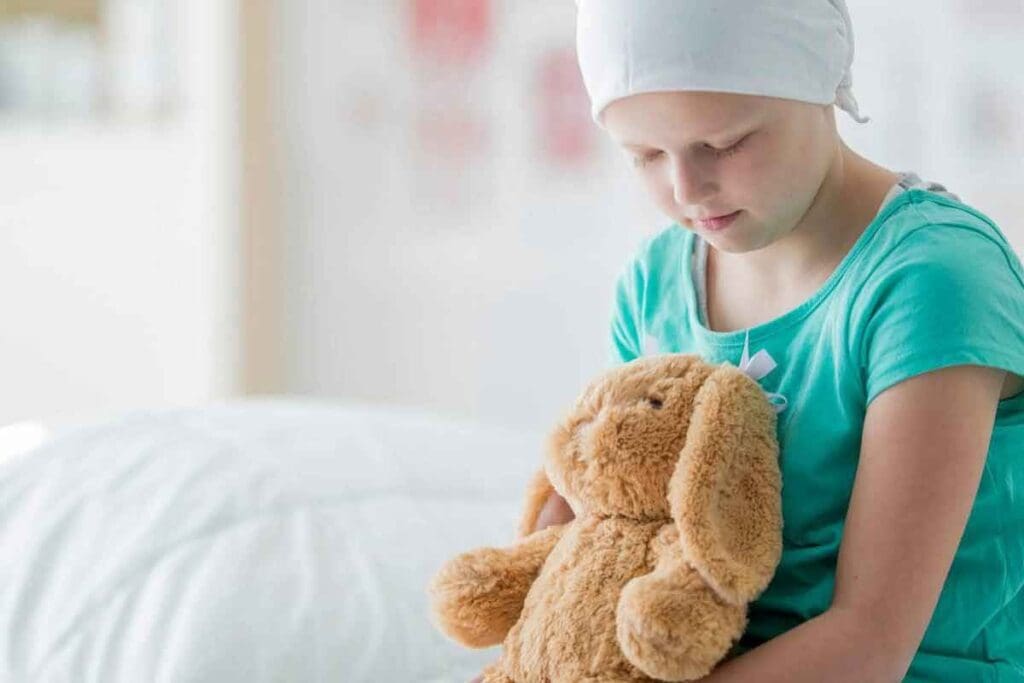
It’s important for parents, doctors, and researchers to understand childhood leukemia. This cancer affects the blood and bone marrow. It happens when abnormal white blood cells grow too much.
What is Childhood Leukemia?
Childhood leukemia starts in the bone marrow’s blood cells. It’s the top cancer in kids, making up 30% of all childhood cancers. It messes up blood cell making, causing anemia, infections, and bleeding.
“Leukemia is a complex disease that requires a complete treatment plan,” says a pediatric oncologist. “Thanks to medical research, we know more about treating it.”
Major Types and Their Prevalence
Childhood leukemia mainly comes in two types: Acute Lymphoblastic Leukemia (ALL) and Acute Myeloid Leukemia (AML). ALL is the most common, making up 80% of cases. AML is less common, making up 15-20%.
| Type of Leukemia | Prevalence | Characteristics |
| Acute Lymphoblastic Leukemia (ALL) | 80% | Affects lymphoid cells, common in children aged 2-5 years |
| Acute Myeloid Leukemia (AML) | 15-20% | Affects myeloid cells, more common in infants and adolescents |
How Diagnosis Has Improved
Diagnosing childhood leukemia has gotten better. New genetic tests and imaging help find the disease early and accurately. This is key for planning treatment.
Molecular diagnostics and flow cytometry help classify leukemia types and find genetic issues. This info helps doctors create specific treatment plans for each patient.
Better diagnosis has led to higher survival rates for kids with leukemia. Studies show that up to 94% of kids with ALL can survive.
The Evolution of Childhood Leukemia Treatment

Medical research has changed how we treat childhood leukemia. This has brought new hope to patients and their families. From simple treatments to advanced, targeted therapies, progress has been huge. It has greatly improved survival rates and outcomes for kids with leukemia.
Historical Treatment Approaches
Early treatments for childhood leukemia were limited and often didn’t work well. The 1940s saw the start of a new era with chemotherapy. At first, drugs like methotrexate and mercaptopurine were used. They showed promise but had many side effects and varied success.
Medical Breakthroughs That Changed Outcomes
Many medical breakthroughs have changed leukemia treatment for kids. The 1960s and 1970s saw the use of combination chemotherapy, which greatly improved survival. The 1970s also brought CNS prophylaxis, reducing CNS relapse. Recently, targeted therapies like tyrosine kinase inhibitors for Philadelphia chromosome-positive leukemia have made treatments even better.
Risk stratification is now key in managing childhood leukemia. It helps doctors tailor treatments to each patient’s risk level. This approach has led to better outcomes and less harm from treatments.
Modern Treatment Protocols
Today, treatments for childhood leukemia are complex and effective. For ALL, the most common type, treatment includes several phases of chemotherapy. Targeted and immunotherapies, like CAR-T cell therapy, are also being used. They show great promise for high-risk or relapsed patients.
AML treatment often involves intensive chemotherapy and sometimes stem cell transplantation. Ongoing research aims to make treatments even better and explore new targets to improve survival rates.
The evolution of childhood leukemia treatment shows the power of medical research and innovation. As we learn more about leukemia, we can expect even better treatments. This will bring hope for improved outcomes and quality of life for kids with leukemia.
Understanding Childhood Leukemia Prognosis
Prognosis is key in pediatric cancer, like childhood leukemia. It predicts the disease’s outcome. Knowing the prognosis helps doctors and families make better treatment choices.
What Prognosis Means in Pediatric Cancer
In pediatric cancer, prognosis means the likely outcome or course of the disease. It looks at the cancer type, the child’s age, and health. For childhood leukemia, it’s very important. It helps decide treatment and survival chances.
Thanks to medical research, childhood leukemia prognosis has gotten better. Early diagnosis and good treatment plans have led to higher survival rates.
How Survival Rates Are Calculated
Survival rates for childhood leukemia come from large groups of patients. They show the percentage of kids who live for a certain time after diagnosis. The five-year survival rate is common. It shows the percentage of kids alive five years after diagnosis.
| Type of Leukemia | Five-Year Survival Rate |
| Acute Lymphoblastic Leukemia (ALL) | 94% |
| Acute Myeloid Leukemia (AML) | 65-70% |
The Importance of Risk Stratification
Risk stratification is key in leukemia prognosis. It groups patients by genetic factors, age, and treatment response. It helps tailor treatment to each patient’s needs. This ensures high-risk patients get more intense treatment.
Understanding prognosis and its factors helps doctors create better treatment plans. This personalized care improves outcomes and quality of life for kids with leukemia.
Fact 1: Overall Childhood Leukemia Survival Rates Have Reached 85-90%
Thanks to medical progress, the survival rate for childhood leukemia is now 85-90%. This big jump is thanks to years of work on new treatments.
Breaking Down the Statistics
The five-year survival rate for kids with leukemia is about 85 to 90 percent. This info comes from the National Cancer Institute’s SEER program.
Survival Rate Statistics:
| Time Period | Five-Year Survival Rate |
| 1975-1979 | 50% |
| 2000-2004 | 80% |
| 2010-2014 | 85-90% |
Comparison to Historical Rates
Childhood leukemia used to be almost always fatal. But thanks to new treatments, survival rates have soared.
In the 1970s, the survival rate was just 50%. By the early 2000s, it had risen to about 80%. Now, it’s 85-90%, showing a steady increase.
Global Variations in Survival
In rich countries, the survival rate for childhood leukemia is around 85-90%. But, in some poor countries, it’s much lower, at 40-50%. This is because they often can’t get the latest treatments.
- Developed countries: 85-90%
- Developing countries: 40-50%
- Low-income countries: 20-30%
The big difference in survival rates shows we need to work together. We must make sure all kids with leukemia get the best treatment, no matter where they live.
Fact 2: Acute Lymphoblastic Leukemia (ALL) has a 94% Five-Year Survival Rate
Children with Acute Lymphoblastic Leukemia (ALL) now have a 94% chance of survival after five years. This big jump is thanks to better treatments and a deeper understanding of the disease.
Why ALL Has Better Outcomes
Several reasons explain why ALL survival rates have gone up. Early detection and diagnosis are key, leading to quicker treatment. Also, personalized treatment plans based on the patient’s leukemia genetics have helped a lot.
- Advancements in chemotherapy protocols
- Increased understanding of genetic markers
- Improved risk stratification techniques
Standard Treatment Protocols
The usual treatment for ALL includes several steps. Induction therapy tries to get the cancer into remission. Consolidation therapy targets any cancer cells left. Maintenance therapy helps keep the cancer from coming back.
Factors That Influence ALL Prognosis
Many things can affect how well a child with ALL will do. These include the child’s age, the leukemia’s genetics, and how well they respond to treatment. Genetic testing helps find high-risk cases that need stronger treatment. Minimal residual disease (MRD) assessment is also key in checking treatment success and planning further care.
- Age at diagnosis
- Genetic characteristics of leukemia
- Response to initial treatment
Knowing these factors is vital for making good treatment plans. This helps improve survival chances for kids with ALL.
Fact 3: B-Cell ALL Shows Exceptional Survival Rates Above 90%
B-cell acute lymphoblastic leukemia (ALL) is a type of leukemia with very high survival rates in kids. This success is thanks to new treatments and better care plans.
B-Cell vs. T-Cell ALL Prognosis Differences
The difference between B-cell and T-cell ALL is key to knowing what to expect. B-cell ALL usually has a better outlook than T-cell ALL. Kids with B-cell ALL often live longer and respond better to treatment.
| ALL Subtype | Five-Year Survival Rate | Response to Treatment |
| B-cell ALL | Above 90% | Highly responsive |
| T-cell ALL | 80-85% | Moderately responsive |
Targeted Therapies for B-Cell ALL
Targeted therapies have changed how we treat B-cell ALL. These treatments aim at specific parts of leukemia cells, helping to protect normal cells. Monoclonal antibodies and CAR-T cell therapy are among the promising treatments.
Long-Term Outlook for B-Cell ALL Survivors
Children who beat B-cell ALL usually have a bright future. But, they might face challenges like brain problems, other cancers, or hormone issues later. It’s important to keep up with follow-up care to handle these risks.
- Regular monitoring for late effects
- Psychological support for survivors and families
- Adjustments to lifestyle to mitigate long-term risks
Knowing about B-cell ALL’s prognosis and treatments helps doctors and families. Together, they can aim for the best results for kids with this disease.
Fact 4: Childhood Acute Myeloid Leukemia (AML) Prognosis Ranges from 65-70%
Knowing the prognosis of childhood AML is key to finding the right treatments. It’s a rare form of leukemia in kids, but it’s tough to treat because it grows fast. This makes treatment plans very complex.
Challenges in Treating Childhood AML
Childhood AML is hard to treat because it spreads quickly. It needs quick and strong treatment to stop it from getting worse. Also, AML is more likely to come back than ALL, so treating it right the first time is very important.
“The treatment of AML is complex and requires a multidisciplinary approach,” as noted by pediatric oncologists. They use strong chemotherapy, but the exact plan depends on the patient’s risk and how they first respond.
AML Risk Groups and Their Outcomes
Doctors sort AML patients into risk groups based on their leukemia’s genetics and how they react to treatment. This sorting is key to knowing the prognosis and how intense the treatment should be.
- Low-risk AML patients have a better chance of survival, with higher survival rates.
- High-risk AML patients face a tougher road, with a higher chance of relapse.
Recent Improvements in AML Treatment
In recent years, AML treatment for kids has gotten much better. New treatments and better care have raised survival rates to 65-70%.
New medicines and therapies are being added to treatment plans. They show great promise in helping AML patients. Research keeps going to find even better ways to fight AML and make treatments safer.
Fact 5: Infant Leukemia Survival Rate Remains Below 50%
Even with progress in treating cancer in kids, infant leukemia’s survival rate is under 50%. This rare and aggressive leukemia affects babies under one. It’s a big challenge to treat.
Unique Biological Factors in Infant Leukemia
Infant leukemia has special traits that set it apart from leukemia in older kids. A key difference is the MLL gene rearrangements. These are more common in infant leukemia and linked to a worse outlook. These genetic changes make the disease very aggressive and hard to treat.
Because of its aggressive nature, infant leukemia needs strong treatment. But young patients face a big risk from chemotherapy’s side effects. This makes choosing treatments very hard.
Treatment Challenges for Very Young Patients
Treating infant leukemia is tough because of the patients’ age and the disease’s aggressive nature. Treatments are intense and often include chemotherapy, targeted therapy, and sometimes stem cell transplants.
One big challenge is finding treatments that work well without harming young patients too much. Babies’ developing bodies are more at risk from chemotherapy’s side effects. This can lead to long-term health problems.
Research Initiatives to Improve Infant Outcomes
Research is ongoing to understand infant leukemia better and find better treatments. Scientists are looking into targeted therapies that can target the disease’s specific genetic problems.
| Research Area | Potential Benefits |
| Targeted Therapies | Reduced toxicity, improved efficacy |
| Genetic Profiling | Better understanding of disease biology, personalized treatment |
| Novel Chemotherapy Regimens | Improved survival rates, reduced long-term side effects |
By learning more about infant leukemia and creating treatments that fit each patient, researchers hope to boost survival rates and improve the quality of life for these young patients.
Fact 6: Key Prognostic Factors That Influence Survival
Understanding the factors that affect survival in childhood leukemia is key. These factors help doctors plan the best treatment. They also help predict how well a patient will do.
Age at Diagnosis
The age a child is diagnosed matters a lot. Kids between 1 and 9 years old usually do better than infants or teens. Infant leukemia, in kids under one, is very tough to beat. This is because of MLL gene rearrangements.
Genetic and Chromosomal Markers
Genetic and chromosomal changes are very important. Some markers, like the Philadelphia chromosome in BCR-ABL1-positive ALL, mean a child needs stronger treatment. But some markers, like hyperdiploidy in ALL, are good signs.
Response to Initial Treatment
How well a child responds to the first treatment is very important. Kids who quickly get into remission usually do better. Checking Minimal Residual Disease (MRD) after treatment helps see how well it’s working.
Minimal Residual Disease (MRD) Status
MRD status shows how well the first treatment worked. It checks for leftover leukemia cells. Kids with MRD negativity do much better than those with MRD.
These factors work together to understand a child’s leukemia outlook. Doctors use this info to make treatment plans that fit each child best. This helps improve the chances of a good outcome.
- Age at diagnosis influences treatment outcomes.
- Genetic and chromosomal markers guide risk stratification.
- Response to initial treatment is a critical prognostic indicator.
- MRD status after induction therapy predicts long-term outcomes.
Fact 7: Long-term Survival and Quality of Life After Childhood Leukemia
Childhood leukemia survival rates are getting better. Now, we focus on survivors’ long-term quality of life. New treatments have raised survival chances but also brought new challenges.
Late Effects of Treatment
Survivors of childhood leukemia face many late effects. These can include:
- Cardiac issues from certain drugs or radiation
- Secondary cancers from radiation or chemotherapy
- Growth and developmental problems, often if treated young
- Cognitive and learning disabilities
- Emotional and psychological challenges
Late effects vary widely among survivors. They depend on treatment type and intensity, and individual factors. Regular follow-up care is key to managing these effects well.
Follow-up Care Requirements
Long-term follow-up care is vital for childhood leukemia survivors. This care includes:
- Regular check-ups with healthcare providers
- Screening tests for long-term complications
- Guidance on healthy lifestyle choices
- Support for emotional and psychological challenges
Survivors and their families should work with their healthcare team to create a personalized follow-up care plan.
Psychosocial Outcomes for Survivors
The psychosocial outcomes for childhood leukemia survivors can be complex. While many lead healthy, fulfilling lives, others face challenges like:
- Anxiety and depression
- Post-traumatic stress disorder (PTSD)
- Difficulties in social relationships or employment
- Concerns about fertility and passing on genetic risks
Supportive care, including counseling and support groups, is vital. It helps survivors deal with these challenges and improve their quality of life.
Understanding late effects and the importance of follow-up care helps survivors manage their long-term health and well-being.
Conclusion: The Future of Childhood Leukemia Treatment and Survival
The way we treat childhood leukemia is changing fast. New research and treatments are making it better for kids with this disease. Now, kids with leukemia have a good chance of getting better, with survival rates reaching 85-90%.
For some types, like Acute Lymphoblastic Leukemia (ALL), the five-year survival rate is even higher, at 94%. This shows how far we’ve come in fighting this disease.
New treatments like targeted therapies and immunotherapies are on the horizon. These could make treatments even better and safer for kids. Researchers are also working hard to help the sickest kids, like babies and those with Acute Myeloid Leukemia (AML).
Thanks to new discoveries, doctors can now make treatments that fit each child’s needs. This means treatments that work better and cause fewer side effects. With more research and trials, the future looks bright for kids with leukemia.
FAQ
What is the overall survival rate for childhood leukemia?
The survival rate for childhood leukemia has greatly improved. It now stands at 85-90%.
How does the survival rate for acute lymphoblastic leukemia (ALL) compare to other types of childhood leukemia?
Acute lymphoblastic leukemia (ALL) has a high survival rate, around 94% in five years. This is higher than other types like acute myeloid leukemia (AML), which has a survival rate of 65-70%.
What is the difference in survival rates between B-cell ALL and T-cell ALL?
B-cell ALL has a survival rate often above 90%. T-cell ALL has lower survival rates, but they are improving with new treatments.
Why is the survival rate for infant leukemia lower than other childhood leukemias?
Infant leukemia has a survival rate often below 50%. This is due to its unique biology and the challenges of treating young patients.
What are the key prognostic factors that influence survival in childhood leukemia?
Important factors include age at diagnosis, genetic and chromosomal markers, and how well the child responds to treatment. These all play a big role in the outcome for children with leukemia.
What are the possible late effects of childhood leukemia treatment?
Children who survive leukemia may face late effects. These include organ damage, secondary cancers, and psychosocial challenges. They need ongoing care to manage these issues.
How have modern treatment protocols improved the survival rates for childhood leukemia?
Modern treatments, like targeted therapies and better chemotherapy, have greatly improved survival rates. They have led to better outcomes for children with leukemia.
Is childhood leukemia curable?
Yes, many cases of childhood leukemia are curable. Thanks to advances in treatments, the cure rate has significantly improved over the years.
What is the significance of minimal residual disease (MRD) status in childhood leukemia prognosis?
Minimal residual disease (MRD) status is very important. It helps doctors see how well treatment is working and predict the chance of relapse.
How do genetic characteristics influence the prognosis of childhood leukemia?
Genetic traits, like specific chromosomal abnormalities, greatly affect the prognosis of childhood leukemia. They guide treatment decisions and outcomes.
References
- “The Clinical Profile of Newly Diagnosed Acute Myeloid Leukemia.” (2024). PMC. https://pmc.ncbi.nlm.nih.gov/articles/PMC11210435/
- De Kouchkovsky, I., & Abdul-Hay, M. (2016). “Acute myeloid leukemia: a comprehensive review and recent developments.” British Journal of Haematology / Nature..https://www.nature.com/articles/bcj201650