
Obesity in kids is a complex issue. It’s caused by genetics, hormones, and lifestyle. Knowing what causes it helps us find ways to prevent and treat it.Childhood obesity can be caused by hidden disorders. Learn the most common health conditions linked to obesity in children.
Studies show that some genetic conditions, like Prader-Willi syndrome and Bardet-Biedl syndrome, can make kids obese. Hormone problems, like hypothyroidism, can also cause weight gain. It’s key to have a team of doctors to help manage obesity in kids.
Key Takeaways
- Genetic disorders can contribute to obesity in children.
- Endocrine disorders, such as hypothyroidism, can lead to weight gain.
- A multidisciplinary approach is essential in managing pediatric obesity.
- Understanding the underlying causes of obesity is critical for effective prevention and treatment.
- Lifestyle factors, like diet and exercise, are also important in obesity.
The Growing Epidemic of Childhood Obesity
Obesity in kids is more than just a health issue; it’s a big problem that needs quick action. We must understand the causes, how it’s diagnosed, and the scary stats. This knowledge is key to tackling childhood obesity.
Definition and Diagnostic Criteria
Doctors use body mass index (BMI) percentiles to spot obesity in kids. Being above the 95th percentile means a child is obese. This method helps doctors compare kids of different ages and sizes fairly.
“Diagnosing obesity in kids involves more than just BMI,” say doctors. They look at lifestyle, diet, and exercise too. The World Health Organization and others stress the importance of catching and treating it early.
Global and U.S. Statistics
The numbers on childhood obesity are alarming. In 2022, 160 million kids aged 5-19 had obesity worldwide. By 2025, 91 million school kids will be obese. This shows we need strong plans to fight obesity.
In the U.S., the problem is just as serious. Millions of kids and teens are obese. This calls for focused help and support.
Dealing with childhood obesity needs a team effort. Healthcare, families, and communities must work together. By knowing the causes and effects, we can find ways to help.
“The rising tide of childhood obesity necessitates a concerted effort from all stakeholders to prevent and treat this condition, ensuring a healthier future for our children.”
Genetic Disorders That Cause Childhood Obesity

Genetic factors are key in childhood obesity. Knowing about these can help manage the condition. Genetic disorders play a big role in obesity in kids. They can mess with hunger, fullness, and how the body uses energy.
Prader-Willi Syndrome
Prader-Willi syndrome is a rare genetic disorder. It causes kids to eat too much, leading to severe obesity if not treated. Kids with this syndrome always feel hungry because of a problem on chromosome 15.
Early treatment is key to avoiding obesity-related problems. Treatment includes special diets, exercise, and sometimes medicine to control hunger. Families need to work with doctors to create a care plan.
Bardet-Biedl Syndrome
Bardet-Biedl syndrome is a genetic disorder that causes obesity and other issues, like extra fingers and intellectual disability. It’s caused by problems with cilia genes. The obesity from Bardet-Biedl syndrome can be very severe and cause metabolic problems.
Managing it requires a team effort. This includes special diets, physical therapy, and sometimes surgery. Knowing the genetic cause helps in providing the right care.
Other Monogenic Disorders
Other monogenic disorders can also cause childhood obesity. These include problems with the leptin-melanocortin pathway, which helps control energy and weight. Finding the exact genetic cause is vital for the right treatment.
Genetic tests can find these conditions. This lets doctors give personalized advice on diet, exercise, and more. A full approach is needed to manage obesity in kids with genetic disorders.
Endocrine Disorders Leading to Weight Gain in Children
Endocrine disorders are a big reason for weight gain in kids. It’s important to know about these conditions to help manage them. We’ll look at how certain endocrine disorders can cause obesity in children.
Hypothyroidism
Hypothyroidism happens when the thyroid gland doesn’t make enough thyroid hormone. This hormone is key to metabolism. Without enough, metabolism slows down, causing weight gain. Kids with hypothyroidism might feel tired, have dry skin, and feel cold easily.
If not treated, hypothyroidism can cause a lot of weight gain and health problems.
Diagnosis and Treatment: Doctors use blood tests to check thyroid hormone levels. Treatment is usually thyroid hormone replacement therapy. This helps get metabolism back to normal and manage weight.
Cushing’s Syndrome
Cushing’s syndrome is a rare condition caused by too much cortisol. This hormone is made by the adrenal gland. Too much can cause quick weight gain, mainly in the face, neck, and belly. Other signs include high blood pressure, feeling tired, and mood changes.
Causes and Diagnosis: It can be caused by tumours in the adrenal gland or by taking too many corticosteroids. Doctors use blood tests, imaging studies, and urine tests to find out if someone has it.
Treatment Options: Treatment depends on the cause. It might include surgery, reducing corticosteroid use, or other medicines to control cortisol.
Growth Hormone Deficiency
Growth hormone deficiency happens when the pituitary gland doesn’t make enough growth hormone. This hormone is vital for growth and development. While it’s not as directly linked to obesity as some other conditions, it can affect body composition and lead to more fat.
Symptoms and Diagnosis: Signs include being shorter than peers, delayed puberty, and more fat around the belly. Doctors use blood tests to check growth hormone levels and might do imaging studies to look at the pituitary gland.
Treatment: Treatment is growth hormone replacement therapy. This helps improve growth and body composition.
In conclusion, conditions like hypothyroidism, Cushing’s syndrome, and growth hormone deficiency can greatly affect a child’s weight and health. It’s vital to catch these conditions early and treat them properly to avoid serious health issues later on.
Environmental and Lifestyle Factors Contributing to Childhood Obesity
It’s important to understand how the environment and lifestyle affect childhood obesity. Obesity in kids is not just about personal choices. It’s also about the world around them and their lifestyle.
Dietary Patterns and Nutritional Factors
Diet is key in preventing childhood obesity. Eating too many high-calorie foods and drinks can lead to weight gain. On the other hand, kids who eat more fruits, veggies, and whole grains are less likely to be obese.
- High intake of processed and fast foods
- Low consumption of fruits and vegetables
- Increased portion sizes
- Sugary drinks and snacks
Teaching kids to eat healthy early on is vital. We should encourage them to eat foods rich in nutrients. And limit foods and drinks that are high in calories but low in nutrients.
Physical Activity and Sedentary Behaviour
Being active is important for a healthy weight. Kids who move more often have a lower risk of obesity. But being too sedentary, like watching TV or playing video games too much, raises the risk of obesity.
- Encouraging at least 60 minutes of moderate to vigorous physical activity daily
- Limiting screen time to less than 2 hours per day
- Promoting outdoor play and sports participation
Socioeconomic and Cultural Influences
Socioeconomic status and culture also impact childhood obesity. Kids from lower-income families might face challenges finding healthy food and safe places to play. This increases their risk of obesity.
We need to think about these factors when fighting obesity. We should support policies that help everyone have access to healthy food and safe places to be active.
Health Consequences of Obesity in Children
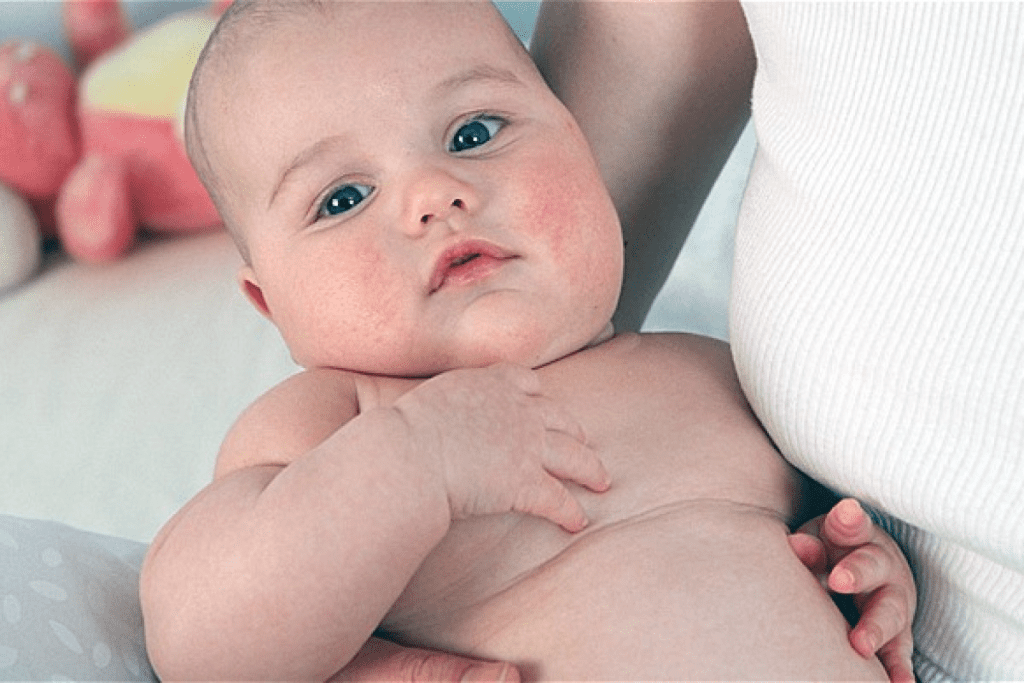
Obesity in kids can lead to many health problems. These issues can affect their longevity and how long they live.
Metabolic Dysfunction“Associated Steatotic Liver Disease (MASLD)
Childhood obesity can cause Metabolic Dysfunction“Associated Steatotic Liver Disease (MASLD). This is when the liver gets too much fat. It’s important to find and treat MASLD early to avoid liver damage.
Type 2 Diabetes and Metabolic Syndrome
Obese kids are more likely to get type 2 diabetes and metabolic syndrome. Type 2 diabetes makes it hard for the body to use insulin. Metabolic syndrome is a group of conditions that raises the risk of diabetes and heart disease. It’s key to start treating these conditions early.
Cardiovascular Complications
Childhood obesity can lead to heart problems. This includes high blood pressure, high cholesterol, and changes in the heart. It’s vital to watch and manage these heart risks in obese kids.
- High blood pressure
- High cholesterol levels
- Cardiac structural changes
Psychological and Social Impact
Obesity can also hurt a child’s mental and social health. They might feel bad about themselves, be depressed, or feel left out. It’s just as important to deal with the mental side of obesity. Getting help from a counsellor can help a lot.
- Low self-esteem
- Depression
- Social isolation
In summary, obesity in kids can cause many health problems. It’s important to tackle childhood obesity with a full plan. This includes better eating, more exercise, and mental health support.
Conclusion: Effective Approaches to Managing Childhood Obesity
Childhood obesity in America is a complex issue. It’s caused by genetics, hormones, environment, and lifestyle. To manage it well, we need a full plan. This includes changing how we live, medical help, and support from many experts.
Children with obesity often have serious health problems. These include liver disease, type 2 diabetes, and heart issues. Finding these problems early is key to helping them.
Obese kids often have similar issues. They might eat poorly, not move much, and face money problems. Knowing this helps doctors and families help them better.
We stress the need for caring, all-around care for kids with obesity. Working with a team, we can teach them healthy habits. This improves their health and happiness.
FAQ’s:
What are the main causes of obesity in children?
Obesity in kids is caused by many things. This includes genetics, endocrine issues, and lifestyle choices. Factors like unhealthy eating, not moving enough, and money issues also play a part.
How is childhood obesity defined and diagnosed?
Doctors use body mass index (BMI) percentiles to spot obesity in kids. If a child’s BMI is above the 95th percentile, they are considered obese. This helps doctors find and help kids at risk.
What are some genetic disorders that can lead to obesity in children?
Certain genetic conditions, like Prader-Willi and Bardet-Biedl syndromes, cause kids to always want to eat and can lead to obesity. Knowing about these conditions helps in treating obesity in kids.
How do endocrine disorders affect weight in children?
Endocrine problems, like hypothyroidism and Cushing’s syndrome, can make kids gain weight. These issues affect hormone levels, which can change weight and health.
What lifestyle factors contribute to childhood obesity?
Poor diet, not being active, and money issues are big reasons for childhood obesity. Changing diet and increasing activity can help fight obesity.
What are the health consequences of obesity in children?
Obesity in kids can harm many parts of the body. It can lead to diabetes, heart problems, and affect mental health. It’s a serious issue.
How can childhood obesity be managed effectively?
To manage obesity in kids, a mix of diet changes, more activity, and sometimes medicine is needed. Care that covers physical, emotional, and social needs is key.
What are the statistics on childhood obesity in the U.S.?
Childhood obesity is a big problem worldwide, including in the U.S. Knowing the numbers helps in making plans to fight it.
What are the common characteristics of obese children?
Kids who are obese often have unhealthy eating habits and don’t move much. Money issues also play a role. Knowing these traits helps in creating better treatment plans.
References
- lrohaimi, Y. (2025). Genetic syndromes as a cause of obesity in Saudi paediatric population: A narrative review. Journal of Pediatric Medicine and Surgery. Retrieved fromhttps://jpmsonline.com/article/genetic-syndromes-as-a-cause-of-obesity-in-saudi-paediatric-population-a-narrative-review-697/
- Children’s Hospital of Philadelphia. (2021, December 6). Unexplained childhood obesity? Consider genetic causes. Retrieved fromhttps://www.chop.edu/news/unexplained-childhood-obesity-consider-genetic-causes
- Cai, L., & Littleton, S. H. (2020). Genetic determinants of childhood obesity. Pediatric Health, Medicine and Therapeutics. Retrieved fromhttps://www.ncbi.nlm.nih.gov/pmc/articles/PMC7680380/
- Medical News Today. (2024, August 29). Which genetic disorders can result in childhood obesity? Retrieved fromhttps://www.medicalnewstoday.com/articles/genetic-disorders-that-cause-childhood-obesity