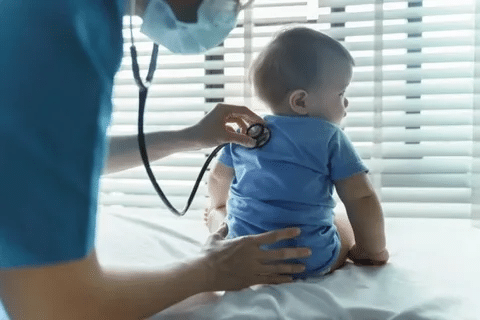
Did you know over 30% of parents hesitate to seek immediate medical care for their kids? This hesitation can sometimes lead to delayed treatment, potentially worsening the outcome. As a parent, deciding when to seek medical attention for your child can be challenging childrens hospital when.
We know how important it is to make informed decisions about your child’s health. This guide aims to provide you with the necessary information to determine when a visit to a pediatric care facility is necessary. We will cover various scenarios, from emergency situations to managing chronic conditions. We’ll also provide insights into the services offered by specialized care centers for kids.
Key Takeaways
Understand the signs that indicate the need for immediate pediatric hospital care.
Learn about the range of services provided by children’s hospital services.
Discover how to manage your child’s chronic conditions effectively.
Find out what to expect during a visit to a kids’ care facility.
Get insights into preparing your child for a hospital visit.
Understanding Children’s Hospitals and Their Services
Pediatric care is a complex and specialized field that addresses the unique healthcare needs of children. Children’s hospitals are ready to handle the special needs of young patients. These hospitals focus on medical care for infants, children, and teens.
What is a Children’s Hospital?
A children’s hospital is a place where kids get medical care from birth to being a teenager. The doctors and nurses there know how to take care of kids. They make sure young patients get the best treatment.
How Do Children’s Hospitals Differ from General Hospitals?
Children’s hospitals are different from general hospitals. They have special facilities and staff trained for kids. They have places that are fun for kids, special equipment, and staff who talk to kids and their families well.
Common Services Offered at childrens hospital when
Children’s hospitals offer many services. These include emergency care, surgery, and treatment for long-term illnesses. Here’s a table showing some common services:
Service
Description
Benefits
Emergency Care
Immediate medical attention for acute injuries or illnesses
Prompt treatment, reducing the risk of complications
Surgical Services
Surgical procedures tailored to the needs of children
Experienced surgeons and pediatric anesthesiologists ensure safe and effective procedures
Specialized Treatment for Chronic Conditions
Ongoing management and treatment of chronic conditions such as diabetes, asthma, and epilepsy
Multidisciplinary teams provide comprehensiv
Children’s hospitals are key in keeping kids healthy. They offer emergency care, surgery, and manage long-term illnesses. These hospitals are ready to meet the unique needs of their young patients.
Signs Your Child Needs Immediate Medical Attention
Knowing when your child needs to see a doctor right away is key. As parents, we want the best for our kids, even in emergencies.
Severe Symptoms to Look For
Look out for signs that mean your child needs to see a doctor fast. These include difficulty breathing, severe injuries, or severe dehydration. If your child shows any of these, act quickly.
Other serious signs are high fever that doesn’t go away, vomiting blood, or severe abdominal pain. Spotting these early can save lives. Quick action is key in emergency care for kids.
The Importance of Timely Intervention
Acting fast in emergencies can greatly help your child. Taking your child to a kids hospital emergency quickly means doctors can help right away. This can stop problems from getting worse.
Waiting too long can make things worse. It might even cause long-term health problems. So, knowing when to seek help is very important.
When to Call 911 for Your Child
Knowing when to call 911 is critical. If your child has unconsciousness, severe chest pain, or severe difficulty breathing, call 911 right away.
Stay calm when you call 911. Give clear details about your child’s situation. Having your child’s medical history ready is also a good idea. Quick action and pediatric emergency care are essential for your child’s health.
Situations Requiring a Visit to a Children’s Hospital
Children’s hospitals are essential for many medical needs. They help with emergencies and ongoing conditions. It can be hard for parents to know when to go to a children’s hospital. Here are the main times when a visit is needed.
Chronic Illness Management
Children’s hospitals help with chronic illnesses too. Conditions like diabetes, asthma, and epilepsy need ongoing care. Our teams work with families to create care plans that fit each child’s needs.
For example, kids with diabetes get help from a team of experts. They include doctors, dietitians, and educators. They teach families how to manage diabetes and support them emotionally.
In emergencies, quick action is vital. Severe injuries, acute illnesses, or sudden worsening of chronic conditions need immediate care. Our emergency departments have the latest technology and skilled pediatric specialists.
Severe injuries, such as fractures or head injuries
Acute illnesses, including severe infections or allergic reactions
Sudden worsening of chronic conditions, such as severe asthma attacks
Specialized Care for Developmental Disorders
Children’s hospitals also help with developmental disorders. This includes autism spectrum disorder (ASD), ADHD, and developmental delays. Our teams include doctors, psychologists, therapists, and educators. They work together to assess and treat each child.
Early treatment is important for developmental disorders. We offer speech, occupational, and behavioral therapy. These therapies support children’s development and help them reach their goals.
Evaluating Symptoms at Home Before Going
Checking your child’s health at home is a tough but key task. As a parent, you often spot when something’s wrong first. Your decision to visit a children’s hospital is very important.
How to Assess Your Child’s Condition
Start by watching your child’s symptoms closely. Look for signs like fever, vomiting, trouble breathing, or severe pain. It’s also key to see if these symptoms get better or worse over time.
Watch your child’s behavior and overall health closely. Changes can show how serious their illness is.
Ask yourself a few important questions when checking symptoms. Is your child getting better at home? Are their symptoms manageable, or are they getting worse? Are there specific symptoms that worry you, like a high fever or trouble breathing? Answering these can help you decide if you need to see a doctor.
When to Observe and Wait
In some cases, it’s okay to wait and watch before going to the doctor. For example, a mild cold or minor injury might not need immediate care. But, it’s important to know when waiting is not safe.
If you’re unsure, it’s better to be safe than sorry. Watching and waiting should come with a plan for when to get help. If your child’s symptoms get worse or new ones appear, like a rash or severe pain, it’s time to see a doctor.
When to Seek Professional Guidance
There are times when you need to get professional help right away. If your child has a high fever that won’t go away, a severe injury, or signs of dehydration, call for help fast. Also, if you’re not sure about your child’s health or if their symptoms don’t get better at home, talk to a doctor.
When you need advice, call your child’s pediatrician or a children’s hospital. Many places offer telehealth or hotlines for advice. Don’t be afraid to ask for help when you’re unsure.
The Role of Pediatricians in Decision-Making
Your child’s pediatrician is more than a doctor. They help you understand the healthcare system. They guide you on when to take your child to the hospital. Building a good relationship with your pediatrician helps you make smart health choices for your child.
When to Consult Your Child’s Physician
Knowing when to call your child’s pediatrician is key. If your child has symptoms like a cough or fever, but they’re not too bad, talk to your pediatrician. They can tell you if your child needs to see a doctor right away or if you can take care of them at home.
If you’re not sure about your child’s health or how to help them, your pediatrician can help. They can advise on home care or if a hospital visit is needed.
Pediatricians vs. Emergency Room Doctors
It’s important to know the difference between your child’s pediatrician and emergency room doctors. Pediatricians know your child’s health history and handle routine care. Emergency room doctors deal with urgent, serious cases.
Your pediatrician is usually the first person you call for non-emergency issues. They can give ongoing care and refer you to specialists when needed. Emergency room doctors handle emergencies that need quick attention.
Importance of Building a Relationship with Your Pediatrician
A strong relationship with your child’s pediatrician is very important. A pediatrician who knows your child’s history can give personalized advice. This can make healthcare visits less scary for everyone.
Good communication with your pediatrician ensures your child gets the best care. Regular visits and talks about your child’s health can catch problems early. This leads to better care and fewer worries.
Utilizing Urgent Care vs. Children’s Hospital
As a parent, it’s important to know when to go to urgent care or a children’s hospital. This choice can greatly affect your child’s health. It depends on how serious and what their condition is.
What is Urgent Care?
Urgent care centers offer quick help for not-so-serious problems. They can handle things like small injuries, fevers, and infections. It’s a good choice when your child’s doctor is not available but they’re not in a life-threatening situation.
When to Choose Urgent Care
Urgent care is best for your child if they have:
Mild to moderate injuries, such as sprains or minor fractures
Common colds or flu
Ear infections or sore throats
Mild allergic reactions
Urgent care centers are easier to get to and have shorter wait times. This makes them a good option for less urgent needs.
Advantages of Visiting a Children’s Hospital Over Urgent Care
For serious or complex conditions, a children’s hospital is better. They have specialized pediatric staff and facilities. This means they can offer more advanced care and treatments.
Key advantages of choosing a children’s hospital include:
Specialized pediatric care and expertise
Advanced medical equipment and technology
Comprehensive support services for families
Access to clinical trials and innovative treatments
In conclusion, knowing the difference between urgent care and a children’s hospital helps you make better choices for your child’s health. By picking the right place, you ensure they get the best care possible.
Preparing for a Visit to the Children’s Hospital
Going to a children’s hospital is more than just packing a bag. It’s about being emotionally ready too. Being prepared can really help the experience for your child and you.
What to Bring for Your Child’s Hospital Visit
Bringing the right things can make your child’s hospital visit more comfortable. Essentials to include are:
Comfort items from home, such as a favorite toy or blanket
Any necessary medications and their documentation
Entertainment such as books, games, or a tablet loaded with your child’s favorite shows
Snacks and drinks, unless hospital policy says not to
Comfortable clothing for your child
It’s also smart to have a list of emergency contact numbers and your child’s medical history ready.
Preparing Your Child Emotionally
Getting your child emotionally ready for a hospital visit is just as important as packing the right things. Honesty and reassurance are key. Explain the reason for the visit in a way your child can understand, and tell them they will be cared for. It’s helpful to:
Use simple and clear language to explain what will happen
Reassure your child that it’s okay to feel scared or worried
Encourage questions and provide honest answers
Role-playing a hospital visit at home can also help prepare your child.
Tips for Parents: Staying Calm and Collected
As a parent, staying calm is key for your child’s comfort and well-being during a hospital visit. Tips for managing your anxiety include:
Taking deep breaths and practicing relaxation techniques
Staying informed about your child’s condition and treatment plan
Seeking support from hospital staff, family, and friends
By being prepared and staying calm, you can help make your child’s hospital visit more positive.
Insurance and Payment Considerations
It’s key for families to know about insurance for kids’ hospital care. Figuring out insurance can be tough. But, it’s important to make sure your child gets the care they need without breaking the bank.
Understanding Insurance Coverage
Insurance for kids’ hospital visits can change a lot. It depends on the insurance company and your policy. You should check your policy to see what’s covered and what’s not.
Coverage for pediatric care: Make sure your policy covers all the care your child needs, like emergency visits and special treatments.
In-network facilities: Check if the hospital your child goes to is in your network. This can help you save money.
Deductibles and copays: Know how much you’ll have to pay out of pocket. This helps you plan your budget better.
Financial Aid and Support Services
Many kids’ hospitals have help for families with costs. They offer:
Service
Description
Benefit
Financial Counseling
Help with understanding insurance claims and hospital bills.
It makes managing costs easier by explaining what you owe and what help is available.
Assistance Programs
Help with costs not covered by insurance, like travel and staying overnight.
It helps with extra costs related to your child’s care.
Support Groups
Groups for emotional support and advice from others in similar situations.
They offer support and advice from people who understand what you’re going through.
The Importance of In-Network Facilities
Choosing a hospital in your network can save you money. It’s very important to check if the hospital and doctors are in your network. This can really help with your budget.
Knowing your insurance, looking for financial aid, and picking in-network facilities can help manage costs. We’re here to help you through this. We want to make sure your child gets the best care without financial stress.
Follow-Up Care After a Hospital Visit
The journey doesn’t end when your child leaves the hospital. In fact, proper follow-up care is key for their full recovery. After a hospital visit, several steps can be taken to ensure your child receives the necessary care for a smooth recovery.
Understanding Discharge Instructions
When your child is discharged, you’ll get a set of instructions. These outline their care plan. It’s vital to understand these instructions fully before leaving the hospital. Make sure to ask questions if you’re unsure about any part of the care plan, including medication, follow-up appointments, and signs of complications to watch for.
Discharge instructions typically cover:
Medication regimen and dosage instructions
Follow-up appointment schedules
Signs of complications or worsening condition
Wound care or other specific treatment instructions
Scheduling Follow-Up Appointments
Scheduling follow-up appointments is a critical step in your child’s recovery process. These appointments allow healthcare professionals to monitor your child’s progress, address any concerns, and adjust the treatment plan as necessary. It’s essential to keep these appointments to ensure your child is on the path to full recovery.
Type of Follow-Up
Purpose
Typical Timing
Post-Discharge Check-Up
Assess overall recovery, address concerns
Within 1-2 weeks after discharge
Specialist Follow-Up
Monitor specific conditions or treatments
Varies based on condition and treatment plan
Resources for Continuing Care at Home
Continuing care at home is vital for your child’s recovery. Resources such as home healthcare services, medical equipment suppliers, and support groups can provide valuable assistance. Identify the resources available in your area and understand how to access them.
Some resources to consider include:
Home healthcare services for nursing care and therapy
Medical equipment suppliers for necessary devices
Support groups for emotional support and guidance
By understanding discharge instructions, scheduling follow-up appointments, and accessing resources for continuing care at home, you can ensure your child receives the best follow-up care after a hospital visit.
Emotional Support and Resources for Families
When a child is in the hospital, it affects more than just the child. Parents and siblings also feel the emotional impact. It’s important to have emotional support and resources for the whole family.
Mental Health Resources for Parents and Siblings
Having a child in the hospital can be stressful for parents. They need mental health resources to cope with their feelings. Siblings also need support to understand and deal with their emotions.
Mental health support can include therapy, counseling, and online resources. Hospitals often provide or recommend these services. This ensures families get the help they need during tough times.
Support Groups and Community Resources
Support groups, both in hospitals and the community, are very important. They offer emotional support, advice, and a sense of community. This helps families feel less alone.
Hospital-based support groups meet regularly, providing a safe space for families to share their experiences.
Community resources, including online forums and local organizations, can offer additional support and guidance.
Navigating Your Child’s Hospital Experience
Understanding the hospital system can be hard, but there are resources to help. Families can get guidance from hospital social workers and patient advocates. They can help with everything from medical information to managing hospital visits.
Effective communication with healthcare providers is key. Families should ask questions, seek clarification, and express concerns. By being proactive, families can ensure their child gets the support and care they need.
Conclusion: Making Informed Decisions About Your Child’s Health
It’s very important to make smart choices about your child’s health. Knowing when to get pediatric hospital care can really help their health.
Key Considerations for Seeking Care
It’s key to know when your child needs urgent medical help. We’ve talked about when to call for emergency care, like severe symptoms or managing chronic illnesses. Children’s hospitals have the right care for all kinds of medical needs.
Effective Communication with Healthcare Providers
Talking openly with your child’s doctors is a must. Building a good relationship with your pediatrician helps your child get the best care. This means understanding what to do after they leave the hospital and making sure they see their doctor again.
Impact on Child Development
Getting the right care quickly can really help your child grow. Being informed and taking action helps your child stay healthy. Specialized care for kids is all about helping them grow strong and healthy.
FAQ
What is a children’s hospital, and how does it differ from a general hospital?
A children’s hospital focuses on the health of infants, kids, and teens. It’s different from a general hospital because it has special staff and tools for kids. This makes it better for treating kids’ complex health issues.
How do I know if my child’s condition requires a visit to a children’s hospital?
If your child has severe symptoms like trouble breathing or severe injury, go to a children’s hospital right away. For less serious issues, talk to your child’s doctor first.
What services are typically offered at a children’s hospital?
Children’s hospitals offer many services. These include emergency care, surgery, and treatment for long-term conditions like diabetes and autism.
Can I use an urgent care center instead of a children’s hospital for my child’s medical needs?
Urgent care centers are good for minor issues. But for serious or special care, a children’s hospital is better. They have the right staff and tools.
How can I prepare for a visit to a children’s hospital?
To prepare for a hospital visit, pack what you need and explain it to your child. Stay calm and know what to expect. Having important documents ready also helps.
What should I bring to the children’s hospital for my child’s visit?
Bring your child’s medical history, insurance info, and a list of medicines. Also, bring comfort items like a favorite toy or blanket.
How do I navigate insurance and payment for a children’s hospital visit?
Know your insurance, look for financial aid, and use in-network facilities. This can help with the costs of a hospital visit.
What kind of follow-up care is needed after a hospital visit?
After a hospital visit, follow the discharge instructions. Schedule follow-up appointments and use resources for care at home. This helps your child recover and manage ongoing conditions.
Are there resources available for emotional support during my child’s hospital stay?
Yes, children’s hospitals offer emotional support and mental health resources. They also have support groups for families during a hospital stay.
How can I build a relationship with my child’s pediatrician to make informed decisions about their health?
Regular check-ups and talking openly with your child’s pediatrician are key. They help you understand your child’s health needs and when to seek hospital care.
What is the importance of timely intervention in emergency situations for children?
Quick action in emergencies can greatly improve a child’s outcome. It’s important to recognize severe symptoms and get immediate medical help.
How do pediatricians differ from emergency room doctors?
Pediatricians provide ongoing care and advice on managing chronic conditions. They help decide when to seek hospital care. Emergency room doctors focus on immediate care for sudden conditions.