


Herniated discs occur when the disc cushioning the vertebrae in the spine becomes damaged, putting strain on nearby nerves and the spinal cord, and causing pain. This type of degenerative disc disease can significantly impact daily life. Considering a chiropractor for bulging disc relief? Learn about the vital risks and benefits before choosing this path for spine health.
A chiropractor can help alleviate pain caused by herniated discs through non-invasive methods. They offer a viable alternative to surgical interventions, focusing on treating the root cause of the pain rather than just the symptoms.
Understanding the role of a chiropractor in treating herniated discs is crucial for those seeking relief from disc-related pain. This guide will explore how chiropractors can help and the treatment options available.
Key Takeaways
- Chiropractors can provide non-invasive treatments for herniated discs.
- Treatment focuses on alleviating pain and addressing the root cause.
- Seeking professional help is crucial for effective pain management.
- Chiropractic care offers an alternative to surgical interventions.
- Understanding treatment options is key to making informed decisions.
Understanding Herniated Discs: Anatomy and Causes
To comprehend the causes of herniated discs, it’s essential to understand the structure and function of spinal discs. The spine is a complex structure made up of vertebrae, discs, and nerves. Between each of the vertebrae in your spine, you have a disc made of a soft, spongy material (the nucleus pulposus) inside a membrane (the annulus fibrosus).
Spinal Disc Structure and Function
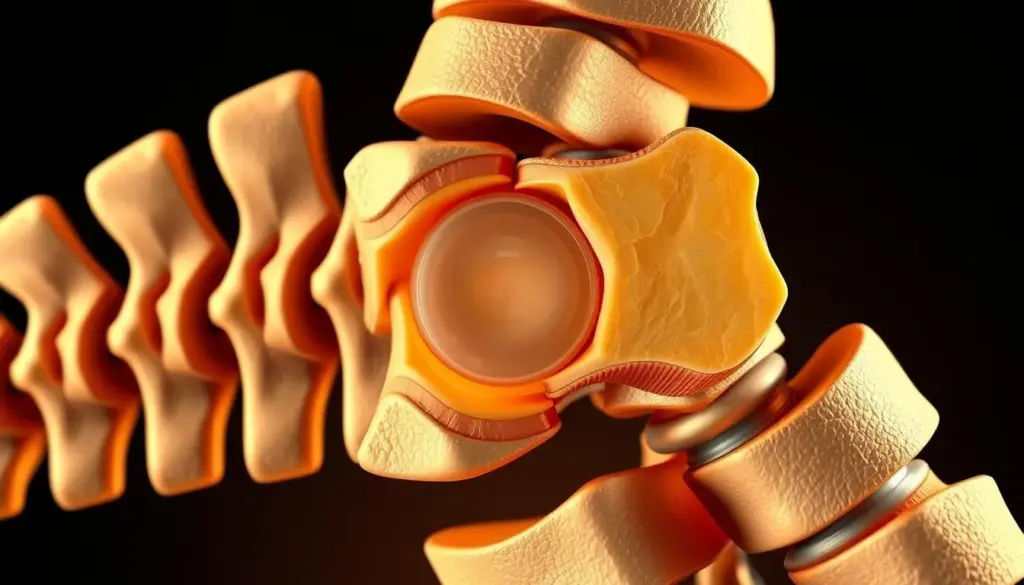
Spinal discs serve multiple purposes: they act as shock absorbers for the spine, facilitate flexibility, and help distribute mechanical forces during movement. The nucleus pulposus is gel-like, allowing it to compress and decompress, while the annulus fibrosus provides containment and structure. Together, they enable the spine to withstand various stresses.
How Discs Become Herniated or Bulging
A disc becomes herniated when the nucleus pulposus pushes through a tear or crack in the annulus fibrosus. This can happen due to aging, wear and tear, or injury, causing the disc to bulge or rupture. When this occurs, the disc material can press on nearby nerves, leading to pain, numbness, or weakness. Chiropractic care, including techniques like slip disc chiropractic and herniated disc chiropractic treatment techniques, can be beneficial in managing these conditions.
Understanding how discs become herniated or bulging is crucial for determining the best course of treatment. Factors such as lifestyle, genetics, and overall spinal health play significant roles in disc health. By addressing these factors and utilizing appropriate treatments, individuals can find relief from the symptoms associated with herniated discs.
Different Types of Disc Problems Explained
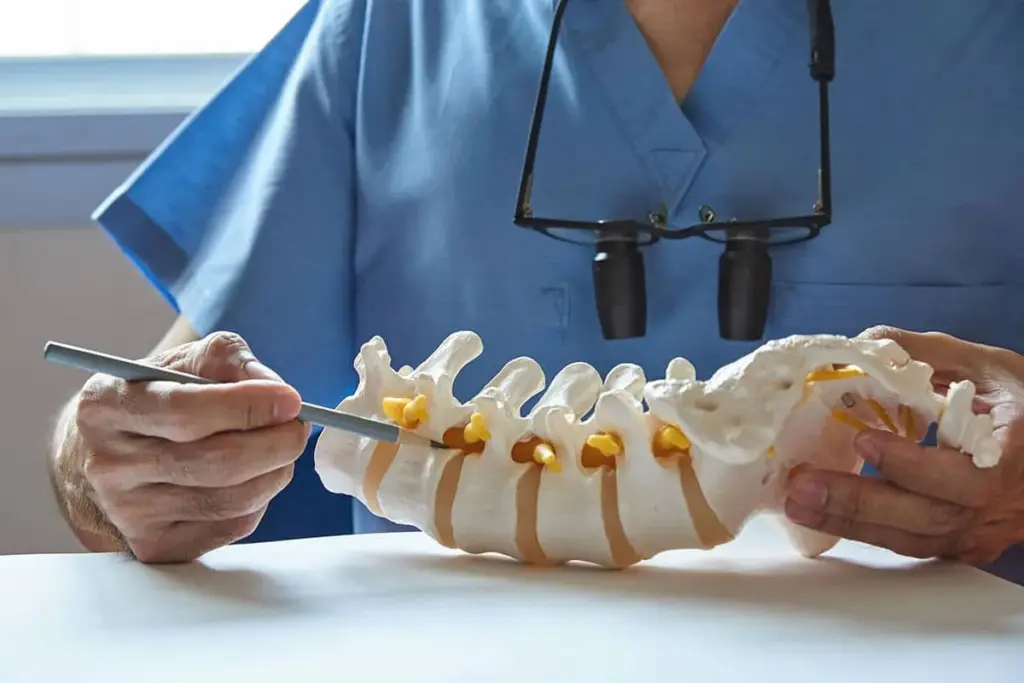
Understanding the nuances of spinal disc problems is crucial for effective treatment. Spinal discs are complex structures that can be affected by various issues, leading to discomfort and pain.
Disc problems can manifest in different forms, including bulging and herniated discs. While these terms are often used interchangeably, they describe distinct conditions.
Bulging Disc vs. Herniated Disc
A bulging disc occurs when the disc bulges out from its normal position, potentially compressing nearby nerves. This condition can result from wear and tear or injury.
In contrast, a herniated disc involves the rupture of the disc’s outer layer, allowing the gel-like center to leak out. This can cause significant pain and neurological symptoms if the leaked material compresses or irritates nearby nerves.
Slip Disc Chiropractic: Understanding Terminology
The term “slipped disc” is often used to describe both bulging and herniated discs. However, this term is somewhat misleading, as the disc doesn’t actually “slip.” Instead, it either bulges or herniates.
Chiropractors specializing in herniated disc treatment understand the importance of accurate diagnosis and terminology. By using precise language, chiropractors can develop targeted treatment plans, such as spinal manipulation and flexion-distraction techniques, to address specific disc problems.
Understanding the differences between these conditions is essential for determining the best course of treatment. A chiropractor can help diagnose and treat disc problems, potentially alleviating symptoms and improving quality of life.
Common Symptoms of Herniated Discs
When a disc herniates, it can lead to a range of symptoms due to the pressure it puts on spinal nerves. The symptoms can vary significantly from one person to another, depending on the location and severity of the herniation.
Pain Patterns and Neurological Symptoms
The pressure on spinal nerves due to a herniated disc can cause pain, numbness, tingling, and weakness in the areas served by those nerves. For instance, a herniated disc in the lumbar region can cause sciatica, a sharp pain that radiates from the lower back down to the legs.
Neurological symptoms occur because the herniated disc compresses or irritates the nerves. These symptoms can include:
- Numbness or tingling sensations in the extremities
- Muscle weakness, affecting the ability to perform certain tasks
- Loss of reflexes
As noted by a spine specialist, “The symptoms of a herniated disc can be quite debilitating, affecting not just the back but also other parts of the body, depending on the nerves affected.”
“The key to managing herniated disc symptoms is understanding their cause and seeking appropriate treatment.”
Spine Specialist
How Symptoms Differ by Location
The location of the herniated disc plays a crucial role in determining the symptoms. For example:
|
Location |
Common Symptoms |
|---|---|
|
Cervical (Neck Region) |
Pain or numbness in the neck, shoulders, or arms |
|
Lumbar (Lower Back Region) |
Sciatica, pain or numbness in the lower back, legs, or feet |
|
Thoracic (Mid-Back Region) |
Pain or numbness around the rib cage or abdomen |
Understanding these symptoms is crucial for determining the best course of treatment. Chiropractic care is often considered for managing the symptoms of herniated discs, as it can help alleviate pain and improve mobility.
Can a chiropractor help with a herniated disc? The answer lies in understanding the symptoms and how chiropractic care can address them. By relieving pressure on the nerves and improving spinal alignment, chiropractors can help manage the pain and discomfort associated with herniated discs.
Traditional Medical Approaches to Herniated Discs
Traditional medical approaches to herniated discs typically start with conservative treatments, reserving surgery for more severe or persistent cases. The initial approach often involves a combination of rest, physical therapy, and medication to manage pain and inflammation.
Conservative Medical Treatments
Conservative treatments are usually the first line of defense against herniated discs. These may include:
- Bed rest or modified activity to avoid exacerbating the condition
- Over-the-counter pain relievers, such as NSAIDs, to manage pain and inflammation
- Physical therapy to improve mobility and strengthen the muscles around the spine
- Epidural steroid injections to reduce inflammation and relieve pain
According to a study published in the Journal of Orthopaedic & Sports Physical Therapy, conservative management, including physical therapy and education, can significantly improve outcomes for patients with herniated discs.
“Conservative management, focusing on patient education and supervised exercise, is a critical component of treating lumbar disc herniation.”
Journal of Orthopaedic & Sports Physical Therapy
Surgical Options and Their Risks
When conservative treatments fail to provide relief, surgical options may be considered. Surgical procedures for herniated discs include:
|
Surgical Procedure |
Description |
Potential Risks |
|---|---|---|
|
Discectomy |
Removal of the herniated disc material |
Nerve damage, infection, instability |
|
Microdiscectomy |
A minimally invasive version of discectomy |
Nerve damage, infection, recurrence |
|
Spinal Fusion |
Fusing the vertebrae to stabilize the spine |
Infection, nerve damage, hardware failure |
It’s essential to discuss the potential benefits and risks of surgery with a healthcare provider to determine the best course of treatment. As noted by the North American Spine Society, “Surgery is typically reserved for patients with significant neurological deficits or severe pain that has not responded to conservative care.”
Understanding the available treatment options for herniated discs is crucial for making informed decisions about care. While traditional medical approaches offer various conservative and surgical treatments, it’s also important to consider alternative therapies, such as chiropractic care, which may provide additional relief or complement traditional treatments.
How Chiropractors Diagnose Herniated Discs
Accurate diagnosis is crucial, and chiropractors achieve this through a combination of physical examinations and advanced diagnostic tools. When you visit a chiropractor for a suspected herniated disc, the first step involves a thorough assessment of your overall spinal health and a detailed medical history.
Physical Examination Techniques
A chiropractor’s physical examination for a herniated disc typically includes a series of tests and assessments to evaluate spinal mobility, pain levels, and neurological function. Some common techniques used during the examination include:
- Range of motion tests to assess flexibility and pain levels
- Orthopedic tests to identify specific areas of spinal dysfunction
- Neurological examinations to check for nerve damage or compression
- Palpation to identify areas of tenderness or misalignment
These physical examination techniques help chiropractors to understand the extent of the disc herniation and its impact on the surrounding spinal structures and nerves.
Imaging and Other Diagnostic Tools
While physical examinations provide valuable insights, imaging and other diagnostic tools are often necessary to confirm the diagnosis and assess the severity of the herniation. Common diagnostic tools used by chiropractors include:
- X-rays: To evaluate the alignment of the spine and detect any degenerative changes
- MRI (Magnetic Resonance Imaging): To visualize the soft tissues, including discs, nerves, and spinal cord
- CT (Computed Tomography) scans: To provide detailed images of the spinal structures
These diagnostic tools enable chiropractors to develop a comprehensive treatment plan tailored to the patient’s specific condition, whether it’s a herniated disc or another spinal issue. By combining the results of physical examinations and diagnostic imaging, chiropractors can offer effective care for patients with herniated discs.
Chiropractor for Bulging Disc: Treatment Approaches
For individuals dealing with bulging discs, chiropractic care provides a non-invasive and holistic treatment pathway. Chiropractors use various techniques to address bulging discs, aiming to alleviate pain and promote healing.
Spinal Manipulation Techniques
Spinal manipulation is a cornerstone of chiropractic care for bulging discs. This technique involves the application of controlled force into joints of the spine to restore proper alignment and mobility. Research has shown that spinal manipulation can significantly reduce pain and improve function in patients with bulging discs.
- Relieves pressure on the affected disc
- Improves spinal flexibility and range of motion
- Enhances overall spinal health
Chiropractors may use various spinal manipulation techniques, including diversified technique and activator methods, tailored to the patient’s specific needs.
Non-Force and Flexion-Distraction Methods
In addition to spinal manipulation, chiropractors may employ non-force techniques and flexion-distraction methods to treat bulging discs. These approaches are particularly useful for patients who require a more gentle form of care.
Flexion-distraction is a non-surgical, non-force technique that involves the use of a specialized table to stretch and distract the spine. This method can help:
- Reduce bulging disc symptoms
- Improve spinal flexibility
- Promote healing of the affected disc
Clinical evidence supports the effectiveness of flexion-distraction in managing bulging disc conditions.
Chiropractors may also use other non-force techniques, such as pelvic blocking, to help realign the spine and alleviate pressure on the bulging disc.
By combining these treatment approaches, chiropractors can provide comprehensive care for patients with bulging discs, helping them achieve optimal spinal health and overall well-being.
Can a Chiropractor Help a Herniated Disc? The Evidence
Numerous clinical studies have investigated the efficacy of chiropractic care in managing herniated disc symptoms. The evidence supporting the use of chiropractic treatment for herniated discs is substantial and continues to grow.
Clinical Studies on Effectiveness
Several studies have demonstrated the effectiveness of chiropractic care in treating herniated discs. For instance, a study published in the Journal of Manipulative and Physiological Therapeutics found that chiropractic manipulation resulted in significant improvements in pain and function for patients with herniated discs.
Another study highlighted in the Spine Journal showed that chiropractic care, including spinal manipulation and mobilization, provided relief for patients with lumbar disc herniation. These studies underscore the potential benefits of chiropractic treatment for individuals suffering from herniated discs.
Success Rates and Limitations
While the success rates of chiropractic care for herniated discs are promising, it’s essential to understand that results can vary. Factors influencing success include the severity of the herniation, the patient’s overall health, and the specific chiropractic techniques used.
A systematic review of chiropractic care for lumbar disc herniation noted that while many patients experience significant relief, some may not respond as favorably. This variability highlights the importance of a personalized treatment approach.
In conclusion, the evidence supports the use of chiropractic care as a viable treatment option for herniated discs. However, individual results can vary, and a comprehensive treatment plan should be tailored to each patient’s unique needs.
Potential Risks: Can a Chiropractor Make a Herniated Disc Worse?
As with any medical treatment, chiropractic care for herniated discs carries certain risks that patients should be aware of. While chiropractic treatment is generally considered safe, there are specific situations where it might not be appropriate or could potentially worsen the condition.
Contraindications for Chiropractic Care
Certain health conditions or situations may contraindicate chiropractic care for herniated discs. These include:
- Severe neurological deficits
- Osteoporosis or other conditions that weaken bones
- Cancer or other diseases affecting the spine
- Recent spinal fractures or surgery
- Certain cardiovascular conditions
It’s crucial for patients to disclose their full medical history to their chiropractor to ensure safe treatment.
Safety Considerations and Precautions
To minimize risks, chiropractors take various precautions. These include:
- Conducting thorough examinations and taking detailed medical histories
- Using gentle and modified techniques when necessary
- Monitoring patient responses during treatment
- Educating patients on proper posture, exercise, and lifestyle modifications
It’s also important for patients to be aware of the signs of potential complications, such as increased pain, numbness, or weakness, and to report these to their chiropractor immediately.
According to a study published in the Journal of Manipulative and Physiological Therapeutics, “the risk of serious complications from chiropractic spinal manipulation is very low.” However, being informed about potential risks allows patients to make educated decisions about their care.
“The chiropractor’s role is not just to treat the symptoms but to educate the patient on how to maintain spinal health and prevent future problems.”
- A Chiropractic Association
In conclusion, while there are potential risks associated with chiropractic care for herniated discs, these can be minimized by proper patient selection, careful technique, and patient education. Patients should discuss their individual risks and benefits with their chiropractor to make an informed decision about their treatment.
Herniated Disc Chiropractic Treatment Techniques in Detail
Chiropractic care for herniated discs encompasses a variety of methods, each tailored to address the specific needs of the patient. Chiropractors use these techniques to treat herniated discs, offering a non-invasive alternative to traditional medical approaches.
Cox Technique and Flexion-Distraction
The Cox technique and flexion-distraction are two of the most commonly used chiropractic methods for treating herniated discs. The Cox technique is a specialized form of spinal manipulation that involves the use of a gentle, non-force thrust to adjust the spine. This technique is particularly effective for patients with herniated discs, as it helps to:
- Reduce pressure on the affected disc
- Improve spinal mobility
- Alleviate pain and discomfort
Flexion-distraction is another technique used to treat herniated discs. It involves the use of a gentle, rhythmic motion to stretch and mobilize the spine. This technique can help to:
- Relax the muscles surrounding the spine
- Improve circulation and reduce inflammation
- Promote healing of the affected disc
Specialized Approaches for Different Disc Problems
Chiropractors also employ other specialized techniques to address different types of disc problems, including bulging and slipped discs. For instance, slip disc chiropractic care may involve the use of specific adjustments and manipulations to realign the spine and relieve pressure on the affected disc.
Some of the key benefits of chiropractic care for herniated and bulging discs include:
- Non-invasive treatment options
- Personalized care tailored to the patient’s specific needs
- Effective pain relief and improved spinal function
By utilizing these techniques, chiropractors can help patients achieve optimal spinal health and alleviate the symptoms associated with herniated discs.
Patient Experiences: Can Chiropractic Help with a Slipped Disc?
The effectiveness of chiropractic care for slipped discs is evident in numerous patient success stories. Many individuals have reported significant relief from pain and improvement in their condition after receiving chiropractic treatment.
Case Studies and Success Stories
Chiropractic care has been shown to be effective in treating herniated discs through various case studies. For instance, a patient suffering from severe lower back pain due to a herniated disc experienced complete relief after a series of chiropractic adjustments.
“I was skeptical at first, but after my first chiropractic session, I felt a significant reduction in pain. It was a game-changer for me.” –
John Doe, Patient
Such success stories are not isolated incidents. Many patients have benefited from chiropractic care, experiencing not only pain relief but also improved mobility and quality of life.
|
Treatment Aspect |
Chiropractic Care |
Traditional Medical Approaches |
|---|---|---|
|
Treatment Focus |
Spinal manipulation and adjustment |
Medication and surgery |
|
Recovery Time |
Varies, often several sessions |
Can be lengthy, especially with surgery |
|
Side Effects |
Minimal, temporary soreness |
Potential for significant side effects, especially with surgery |
What to Expect During Treatment
When you visit a chiropractor for a herniated disc, you can expect a thorough examination to determine the best course of treatment. This may include spinal manipulation, physical therapy, and lifestyle advice.
Chiropractors use various techniques, including the Cox Technique and flexion-distraction, to treat herniated discs. These methods are designed to relieve pressure on the disc and promote healing.
It’s essential to follow the chiropractor’s recommendations for post-treatment care, including exercises and stretches, to maintain the benefits of treatment.
Home Care Recommendations from Chiropractors
To complement chiropractic care, patients can adopt several home care strategies to alleviate herniated disc symptoms. Chiropractors often recommend a combination of exercises, stretches, and lifestyle changes to help manage disc-related pain at home.
Exercise and Stretching Protocols
Chiropractors typically advise patients on exercises that strengthen the back muscles and improve flexibility. Some recommended exercises include:
- Pelvic tilts: Helps to relax the lower back.
- Knee to chest stretches: Stretches the lower back and gluteal muscles.
- Cat-cow stretches: Helps to flex and extend the spine, promoting flexibility.
It’s essential to start these exercises slowly and gently, gradually increasing the intensity and duration as the back heals.
Lifestyle Modifications and Ergonomics
In addition to exercises, chiropractors recommend several lifestyle modifications to support recovery and prevent future episodes of disc-related pain. These include:
- Improving posture: Maintaining good posture reduces strain on the spine.
- Ergonomic adjustments: Ensuring workspaces are ergonomically designed to minimize strain on the back.
- Lifting correctly: Bending at the knees and keeping the back straight when lifting heavy objects.
By incorporating these home care strategies, individuals with herniated or bulging discs can enhance their recovery and reduce the risk of future problems.
When to Choose a Chiropractor vs. Medical Doctor for Disc Issues
The choice between chiropractic care and medical treatment for disc issues depends on several factors, including the severity of symptoms. While both chiropractors and medical doctors can provide effective treatment, understanding when to choose each is crucial for optimal care.
Red Flags That Require Immediate Medical Attention
Certain symptoms indicate the need for immediate medical attention. These red flags include:
- Severe pain that doesn’t improve with rest
- Loss of bladder or bowel control
- Numbness or weakness in the legs that worsens over time
- Difficulty walking or standing
- Recent trauma or injury to the spine
If you’re experiencing any of these symptoms, it’s essential to seek medical attention promptly. A medical doctor can diagnose the underlying cause and provide appropriate treatment.
|
Symptom |
Chiropractic Care |
Medical Attention |
|---|---|---|
|
Mild to Moderate Pain |
Effective for relief and management |
May be recommended for persistent cases |
|
Severe Pain or Red Flags |
Not recommended as primary treatment |
Immediate attention required |
|
Loss of Bladder/Bowel Control |
Not applicable |
Emergency medical care needed |
Collaborative Care Approaches
In many cases, a collaborative approach between chiropractors and medical doctors can provide the best outcomes for patients with disc issues. This integrated care model allows for a more comprehensive treatment plan, combining the strengths of both chiropractic and medical treatments.
Benefits of Collaborative Care:
- More comprehensive diagnosis and treatment planning
- Combination of manual therapies and medical interventions
- Improved patient outcomes through coordinated care
By understanding when to choose between chiropractic care and medical attention, patients can make informed decisions about their treatment. In some cases, a combination of both may be the most effective approach.
Ultimately, the decision to consult a chiropractor or a medical doctor should be based on the specific nature of your disc issues and the severity of your symptoms. By working together, healthcare professionals can provide a more effective treatment plan tailored to the individual needs of the patient.
Conclusion: Making an Informed Decision About Chiropractic Care for Herniated Discs
Chiropractic care can be a valuable treatment option for individuals suffering from herniated discs. By understanding the benefits and risks associated with chiropractic care, patients can make informed decisions about their treatment.
A herniated disc chiropractor can provide various treatment approaches, including spinal manipulation techniques and non-force methods, to help alleviate symptoms and promote healing. When considering chiropractic care for a bulging or herniated disc, it’s essential to consult with a qualified chiropractor to determine the best course of treatment.
Ultimately, the decision to seek chiropractic care for a herniated disc should be based on a thorough understanding of the condition and the available treatment options. By working with a qualified herniated disc chiropractor, individuals can develop a personalized treatment plan that addresses their specific needs and promotes optimal spinal health.
Can a chiropractor fix a herniated disc? While chiropractic care is not a cure-all, it can be a highly effective treatment option for many individuals. By making an informed decision about chiropractic care, patients can take the first step towards achieving relief from herniated disc symptoms and improving their overall quality of life.
FAQ
Can a chiropractor fix a herniated disc?
Chiropractors can help alleviate pain caused by herniated discs through non-invasive methods, but the effectiveness of treatment varies depending on the individual case and the severity of the condition.
Can chiropractic care make a herniated disc worse?
While chiropractic care is generally safe, there are potential risks associated with treatment, including contraindications and safety considerations that need to be taken into account to avoid exacerbating the condition.
What is the difference between a bulging disc and a herniated disc?
A bulging disc occurs when the disc bulges outward, while a herniated disc occurs when the disc ruptures, causing the gel-like center to leak out; understanding the differences between these conditions is essential in determining the best course of treatment.
Can chiropractors diagnose herniated discs?
Chiropractors use a combination of physical examination techniques and imaging and other diagnostic tools to diagnose herniated discs and determine the best course of treatment.
What are the symptoms of a herniated disc?
The symptoms of a herniated disc can include pain patterns and neurological symptoms, which can vary depending on the location of the herniated disc and can be debilitating, affecting daily life.
Can chiropractic care help with a slipped disc?
Chiropractic care can be a valuable treatment option for those suffering from disc-related pain, including slipped discs, and can help alleviate pain and promote healing.
What is the Cox technique, and how is it used to treat herniated discs?
The Cox technique is a specialized chiropractic treatment technique used to treat herniated discs, involving gentle, non-invasive manipulation to help alleviate pain and promote healing.
Are there any exercises or stretches that can help alleviate herniated disc symptoms?
Chiropractors often recommend exercise and stretching protocols, as well as lifestyle modifications and ergonomics, to help promote healing and prevent future episodes of pain.
When should I choose a chiropractor versus a medical doctor for disc issues?
The choice between a chiropractor and a medical doctor depends on the severity of the condition and the presence of red flags that require immediate medical attention; a comprehensive treatment plan may involve both chiropractic and medical care.
Can chiropractors help with bulging discs?
Yes, chiropractors can help alleviate pain caused by bulging discs using spinal manipulation techniques and non-force and flexion-distraction methods.
References
National Center for Biotechnology Information. Evidence-Based Medical Insight. Retrieved from https://pubmed.ncbi.nlm.nih.gov/22483691/

























