When Should My Child See an Orthopedist? CHOA Orthopedics Guide
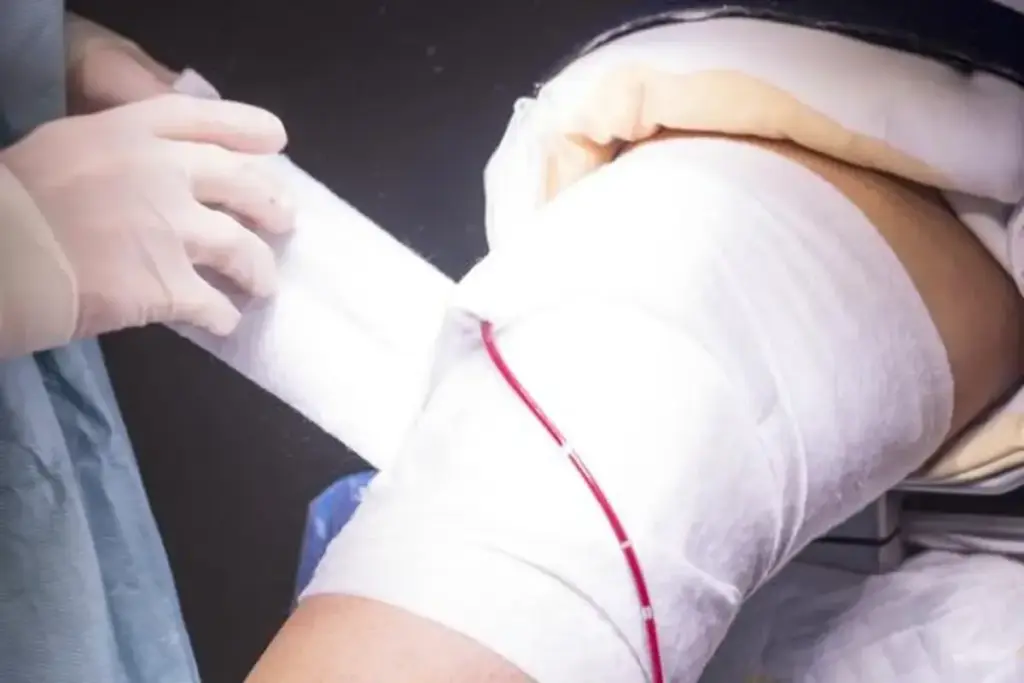
Musculoskeletal issues are common in kids, affecting their movement and happiness. As a parent, you want the best for your child. At CHOA Orthopedics, we offer pediatric orthopedic care tailored for kids.
Our team helps kids with orthopedic problems, like fractures and sports injuries. We also treat complex conditions that need special care. This guide will show you when your child might need an orthopedist and what to expect from orthopedic care for children.
Key Takeaways
- Understanding the importance of pediatric orthopedic care
- Recognizing the signs that your child needs orthopedic care
- Learning what to expect from a visit to an orthopedist
- Discovering the benefits of specialized orthopedic care for children
- Finding the right orthopedic care for your child’s needs
Understanding Pediatric Orthopedics
Children are not just small adults. Their growing bodies need special orthopedic care. This care is tailored to their unique needs.
As kids grow, their bones, joints, and muscles change a lot. These changes can affect their musculoskeletal health.
What Is a Pediatric Orthopedist?
A pediatric orthopedist is a medical expert. They are trained to diagnose and treat musculoskeletal disorders in children. They understand the challenges of children’s growing bodies.
Key areas of focus for pediatric orthopedists include:
- Diagnosing and treating congenital conditions
- Managing developmental orthopedic issues
- Treating sports-related injuries
- Correcting deformities and abnormalities
How Children’s Bones Differ from Adults
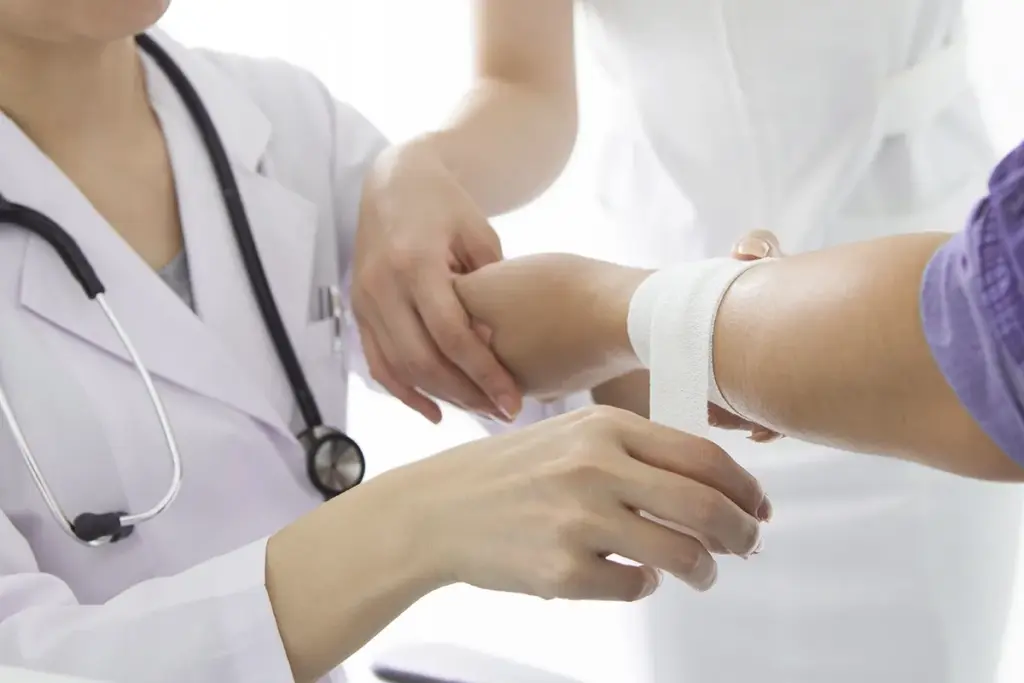
Children’s bones are different from adult bones in many ways. One key difference is that children’s bones are growing. They have growth plates at the ends of their long bones.
These growth plates are areas of cartilage. They gradually turn into bone as the child grows.
|
Characteristics |
Children’s Bones |
Adult Bones |
|---|---|---|
|
Growth Plates |
Present, allowing for growth |
Absent, as growth is complete |
|
Bone Density |
Generally less dense |
More dense, fully developed |
|
Healing Ability |
Often heal more quickly |
Healing can be slower |
A leading orthopedic specialist notes, “Children’s bones have growth plates. Injuries or conditions in these areas need special care to ensure proper growth and development.”
“The presence of growth plates in children’s bones means that injuries or conditions affecting these areas require specialized care to ensure proper growth and development.”
A Pediatric Orthopedic Surgeon
The Importance of Specialized Care for Growing Bodies
Specialized orthopedic care is vital for children. Their growing bodies face unique challenges. Conditions that might be minor in adults can have big implications for children if not treated right.
For example, scoliosis can be managed early to prevent severe spinal curvature. Early treatment can greatly improve the life of children with musculoskeletal disorders.
Understanding pediatric orthopedics helps parents get the best care for their children’s musculoskeletal health. At CHOA Orthopedics, we are dedicated to providing top-notch care for growing bodies.
Common Signs Your Child Needs Orthopedic Care
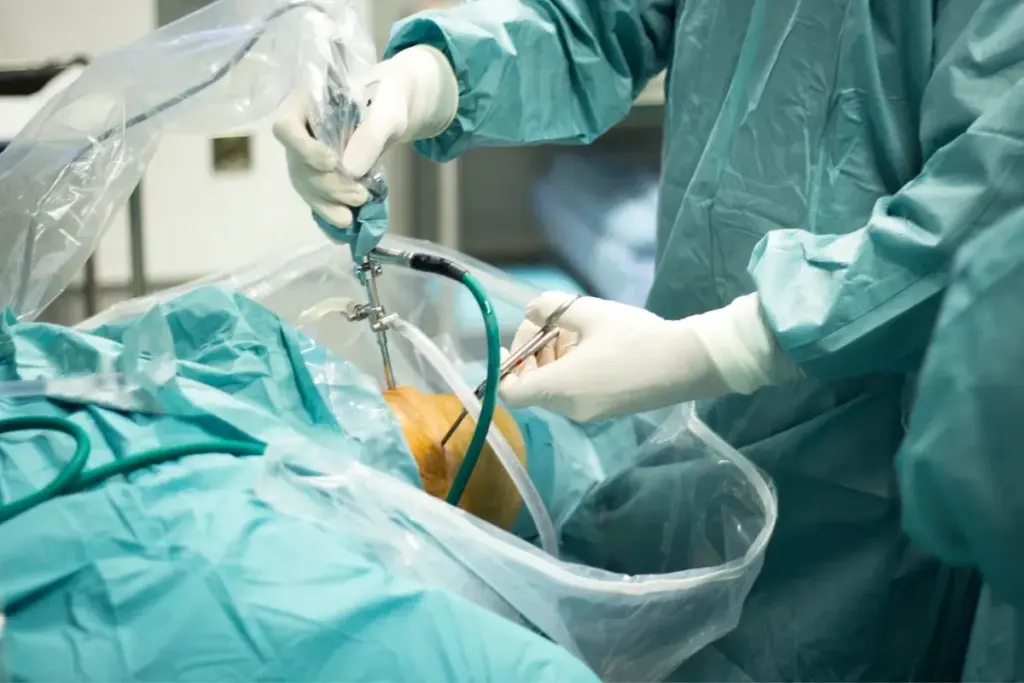
Orthopedic issues in kids can show up in many ways. Knowing the common signs is key for quick action. As a parent, spotting these signs can help your child get the care they need for strong bones and growth.
Persistent Pain in Bones, Joints, or Muscles
Persistent pain in bones, joints, or muscles is a big sign your child might need orthopedic care. This pain can come from injuries, too much use, or other health issues. If your child’s pain doesn’t go away with rest or is with swelling or redness, see an orthopedic specialist.
Kids in sports might feel pain from too much use or injuries. Sometimes, pain can mean serious problems like fractures or infections. An orthopedic specialist can figure out the cause and what to do next.
Difficulty Walking or Limited Mobility
When kids have trouble walking or moving, it’s a big worry. It could be from injuries, like accidents, or health issues with bones or joints. If your child is having trouble walking, limping, or won’t move a limb, they need to see an orthopedic doctor.
An orthopedic specialist will check your child out. They might use X-rays or an MRI to find out why they’re having trouble moving. Getting help early can stop things from getting worse and help them get better faster.
Visible Deformities or Abnormalities
Visible deformities or odd shapes in bones or joints mean your child might need orthopedic care. This includes things like clubfoot, bowlegs, or scoliosis. Catching these early and treating them can make a big difference in how well your child does.
An orthopedic specialist can look at the deformity and suggest the best treatment. Keeping up with regular check-ups and care is important to manage the condition well.
Age-Specific Orthopedic Concerns
It’s important to know the unique orthopedic challenges kids face at different ages. As they grow, their bones, joints, and muscles change a lot. This makes some orthopedic issues more common at certain times.
Infants and Toddlers (0-3 years)
In infancy and toddlerhood, some orthopedic conditions are more common. These include:
- Developmental dysplasia of the hip, where the hip joint doesn’t form right
- Clubfoot, a foot deformity that needs early treatment
- Torticollis, a neck muscle issue that makes the head tilt
It’s key to catch and treat these conditions early to avoid long-term mobility problems.
Young Children (4-8 years)
When kids start walking and running, new orthopedic issues can pop up. Common ones include:
- Bowlegs and knock knees, which might need watching or orthotics
- Intoeing or out-toeing, abnormal walking patterns
- Flat feet or other foot deformities
We check these to see if they’re normal or if they need treatment.
Preteens and Teenagers (9-18 years)
Preteens and teenagers deal with unique orthopedic issues. These are often linked to growth spurts and more physical activity. Some issues are:
- Scoliosis, a spine curvature that might need monitoring or bracing
- Osgood-Schlatter disease, causing knee pain from overuse
- Sever’s disease, affecting the heel bone
Sports-Related Injuries Requiring Orthopedic Attention
Sports injuries are a big worry for young athletes. Knowing when to see an orthopedic doctor is key to their recovery. At CHOA Orthopedics, we focus on treating sports injuries in kids. We aim to get them back to their sports safely.
Acute Injuries
Acute injuries like fractures, sprains, and dislocations are common in sports. They need quick care to avoid more harm and help healing. Our orthopedic team is skilled in diagnosing and treating these injuries. We use the latest methods and tools.
- Fractures: Broken bones that need to be immobilized and sometimes need surgery.
- Sprains: Ligament injuries that can be mild or severe.
- Dislocations: Joint injuries where the bone is out of place, needing careful realignment.
Overuse Injuries
Overuse injuries happen when a part of the body is stressed too much. This can lead to tendonitis or stress fractures. Young athletes, who focus on one sport, are at risk, mainly those doing repetitive actions like running or throwing.
Some common overuse injuries include:
- Tendonitis: Inflammation of the tendons, often in the knees, elbows, or shoulders.
- Stress fractures: Small cracks in the bone, usually in the lower legs or feet.
- Osgood-Schlatter disease: A condition causing knee pain in adolescents, often related to sports involving running or jumping.
CHOA Sports Medicine Approach
At CHOA, our sports medicine program offers full care for young athletes. We use a team approach, including orthopedic surgeons, sports medicine doctors, physical therapists, and athletic trainers. This ensures our patients get the best care.
Our approach includes:
- Personalized treatment plans: Made to fit each patient’s needs.
- State-of-the-art facilities: With the latest tech for diagnosis and treatment.
- Rehabilitation programs: Created to help young athletes recover and safely return to their sports.
Congenital Orthopedic Conditions
Congenital orthopedic conditions affect many children worldwide. It’s important for parents to know the signs and treatment options. These conditions are present at birth and can greatly impact a child’s life if not treated.
Clubfoot and Other Foot Deformities
Clubfoot, also known as talipes equinovarus, is a congenital deformity of the foot. It makes the foot twisted and hard to correct. Early treatment is key, and we often use the Ponseti technique first. Sometimes, surgery is needed for full correction.
Other foot deformities, like congenital vertical talus or metatarsus adductus, also exist. Each one needs a specific treatment plan. This can include casting, bracing, or surgery.
Hip Dysplasia
Hip dysplasia is when the hip joint doesn’t form right. This can cause arthritis and mobility problems later. Early diagnosis is critical, often using ultrasound on infants.
Treatment varies based on the child’s age and the condition’s severity. Infants might wear a Pavlik harness. Older children or those with severe cases might need surgery to fix the dysplasia.
Limb Length Discrepancies
Limb length discrepancies happen when one limb is shorter than the other. This can cause walking and posture issues, leading to back pain.
Treatment depends on how big the difference is and the child’s health. Options include shoe lifts for small differences or surgery for bigger ones. We help families choose the best treatment for their child.
Developmental Orthopedic Issues
Children often face developmental orthopedic issues as they grow. These problems can affect their bones, joints, and muscles. At Children’s Healthcare of Atlanta (CHOA) Orthopedics, we focus on diagnosing and treating these issues. This ensures kids grow normally and stay healthy.
Scoliosis and Spinal Curvatures
Scoliosis is a common issue where the spine curves abnormally. It’s important to catch it early to avoid serious problems. We use advanced imaging to find scoliosis and create treatment plans. These plans might include bracing, physical therapy, or surgery.
Bowlegs and Knock Knees
Bowlegs and knock knees affect how the legs line up. Bowlegs make the legs bow, while knock knees cause the knees to collapse. We watch these conditions closely and treat them if needed. This helps prevent problems with moving and joint health.
|
Condition |
Description |
Typical Treatment |
|---|---|---|
|
Scoliosis |
Abnormal lateral curvature of the spine |
Bracing, Physical Therapy, Surgery |
|
Bowlegs (Genu Varum) |
Bowing of the legs |
Monitoring, Bracing, Surgery (in severe cases) |
|
Knock Knees (Genu Valgum) |
Collapsing in of the knees |
Monitoring, Physical Therapy, Bracing |
Growth Plate Injuries and Concerns
Growth plates are cartilage at the ends of bones that help them grow. Injuries here are serious in kids because they can affect bone growth. We use advanced imaging to find these injuries and create treatment plans. This helps bones heal right and prevents future growth problems.
At CHOA Orthopedics, our team is committed to caring for kids with orthopedic issues. We use the latest technology to diagnose and treat these problems. This ensures kids get the best care possible.
Neurological Conditions Requiring Orthopedic Care
Some neurological conditions in children need a team effort, including orthopedic care. This is to tackle musculoskeletal issues. These issues can really affect a child’s life, impacting their ability to move, feel comfortable, and overall well-being.
Cerebral Palsy
Cerebral palsy affects movement, muscle tone, and coordination in children. Kids with cerebral palsy often need orthopedic care for issues like spasticity, contractures, and deformities. This care can include surgery, bracing, and physical therapy to help them move better and feel less pain.
The Centers for Disease Control and Prevention (CDC) says cerebral palsy is the most common motor disability in kids. It affects about 1 in 345 children in the U.S. Getting a diagnosis early and starting treatment quickly is key to managing it well.
“Early orthopedic intervention can significantly improve the quality of life for children with cerebral palsy by reducing the severity of musculoskeletal deformities and enhances their mobility.”
Spina Bifida
Spina bifida is a birth defect where the spine and spinal cord don’t form right. It can cause problems like clubfoot, hip dislocation, and scoliosis. Orthopedic care helps manage these issues through surgery and other treatments to improve movement and stop more deformities.
|
Orthopedic Issue |
Common Treatments |
|---|---|
|
Clubfoot |
Serial casting, bracing |
|
Hip Dislocation |
Surgical realignment, physical therapy |
|
Scoliosis |
Bracing, spinal fusion surgery |
Muscular Dystrophy
Muscular dystrophy is a group of genetic disorders that cause muscle weakness and degeneration. Orthopedic care is important for managing musculoskeletal problems like scoliosis, contractures, and fractures.
We use a team approach for children with muscular dystrophy. This includes orthopedic surgeons, physical therapists, and other specialists. This care helps keep them mobile, manage pain, and improve their life quality.
CHOA Orthopedics: Specialized Care for Children
Children’s Healthcare of Atlanta (CHOA) Orthopedics focuses on young patients. We know kids’ bones, joints, and muscles grow differently. So, we use a special approach to care for them.
About Children’s Healthcare of Atlanta Orthopedic Program
Our program is made for kids and teens. We offer everything from check-ups to surgeries. We tailor our care to meet each child’s needs. Our team works with families to create plans that keep kids safe and healthy.
CHOA Orthopedic Surgeons and Their Expertise
Our surgeons are experts in treating kids’ orthopedic issues. They keep up with new research in pediatric orthopedics. This means kids get the best care for their conditions, from sports injuries to birth defects.
Our surgeons are skilled in:
- Minimally invasive surgical techniques
- Pediatric orthopedic surgery
- Sports medicine
- Reconstructive surgery
State-of-the-Art Facilities and Technologies
CHOA Orthopedics offers care in top-notch facilities. Our places are designed to be welcoming for kids. This makes their visits less scary and more comfortable.
We use advanced technologies like:
- 3D imaging for precise diagnosis
- Minimally invasive surgical equipment
- Advanced physical therapy modalities
We combine expert care with the latest tech. This ensures kids get the best treatment. Our aim is to help them recover quickly and safely.
Do I Need a Referral to See an Orthopedic Specialist?
Many parents wonder if they need a referral to see an orthopedic specialist for their child. The answer depends on several factors. These include your insurance requirements and your child’s specific needs.
Working with Your Primary Care Physician
First, talk to your child’s primary care physician. They can check your child’s condition and decide if a specialist is needed. Primary care physicians are key in coordinating care and offer insights into your child’s health.
Your primary care physician can also help prepare the needed documents for a referral. This includes medical records, test results, and a summary of your child’s condition.
When Direct Access Is Appropriate
Some insurance plans let you go straight to specialists without a referral. This means you can book an appointment with an orthopedic specialist directly. Direct access is great for urgent situations or when your child needs quick specialist care.
But, it’s important to check with your insurance about direct access policies. Knowing your insurance can help avoid unexpected costs or delays in care.
Insurance Considerations for Specialist Care
Insurance plays a big role in whether you need a referral to see an orthopedic specialist. Different plans have different rules for referrals and specialist visits.
|
Insurance Plan |
Referral Requirement |
Direct Access Allowed |
|---|---|---|
|
HMO |
Yes |
No |
|
PPO |
No |
Yes |
|
EPO |
Sometimes |
Yes, with limitations |
Knowing your insurance plan’s details helps you navigate the process better. Always check with your insurance provider to make sure you’re making the best choices for your child’s care.
What to Expect at Your Child’s First Orthopedic Appointment
Knowing what happens at your child’s first orthopedic visit can ease your worries. At Children’s Healthcare of Atlanta (CHOA) Orthopedics, we aim to make it a smooth and educational experience for both you and your child.
Required Medical Records and Information
It’s good to prepare by collecting important medical records and info. You might need:
- Previous X-rays or imaging studies related to your child’s condition
- A list of your child’s current medications and dosages
- Any relevant medical history, including previous surgeries or hospitalizations
- A detailed description of your child’s symptoms and when they first appeared
Having this info ready will help us give your child the best care possible.
Common Diagnostic Procedures
During the visit, the specialist might do or order tests to check your child’s condition. These can include:
|
Diagnostic Procedure |
Description |
|---|---|
|
Physical Examination |
A thorough examination of your child’s musculoskeletal system to assess strength, flexibility, and range of motion. |
|
X-rays |
Imaging tests to evaluate bone structure and detect any abnormalities. |
|
MRI or CT Scans |
Advanced imaging tests to provide detailed views of soft tissues and bones. |
These tests help us understand your child’s condition and plan the best treatment.
Questions to Ask the Orthopedist
It’s normal to have questions during your child’s first orthopedic visit. Here are some questions you might ask:
- What is the diagnosis and what are the possible causes?
- What treatment options are available, and which do you recommend?
- Are there any non-surgical treatments that can be explored before considering surgery?
- What is the expected recovery time, and what does rehabilitation involve?
Asking these questions can help you understand your child’s condition better and the steps to take.
Finding the Best Pediatric Orthopedic Doctor
Finding the right pediatric orthopedic doctor is key. You want the best for your child’s health. Knowing what to look for is the first step.
Qualifications to Look For
A good pediatric orthopedic specialist should be board certified in orthopedic surgery. They should focus on kids. Look for fellowship training in pediatric orthopedics too.
Experience matters too. Years of practice and a history of good results are signs of a skilled doctor.
Best Pediatric Orthopedic Surgeons in Atlanta
In Atlanta, CHOA Orthopedics is a top choice. They have a team of expert pediatric orthopedic surgeons. They use the latest technology and care methods.
When looking for a pediatric orthopedic surgeon, check their specialty. Look at their success rates and how they involve parents in care.
Adult & Pediatric Orthopaedic Specialists: Key Differences
Adult and pediatric orthopedic specialists both deal with bone and joint issues. But, pediatric specialists focus on growing bones and joints. They’re better at treating kids’ specific needs.
They understand growth plate injuries and developmental conditions better. They use treatments that fit a child’s age and growth stage.
Treatment Approaches in Pediatric Orthopedics
Pediatric orthopedics covers many treatment methods. These include non-surgical and surgical options, along with rehabilitation. At CHOA Orthopedics, we tailor each treatment plan to fit the child’s needs.
Non-Surgical Interventions
Many orthopedic issues in kids start with non-surgical treatments. These can be:
- Bracing: Custom braces help with conditions like scoliosis or clubfoot.
- Physical Therapy: Exercises and stretches boost mobility and strength.
- Medications: Medicines manage pain, inflammation, or muscle spasms.
- Observation: Sometimes, watching the condition with regular check-ups is enough.
Surgical Options for Children
When non-surgical methods fail, surgery might be needed. Our surgeons perform various procedures, including:
- Minimally Invasive Surgeries: These reduce recovery time and scarring.
- Corrective Surgeries: They fix deformities, like scoliosis surgery.
- Reconstructive Surgeries: These repair or replace damaged bones and joints.
|
Surgical Option |
Description |
Benefits |
|---|---|---|
|
Minimally Invasive Surgeries |
Techniques that reduce tissue damage |
Less recovery time, minimal scarring |
|
Corrective Surgeries |
Procedures to correct deformities |
Improved function, reduced pain |
|
Reconstructive Surgeries |
Surgeries to repair or replace damaged bones and joints |
Restored function, improved quality of life |
Rehabilitation and Physical Therapy
Rehabilitation is key for many orthopedic conditions. Our team works with physical therapists to create personalized programs. These help children regain strength and mobility.
Rehabilitation includes:
- Physical Therapy: Exercises and stretches improve mobility and strength.
- Occupational Therapy: Techniques help with daily activities and independence.
- Sports Rehabilitation: Programs help young athletes safely return to sports.
By using these approaches together, we offer complete care for children with orthopedic issues. This helps them achieve the best outcomes and improves their quality of life.
Emergency Situations: When to Seek Immediate Orthopedic Care
Timely orthopedic care is key in emergency situations. It can greatly affect your child’s recovery and health. Knowing when to seek help is vital for a parent.
Orthopedic emergencies can happen from accidents, sports injuries, or infections. Spotting urgent care signs early can prevent long-term damage.
Fractures and Severe Injuries
Fractures, or broken bones, are common emergencies. If your child has a severe injury, they might have a fracture. Look for signs like intense pain, difficulty moving, deformity, swelling, or bruising.
- Deformity or abnormal positioning of the limb
- Swelling, bruising, or tenderness around the injury
- Inability to bear weight or use the affected limb
Severe injuries, like those from car accidents or sports, also need quick orthopedic care. These can include complex fractures, dislocations, or multiple injuries needing fast treatment.
Signs of Infection in Bones or Joints
Infections in bones or joints, like osteomyelitis or septic arthritis, are serious. Look for symptoms like severe pain, swelling, redness, warmth, fever, chills, or stiffness.
- Severe pain or tenderness in the affected bone or joint
- Swelling, redness, or warmth around the area
- Fever, chills, or general feeling of illness
- Reduced mobility or stiffness in the affected limb
If you think your child has an infection, get medical help fast. Untreated infections can cause serious damage.
Sudden Loss of Mobility or Function
A sudden loss of mobility or function in a limb or joint is serious. It could be due to injury, infection, or other conditions needing quick attention. Seek emergency care if your child has sudden weakness, numbness, or can’t move a limb.
|
Signs |
Possible Causes |
Action Required |
|---|---|---|
|
Severe pain, deformity, swelling |
Fractures, severe injuries |
Seek immediate orthopedic care |
|
Fever, redness, warmth, tenderness |
Infections (osteomyelitis, septic arthritis) |
Seek immediate medical attention |
|
Sudden loss of mobility or function |
Severe injuries, infections, neurological issues |
Seek emergency care |
Knowing these signs and when to seek care can greatly help your child. If unsure, always consult an orthopedic specialist.
Children’s Orthopedic Clinic Services
At CHOA, our children’s orthopedic clinic offers a wide range of services for young patients. We know each child is different, so we tailor our care to meet their needs. Our team is dedicated to giving the best care possible.
Specialized Programs at CHOA
Our clinic has special programs for different orthopedic conditions in kids. These programs are led by skilled orthopedic specialists. They work with other healthcare teams for complete care. Our team includes experts in pediatric orthopedics, physical therapy, and rehabilitation, all working together to provide the best possible outcomes for our patients.
“The care provided by the CHOA orthopedic team was exceptional. They took the time to explain everything to us and made sure my child was comfortable throughout the treatment process,” says a parent of one of our patients. This kind of compassionate care is what we strive for at CHOA.
Outpatient vs. Inpatient Care
We offer both outpatient and inpatient care options. Outpatient services are great for kids who need routine check-ups or minor treatments. Our outpatient facilities are designed to be welcoming and comfortable for children and their families.
Inpatient care is for kids needing more serious treatment, like surgery. Our inpatient units have a dedicated team providing care 24/7. This ensures the best possible outcomes.
Support Services for Families
At CHOA, we know orthopedic care is more than treating the condition. It’s also about supporting the family. That’s why we offer counseling, education, and resources. Our goal is to make the journey as smooth and stress-free as possible.
Our support services include:
- Family counseling and support groups
- Education on orthopedic conditions and treatment options
- Resources for managing care at home
- Coordination with other healthcare providers
We aim to help children achieve optimal health and well-being. Our team at CHOA is committed to delivering world-class healthcare with compassion and expertise.
Preventive Orthopedic Care for Children
We believe that preventive orthopedic care is key for healthy growth in kids. It helps avoid orthopedic problems early on. This approach keeps kids healthy now and for the future.
Proper Nutrition for Bone Health
Good nutrition is vital for strong bones and joints in kids. They need enough calcium and vitamin D. Foods like dairy, leafy greens, and fortified cereals are great choices.
A study inspired by the Purina Institute shows nutrition’s role in bone health. It applies to all species, showing its importance.
Safe Sports Participation
Sports are great for kids to stay active and learn teamwork. But, they must play safely to avoid injuries. They should wear protective gear and learn proper techniques.
|
Sport |
Recommended Protective Gear |
|---|---|
|
Soccer |
Shin guards |
|
Cycling |
Helmet, knee pads |
|
Football |
Helmet, shoulder pads, knee pads |
Ergonomics for Children
Kids spend a lot of time on digital devices. Good ergonomics are key to prevent strain. Make sure their workspace supports good posture to avoid musculoskeletal issues.
Preventive orthopedic care is important for kids’ health. It includes good nutrition, safe sports, and ergonomics. At CHOA Orthopedics, we offer care and guidance for kids’ well-being.
Conclusion: Partnering with Orthopedic Specialists for Your Child’s Health
As a parent, your child’s health is your number one concern. Working with top pediatric orthopedic surgeons can greatly improve their care. At Children’s Healthcare of Atlanta (CHOA), our specialists are dedicated to top-notch care for kids.
Knowing when your child needs orthopedic care is key. Our team handles everything from birth defects to sports injuries. We create custom plans for each child, working closely with families.
Choosing our orthopedic specialists means your child gets the best care. Our facilities and technology are top-notch. We’re here to support you in keeping your child healthy.
FAQ
What is a pediatric orthopedist, and how do they differ from adult orthopedists?
A pediatric orthopedist specializes in treating children’s musculoskeletal issues. They have the training to handle growing bones and bodies. Adult orthopedists focus on adults.
What are some common signs that my child may need to see an orthopedic specialist?
Look out for persistent pain, trouble walking, or visible deformities. Sports injuries can also be a sign. If you’re worried, it’s time to see a specialist.
Do I need a referral to see a pediatric orthopedic specialist?
It depends on your insurance. Some need a referral, others don’t. Check with your provider to know for sure.
What can I expect during my child’s first orthopedic appointment?
The specialist will review your child’s history and perform a physical exam. They might order tests like X-rays. Be ready to share your child’s symptoms and medical history.
What are some common congenital orthopedic conditions, and how are they treated?
Conditions like clubfoot and hip dysplasia are common. Treatment varies by condition but often includes surgery or non-surgical methods.
How can I promote healthy bone development and prevent orthopedic issues in my child?
Ensure your child eats well, exercises safely, and uses good posture. A diet rich in calcium and vitamin D helps. Regular exercise and avoiding too much weight also support bone health.
What is the role of physical therapy in pediatric orthopedics?
Physical therapy helps kids recover from injuries or surgery. It improves strength and mobility. Therapists work with specialists to create treatment plans for each child.
How do I find the best pediatric orthopedic doctor for my child?
Look for a doctor with fellowship training in pediatric orthopedics. They should have experience with your child’s condition. Ask your primary care doctor or other parents for recommendations.
What are some emergency situations that require immediate orthopedic care?
Seek help for fractures, signs of infection, or sudden loss of mobility. These are serious and need immediate attention.
What services are typically offered by a children’s orthopedic clinic?
Children’s clinics offer specialized programs and care for various conditions. They provide both outpatient and inpatient services. These clinics focus on family-centered care for kids’ orthopedic needs.
Reference
National Center for Biotechnology Information. Evidence-Based Medical Insight. Retrieved from https://pubmed.ncbi.nlm.nih.gov/14993571/