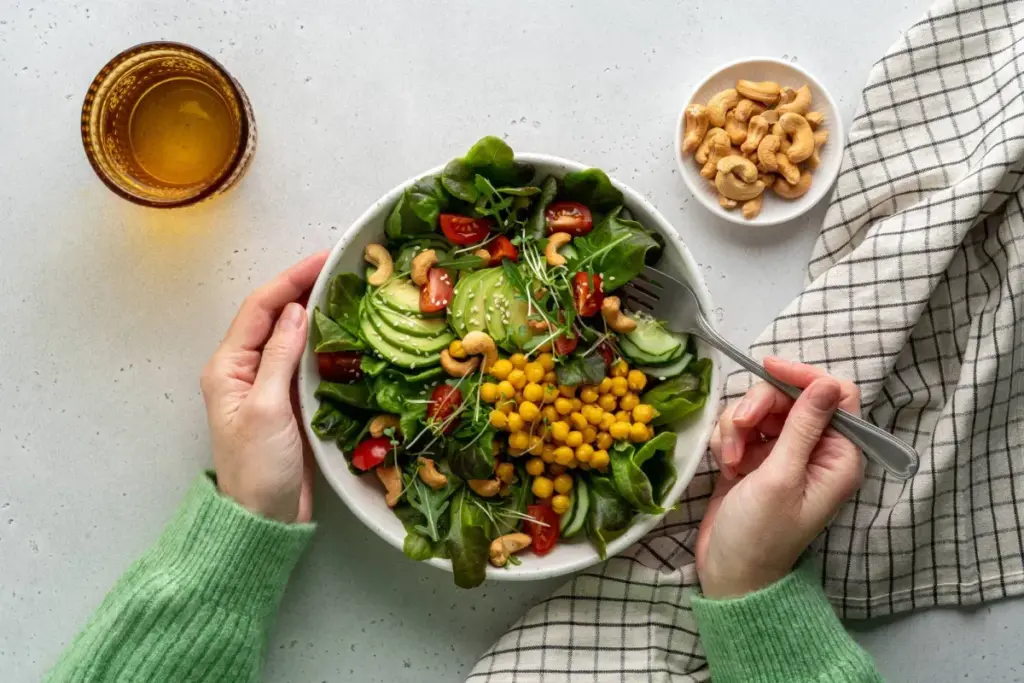
Nearly 1 in 3 adults in the United States has high cholesterol. This puts them at risk for heart disease and stroke, says the Centers for Disease Control and Prevention.
Managing cholesterol levels is key, and diet changes play an integral role.
Knowing which foods to limit or avoid is a big step. It helps keep cholesterol levels healthy. This reduces the risk of heart disease.
Key Takeaways
- High cholesterol affects nearly 1 in 3 adults in the US.
- Dietary changes are key in managing cholesterol levels.
- Certain foods can greatly impact hyperlipidemia.
- Limiting or avoiding specific foods helps keep cholesterol levels healthy.
- A proactive diet can lower the risk of heart disease.
Understanding Cholesterol and Its Impact on Health
Knowing about the different types of cholesterol is key to making good food choices. Cholesterol is a fatty substance in our blood. It helps make hormones and keep cell membranes strong.
The Difference Between HDL and LDL Cholesterol
Cholesterol moves through our blood with the help of lipoproteins. These lipoproteins are split into HDL (High-Density Lipoprotein) and LDL (Low-Density Lipoprotein). HDL is called “good” cholesterol because it helps clear out bad cholesterol from our blood. This lowers the risk of heart disease.
LDL, or “bad” cholesterol, can cause plaque to build up in our arteries. This increases the risk of heart disease. It’s important to keep HDL and LDL levels in balance.
High HDL levels are good, while high LDL levels are bad.
How Diet Affects Cholesterol Levels
What we eat affects our cholesterol levels. Foods high in saturated and trans fats can increase LDL cholesterol. But, eating foods high in soluble fiber can lower it.
Foods like oats, barley, fruits, and veggies are good for cholesterol. Also, adding unsaturated fats from nuts and olive oil can boost HDL cholesterol.
Choosing the right foods is important for managing cholesterol. By knowing how foods affect HDL and LDL, we can make better choices for our hearts.
The Connection Between Diet and Cholesterol
Making smart food choices is essential for managing LDL cholesterol. It helps keep your blood lipid profile healthy. The right foods can help, while the wrong ones can harm.
How Food Choices Influence Blood Lipid Profiles
What you eat greatly affects your cholesterol levels. Foods high in saturated fats, trans fats, and cholesterol can increase “bad” cholesterol. But, eating fruits, vegetables, whole grains, and healthy fats can lower LDL cholesterol and boost heart health.
Key dietary components that influence blood lipid profiles include:
- Saturated and trans fats, which can raise LDL cholesterol
- Dietary cholesterol, found in foods like eggs and shellfish, which can also impact LDL levels
- Fiber-rich foods, such as oats, barley, and fruits, which can help lower LDL cholesterol
The Role of Genetics vs. Lifestyle
Genetics can make you more likely to have high cholesterol. But, your lifestyle, including diet, is key in managing it. Hypercholesterolemia, or high cholesterol, can often be controlled with diet and exercise. Knowing how genetics and lifestyle interact helps you make better choices to lower your cholesterol risk.
By eating well and living a healthy lifestyle, you can greatly impact your cholesterol levels. This can also lower your risk of heart disease.
Saturated Fats: Major Contributors to High Cholesterol
It’s important to know how saturated fats affect cholesterol. They can increase total cholesterol and LDL cholesterol, which may raise heart disease risk.
Common Sources of Saturated Fats
Saturated fats are in many foods, including:
- Fatty meats and processed meats
- Full-fat dairy products like cheese, milk, and butter
- Baked goods and fried foods
- Coconut and palm oils
Knowing these sources helps plan a diet low in saturated fats.
Recommended Daily Limits
The American Heart Association suggests eating no more than 5-6% of daily calories as saturated fats. For a 2,000 calorie diet, that’s about 11-13 grams of saturated fats daily.
To control high cholesterol, watch what you eat. Choose foods with less saturated fats. Switching to unsaturated fats is a better option.
- Choose lean cuts of meat and remove visible fat
- Opt for low-fat or fat-free dairy products
- Limit consumption of baked and fried foods
- Use healthier oils like olive or canola oil for cooking
By making these changes, you can cut down on saturated fats. This helps manage cholesterol levels.
Trans Fats: The Worst Offenders for Heart Health
Knowing about trans fats is key to a heart-healthy diet. They are bad because they increase bad cholesterol and lower good cholesterol. This doubles the risk of heart disease.
Hidden Sources of Trans Fats
Trans fats hide in many processed and fried foods. Look out for them in baked goods, snack foods, and fried fast food. Always check food labels for “partially hydrogenated oils.”
Why Trans Fats Are Particualrly Harmful
Trans fats are bad in two ways. They raise heart disease risk by changing cholesterol levels. They also cause inflammation in the body. A study in the New England Journal of Medicine found removing trans fats could prevent many heart attacks and save lives in the U.S.
“The elimination of trans fats from the diet could prevent tens of thousands of heart attacks and save thousands of lives annually in the United States alone.”
To avoid trans fats, do this:
- Choose products with zero trans fats.
- Opt for baked or grilled foods instead of fried.
- Read labels carefully to avoid partially hydrogenated oils.
|
Food Category |
High in Trans Fats |
Lower in Trans Fats |
|---|---|---|
|
Baked Goods |
Commercial pastries, doughnuts |
Homemade baked goods using healthy oils |
|
Snack Foods |
Fried snacks, packaged chips |
Baked snacks, veggie sticks |
By watching out for trans fats, you can lower your heart disease risk. This helps keep your cholesterol levels healthy.
Red Meat and Processed Meats to Limit
Red meat and processed meats are big contributors to high LDL cholesterol. Eating these foods often can raise heart disease risk. It’s key to know which red meats and processed meats are bad for cholesterol and how to choose better options.
High-Fat Cuts to Avoid
Some red meat cuts are very high in saturated fats and cholesterol. Ribs, bacon, and sausage are examples of high-fat meats that can harm LDL levels. Choosing leaner cuts like sirloin or tenderloin can cut down on fat. But, even leaner cuts should be eaten in small amounts.
Processed meats, like hot dogs and deli meats, are also high in saturated fats and sodium. These foods often have hidden fats and preservatives that are bad for the heart. The American Heart Association suggests limiting dietary cholesterol to 300 milligrams per day.
“A diet rich in fruits, vegetables, whole grains, and lean protein can help lower cholesterol levels and improve overall heart health.”
Healthier Meat Alternatives
For those wanting to cut down on red meat, there are better options. Plant-based proteins like beans, lentils, and tofu are great protein sources without the saturated fats of red meat. Poultry, fish, and lean pork can also be good choices if cooked right.
When buying processed meats, choose products labeled as low sodium or nitrate-free. Some brands offer lower-fat versions of traditional processed meats. These can be a better choice for those who want to enjoy these foods in small amounts.
By being careful about the red meat and processed meats we eat and trying healthier options, we can make a big difference. This can help manage cholesterol levels and improve heart health.
Dairy Products That Can Raise Cholesterol
Dairy products, like those with a lot of saturated fats, can raise your cholesterol. The saturated fats in full-fat dairy are a big worry for those watching their cholesterol.
Full-Fat Dairy to Limit
Full-fat dairy items, like whole milk, full-fat cheese, and cream, have a lot of saturated fats. Eating these often can raise your LDL (low-density lipoprotein) cholesterol. This is known as “bad” cholesterol.
To keep your cholesterol in check, it’s smart to cut down or skip full-fat dairy. For example, picking lower-fat milk and cheese can lower your saturated fat intake.
Lower-Fat Dairy Options
Choosing lower-fat dairy can help with cholesterol management. You can find reduced-fat or fat-free versions of milk, yogurt, and cheese. These are good for a heart-healthy diet.
|
Full-Fat Dairy |
Lower-Fat Alternative |
|---|---|
|
Whole milk |
Skim or 1% milk |
|
Full-fat cheese |
Reduced-fat or part-skim cheese |
|
Cream |
Low-fat or non-dairy creamers |
By making smart choices about dairy, you can manage your cholesterol better. This can help lower your risk of heart disease.
Fast Food and Fried Items to Eliminate
Eating fast food and fried items often can harm your heart health. These foods are loaded with unhealthy fats. These fats can increase cholesterol and lead to heart disease.
Why these foods are problematic for cholesterol
Fast food and fried items are often cooked in oils high in trans fats. These fats can raise bad cholesterol and lower good cholesterol. This increases the risk of heart disease. Also, many fast foods are high in calories, salt, and sugar, which can harm your heart.
Common Fast Foods and Their Cholesterol Impact:
|
Food Item |
Saturated Fat Content |
Trans Fat Content |
|---|---|---|
|
French Fries |
High |
Variable |
|
Fried Chicken |
High |
High |
|
Burgers |
High |
Variable |
Healthier takeout choices
While it’s best to limit fast food, there are better options. Choose grilled chicken or fish, salads with vinaigrette, and vegetable dishes. Many places offer baked or grilled options instead of fried.
By making smart choices, you can enjoy takeout without harming your cholesterol.
Baked Goods and Sweets That Affect Cholesterol

Baked goods and sweets are not just high in calories. They also have ingredients that can harm cholesterol levels. These treats often have lots of saturated and trans fats, and sugars that are bad for your health.
Hidden Fats in Pastries and Desserts
Many baked goods and sweets have hidden fats that can raise cholesterol a lot. These fats are in things like butter, lard, and partially hydrogenated oils. For example, one croissant can have up to 10 grams of fat, a lot of which is saturated.
To see the impact, look at this table that shows the fat in different baked goods:
|
Baked Good |
Total Fat (g) |
Saturated Fat (g) |
|---|---|---|
|
Croissant |
10 |
6 |
|
Doughnut |
12 |
8 |
|
Muffin |
8 |
4 |
Better Options for Satisfying a Sweet Tooth
There are healthier ways to satisfy your sweet tooth without harming your cholesterol. Choose baked goods made with unsaturated fats like olive or avocado oil. Fruit-based desserts are also great, as they’re sweet naturally without added sugars.
“The key to enjoying sweets without negatively impacting cholesterol levels is moderation and making informed choices about the ingredients used.”
By paying attention to what’s in baked goods and sweets, you can enjoy them while keeping your cholesterol healthy.
Processed and Packaged Foods to Avoid
It’s key to know what’s in processed and packaged foods to keep cholesterol levels healthy. These foods often have ingredients that raise cholesterol and harm heart health.
Reading Labels for Cholesterol-Raising Ingredients
When you’re shopping, reading labels carefully is a must. Watch out for saturated fats, trans fats, and high sodium. These can raise cholesterol levels. Check the nutrition facts panel for how much is in each serving.
Also, be on the lookout for hidden unhealthy ingredients. Some foods have partially hydrogenated oils, which are trans fats. Being careful with labels helps you pick better foods.
Whole Food Alternatives
Choosing whole foods over processed ones is a simple way to control cholesterol. Foods like fruits, veggies, whole grains, and lean proteins are good. They’re low in bad fats and high in nutrients.
To start, add more whole foods to your meals. For breakfast, try oatmeal with fruit instead of sugary cereals. For snacks, pick nuts and seeds over processed chips or crackers.
By choosing wisely and making smart food choices, you can boost your cholesterol and health.
Understanding Dietary Cholesterol in Foods
The science on dietary cholesterol, like in eggs and shellfish, has changed a lot. For years, we thought eating cholesterol-rich foods would raise our blood cholesterol. But now, we know it’s not that simple.
The Evolving Science on Eggs and Shellfish
Eggs and shellfish are full of cholesterol but also have lots of good stuff. Eggs give you protein, vitamins, and minerals. Shellfish offer omega-3s and other nutrients. Studies show that eating them in small amounts doesn’t usually raise blood cholesterol.
Moderation Guidelines for Cholesterol-Containing Foods
Even though rules on dietary cholesterol have eased, it’s important to eat in moderation. The American Heart Association says healthy people can have up to 300 milligrams of dietary cholesterol daily. Those with high cholesterol or heart disease should be more careful.
Let’s look at examples: a big egg has about 186 milligrams of cholesterol, all in the yolk. Shrimp and lobster have cholesterol too, but they’re not very fatty. It’s important to mix these foods with others that are low in cholesterol to keep your levels healthy.
Beverages That Can Impact Cholesterol Levels
What we drink is as important as what we eat for managing cholesterol. Drinks can greatly affect our cholesterol levels and heart health. Knowing how different drinks work is key to making good choices.
Alcoholic Drinks and Cholesterol
Alcohol’s effect on cholesterol is complex. Drinking in moderation can boost HDL (good) cholesterol. But too much can raise triglycerides and harm the heart. It’s vital to drink alcohol in limits, like one drink a day for women and two for men.
Sugary Beverages and Their Effect on Triglycerides
Sugary drinks, like soda and sweetened teas or coffees, raise triglycerides. High triglycerides increase heart disease risk. Drinking these regularly adds empty calories, leading to weight gain and worsening cholesterol problems.
To keep cholesterol in check, cut down or avoid sugary drinks. Choose water, unsweetened tea, or coffee instead. These options help keep your lipid profile healthy and support heart health.
Foods That Can Help Lower Cholesterol
Making changes to your diet can help lower cholesterol. Eating the right foods can manage cholesterol levels and improve heart health.
Fiber-Rich Options
Foods high in dietary fiber are key in lowering cholesterol. Soluble fiber in oats, barley, fruits, and veggies reduces cholesterol absorption. Adding these foods to your diet can greatly improve cholesterol levels.
Some examples of fiber-rich foods include:
- Oats and barley
- Fruits such as apples, berries, and oranges
- Vegetables like broccoli, carrots, and brussels sprouts
- Legumes, including beans, lentils, and peas
Heart-Healthy Fats
Not all fats are good for your heart. Monounsaturated and polyunsaturated fats can lower bad cholesterol. Foods like avocados, nuts, and olive oil are rich in these fats.
Examples of heart-healthy fats include:
- Avocados
- Nuts and seeds like almonds, walnuts, and chia seeds
- Olive oil
Plant Sterols and Stanols
Plant sterols and stanols are found in plants and lower LDL cholesterol. They reduce cholesterol absorption in the gut. Foods like certain margarines and orange juices fortified with these can be helpful.
|
Food Group |
Examples |
Benefits |
|---|---|---|
|
Fiber-Rich Foods |
Oats, fruits, vegetables, legumes |
Reduces cholesterol absorption |
|
Heart-Healthy Fats |
Avocados, nuts, olive oil |
Lowers LDL cholesterol |
|
Plant Sterols/Stanols |
Fortified margarines, orange juices |
Reduces cholesterol absorption |
Eating these foods can significantly lower your cholesterol. Making smart food choices is a great way to manage cholesterol and boost heart health.
Dietary Approaches for Managing Cholesterol
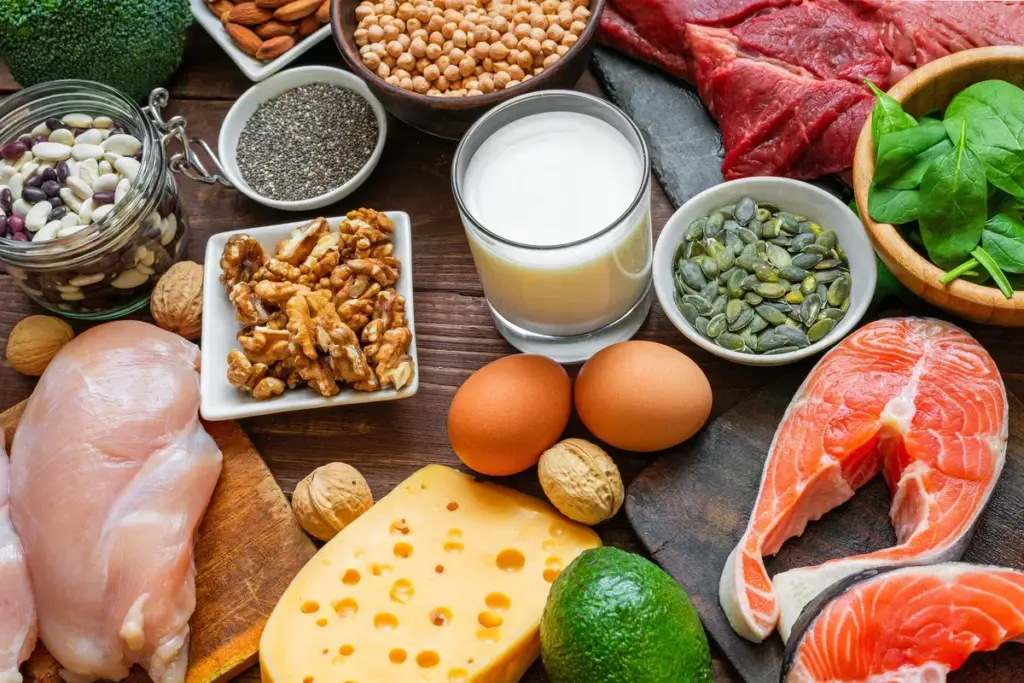
Choosing the right diet can greatly help manage cholesterol. Many diets have been studied for their effects on cholesterol and heart health.
Benefits of the Mediterranean Diet
The Mediterranean diet is full of fruits, veggies, whole grains, and healthy fats from olive oil. It’s linked to better heart health and lower cholesterol. It’s rich in monounsaturated fats, fiber, and antioxidants.
Studies have shown that following a Mediterranean diet can lower LDL cholesterol and boost HDL levels.
DASH Diet Principles
The DASH diet (Dietary Approaches to Stop Hypertension) aims to cut down on sodium and boost nutrients that lower blood pressure and cholesterol. It focuses on whole grains, fruits, veggies, lean proteins, and low-fat dairy.
The DASH diet is a balanced choice for managing cholesterol over the long term.
Plant-Based Eating Patterns
Plant-based diets are high in plant foods and low in animal products. They are packed with fiber, vitamins, and minerals, and are low in saturated fats.
Research shows that plant-based diets can lower LDL cholesterol and heart disease risk.
In summary, diets like the Mediterranean, DASH, and plant-based offer great ways to manage cholesterol. By adding these diets to your lifestyle, you can improve your heart health.
Conclusion
Managing high cholesterol needs a mix of diet changes, lifestyle shifts, and sometimes, medical help. Knowing how diet affects cholesterol and making smart food choices can greatly boost heart health.
Success in managing cholesterol comes from being consistent and sticking to healthier habits. It’s important to cut down on saturated and trans fats. Also, reduce red and processed meats, and avoid fast food and baked goods.
Eating more fiber, healthy fats, and plant sterols can also help lower cholesterol. Adopting a Mediterranean or DASH diet, rich in whole, nutrient-dense foods, is key. Regularly checking and tweaking your diet and lifestyle can improve your health and lower heart disease risk.
With dedication and the right advice, controlling high cholesterol is achievable. It becomes a vital part of living a healthier life.
FAQ
What is considered high cholesterol?
High cholesterol is when your total cholesterol is 240 mg/dL or higher. Or if your LDL cholesterol is 160 mg/dL or higher. The American Heart Association suggests taking action if your total cholesterol is 200 mg/dL or higher. Or if your LDL is 130 mg/dL or higher.
How does diet affect cholesterol levels?
Your diet greatly affects your cholesterol levels. Foods high in saturated and trans fats, like red meat and full-fat dairy, can increase LDL cholesterol. Foods high in fiber, like fruits and vegetables, can help lower LDL cholesterol.
What foods should I limit or avoid if I have high cholesterol?
If you have high cholesterol, avoid foods high in saturated and trans fats. This includes red meat, full-fat dairy, and processed snacks. Also, limit foods high in dietary cholesterol, like eggs and shellfish, and eat them in moderation.
Are there any specific dietary approaches that can help manage cholesterol?
Yes, several diets can help manage cholesterol. The Mediterranean diet, DASH diet, and plant-based eating patterns are effective. These diets focus on whole foods like fruits, vegetables, whole grains, lean proteins, and healthy fats.
Can certain beverages impact cholesterol levels?
Yes, some beverages can affect cholesterol levels. Sugary drinks like soda can raise triglycerides. Excessive alcohol can also raise triglycerides and LDL cholesterol. But, water and moderate coffee may have positive effects on cholesterol.
How can I identify cholesterol-raising ingredients in processed and packaged foods?
To find cholesterol-raising ingredients, read food labels carefully. Look for saturated and trans fats, and dietary cholesterol. Be aware of hidden sources like partially hydrogenated oils and tropical oils.
What are some healthier alternatives to foods that can raise cholesterol?
Choose lean proteins like poultry and fish instead of red meat. Opt for lower-fat dairy products. Satisfy your sweet tooth with fruit or dark chocolate instead of baked goods.
Can I stil enjoy eggs and shellfish if I have high cholesterol?
Yes, you can enjoy eggs and shellfish in moderation with high cholesterol. The American Heart Association suggests limiting dietary cholesterol to 300 mg per day. Eggs and shellfish can be part of a healthy diet when eaten in moderation.
How can I incorporate foods that help lower cholesterol into my diet?
Focus on fiber-rich foods like oats, barley, fruits, and vegetables. Include heart-healthy fats from nuts, seeds, and avocados. Also, consider products with plant sterols and stanols to lower LDL cholesterol.
Reference
Centers for Disease Control and Prevention. Evidence-Based Medical Insight. Retrieved from https://www.cdc.gov/cholesterol/prevention/index.html



 Departments
 Related Videos
 Our Doctors
 News
News