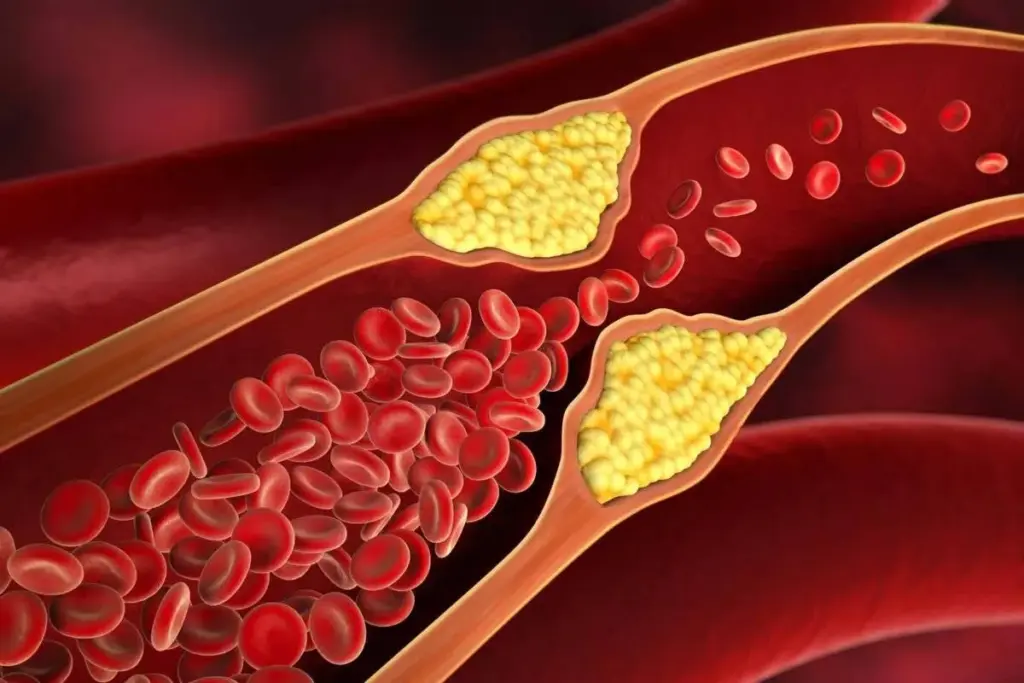
Managing high cholesterol is key to avoiding heart disease and stroke. A cardiologist says keeping cholesterol levels healthy is essential for heart health.
High cholesterol affects 94 million American adults. Knowing what we eat is very important. The right foods can help keep our hearts healthy.
This article will show you which foods to skip if you have high cholesterol. It’s a detailed guide to help you manage this condition.
Key Takeaways
- Understanding the impact of diet on high cholesterol
- Identifying foods that can exacerbate hypercholesterolemia
- Making informed dietary choices to manage cholesterol levels
- Reducing the risk of heart disease and stroke
- Maintaining overall cardiovascular health through dietary changes
Understanding Cholesterol and Its Impact on Health
Knowing about cholesterol is key for a healthy heart and body. Cholesterol is a fat in our blood that helps with cell membranes and hormones.
What is Cholesterol and Why Does It Matter?
Cholesterol is a blood particle we need to live. But too much can cause health problems. It moves through our blood with lipoproteins, which vary in type.
Key functions of cholesterol include:
- Building and maintaining cell membranes
- Producing hormones such as estrogen and testosterone
- Aiding in the production of bile acids for fat digestion
The Difference Between HDL and LDL Cholesterol
HDL (High-Density Lipoprotein) and LDL (Low-Density Lipoprotein) are the two main cholesterol types. Knowing the difference is key to managing cholesterol.
HDL cholesterol is “good” because it helps clear out bad cholesterol. LDL cholesterol is “bad” because too much can clog arteries, raising heart disease risk.
|
Type of Cholesterol |
Function |
Impact on Health |
|---|---|---|
|
HDL (Good) Cholesterol |
Removes excess cholesterol from the bloodstream |
Reduces the risk of heart disease |
|
LDL (Bad) Cholesterol |
Transports cholesterol to various tissues |
Increases the risk of cardiovascular diseases when levels are high |
It’s important to keep HDL and LDL cholesterol in balance for good health. Diet and exercise are big factors in managing cholesterol levels.
How Diet Affects Your Cholesterol Levels
Diet plays a big role in managing cholesterol. Some foods help, while others harm. The link between diet and cholesterol is complex, involving different fats and cholesterol types.
Dietary Cholesterol vs. Blood Cholesterol
Dietary cholesterol, found in foods like eggs and shellfish, has a small impact on blood cholesterol for most. Studies show that the body’s own cholesterol production is more important than what we eat in determining blood cholesterol levels.
Key differences between dietary and blood cholesterol:
- Dietary cholesterol comes from food.
- Blood cholesterol is made by the liver and affected by genetics, diet, and lifestyle.
The Role of Saturated and Trans Fats
Saturated and trans fats have a bigger impact on blood cholesterol than dietary cholesterol. Saturated fats, found in red meat and full-fat dairy, can increase LDL or “bad” cholesterol.
Trans fats, found in processed and fried foods, not only increase LDL cholesterol but also lower HDL or “good” cholesterol. The American Heart Association suggests keeping saturated fats under 5-6% of daily calories.
|
Fat Type |
Effect on Cholesterol |
Common Sources |
|---|---|---|
|
Saturated Fats |
Raise LDL Cholesterol |
Red meat, full-fat dairy products |
|
Trans Fats |
Raise LDL, Lower HDL Cholesterol |
Processed foods, fried foods |
Knowing how different fats affect cholesterol is key to making good food choices. By cutting down on saturated and trans fats, we can manage our cholesterol better and lower heart disease risk.
High-Fat Animal Products to Limit
High-fat animal products can raise your cholesterol levels. It’s important to know which ones to cut down on. These products often have saturated and trans fats, which increase LDL cholesterol, or “bad” cholesterol.
Red Meat and Processed Meats
Red meat, like beef, lamb, and pork, has a lot of saturated fats. This can make your LDL cholesterol levels go up. Processed meats, such as sausages and bacon, are also bad. They have a lot of sodium and preservatives, which are not good for your heart.
Examples of red and processed meats to limit:
- Bacon
- Sausages
- Deli meats (e.g., salami, ham)
- Beef
- Lamb
- Pork
A study in a Journal found a big risk. Eating processed red meat every day can increase heart disease risk by 18%.
Red and processed meat consumption is associated with an increased risk of cardiovascular disease and mortality.
Full-Fat Dairy Products
Full-fat dairy, like whole milk and cheese, is high in saturated fats. This can raise your LDL cholesterol and increase heart disease risk. Choosing low-fat or fat-free dairy can help keep your cholesterol in check.
|
Dairy Product |
Full-Fat Version |
Low-Fat Version |
|---|---|---|
|
Milk |
Whole milk (3.5% fat) |
Skim milk (0% fat) |
|
Cheese |
Cheddar (33% fat) |
Low-fat cheddar (20% fat) |
|
Yogurt |
Full-fat yogurt (10% fat) |
Low-fat yogurt (2% fat) |
Organ Meats and Their Cholesterol Content
Organ meats, like liver and kidney, are full of nutrients but also high in cholesterol. They can be part of a healthy diet, but people with high cholesterol should eat them in small amounts.
Organ meats have a lot of cholesterol and saturated fats. For example, a 3-ounce serving of beef liver has about 331 milligrams of cholesterol. Eating them in moderation is important to avoid making high cholesterol worse.
Tips for managing high-fat animal products:
- Choose lean cuts of meat and trim visible fat.
- Opt for low-fat or fat-free dairy products.
- Limit consumption of processed meats.
- Cook using methods that don’t add extra fat, such as grilling or baking.
Fried and Fast Foods: Major Cholesterol Culprits
Eating fried and fast foods often leads to high cholesterol. These foods are loaded with unhealthy fats. This can cause cholesterol levels to rise and increase heart disease risk.
Why Fried Foods Raise Cholesterol
Fried foods are cooked in oils with lots of saturated and trans fats. Eating these fats regularly can increase low-density lipoprotein (LDL) cholesterol, or “bad” cholesterol. High LDL cholesterol can cause artery plaque buildup, raising heart disease risk.
“The American Heart Association recommends limiting dietary cholesterol to 300 milligrams per day,” they say. This shows we should eat fried foods in moderation.
Fast Food Items With the Highest Cholesterol Impact
Some fast food items are very bad for cholesterol levels. These include:
- Double-decker burgers with cheese and bacon
- Fried chicken sandwiches and tenders
- Large servings of fries
These foods are not just high in calories but also in saturated and trans fats. This can harm cholesterol levels. Eating them often can also raise triglycerides high, making heart health worse.
To keep cholesterol levels healthy, we should eat less fried and fast food. Choosing healthier options and paying attention to what we eat can help a lot.
Processed and Packaged Foods to Avoid
Knowing how processed and packaged foods affect your cholesterol is important. These foods often have hidden fats that can harm your cholesterol.
Hidden Trans Fats in Processed Foods
Trans fats are a big problem in processed foods. They help these foods last longer and taste better. But, eating trans fats can raise bad cholesterol and lower good cholesterol.
Common sources of trans fats include:
- Baked goods, such as cakes and cookies
- Fried foods, like french fries and doughnuts
- Packaged snack foods, including crackers and microwave popcorn
Reading Food Labels for Cholesterol Content
To stay away from bad fats, it’s key to read food labels well. Look for “0g trans fats” and avoid partially hydrogenated oils.
“The ability to read food labels effectively is a powerful tool in managing cholesterol levels.” –
A health nutritionist
Also, watch the saturated fat content. Choosing foods with less saturated fat can help control cholesterol.
|
Nutrient |
Amount per Serving |
% Daily Value |
|---|---|---|
|
Total Fat |
12g |
18% |
|
Saturated Fat |
3g |
15% |
|
Trans Fat |
0g |
Common Packaged Foods High in Saturated Fats
Saturated fats can also raise cholesterol. Many packaged foods, like snacks and baked goods, are high in saturated fats.
Examples of packaged foods high in saturated fats include:
- Packaged baked goods, like muffins and scones
- Snack foods, such as chips and cheese puffs
- Processed meats, like sausages and bacon
By watching these foods and reading labels, you can make better choices. This helps manage your cholesterol levels.
Baked Goods and Desserts That Raise Cholesterol
Baked goods and desserts often have unhealthy fats that can harm cholesterol levels. These treats are made with ingredients that taste good but also raise cholesterol.
Commercial Pastries and Their Fat Content
Commercial pastries, like croissants and Danish pastries, are full of butter and saturated fats. These fats can greatly increase LDL (bad) cholesterol, raising heart disease risk. For example, one croissant can have up to 10 grams of fat, mostly saturated.
Ice Cream and Other High-Fat Desserts
Ice cream and creamy desserts can also harm cholesterol levels. Many ice cream brands are loaded with saturated fats, which can increase LDL cholesterol. Some ice creams also have partially hydrogenated oils, which are bad for heart health.
To enjoy desserts while keeping cholesterol in check, try fruit-based desserts or those with healthier fats. For instance, coconut milk or almond milk ice cream is a bit healthier. But remember, it’s all about moderation.
Beverages That Can Impact Cholesterol Levels
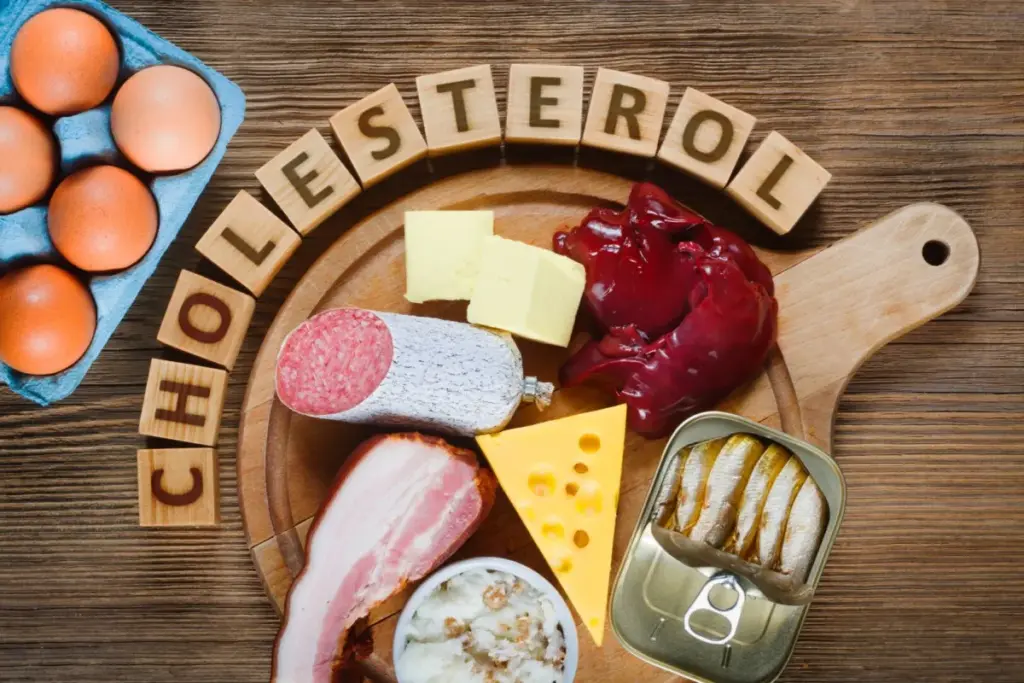
Many people don’t think about how drinks affect their cholesterol. We focus a lot on what we eat, but our drinks matter too. Knowing how different drinks affect our heart health is key.
Alcoholic Beverages and Cholesterol
Drinking alcohol can be tricky for cholesterol. Drinking a little red wine might help your HDL (good) cholesterol. But too much alcohol can raise your triglycerides, which isn’t good for cholesterol.
Key considerations for alcoholic beverages:
- Moderation is key: Excessive drinking can negate any benefits.
- Type of alcohol matters: Red wine is often cited for its heart health benefits due to its antioxidant content.
- Calorie intake: Alcoholic beverages can be high in calories, contributing to weight gain if not balanced with diet and exercise.
Sugary Drinks and Their Indirect Effect on Cholesterol
Sugary drinks, like sodas and sweetened teas, can affect cholesterol indirectly. Drinking too much sugar can make you gain weight and lead to insulin resistance. Both can harm your cholesterol levels.
Tips for reducing sugary drink intake:
- Read labels carefully to identify added sugars.
- Opt for unsweetened versions of your favorite beverages.
- Gradually reduce sugar intake to give your taste buds time to adjust.
Choosing the right drinks is important for managing cholesterol. By knowing how different drinks affect our heart, we can make better choices. This supports our overall health.
The Truth About Dietary Cholesterol in Common Foods
The link between dietary cholesterol and blood cholesterol is complex. Some foods have been unfairly blamed. It was once thought that eating foods high in cholesterol would raise blood cholesterol levels. But, recent studies show this isn’t always true.
Animal products contain dietary cholesterol. Foods like these have been at the heart of the cholesterol debate. Knowing how they affect our cholesterol is key to making good food choices.
Eggs and Shellfish: Reconsidering Their Role
Eggs and shellfish are often seen as high in cholesterol. Eggs, for example, have about 186 milligrams of cholesterol in a large one. But, dietary guidelines have changed. Now, eggs are seen as a healthy food when eaten in moderation.
Shellfish, like shrimp and lobster, also have a lot of cholesterol but not much saturated fat. Studies show that for most people, dietary cholesterol doesn’t have a big impact on blood cholesterol. This is compared to saturated and trans fats.
Coconut and Palm Oils: Tropical Oils and Cholesterol
Coconut and palm oils are tropical fats that have been questioned. Coconut oil, for instance, is very high in saturated fats. This can increase LDL cholesterol, or “bad” cholesterol. But, it also has medium-chain triglycerides (MCTs), which might be good for health.
Palm oil is also high in saturated fats. It might not be as bad as coconut oil, but it can also raise LDL cholesterol. The important thing is to use these oils sparingly. They should be part of a balanced diet with other, healthier fats.
Heart-Healthy Alternatives to High-Cholesterol Foods
Eating a diet full of heart-healthy foods can help control cholesterol. By choosing the right foods, you can lower your heart disease risk. This improves your health overall.
Plant-Based Protein Sources
Plant-based proteins are better than high-cholesterol animal products. Lentils, chickpeas, and black beans are packed with protein and fiber. They help lower cholesterol. You can add them to soups, salads, or make vegetarian meals.
Tofu, tempeh, and seitan are also great plant-based proteins. They work well in stir-fries and sandwiches. Nuts and seeds, like almonds and chia seeds, are protein-rich and easy to add to meals or snacks.
Healthy Fats That Support Cholesterol Balance
Not all fats are the same. Healthy fats, like monounsaturated and polyunsaturated fats, are good for your heart. They lower bad cholesterol and raise good cholesterol. Avocados, olive oil, and fatty fish like salmon are full of these fats.
Nuts and seeds are also good for healthy fats. Walnuts are heart-healthy because of their omega-3 fatty acids. Flaxseeds and chia seeds are also rich in omega-3s and easy to add to your diet.
Fiber-Rich Foods That Help Lower Cholesterol
Eating foods high in fiber is key to managing cholesterol. Soluble fiber, found in oats, barley, fruits, and veggies, helps lower bad cholesterol. It does this by removing bile acids from the body, which reduces liver cholesterol production.
Apples, berries, carrots, and Brussels sprouts are high in soluble fiber. Whole grains like oats and barley are also great. Start your day with oatmeal or add veggies to your meals to get more fiber.
Creating a Balanced Meal Plan for Managing Cholesterol
Creating a meal plan that balances nutritional needs is key to managing high cholesterol. A well-planned diet helps in making healthier choices. This can significantly impact cholesterol levels. It’s not just about cutting down on certain foods, but also about incorporating a variety of nutrient-rich foods into your diet.
A balanced meal plan for cholesterol management involves choosing the right foods in the right proportions. This includes a mix of fruits, vegetables, whole grains, lean proteins, and healthy fats. The goal is to maintain a diet that supports overall heart health while keeping cholesterol levels in check.
Sample Daily Menu for Cholesterol Management
A sample daily menu can provide a practical guide to implementing a cholesterol-friendly diet. Here’s an example:
|
Meal |
Food Items |
Portion Size |
|---|---|---|
|
Breakfast |
Oatmeal with fruits and nuts |
1 bowl |
|
Lunch |
Grilled chicken salad with olive oil dressing |
1 plate |
|
Snack |
Carrot sticks with hummus |
1 serving |
|
Dinner |
Baked salmon with quinoa and steamed vegetables |
1 serving |
This menu is designed to be rich in fiber, vitamins, and minerals, and low in saturated fats and cholesterol. It includes a variety of foods that are known to support heart health.
Portion Control and Meal Timing Considerations
Portion control is key in managing cholesterol. Eating large portions can lead to consuming more calories and fats than needed. This can negatively impact cholesterol levels. It’s essential to be mindful of serving sizes and avoid overeating.
Meal timing also plays a role in cholesterol management. Spacing out meals throughout the day can help maintain stable energy levels and prevent overeating. It’s recommended to have three main meals and one or two healthy snacks in between, depending on individual calorie needs.
By combining a balanced meal plan with portion control and appropriate meal timing, individuals can better manage their cholesterol levels. This can improve their overall health.
Lifestyle Factors That Affect Cholesterol Beyond Diet
Diet is important, but other lifestyle factors like exercise, stress, and sleep also matter. Taking a full-body approach to health can really help with cholesterol.
Exercise and Physical Activity Recommendations
Regular exercise is key for healthy cholesterol. Aim for 150 minutes of moderate exercise, 75 minutes of vigorous exercise, or a mix of both each week. Exercise boosts HDL (good) cholesterol and improves heart health. Good activities include brisk walking, cycling, swimming, and dancing.
Adding strength training to your routine can also help. Doing it 2-3 times a week builds muscle and boosts metabolism. This helps manage cholesterol better.
Stress Management and Sleep Quality
Too much stress can raise LDL (bad) cholesterol. Activities like meditation, yoga, or deep breathing can help. Stress management is important for both mental and physical health, including cholesterol.
Good sleep is also vital. Not enough sleep can raise LDL cholesterol. Try to get 7-9 hours of sleep each night. A consistent sleep schedule and a calm sleep space are important.
“Sleep is the golden chain that ties health and our bodies together.” – Thomas Dekker
By focusing on these lifestyle factors, you can manage cholesterol better. This leads to better overall health.
When to Consult a Healthcare Professional About Your Cholesterol
If you’re worried about your cholesterol, knowing when to ask for help is key. High cholesterol can cause serious problems like heart disease and stroke. Spotting the signs that mean you need to see a doctor can help you manage your cholesterol better.
Warning Signs of Hypercholesterolemia
High cholesterol often doesn’t show symptoms until it’s too late. But, there are warning signs to watch for. These include:
- Family history of high cholesterol or heart disease
- Presence of xanthomas (fatty deposits under the skin)
- High blood pressure
- Diabetes or prediabetes
- Obesity or being overweight
Working With Nutritionists and Dietitians
A healthcare professional might suggest talking to a nutritionist or dietitian. These experts can give you diet advice that fits your needs and goals. They can help you:
- Create a heart-healthy meal plan
- Understand food labels and make informed choices
- Develop strategies for maintaining a healthy weight
Working with a nutritionist or dietitian can teach you how to manage your cholesterol. This can improve your overall health.
Talking to a healthcare professional about your cholesterol is a big step in caring for your heart. By knowing the signs of high cholesterol and getting help from nutritionists and dietitians, you can lower your risk of heart disease and stroke.
Conclusion: Building Sustainable Habits for Long-Term Cholesterol Management
Managing high cholesterol needs a long-term effort in changing diet and lifestyle. Knowing how diet affects cholesterol levels helps a lot. Making smart food choices can greatly lower the risk of high cholesterol.
It’s key to keep up with healthy habits for managing cholesterol over time. This means avoiding foods high in fat and fried stuff. Instead, add heart-healthy foods like plant-based proteins, healthy fats, and fiber to your meals.
Combining a healthy diet with regular exercise and managing stress is important. Working with doctors to track progress and adjust plans is also vital. These habits can improve your health and lower the risk of heart disease.
FAQ
What is considered high cholesterol?
High cholesterol is when your total cholesterol is 240 mg/dL or more. LDL cholesterol levels of 160 mg/dL or higher are also considered high.
How does diet affect my cholesterol levels?
Your diet greatly affects your cholesterol levels. Eating foods high in saturated and trans fats, like red meat and processed snacks, can raise LDL cholesterol. On the other hand, eating fruits, vegetables, and whole grains can help lower it.
Are eggs bad for my cholesterol?
Eggs are high in cholesterol, but they might not raise your blood cholesterol much. It’s best to eat eggs in moderation as part of a balanced diet.
What are some healthy alternatives to high-cholesterol foods?
Try plant-based proteins like beans, lentils, and tofu. Healthy fats from avocado, nuts, and olive oil are also good. Foods high in fiber, such as whole grains, fruits, and vegetables, can also help balance cholesterol.
Can exercise help lower my cholesterol?
Yes, regular exercise like walking, jogging, or cycling can raise HDL cholesterol and lower LDL. Aim for 150 minutes of moderate-intensity exercise each week.
How often should I check my cholesterol levels?
How often you should check your cholesterol depends on your risk factors and health. Adults should get checked every 4-6 years. If you have high cholesterol or other heart risks, you might need more frequent checks.
What are the warning signs of hypercholesterolemia?
High cholesterol often doesn’t show symptoms. But, look out for xanthomas (fatty deposits under the skin), high blood pressure, or heart disease. If you’re worried about your cholesterol, talk to a doctor.
Can stress affect my cholesterol levels?
Stress can indirectly affect your cholesterol by changing your eating and sleep habits. Stress management techniques like meditation, yoga, or deep breathing can help.
Are there any specific foods that can help lower LDL cholesterol?
Foods high in soluble fiber, like oats, barley, fruits, and vegetables, can lower LDL cholesterol. Plant sterols and stanols in fortified foods, such as orange juice and yogurt, can also help.
How can I create a balanced meal plan for managing cholesterol?
For a balanced meal plan, focus on whole, unprocessed foods. Include fruits, vegetables, whole grains, lean proteins, and healthy fats. For personalized advice, consider talking to a registered dietitian or nutritionist.
What is the role of HDL cholesterol in overall health?
HDL cholesterol, or “good” cholesterol, helps remove excess cholesterol from your blood. It carries it to your liver for removal. Higher HDL levels are linked to a lower risk of heart disease.
Can losing weight help lower my cholesterol?
Yes, losing weight, and losing it around your waist, can lower LDL cholesterol. A healthy diet and regular exercise can help with weight loss and managing cholesterol.
References
https://pmc.ncbi.nlm.nih.gov/articles/PMC5290910