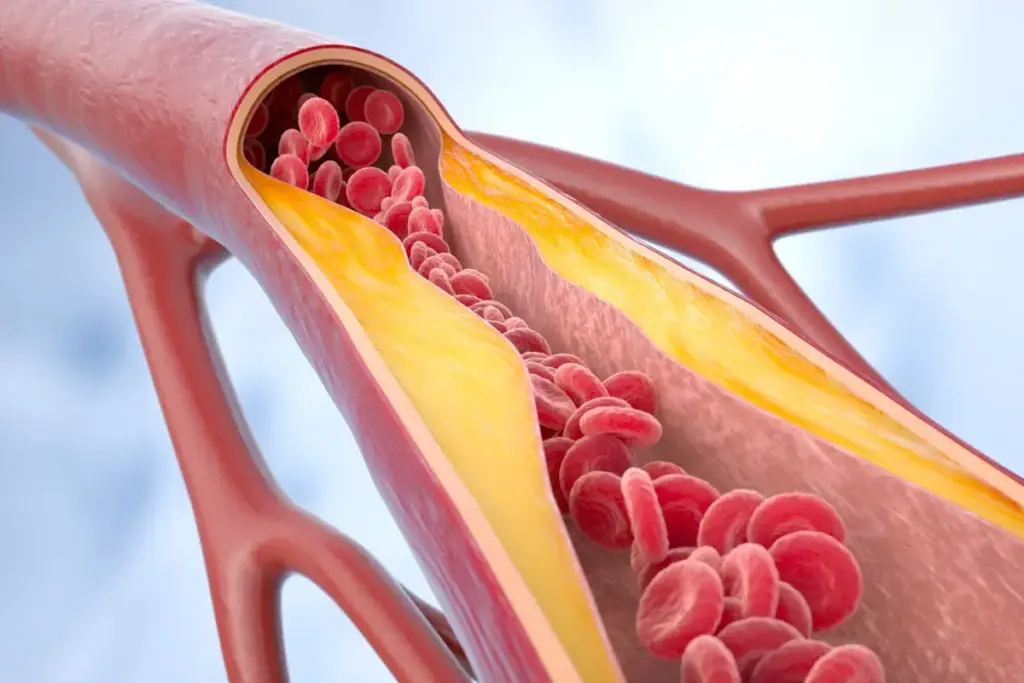
The human body needs cholesterol to work right. It helps make cell membranes and important hormones. But, too much or too little cholesterol can cause big health problems.
It’s key to know how the body handles and gets rid of extra cholesterol. This involves many body processes that keep body cholesterol in check.
Learning about what is cholesterol and how it’s removed helps people manage their cholesterol. This can lower the chance of health issues linked to cholesterol.
Key Takeaways
- The body needs cholesterol to function properly.
- Cholesterol is involved in forming cell membranes and producing hormones.
- Imbalanced cholesterol levels can lead to serious health issues.
- The body has natural mechanisms to manage and remove excess cholesterol.
- Understanding cholesterol removal can help individuals manage their levels.
Understanding Cholesterol and Its Functions
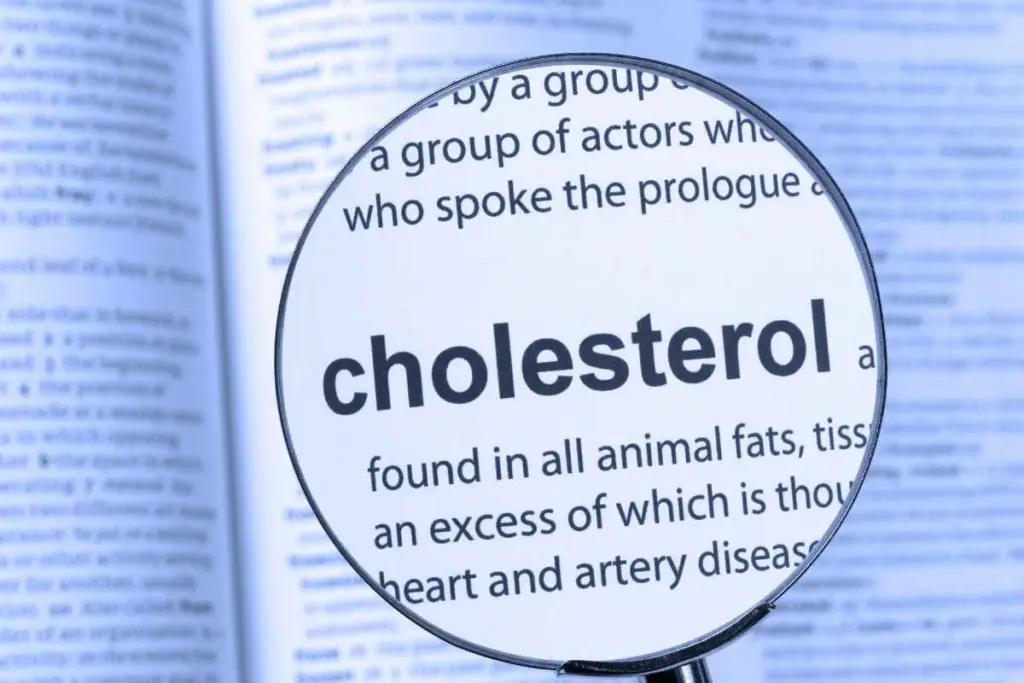
Cholesterol is a fatty substance found in every cell. It plays a key role in many bodily functions. It helps build and maintain cell membranes, produces hormones, and aids in fat digestion.
What is Cholesterol?
Cholesterol is a lipid, a waxy, fat-like substance. It’s vital for many bodily processes. It’s made mainly in the liver and also comes from food. Cholesterol is carried through the bloodstream by lipoproteins, which are lipid and protein complexes.
Essential Roles of Cholesterol in the Body
Cholesterol has many important roles in the body. It’s a key part of cell membranes, keeping them structured and fluid. It’s also a base for making steroid hormones like cortisol and sex hormones. Plus, it helps make bile acids, which are key for fat digestion and vitamin absorption.
“Cholesterol is a critical component of the human body, necessary for various physiological processes. Its dysregulation can lead to significant health issues.”
Different Types of Cholesterol: HDL, LDL, and VLDL
Cholesterol is carried in the bloodstream by different lipoproteins. HDL is ‘good’ cholesterol because it helps remove excess cholesterol. On the other hand, LDL is ‘bad’ cholesterol because high levels can cause artery blockages. VLDL also carries triglycerides and cholesterol, making it another ‘bad’ cholesterol type.
Normal Cholesterol Levels and What They Mean
Keeping cholesterol levels in check is vital for heart health. Total cholesterol under 200 mg/dL, LDL under 100 mg/dL, and HDL over 60 mg/dL. Knowing these levels helps people manage their cholesterol and lower heart disease risk.
The Body’s Natural Cholesterol Elimination Pathways
It’s important to know how the body gets rid of cholesterol to keep our hearts healthy. The body keeps cholesterol levels in check through many processes.
Overview of Cholesterol Homeostasis
Cholesterol homeostasis is about balancing what we take in, make, and get rid of. The body works hard to keep cholesterol levels just right. Cholesterol homeostasis is controlled by the liver, which adjusts how much cholesterol we make and take in.
Major Routes of Cholesterol Excretion
Cholesterol leaves the body mainly through two ways: the feces and bile. The fecal route is when we get rid of cholesterol in our poop. The biliary route is when cholesterol goes into the bile. The liver turns cholesterol into bile acids for this process.
Cellular Mechanisms for Cholesterol Regulation
At the cell level, controlling cholesterol is complex. It involves how cells take in, make, and get rid of cholesterol. Cells use special receptors and proteins to manage cholesterol. For instance, the LDL receptor helps remove LDL cholesterol from blood.
Daily Cholesterol Turnover Rates
The body gets rid of a lot of cholesterol every day. About 1-2 grams are excreted daily. This rate can change based on diet, genes, and health. Keeping cholesterol levels balanced is key to avoiding heart disease.
The Liver: Central Hub for Cholesterol Metabolism
The liver is key in keeping cholesterol levels balanced in our bodies. It handles cholesterol from food and makes it itself.
How the Liver Processes Cholesterol
The liver has a big job in cholesterol management. It makes cholesterol when needed and controls where it goes through lipoproteins. It also turns extra cholesterol into bile acids for waste.
Many hepatic receptors help control this process. They keep cholesterol levels steady.
Hepatic Receptors and Their Role
Hepatic receptors are vital for cholesterol control. They include LDL receptors that grab LDL cholesterol. This helps lower LDL in the blood.
LDL Receptor Function and Regulation
The LDL receptor is important for removing LDL cholesterol. This lowers blood cholesterol. Its work is controlled by sterol regulatory element-binding proteins (SREBPs).
Liver Disorders Affecting Cholesterol Removal
Some liver problems can mess with cholesterol handling. Issues like cirrhosis and non-alcoholic fatty liver disease (NAFLD) can make it hard for the liver to remove cholesterol. This can lead to high cholesterol.
Knowing how the liver handles cholesterol is key to managing cholesterol. It helps prevent heart disease.
Bile Acids: The Primary Pathway for Cholesterol Elimination
Bile acids are made from cholesterol and help remove it from the body. This is key for keeping cholesterol levels balanced and heart health good.
Conversion of Cholesterol to Bile Acids
The liver turns cholesterol into bile acids. This complex process uses enzymes to make primary bile acids like cholic acid. These acids are stored in the gallbladder and help digest fats in the intestine.
This process is vital for getting rid of cholesterol and absorbing fats and vitamins. How well it works can affect your cholesterol levels and health.
The Enterohepatic Circulation
The enterohepatic circulation recycles bile acids, allowing them to be reused. Bile acids move from the liver to the bile ducts, then to the small intestine, and back to the liver. About 95% of bile acids are reabsorbed in the ileum and returned to the liver.
“The enterohepatic circulation of bile acids is a highly efficient process that conserves bile acids while eliminating excess cholesterol.”
A Cholesterol Expert
Factors Affecting Bile Production and Flow
Diet, hormonal changes, and some medications can affect bile production and flow. For example, a high-fiber diet can boost bile production, while some drugs can slow it down. Knowing these factors helps manage cholesterol levels.
|
Factor |
Effect on Bile Production |
Effect on Bile Flow |
|---|---|---|
|
Dietary Fiber |
Increases |
Enhances |
|
Hormonal Changes |
Varies |
Can impede |
|
Certain Medications |
Can decrease |
Can impede |
How Much Cholesterol Per Day is Eliminated Through Bile
On average, the body gets rid of 500-1000 mg of cholesterol daily through bile. This amount can change based on diet, genetics, and health. Cholesterol elimination through bile is a key way to keep cholesterol levels in check.
In conclusion, bile acids are key in removing cholesterol from the body. Knowing how they are made, circulated, and regulated helps manage cholesterol and keep the heart healthy.
HDL Cholesterol and Reverse Cholesterol Transport
HDL cholesterol is called ‘good’ because it helps remove cholesterol from the body. It does this through a process called reverse cholesterol transport.
Mechanisms of Cholesterol Removal
HDL cholesterol helps take away extra cholesterol from tissues. It does this through a complex process. This process involves cells working together.
It picks up cholesterol from cells and changes it into cholesteryl esters. These esters are stored in the HDL particle. This is important for keeping cholesterol levels balanced.
It prevents cholesterol from building up in tissues. This buildup can cause atherosclerosis.
The Journey of HDL to the Liver
After HDL picks up cholesterol, it heads to the liver. It carries the cholesterol there. This journey is helped by receptors and transport proteins.
The scavenger receptor class B type I (SR-BI) is key. It helps HDL take in cholesteryl esters.
Factors Enhancing HDL Function
Several things can make HDL cholesterol work better. Regular exercise and a diet full of unsaturated fats are good. So is some medicine.
These things help HDL transport cholesterol more efficiently. This is good for your heart.
Genetic Variations Affecting HDL Efficiency
Genetic changes can affect how well HDL works. Changes in genes like APOA1 and LCAT can impact HDL. This can raise the risk of heart disease.
What Causes High Cholesterol and Its Symptoms
Knowing what causes high cholesterol is key to preventing and managing it. It’s influenced by diet, genetics, and some medical conditions.
Dietary Factors Contributing to High Cholesterol
Diet is a big factor in high cholesterol. Eating foods high in saturated fats, trans fats, and cholesterol raises “bad” cholesterol. Limiting dietary cholesterol to under 300 milligrams daily is advised. Foods with omega-3 fatty acids, soluble fiber, and plant sterols can lower “bad” cholesterol.
Genetic Predisposition to High Cholesterol
Genetics also play a big role in cholesterol levels. Conditions like familial hypercholesterolemia (FH) are inherited and lead to very high LDL cholesterol. Genetic testing can spot these conditions early, helping to start treatment sooner.
Secondary Causes of Elevated Cholesterol
Some medical conditions and medications can also raise cholesterol. Hypothyroidism, liver disease, and kidney disease can affect cholesterol. Some drugs, like corticosteroids and certain blood pressure medicines, can also increase cholesterol.
Recognizing High Cholesterol Symptoms
High cholesterol often doesn’t show symptoms until it causes heart disease. But, it can sometimes cause visible signs like xanthomas (fatty deposits under the skin). Regular health checks and blood tests are key to catching high cholesterol early.
By understanding the causes and symptoms of high cholesterol, people can take steps to manage their levels. This can help lower the risk of heart disease.
Dietary Influences on Cholesterol Removal
Knowing how diet affects cholesterol removal is key to good health. What we eat greatly influences our cholesterol levels. Some foods can help remove cholesterol from the body more efficiently.
Fiber’s Role in Binding Cholesterol
Dietary fiber is good for cholesterol levels. It grabs onto bile acids in the gut and helps remove them. This makes the liver use more cholesterol to make new bile acids, lowering overall cholesterol.
Soluble fiber is found in oats, barley, fruits, and veggies. Eating these can help lower cholesterol levels.
Plant Sterols and Stanols
Plant sterols and stanols are found in plants. They help lower LDL cholesterol when part of a low-fat diet.
These substances block cholesterol absorption in the gut. Foods like fortified margarines and orange juices can help lower cholesterol.
Omega-3 Fatty Acids and Cholesterol Metabolism
Omega-3 fatty acids are in fatty fish, flaxseeds, and walnuts. They’re good for heart health and cholesterol metabolism. They lower triglycerides and blood pressure slightly.
“Omega-3 fatty acids have been demonstrated to have anti-inflammatory properties and contribute to overall cardiovascular health.”
Low Cholesterol Diet Strategies
A low cholesterol diet is more than just cutting cholesterol intake. It’s about changing how we eat.
- Choose foods low in saturated fats and cholesterol.
- Eat more fruits, veggies, and whole grains.
- Pick lean proteins and healthy fats.
- Keep dietary cholesterol under 300 milligrams a day.
|
Dietary Component |
Effect on Cholesterol |
|---|---|
|
Fiber |
Binds to bile acids, reducing circulating cholesterol |
|
Plant Sterols/Stanols |
Inhibits cholesterol absorption |
|
Omega-3 Fatty Acids |
Reduces triglycerides, supports heart health |
By using these dietary tips, we can manage our cholesterol and boost heart health.
How to Lower LDL Cholesterol Through Exercise
Exercise is a key lifestyle change that can greatly affect LDL cholesterol levels. Regular physical activity not only lowers LDL cholesterol but also boosts heart health.
Mechanisms of Exercise-Induced Cholesterol Reduction
Exercise affects cholesterol levels in several ways. It boosts HDL cholesterol, which helps remove excess cholesterol from the blood. It also makes LDL receptors in the liver work better, helping clear LDL cholesterol from the blood.
Key mechanisms include:
- Increased HDL production
- Enhanced LDL receptor activity
- Improved lipid metabolism
Optimal Exercise Types for LDL Management
Different exercises have different effects on LDL cholesterol. Aerobic exercises like walking, running, and cycling are very effective. Resistance training also helps by building muscle and improving metabolism.
|
Exercise Type |
Impact on LDL |
Frequency Recommendation |
|---|---|---|
|
Aerobic Exercise |
Significant reduction |
At least 150 minutes/week |
|
Resistance Training |
Moderate reduction |
2-3 times/week |
Exercise Frequency and Intensity Recommendations
The right amount and intensity of exercise are key to lowering LDL cholesterol. Aim for at least 150 minutes of moderate-intensity aerobic exercise weekly. High-intensity interval training (HIIT) is also beneficial.
Example of Exercise Routine:
- 30 minutes of brisk walking, 5 days a week
- 1 hour of swimming or cycling, 3 days a week
- Resistance training sessions, 2 days a week
Combining Exercise with Other Interventions
Exercise works best when combined with other lifestyle changes and, if needed, medical treatments. Eating less saturated fat and more soluble fiber can help exercise’s effects on LDL cholesterol.
By adding regular exercise to a healthy diet and lifestyle, you can lower LDL cholesterol and improve heart health.
Medications That Aid in Cholesterol Removal
Many medications help remove extra cholesterol from the body. These are key for people with high cholesterol that diet and exercise can’t fix.
Statins and Their Mechanism of Action
Statins are a top choice for cholesterol-lowering medications. They block the enzyme HMG-CoA reductase in the liver. This reduces cholesterol production in the liver, lowering LDL cholesterol in the blood.
Bile Acid Sequestrants
Bile acid sequestrants help lower cholesterol too. They bind to bile acids in the gut, stopping them from being reabsorbed. This makes the liver use more cholesterol to make new bile acids, lowering blood cholesterol.
PCSK9 Inhibitors
PCSK9 inhibitors are a newer, very effective cholesterol-lowering medication. They target the PCSK9 protein, which controls LDL receptors in the liver. By blocking PCSK9, these drugs increase LDL receptors, helping remove LDL cholesterol from the blood.
Other Cholesterol-Lowering Medications
There are more medications for cholesterol management. Fibrates lower triglycerides and raise HDL cholesterol. Cholesterol absorption inhibitors, like ezetimibe, reduce dietary cholesterol absorption.
People with high cholesterol should talk to their doctor about the right medication. This depends on their health and specific needs.
Natural Supplements for Enhancing Cholesterol Elimination

Natural supplements are getting more attention for helping with cholesterol. Studies have shown they can aid in removing cholesterol. They offer new ways to manage cholesterol, alongside traditional treatments.
Red Yeast Rice
Red yeast rice is a supplement used in traditional Chinese medicine. It has compounds similar to statins, which lower cholesterol. Research shows it can reduce LDL cholesterol, but results depend on the product and individual health.
Psyllium and Other Soluble Fibers
Psyllium is a soluble fiber that can lower cholesterol. It binds to bile acids and removes them, reducing liver cholesterol production. Oat and barley fibers work the same way. Adding these to your diet can help manage cholesterol.
Garlic, Turmeric, and Other Natural Compounds
Some natural compounds might help lower cholesterol. Garlic, for example, can slightly reduce LDL cholesterol. Turmeric, with curcumin, has anti-inflammatory effects that support heart health. More research is needed to fully understand their cholesterol-lowering effects.
Effectiveness and Safety Considerations
When looking at natural supplements for cholesterol, it’s key to check their safety and effectiveness. The quality of supplements varies, and they can interact with medications. Always talk to a healthcare professional before starting any supplements to ensure they are safe and effective.
Lifestyle Modifications to Improve Cholesterol Removal
Making smart lifestyle choices can greatly improve cholesterol removal and overall health. By focusing on key areas, you can significantly lower your cholesterol levels. This reduces the risk of heart disease.
Weight Management Strategies
Keeping a healthy weight is key for managing cholesterol. Extra weight, mainly around the belly, can raise bad cholesterol and lower good cholesterol. To manage weight, eat a balanced diet and stay active.
Focus on whole foods like veggies, fruits, whole grains, lean proteins, and healthy fats. Controlling portions is also key to avoid eating too much. Regular exercise not only burns calories but also builds muscle, helping with weight management.
Smoking Cessation
Smoking is a big risk for heart disease, partly because it harms cholesterol levels. Quitting smoking can boost HDL cholesterol, helping remove LDL cholesterol. There are many resources to help quit, like counseling, support groups, and nicotine replacement therapy.
Quitting smoking has many benefits, not just for cholesterol. Nicotine replacement therapy and certain medications can ease withdrawal symptoms, making quitting easier.
Stress Reduction Techniques
Chronic stress can harm cholesterol levels, often raising LDL cholesterol. Practicing stress-reducing activities can help. Meditation, yoga, and deep breathing are good for managing stress.
Regular exercise is also a great stress reliever. Finding healthy ways to handle stress is vital for health and cholesterol management. Getting enough sleep and balancing work and life are also important.
Sleep Quality and Cholesterol Metabolism
Good sleep is essential for health, including cholesterol metabolism. Poor sleep can lead to bad cholesterol levels, including lower HDL and higher LDL. A consistent sleep schedule and a restful sleep environment can improve sleep quality.
Avoiding caffeine and electronic devices before bed can also help. If you struggle with sleep, try relaxation techniques or seek professional advice.
How to Reduce Cholesterol in 7 Days: Rapid Intervention Strategies
To lower cholesterol in just 7 days, focus on diet, exercise, and lifestyle changes. This quick approach can lead to a big drop in cholesterol levels.
Immediate Dietary Changes
Diet is key in managing cholesterol. Increasing soluble fiber intake helps remove bile acids from the body. This reduces liver cholesterol production. Foods like oats, barley, fruits, and veggies are high in soluble fiber.
Avoiding trans fats and limiting saturated fats is also important. Choose healthier fats in avocados, nuts, and olive oil instead. Plant sterols and stanols in fortified foods like margarine and orange juice can also lower LDL cholesterol.
Short-Term Exercise Protocols
Exercise is vital for cholesterol reduction. Aerobic exercises like brisk walking, cycling, or swimming boost HDL (good) cholesterol. Aim for 150 minutes of moderate-intensity or 75 minutes of vigorous-intensity aerobic exercise weekly.
High-Intensity Interval Training (HIIT) is great for cholesterol improvement. It involves short intense exercise with brief rest periods.
Supplement Regimens for Quick Results
Certain supplements can aid in cholesterol reduction. Plant sterol supplements lower LDL cholesterol by reducing gut absorption. Omega-3 fatty acid supplements are good for high triglycerides.
Always talk to a healthcare provider before starting supplements to ensure safety and effectiveness.
Realistic Expectations for Short-Term Interventions
These strategies can lower cholesterol, but be realistic. A 7-day timeframe is short, and big changes might not happen for everyone. Yet, these lifestyle changes can help manage cholesterol long-term.
Mixing diet changes, exercise, and supplements can show noticeable cholesterol improvements over time. Remember, consistency and patience are essential.
Conclusion: Maintaining Healthy Cholesterol Balance
Keeping cholesterol levels healthy is vital for heart health. It helps prevent heart disease. We’ve looked at how the body gets rid of cholesterol, like the liver’s role and HDL’s reverse transport.
A healthy lifestyle is key. Eating right, exercising, and not smoking helps keep cholesterol in check. Knowing your genetic risks and managing stress also helps.
Knowing how cholesterol is removed and taking action can lower heart disease risk. Keeping cholesterol levels balanced is a long-term effort. It requires focus on diet, exercise, and lifestyle.
FAQ
What is cholesterol and why is it important for the body?
Cholesterol is a fat in the blood that’s vital for our health. It helps make hormones, vitamin D, and keeps cell membranes healthy.
What are the different types of cholesterol?
There are mainly three types: HDL, LDL, and VLDL. HDL is good, while LDL is bad.
What are normal cholesterol levels?
Normal levels depend on age and health. Total cholesterol should be under 200 mg/dL. LDL should be under 100 mg/dL, and HDL over 60 mg/dL.
How is cholesterol removed from the body?
The liver removes most cholesterol. It turns it into bile acids and sends it into the bile. Some is also lost in feces.
What is the role of HDL in cholesterol removal?
HDL is key in removing excess cholesterol. It carries it to the liver for removal.
How can diet affect cholesterol levels?
Foods high in saturated and trans fats raise LDL. But, foods rich in soluble fiber, plant sterols, and omega-3s can lower LDL.
Can exercise help lower LDL cholesterol?
Yes, exercise can lower LDL. It improves insulin sensitivity, reduces weight, and boosts cholesterol transport.
What medications are used to lower cholesterol?
Statins, bile acid sequestrants, PCSK9 inhibitors, and other drugs are used. They work to reduce LDL cholesterol.
Are there natural supplements that can help lower cholesterol?
Yes, supplements like red yeast rice, psyllium, garlic, and turmeric may help. But, their safety and effectiveness vary.
How can lifestyle modifications improve cholesterol removal?
Changes like losing weight, quitting smoking, reducing stress, and better sleep can improve cholesterol levels.
How quickly can cholesterol levels be reduced?
Cholesterol can be lowered quickly with diet, exercise, and supplements. But, lasting changes take time.
What is the daily recommended intake of cholesterol?
The daily limit for cholesterol is 300 milligrams.
How does the liver process cholesterol?
The liver uses receptors to take in LDL cholesterol. It then stores, uses, or excretes it.
References
New England Journal of Medicine. Evidence-Based Medical Insight. Retrieved from https://www.nejm.org/doi/full/10.1056/NEJMra1209233