
A staggering 1 in 3 adults in the United States has high cholesterol. This increases their risk for heart disease.
Regular exercise is often cited as a key lifestyle change that helps manage and reduce this risk.
But can exercise actually lower your cardiac risk ratio? This article will explore the link between physical activity, cholesterol levels, and heart health. It will show how regular exercise can be a powerful tool for a healthy heart.
Key Takeaways
- Regular exercise can help manage and reduce cardiac risk ratio.
- Physical activity is linked to healthier cholesterol levels.
- A consistent exercise routine is key for overall heart health.
- Exercise is a key lifestyle change for reducing heart disease risk.
- A healthy heart is supported by regular physical activity and balanced lifestyle choices.
Understanding Cardiac Risk Ratio
Cardiac risk ratio is a key indicator of heart disease risk. It’s based on blood lipid profiles. Knowing this ratio helps predict cardiovascular events.
The ratio is based on LDL (Low-Density Lipoprotein) and HDL (High-Density Lipoprotein) cholesterol levels. LDL is called “bad” cholesterol because high levels can clog arteries. HDL is “good” cholesterol, helping remove other cholesterol from the blood.
What Is Cardiac Risk Ratio?
The ratio is found by dividing total cholesterol by HDL cholesterol. A lower ratio means less heart disease risk. A higher ratio means more risk.
How Is Cardiac Risk Ratio Calculated?
To find your ratio, you need your total and HDL cholesterol levels. The formula is: Ratio = Total Cholesterol / HDL Cholesterol. For example, with 200 mg/dL total cholesterol and 50 mg/dL HDL, your ratio is 4.
Normal vs. High-Risk Ratios
Knowing your ratio’s risk level is important. A ratio under 3.5 is good, and over 5 is risky. Here’s a table showing risk levels based on the ratio.
|
Cardiac Risk Ratio |
Risk Category |
|---|---|
|
Below 3.5 |
Low Risk |
|
3.5 – 5 |
Moderate Risk |
|
Above 5 |
High Risk |
To keep your ratio healthy, eat right, exercise, and consider medication. Regular health check-ups are key to managing your risk.
The Impact of High Cholesterol on Heart Health

Knowing how high cholesterol affects the heart is key to staying healthy. High cholesterol is a big risk for heart disease. It impacts heart health in many ways.
Types of Cholesterol: HDL, LDL, and VLDL
Cholesterol is not just one thing; it’s divided into HDL, LDL, and VLDL types. HDL cholesterol, or “good” cholesterol, helps clean the blood. LDL cholesterol, or “bad” cholesterol, can clog arteries. VLDL carries triglycerides and is also “bad” for the heart.
What Causes High Cholesterol?
High cholesterol comes from genetics, diet, and lifestyle. Genetics affect how we process cholesterol. Eating too much saturated and trans fats, not moving enough, and smoking also raise cholesterol levels. Knowing these causes helps us find ways to lower cholesterol.
Understanding Hyperlipidemia
Hyperlipidemia means having too much of certain lipids in the blood. These include cholesterol, triglycerides, and lipoproteins. To manage it, we need to change our lifestyle and sometimes take medicine to lower heart disease risk.
|
Type of Cholesterol |
Description |
Impact on Heart Health |
|---|---|---|
|
HDL (Good Cholesterol) |
Helps remove excess cholesterol from the bloodstream |
Positive; helps reduce the risk of heart disease |
|
LDL (Bad Cholesterol) |
Can accumulate in artery walls, forming plaques |
Negative; increases the risk of heart disease |
|
VLDL |
Carries triglycerides and contributes to plaque formation |
Negative; increases the risk of heart disease |
How Exercise Affects Cholesterol Levels
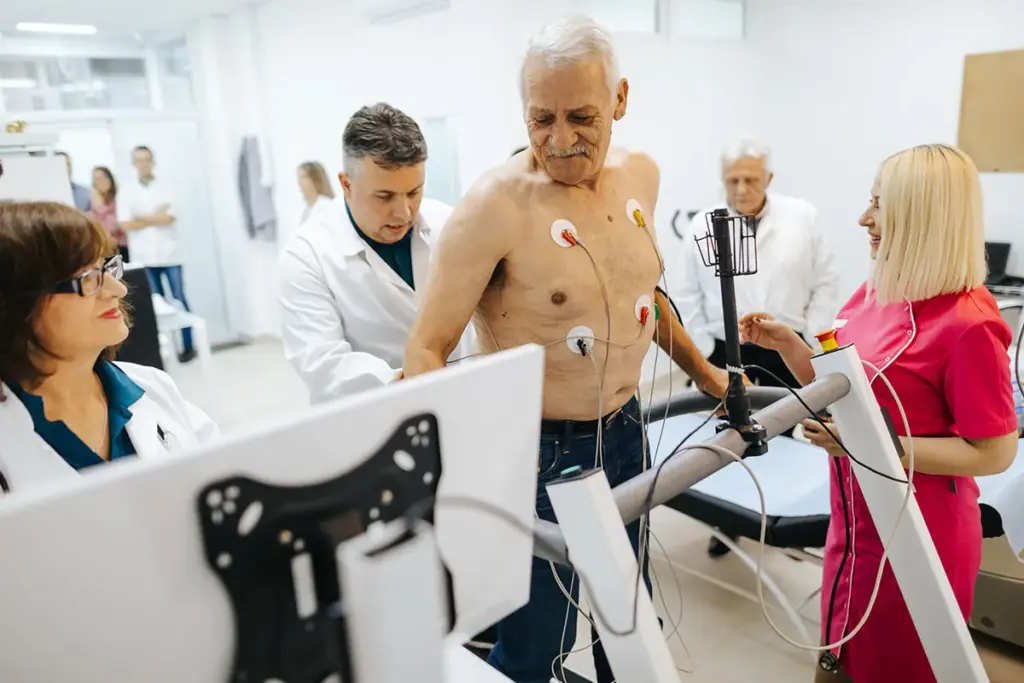
Exercise and cholesterol levels have a complex relationship. Physical activity changes lipid profiles in many ways. Regular exercise can significantly alter cholesterol levels, improving heart health.
Exercise and HDL Cholesterol
Exercise boosts HDL (High-Density Lipoprotein) cholesterol, known as “good” cholesterol. Studies show that regular activity increases HDL levels. This helps remove other cholesterol from the blood.
Exercise and LDL Cholesterol
Exercise also impacts LDL (Low-Density Lipoprotein) cholesterol, or “bad” cholesterol. While effects can differ, consistent exercise often lowers LDL levels. This reduces the risk of artery plaque buildup.
Impact on Triglycerides
Exercise also affects triglycerides, a blood fat. Regular activity lowers triglyceride levels. This improves heart health further.
Scientific Evidence on Exercise and Lipid Profiles
Many studies have looked into exercise and lipid profiles. A detailed review shows regular exercise improves cholesterol levels and heart health.
|
Exercise Type |
Effect on HDL |
Effect on LDL |
Effect on Triglycerides |
|---|---|---|---|
|
Aerobic Exercise |
Increase |
Decrease |
Decrease |
|
Resistance Training |
Variable |
Decrease |
Decrease |
|
High-Intensity Interval Training (HIIT) |
Increase |
Decrease |
Significant Decrease |
In conclusion, regular exercise greatly benefits cholesterol levels and heart health. Knowing how different exercises affect lipid profiles helps individuals choose the best physical activities.
Cardiovascular Exercise and Heart Health Benefits
Regular cardiovascular exercise is key for a healthy heart. It’s any activity that makes your heart beat faster and boosts heart, lung, and circulation health.
Types of Aerobic Exercises
Aerobic exercises vary to fit everyone’s likes and fitness levels. You can try:
- Brisk walking
- Running or jogging
- Swimming
- Cycling
- Dancing
- Aerobics classes
These exercises are great and easy to add to your daily life.
Recommended Intensity and Duration
The American Heart Association suggests at least 150 minutes of moderate-intensity aerobic activity or 75 minutes of vigorous-intensity aerobic activity. It’s best to spread these out over the week. More or harder workouts can offer even more benefits.
Expected Benefits for Cardiac Risk Reduction
Doing cardiovascular exercise regularly can greatly lower heart disease risks. You’ll see benefits like:
- Lower blood pressure
- Improved lipid profiles
- Enhanced insulin sensitivity
- Weight management
Adding cardiovascular exercise to your routine can greatly reduce heart disease risk and boost heart health.
Strength Training for Improved Cholesterol Management
Adding strength training to your workout can really help your cholesterol. This type of exercise boosts muscle strength by using weights or resistance. It works a muscle or group of muscles against an outside load.
Impact on Lipid Profiles
Resistance training can make your lipid profiles better. It increases HDL, the “good” cholesterol, and lowers LDL, the “bad” cholesterol. Studies show it can greatly improve your lipid profiles, helping your heart health.
Optimal Strength Training Routines
For the best cholesterol management, choose the right strength training. Focus on big exercises like squats, deadlifts, and bench presses. These work many muscles at once, building muscle and boosting metabolism.
A good strength training plan covers all major muscles. Here’s a sample routine:
- Monday: Chest and Triceps
- Tuesday: Back and Biceps
- Wednesday: Rest
- Thursday: Legs
- Friday: Shoulders and Abs
- Saturday and Sunday: Rest
Frequency and Progression Guidelines
Do strength training 2 to 3 times a week for best results. Aim for progressive overload to keep challenging your muscles. This means slowly increasing the weight or resistance to grow stronger.
|
Frequency |
Intensity |
Expected Outcome |
|---|---|---|
|
2-3 times/week |
Moderate to High |
Significant improvements in muscle strength and lipid profiles |
|
Less than 2 times/week |
Low |
Minimal improvements in muscle strength and lipid profiles |
By adding strength training to your routine and following these tips, you can manage your cholesterol better. This will also boost your heart health.
High-Intensity Interval Training (HIIT) for Rapid Results
High-Intensity Interval Training (HIIT) is a top choice for boosting heart health and lowering cholesterol. It mixes short, intense workouts with brief breaks or low-intensity exercises.
What Is HIIT?
HIIT is a workout that ups and downs your heart rate, boosting your heart and metabolism. It’s different from steady cardio because it changes intensity, making it more fun and varied.
HIIT’s Impact on Cardiac Risk Factors
Studies prove HIIT cuts down on heart disease risks. It makes your body better at using insulin, lowers blood pressure, and improves your lipid levels. Adding HIIT to your routine can bring these benefits to you.
HIIT’s effects on heart health are wide-ranging:
- Boosts heart function
- Increases fat burning
- Reduces inflammation
- Lowers resting heart rate
Sample HIIT Workouts for Cholesterol Management
Here are some HIIT workouts to help manage cholesterol:
|
Exercise |
High-Intensity Phase |
Low-Intensity Phase |
Repetitions |
|---|---|---|---|
|
Sprinting |
30 seconds |
1 minute walking |
5 |
|
Burpees |
20 seconds |
40 seconds rest |
4 |
|
Cycling |
1 minute fast pace |
2 minutes slow pace |
3 |
Adding these HIIT workouts to your routine can help manage cholesterol and heart disease risks.
How to Lower LDL Cholesterol Through Exercise
Regular physical activity can greatly lower LDL cholesterol levels. This helps reduce the risk of heart disease. Exercise improves heart health and helps manage cholesterol levels.
Exercise Types Most Effective for LDL Reduction
Aerobic exercises like walking, jogging, cycling, and swimming are best for lowering LDL cholesterol. These activities boost heart health by improving blood flow. This helps reduce bad cholesterol.
Aerobic Exercise Examples:
- Brisk walking
- Jogging or running
- Cycling
- Swimming
- Dancing
Optimal Exercise Frequency for LDL Management
The right amount and frequency of exercise are key for managing LDL cholesterol. The American Heart Association suggests at least 150 minutes of moderate-intensity aerobic exercise or 75 minutes of vigorous-intensity aerobic exercise per week.
|
Exercise Intensity |
Recommended Duration per Week |
|---|---|
|
Moderate |
150 minutes |
|
Vigorous |
75 minutes |
Combining Exercise with Other LDL-Lowering Strategies
Exercise is powerful for lowering LDL cholesterol, but it works best with other lifestyle changes. Eating less saturated and trans fats, more soluble fiber, and staying at a healthy weight can boost exercise’s effects.
Dietary Tips to Complement Exercise:
- Increase intake of soluble fiber-rich foods like oats, barley, and fruits
- Reduce consumption of saturated fats found in red meat and full-fat dairy products
- Avoid trans fats commonly found in processed foods
- Maintain a healthy weight through a balanced diet and regular exercise
Combining regular exercise with a heart-healthy diet and lifestyle changes can lower LDL cholesterol levels. This reduces the risk of cardiovascular disease.
Flexibility and Mind-Body Exercises for Heart Health
Yoga and tai chi are great for your heart. They make you more flexible and help you relax. This is good for your heart health.
Yoga and Its Effects on Cholesterol
Yoga can help your cholesterol levels. It lowers bad cholesterol and raises good cholesterol. Yoga’s stress relief can also improve your cholesterol.
Yoga poses and breathing can lower blood pressure. They also improve blood flow. Adding yoga to your routine can make your heart healthier.
Tai Chi and Stress Reduction
Tai chi is great for reducing stress. It involves slow movements that calm your mind. It can lower blood pressure and improve heart health.
Tai chi also improves balance and coordination. This reduces the risk of falls and injuries. Adding tai chi to your routine can boost your overall health and heart health.
The Role of Relaxation in Cardiovascular Health
Relaxation is key for heart health. Chronic stress can harm your heart. Yoga and tai chi help reduce stress and protect your heart.
These exercises lower stress and promote relaxation. This can reduce the risk of heart disease. Adding relaxation techniques to your day can support heart health.
Creating an Exercise Plan to Lower Cardiac Risk
An effective exercise plan can greatly reduce cardiac risk. It improves cholesterol levels and overall heart health. The American Heart Association says regular exercise can lower heart disease risk. It does this by improving lipid profiles, reducing blood pressure, and keeping a healthy weight.
Assessing Your Current Fitness Level
Before starting an exercise plan, you need to know your current fitness level. This includes checking your heart health, muscle strength, flexibility, and body shape. A doctor can use tests like a stress test or BMI to figure this out.
Key factors to consider when assessing your fitness level include:
- Current physical activity level
- Medical history, including any heart conditions
- Age and overall health status
Setting Realistic Exercise Goals
Setting realistic goals is key to a successful exercise plan. Goals should be specific, measurable, achievable, relevant, and time-bound (SMART). For instance, aiming to exercise for 30 minutes, three times a week, is more achievable than exercising every day without a plan.
“The key to a successful exercise plan is setting realistic goals that align with your lifestyle and fitness level.”
Combining Different Exercise Types for Maximum Benefit
A good exercise plan should mix aerobic exercises, strength training, and flexibility exercises. Aerobic exercises, like walking or cycling, improve heart health. Strength training, like weightlifting, builds muscle and boosts metabolism. Flexibility exercises, such as yoga, improve flexibility and lower injury risk.
|
Exercise Type |
Benefits |
Examples |
|---|---|---|
|
Aerobic |
Improves cardiovascular health |
Brisk walking, cycling, swimming |
|
Strength Training |
Builds muscle, boosts metabolism |
Weightlifting, resistance band exercises |
|
Flexibility |
Enhances flexibility, reduces injury risk |
Yoga, stretching exercises |
By assessing your fitness level, setting realistic goals, and mixing different exercises, you can make a great exercise plan. This plan will lower your cardiac risk and improve your health.
How to Reduce Cholesterol in 7 Days with Exercise
Can you really lower cholesterol in just 7 days? Yes, it’s possible with the right exercise and diet. A 7-day plan can start you on the path to better heart health.
Realistic Expectations for Short-Term Results
Lowering cholesterol in 7 days is a big goal. But starting a healthy lifestyle can lead to long-term heart health benefits. Expect to see improvements in heart health and lower cholesterol levels over time.
A study in the Journal of the American Heart Association showed that regular aerobic exercise can lower LDL cholesterol quickly.
Intensive Exercise Protocols
To really lower cholesterol, you need intense workouts. High-Intensity Interval Training (HIIT) is great for heart health and cholesterol.
- Do HIIT workouts 3 times a week with sprints, burpees, or jump squats.
- Strength train at least twice a week to build muscle and boost metabolism.
- Try for 150 minutes of moderate or 75 minutes of vigorous aerobic exercise weekly.
Complementary Dietary Changes
Your diet is key in managing cholesterol. Exercise alone isn’t enough. Making certain diet changes can help lower cholesterol.
|
Dietary Component |
Recommended Change |
Benefit |
|---|---|---|
|
Saturated Fats |
Reduce intake |
Lowers LDL cholesterol |
|
Fiber |
Increase intake |
Helps remove excess cholesterol |
|
Omega-3 Fatty Acids |
Include in diet |
Improves heart health |
By combining intense workouts with these diet changes, you can see big improvements in cholesterol and heart health.
How to Reduce Cholesterol in 30 Days
With a focused 30-day plan, you can lower your cholesterol and improve your heart health. This plan includes a structured exercise routine, tracking your progress, and following a diet that lowers cholesterol.
30-Day Exercise Challenge
The 30-day exercise challenge is a great way to start lowering your cholesterol. It combines aerobic exercises, strength training, and flexibility exercises. Here’s a sample daily routine:
- Monday, Wednesday, Friday: 30 minutes of brisk walking or jogging
- Tuesday, Thursday: Strength training (focusing on major muscle groups)
- Saturday: Yoga or stretching exercises
- Sunday: Rest day or active recovery (e.g., light swimming)
Tracking Progress and Adjusting Your Approach
It’s important to track your progress to reach your cholesterol goals. Use a fitness tracker or log your workouts and diet changes. Check your cholesterol levels regularly and adjust your plan as needed.
|
Week |
Exercise Type |
Duration/Frequency |
|---|---|---|
|
1 |
Aerobic |
30 minutes, 3 times |
|
2 |
Strength Training |
2 times, major muscle groups |
|
3 |
Flexibility |
2 times, yoga or stretching |
|
4 |
Combination |
Varied, based on progress |
Combining Exercise with Cholesterol-Lowering Diet
A diet that lowers cholesterol is key to complementing your exercise. Eat foods rich in omega-3 fatty acids (like salmon and walnuts), high-fiber foods (such as oats and fruits), and lean proteins (like poultry and legumes).
Avoid foods high in saturated fats, trans fats, and cholesterol. By combining a balanced diet with regular exercise, you can lower your cholesterol in just 30 days.
Lifestyle Factors That Enhance Exercise Benefits
Exercise is key for heart health, but other lifestyle choices can boost its effects. A well-rounded approach to wellness includes regular exercise, healthy habits, and managing stress. This can improve your health and lower the risk of heart problems.
Sleep Quality and Recovery
Good sleep is vital for your body to recover, after you exercise. It helps repair your heart, build muscles, and boost your immune system. Bad sleep can cause inflammation, stress, and increase heart disease risk.
- Establish a Consistent Sleep Schedule: Go to bed and wake up at the same time every day, including weekends.
- Create a Sleep-Conducive Environment: Make sure your bedroom is dark, quiet, and cool.
- Avoid Stimulants Before Bedtime: Don’t have caffeine or use electronics an hour before bed.
Stress Management Techniques
Too much stress can undo the good of exercise by raising cortisol levels. This hormone can increase blood pressure and heart disease risk. It’s important to manage stress for heart health.
- Meditation and Mindfulness: These practices can lower stress and boost mental health.
- Deep Breathing Exercises: Simple breathing can calm your mind and reduce stress.
- Physical Activity: Exercise also reduces stress by releasing happy hormones.
Avoiding Smoking and Excessive Alcohol
Smoking and drinking too much alcohol are big risks for heart disease. Smoking harms blood vessels, while too much alcohol can raise blood pressure and cause heart failure.
- Quit Smoking: Use programs and resources to stop smoking.
- Limit Alcohol Intake: Stick to alcohol guidelines to avoid drinking too much.
Adding these lifestyle habits to your daily life can make exercise even more beneficial for your heart.
Monitoring Your Cholesterol and Cardiac Risk
Knowing your cholesterol levels is key to managing heart health. Regular checks help you see how your levels change. This lets you adjust your lifestyle or treatment plan as needed.
Regular Testing and Check-ups
Testing your cholesterol regularly is essential. The American Heart Association suggests adults get tested every 4 to 6 years if they’re at low risk. But, if you have high blood pressure, diabetes, or a family history of heart disease, your doctor might want you to get tested more often.
Lipid Profile Tests measure four important things:
- Total Cholesterol
- HDL (High-Density Lipoprotein) Cholesterol
- LDL (Low-Density Lipoprotein) Cholesterol
- Triglycerides
|
Lipid Profile Component |
Desirable Level |
Borderline |
High Risk |
|---|---|---|---|
|
Total Cholesterol |
<200 mg/dL |
200-239 mg/dL |
≥240 mg/dL |
|
LDL Cholesterol |
<100 mg/dL |
100-129 mg/dL |
≥130 mg/dL |
|
HDL Cholesterol |
≥60 mg/dL |
40-59 mg/dL |
<40 mg/dL |
|
Triglycerides |
<150 mg/dL |
150-199 mg/dL |
≥200 mg/dL |
Using Technology to Track Exercise and Heart Health
Technology is a big help in tracking your health. Wearable devices, apps, and online platforms can monitor your exercise and heart rate. They give you insights into your daily activity and help keep you motivated to stay healthy.
Interpreting Changes in Your Lipid Profile
Understanding your lipid profile results is vital for heart health. Changes in your levels show if your current plan is working. For example, higher HDL or lower LDL means you’re at lower risk for heart disease.
It’s important to talk to your doctor about your test results. They can help you make the best decisions for your health.
Special Considerations for Different Age Groups
Different age groups need special exercise plans to manage heart risks. As we age, our bodies change, affecting our heart health and how we exercise.
Exercise for Young Adults with High Cholesterol
Young adults with high cholesterol can greatly benefit from exercise. Running, cycling, and swimming are great for the heart and lowering cholesterol. They should aim for 150 minutes of moderate exercise each week.
Strength training is also good. It builds muscle, helping with cholesterol. Young adults should do strength training two times a week.
Middle-Age Exercise Strategies
Middle-aged people often move less due to work and family. But, it’s key to keep exercising. Brisk walking, jogging, and cycling are good for the heart.
They should also do flexibility and balance exercises to avoid injuries and stay mobile. Yoga and Pilates are great for all fitness levels.
|
Age Group |
Recommended Exercises |
Frequency |
|---|---|---|
|
Young Adults |
Aerobic exercises, Strength Training |
At least 150 minutes/week, 2 sessions/week |
|
Middle-Age |
Brisk Walking, Jogging, Cycling, Yoga |
At least 150 minutes/week, 2-3 sessions/week |
|
Seniors |
Low-Impact Aerobics, Swimming, Tai Chi |
At least 30 minutes/day, 3-5 sessions/week |
Safe Exercise for Seniors with Cardiac Risk Factors
Seniors with heart risks should do low-impact exercises. Swimming and water aerobics are good because they’re easy on the heart. They also improve heart health.
Tai Chi is another good choice for seniors. It helps with balance, flexibility, and stress. Seniors should talk to their doctor before starting any new exercise.
Knowing the right exercises for each age group helps manage heart risks and improves health.
When Exercise Isn’t Enough: Medical Interventions
Exercise is key for heart health, but sometimes, medical help is needed to control cholesterol. For some, just changing their lifestyle isn’t enough. They might need medical treatment to lower their heart risk.
Medications for Cholesterol Management
There are many medicines to help manage cholesterol. Statins are a top choice. They lower cholesterol made by the liver. Other options include bile acid sequestrants and cholesterol absorption inhibitors.
These medicines are great for people with high LDL cholesterol or those at high heart risk. But, it’s important to talk to a doctor about the benefits and risks. They can help find the best treatment.
When to Consider Medical Treatment
Think about medical treatment if diet and exercise don’t lower cholesterol enough. Or if you’re at high risk of heart disease. This might be needed if you’ve had a heart attack or stroke, or if your LDL cholesterol is very high.
- High LDL cholesterol levels despite lifestyle changes
- History of cardiovascular events
- Presence of other cardiovascular risk factors
Combining Exercise with Medical Therapy
Exercise and medicine together can work better for cholesterol. Exercise improves lipid profiles and blood pressure. It also boosts heart health.
When you’re on medicine for cholesterol, keep exercising and eating well. It’s important to check in with your doctor often. They can adjust your treatment to keep your cholesterol in check.
Conclusion: Making Exercise a Lifelong Habit for Heart Health
Regular exercise is key to keeping your heart healthy and managing cholesterol. Different types of physical activity help your heart stay in top shape. This includes aerobic exercises, strength training, and flexibility exercises.
Adding exercise to your daily life can lower your heart disease risk. It’s important to set achievable goals and mix up your workouts. This way, you get the most benefits. A healthy lifestyle, including a good diet and managing stress, also helps keep your heart in good shape.
Building a lifelong habit of exercise takes hard work and commitment. But it’s worth it for the long-term benefits to your heart health and cholesterol levels. Begin your journey to a healthier, more active life today.
FAQ
What is a cardiac risk ratio, and how is it calculated?
The cardiac risk ratio is a way to measure heart disease risk. It’s found by dividing total cholesterol by HDL (good) cholesterol. A lower ratio means less heart disease risk.
How does exercise impact cholesterol levels?
Exercise boosts HDL (good) cholesterol and lowers LDL (bad) cholesterol and triglycerides. This improves cholesterol profiles and reduces heart disease risk.
What types of exercise are most effective for lowering LDL cholesterol?
Aerobic exercises like brisk walking, cycling, and swimming lower LDL cholesterol. Resistance training, like weightlifting, also improves lipid profiles.
Can high-intensity interval training (HIIT) help improve cardiac risk factors?
Yes, HIIT is effective in improving heart health. It involves short, intense exercise followed by rest. HIIT lowers LDL and raises HDL cholesterol.
How often should I exercise to lower my cardiac risk ratio?
The American Heart Association suggests 150 minutes of moderate aerobic exercise weekly. Or 75 minutes of vigorous exercise. Adding strength training improves heart health.
Can exercise alone lower cholesterol levels, or are other lifestyle changes necessary?
Exercise is key for healthy cholesterol, but other lifestyle changes are also important. A healthy diet, stress management, and not smoking are essential for heart health.
How long does it take to see improvements in cholesterol levels through exercise?
Improvements in cholesterol levels through exercise vary. It depends on exercise intensity, frequency, diet, and lifestyle. Some see changes in weeks, others in months.
Are there any specific exercises that can help reduce stress and improve heart health?
Yes, mind-body exercises like yoga and tai chi reduce stress and improve heart health. They also enhance flexibility and balance.
Can older adults benefit from exercise in terms of reducing cardiac risk?
Yes, older adults greatly benefit from exercise for heart health. It improves health, mobility, and cardiovascular function, even in older age.
When should medical treatment be considered for managing cholesterol levels?
Medical treatment may be needed if lifestyle changes don’t improve cholesterol levels. Consult a healthcare professional to find the best treatment.
References
National Center for Biotechnology Information. Evidence-Based Medical Insight. Retrieved from https://pmc.ncbi.nlm.nih.gov/articles/PMC11460131/