High cholesterol is a significant health concern in the United States, affecting nearly 86 million adults, according to the Centers for Disease Control and Prevention (CDC).
This condition increases the risk of heart attack and stroke, making it crucial to manage cholesterol levels effectively.
Diet plays a vital role in controlling cholesterol. Incorporating specific foods, known as “superfoods,” into one’s diet can significantly lower cholesterol levels and improve overall heart health.
Key Takeaways
- Incorporating superfoods into your diet can help lower cholesterol levels.
- A healthy diet is crucial in managing cholesterol and reducing the risk of heart disease.
- Certain foods have been identified as particularly beneficial for heart health.
- Making informed dietary choices can significantly impact overall well-being.
- A balanced diet, combined with a healthy lifestyle, is key to maintaining healthy cholesterol levels.
Understanding Cholesterol: The Good, The Bad, and The Ugly
To grasp the impact of cholesterol on our health, it’s essential to understand its different forms and how they are influenced by diet and lifestyle. Cholesterol is a fatty substance made by the liver and carried through the bloodstream by lipoproteins. There are two main types: Low-density lipoprotein (LDL), or “bad,” cholesterol, and High-density lipoprotein (HDL), or “good,” cholesterol.
HDL vs. LDL Cholesterol: What’s the Difference?
LDL cholesterol is considered “bad” because high levels can lead to plaque buildup in arteries, known as atherosclerosis, increasing the risk of heart disease and stroke. On the other hand, HDL cholesterol is deemed “good” as it helps remove other forms of cholesterol from the bloodstream. High levels of HDL cholesterol are associated with a lower risk of heart disease.
Maintaining a balance between HDL and LDL cholesterol is crucial for heart health. As a renowned cardiologist once said, “The HDL level is a powerful predictor of coronary heart disease risk.”
“The higher your HDL level, the lower your risk of heart disease.”
How Diet Impacts Your Cholesterol Levels
Diet plays a significant role in determining cholesterol levels. Consuming saturated and trans fats can raise LDL cholesterol, while a diet rich in soluble fiber can help lower it. Foods high in soluble fiber, such as oats, barley, fruits, and vegetables, can help improve cholesterol profiles. Incorporating a heart-healthy diet that is low in saturated fats and high in fiber can significantly impact cholesterol levels.
To manage cholesterol through diet, it’s recommended to follow a low cholesterol diet that emphasizes whole grains, lean proteins, and a variety of fruits and vegetables. Limiting dietary cholesterol and avoiding trans fats are also crucial steps. By making informed dietary choices, individuals can take a proactive approach to maintaining healthy cholesterol levels and reducing the risk of heart disease.
The Impact of High Cholesterol on Heart Health
Elevated cholesterol levels pose a significant risk to cardiovascular health, making it crucial to understand the implications. High cholesterol is a major risk factor for heart disease and stroke, conditions that are among the leading causes of death worldwide. Understanding the risks and taking proactive steps can significantly reduce the likelihood of developing these conditions.
Risk Factors for High Cholesterol
Several factors contribute to high cholesterol, including diet, lifestyle, and genetics. Consuming foods high in saturated fats, trans fats, and cholesterol can increase levels of low-density lipoprotein (LDL) cholesterol, often referred to as “bad” cholesterol. High cholesterol foods include processed meats, fried foods, and baked goods made with partially hydrogenated oils.
- Unhealthy diet
- Lack of physical activity
- Smoking
- Genetic predisposition
Signs Your Cholesterol Might Be Elevated
High cholesterol often does not present with noticeable symptoms until it leads to serious health issues. However, there are some signs and risk factors that may indicate elevated cholesterol levels. These include a family history of high cholesterol, being overweight, and having a diet high in saturated and trans fats.
|
Risk Factor |
Description |
|---|---|
|
Family History |
Having a close relative with high cholesterol or heart disease |
|
Diet |
Consuming high amounts of saturated fats, trans fats, and cholesterol |
|
Physical Activity |
Lack of regular exercise |
Understanding these risk factors and signs can help in taking preventive measures. Knowing how to lower LDL cholesterol is crucial for maintaining heart health. This involves a combination of dietary changes, increased physical activity, and, if necessary, medical intervention.
How to Lower Cholesterol Through Diet
Making informed food choices can significantly impact your cholesterol levels and overall cardiovascular well-being. By focusing on the right foods, you can effectively lower your cholesterol and improve your heart health.
The Role of Fiber in Cholesterol Management
Foods rich in fiber, such as oats, barley, and various fruits, play a crucial role in reducing LDL (bad) cholesterol. Soluble fiber, in particular, helps to bind to bile acids and remove them from the body, which in turn reduces the amount of cholesterol produced in the liver. Incorporating high-fiber foods into your diet can be as simple as starting your day with a bowl of oatmeal or adding fruits to your meals.
Increasing your fiber intake not only helps in lowering LDL cholesterol but also contributes to a feeling of fullness, which can aid in weight management. Aim to include a variety of fiber-rich foods in your diet to maximize the benefits.
Healthy Fats vs. Unhealthy Fats
Understanding the difference between healthy and unhealthy fats is crucial for managing cholesterol levels. Healthy fats, such as monounsaturated and polyunsaturated fats found in avocados, nuts, and olive oil, can help lower LDL cholesterol and raise HDL (good) cholesterol. On the other hand, unhealthy fats, including saturated and trans fats found in processed and fried foods, can have the opposite effect.
Replacing unhealthy fats with healthier options is a simple yet effective dietary change. For example, choosing to cook with olive oil instead of butter or using nuts as a snack instead of chips can make a significant difference in your cholesterol profile.
By making these dietary adjustments and focusing on heart-healthy foods, you can take a significant step towards lowering your cholesterol and improving your overall cardiovascular health.
Superfood #1: Oats and Whole Grains
The benefits of oats and whole grains extend beyond just being a good source of fiber; they are also instrumental in reducing LDL cholesterol. Oats, in particular, contain a type of soluble fiber known as beta-glucan, which has been shown to have a positive impact on cholesterol levels.
The Science Behind Oats and Cholesterol Reduction
Oats and other whole grains influence the gut microbiome and help in excreting cholesterol and bile in the stool, thereby reducing the overall cholesterol levels in the body. The soluble fiber in oats forms a gel-like substance in the stomach, which traps bile acids and removes them from the body, necessitating the liver to use more cholesterol to produce new bile acids, thus lowering the circulating cholesterol levels.
Best Ways to Incorporate Oats Into Your Diet
Incorporating oats into your diet can be straightforward and delicious. Here are some ways to do it:
- Start your day with a bowl of oatmeal topped with fruits and nuts.
- Add oats to your baking recipes, such as muffins and cookies.
- Use oats as a topping for yogurt or smoothie bowls.
- Incorporate oat bran into your breakfast cereal or baking.
Whole grains other than oats, such as barley, quinoa, and brown rice, also offer similar benefits and can be incorporated into meals in various ways.
|
Whole Grain |
Nutritional Benefits |
Ways to Include |
|---|---|---|
|
Oats |
High in soluble fiber, beta-glucan |
Oatmeal, oat bread, oat cookies |
|
Quinoa |
Complete protein, rich in fiber and minerals |
Salads, side dishes, breakfast bowls |
|
Brown Rice |
Rich in fiber, manganese, and selenium |
Side dishes, stir-fries, sushi |
By making oats and whole grains a staple in your diet, you can take a significant step towards lowering your cholesterol levels and improving your overall heart health.
Superfood #2: Fatty Fish and Omega-3s
Fatty fish, rich in omega-3 fatty acids, are a crucial component of a heart-healthy diet. These nutrients have been shown to not only lower triglycerides but also contribute to raising HDL (good) cholesterol levels.
How Omega-3 Fatty Acids Lower Cholesterol
Omega-3 fatty acids, particularly EPA and DHA found in fatty fish, play a significant role in improving cholesterol profiles. They work by reducing the production of triglycerides in the liver, which in turn can help lower overall triglyceride levels in the blood. Higher levels of triglycerides are associated with an increased risk of heart disease, making the consumption of omega-3 rich foods a beneficial strategy for heart health.
Moreover, omega-3s have anti-inflammatory properties that can help improve overall cardiovascular health. By incorporating fatty fish into your diet, you’re not just lowering cholesterol; you’re also reducing inflammation that can lead to heart disease.
Top Fish Choices for Heart Health
Not all fatty fish are created equal when it comes to omega-3 content. Here are some of the top choices for heart health:
- Salmon: Known for its high omega-3 content, salmon is a versatile fish that can be grilled, baked, or sautéed.
- Mackerel: Another fish rich in omega-3s, mackerel is often canned and can be used in salads or as a sandwich filling.
- Sardines: These small, oily fish are packed with omega-3s and are often consumed canned or fresh.
Including a variety of these fish in your diet can help ensure you’re getting enough omega-3s to support heart health. Eating fish, especially fatty fish, at least twice a week.
Superfood #3: Nuts and Seeds for Heart Health
Rich in healthy fats and fiber, nuts and seeds are a superfood that can significantly impact cholesterol levels. Incorporating them into your diet can be a simple yet effective way to support heart health.
Almonds, Walnuts, and Cashews: The Cholesterol-Fighting Trio
Nuts like almonds, walnuts, and cashews are particularly beneficial for heart health due to their rich nutritional profile. Almonds are high in vitamin E and magnesium, walnuts are rich in omega-3 fatty acids, and cashews are a good source of monounsaturated fats. These nutrients work together to help lower LDL cholesterol and improve overall heart health.
Nutritional Benefits of Key Nuts:
|
Nut Type |
Key Nutrients |
Benefits |
|---|---|---|
|
Almonds |
Vitamin E, Magnesium |
Antioxidant properties, supports heart health |
|
Walnuts |
Omega-3 Fatty Acids |
Reduces inflammation, improves heart health |
|
Cashews |
Monounsaturated Fats |
Lowers LDL cholesterol, supports overall heart health |
Portion Control: How Much Is Enough?
While nuts and seeds are beneficial, it’s crucial to practice portion control due to their high calorie content. A serving size is typically a small handful, or about 1 ounce (28 grams). This can vary depending on the type of nut or seed. Being mindful of portion sizes can help you reap the benefits without consuming too many calories.
To incorporate nuts and seeds into your diet effectively, consider adding them to your meals or snacks in moderation. For example, you can sprinkle almonds on your oatmeal or enjoy cashews as a mid-day snack.
Superfood #4: Beans and Legumes
The fiber and protein content in beans and legumes make them an ideal food for cholesterol management. Beans and legumes are nutritional powerhouses that have been recognized for their potential in reducing LDL cholesterol.
The Fiber-Protein Combination That Fights Cholesterol
Beans and legumes are rich in both soluble and insoluble fiber, which plays a crucial role in lowering cholesterol levels. Soluble fiber forms a gel-like substance in the stomach, binding to bile acids, and removing them from the body, which in turn reduces the amount of cholesterol produced in the liver. The high protein content in beans and legumes also contributes to their cholesterol-lowering effect.
Some of the most beneficial beans and legumes for heart health include kidney beans, black beans, lentils, and chickpeas. These foods are not only rich in fiber and protein but also packed with vitamins and minerals that support overall cardiovascular health.
|
Type of Bean/Legume |
Fiber Content (g) |
Protein Content (g) |
|---|---|---|
|
Kidney Beans |
8.2 |
15.3 |
|
Black Beans |
9.5 |
15.2 |
|
Lentils |
15.6 |
18.0 |
Delicious Ways to Add More Beans to Your Meals
Incorporating beans and legumes into your diet can be both easy and delicious. Here are a few ideas: add black beans to your salads, use lentils in soups, or make a hearty chickpea stew. You can also substitute beans for meat in dishes like tacos or pasta sauces.
Experimenting with different recipes and flavors can help you find enjoyable ways to increase your bean and legume intake, supporting your heart health and cholesterol management goals.
Superfood #5: Fruits Rich in Soluble Fiber
Fruits such as apples, citrus, and berries are not only tasty but also packed with soluble fiber that helps manage cholesterol levels. Incorporating these fruits into your daily diet can have a significant impact on your heart health.
Apples, Citrus, and Berries: Nature’s Cholesterol Fighters
Apples are particularly beneficial due to their high pectin content, a type of soluble fiber that helps lower LDL cholesterol. Citrus fruits like oranges and grapefruits are also rich in soluble fiber and vitamin C, which together help in maintaining healthy cholesterol levels.
Berries, including strawberries, blueberries, and raspberries, are not only rich in antioxidants but also in soluble fiber, making them an excellent choice for heart health.
The Benefits of These Fruits:
- High in soluble fiber, which helps reduce LDL cholesterol
- Rich in antioxidants and vitamins that support overall heart health
- Versatile and easy to incorporate into daily meals and snacks
Prunes and Other Dried Fruits for Cholesterol Management
Prunes, or dried plums, are another fruit that offers significant benefits for cholesterol management. They are rich in soluble fiber and antioxidants, which help in lowering bad cholesterol and improving overall heart health.
Other dried fruits like apricots and raisins also contribute to a heart-healthy diet when consumed in moderation.
The advantages of prunes include:
- High soluble fiber content that aids in cholesterol reduction
- Rich in antioxidants that help protect against heart disease
- Can be easily added to oatmeal, yogurt, or salads for a nutritious boost
Superfood #6: Olive Oil and Plant Sterols
Olive oil, rich in monounsaturated fats, and plant sterols, which block cholesterol absorption, together form a potent duo for heart health. Incorporating these into your diet can significantly improve your cholesterol profile and overall cardiovascular well-being.
How Olive Oil Improves Cholesterol Profiles
Olive oil is renowned for its heart health benefits, primarily due to its high content of monounsaturated fats. These healthy fats help raise HDL (good) cholesterol levels while lowering LDL (bad) cholesterol levels. The antioxidants present in olive oil, such as vitamin E and polyphenols, further contribute to its protective effects against heart disease.
To reap the benefits, it’s essential to choose high-quality, extra virgin olive oil, as it contains higher levels of antioxidants compared to refined olive oils.
Plant Sterols: Natural Cholesterol Blockers
Plant sterols, also known as phytosterols, are naturally occurring substances found in the cell membranes of plants. They are known to help lower levels of LDL cholesterol by inhibiting its absorption in the gut. Foods fortified with plant sterols, such as certain margarines and orange juices, can be effective in managing cholesterol levels.
|
Food |
Plant Sterol Content |
Effect on Cholesterol |
|---|---|---|
|
Fortified Margarine |
High |
Significant LDL reduction |
|
Orange Juice (fortified) |
Moderate |
Moderate LDL reduction |
|
Nuts and Seeds |
Variable |
Mild LDL reduction |
Incorporating olive oil and plant sterols into your diet can be straightforward. Use olive oil as your primary cooking oil, and look for products fortified with plant sterols. A balanced diet that includes these components can contribute to a heart-healthy lifestyle.
Creating a Heart-Healthy Meal Plan
A well-structured heart-healthy meal plan can significantly reduce the risk of heart disease. By focusing on foods that lower cholesterol and substituting high cholesterol foods with healthier alternatives, individuals can take a proactive approach to managing their heart health.
Sample 7-Day Low Cholesterol Diet Plan
A 7-day meal plan can serve as a practical guide for incorporating heart-healthy foods into your diet. Here’s a sample plan that includes a variety of cholesterol-lowering foods:
- Monday: Oatmeal with fruits and nuts for breakfast, grilled salmon with quinoa and steamed vegetables for dinner.
- Tuesday: Whole-grain toast with avocado for breakfast, lentil soup with a side salad for lunch.
- Wednesday: Greek yogurt with berries for breakfast, grilled chicken with roasted vegetables for dinner.
- Thursday: Smoothie bowl with spinach, banana, and almond milk for breakfast, baked cod with brown rice and steamed broccoli for dinner.
- Friday: Scrambled eggs with whole-grain toast for breakfast, chickpea salad with mixed greens for lunch.
- Saturday: Avocado toast on whole-grain bread for breakfast, grilled turkey burger with sweet potato fries for dinner.
- Sunday: Breakfast burrito with scrambled eggs, black beans, and avocado wrapped in a whole-grain tortilla, roasted chicken with quinoa and steamed asparagus for dinner.
Smart Substitutions for High Cholesterol Foods
Making smart substitutions in your diet can significantly impact your cholesterol levels. Replacing high cholesterol foods with healthier options is a straightforward way to improve your heart health.
For example, choosing lean proteins like poultry and fish instead of red meat can help lower cholesterol. Similarly, opting for low-fat dairy products or plant-based alternatives can reduce saturated fat intake.
- Replace butter with olive oil or avocado oil for cooking.
- Choose whole grains over refined grains.
- Select baked or grilled foods instead of fried foods.
Foods to Avoid on a Low Cholesterol Diet
To keep cholesterol in check, it’s essential to know which foods to avoid. A low cholesterol diet isn’t just about eating healthy foods; it’s also about being aware of the foods that can raise your LDL cholesterol levels.
High Cholesterol Foods to Limit
Certain foods are high in saturated and trans fats, which can significantly raise LDL cholesterol. These include:
- Processed meats like sausages and bacon
- Fried foods such as french fries and fried chicken
- Baked goods and pastries that contain trans fats
- Full-fat dairy products like cheese and whole milk
Limiting these foods can help manage cholesterol levels. It’s also beneficial to read food labels carefully to identify hidden sources of saturated and trans fats.
Hidden Sources of Unhealthy Fats
Some foods may not seem high in fat but can still contribute to high cholesterol. These include:
- Certain processed snacks that contain partially hydrogenated oils
- Some restaurant meals that are cooked in unhealthy oils
- Pre-packaged meals that may contain hidden trans fats
Being mindful of these hidden sources can make a significant difference in maintaining healthy cholesterol levels.
By understanding which foods to limit or avoid, individuals can take a proactive approach to managing their cholesterol levels. Making informed dietary choices is a crucial step towards a healthier heart.
Beyond Diet: Other Lifestyle Factors That Affect Cholesterol
While diet plays a crucial role in cholesterol management, other lifestyle factors are equally important. Adopting a comprehensive approach to heart health involves considering these factors to effectively manage cholesterol levels.
Exercise and Cholesterol Management
Regular physical activity is a cornerstone of heart health and plays a significant role in managing cholesterol levels. Exercise can help raise high-density lipoprotein (HDL) or “good” cholesterol, while also lowering low-density lipoprotein (LDL) or “bad” cholesterol.
Types of Exercise Beneficial for Cholesterol Management:
- Aerobic exercises such as walking, cycling, and swimming
- Resistance training to build muscle mass
- High-intensity interval training (HIIT) for improved cardiovascular health
At least 150 minutes of moderate-intensity aerobic activity or 75 minutes of vigorous-intensity aerobic activity per week, or a combination of both, for overall cardiovascular health.
|
Exercise Type |
Impact on HDL |
Impact on LDL |
|---|---|---|
|
Aerobic Exercise |
Increases |
Decreases |
|
Resistance Training |
May Increase |
May Decrease |
|
HIIT |
Increases |
Decreases |
Stress Reduction Techniques for Heart Health
Chronic stress can negatively impact cholesterol levels by influencing behaviors that affect heart health, such as overeating or making unhealthy food choices. Stress reduction techniques can help mitigate this impact.
Effective Stress Reduction Techniques:
- Meditation and mindfulness practices
- Yoga and tai chi
- Deep breathing exercises
These techniques not only help in managing stress but can also contribute to overall well-being and heart health.
By incorporating regular exercise and effective stress reduction techniques into your lifestyle, you can take significant steps towards managing your cholesterol levels and improving your overall heart health.
Supplements That May Help Lower Cholesterol
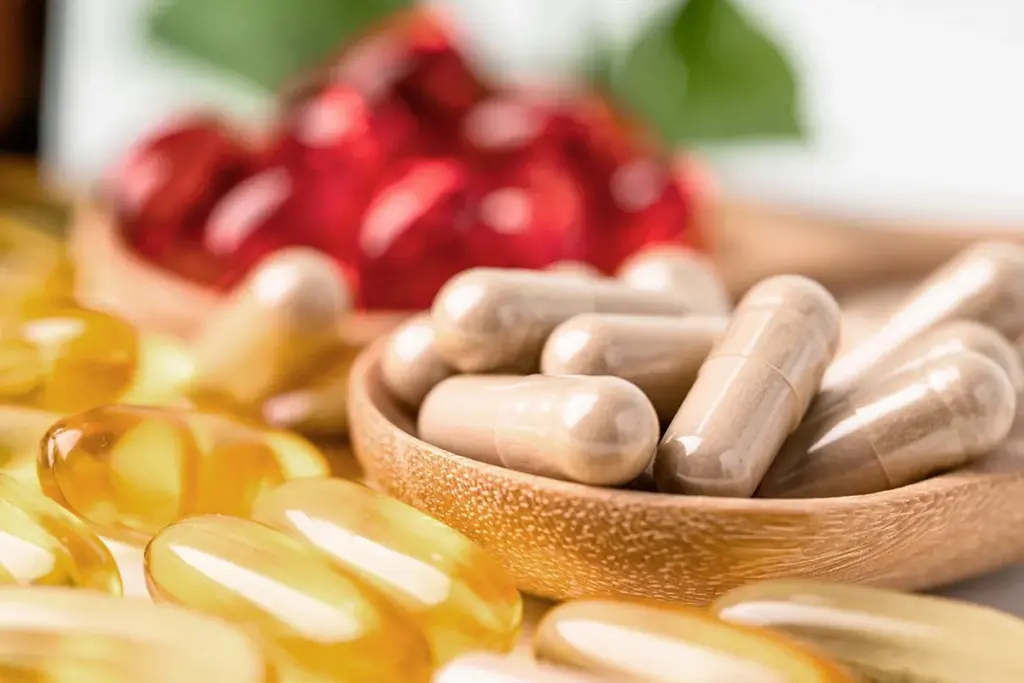
While dietary changes are crucial, certain supplements may also play a role in cholesterol management. The decision to use supplements should be based on individual health needs and circumstances.
Red Yeast Rice and Other Natural Supplements
Red yeast rice is one of the most studied supplements for cholesterol management. It contains substances that are similar to statins, the drugs commonly prescribed to lower cholesterol. Other natural supplements that may help include:
- Plant sterols and stanols: These substances can help block the absorption of cholesterol in the gut.
- Omega-3 fatty acids: While primarily known for their heart health benefits, omega-3s can also help lower triglycerides.
- Berberine: A compound found in several plants, berberine has been shown to have cholesterol-lowering effects.
When to Consider Supplements vs. Diet Changes
Before turning to supplements, it’s essential to focus on dietary changes. A diet rich in fruits, vegetables, whole grains, and healthy fats can significantly impact cholesterol levels. However, for some individuals, supplements may be necessary to achieve desired cholesterol levels.
Key considerations when deciding between supplements and diet changes include:
- The severity of your high cholesterol
- Your ability to make and maintain dietary changes
- Potential interactions between supplements and medications
Ultimately, the decision should be made in consultation with a healthcare provider, who can help determine the most appropriate approach based on individual health status and needs.
How to Reduce Cholesterol in 7 Days
While it’s difficult to significantly lower cholesterol in a short span of 7 days, adopting healthy habits can kickstart your journey to better cardiovascular health. Making immediate changes to your diet and lifestyle can set the stage for long-term improvements in your cholesterol levels.
Realistic Timelines for Cholesterol Improvement
It’s essential to understand that significant changes in cholesterol levels may not occur within a mere 7 days. However, initiating a healthy diet and regular exercise routine can start to show positive effects within a few weeks to a few months. Dietary changes are among the most effective ways to manage cholesterol levels. By focusing on consuming foods rich in soluble fiber, such as oats, fruits, and vegetables, you can help lower your LDL (bad) cholesterol.
For instance, incorporating oatmeal into your breakfast routine or having an apple a day can contribute to your daily soluble fiber intake. Moreover, replacing saturated fats with healthier fats, like those found in olive oil and nuts, can further support heart health.
Tracking Your Progress: Home Testing vs. Doctor Visits
Monitoring your cholesterol levels is crucial to understanding the effectiveness of your new diet and lifestyle choices. You have two primary options for tracking your progress: home testing kits and visits to your doctor.
- Home testing kits offer the convenience of monitoring your cholesterol levels from the comfort of your home. However, their accuracy can vary, and they may not provide a complete picture of your heart health.
- Visiting your doctor for a cholesterol check provides a more comprehensive assessment, including LDL, HDL, and triglyceride levels. This option is more accurate and allows for professional guidance on managing your cholesterol.
Regardless of the method you choose, tracking your progress is a vital step in managing your cholesterol levels. Regular monitoring, combined with healthy lifestyle choices, can lead to significant improvements in your cardiovascular health over time.
When to See a Doctor About Your Cholesterol
While dietary changes are crucial in managing cholesterol, there are instances where medical attention is necessary. It’s essential to recognize the signs that indicate diet alone isn’t enough to manage your cholesterol levels.
Warning Signs That Diet Alone Isn’t Enough
Certain symptoms and test results can signal that you need to consult a doctor about your cholesterol. These include:
- High LDL cholesterol levels despite dietary changes
- Family history of heart disease or high cholesterol
- Presence of other heart disease risk factors such as diabetes or hypertension
Monitoring your cholesterol levels regularly is crucial, especially if you have risk factors. If you’re experiencing any of these warning signs, it’s time to seek medical advice.
|
Risk Factor |
Description |
Action |
|---|---|---|
|
High LDL Cholesterol |
Levels above 100 mg/dL |
Consult a doctor for possible medication |
|
Family History |
Close relatives with heart disease |
Discuss risk assessment with a doctor |
Medications for Cholesterol: When Are They Necessary?
For some individuals, lifestyle changes alone are not sufficient to achieve healthy cholesterol levels. In such cases, cholesterol-lowering medications may be prescribed.
“Statins are often the first line of treatment for high cholesterol, as they effectively lower LDL levels.”
Medications can help manage cholesterol levels when diet and exercise are not enough. It’s crucial to follow a doctor’s advice regarding medication and to continue monitoring cholesterol levels.
Conclusion: Building a Sustainable Cholesterol-Lowering Lifestyle
Building a sustainable lifestyle that incorporates healthy dietary choices and lifestyle habits is crucial for long-term cholesterol management and overall heart health. By incorporating the six superfoods discussed – oats, fatty fish, nuts, beans, fruits rich in soluble fiber, and olive oil – individuals can take a significant step towards lowering their cholesterol levels.
A sustainable lifestyle is not just about diet; it’s also about maintaining a balanced lifestyle that includes regular exercise, stress reduction, and avoiding unhealthy fats. By making these habits a part of daily life, individuals can improve their overall heart health and reduce the risk of heart disease.
The journey to a healthier lifestyle is ongoing, and it’s essential to track progress, whether through home testing or regular doctor visits. By combining dietary changes with other healthy habits, individuals can achieve a sustainable cholesterol-lowering lifestyle that promotes overall well-being.
FAQ
What are super1 foods and how can they help lower cholesterol?
Super1 foods are nutrient-dense foods that offer numerous health benefits, including lowering cholesterol. Examples include oats, fatty fish, nuts, beans, fruits rich in soluble fiber, and olive oil. Incorporating these foods into your diet can help manage cholesterol levels.
How does diet impact cholesterol levels?
Diet plays a significant role in managing cholesterol levels. Consuming foods high in saturated and trans fats can raise LDL (bad) cholesterol, while eating foods rich in soluble fiber, healthy fats, and omega-3 fatty acids can help lower LDL and raise HDL (good) cholesterol.
Are cashews good for you, and can they help lower cholesterol?
Yes, cashews are a nutritious snack that can be beneficial for heart health. They are rich in healthy fats and antioxidants, which can help lower LDL cholesterol when consumed in moderation.
What are some high cholesterol foods to avoid or limit?
Foods high in cholesterol and saturated fats, such as egg yolks, full-fat dairy products, processed meats, and fried foods, should be limited or avoided on a low cholesterol diet.
How can I lower my LDL cholesterol quickly?
To lower LDL cholesterol quickly, focus on making dietary changes, such as increasing soluble fiber intake, eating healthy fats, and consuming omega-3 rich foods. Regular exercise and stress reduction can also help.
Can I reduce my cholesterol levels in 7 days?
While significant changes may not occur in just 7 days, making healthy dietary changes and increasing physical activity can help lower cholesterol levels over time. A sample 7-day low cholesterol diet plan can be a good starting point.
What are some heart-healthy foods I can include in my diet?
Heart-healthy foods include oats, whole grains, fatty fish, nuts, seeds, beans, legumes, fruits rich in soluble fiber, and olive oil. These foods can help manage cholesterol levels and promote overall heart health.
Are prunes effective in lowering cholesterol?
Yes, prunes are dried plums that are rich in soluble fiber, which can help lower LDL cholesterol. Incorporating prunes into your diet can be a beneficial addition to a cholesterol-lowering diet.
How do nuts and seeds contribute to heart health?
Nuts and seeds are rich in healthy fats, antioxidants, and fiber, making them a great snack for heart health. Almonds, walnuts, and cashews are particularly beneficial for cholesterol management when consumed in moderation.
What is the role of omega-3 fatty acids in cholesterol management?
Omega-3 fatty acids, found in fatty fish, can help lower triglycerides and raise HDL cholesterol. They also have anti-inflammatory properties that can contribute to overall heart health.
When should I consider supplements to lower cholesterol?
If dietary changes are not sufficient to manage cholesterol levels, supplements like red yeast rice may be considered. However, it’s essential to consult with a healthcare professional before adding any supplements to your regimen.
References
https://pmc.ncbi.nlm.nih.gov/articles/PMC12389712/