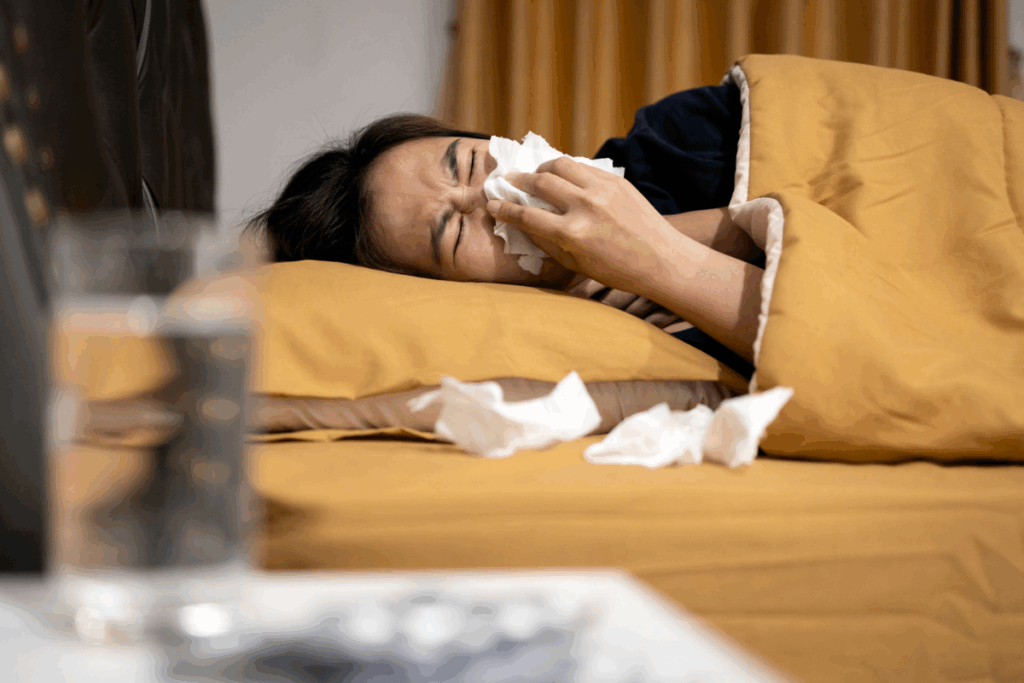
Is a chronic sinusitis cure possible? Learn about treatment goals, which focus on controlling symptoms and reducing inflammation.
Chronic sinusitis, also known as chronic rhinosinusitis (CRS), affects about 5 to 15 percent of people. It causes a lot of discomfort and can really affect your life. The Medical organization says it inflames the spaces around your eyes, nose, and forehead.
At Liv Hospital, we know how important it is to find good treatments for this condition. If you have long-lasting nasal congestion, facial pressure, or trouble smelling, you need to find a solution. We offer proven ways to help you feel better and live a healthier life.
Key Takeaways
- Chronic sinusitis is a common condition affecting millions worldwide.
- Understanding the causes and symptoms is key to effective treatment.
- There are many treatment options, including medical and surgical ones.
- Getting professional help is vital for managing chronic sinusitis.
- Liv Hospital offers full care for international patients.
Understanding Chronic Sinusitis

Chronic sinusitis is a complex condition that affects many people. It’s important to understand its definition, how common it is, and its impact on daily life. We’ll dive into the details to help you grasp its effects.
Definition and Prevalence in the United States
Chronic sinusitis means your sinuses stay swollen and inflamed for over 12 weeks. This can cause symptoms that make everyday life hard. Studies show it affects about 12% of adults in the U.S., making it a common health issue.
Many things can cause chronic sinusitis, like genetics, infections, environment, and allergies. Knowing these causes helps doctors find the right treatment.
Acute vs. Chronic Sinusitis
It’s key to know the difference between acute and chronic sinusitis. Acute sinusitis is usually caused by a virus or bacteria and goes away in a few weeks. Chronic sinusitis lasts longer and needs more treatment.
What turns acute into chronic sinusitis varies. Things like allergies, abnormal anatomy, or immune issues play a role. Spotting these factors early can help treat chronic sinusitis sooner.
Economic and Quality of Life Impact
Chronic sinusitis costs a lot because of medical bills, lost work time, and lower quality of life. Symptoms like blocked nose, facial pain, and loss of smell can make daily tasks hard.
“Chronic sinusitis can have a profound impact on a patient’s quality of life, affecting not just their physical health but also their mental and emotional well-being.”
— Expert in Otolaryngology
Impact Area | Description | Effect on Patients |
Economic Burden | Medical costs and lost productivity | Significant financial strain |
Quality of Life | Impaired daily functioning and well-being | Reduced overall quality of life |
Physical Symptoms | Nasal congestion, facial pain, loss of smell | Discomfort and impairment |
Understanding chronic sinusitis helps us see why we need effective treatments. These treatments should tackle symptoms and the root causes of this condition.
The Anatomy and Physiology of Sinuses

It’s important to know about the sinuses’ anatomy and physiology to understand chronic sinusitis. The sinuses are air-filled spaces in the cheekbones, around the eyes, and behind the nose. They help warm, moisten, and filter the air we breathe.
Sinus Structure and Function
The sinuses have mucous membranes that make mucus. This mucus traps dust, bacteria, and other harmful particles. The sinus anatomy is made to drain mucus into the nasal cavity.
The paranasal sinuses are split into four main types: maxillary, frontal, ethmoid, and sphenoid. Each type is in a different place and has its own way of draining.
- The maxillary sinuses are in the cheekbones.
- The frontal sinuses are in the forehead.
- The ethmoid sinuses are between the nose and the eye.
- The sphenoid sinuses are behind the nasal cavity.
Normal Mucus Clearance Mechanisms
The sinus physiology includes the normal removal of mucus. This is key for keeping the sinuses healthy. Mucus is moved by cilia, tiny hairs that beat to push mucus towards the nasal cavity.
Many things can affect how well mucus is cleared. These include:
- Environmental irritants, like tobacco smoke.
- Infections, which can make mucus thicker.
- Anatomical problems, like a deviated septum.
Pathophysiology of Chronic Sinusitis
The chronic sinusitis pathophysiology is complex. It involves blockages, problems with mucus movement, and immune system issues. Knowing these factors helps in finding the right treatments.
Some main causes of chronic sinusitis are:
- Anatomical problems, like nasal polyps or a deviated septum.
- Allergic rhinitis, which causes ongoing inflammation.
- Immunodeficiency, making infections more likely.
Common Causes of Chronic Sinusitis
Chronic sinusitis has many causes. These include genetics, infections, the environment, and allergies. Knowing these causes helps doctors find the right treatments.
Bacterial Pathogens
Bacteria are a big part of chronic sinusitis. Staphylococcus aureus, Prevotella, Fusobacterium, and anaerobes are common culprits. They cause long-lasting infections and inflammation.
- Staphylococcus aureus is very harmful and can resist antibiotics.
- Prevotella and Fusobacterium live in low-oxygen places like the sinuses.
Fungal Infections
Fungi like Aspergillus and Alternaria can also cause chronic sinusitis. They grow in the sinuses, causing inflammation and infection. People with weak immune systems are at higher risk.
Allergies and Environmental Triggers
Allergies are a big factor in chronic sinusitis. Pollen, dust mites, and pet dander can start allergic reactions. Pollution and tobacco smoke can make symptoms worse.
“Allergies and environmental exposures are critical factors in the development and exacerbation of chronic sinusitis.”
Structural Abnormalities
Problems like a deviated septum or nasal polyps can block the sinuses. This makes it hard for mucus to drain, leading to infections and inflammation.
Structural Abnormality | Effect on Sinuses |
Deviated Septum | Obstructs sinus drainage |
Nasal Polyps | Blocks sinus ostia |
Concha Bullosa | Impairs mucus clearance |
In summary, chronic sinusitis comes from many sources. These include infections, allergies, environmental factors, and structural issues. Knowing these causes is key to managing and treating the condition.
Recognizing Chronic Sinusitis Symptoms
Knowing the symptoms of chronic sinusitis is the first step to relief. This condition can cause many symptoms that affect the nose and overall health.
Cardinal Symptoms
The main symptoms of chronic sinusitis are well-known. These include:
- Nasal Congestion: Feeling like your nose is blocked or stuffy.
- Facial Pain or Pressure: Pain or discomfort in the face, like the eyes, forehead, and cheeks.
- Postnasal Drip: Feeling like mucus is running down the back of your throat.
- Purulent Nasal Discharge: Thick, colored mucus coming out of your nose.
These symptoms last a long time and can really disrupt your daily life.
Secondary Symptoms
People with chronic sinusitis may also have secondary symptoms. These can make life even harder. Some examples are:
- Headaches: Getting headaches often or having them come back.
- Cough: Coughing a lot, which gets worse at night.
- Bad Breath (Halitosis): Always having bad breath because of bacteria and mucus.
- Fatigue: Feeling very tired or exhausted all the time.
Knowing about these secondary symptoms helps understand the full impact of the condition.
Warning Signs of Complications
It’s important to watch out for signs that could mean complications. These include:
Symptom | Description |
Severe Facial Pain | Intense pain that doesn’t get better with usual pain relief. |
Vision Changes | Seeing double, blurry vision, or other vision problems. |
Fever | A high fever that lasts or is very severe. |
By knowing and recognizing the symptoms of chronic sinusitis, people can get help early. This can stop complications and make life better.
Diagnostic Approaches for Chronic Sinusitis
Getting an accurate diagnosis is key to managing chronic sinusitis. We use different methods to find out what’s causing the problem and how bad it is.
Clinical Evaluation
The first step is a detailed clinical evaluation. This includes looking at your medical history and doing a physical exam. It helps us spot symptoms and possible causes.
Nasal Endoscopy Procedure
Nasal endoscopy is a vital tool for diagnosing. It lets us see inside the nasal passages and sinuses. We can spot inflammation, polyps, or other issues.
Imaging Studies
Imaging studies, like CT scans, are used to get a closer look at the sinuses. They show us any structural problems or blockages.
Laboratory Testing
We also do lab tests to check for infections or inflammation. These might include cultures, allergy tests, or other specific tests.
Diagnostic Method | Purpose | Key Findings |
Clinical Evaluation | Assess symptoms and medical history | Identify chronic sinusitis symptoms and possible triggers |
Nasal Endoscopy | Visualize nasal passages and sinuses | Detect inflammation, polyps, or structural issues |
Imaging Studies (CT Scan) | Detailed assessment of sinuses | Reveal structural abnormalities or opacification |
Laboratory Testing | Identify infections or inflammatory conditions | Cultures, allergy tests, or specific assays |
By using all these methods together, we can fully understand your condition. Then, we can create a treatment plan that’s just right for you.
The Path to Chronic Sinusitis Cure: First-Line Treatments
Chronic sinusitis treatment has changed a lot. Now, doctors follow a step-by-step plan that starts with the best first treatments. These treatments help manage symptoms and make life better.
Nasal Saline Irrigation Techniques
Nasal saline irrigation is key in treating chronic sinusitis. It cleans the nasal passages with a saline solution. This helps remove mucus, reduces swelling, and improves drainage.
We suggest using a neti pot or a squeeze bottle for this. Make sure to use clean water and keep the device clean to avoid infections.
Intranasal Corticosteroid Sprays
Intranasal corticosteroid sprays are also a first choice for chronic sinusitis. They reduce swelling in the nasal passages. This helps with congestion and sinus pressure.
Using sprays with fluticasone or mometasone is recommended. They are known to be effective in treating chronic sinusitis symptoms.
Over-the-Counter Decongestants
Over-the-counter decongestants can help with nasal congestion. They reduce swelling in the nasal passages, making breathing easier. But, use them wisely and for a short time.
Prolonged use can cause rebound congestion. Always follow the dosage instructions and talk to a doctor before starting any new medication.
Using these first-line treatments can greatly improve symptoms and quality of life for those with chronic sinusitis. It’s important to work with a healthcare professional to find the best treatment plan.
Prescription Medications for Treating Chronic Sinusitis
Prescription medications are key in managing chronic sinusitis. They are used when first treatments don’t work well. These stronger treatments help ease symptoms and improve life quality.
Appropriate Antibiotic Therapy
Antibiotics are essential for treating chronic sinusitis, mainly when a bacterial infection is present. We choose antibiotics that fight a wide range of bacteria, including resistant ones.
The right antibiotic depends on several factors. These include the severity of symptoms, past antibiotic use, and local resistance patterns. For example, amoxicillin-clavulanate is often the first choice because it’s effective against many bacteria.
Antibiotic | Dosage | Common Side Effects |
Amoxicillin-Clavulanate | 875 mg/125 mg twice daily | Gastrointestinal upset, allergic reactions |
Doxycycline | 100 mg twice daily | Photosensitivity, gastrointestinal upset |
Levofloxacin | 500 mg once daily | Tendonitis, gastrointestinal upset |
Oral Corticosteroids
Oral corticosteroids help reduce inflammation in severe cases of chronic sinusitis. They are useful when there’s a lot of nasal polyps or other treatments haven’t worked.
But, because of side effects, these medications are only used for short periods. We watch patients closely to avoid long-term risks.
Antifungal Treatments
Antifungal treatments are needed when a fungal infection is suspected or confirmed. Oral antifungals like itraconazole or voriconazole are used, based on the type of fungal infection.
These treatments are important for patients with allergic fungal sinusitis or weakened immune systems.
Leukotriene Modifiers
Leukotriene modifiers can also help manage chronic sinusitis, mainly in patients with asthma or aspirin-exacerbated respiratory disease.
These drugs block leukotrienes, which are involved in inflammation. Montelukast is a common leukotriene modifier.
Knowing the different prescription medication options helps us create personalized treatment plans. This approach improves outcomes in managing chronic sinusitis.
Surgical Interventions When Medical Therapy Fails
Surgical options are promising for those who don’t get better with usual treatments for chronic sinusitis. When medical treatments don’t work, we look into surgery to help our patients live better lives.
Functional Endoscopic Sinus Surgery (FESS)
FESS is a common surgery for chronic sinusitis. It uses an endoscope to see inside the sinuses and remove blockages or infected tissue. This method is less invasive and leads to faster recovery than open surgery.
Balloon Sinuplasty
Balloon sinuplasty is another good surgery for chronic sinusitis. It uses a balloon to open up the sinus passages, helping with drainage and preventing infections. It’s less invasive than FESS and can be done with local anesthesia in some cases.
Turbinate Reduction Techniques
Turbinate bones in the nose can block the sinuses. Turbinate reduction aims to make these bones smaller. This improves airflow and drainage. It can be done through radiofrequency ablation or surgery.
Post-Surgical Care Protocol
After surgery for chronic sinusitis, following a good care plan is key for recovery. This includes nasal saline rinses, avoiding hard work, and check-ups with healthcare professionals. They help monitor healing and remove any packing or splints.
Effective Home Remedies and Self-Care Strategies
There are many home remedies and self-care practices that can help with chronic sinusitis. By adding these to your daily routine, you can manage your symptoms better. This can greatly improve your life quality.
Steam Inhalation Methods
Steam inhalation is a simple yet effective way to loosen mucus and reduce sinus congestion. You can do this by taking a hot shower, inhaling steam from a bowl of hot water, or using a steam humidifier. Adding eucalyptus oil or menthol to the water can enhance the benefits by providing a natural decongestant effect.
To practice steam inhalation safely:
- Ensure the water is not too hot to avoid burns.
- Breathe normally and avoid deep inhalation to prevent discomfort.
- Stay in the steamy environment for 5-10 minutes to allow for effective mucus loosening.
Optimal Humidification
Keeping indoor humidity levels right is key for sinus health. Dry air can irritate the sinuses and make symptoms worse. On the other hand, too much humidity can lead to mold growth. Using a humidifier, during dry seasons or in air-conditioned spaces, can help keep a healthy balance.
The ideal humidity level for sinus health is between 30-50%. It’s important to regularly clean your humidifier to prevent bacterial and mold growth.
Anti-Inflammatory Diet Approaches
Your diet plays a big role in managing chronic sinusitis. Eating anti-inflammatory foods can help reduce sinus inflammation and promote healing. Foods rich in omega-3 fatty acids, such as salmon and flaxseeds, are very beneficial.
Food Category | Examples | Benefits |
Fruits | Berries, citrus fruits | High in antioxidants and vitamin C |
Vegetables | Leafy greens, bell peppers | Rich in vitamins and minerals |
Proteins | Fatty fish, nuts | Good sources of omega-3 fatty acids |
Sleep Position Adjustments
Changing your sleep position can help alleviate sinus pressure and congestion. Sleeping with your head elevated using extra pillows can promote better sinus drainage and reduce nighttime congestion.
Also, avoiding allergens in your bedroom, such as dust mites and pet dander, can improve your sleep quality and sinus health.
Managing Chronic Sinusitis in Special Populations
Special groups, like kids and older adults, face unique challenges with chronic sinusitis. Their health issues and body changes make treatment harder.
Pediatric Chronic Sinusitis
Dealing with chronic sinusitis in kids is different from adults. Their sinuses are growing, and their immune system reacts more.
- Diagnosis Challenges: Finding chronic sinusitis in kids is tough because their symptoms can look like other common illnesses.
- Treatment Approaches: Kids might need nasal saline rinses, nasal sprays, and antibiotics when needed.
A study in the International Journal of Pediatric Otorhinolaryngology says diagnosing chronic sinusitis in kids is hard. It needs a full check-up, imaging, and sometimes a nasal scope.
Elderly Patients with Comorbidities
Older adults often have many health problems that make treating chronic sinusitis harder.
Comorbidity | Impact on Chronic Sinusitis Management |
Diabetes | They’re more likely to get infections; their health needs to be watched closely |
Cardiovascular Disease | Medicine choices are tricky; picking the right one is key |
Immunosuppression | They’re at higher risk for problems; treatment might need to be stronger |
Pregnancy Considerations
When pregnant, treating chronic sinusitis must think about the mom and baby’s health.
“The management of chronic sinusitis in pregnant women should balance the need for effective treatment with the safety of the fetus.” – American Academy of Otolaryngology
- Safe Treatment Options: Nasal rinses and nasal sprays are usually okay.
- Avoiding Certain Medications: Some medicines and decongestants should be avoided during pregnancy.
Patients with Asthma
Many people with asthma also have chronic sinusitis. It’s common for these conditions to go together.
For those with asthma and sinusitis, treatment must tackle both problems at once.
“Treating chronic sinusitis can significantly improve asthma control and overall quality of life for these patients.” – Journal of Allergy and Clinical Immunology
By knowing the special needs of these groups, we can give better care for chronic sinusitis.
Preventing Chronic Sinusitis Recurrence
To keep your health in check, it’s key to stop chronic sinusitis from coming back. We’ll look at ways to do this, like controlling your environment, managing your health, and making lifestyle changes.
Environmental Allergen Control
Keeping allergens out of your environment is a big step. This means less dust, pet dander, and pollen. Use allergen-proof bedding, get rid of carpets, and use air purifiers to cut down on allergens.
Proactive Allergy Management
Managing allergies well is key to avoiding chronic sinusitis. Know your allergens, avoid them, and use meds like antihistamines. Also, keep an eye on pollen counts. This way, you can lower your risk of getting sinusitis again.
Lifestyle Modifications
Changing your lifestyle can also help. Quit smoking, eat lots of fruits and veggies, and drink plenty of water. Exercise regularly too. These habits can boost your sinus health.
Maintenance Therapy Protocols
Some people need ongoing treatments to stay healthy. This might include nasal saline rinses, using nasal sprays, and regular check-ups. Sticking to these plans can keep your sinuses healthy and prevent future problems.
By using these methods together, you can greatly lower the chance of chronic sinusitis coming back. This way, you can keep your sinuses healthy for a long time.
Conclusion
Chronic sinusitis is a complex condition that needs a detailed approach. We’ve looked into its definition, how common it is, and the treatment options available.
A good treatment plan is key to easing symptoms and improving life quality. Studies show it can lessen the economic and life impact of chronic sinusitis.
Effective chronic sinusitis treatment combines medical care, lifestyle changes, and sometimes surgery. Knowing the causes and symptoms helps find relief.
Good sinusitis management improves well-being. We suggest working with healthcare experts to create a treatment plan. This can lead to a chronic sinusitis cure or significant symptom relief.
FAQ
What is chronic sinusitis?
Chronic sinusitis is a long-term condition. It causes the sinuses to be inflamed and infected. This lasts more than 12 weeks and makes life uncomfortable.
What are the main causes of chronic sinusitis?
Chronic sinusitis can be caused by many things. Bacteria, fungi, allergies, and environmental factors are common culprits. Structural problems can also play a role.
What are the symptoms of chronic sinusitis?
Symptoms include nasal congestion and facial pain. You might also have headaches, thick discharge, and a loss of smell. These symptoms can affect your daily life.
How is chronic sinusitis diagnosed?
Doctors use several methods to diagnose chronic sinusitis. They look at your symptoms, do nasal endoscopy, and use imaging and lab tests. This helps find out how bad the inflammation and infection are.
What are the first-line treatments for chronic sinusitis?
First, doctors might recommend nasal saline irrigation. They might also suggest using intranasal corticosteroid sprays or over-the-counter decongestants. These can help ease symptoms and reduce swelling.
When is surgery considered for chronic sinusitis treatment?
Surgery is an option when other treatments don’t work well. Procedures like Functional Endoscopic Sinus Surgery (FESS) or balloon sinuplasty might be suggested.
How can chronic sinusitis be managed in special populations?
Special care is needed for certain groups. This includes kids, older adults, pregnant women, and those with asthma. Tailored treatments are important to meet their unique needs.
What lifestyle modifications can help prevent chronic sinusitis recurrence?
To prevent it from coming back, controlling allergens and managing allergies is key. Regular therapy and certain lifestyle changes can also help.
Can chronic sinusitis be cured?
Chronic sinusitis is a long-term condition, but it can be managed. A good treatment plan includes medicine, lifestyle changes, and sometimes surgery. This can help control symptoms and improve life quality.
What is the role of antibiotic therapy in treating chronic sinusitis?
Antibiotics are very important in treating chronic sinusitis. They are needed when bacteria are involved. Choosing the right antibiotic is critical for effective treatment.
How can I manage chronic sinusitis at home?
At home, you can use steam inhalation and keep the air humid. Following an anti-inflammatory diet and adjusting your sleep position can also help ease symptoms.
References
National Center for Biotechnology Information. (2025). How to Treat Chronic Sinusitis Complete Guide Chronic. Retrieved from https://pmc.ncbi.nlm.nih.gov/articles/PMC7700823/[3