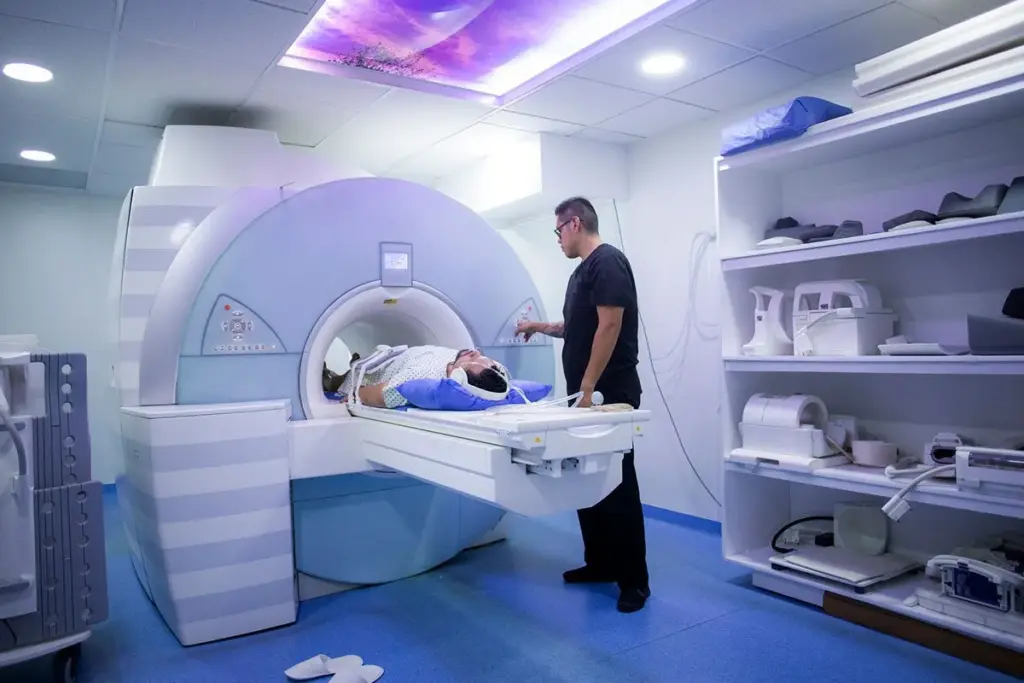
If you’re too claustrophobic for an MRI, you’re not alone. Up to 15% of patients experience claustrophobic reactions during the procedure.
Claustrophobia is a type of anxiety disorder. It makes people afraid of being in small spaces. During an MRI, this fear can cause a lot of distress. Symptoms can vary from mild anxiety to full panic attacks.
Being claustrophobic can make it hard for patients to get through MRI tests. This anxiety can be so strong that it stops the imaging process.
Key Takeaways
- Claustrophobia affects up to 15% of MRI patients.
- It can cause significant distress and anxiety.
- Symptoms can range from mild to severe.
- Claustrophobia can disrupt essential medical imaging.
- Understanding and addressing claustrophobia is key.
Understanding MRI-Related Claustrophobia
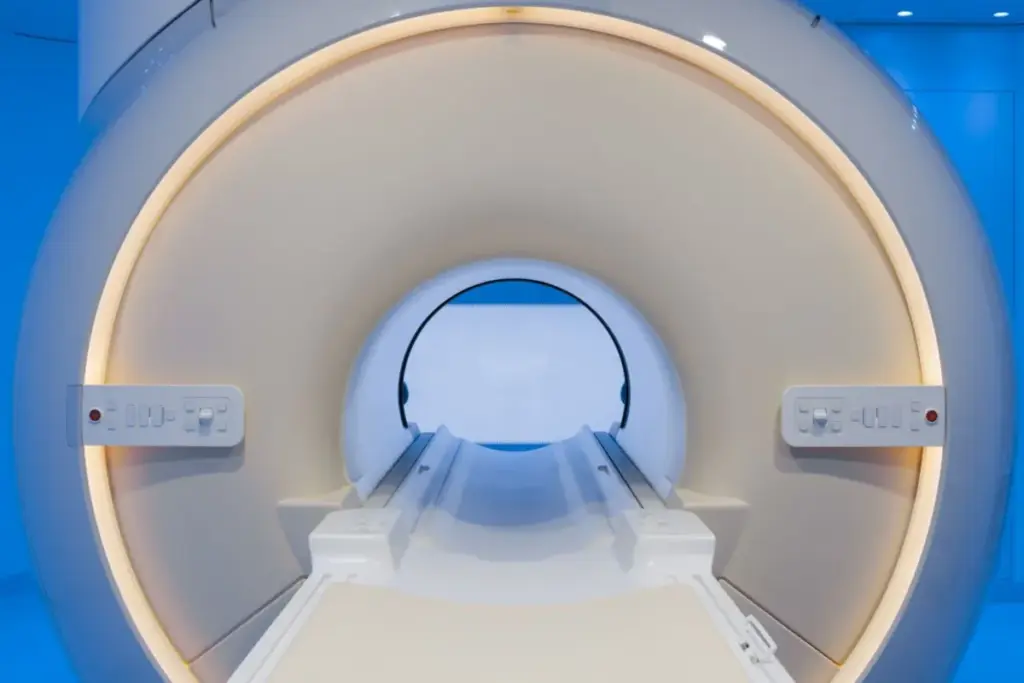
Being inside an MRI machine can trigger intense claustrophobia for some. This condition affects both the mind and body during the scanning process.
The Psychological Experience of MRI Claustrophobia
The psychological impact of MRI claustrophobia is significant. The amygdala, a part of the brain, controls fear. In claustrophobic people, it can lead to high anxiety.
Things like not being able to move, the exam’s length, and the MRI’s size can make anxiety worse. Patients often feel panic and want to get out of the MRI machine. This anxiety can cause panic attacks during the procedure. Knowing these triggers helps in finding ways to cope.
Physical Symptoms of Claustrophobic Reactions
The physical symptoms of MRI claustrophobia can be scary. People often have rapid heartbeat, sweating, and trembling. In bad cases, they might have a full panic attack.
|
Symptom |
Description |
Prevalence |
|---|---|---|
|
Rapid Heartbeat |
An increase in heart rate due to anxiety |
High |
|
Sweating |
Excessive sweating triggered by fear or anxiety |
Moderate |
|
Trembling |
Shaking or trembling due to intense anxiety |
Moderate |
Research indicates that developing better methods to manage claustrophobia during MRI is necessary. A study in the Biomedical Journal says it’s key to understand the triggers and symptoms to help patients.
Why MRI Procedures Trigger Claustrophobia
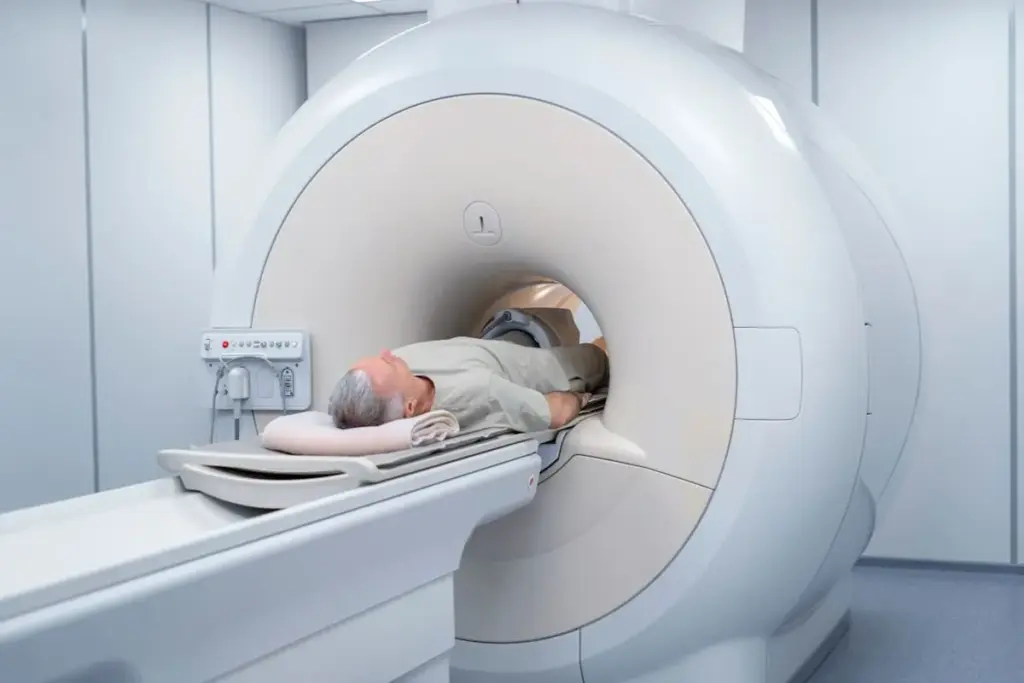
MRI procedures can be scary for people with claustrophobia. This is because traditional MRI machines are closed. The design of these machines can make claustrophobia worse.
Design Features of Traditional MRI Machines
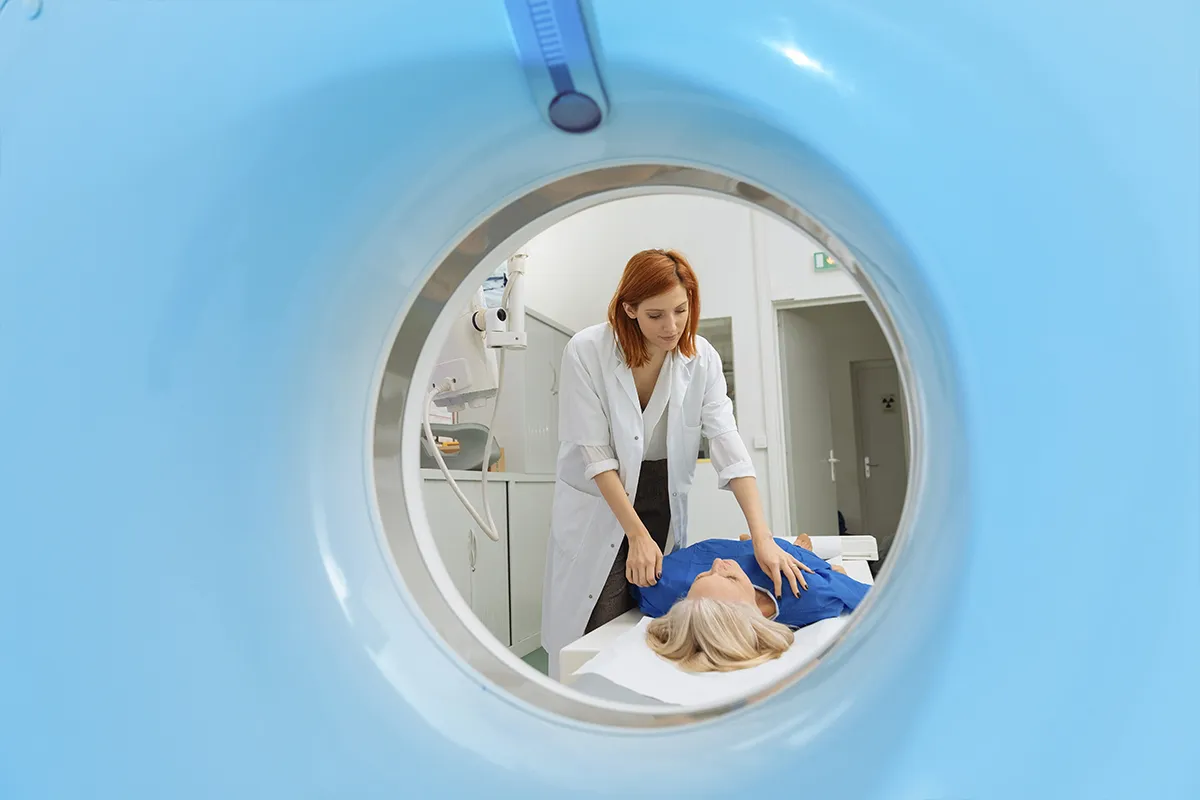
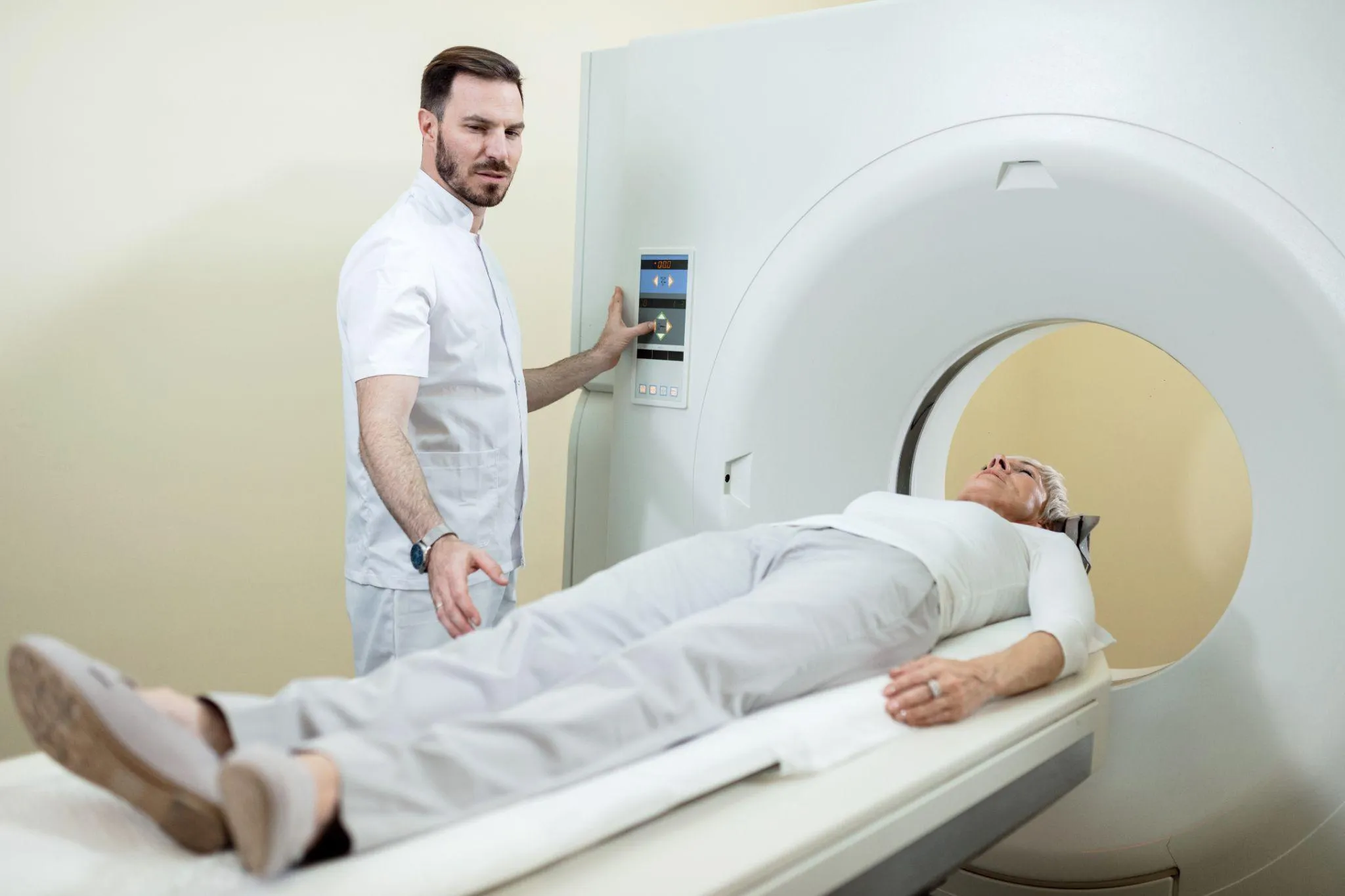
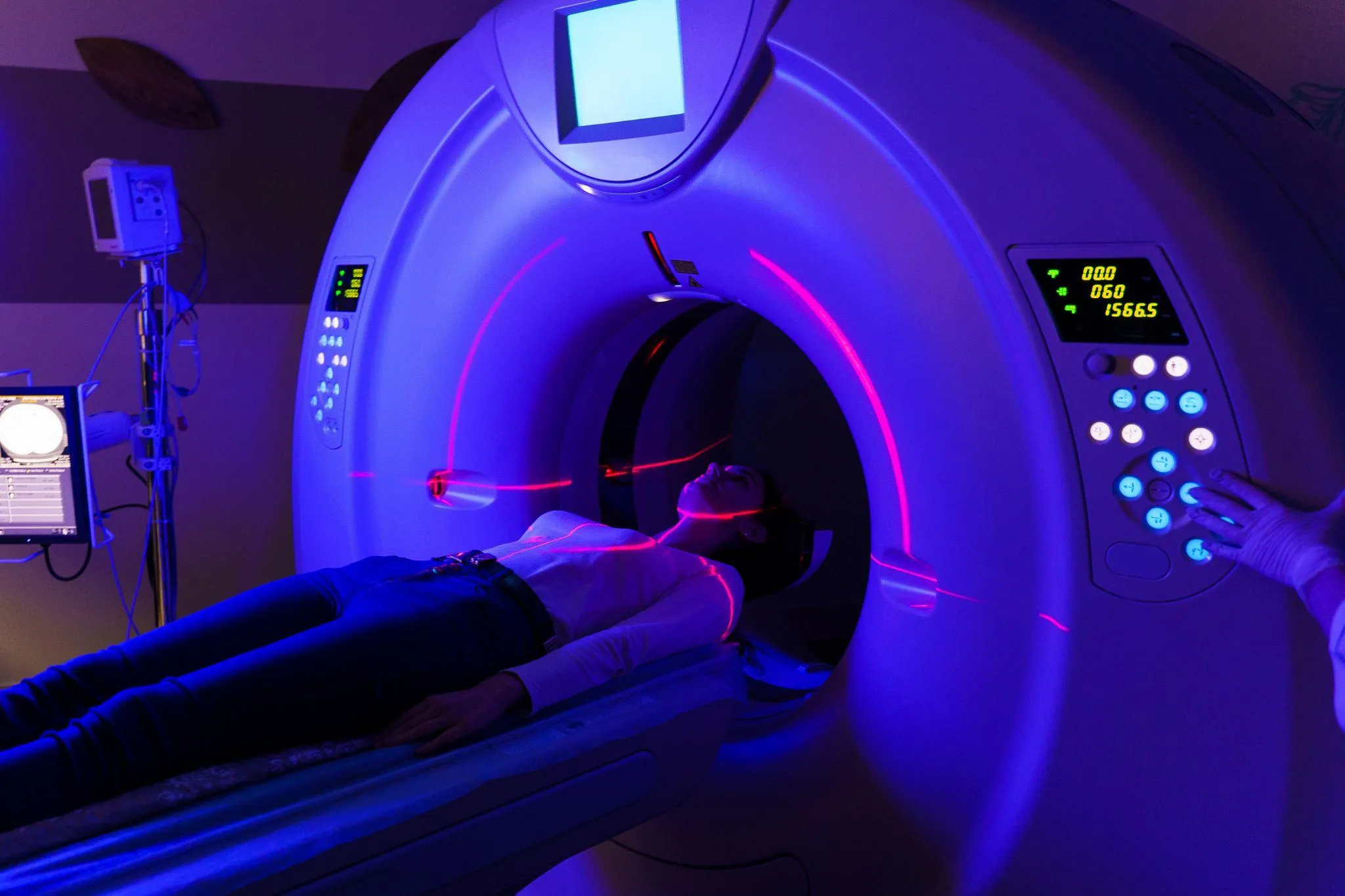
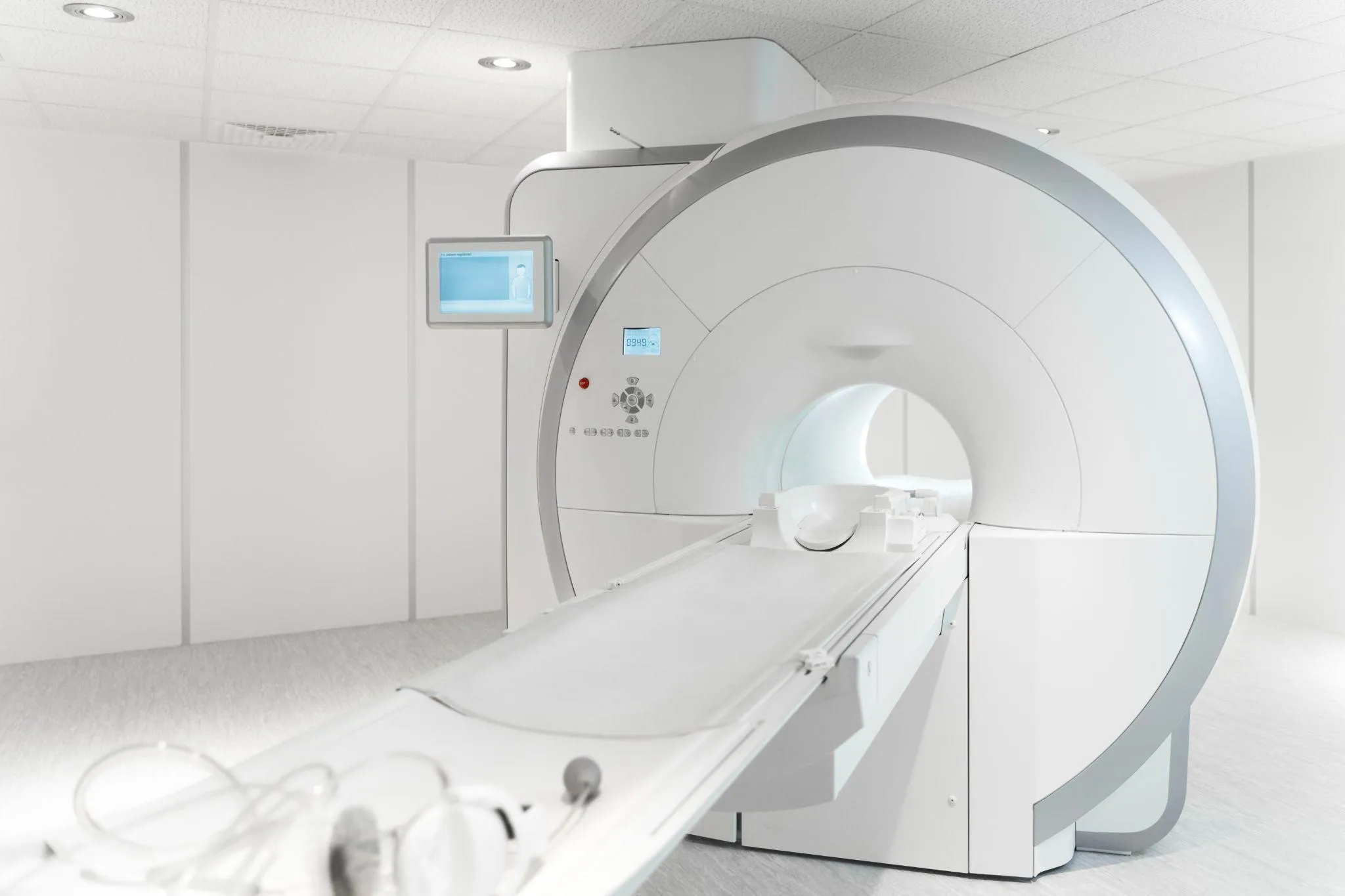
Traditional MRI machines have a closed-bore tunnel. This tunnel is about 60 cm wide and 1.5 to 2 meters long. It feels very confining, which can make people feel trapped.
Patients must lie very quietly in this small space. Their head and body are surrounded by the machine. This makes them feel trapped and anxious. The enclosed nature of traditional MRI machines is a primary claustrophobia trigger.
Environmental Factors That Intensify Anxiety
The setting of MRI procedures can also make people more anxious. The loud noises from the machine can be startling. Also, staying very quiet for a long time can be uncomfortable and make anxiety worse.
The combination of the enclosed space and the unfamiliar noises can significantly intensify feelings of claustrophobia. The MRI suite’s atmosphere, with its beeping machines and sterile feel, can also be scary. This adds to the anxiety.
It’s important to understand these factors to help patients with claustrophobia. By improving MRI machine design and the environment, healthcare providers can make MRI procedures less stressful for these patients.
The Prevalence of MRI Claustrophobia
It’s important to know how common MRI claustrophobia is to better care for patients. Many people struggle with claustrophobia when they have to get an MRI scan.
Statistical Overview of Claustrophobic Reactions
Research shows that 2.1% to 14.3% of MRI scans are impacted by claustrophobia. This range shows how different studies and populations can affect the numbers.
Up to 15% of patients feel claustrophobic during MRI scans. This number emphasizes the need for better awareness and management.
|
Study |
Prevalence Rate |
Population |
|---|---|---|
|
Study A |
8% |
General Population |
|
Study B |
12% |
Patients with Anxiety History |
|
Study C |
5% |
Patients with Previous MRI Experience |
Demographics Most Affected by MRI Anxiety
Some groups are more likely to feel anxious during MRI scans. Younger people and those with anxiety disorders are more prone to claustrophobic reactions.
Key demographics affected include:
- Younger adults
- Individuals with a history of anxiety disorders
- Patients with previous traumatic experiences in enclosed spaces
Knowing these groups helps healthcare providers better manage MRI claustrophobia.
Primary Factors That Intensify MRI Anxiety
Several key factors make MRI anxiety worse. Knowing these helps us find ways to reduce claustrophobia and make MRI scans better.
Restricted Movement During Procedures
Being unable to move during MRI scans is a big issue. Patients must stay very quiet and not move for a long time. This can make anxiety and claustrophobia worse.
A study found that not being able to move freely makes MRI scans more stressful for people who are claustrophobic. This shows we need ways to help patients deal with not being able to move.
Duration of MRI Examinations
How long MRI scans last is also important. Longer scans make patients anxious because they are stuck for longer. Feeling trapped gets worse as time goes on.
“The longer the MRI procedure, the more pronounced the anxiety becomes, as patients feel increasingly confined and uncomfortable.”
Confined Space of the MRI Bore
The small space inside the MRI machine is a big cause of anxiety. The tight space can make claustrophobia worse. The size and design of the MRI machine affect how comfortable patients feel.
Research shows that the size of the MRI bore and its design are big factors in patient anxiety. Looking into open MRI designs and other options is a way to help.
What Happens When Claustrophobia Prevents MRI Completion
MRI scans can be tough for people with claustrophobia. This fear of being in small spaces often stops the scan early. Patients must stay in a tight space for a long time during the MRI.
Premature Termination Rates and Consequences
Research shows that claustrophobia is a big reason MRI scans don’t finish. Premature termination rates are high, with many scans ending early. This can lead to:
- Incomplete diagnostic information
- Need for rescheduling, which can delay diagnosis and treatment
- Increased anxiety for patients who may have to undergo the procedure again
Medical and Diagnostic Implications
When claustrophobia stops an MRI, it has big medical and diagnostic effects. Incomplete scans can mean:
|
Implication |
Description |
Potential Outcome |
|---|---|---|
|
Inaccurate Diagnosis |
Incomplete scans may not provide a full picture of the condition. |
Incorrect or delayed diagnosis |
|
Delayed Treatment |
Rescheduling is required, causing delays in treatment plans. |
Progression of untreated conditions |
|
Increased Healthcare Costs |
Additional procedures or scans may be required. |
Higher costs for patients and healthcare systems |
It’s key for healthcare providers and patients to understand these effects. Finding ways to deal with claustrophobia during MRI scans is important.
Claustrophobia Open MRI Machine Options
Open MRI machines have changed the game for claustrophobic patients. They offer a more comfortable and less scary environment. Unlike traditional MRI machines, open ones don’t trap patients in a tight space. This makes them a great choice for those who feel anxious in small places.
Design Differences
Open MRI machines are quite different from traditional ones. Here’s why:
- They have a more open and spacious design, making patients feel less trapped.
- Some models have a lower magnetic field strength, which is good for certain scans.
- They’re easier to get into for patients with mobility issues or who need extra help during the scan.
These features make open MRI machines a great choice for people who get anxious in tight spaces. The openness of the machine helps reduce anxiety and discomfort.
Effectiveness for Claustrophobic Patients
Open MRI machines work really well for claustrophobic patients. The main benefits are:
- Less anxiety thanks to the open design.
- Patients feel more comfortable, which leads to better scan results.
- They’re more accessible for patients who might not be able to get an MRI because of severe claustrophobia.
Even though open MRI machines have many benefits, they’re not right for every MRI scan. Whether an open MRI works depends on the medical condition and the needed image quality.
In short, open MRI machines are a great option for claustrophobic patients. They offer a more comfortable and less scary way to get an MRI. By knowing the design and benefits of open MRI machines, patients and doctors can choose the best imaging option.
Alternative Imaging Options for Claustrophobic Patients
Patients with claustrophobia can find relief in various imaging options. These alternatives help reduce anxiety caused by tight spaces. They ensure patients get the care they need without feeling overwhelmed.
CT Scans as an Alternative
CT scans are a good choice for those who fear enclosed spaces. Unlike MRI machines, CT scanners are open. This makes them more comfortable for patients. CT scans use computer-processed X-rays to produce detailed images of internal structures, helping diagnose many medical conditions.
Ultrasound and X-Ray Limitations
Ultrasound and X-ray are also options for claustrophobic patients. Ultrasound is great for looking at organs in the abdominal cavity. X-rays work well for bones and fractures. Yet, they might not offer the same detail as MRI or CT scans for some conditions.
Emerging Imaging Technologies
Medical imaging is always getting better, with new tech for claustrophobic patients. New MRI machines are wider and more open. This makes it easier for anxious patients to get the scans they need. Technologies like PET scans are also being looked into for their diagnostic abilities.
Healthcare providers can now tailor imaging plans for claustrophobic patients. This ensures they get the care they need in a comfortable and safe way.
Non-Pharmaceutical Coping Strategies
Non-pharmaceutical methods are a good option for those who feel anxious in MRI scans. They help reduce anxiety and make the MRI process easier to handle.
Cognitive Behavioral Techniques
Cognitive behavioral techniques are effective in managing MRI anxiety. A study on the website shows they can lessen claustrophobia symptoms. These methods help patients change their negative thoughts about MRI scans.
By managing their anxiety, patients can handle the MRI machine’s tight space better. This way, they can control their anxiety and avoid claustrophobic reactions.
Relaxation and Breathing Exercises
Relaxation and breathing exercises are also helpful for MRI anxiety. Deep breathing, progressive muscle relaxation, and visualization calm the nervous system. They reduce anxiety and panic.
These exercises can be done before and during the MRI. They help patients stay calm and focused. By focusing on their breathing, they can ignore the anxiety caused by the MRI.
Distraction Methods During MRI Procedures
Distraction methods are a practical way to reduce MRI anxiety. Listening to music, watching a video, or guided imagery can help. They take the patient’s mind off the MRI machine’s tight space.
Using these distraction methods helps patients tolerate the MRI better. They reduce the chance of stopping the scan early because of claustrophobia. These methods work well with other non-pharmaceutical strategies.
Medical Interventions for MRI Claustrophobia
Medical treatments are key in helping people with claustrophobia during MRI scans. These treatments aim to lessen anxiety and make the MRI process easier for those with claustrophobia.
Sedation Options and Considerations
Sedation is a common method used to relax patients during MRI scans. The amount of sedation can range from mild to deep, based on the patient’s needs and the MRI’s complexity.
There are different sedation choices, like oral sedatives and intravenous sedation. The right choice depends on the patient’s health history, the MRI type, and their anxiety level.
Anti-Anxiety Medications for MRI Procedures
Anti-anxiety medications are also effective in treating MRI claustrophobia. These can be taken orally or given through an IV, depending on the MRI’s specifics.
|
Medication Type |
Administration Method |
Effectiveness |
|---|---|---|
|
Oral Sedatives |
Oral |
High |
|
Intravenous Sedation |
Intravenous |
Very High |
|
Anti-Anxiety Medications |
Oral/Intravenous |
High |
Table: Comparison of Sedation Options and Anti-Anxiety Medications for MRI Claustrophobia
Using sedation and anti-anxiety medications greatly improves the MRI experience for those with claustrophobia. Knowing the options and their effectiveness helps healthcare providers manage claustrophobia better. This ensures successful MRI procedures.
Technological Solutions to Reduce MRI Anxiety
New technologies are helping to make MRI scans less scary. Now, people with claustrophobia can feel more at ease during these tests.
Virtual Reality Applications
Virtual reality (VR) is becoming a big help. It takes patients on a virtual journey, away from the tight MRI space. This makes them feel less trapped.
Improved Scanner Designs and Patient Experience
Designs of MRI machines are getting better for comfort. Open MRI machines and wider spaces are making patients feel more relaxed.
Other tech solutions are also being tried. For example, some places use prism glasses. These let patients see outside the scanner, easing their anxiety.
Technological advancements in MRI design and ancillary techniques have significantly improved patient tolerance and reduced the need for sedation or anesthesia.
The use of virtual reality and improved scanner designs is a big leap. It’s helping to tackle MRI-related claustrophobia.
Preparing for an MRI When You Have Claustrophobia
Getting ready and talking to your healthcare team can help with MRI anxiety. Knowing what to do before and during can lessen your worries. It makes the whole thing less scary.
Pre-Appointment Strategies
Here are some steps to take before your MRI:
- Educate Yourself: Learning about MRI can make it less scary. Knowing what happens can make you feel more in control.
- Relaxation Techniques: Try deep breathing, muscle relaxation, or meditation. These can calm you down before and during the MRI.
- Visualize Success: Imagine yourself doing well in the MRI. This can make you feel more confident and less anxious.
Communication with Healthcare Providers
Talking about your claustrophobia with your healthcare team is key. They can help make the MRI more comfortable for you:
- Inform Your Healthcare Provider: Tell your healthcare team about your claustrophobia. They can help you manage your anxiety during the MRI.
- Discuss Sedation Options: You might talk about sedation to relax during the procedure. Check with your healthcare provider if it’s right for you.
- Explore Alternative MRI Options: Some places have open MRI machines or other options that might be better for you. Ask your healthcare provider about these.
Using these tips and talking openly with your healthcare team can help you deal with claustrophobia. This way, you can have a better MRI experience.
Special Considerations for Severe Claustrophobia Cases
Severe claustrophobia can make MRI tough. People with this fear may feel very anxious or panicked in a small MRI space.
This fear can be so strong that it stops them from finishing the MRI.
When to Consider General Anesthesia
For some, general anesthesia might help. It makes them sleep through the MRI, avoiding the anxiety.
But, it’s only for the most severe cases. It comes with risks and needs close watch.
Risk-Benefit Analysis of Postponing Necessary Imaging
Healthcare might delay MRI for severe claustrophobia cases.
They weigh the need for the scan against the risks of waiting. They look at how urgent it is and the patient’s health.
They consider the patient’s condition, other scan options, and overall health.
To help with severe claustrophobia in MRI, several methods can be used:
- Open MRI machines or wider bores
- Sedation or anti-anxiety meds
- Cognitive behavioral techniques or relaxation exercises
- Alternative imaging when possible
Healthcare providers can help patients with severe claustrophobia by understanding their needs.
This might include medical help, other scan options, and teaching patients. It aims for the best results.
Conclusion: Finding the Right MRI Solution for Your Needs
Finding the right MRI solution means looking at different options and ways to handle claustrophobia. It’s important to focus on the patient’s needs when they feel anxious during MRI scans.
Healthcare providers can offer claustrophobia-friendly MRI options by exploring other imaging methods. This includes open MRI machines or other scans like CT scans. This way, patients can get the tests they need without too much stress.
A patient-centered care approach helps a lot. It means giving each person the support they need. This could be through non-medical ways, medical help, or new technology. This makes the MRI experience better for those who are claustrophobic.
Having many MRI alternatives and MRI solutions helps patients make better choices. This leads to better health results for them.
FAQ
What is claustrophobia and how does it relate to MRI scans?
Claustrophobia is a fear of being in small or enclosed spaces. MRI scans, which require being in a big, enclosed tube, can make some people anxious.
How common is claustrophobia during MRI scans?
Many patients feel anxious during MRI scans. Up to 15% may experience some level of anxiety or claustrophobia.
What are the symptoms of claustrophobia during an MRI?
Symptoms include a fast heartbeat, sweating, and trembling. Some people may feel panic or anxiety. In bad cases, they might have a panic attack.
Can I take a break during an MRI if I’m feeling claustrophobic?
Sometimes, yes. Some MRI places let patients take a break if they’re feeling anxious. But, it’s not always possible. It’s best to talk to your doctor first.
Are there alternative imaging options if I’m claustrophobic?
Yes, there are other options like CT scans, ultrasound, and X-rays. Your doctor can help find the best one for you.
What is an open MRI, and is it a good option for claustrophobic patients?
An open MRI has a design that’s more open than traditional ones. It’s good for people who are claustrophobic because it lets them move more freely and can be less scary.
Can I use relaxation techniques to manage my claustrophobia during an MRI?
Yes, techniques like deep breathing, visualization, and meditation can help. You can also talk to your doctor about other ways to cope.
Are there any medications that can help with MRI-related claustrophobia?
Yes, there are anti-anxiety medications and sedatives that can help. Your doctor can talk to you about the risks and benefits.
How can I prepare for an MRI if I have claustrophobia?
To prepare, talk to your doctor about your claustrophobia. Look into other imaging options and learn relaxation techniques to manage your anxiety.
Can virtual reality be used to reduce MRI anxiety?
Yes, virtual reality is being looked at as a way to reduce anxiety during MRI scans. It can distract patients and make the environment calmer.
What should I do if my claustrophobia is severe and I’m unable to undergo an MRI?
If your claustrophobia is severe, talk to your doctor. They might consider general anesthesia or other imaging options
References
- Nature. Claustrophobia and MRI examinations: patient experiences and outcomes. https://www.nature.com/articles/s41598-024-74231-9