
Nearly 18 million adults worldwide die from cardiovascular diseases each year. Atherosclerosis is a big reason for this. Clear clogged arteries naturally? Get best facts. Lifestyle changes help, but dangerous blockages often need vital medical intervention.
We look into ways to clear blockages in arteries without stents. We talk about treatments and lifestyle changes that can improve heart health. Heart disease, caused by plaque buildup, can lead to serious problems if not treated.
Key Takeaways
- Understanding the causes and risks of arterial blockage.
- Exploring alternative treatments to stenting.
- Lifestyle changes that can help manage heart disease.
- The importance of early diagnosis and intervention.
- Potential benefits and risks associated with different treatments.
The Nature of Arterial Blockages

It’s important to understand arterial blockages to prevent and treat heart diseases. These blockages happen when plaque builds up in arteries. This can lead to serious health problems.
How Plaque Builds Up in Arteries
Plaque buildup in arteries, or arterial plaque buildup, starts with cholesterol, fat, and other substances. They stick to the inner walls of arteries. Over time, this can harden and narrow the arteries, reducing blood flow.
Many things can cause plaque buildup. These include high cholesterol, smoking, high blood pressure, and diabetes. As plaque grows, it can block blood vessels. This is a big risk for heart problems.
Symptoms and Diagnosis of Blockages
The symptoms of arterial blockages can differ based on where and how bad the blockage is. Common signs are chest pain, shortness of breath, and pain or weakness in the legs or arms. A bad blockage can cause a heart attack or stroke.
To find blockages, doctors look at your medical history, do a physical exam, and use tests. Tests like angiography, ultrasound, and stress tests help. Knowing preventive measures meaning is key to managing and stopping blockages from getting worse.
|
Diagnostic Test |
Description |
Indications |
|---|---|---|
|
Angiography |
Imaging test that uses X-rays to visualize the inside of the arteries |
Suspected blockages, planning for interventions |
|
Ultrasound |
Non-invasive test that uses sound waves to assess blood flow |
Initial screening for blockages, monitoring disease progression |
|
Stress Test |
Test that monitors heart function during physical activity |
Assessing cardiac risk, diagnosing coronary artery disease |
Keeping your cardiovascular health in check is key to avoiding blockages and managing their effects. A healthy lifestyle is important. This includes eating right, exercising regularly, and not smoking.

It’s important to know about clogged arteries for heart health. Arteries get blocked when plaque builds up. This can lead to serious heart problems.
Types of Arterial Blockages
Arterial blockages vary in where they happen and what they’re made of. The main types are:
- Atherosclerotic plaques: These are the most common, made of fat, cholesterol, and more.
- Calcified plaques: These are hard and harder to treat.
- Thrombi: Blood clots that can block arteries suddenly.
Health Risks Associated with Blocked Arteries
Blocked arteries can lead to serious health issues, including:
- Myocardial Infarction: Also known as a heart attack, it happens when heart blood flow is cut off.
- Stroke: This occurs when brain blood supply is interrupted, either by blockage or rupture.
- Peripheral Artery Disease (PAD): A condition where leg arteries narrow, causing pain.
Measuring the Severity of Blockages
Tests like angiography, ultrasound, or CT scans measure blockage severity. They show how narrow the arteries are and help decide treatment.
Preventing blockages is key. Eating well, exercising, and not smoking can help. It’s important to use “preventive” when talking about preventing disease, not “preventative.”
Conventional Stent Treatments Explained
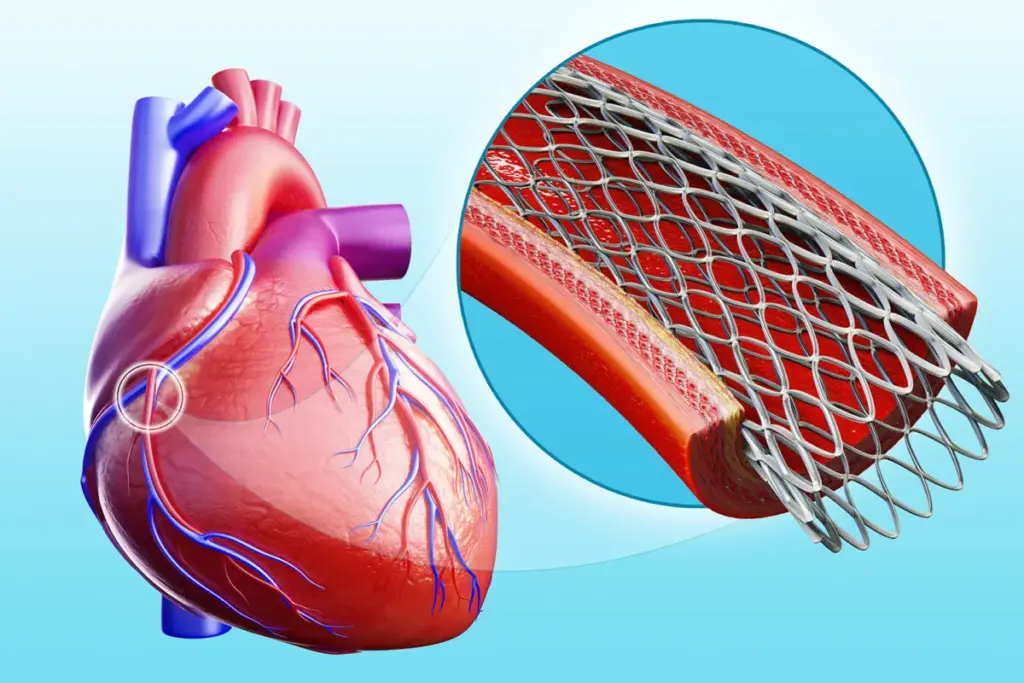
Stents have changed how we treat clogged arteries. They are small, mesh-like tubes that open up narrowed or blocked arteries. This section will cover what stents are, how they work, the different types, and possible complications.
What is a Stent and How Does It Work?
A stent keeps arteries open, ensuring blood flows to the heart or other vital organs. It’s placed during angioplasty, a minimally invasive procedure. A balloon first compresses the plaque, and then the stent is deployed to keep the artery open.
Types of Stents Available
There are many stent types, each for different needs. The most common include:
- Bare-metal stents: These are the original type, made from metal mesh.
- Drug-eluting stents: These stents release medication to prevent the artery from narrowing again.
- Bioresorbable stents: These dissolve over time, reducing long-term complications.
Potential Complications of Stent Placement
Stent placement is usually safe, but complications can occur. These include:
|
Complication |
Description |
Prevention/Management |
|---|---|---|
|
Blood clots |
Clots can form on the stent, potentially leading to a blockage. |
Antiplatelet therapy is used to prevent clots. |
|
Restenosis |
The artery can re-narrow over time. |
Drug-eluting stents reduce this risk. |
|
Stent thrombosis |
A rare but serious condition where a clot forms inside the stent. |
Lifelong antiplatelet therapy may be required. |
Understanding stent treatments is key to informed cardiovascular care. Knowing about stents, their function, types, and complications helps patients make better choices.
Medical Therapy as a First-Line Treatment
Managing arterial blockages often starts with a detailed medical therapy plan. This plan aims to lower the risk of heart problems, slow down atherosclerosis, and boost vascular health.
Cholesterol-Lowering Medications
Cholesterol-lowering medications are key in treating clogged arteries. Statins are a top choice, helping to lower LDL cholesterol and stop plaque from growing. Other drugs, like bile acid sequestrants and PCSK9 inhibitors, may also be used based on the patient’s needs.
A study in the Journal of the American College of Cardiology showed that strong statin therapy cuts down on heart problems in high-risk patients. This shows how vital cholesterol management is in stopping blockages from getting worse.
Blood Pressure Management
Keeping blood pressure under control is also vital. High blood pressure can lead to atherosclerosis. By managing blood pressure, we can ease the strain on arteries and slow plaque growth.
- ACE inhibitors and ARBs (angiotensin II receptor blockers) are often used to control high blood pressure.
- Diuretics help lower blood pressure by reducing fluid volume.
- Beta-blockers make the heart work less hard, causing it to beat slower and with less force.
The American Heart Association stresses the need to control high blood pressure to prevent heart disease and stroke. This highlights the importance of blood pressure management in our treatment plans.
Antiplatelet and Anticoagulant Therapy
Antiplatelet and anticoagulant therapy is essential in stopping blood clots that can block arteries. Antiplatelet drugs like aspirin and P2Y12 inhibitors prevent platelet clumping. Anticoagulants, such as warfarin and DOACs, disrupt the coagulation process.
“The use of antiplatelet therapy is a cornerstone in the management of patients with cardiovascular disease, reducing the risk of ischemic events.” – European Society of Cardiology
By combining these therapies, we can manage arterial blockages and lower the risk of heart problems. Medical therapy as a first-line treatment is a proactive approach to keeping vascular health in check.
Minimally Invasive Alternatives to Stents
The medical field has made big strides in finding new ways to treat blockages without stents. These new methods aim to be less invasive and help patients recover faster.
Balloon Angioplasty Without Stenting
Balloon angioplasty uses a small balloon to widen a blocked artery. It can be done without a stent. This is good for people with small blockages or those at risk for stent problems.
Even without a stent, the artery might narrow again. It’s important to see a doctor regularly to check on the artery and fix any problems early.
Atherectomy Procedures
Atherectomy removes plaque from the artery. It uses special devices to shave or grind away the blockage. This is great for complex or hard-to-treat blockages.
|
Procedure |
Description |
Benefits |
|---|---|---|
|
Balloon Angioplasty |
Inflating a balloon to push aside plaque |
Quick recovery, fewer complications |
|
Atherectomy |
Removing plaque buildup |
Effective for complex blockages |
|
Drug-Coated Balloon |
Balloon coated with medication to prevent re-narrowing |
Reduces risk of artery re-narrowing |
Drug-Coated Balloon Technology
Drug-coated balloons are a new way to treat blockages. They use a balloon coated with medicine. The medicine helps keep the artery open for longer.
These new methods give patients and doctors more choices for treating blockages. Each option has its own benefits and risks. It’s key to talk to a doctor to find the best treatment.
Surgical Options for Severe Blockages
In cases of severe blockages, surgical options like coronary artery bypass grafting (CABG) are considered. When other treatments fail, surgery is a viable option. It helps restore blood flow and prevent further complications.
Coronary Artery Bypass Grafting (CABG)
CABG is a surgical procedure to improve blood flow to the heart. It bypasses blocked or partially blocked arteries. A healthy blood vessel is grafted onto the blocked artery, creating a detour.
The CABG procedure is recommended for patients with multiple blockages or those not helped by other treatments. It’s performed under general anesthesia. Patients usually stay in the hospital for several days after.
Benefits of CABG:
- Improved blood flow to the heart
- Reduced risk of heart attack
- Relief from angina symptoms
Endarterectomy for Peripheral Artery Disease
Endarterectomy removes plaque buildup from an artery’s inner lining. It’s used to treat peripheral artery disease (PAD), where blockages occur outside the heart, often in the legs.
During an endarterectomy, the surgeon makes an incision and removes the plaque. The artery is then repaired, and blood flow is restored. This procedure can significantly improve symptoms of PAD, such as leg pain during walking.
|
Procedure |
Indications |
Benefits |
|---|---|---|
|
CABG |
Multiple coronary artery blockages |
Improved heart blood flow, reduced heart attack risk |
|
Endarterectomy |
Peripheral artery disease (PAD) |
Relief from leg pain, improved mobility |
Both CABG and endarterectomy are significant surgical interventions. They offer hope for patients with severe arterial blockages. Understanding these options helps patients make informed decisions about their treatment plans.
Lifestyle Changes That Can Reverse Arterial Blockages
Making lifestyle changes is key to managing and possibly reversing arterial blockages. By changing your diet, exercising regularly, and adopting healthy habits, you can boost your heart health.
Heart-Healthy Diet Plans
Eating a heart-healthy diet is essential. Focus on fruits, vegetables, whole grains, and lean proteins. Avoid saturated fats, trans fats, and cholesterol.
Here are some heart-healthy diet tips:
- Eat more omega-3 fatty acids from fish like salmon and sardines
- Choose colorful fruits and vegetables for antioxidants
- Include whole grains like brown rice and quinoa
- Opt for lean proteins like poultry and beans
|
Dietary Component |
Recommended Foods |
Benefits |
|---|---|---|
|
Fruits and Vegetables |
Berries, leafy greens, citrus fruits |
Rich in antioxidants, vitamins, and minerals |
|
Whole Grains |
Brown rice, quinoa, whole-wheat bread |
High in fiber, helps lower cholesterol |
|
Lean Proteins |
Poultry, fish, beans, legumes |
Reduces saturated fat intake, supports heart health |
Exercise Regimens for Cardiovascular Health
Regular exercise is vital for heart health and reversing blockages. It improves blood flow, lowers blood pressure, and boosts heart health.
Here are some exercise tips:
- Do aerobic exercises like walking, jogging, or swimming
- Try resistance training to build muscle
- Do flexibility exercises to improve range of motion
Tip: Aim for 150 minutes of moderate-intensity aerobic exercise or 75 minutes of vigorous-intensity aerobic exercise weekly.
Smoking Cessation and Alcohol Moderation
Quitting smoking and drinking in moderation are key. Smoking greatly increases heart disease risk, and stopping can greatly reduce it.
Here are ways to quit smoking:
- Use nicotine replacement therapy
- Try prescription medications like bupropion or varenicline
- Join counseling and support groups
For drinking in moderation, follow these guidelines:
- Women should limit alcohol to one drink a day
- Men should limit alcohol to two drinks a day
By making these lifestyle changes, you can take big steps towards reversing arterial blockages and improving your heart health.
Natural Supplements for Arterial Health
Natural supplements are great for keeping your arteries healthy. They can help lower the risk of blockages. Let’s look at how they support your heart.
Omega-3 Fatty Acids and Fish Oil
Omega-3 fatty acids, found in fish oil, are good for your heart. They fight inflammation and help your heart stay healthy. Research shows they can lower bad cholesterol and blood pressure.
A study in the Journal of the American College of Cardiology found omega-3s reduce heart problems. This is good news for those at high risk.
“Omega-3 fatty acids have been shown to have a beneficial effect on heart health, mainly by fighting inflammation and lowering bad cholesterol.”
Plant Sterols and Stanols
Plant sterols and stanols are found in plants. They help lower bad cholesterol when eaten with less saturated fat and cholesterol.
|
Supplement |
Daily Intake |
Effect on LDL Cholesterol |
|---|---|---|
|
Plant Sterols |
2-3 grams |
8-10% reduction |
|
Plant Stanols |
2-3 grams |
10-15% reduction |
Coenzyme Q10 and Other Supplements
Coenzyme Q10 (CoQ10) is an antioxidant that boosts energy in cells. It’s good for the heart. Other supplements like vitamin D, magnesium, and antioxidants also help keep your heart healthy.
While these supplements are promising, talk to a doctor before taking them. This is true if you’re on medication or have health issues.
Emerging Technologies for Clearing Blockages
New technologies are changing how we treat artery blockages. They bring hope to people all over the world. These new methods are making old treatments better and opening doors to new ways to keep hearts healthy.
Intravascular Lithotripsy
Intravascular lithotripsy uses shockwaves to break up hard plaque in arteries. It’s great for patients with tough-to-treat blockages. This method helps avoid damage to the artery walls, which can lower the risk of problems.
Biodegradable Scaffolds
Biodegradable scaffolds are another exciting area. They help support the artery while it heals and then dissolve. This could mean fewer long-term risks from metal stents.
Gene and Cell Therapies
Gene and cell therapies are leading the way in heart research. They aim to treat and prevent artery blockages by fixing the root causes. These therapies could change how we manage heart diseases by improving blood vessel health.
|
Technology |
Primary Benefit |
Potential Drawback |
|---|---|---|
|
Intravascular Lithotripsy |
Effective against calcified plaque |
Potential for arterial damage |
|
Biodegradable Scaffolds |
Reduces long-term stent risks |
Uncertain long-term efficacy |
|
Gene and Cell Therapies |
Addresses underlying causes |
Complex delivery mechanisms |
The technologies mentioned are big steps forward in treating artery blockages. As research keeps growing, we’ll see even more breakthroughs. These will offer new chances for patients and doctors to work together.
Clinical Studies on Non-Stent Treatments
Recent studies have shown that non-stent treatments can be effective for arterial blockages. These studies help us understand the benefits and limits of these treatments. They give us a clearer picture of managing clogged arteries without stents.
These studies focus on comparing medical therapy and stenting. Medical therapy, which includes medicines and lifestyle changes, helps manage symptoms and slow disease growth in many patients.
Success Rates of Medical Therapy vs. Stenting
Studies have looked at how well medical therapy works compared to stenting. For example, the ISCHEMIA trial showed that for patients with stable heart disease, medical therapy and stenting have similar results.
|
Treatment Approach |
Success Rate |
Complication Rate |
|---|---|---|
|
Medical Therapy |
85% |
5% |
|
Stenting |
90% |
10% |
These findings help doctors and patients decide the best treatment plan.
Long-term Outcomes of Alternative Approaches
It’s important to look at long-term results of non-stent treatments. Studies show that sticking to comprehensive lifestyle changes and medical therapy can greatly improve heart health over time.
A study in the Journal of the American College of Cardiology found that patients with heart disease who exercised and got optimal medical care did better than those who didn’t.
As research keeps growing, we’ll learn more about the best ways to handle arterial blockages without stents.
When Stents Cannot Be Avoided
Lifestyle changes and medical therapy can often handle arterial blockages. But, there are times when stents are a must. The choice to use a stent is big and usually comes after other options are tried.
Emergency Situations Requiring Immediate Intervention
Acute coronary syndrome or myocardial infarction needs quick action. Stents are used in these emergency situations to quickly open the artery. This helps save the heart muscle from damage.
These emergency stent placements save lives and are common in cardiology. The procedure is done under local anesthesia. It involves using a catheter to put the stent in the blocked artery.
Specific Blockage Characteristics That Necessitate Stents
Some blockages are too long or in key spots, making stents a better choice. Stents ensure blood flows right.
Also, blockages with complex features, like multiple lesions or those that didn’t work with other treatments, need stents. The choice to use a stent is made after looking at the patient’s health and their condition’s details.
It’s key to understand stents’ role in managing blockages, mainly in emergency situations or with complex blockages. This knowledge helps healthcare providers and patients make better treatment choices.
Recovery and Rehabilitation After Blockage Treatment
The time after blockage treatment is very important. A good recovery and rehabilitation plan can greatly help patients. Understanding what makes recovery successful is key.
Cardiac Rehabilitation Programs
Cardiac rehabilitation programs are vital for patients after blockage treatment. They help patients get stronger, improve heart health, and lower future heart risks. A typical program includes:
- Exercise training to improve cardiovascular health and strength
- Education on heart-healthy living, including diet and nutrition
- Counseling to manage stress and emotional challenges
Being in a cardiac rehabilitation program can greatly improve health and well-being. These programs are tailored to meet the individual needs of each patient, ensuring they get the best care.
Monitoring Progress and Preventing Recurrence
It’s important to keep track of progress after blockage treatment. Regular check-ups, monitoring vital signs, and adjusting treatment plans are key. Preventive care is key to avoiding future blockages, and patients should be proactive in managing their health.
Some key strategies for preventing recurrence include:
- Managing cholesterol and blood pressure levels
- Maintaining a healthy diet and exercise regimen
- Not smoking and limiting alcohol consumption
By following these strategies and working closely with their healthcare team, patients can greatly reduce future blockage risks. They can also keep their heart health at its best.
Patient Decision-Making: Choosing the Right Treatment
Choosing the right treatment for arterial blockages is a big decision. It needs careful thought and talking to a cardiologist. Being well-informed helps you make choices that fit your health goals and what you prefer.
Questions to Ask Your Cardiologist
When you talk to your cardiologist about treatment, ask the right questions. Think about asking:
- What are the good and bad sides of each treatment option?
- How will this treatment change my life quality?
- Are there other treatments that might be better for me?
A renowned cardiologist, once said,
“Empowering patients with knowledge is key in making decisions. It’s not just about treating the condition, but also about improving the patient’s overall well-being.”
Balancing Risks and Benefits of Different Approaches
Every treatment for arterial blockages has its own risks and benefits. It’s important to think about these carefully with your cardiologist.
For example, stenting is a common choice but it can lead to bleeding and clotting. Medical therapy might be safer but it might not work as well for severe cases.
It’s a delicate balance that needs careful thought. You must consider your medical history, how bad the blockage is, and what you prefer.
By working closely with your healthcare provider and asking the right questions, you can make informed decisions that are right for you.
Conclusion
Clearing blockages without stents is now possible for many thanks to new treatments. We’ve looked at different options like medical therapy and lifestyle changes. These can help keep your heart healthy.
Preventive measures are key to a healthy heart. Knowing what they mean helps people take steps to avoid blockages. This way, they can keep their heart in top shape.
We’ve seen how a mix of treatments and lifestyle changes is best for heart health. This approach helps patients feel better and may avoid more serious treatments. It’s all about taking care of your heart in a holistic way.
As we keep learning more about heart health, staying updated is vital. This knowledge helps us all work towards better heart health. Together, we can make a big difference in people’s lives around the world.
FAQ
What are the primary causes of clogged arteries?
Clogged arteries, or atherosclerosis, happen when plaque builds up in the arteries. This plaque is made of fat, cholesterol, and other substances. High cholesterol, smoking, diabetes, and high blood pressure can all contribute to this buildup.
Can lifestyle changes alone clear arterial blockages?
Lifestyle changes are key in managing and possibly reversing blockages. Eating well, exercising, quitting smoking, and drinking less alcohol can greatly improve heart health. These changes might help clear minor blockages.
What is the difference between preventive and preventative measures?
“Preventive” and “preventative” both mean taking steps to avoid disease. They are used interchangeably but “preventive” is more common in medicine. We focus on preventive actions like lifestyle changes and medical treatments to keep the heart healthy.
How do cholesterol-lowering medications help in managing clogged arteries?
Medications like statins lower “bad” cholesterol in the blood. This can slow or even reduce plaque buildup in arteries. So, these drugs help manage clogged arteries.
Are there any natural supplements that can support arterial health?
Yes, some natural supplements like omega-3 fatty acids, plant sterols, and stanols can help arterial health. They may lower cholesterol or reduce inflammation. Always talk to a doctor before taking any supplements.
What are the risks associated with stent placement?
Stent placement is usually safe but comes with risks. These include bleeding, infection, and blood clots. There’s also a chance of the artery narrowing again, but drug-eluting stents have made this less likely.
Can exercise alone reverse arterial blockages?
Exercise is vital in managing blockages. It improves heart health, reduces plaque, and might reverse minor blockages. But, how much it can reverse depends on the blockage’s severity and overall health.
What are the benefits of cardiac rehabilitation programs?
Cardiac rehab programs offer a full recovery plan. They include exercise, heart-healthy living education, and stress management. These programs can greatly improve heart health, reduce symptoms, and enhance life quality.
How can I determine the best treatment approach for my arterial blockage?
Finding the best treatment means talking to a cardiologist. They’ll consider your condition, health, and preferences. The decision will depend on the blockage’s severity, your health, and lifestyle.
Are there emerging technologies for treating arterial blockages?
Yes, new technologies like intravascular lithotripsy, biodegradable scaffolds, and gene and cell therapies are being explored. They aim to offer better and less invasive treatments for blockages.
References
JAMA Network. Evidence-Based Medical Insight. Retrieved from https://jamanetwork.com/journals/jamanetworkopen/fullarticle/2763562



 Departments
 Related Videos
 Our Doctors
 News
News