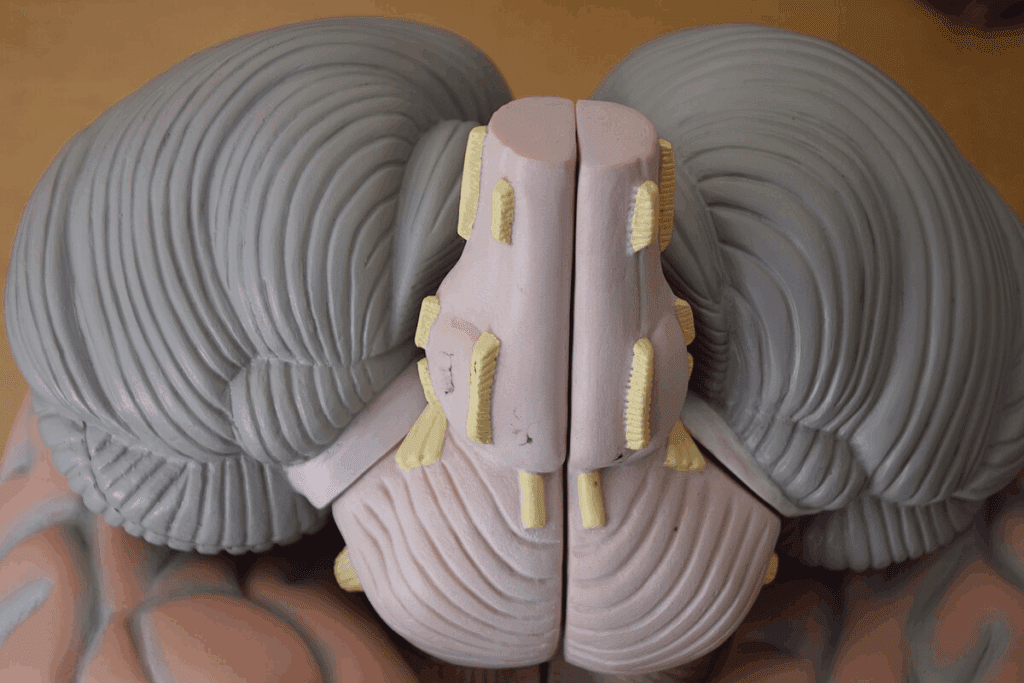
The vagus nerve, also known as cranial nerve 10, is key to our body’s functions. It’s the longest and most complex cranial nerve. It handles many tasks across different organ systems.Discover the CN X vagus nerve. This complete guide explains its structure, critical parasympathetic functions, and main branches.
We’ll dive into the vagus nerve’s importance and what this article covers. The vagus nerve controls important actions like heart rate, digestion, breathing, and swallowing. It does this through both motor and sensory fibers.
Key Takeaways
- The vagus nerve is the 10th cranial nerve and has a complex role in various bodily functions.
- It carries both motor and sensory fibers, regulating important involuntary actions.
- The vagus nerve is essential for understanding how our body maintains balance.
- Its problems can cause many health issues, making it a key area of study.
- Knowing the vagus nerve’s structure, function, and branches is vital for understanding its role.
The Vagus Nerve: An Overview
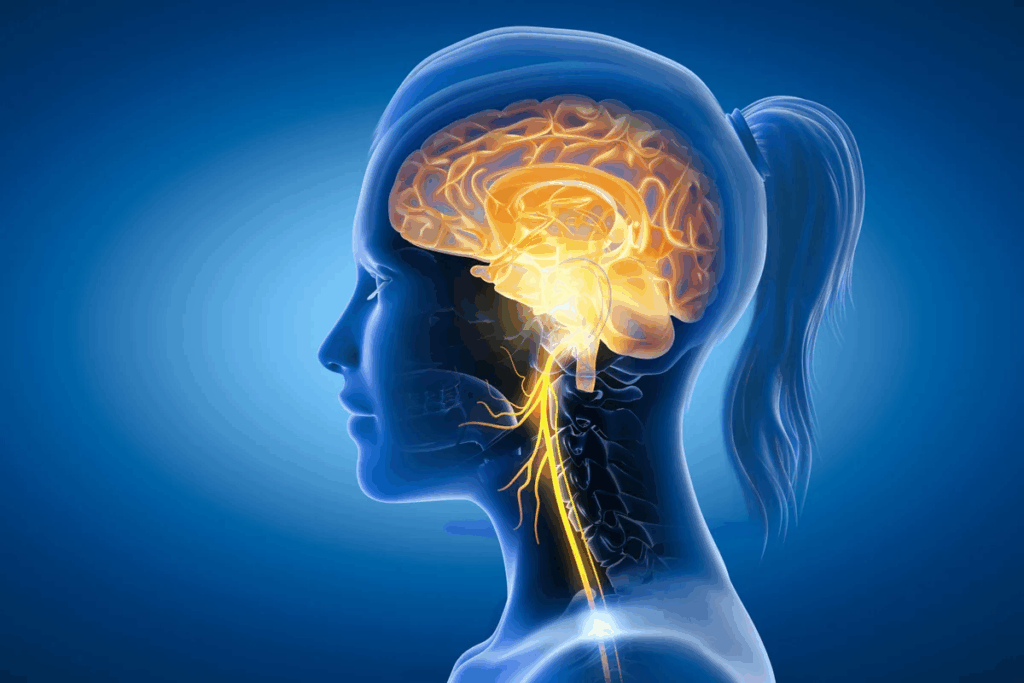
The vagus nerve, also known as Cranial Nerve X, is a complex and fascinating part of our nervous system. It is the longest and most widely distributed cranial nerve. It plays a key role in many bodily functions.
Definition and Basic Characteristics
The term “vagus” comes from the Latin word for “wandering” or “roving”. This name fits well because the nerve is found all over the body. It controls the muscles of the larynx, regulates heart rate, and manages digestion.
The vagus nerve is a mixed nerve, with both sensory and motor fibers. It is essential for many functions, making it a vital part of our nervous system. As we learn more about the vagus nerve, we will look into its historical discovery and naming.
Historical Discovery and Naming
People have studied the vagus nerve for centuries, with early descriptions by Galen. But it wasn’t until the Renaissance that we understood it better. The name “vagus” was given because of its wide spread in the body, as noted by Andreas Vesalius in “De humani corporis fabrica”.
“The vagus nerve is a prime example of how anatomical structures are often named based on their characteristics or functions.”
The history of the vagus nerve’s discovery shows our ongoing interest in it. As we keep exploring, we will look at its anatomy, functions, and importance in medicine.
CN X Vagus Nerve: Anatomical Origin and Course
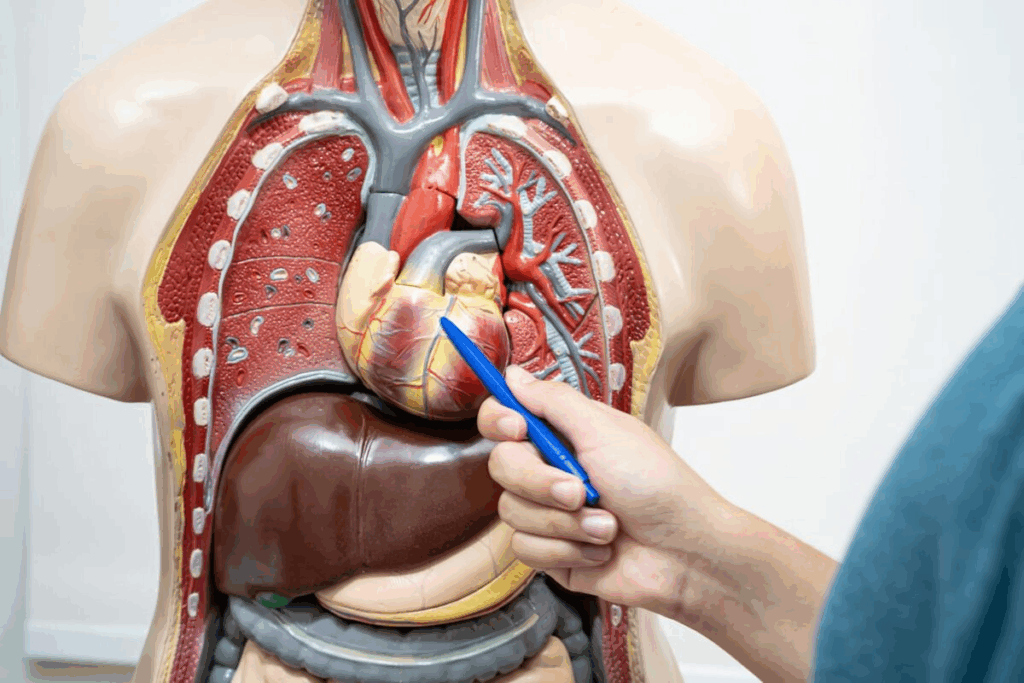
The vagus nerve starts in the medulla oblongata and travels a long way through the body. It is the longest cranial nerve. Its path is key for many bodily functions.
Brainstem Origin
The vagus nerve begins in the medulla oblongata, the brainstem’s bottom part. It comes from the nerve’s lateral side, between the olive and the inferior cerebellar peduncle. This spot is important because it has the nuclei for the nerve’s many functions.
Medical Expert, “The vagus nerve’s start in the medulla oblongata shows its complex and varied role in the body.”
“The vagus nerve is a key player in the parasympathetic nervous system, influencing various bodily functions from heart rate to digestion.”
Path Through the Jugular Foramen
After starting in the medulla oblongata, the vagus nerve goes out of the skull through the jugular foramen. This foramen is a key spot because it lets the vagus nerve, glossopharyngeal, and accessory nerves pass through.
The vagus nerve’s journey through the jugular foramen is linked to its functions and the structures it innervates in the neck and thorax. As it leaves the skull, it’s with the internal jugular vein and the carotid artery, forming a vital neurovascular bundle.
Course Through the Body
The vagus nerve keeps going through the neck and thorax, branching off to innervate different structures. In the neck, it has pharyngeal branches for swallowing. The superior laryngeal nerve, another branch, gives sensory innervation to the larynx.
Branch | Function |
Pharyngeal Branches | Innervate the pharynx, facilitating swallowing |
Superior Laryngeal Nerve | Provides sensory innervation to the larynx |
Recurrent Laryngeal Nerve | Innervates the intrinsic muscles of the larynx, controlling voice production |
As the vagus nerve goes down into the thorax, it has cardiac branches for the heart. These branches affect heart rate and function. The nerve then goes into the abdomen, where it helps control the digestive system.
Embryological Development of the Vagus Nerve
Learning about the vagus nerve’s start in the womb helps us understand its role. It grows from the pharyngeal arches, mainly the fourth and sixth ones.
Neural Crest Derivatives
The vagus nerve comes from the neural crest cells. These cells move from the neural tube’s back side early in development. They form parts of the peripheral nervous system, like the vagus nerve’s sensory and motor ganglia. The neural crest’s role is key for the vagus nerve’s functions.
“The neural crest is vital for the peripheral nervous system’s growth,” say developmental biologists. “Its cells are important for the vagus nerve’s development.”
Developmental Timeline
The vagus nerve’s growth has a clear timeline in the womb:
- The neural crest forms and moves between the third to fourth week of pregnancy.
- The pharyngeal arches, vital for the vagus nerve, start forming around then.
- By the fifth week, the vagus nerve begins to form, with branches reaching the head, neck, and chest.
- The nerve grows and matures more in the second and third trimesters.
The vagus nerve is closely linked to the fourth and sixth pharyngeal arches. These arches are key for the structures the vagus nerve innervates, like the pharynx and larynx muscles. This connection explains the nerve’s wide impact on functions like swallowing, speaking, and heart rate.
Structural Components and Nuclei
The vagus nerve comes from four unique nuclei in the medulla oblongata. Each nucleus has a special role in the nerve’s functions. These nuclei are key to the nerve’s ability to control many bodily functions.
Dorsal Motor Nucleus
The dorsal motor nucleus is a main part of the vagus nerve. It’s in the medulla oblongata and controls the parasympathetic nerves of the viscera. This nucleus helps regulate the body’s autonomic functions, like heart rate, digestion, and breathing.
Nucleus Ambiguus
The nucleus ambiguus is also vital to the vagus nerve. It helps control the muscles of the pharynx and larynx. These muscles are important for swallowing and speaking. The nucleus ambiguus works with other nerves to make these functions possible.
Nucleus Solitarius
The nucleus solitarius, or solitary nucleus, gets sensory info from the viscera. It’s involved in many autonomic functions. It’s key in processing taste and helps control the heart and lungs.
Spinal Trigeminal Nucleus
The spinal trigeminal nucleus handles sensory info, like pain and temperature, from the face and head. It’s not just for the vagus nerve but helps with its sensory tasks.
The interaction between these four nuclei lets the vagus nerve do many things. It controls heart rate, digestion, and helps with swallowing and speech.
Nucleus | Function | Associated Processes |
Dorsal Motor Nucleus | Parasympathetic innervation | Heart rate, digestion, respiratory rate |
Nucleus Ambiguus | Motor innervation | Swallowing, speech |
Nucleus Solitarius | Sensory processing | Taste, cardiovascular, respiratory functions |
Spinal Trigeminal Nucleus | Sensory transmission | Pain, temperature sensation |
Knowing about the vagus nerve’s structure and nuclei helps us understand its complex roles. This knowledge is important for our overall health.
Major Branches of the Vagus Nerve
The vagus nerve has several important branches. These branches help keep our body’s functions running smoothly. They are key to understanding how the vagus nerve affects us.
Pharyngeal Branches
The pharyngeal branches help control the muscles of the pharynx. They are vital for swallowing. The pharyngeal plexus, made from these branches and others, helps with swallowing movements.
Superior Laryngeal Nerve
The superior laryngeal nerve splits into two parts: the internal and external laryngeal nerves. The internal nerve senses the larynx above the vocal cords. The external nerve controls the cricothyroid muscle, affecting vocal cord tension.
Recurrent Laryngeal Nerve
The recurrent laryngeal nerve controls the larynx’s muscles, except for the cricothyroid. It’s key for speech and laryngeal functions. Its path around the subclavian artery (right) and aortic arch (left) makes it prone to injury during surgery.
Cardiac Branches
The cardiac branches form the cardiac plexus, which innervates the heart. They help control heart rate. The vagus nerve’s parasympathetic influence on the heart is vital for its function.
In summary, the vagus nerve’s branches are vital for many bodily functions. They are involved in swallowing, vocalization, and heart regulation. Knowing about these branches helps us understand the vagus nerve’s role in keeping us healthy.
Motor Functions of the Vagus Nerve
The vagus nerve is key to many motor functions that keep us healthy. It shows how important the vagus nerve is to our nervous system.
Innervation of the Pharynx and Larynx
The vagus nerve controls the muscles of the pharynx and larynx. These muscles are vital for swallowing and speaking. The pharyngeal branches of the vagus nerve help the pharynx muscles work together for swallowing.
The superior laryngeal nerve and recurrent laryngeal nerve take care of the larynx muscles. The superior laryngeal nerve’s external branch controls the cricothyroid muscle. The recurrent laryngeal nerve looks after the rest of the laryngeal muscles. This teamwork is key for our voice and breathing.
Control of Cardiac Function
The vagus nerve has a big say in how our heart works. Its cardiac branches reach the heart’s main nodes and muscles. This helps control our heart rate and how hard it beats.
This vagal tone is vital for a healthy heart. It shows how well our heart is doing. The balance between the heart’s sympathetic and parasympathetic sides is important for handling stress and changes in our body.
Regulation of Gastrointestinal Motility
The vagus nerve is also key in moving food through our digestive system. It sends signals from the esophagus to the mid-transverse colon. These signals help food move and mix with digestive enzymes.
This process is essential for digesting food and absorbing nutrients. The vagus nerve’s role in our digestive health shows its importance for our overall well-being.
Sensory Functions of the Vagus Nerve
The vagus nerve has many roles, helping keep our body in balance. It sends signals from different parts of the body to the brain.
Visceral Sensory Pathways
The vagus nerve helps us feel what’s happening in our chest and belly. It tells us about the heart, lungs, and stomach. This is key for controlling our body’s functions.
Taste Sensation
It also helps us taste food, thanks to the epiglottis and tongue’s root. This is important for eating and swallowing.
Baroreceptor and Chemoreceptor Input
Lastly, it sends info from blood pressure and blood chemistry sensors. These sensors check blood pressure and oxygen levels. This helps keep our heart and blood healthy.
The vagus nerve’s many roles show how vital it is for our health. Here’s a quick look at what it does:
Type of Sensation | Source of Sensation | Pathway |
Visceral Sensation | Heart, lungs, gastrointestinal tract | Vagus nerve |
Taste | Epiglottis, root of the tongue | Vagus nerve |
Baroreceptor Input | Carotid sinus, aortic arch | Vagus nerve |
Chemoreceptor Input | Carotid body, aortic body | Vagus nerve |
In summary, the vagus nerve’s sensory roles are complex and essential. Knowing about them helps us see how important it is for our health.
The Vagus Nerve and Autonomic Regulation
The vagus nerve is key to keeping the body balanced. It’s part of the parasympathetic nervous system. This system controls actions we don’t think about, like breathing and heart rate.
Parasympathetic Control
The vagus nerve helps organs relax and digest. It’s important for balancing the body’s stress response. It lowers heart rate, aids digestion, and saves energy.
It connects to many organs, like the heart and lungs. This connection is vital for keeping the body stable. It makes sure the body responds correctly to its surroundings.
The Vagal Tone Concept
Vagal tone shows how active the vagus nerve is. A higher tone means better emotional control, less stress, and better heart health. Exercise, meditation, and socializing can boost it.
Testing vagal tone can tell us about our health. Heart rate variability (HRV) is a common way to check it.
Interaction with Sympathetic System
The vagus nerve works with the sympathetic system to keep the body in balance. The sympathetic system gets us ready for action. The parasympathetic system, led by the vagus nerve, helps us relax. This balance is key for staying healthy, as imbalance can cause problems.
The relationship between these systems is complex. Understanding it helps us grasp how the body works and why it gets sick.
The Gut-Brain Axis: Vagus Nerve as a Mediator
The gut-brain axis is a fascinating area of study. It shows how our gut, nervous system, and mental health are connected. This connection is key to our overall health.
Bidirectional Communication
The vagus nerve helps our gut and brain talk to each other. This exchange affects many bodily functions. It sends signals that can change our mood, hunger, and how we think.
Medical Expert, a well-known gastroenterologist, says, “The gut and brain are connected through nerves, hormones, and chemicals. The vagus nerve is at the center of this connection.”
“The gut is not just a digestive organ; it’s a sensory organ that sends information to the brain.”
Microbiome Interactions
The vagus nerve also talks to our gut microbiome. This affects how our microbiota works. Studies show that our microbiome can make neurotransmitters and hormones that affect our mood and thinking.
- The gut microbiome helps make serotonin, which is important for our mood.
- The vagus nerve can change how our body reacts to inflammation, which is linked to our gut microbiome.
- Changes in our gut microbiome have been linked to mental health issues like depression and anxiety.
Implications for Mental Health
The gut-brain axis, led by the vagus nerve, has big implications for our mental health. Studies suggest that changing our gut microbiome and vagus nerve can help with mental health problems.
Potential treatments include:
- Using probiotics and prebiotics to change our gut microbiome.
- Vagus nerve stimulation (VNS) as a treatment for depression and other mental health issues.
- Changing our diet to improve our gut health and mental well-being.
As we learn more about the gut-brain axis and the vagus nerve, we’ll see new ways to treat mental health.
Clinical Significance: Vagus Nerve Disorders
It’s key to grasp the clinical importance of vagus nerve disorders for proper diagnosis and care. The vagus nerve is vital for many bodily functions. Its malfunction can cause various issues.
Vagus Nerve Palsy
Vagus nerve palsy is when the vagus nerve doesn’t work right. It can happen due to injury, infection, or tumors. Symptoms include trouble swallowing, hoarseness, or paralyzed vocal cords. Quick diagnosis and treatment are vital to avoid lasting harm.
A study in the Journal of Neurology, Neurosurgery, and Psychiatry stressed the need for early action. It said that acting fast can greatly help patients with vagus nerve palsy.
Glossopharyngeal Neuralgia
Glossopharyngeal neuralgia is a rare condition. It causes sharp pain in the tongue, throat, and ear, often when swallowing or yawning. The vagus nerve is linked to the glossopharyngeal nerve. Getting the right diagnosis is key to not confuse it with other facial pain causes.
“Glossopharyngeal neuralgia is an excruciatingly painful condition that requires careful management, often involving a multidisciplinary approach to treatment.”
Medical Expert, Neurologist
Dysautonomia
Dysautonomia is a disorder of the autonomic nervous system, with the vagus nerve being a major part. Symptoms include feeling lightheaded when standing, stomach issues, and irregular heartbeats. Managing symptoms and improving life quality are main goals.
Condition | Primary Symptoms | Management Strategies |
Vagus Nerve Palsy | Difficulty swallowing, hoarseness | Speech therapy, surgical intervention |
Glossopharyngeal Neuralgia | Intense pain in tongue, throat, ear | Medications, nerve blocks |
Dysautonomia | Orthostatic intolerance, GI disturbances | Lifestyle modifications, symptom management |
Vagus Nerve Involvement in Systemic Diseases
The vagus nerve is linked to many diseases, like diabetes and autoimmune disorders. Knowing its role in these conditions can help find new treatments.
We’ve looked at how important understanding vagus nerve disorders is for better patient care. More research on the vagus nerve will help find new ways to diagnose and treat.
Therapeutic Applications: Vagus Nerve Stimulation
Vagus nerve stimulation (VNS) is a key treatment for many neurological and psychiatric issues. It’s important to know how it works and where it’s used. This helps us see its full value.
Mechanisms of Action
The exact way VNS works is not fully known. But, several theories exist. It’s thought to affect brain areas and chemicals, leading to its benefits. Key areas include the brainstem, limbic system, and cerebral cortex, which control mood and more.
Applications in Epilepsy
VNS is approved for drug-resistant epilepsy. It has been shown to lower seizure frequency in such cases. A device is implanted to send electrical impulses to the vagus nerve.
The exact way VNS cuts down seizures is not fully understood. But, it’s thought to affect brain electrical activity and how neurons fire.
Applications in Depression
VNS is also studied for treatment-resistant depression. It has shown to improve mood and reduce depression symptoms in those who didn’t respond to other treatments. Its antidepressant effects are believed to come from its impact on neurotransmitters and brain flexibility.
Emerging Therapeutic Uses
VNS is also looked into for other conditions like anxiety, PTSD, and some inflammatory diseases. Ongoing research aims to fully grasp its therapeutic possibilities and improve its use in different areas.
As we learn more about VNS, its promise for helping patients with various conditions becomes clearer. It’s a technology with great promise for improving lives.
Conclusion: The Remarkable Vagus Nerve
The vagus nerve, or cranial nerve X, is a key part of our nervous system. It plays a big role in many bodily functions. It helps control heart rate, aids in swallowing, and affects our mood and thinking.
Knowing about the vagus nerve is important for doctors and health enthusiasts. This summary covers its detailed anatomy, wide range of functions, and its impact on health. It’s a great resource for learning about this vital part of our bodies.
In short, the vagus nerve is incredibly complex and vital. It shows the need for more research into its functions and how it can help us. This will help us understand cranial nerve X better and improve our health.
FAQ
What is the vagus nerve?
The vagus nerve, also known as Cranial Nerve X, is a key part of our nervous system. It helps control the heart rate and muscles for swallowing. It also sends sensory info from the body’s internal organs.
Where does the vagus nerve originate?
It starts in the brainstem. This includes four main areas: the dorsal motor nucleus, nucleus ambiguus, nucleus solitarius, and spinal trigeminal nucleus.
What are the major branches of the vagus nerve?
The vagus nerve has several branches. These include the pharyngeal branches, superior laryngeal nerve, recurrent laryngeal nerve, and cardiac branches. Each branch has its own role in the body.
What is the role of the vagus nerve in autonomic regulation?
The vagus nerve helps control the body’s autonomic functions. It provides parasympathetic control and affects vagal tone. It works with the sympathetic system to keep the body balanced.
How does the vagus nerve relate to the gut-brain axis?
The vagus nerve connects the gut and brain. It helps them communicate with each other. This connection is important for mental health and the body’s overall well-being.
What is vagus nerve stimulation?
Vagus nerve stimulation is a treatment that uses the nerve to help with conditions like epilepsy and depression. It’s also being explored for other uses.
What are some disorders associated with the vagus nerve?
Disorders linked to the vagus nerve include vagus nerve palsy and glossopharyngeal neuralgia. It’s also involved in dysautonomia and systemic diseases. This shows how important the nerve is for health.
What is the significance of understanding the vagus nerve?
Knowing about the vagus nerve is vital for health and neuroscience. It helps us understand its structure and function. This knowledge is key to maintaining good health.
Is the vagus nerve sensory, motor, or both?
The vagus nerve is both sensory and motor. It carries signals to and from the body, playing a key role in our functions.
What is the tenth cranial nerve?
The tenth cranial nerve is the vagus nerve. It’s the longest cranial nerve and is essential for many bodily functions.
What is the relation between the vagus nerve and uvula deviation?
The vagus nerve controls the muscles of the pharynx, including those for the uvula. Damage to the nerve can cause the uvula to deviate.
References
National Center for Biotechnology Information. Vagus Nerve (Cranial Nerve X): Structure, Function, and Branches. Retrieved from https://www.ncbi.nlm.nih.gov/pmc/articles/PMC2871586/



 Departments
 Related Videos
 Our Doctors
 News
News