Blood clotting abnormalities can really change someone’s life. They can cause too much bleeding or unwanted clots. Conditions like hemophilia A make it hard for the body to clot blood right.Learn 7 key facts about coagulation disorders, their causes, symptoms, and how clotting problems affect your health.
It’s important to know about these clotting problems. This knowledge helps doctors find better treatments. At Liv Hospital, they use international expertise and focus on the patient. They aim to help those with blood clot disorders get better care.
Key Takeaways
- Coagulation disorders affect the body’s ability to form blood clots.
- Conditions like hemophilia A are examples of blood clot disorders.
- Liv Hospital offers advanced care for clotting problems.
- Understanding clotting problems is key to effective treatment.
- A patient-centered approach improves patient outcomes.
The Science Behind Blood Clotting: How Normal Coagulation Works
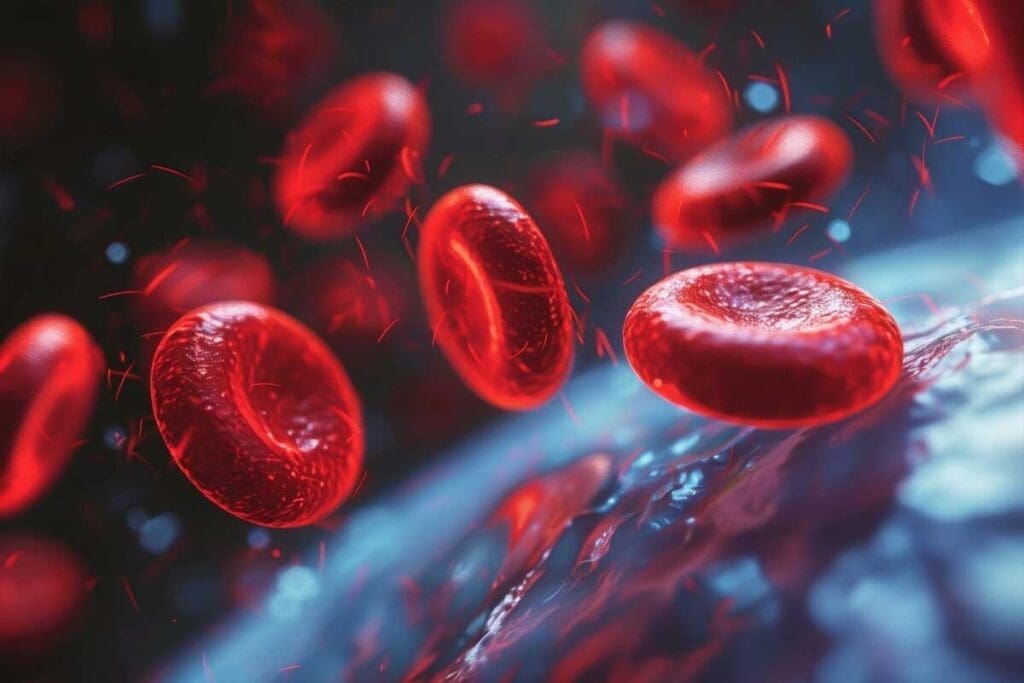
Blood clotting is a vital process that stops bleeding when a blood vessel is hurt. It involves many clotting factors, proteins in the blood that work together to form a clot.
The Clotting Cascade Explained
The clotting cascade is a series of steps that lead to clot formation. It has two main paths: the intrinsic and extrinsic pathways. These paths merge into the common pathway, which activates fibrinogen into fibrin, securing the platelet plug.
The intrinsic pathway starts with damage inside the blood vessels. It’s more complex, involving many clotting factors. The extrinsic pathway is triggered by external trauma, causing blood to spill out of the vessels.
Essential Clotting Factors and Their Functions
Clotting factors are key to the coagulation process. There are 13 clotting factors, each with a Roman numeral (I to XIII). Some important ones include:
- Fibrinogen (Factor I): Converted into fibrin to form the clot.
- Prothrombin (Factor II): Converted into thrombin, which then converts fibrinogen into fibrin.
- Tissue Factor (Factor III): Initiates the extrinsic pathway.
| Clotting Factor | Function |
| Fibrinogen (I) | Forms fibrin clot |
| Prothrombin (II) | Precursor to thrombin |
| Tissue Factor (III) | Initiates extrinsic pathway |
The Delicate Balance of Hemostasis
Hemostasis is the body’s ability to keep blood fluid in vessels but form clots when needed. This balance is key to prevent too much bleeding or unwanted clots.
Regulating hemostasis involves a complex mix of procoagulant and anticoagulant factors. Procoagulant factors help form clots, while anticoagulant factors stop it, ensuring clots form only at injury sites.
Defining Coagulation Disorders: When the Clotting System Fails
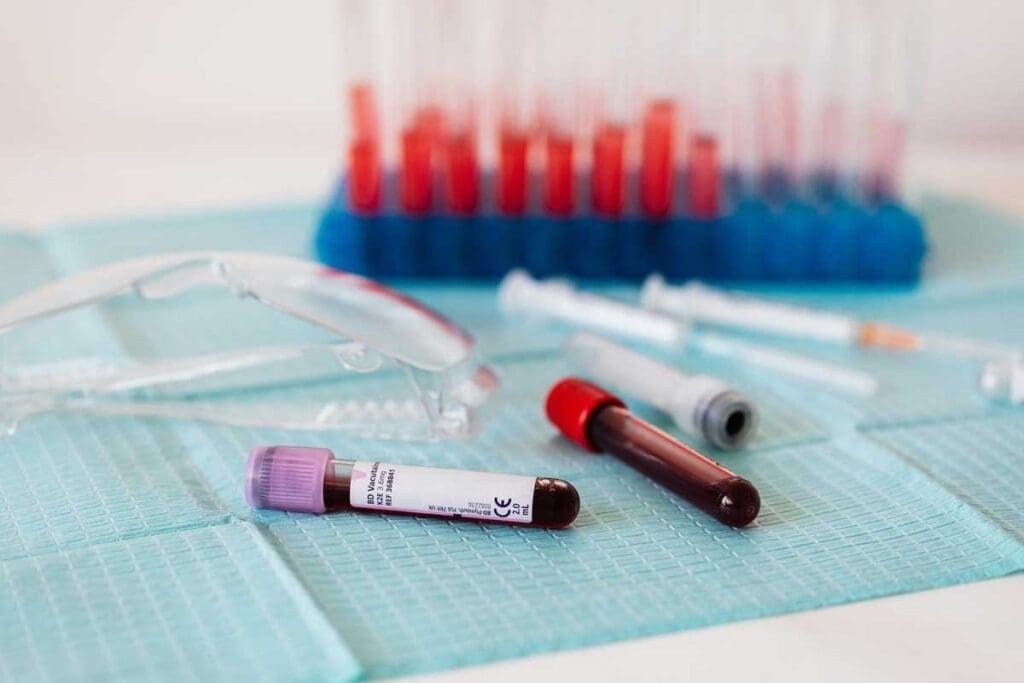
Coagulation disorders happen when the body’s clotting system doesn’t work right. This can cause too much bleeding or clotting. These issues can really affect someone’s life and need careful management to avoid serious health problems.
The Spectrum of Clotting Abnormalities
Clotting problems can be mild or very serious. They include both bleeding disorders and conditions where clots form too easily. Bleeding disorders make it hard to form clots, leading to too much bleeding. Thrombotic conditions cause unwanted clots that block blood vessels.
Examples of bleeding disorders are hemophilia A and von Willebrand disease. Thrombotic conditions include deep vein thrombosis (DVT) and pulmonary embolism (PE).
Bleeding Disorders vs. Thrombotic Conditions
Bleeding disorders and thrombotic conditions are at opposite ends of the spectrum. Bleeding disorders often come from a lack or problem with clotting factors. Thrombotic conditions usually happen when the clotting system is too active or has factors that help clots form.
- Bleeding disorders: hemophilia A, von Willebrand disease
- Thrombotic conditions: deep vein thrombosis (DVT), pulmonary embolism (PE)
Terminology in Blood Clotting Diseases
It’s important to know the terms used in blood clotting diseases for accurate diagnosis and treatment. Terms like “coagulopathy,” “thrombophilia,” and “hemorrhagic disorders” describe different clotting issues.
Coagulopathy means the blood can’t clot properly. Thrombophilia is when the body makes too many blood clots. Hemorrhagic disorders are when there’s too much bleeding because of clotting factor problems or other issues.
Fact 1: Hemophilia A Affects 1 in 5,000 Males Worldwide
Hemophilia A is a genetic disorder found in about 1 in 5,000 males globally. It’s caused by a lack of factor VIII, a key protein for blood clotting. Without enough of this protein, bleeding can last too long and be dangerous.
Mechanism of Factor VIII Deficiency
The main reason for hemophilia A is a lack of factor VIII. This makes blood clotting harder, raising the risk of bleeding. Factor VIII helps activate factor X in the clotting process. Without it, the body can’t clot properly.
Inheritance Patterns and Genetic Basis
Hemophilia A follows an X-linked recessive pattern. This means the gene for factor VIII is on the X chromosome. Males, with only one X chromosome, are more likely to have it. Females can carry the gene but are less likely to have it themselves. They can, though, pass it to their children.
Severity Classifications and Their Implications
The severity of hemophilia A depends on how much factor VIII is in the blood. There are three main levels:
| Severity | Factor VIII Level | Clinical Implications |
| Mild | 5-40% | Bleeding usually happens after injuries or surgery |
| Moderate | 1-5% | Some bleeding on its own, more after injuries |
| Severe | Often bleeds into joints and muscles without injury |
Knowing how severe hemophilia A is helps in treating it. Treatment plans are based on the severity level.
Fact 2: Von Willebrand Disease Is the Most Common Inherited Bleeding Disorder
Von Willebrand disease is the most common inherited bleeding disorder. It’s caused by a lack or problem with von Willebrand factor (VWF). This protein is key for blood clotting.
Types of Von Willebrand Disease
There are several types of von Willebrand disease, each with its own traits:
- Type 1: The most common and mildest form, with a partial VWF deficiency.
- Type 2: Further divided into subtypes (2A, 2B, 2M, and 2N), this type involves qualitative defects in VWF.
- Type 3: The most severe form, marked by a complete deficiency of VWF.
Diagnostic Challenges
Diagnosing von Willebrand disease can be tricky. It’s due to its varied symptoms and complex lab tests. Key steps include:
- Looking at personal and family bleeding history.
- Running tests like VWF antigen and activity assays.
- Doing genetic testing to find specific mutations.
Differences from Hemophilia
Von Willebrand disease and hemophilia are both bleeding disorders but differ:
- Inheritance Pattern: Von Willebrand disease is usually inherited in an autosomal dominant pattern. Hemophilia is X-linked.
- Symptoms: Von Willebrand disease often shows mucocutaneous bleeding. Hemophilia mainly affects joints and muscles.
- Management: Treatment for von Willebrand disease includes desmopressin and VWF concentrates. Hemophilia treatment is different.
Management Approaches
Managing von Willebrand disease effectively involves several steps:
- Desmopressin: It helps release VWF and factor VIII.
- VWF Concentrates: They replace the missing or faulty VWF.
- Avoiding Certain Medications: Avoid NSAIDs and antiplatelet agents to prevent bleeding.
Knowing about von Willebrand disease is key to giving the right care. It helps improve the lives of those affected.
Fact 3: Vitamin K Deficiency Can Cause Serious Clotting Problems
Vitamin K is key for blood clotting. It helps make clotting factors in the liver. These factors are vital for stopping bleeding when a blood vessel is injured.
The Role of Vitamin K in Coagulation
Vitamin K is needed for clotting factors II, VII, IX, and X, and proteins C and S. Without enough vitamin K, these proteins don’t work right. This increases the risk of bleeding.
Vitamin K Deficiency Bleeding in Newborns
Newborns are at high risk for bleeding due to low vitamin K levels. This can cause serious bleeding, like bleeding in the brain. Giving vitamin K at birth helps prevent this.
Acquired Vitamin K Deficiency in Adults
Adults can also get vitamin K deficiency. This can happen due to malabsorption, long-term antibiotics, or certain medicines. People with these risks should watch for signs of deficiency.
Prevention and Treatment Strategies
To prevent vitamin K deficiency, eat foods rich in vitamin K and treat malabsorption. Treatment often includes vitamin K supplements. This can be taken by mouth or through an IV, depending on the situation.
Key strategies for prevention and treatment include:
- Eat foods rich in vitamin K
- Take vitamin K supplements if needed
- Watch for signs of deficiency in high-risk groups
- Fix issues that cause malabsorption
Knowing how vitamin K helps with clotting and taking steps to avoid deficiency can help prevent serious problems.
Fact 4: Over 400,000 Males Worldwide Are Affected by Coagulation Disorders
Coagulation disorders affect over 400,000 males globally. This highlights the need to understand these conditions better. We must look at their global spread, economic impact, and how people get access to care.
Global Distribution of Clotting Conditions
Coagulation disorders are found worldwide. But, their spread varies a lot. This is due to genetics, environment, and healthcare systems.
- Regional Variations: The spread of clotting conditions changes by region. This is because of genetics and population demographics.
- Genetic Factors: Some clotting disorders, like hemophilia A, are more common in certain groups. This is because of genetic predispositions.
Economic Impact on Healthcare Systems
Coagulation disorders have a big economic impact on healthcare. The cost of treatments, like factor replacement, is high.
- Direct medical costs, like treatments and hospital stays, add up. They are a big part of the economic burden.
- Indirect costs, like lost work time and ongoing care, also put a strain on resources.
Disparities in Access to Diagnosis and Treatment
Despite progress, there are big gaps in getting diagnosed and treated for coagulation disorders. This is a global issue.
- Limited Access to Care: In some places, poor healthcare and lack of specialized care make it hard to get diagnosed and treated.
- Diagnostic Challenges: Getting an accurate diagnosis needs advanced lab tests. These might not be available everywhere.
Fixing these gaps is key to better outcomes for those with coagulation disorders. We need to improve healthcare, make diagnostic tests more available, and ensure fair treatment. This will help reduce the global burden of these conditions.
Fact 5: Advances in Gene Therapy Are Revolutionizing Treatment
Gene therapy is changing how we treat clotting disorders. It’s a new way to fix the genetic problems behind these conditions. This offers hope for those affected.
How Gene Therapy Works for Clotting Disorders
Gene therapy changes a patient’s cells to fight disease. For clotting disorders, it fixes the genetic issue. There are two types: somatic, which affects non-reproductive cells, and germline, which affects reproductive cells.
The steps include:
- Finding the genetic cause of the disorder
- Creating a gene therapy vector
- Giving the therapy to the patient
- Watching how the patient responds and making changes as needed
Current Clinical Trials and Results
Many trials are testing gene therapy for clotting disorders. Studies show promising results, with some patients getting close to normal clotting levels.
For example, a trial for hemophilia A showed a big drop in bleeding episodes.
Recombinant Factor Products
Recombinant factor products are also key in treating clotting disorders. They’re made with DNA technology to mimic human proteins.
These products have many benefits:
- They’re safer because they’re less likely to carry viruses
- They’re consistent in quality and supply
- They can be used to prevent bleeding before it happens
Home-Based Treatment Protocols
New treatments mean patients can get care at home. This makes life easier and more comfortable for them.
Home care has many perks:
- It’s more convenient and flexible
- It means fewer trips to the hospital
- It can help stop bleeding episodes sooner
By using gene therapy, recombinant products, and home care, doctors can give better care to those with clotting disorders.
Fact 6: The Blood Coagulation Factor Market Is Growing Rapidly
The blood coagulation factor market is growing fast. This is because more people need treatments for clotting issues. The growth is due to more clotting disorders, better treatments, and a higher demand for effective therapies.
Market Size and Projections
The global blood coagulation factor market has grown a lot in recent years. In 2022, it was worth several billion dollars. It’s expected to grow even more, at a rate of over 6% each year until 2032. This shows the increasing need for coagulation factors and treatments.
Factors Driving Growth
Several factors are driving the growth of the blood coagulation factor market. These include:
- Increasing prevalence of clotting disorders such as hemophilia A and von Willebrand disease
- Advancements in treatment options, including gene therapy and recombinant factor products
- Growing awareness about clotting disorders and their treatment options
- Rising demand for effective and safe therapies
Key Players in Coagulation Treatment Development
The blood coagulation factor market is highly competitive. Several key players are working on coagulation treatments. Some major companies include:
| Company | Product/Treatment |
| Biogen | Recombinant factor VIII for hemophilia A |
| CSL Behring | Von Willebrand factor replacement therapy |
| Takeda Pharmaceutical Company | Gene therapy for hemophilia |
These companies are leading the way in developing new treatments for clotting disorders. They are driving growth and advancements in the blood coagulation factor market.
Fact 7: Modern Diagnostic Approaches Have Improved Detection
Today, we can spot coagulation disorders much better than before. Finding these conditions early is key to treating them well. New lab tests, genetic studies, and quick tests at the doctor’s office have made a big difference.
Laboratory Testing for Coagulation Assessment
Labs are essential for checking how well blood clots. Tests like:
- Prothrombin Time (PT)
- Activated Partial Thromboplastin Time (aPTT)
- International Normalized Ratio (INR)
- Fibrinogen level tests
These tests help doctors see if there’s a risk of bleeding or clotting. A blood expert, says, “Lab tests are the main way we find coagulation problems.”
Genetic Testing Advancements
Genetic tests are now key in finding inherited clotting issues. New genetic tools help spot specific genes linked to diseases like hemophilia A and von Willebrand disease.
Genetic testing offers:
- Early diagnosis and treatment
- Help for planning families
- Treatment plans tailored to each person’s genes
Point-of-Care Testing Options
Point-of-care testing (POCT) is a big help in checking blood clotting. POCT gives quick results, helping doctors make fast decisions.
Examples of POCT devices include:
- Portable INR monitors for managing blood thinners
- Handheld devices for checking fibrinogen and other clotting factors
Comprehensive Coagulation Evaluations
Checking coagulation problems fully means using lab tests, genetic analysis, and doctor’s checks. This complete method makes sure we get the right diagnosis and treatment.
A study found, “A full diagnostic approach is vital for finding the cause of clotting issues and creating the right treatment plans.”
Living With Clotting Disorders: Management Strategies
People with clotting disorders need a mix of strategies to live better. This includes making lifestyle changes, staying active, eating right, and getting mental support.
Lifestyle Modifications for Different Conditions
Changing your lifestyle is key in managing clotting disorders. For bleeding disorders, avoiding sports that could cause injuries is important. On the other hand, those with clotting issues should keep a healthy weight and move around often.
Key Lifestyle Adjustments:
- Avoiding activities that may cause injury
- Maintaining a healthy weight
- Not smoking
- Limiting alcohol consumption
Exercise Recommendations and Precautions
Exercise is vital for health, even with clotting disorders. But, the kind and how hard you exercise might need to change based on your condition.
| Condition | Recommended Exercises | Precautions |
| Bleeding Disorders | Low-impact activities like swimming or cycling | Avoid contact sports |
| Thrombotic Conditions | Regular walking, yoga | Avoid prolonged immobility |
Nutritional Considerations
What you eat is also important in managing clotting disorders. Eating a balanced diet full of nutrients helps keep you healthy.
Important Nutritional Considerations:
- Consuming foods rich in vitamin K (for clotting)
- Maintaining adequate hydration
- Avoiding excessive intake of foods that may interfere with anticoagulant therapy
Psychological Support and Resources
Clotting disorders can affect your mind too. It’s important to have access to mental support and resources to handle the emotional side.
Psychological Support Options:
- Counseling or therapy
- Support groups
- Online resources and forums
With a well-rounded management plan, people with clotting disorders can live full and active lives.
Conclusion
Understanding coagulation disorders is key to managing clotting problems. This article covered seven important facts. It looked at blood clotting, gene therapy, and new ways to diagnose these conditions.
Coagulation disorders like hemophilia A and von Willebrand disease are common. They show the need for more research and awareness. New treatments, including gene therapy, give hope to those affected.
As we learn more about coagulation disorders, our approach to treating them changes. By focusing on the latest research, we can improve lives. This is important for those dealing with clotting issues.
In summary, coagulation disorders are complex and need a detailed approach. Keeping up with new research helps healthcare professionals and patients. Together, we can lessen the effects of clotting problems.
FAQ
What are coagulation disorders?
Coagulation disorders affect how blood clots. This can lead to too much bleeding or clots where they shouldn’t be. These issues can be passed down or happen later in life. Examples include hemophilia A, von Willebrand disease, and vitamin K deficiency.
What is the clotting cascade, and how does it work?
The clotting cascade is a series of chemical reactions that form a blood clot. It involves many clotting factors. These proteins work together in a specific order to stop bleeding.
What is hemophilia A, and how is it inherited?
Hemophilia A is a genetic disorder caused by a lack of factor VIII. It’s passed down in an X-linked recessive pattern. This means it mainly affects males, as the gene is on the X chromosome.
What is von Willebrand disease, and how does it differ from hemophilia?
Von Willebrand disease is the most common inherited bleeding disorder. It’s caused by a problem with von Willebrand factor, a key clotting protein. It affects both males and females and can vary in severity. Unlike hemophilia, it’s not limited to males.
How does vitamin K deficiency affect blood clotting?
Vitamin K is needed for clotting factors. Without enough, the body can’t form blood clots well. This increases the risk of bleeding.
What is gene therapy, and how is it used to treat clotting disorders?
Gene therapy fixes or changes genes in cells to treat diseases. For clotting disorders, it aims to fix the genetic problem. This could cure the condition or greatly improve life quality.
What lifestyle modifications are recommended for individuals with clotting disorders?
People with clotting disorders should avoid injuries and stay healthy. They should also be careful with medicines that affect clotting.
How have advances in diagnostic approaches improved the detection of coagulation disorders?
New lab tests, genetic tests, and point-of-care tests have helped diagnose coagulation disorders better. These advancements help doctors find specific problems and plan treatments.
What is the economic impact of coagulation disorders on healthcare systems?
Coagulation disorders cost a lot for healthcare systems. This includes diagnosis, treatment, and ongoing care. The need for treatments like factor replacement adds to these costs.
What are the current trends in the blood coagulation factor market?
The blood coagulation factor market is growing fast. This is due to more awareness, new treatments, and demand for recombinant factor products. This growth will likely continue with new therapies and better treatments.
Reference
- National Heart, Lung, and Blood Institute. (n.d.). Bleeding disorders: What are they? U.S. Department of Health and Human Services.https://www.nhlbi.nih.gov/health/bleeding-disorders