Choosing a cochlear implant is a big decision for those with severe hearing loss. Studies show that 21% to 29% of adult users regret their choice.
Stop cochlear implant regret before it starts. Learn how to avoid sad outcomes and ensure an amazing result for your hearing journey.
It’s important to know about the chance of regret after cochlear implant. The University of Iowa, involved in NIH grants, stresses the need to manage expectations. This can help lower regret rates.
We look into how matching what you expect with what happens can lessen regret. Knowing what affects satisfaction helps people make better choices about their hearing.
Key Takeaways
- Recent studies show a regret rate of 21% to 29% among adult cochlear implant recipients.
- Managing expectations is key to reducing regret after cochlear implant surgery.
- Research institutions like the University of Iowa play a significant role in understanding cochlear implant outcomes.
- Aligning expectations with outcomes can significantly minimize feelings of regret.
- Informed decision-making is key to satisfaction with cochlear implant results.
The Fundamentals of Cochlear Implants
<SEP-12671_image_2>
Learning about cochlear implants is key for those thinking about getting one. These devices can greatly improve life for those with severe hearing loss. They are complex but can make a big difference.
How Cochlear Implants Function
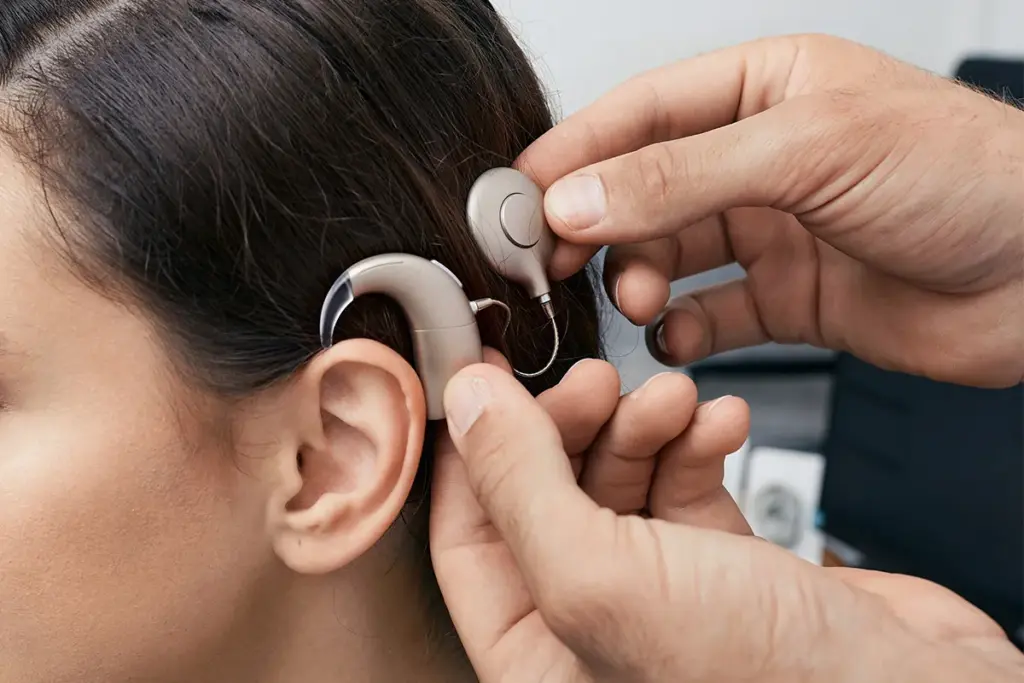
Cochlear implants work by going around damaged parts of the ear. They send signals directly to the auditory nerve. This is done through both parts inside and outside the body.
The process starts with sound picked up by a microphone. This sound is then turned into a coded signal by a speech processor. This signal is sent to the implant under the skin, which then sends electrical signals to the cochlea. These signals stimulate the auditory nerve.
Ideal Candidates for Implantation
Finding the right person for a cochlear implant is a detailed process. A team of experts checks if someone is a good candidate. They look for those who don’t get much help from hearing aids and have severe hearing loss.
They also consider how long the person has had hearing loss and the health of their auditory nerve. The person’s motivation and support system are also important.
The Surgical and Activation Process
Cochlear implant surgery is performed under general anesthesia and typically lasts a few hours. The surgeon makes an incision behind the ear to reach the mastoid bone. Then, the electrode array is inserted into the cochlea.
After surgery, there’s a healing time before the device is turned on. This usually happens a few weeks later. During the first setup, the audiologist adjusts the device to fit the person’s needs. They start with soft settings and gradually increase them based on feedback.
Knowing how cochlear implants work is important for understanding what to expect. It’s also key for doctors to be skilled and emotionally strong to support patients through this journey.
Current Cochlear Implant Regret Statistics<SEP-12671_image_3>
As more people get cochlear implants, it’s key to know about regret rates. These implants help those with severe hearing loss who don’t get much help from regular hearing aids. But, getting a cochlear implant is a big decision, and knowing about possible regret is important for making the right choice.
Recent Research Findings
Recent studies have given us important insights into cochlear implant regret. They show that between 21% and 29% of adults regret getting the implant. This shows how complex the decision to get a cochlear implant can be and why thorough counseling before the surgery is so important.
Key findings from recent research include:
- A big number of recipients feel some regret after getting the implant.
- The rate of regret changes based on who you are, showing the need for personalized support.
- Even though technology has improved, regret is something to consider.
The 21-29% Regret Rate Among Adults
Adults who get cochlear implants often experience regret, with rates between 21% and 29%. This range shows how different people’s experiences can be and what affects their satisfaction after the surgery.
Factors contributing to regret among adults include:
- Having unrealistic hopes about what the implant can do.
- Physical issues or problems with the implant.
- Struggling to get used to the new sounds.
Comparing Demographics and Outcomes
Research has looked into how different groups feel about their cochlear implants. By comparing different ages, income levels, and how well they could hear before, we can learn more about what leads to regret.
For example, a study found that:
|
Age Group |
Regret Rate |
|---|---|
|
18-40 years |
20% |
|
41-60 years |
25% |
|
61+ years |
30% |
This shows that older adults might feel more regret. This could be because they find it harder to get used to new technology or have different hopes for the implant.
Understanding Cochlear Implant Regret
It’s important to understand cochlear implant regret for both patients and healthcare providers. This regret is when people feel unhappy or unsatisfied after getting a cochlear implant.
We will look into what cochlear implant regret is, its different types, and how it affects people. Knowing this helps us support those who feel regret.
Clinical Definition and Measurement
Cochlear implant regret is when someone feels unhappy about their implant. Doctors measure this by asking patients how they feel through surveys and interviews.
These methods help doctors see how much regret someone feels and why. Being kind and understanding is key in medical care.
Substantial vs. Moderate Regret
Regret can be big or small. Big regret means someone is really unhappy with their implant and it affects their life a lot.
Small regret is less severe and might not change someone’s daily life much. Knowing the difference helps us offer better support.
Psychological Impact of Post-Implant Regret
Feeling regret after a cochlear implant can deeply affect someone. They might feel frustrated, disappointed, or even sad.
Healthcare providers should be kind and offer counseling. This helps patients deal with their feelings and improves their overall well-being.
|
Regret Category |
Characteristics |
Impact on Patients |
|---|---|---|
|
Substantial Regret |
Significant dissatisfaction, noticeable impact on daily life |
May experience depression, significant emotional distress |
|
Moderate Regret |
Less severe dissatisfaction, some impact on daily life |
May feel frustration, some emotional distress |
Primary Causes of Regret After Cochlear Implantation
Choosing to get a cochlear implant is a big decision. Knowing why some people might regret it is important for both patients and doctors. There are many reasons for regret, and knowing them helps make patients happier and more satisfied.
Unrealistic Sound Quality Expectations
High hopes for sound quality after the implant can lead to disappointment. People often expect their hearing to improve a lot, but it doesn’t always. The sound from a cochlear implant is different from natural hearing, and adjusting to it can take time.
Doctors and audiologists should talk clearly about what to expect before the surgery. They should explain the good and bad points of cochlear implants and how to get used to them.
Physical Discomfort and Adaptation Challenges
Some people feel uncomfortable or have trouble getting used to the implant. This can make them unhappy with the surgery. Issues like tinnitus or facial nerve problems are common.
Doctors and nurses need to help patients deal with these problems. Having a good support system is key to helping patients feel better.
Unexpected Complications
Problems like the device not working or surgical issues can also cause regret. Even though cochlear implants are very reliable, problems can happen. It’s important to know the risks and have a plan for any problems.
|
Cause of Regret |
Description |
Mitigation Strategy |
|---|---|---|
|
Unrealistic Sound Quality Expectations |
Patients having high hopes for hearing improvement that are not met. |
Realistic pre-implant counseling and setting clear expectations. |
|
Physical Discomfort and Adaptation Challenges |
Experiencing discomfort, pain, or difficulty adapting to the implant. |
Comprehensive support system and management of complications. |
|
Unexpected Complications |
Device failure or surgical complications. |
Understanding risks and having a plan for managing complications. |
Understanding why people might regret getting a cochlear implant helps us make things better. It’s a team effort that includes educating patients, providing support, and managing any problems that might come up.
The Expectation-Reality Gap
How happy patients are with cochlear implants often depends on their expectations before surgery. If they have realistic hopes, they’re more likely to be pleased with their choice.
Pre-Surgery Expectations vs. Actual Outcomes
Many people hope for perfect hearing after getting a cochlear implant. But, the truth is, implants can improve hearing a lot. Yet, the results might not match what they expected. It’s key to manage these hopes to avoid feeling let down.
Studies show that knowing what to expect can make patients happier. They learn that implants can help a lot with speech, but they won’t give them perfect hearing.
The Critical Role of Patient Education
Teaching patients is vital to meet their expectations. Doctors should give detailed info on the implant process, what to expect, and the adjustment time. Good education means talking about the good and bad sides, and how to get used to the implant.
We think it’s very important to teach patients about what implants can really do. This helps them not feel regret. The education should fit each person’s needs and worries.
Managing the Adjustment Period
The time after getting the implant is very important. Patients must get used to new sounds and learn to understand them. Support during this time is very important for their happiness with the implant.
Help like auditory therapy can really help patients adjust. By making these services available and encouraging patients to use them, we can help them get the most out of their implants.
In short, it’s very important to close the gap between what patients hope for and what they get. By focusing on teaching and supporting patients, we can make them happier with their implants. This way, we can reduce feelings of regret and disappointment.
Single-Sided Deafness and Implant Regret
Understanding cochlear implants in single-sided deafness needs a detailed look. It’s about regret rates and what causes them. People with single-sided deafness have normal hearing in one ear but not the other.
Research on this topic is ongoing. Recent studies have shown the complexities involved. We will look at regret rates, challenges, and the role of counseling in managing expectations.
Moderate Regret Rate in SSD Cases
Studies show a moderate regret rate of about 21% in single-sided deafness after cochlear implants. This rate shows the importance of careful consideration and counseling.
The reasons for this regret are varied. They include unrealistic sound quality expectations, physical discomfort, and adaptation challenges. Healthcare providers must address these concerns to reduce regret.
|
Factors Influencing Regret |
Description |
Impact on Regret Rate |
|---|---|---|
|
Unrealistic Expectations |
Patients expecting normal or near-normal hearing post-implant |
High |
|
Physical Discomfort |
Discomfort or pain associated with the implant |
Moderate |
|
Adaptation Challenges |
Difficulty adjusting to new sound perceptions |
Moderate |
Unique Challenges for SSD Recipients
People with single-sided deafness face unique challenges with cochlear implants. They must adapt to the implant while having normal hearing in the other ear. This can lead to special auditory processing challenges.
As one study noted,
“The integration of the cochlear implant with normal hearing in the contralateral ear poses significant challenges for sound localization and overall auditory perception.”
This shows the need for tailored rehabilitation programs to address these challenges.
Special Considerations in Counseling
Specialized counseling is key for SSD recipients. It involves setting realistic expectations, addressing physical discomfort, and preparing for adaptation.
Good counseling can lower regret by ensuring patients are well-informed and supported. A thorough pre-implant assessment and ongoing support are vital in managing regret after cochlear implant.
Factors That Influence Patient Satisfaction
It’s important to know what makes patients happy with their cochlear implants. Satisfaction comes from many things, like how well the implant works, the quality of support services, and the help they get from others.
Audiological Performance Metrics
How well a patient hears is key to their happiness. This includes how well they can understand speech, how clear sounds seem, and how they do in noisy places. Being able to hear better is linked to higher satisfaction.
|
Audiological Metric |
Description |
Impact on Satisfaction |
|---|---|---|
|
Speech Recognition Scores |
Measures the ability to understand speech |
High scores correlate with higher satisfaction |
|
Sound Quality Perception |
Assesses the clarity and naturalness of sound |
Positive perception enhances overall satisfaction |
|
Speech in Noise |
Evaluates the ability to understand speech in noisy environments |
Improved performance increases satisfaction |
Quality of Rehabilitation Services
Good rehabilitation services are also very important. Programs that include training, speech therapy, and counseling make a big difference. Good services help patients get used to their implants faster.
Support System Effectiveness
The help from family, friends, and support groups is also key. A strong support system offers emotional and practical help. Having a good support system makes patients happier.
Healthcare providers can make patients happier by focusing on these areas. This leads to better results for those getting cochlear implants.
The 99.9% Reliability of Modern Cochlear Implants
Modern cochlear implants have a 99.9% reliability rate. This makes them a trusted choice for those with profound hearing loss. The advancements in design, manufacturing, and use have made these devices very reliable.
Device Failure Statistics
Device failure statistics are key to understanding cochlear implant reliability. Studies show a very low failure rate, with most implants working well for years. Recent research findings indicate a failure rate under 1%, showing their reliability.
“The overall reliability of cochlear implants is very high, with most devices lasting for many years without significant issues,” notes a leading expert in the field. This expert opinion highlights the confidence clinicians and patients have in these devices.
Technological Advancements Reducing Complications
Technological advancements have greatly reduced complications with cochlear implants. Improvements in materials, design, and surgery have all helped. For example, better implant design has led to more durable and efficient devices.
- Enhanced materials for greater durability
- Improved surgical techniques for better implantation
- Advanced signal processing for clearer sound
These advancements have not only made cochlear implants more reliable but also opened them up to more patients.
Manufacturer Differences in Reliability
While cochlear implants are generally reliable, there can be differences between manufacturers. Studies have compared devices from different makers, giving insights for clinicians and patients.
|
Manufacturer |
Reliability Rate |
Notable Features |
|---|---|---|
|
Manufacturer A |
99.5% |
Advanced signal processing |
|
Manufacturer B |
99.8% |
Durable implant design |
|
Manufacturer C |
99.2% |
Improved battery life |
Knowing these differences is important for making informed decisions about cochlear implantation.
Evidence-Based Pre-Implant Counseling
Pre-implant counseling is key for cochlear implant success. It’s a complex decision that requires careful preparation. Good counseling helps patients understand what to expect before and after surgery.
Setting Realistic Expectations
Setting realistic expectations is a main goal of counseling. We talk about what the implant can and can’t do. This helps avoid disappointment and makes the experience better.
A study showed that clear counseling boosts satisfaction. Patients who knew what to expect were happier with their implants. This proves the importance of detailed counseling.
Comprehensive Risk Assessment
Assessing risks is also vital. We discuss possible problems like infections or poor sound quality. This helps patients make informed choices.
- Discussing possible surgical issues
- Talking about device failure risks
- Explaining the chance of poor sound quality
Decision-Making Support Tools
We use tools to help patients decide. These include questionnaires and simulations. They help patients understand the implant’s impact.
Our counseling focuses on giving patients the info they need. By setting expectations, assessing risks, and using support tools, we improve the implant experience.
Coping with Cochlear Implant Regret
Managing regret after a cochlear implant needs a mix of support and strategies. The choice to get a cochlear implant is big. While it can change lives, some might feel regret or not be happy. It’s key to tackle these feelings fully for the best results.
Psychological Support Resources
Getting help for regret or dissatisfaction is vital. Look for counseling that focuses on hearing help and cochlear implant support. These services offer emotional backing, help with adjusting to new hearing, and ways to deal with negative feelings.
Adjustment and Adaptation Strategies
Getting used to a cochlear implant takes time and effort. Work with your audiologist to adjust your device and join hearing programs. These steps can make your implant work better and boost your happiness.
Some important steps include:
- Doing listening exercises to get better at hearing speech
- Going to social events to feel more confident talking
- Keeping a journal to see how you’re doing and what to work on
When to Consider Alternative Options
Some people might not get over their regret or dissatisfaction, even with help. It’s important to look at other choices. This could mean talking to doctors about changing the implant or trying other listening aids.
The table below shows ways to deal with cochlear implant regret. It highlights the need for a full support system.
|
Strategy |
Description |
Benefits |
|---|---|---|
|
Psychological Support |
Getting help from counselors who know about hearing issues |
Emotional support, tips for adjusting, ways to handle bad feelings |
|
Auditory Rehabilitation |
Joining programs to improve listening and talking skills |
Better hearing, more confidence in talking |
|
Device Adjustment |
Working with an audiologist to get your device just right |
Device works better, easier to get used to |
Dealing with cochlear implant regret needs a complete plan. This includes support, strategies for adjusting, and looking at other options. By using these resources, people can handle their cochlear implant journey better.
Multidisciplinary Care in Reducing Regret Rates
A team of different healthcare experts is key to reducing regret in cochlear implant patients. This team approach covers all aspects of care, from surgery to rehabilitation. It makes sure each patient gets the best care possible.
The Integrated Team Approach
The team approach is at the heart of good care. It brings together doctors, audiologists, and more. Good communication and teamwork are vital for the best care and results.
A study showed that a team effort helps patients feel better and regret less. The team’s knowledge helps create care plans that fit each patient’s needs.
Coordination Between Medical Specialists
Working together is key for good care. Specialists share knowledge and plans. This teamwork helps catch problems early and avoid regrets.
“The complexity of cochlear implantation requires a multifaceted approach to care, involving not just surgeons, but a team of professionals who can address the various needs of the patient.”
Long-Term Follow-Up Protocols
Regular check-ups are important for cochlear implant success. They help keep the device working well and address any issues. This support is key to avoiding regret.
|
Follow-Up Protocol |
Description |
Frequency |
|---|---|---|
|
Initial Follow-Up |
Post-surgical check-up and device activation |
1-2 weeks post-surgery |
|
Audiological Assessments |
Evaluation of device performance and auditory outcomes |
3, 6, and 12 months post-activation |
|
Rehabilitation Services |
Speech therapy and auditory rehabilitation |
Ongoing, as needed |
Long-term care plans help patients get the most from their implants. This way, we can make sure they are happy and regret less.
Revision Surgery: Considerations and Outcomes
Cochlear implant revision surgery is a complex process. It involves checking if a reimplant is needed and understanding what to expect during recovery. This surgery is done when there are problems or failures with the initial implant.
It’s important to know about revision surgery for those who have had cochlear implants before. We’ll talk about when surgery is needed, how successful it can be, and what recovery is like.
Medical Indications for Revision
Revision surgery is usually needed for device failure, electrode migration, or big changes in hearing. Other reasons include infections, device problems, or the need for new technology.
Device failure is a main reason for needing surgery again. This can happen due to defects, wear and tear, or injury to the implant area. Getting a new device can greatly improve hearing.
Success Rates After Reimplantation
Many studies show that reimplantation can greatly improve hearing for patients. Success depends on why the surgery was needed, the surgical method, and post-op care.
|
Reason for Revision |
Success Rate |
Average Improvement |
|---|---|---|
|
Device Failure |
85% |
Significant improvement in speech recognition |
|
Electrode Migration |
78% |
Moderate improvement in auditory performance |
|
Infection |
90% |
Resolution of infection, variable auditory outcomes |
Recovery Expectations for Revision Patients
Recovery after revision surgery can vary. It usually takes as long as the first surgery, but some might feel more pain because of the revision.
Post-operative care is key for a good outcome. This includes follow-up visits, audiologist sessions, and possibly more therapy to get used to the new implant.
Revision surgery for cochlear implants is a good option for fixing problems or improving results. Knowing the reasons, success rates, and what to expect during recovery helps patients make informed choices.
Cochlear Implant Removal Options
Understanding the options and implications of cochlear implant removal is key. This decision is not taken lightly. It involves medical reasons, personal circumstances, and how it affects your life.
Medical Reasons for Explantation
Several medical reasons might lead to removing a cochlear implant. These include device failure, infection, or complications that can’t be fixed another way. Sometimes, the implant doesn’t work right, or there’s a bad reaction to it.
|
Medical Reason |
Description |
|---|---|
|
Device Failure |
The implant is not functioning correctly, or there is a technical malfunction. |
|
Infection |
The presence of an infection that cannot be controlled with antibiotics or other treatments. |
|
Complications |
Other medical complications that arise from the implant, such as pain or discomfort. |
Patient-Initiated Removal Requests
Patients might ask to remove their cochlear implant for personal reasons. This could be because they’re not happy with how it works, it’s uncomfortable, or their life situation has changed. It’s important to talk to your doctor about these feelings to understand what’s next.
“The decision to remove a cochlear implant should not be taken lightly. It’s important to think about the benefits and risks and how it will affect your hearing and life.”
— Audiological Expert
Life After Implant Removal
Life after removing a cochlear implant can be different for everyone. Some might go back to how they heard before, while others might face new challenges. Getting help and support is key to adjusting to these changes.
Removing a cochlear implant is a big decision. We offer support and care to help people through this process. Our goal is to help them get the best results possible.
Decision-Making Tools to Prevent Regret
Making informed decisions is key when thinking about cochlear implants. Many tools help with this. They ensure patients make choices that meet their needs and hopes.
Shared Decision-Making Frameworks
Shared decision-making frameworks help everyone work together. Patients, doctors, and others share information and ideas. This way, patients can make better choices about their health.
Key components of shared decision-making frameworks include:
- Clear communication of patient values and preferences
- Comprehensive information about treatment options
- Discussion of possible risks and benefits
Pre-Implant Assessment Questionnaires
Pre-implant questionnaires are vital for checking if a patient is right for a cochlear implant. They spot any issues or worries. This lets doctors give better support and advice.
|
Assessment Area |
Description |
Importance |
|---|---|---|
|
Medical History |
Evaluation of patient’s medical background |
High |
|
Audiological Evaluation |
Assessment of patient’s hearing capabilities |
High |
|
Psychological Assessment |
Evaluation of patient’s mental readiness |
Medium |
Trial Periods and Simulations
Trial periods and simulations let patients try out cochlear implants. They can see if the benefits are worth the risks. This helps patients decide if an implant is right for them.
Using these tools helps patients feel more confident about cochlear implants. Our aim is to help people make choices that improve their lives.
Emerging Approaches to Minimize Cochlear Implant Regret
New ways to reduce regret in cochlear implant users are being found. It’s vital to keep up with these new methods. They aim to make patients happier and more satisfied with their implants.
Advanced Candidate Selection Methods
Choosing the right person for a cochlear implant is getting better. Advanced diagnostic tools and personalized assessment protocols are being used. These help find the best candidates and guess how well they’ll do.
These tools look at many things. They check the patient’s health, how bad their hearing loss is, and what they need in their daily life.
|
Selection Criteria |
Traditional Methods |
Advanced Methods |
|---|---|---|
|
Health Assessment |
Basic medical history |
Comprehensive health evaluation including genetic testing |
|
Hearing Loss Evaluation |
Audiological tests |
Advanced audiological assessments including speech recognition tests |
|
Lifestyle Considerations |
Basic lifestyle questionnaire |
Detailed lifestyle assessment including social and occupational needs |
Innovative Rehabilitation Protocols
Helping patients adjust to their implants is key. Innovative rehabilitation protocols are being made. They use virtual reality (VR) and artificial intelligence (AI) for better programs.
These programs make it easier for patients to get used to their new hearing. They’re fun and tailored to each person.
Next-Generation Implant Technologies
Cochlear implant tech is getting better. Next-generation implant technologies offer clearer sound, smaller sizes, and work better with other devices. These changes aim to meet patients’ needs better and make them happier.
By using these new methods, we can lessen regret and improve lives. It’s important for doctors and those thinking about implants to stay updated.
Conclusion
Understanding cochlear implant regret is key for those thinking about it. By matching what we hope for with what we get, we can lessen regret. This article has looked at why people might feel regret, like not getting the sound quality they expected or feeling uncomfortable.
Helping people before they get a cochlear implant is very important. It includes talking about risks and making sure they understand their choices. This way, they can make better decisions and get the most out of their implant.
We also need to focus on making care better for patients. This means improving technology and how we help people adjust to their implants. By doing this, we can make sure people are happy with their implants and feel less regret.
FAQ
What is the overall regret rate for cochlear implants?
The regret rate for cochlear implants varies. Studies show different rates based on demographics and situations.
What are the primary causes of regret after cochlear implantation?
Main reasons for regret include wrong sound quality expectations, physical discomfort, and challenges adapting. Unexpected complications also play a role.
How can unrealistic expectations be managed before cochlear implant surgery?
To manage unrealistic expectations, use evidence-based counseling. This includes setting realistic goals and assessing risks thoroughly.
What is the reliability of modern cochlear implants?
Modern cochlear implants are very reliable, with a 99.9% success rate. Complications are rare.
How does single-sided deafness affect cochlear implant regret rates?
Single-sided deafness cases have a 21% regret rate. They face unique challenges that need special counseling.
What factors influence patient satisfaction with cochlear implants?
Satisfaction depends on how well the implant works, the quality of rehabilitation, and support from loved ones.
What are the options for individuals experiencing regret after cochlear implantation?
Those feeling regret can seek psychological support, try adjustment strategies, or explore other options like surgery or implant removal.
How can multidisciplinary care reduce regret rates?
Multidisciplinary care lowers regret rates. It involves a team approach and ongoing support, ensuring a well-rounded care plan.
What are the considerations and outcomes of revision surgery?
Revision surgery is considered for medical reasons or when the implant fails. Success rates and recovery vary by individual.
What are the implications of cochlear implant removal?
Removing the implant might be due to health issues or personal choice. Life after removal requires adjustments and finding new solutions.
How can decision-making tools prevent regret?
Tools like shared decision-making and pre-implant questionnaires help make informed choices. Trial periods also prevent regret by allowing for a test run.
What emerging approaches are being developed to minimize cochlear implant regret?
New methods include better candidate selection, innovative rehab plans, and advanced implant tech. These aim to improve results and lower regret rates.
References
Tunkel, D. E., & Danner, C. J. (2018). Cochlear implants. In StatPearls. NCBI Bookshelf.