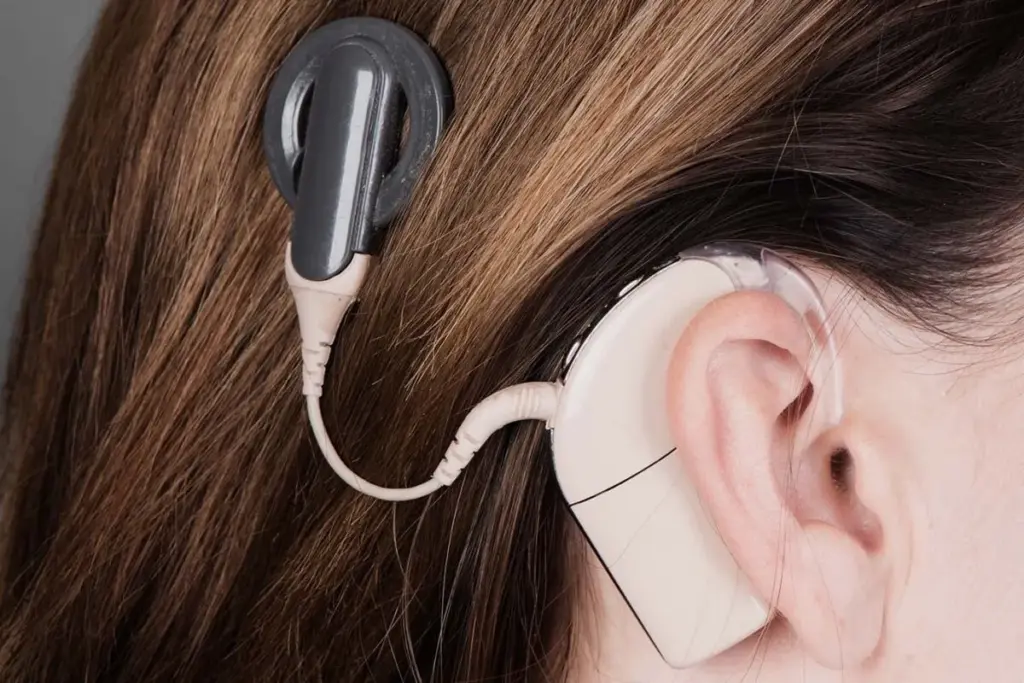
Hearing loss can really change someone’s life. That’s why advanced biomedical devices like cochlear implants were made. They help people with severe or profound hearing loss.
A cochlear implant is a complex medical device. It goes around damaged parts of the inner ear. It directly stimulates the auditory nerve, helping those who are profoundly deaf or severely hard-of-hearing to hear again.
More than 1 million hearing restoration surgeries have been done worldwide. Cochlear implants have changed how we treat severe hearing loss. They give people a chance to hear sounds and learn language again.
Key Takeaways
- Cochlear implants are advanced medical devices for severe or profound sensorineural hearing loss.
- They bypass damaged inner ear structures to directly stimulate the auditory nerve.
- Over 1 million cochlear implant surgeries have been performed globally.
- These implants restore some hearing to the profoundly deaf or severely hard-of-hearing.
- Cochlear implants have significantly improved the quality of life for many individuals.
The Cochlear Implant: An Overview
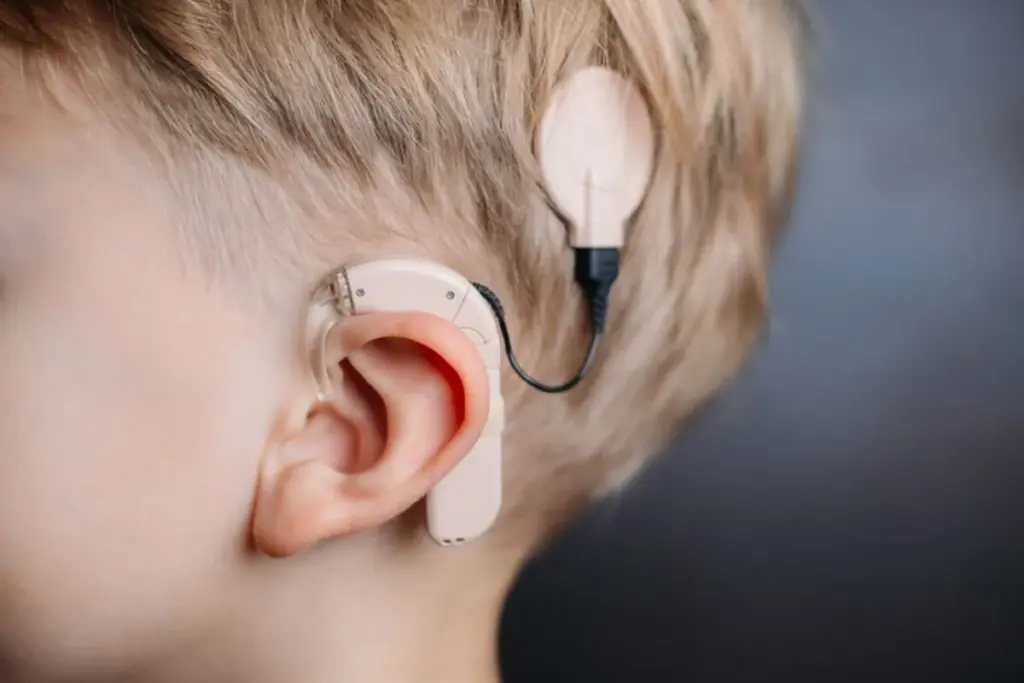
The cochlear implant is a complex medical device. It helps people with severe hearing loss by bypassing damaged parts of the ear. We’ll look at what it is, why it’s used, and how it works. It’s a key tool in treating serious hearing problems.
Definition and Purpose
Cochlear implants are advanced auditory prosthetics. They directly stimulate the auditory nerve, skipping over damaged parts of the ear. Their main goal is to give sound to those who don’t get much from regular hearing aids. The says millions worldwide have hearing loss. Cochlear implants are a solution for some.
Bypassing Damaged Inner Ear Structures
The cochlear implant bypasses damaged inner ear parts by directly stimulating the auditory nerve. This is done through surgery, where the implant is placed in the inner ear. It has both external and internal parts. These work together to pick up sound and send it to the brain.
Target Population: Severe to Profound Sensorineural Hearing Loss
Cochlear implants are for those with severe to profound sensorineural hearing loss. This is when the inner ear is damaged, and sound signals can’t reach the brain. They help those who don’t get much from regular hearing aids. The global cochlear implant market was worth $2.42 billion in 2023, showing its growing use.
Understanding cochlear implants and who they help shows their big impact. They greatly improve life for those with severe hearing loss.
History and Evolution of Cochlear Implants
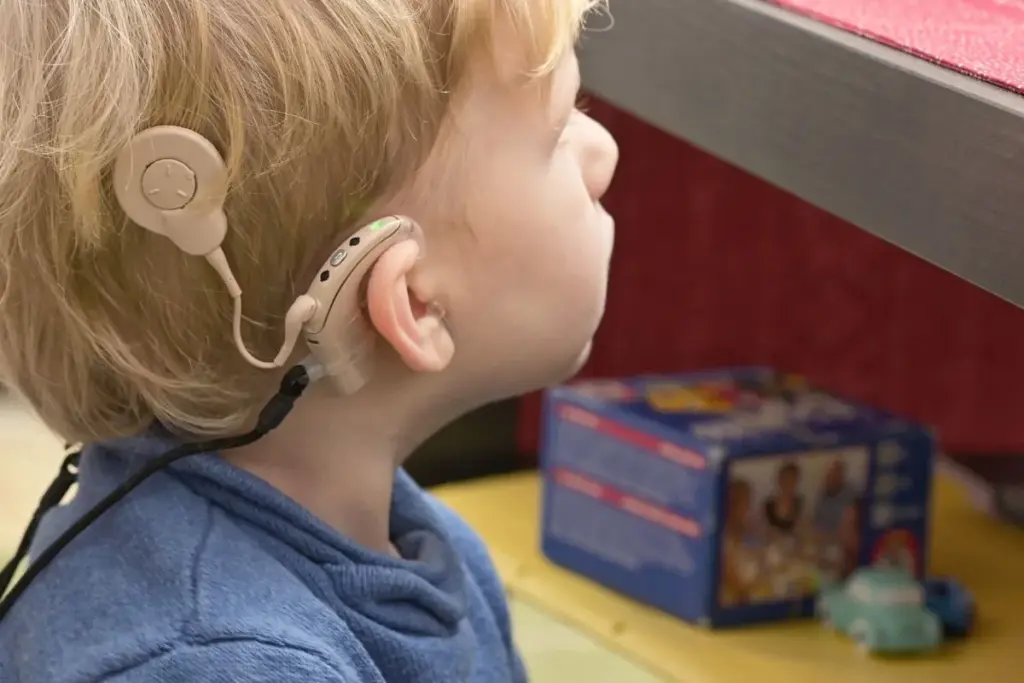
The journey of cochlear implants has been remarkable due to its transformative impact on those with severe hearing loss. It has changed lives for those with severe hearing loss. These devices have grown more advanced and effective over time.
There have been big steps forward in cochlear implant tech. It all started with the first surgery. This was the beginning of a new chapter in hearing help.
Early Development and FDA Approval
The first cochlear implant was made in the 1970s. The FDA approved it in the 1980s. This was a big moment, opening up more research and development.
Early milestones include the first implant success and FDA approval. These steps helped make cochlear implants more common and advanced.
Expanding Candidacy Criteria
From the 1980s on, who can get cochlear implants has grown. Initially, only adults with significant hearing loss were eligible for cochlear implants. But now, even babies as young as nine months can get them.
Today, over 1 million cochlear implants have been done worldwide. This shows how widely accepted and successful this tech has become.
Major Technological Milestones
Big tech steps have helped cochlear implants get better. Now, they have advanced sound processing and longer battery life. These changes have made them more effective and easier to use.
Important tech milestones include the BTE processors for better sound and easier use. Also, new electrode designs for better hearing.
We keep working to make cochlear implants even better. Our goal is to help those with hearing loss as much as we can.
Components of a Cochlear Implant System
A cochlear implant is a complex hearing device. It has both external and internal parts that work together. This system is designed to help people with severe hearing loss.
External Components: Microphone, Processor, and Transmitter
The parts you can see include a microphone, a processor, and a transmitter. The microphone picks up sound. The processor sorts and prepares these sounds. The transmitter sends these signals.
The microphone is behind the ear. The processor goes in a pocket or on a belt. The transmitter sticks to your head with a magnet.
Internal Components: Receiver and Electrode Array
The parts you can’t see are implanted inside. There’s a receiver and an electrode array. The receiver is under the skin behind your ear. The electrode array goes into your cochlea.
This array directly stimulates your auditory nerve. This lets your brain hear sounds again.
How the Components Work Together
The parts work together to help you hear. The microphone picks up sound. The processor and transmitter send these signals to the receiver.
The receiver then sends these signals to your auditory nerve. This lets your brain understand these signals as sound. It’s like a new way for your brain to hear.
Understanding how these parts work shows how advanced cochlear implants are. They help people with severe hearing loss to hear again. It’s a remarkable technology.
How Do Cochlear Implants Work?
Cochlear implants are complex devices that help people with severe hearing loss. They work by directly stimulating the auditory nerve. This lets those with deep hearing loss hear sounds.
Sound Detection and Processing
An external microphone picks up sound. This sound goes to a speech processor, which is worn on the body. The processor turns the sound into a coded signal.
The speech processor is key in cochlear implants. It helps the device understand and send sound. Today’s processors are very advanced, with programs for different listening situations.
Direct Stimulation of the Auditory Nerve
The coded signal is sent to the implanted receiver. It turns the signal into electrical impulses. These impulses go to an electrode array in the cochlea.
The placement of the electrode array is very important. It affects how well the device works. The number and arrangement of electrodes matter for sound quality.
Signal Interpretation by the Brain
The auditory nerve sends signals to the brain. The brain learns to understand these signals over time. This process can take a while, and rehabilitation is often needed.
Research shows cochlear implants greatly improve hearing. Many people can now understand speech better and enjoy a better quality of life. The success of these implants comes from better technology and care from audiologists.
Understanding cochlear implants shows the amazing technology and medical skill behind them. They are a big step forward in helping those with severe hearing loss.
Candidacy Requirements for Cochlear Implants
To see if someone is right for cochlear implants, we do a detailed check. This check looks at many things like how well they can hear and their health.
Audiological Criteria
Checking how well someone can hear is key. We see how much help they get from regular hearing aids. People with very bad hearing who don’t get much help from hearing aids might be good candidates.
“The choice to get an implant depends on how well someone can hear,” say top audiologists.
Medical Evaluations
Medical checks are also very important. They find out if any health issues might affect the implant or surgery. Things like ear shape, past surgeries, and overall health are looked at.
Age Considerations: From Infants to Elderly
Cochlear implants are for all ages. The FDA says they can be used on babies as young as nine months. This can help a lot with learning to talk. There’s no age limit for getting one, as older people can also get a lot of help with hearing.
We look at all ages, from babies to seniors. We make sure our checks fit each person’s needs.
By looking at hearing, health, and age, we figure out if someone is a good fit for cochlear implants.
The Cochlear Implant Surgical Procedure
Cochlear implant surgery can change lives by helping people hear again. It’s a detailed process with several steps. These include initial checks, surgery, recovery, and turning on the device.
Pre-Surgical Assessments
Before surgery, patients get checked to see if they’re a good fit. They have tests, medical checks, and scans like MRI or CT. These help see if the inner ear and nerve are ready for the implant.
The Implantation Surgery
The surgery is done under general anesthesia and takes a few hours. The surgeon makes a small cut behind the ear. They then put the electrode array into the cochlea and the internal receiver under the skin. This careful step is key for the implant to work right.
Recovery Period
After surgery, patients stay in the recovery room for a few hours before going home. Some might feel dizzy, taste things differently, or have facial changes. These effects are usually mild and go away in a few days. We give clear instructions for recovery.
Device Activation Timeline
The device is turned on 3 to 4 weeks after surgery. This lets the body heal first. At the activation, the audiologist sets the device to fit the person’s hearing needs. There are follow-up visits to tweak the settings and help with hearing training.
|
Stage |
Description |
Timeline |
|---|---|---|
|
Pre-Surgical Assessments |
Audiological tests, medical exams, and imaging studies |
Before Surgery |
|
Surgery |
Implantation of the cochlear implant device |
Day of Surgery |
|
Recovery |
Post-operative healing and monitoring |
After Surgery |
|
Device Activation |
Initial programming of the cochlear implant |
3-4 weeks post-surgery |
Knowing about cochlear implant surgery helps patients feel ready. It’s a big step towards better hearing and a fuller life.
Rehabilitation and Adaptation Process
Rehabilitation is key after getting a cochlear implant. It helps people get the most out of their hearing. A detailed program is set up to help them adjust to their new hearing.
Initial Mapping and Programming
The first step is setting up the cochlear implant. This means adjusting it to fit the person’s hearing needs. Our team works hard to make sure the sound is clear and good.
Auditory Training Techniques
Auditory training is a big part of getting better. It includes speech therapy, sound exercises, and music lessons. These help the brain learn to understand new sounds, leading to better hearing.
Long-term Follow-up Care
Regular check-ups are important to keep the implant working well. Our team makes sure the device is always right for the person’s hearing needs. This support helps throughout the whole process.
Timeline for Hearing Improvement
How fast someone gets better varies. But most see big improvements in a few months. Studies show that hearing keeps getting better over time, with some people making even more progress.
|
Rehabilitation Stage |
Timeline |
Key Activities |
|---|---|---|
|
Initial Mapping |
0-1 month post-implant |
Device adjustment, initial programming |
|
Auditory Training |
1-6 months post-implant |
Speech therapy, sound recognition, music training |
|
Long-term Follow-up |
Ongoing |
Regular check-ups, device adjustments |
With this structured rehab, people with cochlear implants can greatly improve their hearing. This makes their lives better overall.
Benefits and Outcomes of Cochlear Implantation
Cochlear implants are a big help for those with severe hearing loss. They change lives by improving hearing and making life better overall.
Hearing Improvement Statistics
In the U.S., about 118,100 adults and 65,000 kids have gotten cochlear implants. Most see big improvements in hearing and understanding speech.
Key Statistics:
|
Category |
Statistic |
|---|---|
|
Adults with Cochlear Implants in the U.S. |
118,100 |
|
Children with Cochlear Implants in the U.S. |
65,000 |
|
Overall Hearing Improvement |
Significant |
Quality of Life Enhancements
Cochlear implants do more than just improve hearing. They make life better in many ways. People feel more confident and enjoy social activities more.
Five-Year Stability of Benefits
Studies show cochlear implants keep working well for five years or more. This means long-term benefits for those who get them.
Realistic Expectations
It’s important to know what to expect from cochlear implants. Results can vary based on several factors. Talking to a doctor about these can help set the right goals.
Potential Risks and Complications
It’s important to know the risks and complications of cochlear implants before making a decision. Like any surgery, there are risks involved. Knowing these can help you understand what to expect.
Surgical Risks
Surgical risks include infection, bleeding, and reactions to anesthesia. Following post-operative care instructions can help reduce these risks. Some people might experience temporary taste changes or dizziness after surgery.
Device Failure Possibilities
Device failure is rare but possible. It can happen due to manufacturing defects or physical damage. Regular check-ups with an audiologist or ENT specialist can catch any problems early.
Adaptation Challenges
Getting used to a cochlear implant can be tough. It needs auditory training and patience. Some might find it hard to hear sounds at first. But most people get better with time and the right support.
Managing Complications
Managing complications well needs a good care plan. This includes regular check-ups, therapy, and quick action on any device issues. Support from family and healthcare professionals is key to successful adaptation and avoiding complications.
Understanding these risks and complications helps prepare for the cochlear implant process. It ensures a better outcome.
Cochlear Implants in Children
Getting cochlear implants early can really help kids learn to speak and understand language. It’s a big decision that looks at many things, like how well a child can hear and their education.
Critical Importance of Early Implantation
The FDA lets kids as young as nine months get cochlear implants. This shows how important it is to start early. Studies say kids who get implants young do better with language.
Early implantation is critical because it helps kids learn to speak and understand language when it matters most. This time is from birth to about age 3 or 4.
Language Development Outcomes
Research shows kids with cochlear implants can really improve their language skills. How much they improve depends on when they got the implant, if they have other disabilities, and how much support they get from family and teachers.
Educational Considerations
Kids with cochlear implants need special help in school to use their hearing and language skills. This might include speech therapy, training to listen better, and tools to help them hear in class.
Family Support Systems
Family support is key for kids with cochlear implants. Families can create a place where kids feel safe to learn and talk. This helps kids grow their language skills through talking and listening.
Understanding the value of early implants, how they affect language, education, and family support helps us support kids with cochlear implants. This way, they can reach their full abilities.
Costs and Insurance Coverage in the United States
It’s important to know the costs of cochlear implants before getting one. The prices can be high, but there are ways to help pay for them. Insurance and financial aid programs can make a big difference.
Average Procedure and Device Costs
The cost of getting a cochlear implant includes the device, surgery, and aftercare. On average, it can cost between $50,000 to $100,000 per ear. The device itself can be $20,000 to $40,000. The surgery and hospital costs add another $20,000 to $60,000.
Insurance Coverage Options
Many insurance companies cover cochlear implants. Coverage can vary by provider and policy. It’s key to check with your insurance to see what’s covered.
Financial Assistance Resources
If you can’t afford the costs, there’s help available. The Cochlear Implant Association offers support and resources. They help people find financial aid they need.
Global Market and Future Growth
The global cochlear implant market is growing fast. This is thanks to new technology and more people learning about them. We’ll look at what’s happening now and what’s expected in the future.
Current Market Value: $2.42 Billion
The cochlear implant market is worth $2.42 billion today. This shows more people want these implants. They work well and more people can use them.
Projected Growth to $6.63 Billion by 2034
Experts think the market will hit $6.63 billion by 2034. This is a big jump from now. It shows cochlear implants are becoming more important for hearing loss.
9% Compound Annual Growth Rate
The market is expected to grow at a 9% compound annual growth rate (CAGR). This steady growth shows the market is expanding well. It’s driven by many factors.
Factors Driving Market Expansion
Several things are making the cochlear implant market grow. These include:
- Technological advancements: New tech makes implants better. They can process sound better and fit more people.
- Increasing awareness: More doctors and patients know about cochlear implants. This helps the market grow.
- Expanding candidacy criteria: New tech means more people can get implants. This opens up the market to more people.
For more on health professions, including cochlear implants, check out of the Health.
Conclusion
Cochlear implants have changed the game for treating severe hearing loss. They’ve helped millions of people around the world hear again. With over 1 million implants installed, they’ve made a huge difference in people’s lives.
We’ve looked into how cochlear implants work, from their history to the surgery. We’ve also talked about their benefits and the risks. These implants are special because they can bypass damaged parts of the ear. They directly connect to the auditory nerve, letting people hear sounds.
The demand for cochlear implants is rising, and technology is getting better. This means even more people can get help for their hearing loss. By learning about cochlear implants, we can support those looking for effective treatments.
FAQ
What is a cochlear implant?
A cochlear implant is a medical device for those with severe hearing loss. It bypasses damaged parts of the ear. It directly stimulates the auditory nerve, helping the brain understand sound.
How do cochlear implants work?
They work by picking up sound with an external microphone. This sound is then turned into electrical signals. These signals are sent to the auditory nerve, allowing the brain to hear.
Who is a candidate for a cochlear implant?
People with severe hearing loss who don’t get much help from hearing aids might get one. Doctors check if someone is a good candidate through tests.
What are the components of a cochlear implant system?
It has parts you can see and parts you can’t. The parts you can see are the microphone, processor, and transmitter. The parts you can’t see are the receiver and electrode array. Together, they help restore hearing.
What is the surgical procedure for cochlear implantation?
The surgery involves putting in the internal device. After that, there’s a recovery time. Then, the device is turned on and adjusted.
What is the rehabilitation process after cochlear implantation?
It starts with setting up the device and learning to hear again. There are special training techniques. Follow-up care is also important to keep improving hearing.
What are the benefits of cochlear implantation?
It can greatly improve hearing and life quality for those with severe hearing loss. It helps with understanding speech better.
What are the potentials risks and complications of cochlear implants?
Risks include surgery problems, device failure, and getting used to the new sounds. But, with good care, these can be managed.
Are cochlear implants suitable for children?
Yes, they are good for kids. Early use is key for language skills. Kids need special education and family support.
What is the current state of the global cochlear implant market?
The market is growing fast. This is due to new technology, more people knowing about it, and more people being able to get them. It’s expected to reach $6.63 billion by 2034.
Can I have realistic expectations about the outcomes of cochlear implantation?
Yes, it’s important to have realistic hopes. Cochlear implants can greatly improve hearing. But, results can vary. Getting good care and follow-up is key for the best results.
What is the importance of auditory rehabilitation after cochlear implantation?
It’s very important. It helps people get used to new sounds and improve hearing. Techniques like training and speech therapy are used.
How do cochlear implants compare to traditional hearing aids?
Cochlear implants are for those with very bad hearing loss. They bypass damaged parts of the ear. Hearing aids just make sound louder.
References
- Research and Markets. (2025, March 19). Cochlear Implants Market Report 2025. Business Wire.