
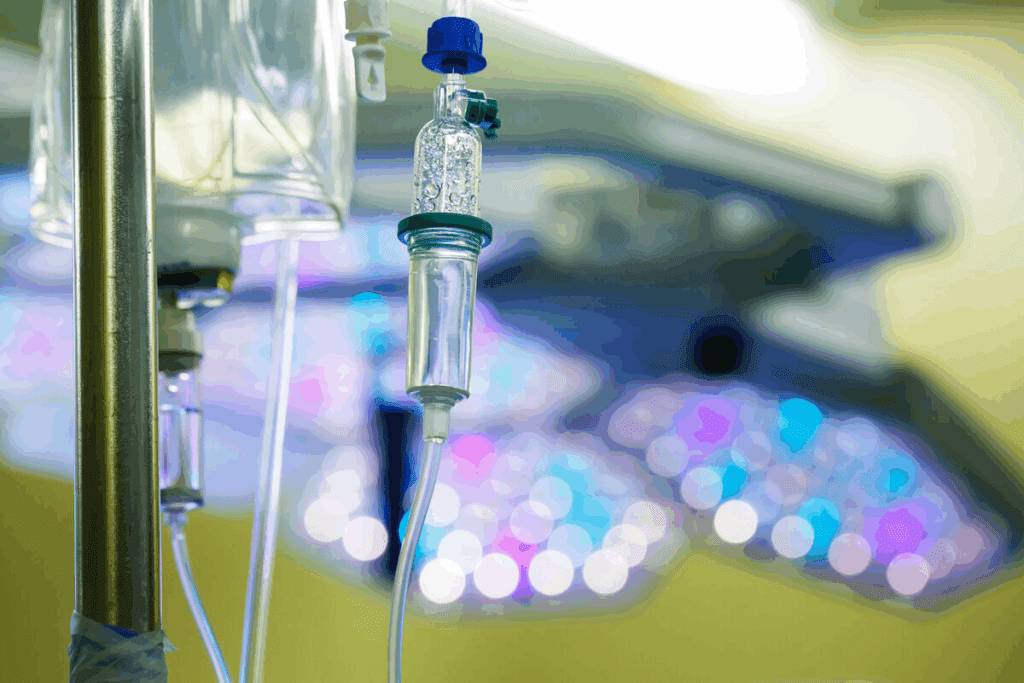
Almost 70% of people getting chemotherapy face cold intolerance. This makes their daily life tough. Chemotherapy, used to fight cancer, can harm the nervous system, leading to this issue.
Oxaliplatin, a common chemotherapy drug, makes people feel pain or discomfort in cold. It happens even with cold foods and drinks. Knowing about this condition helps manage its symptoms and better the lives of those getting chemotherapy.
Key Takeaways
- Chemotherapy can cause cold intolerance in a significant percentage of patients.
- Oxaliplatin is a chemotherapy medication commonly associated with cold sensitivity.
- Damage to the nervous system is a primary cause of cold intolerance during chemotherapy.
- Patients may experience discomfort or pain from cold temperatures or cold foods and drinks.
- Understanding and managing cold sensitivity is key to improving patients’ quality of life.
What is Cold Sensitivity in Cancer Patients?
Cold sensitivity is common in people with cancer. It means they feel too sensitive to cold. This can really affect their life quality.
Definition and Overview
Cold sensitivity in cancer patients often comes from chemotherapy. Chemotherapy-induced neuropathy can harm nerves. This makes patients more sensitive to cold.
Oxaliplatin, a chemotherapy drug, is known to cause cold sensitivity. Patients on this treatment often feel cold even when it’s not that cold outside.
Common Symptoms
Symptoms of cold sensitivity vary but include:
- Feeling cold even in mild temperatures
- Pain or discomfort when exposed to cold
- Sensitivity to cold foods and drinks
- Numbness or tingling sensations in extremities
These symptoms can be upsetting. They can make everyday tasks hard. It’s important for patients to know how to handle them.
Factors Influencing Cold Sensitivity
Several things can affect how sensitive a patient is to cold. These include:
- The type of chemotherapy, with some drugs like oxaliplatin causing more cold sensitivity.
- How well a person can handle cold, which varies a lot.
- Overall health and any existing conditions that might affect circulation or nerve function.
Knowing these factors helps doctors better support their patients.
Why Chemotherapy Triggers Cold Sensitivity

Many patients feel cold sensitivity during chemotherapy, which can lower their quality of life. We will look into why this happens. We’ll focus on how chemotherapy drugs affect the nervous system and blood flow.
The Role of Chemotherapy Drugs
Drugs like oxaliplatin can make patients more sensitive to cold. They damage the nerves, disrupting how nerves work. A study in the Journal of Clinical Oncology found that many patients experience this side effect.
“Oxaliplatin-induced neuropathy can be a dose-limiting toxicity, significantly impacting the quality of Page he life for patients with colorectal cancer.”
Journal of Clinical Oncology
Effects on the Nervous System
The nervous system helps control body temperature and cold responses. Chemotherapy can harm nerves, causing numbness, tingling, and cold sensitivity. This damage can last a long time or even be permanent.
- Numbness and tingling in hands and feet
- Increased sensitivity to cold temperatures
- Pain or discomfort in response to cold
Impact on Blood Circulation
Chemotherapy can also harm blood flow, making patients feel colder. Poor circulation makes it hard for the body to keep its core warm. This is more noticeable in hands and feet.
| Effects on Circulation | Symptoms |
| Reduced blood flow | C PageSpeed old hands and feet era PageSpeed td> |
| Poor circulation PageSpeed td> | Numbness, tingling |
The Science Behind Avoiding Cold Drinks
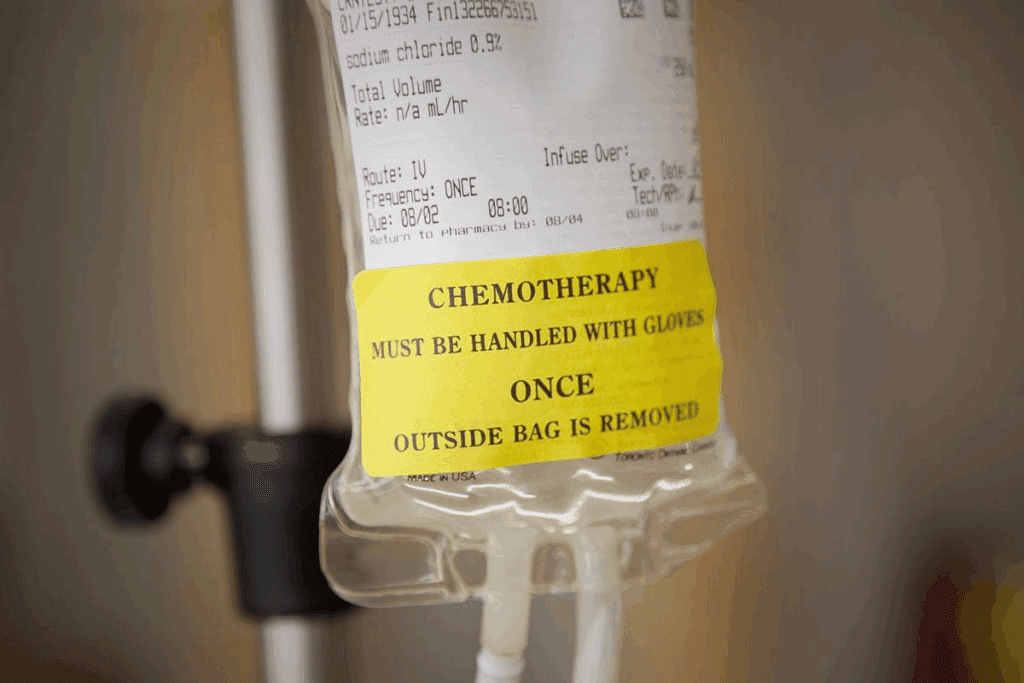
Knowing why cold drinks are not good during chemotherapy can help patients feel better. Chemotherapy drugs can make it harder for the body to keep its temperature right. This makes patients more sensitive to cold.
Temperature and the Body’s Response
The body keeps its temperature through the nervous system and blood flow. Drinking cold drinks makes the body try to warm the blood. But, for chemotherapy patients, this can make them feel even colder.
Drinking cold drinks can also make blood vessels narrow. This reduces blood flow to the hands and feet. For chemotherapy patients, this can make neuropathy symptoms worse.
How Cold Beverages Affect Treatment
Cold drinks can have several effects on treatment. They can cause or make neuropathy symptoms worse. They can also make patients uncomfortable, which can affect their quality of life.
| Effect of Cold Drinks | Impact on Chemotherapy Patients |
| Cold-induced neuropathy | Triggers or worsens neuropathic symptoms |
| Reduced blood flow | Exacerbates neuropathic symptoms and discomfort |
| Discomfort and pain | Affects quality of life and treatment adherence |
Reactions to Cold Environments
Chemotherapy patients may also react to cold environments. Cold air can cause blood vessels to narrow, reducing blood flow. It’s important for patients to stay warm in cold places.
Understanding why to avoid cold drinks helps patients and doctors. It’s about being careful with drink temperatures and staying warm in cold places.
Recommended Beverages for Chemotherapy Patients
Staying hydrated is key for those going through chemotherapy. Certain drinks can help lessen side effects. The right drinks can improve comfort and manage cold sensitivity.
Warm and Room Temperature Options
Chemotherapy patients should drink warm or room temperature drinks. This helps avoid cold sensitivity. Warm drinks like tea or broth can be very soothing.
Room temperature water or other non-cold drinks are also good. They are less likely to cause discomfort.
Some good warm drinks include:
- Ginger tea, which can soothe the stomach
- Warm broth, providing essential salts and hydration
- Herbal teas, known for their various health benefits
Hydration Importance
Hydration is very important for chemotherapy patients. It helps remove toxins and keeps the body working right. Drinking enough water can also reduce side effects like fatigue and dry mouth.
We suggest drinking at least eight glasses of fluid a day. Unless your doctor tells you differently. Check your urine to see if you’re drinking enough; it should be pale yellow or clear.
Herbal Teas and Their Benefits
Herbal teas are warm and comforting. They also have health benefits. They can provide antioxidants, ease digestive problems, and help with stress and relaxation.
| Herbal Tea | Benefits |
| Peppermint Tea | Soothes digestive issues, refreshing flavor |
| Chamomile Tea | Promotes relaxation, can help with sleep |
| Ginger Tea | Aids in nausea relief, anti-inflammatory properties |
Choosing the right drinks can help chemotherapy patients manage cold sensitivity better. They can also improve their treatment experience. We encourage patients to try different warm and room temperature drinks to find what works best for them.
Potential Side Effects of Cold Drinks
Cold drinks can cause problems for people getting chemotherapy. It’s important to know how drinks can affect your treatment and comfort.
Nausea and Discomfort
Drinking cold drinks can make nausea and discomfort worse. Chemotherapy makes patients more sensitive to cold. It’s better to drink warm or room temperature drinks.
A study showed that cold drinks make nausea worse in chemotherapy patients. Cold temperatures can upset the stomach and gut.
Throat and Mouth Sensitivity
Cold drinks can make the throat and mouth feel sensitive. The cold can numb the mouth and throat. This makes eating or drinking hard. Some chemotherapy drugs can also cause mouth sores, and cold drinks can make these worse.
“I’ve noticed that when I drink something cold, my mouth and throat become very sensitive. It’s as if the cold temperature is numbing my mouth, making it hard to swallow.” – A chemotherapy patient
Gastrointestinal Reactions
Cold drinks can also upset the stomach and cause other gut problems. Patients should watch how their body reacts to cold drinks. They should choose drinks that are warm or room temperature.
| Symptom | Possible Effect of Cold Drinks |
| Nausea | Increased or triggered by cold temperatures |
| Throat and Mouth Sensitivity | Numbness or discomfort |
| Gastrointestinal Issues | Cramps, diarrhea, or other reactions |
In conclusion, while cold drinks might be tempting, patients should be careful. Choosing warm or room temperature drinks can help avoid discomfort and support treatment.
Personal Experiences: Chemotherapy and Cold Sensitivity
Many patients have talked about feeling cold during chemotherapy. This can range from feeling uncomfortable in the cold to experiencing pain or numbness.
Testimonials from Patients
Patients have shared their stories of cold sensitivity during chemotherapy. For example, one person said their hands and feet felt cold, even with blankets. Another mentioned sharp pains in their mouth and throat from drinking cold drinks.
“I couldn’t even hold a cold glass of water without feeling like my fingers were going to freeze,”
A chemotherapy survivor
These stories show how cold sensitivity can affect people differently. They also stress the need to understand and tackle this issue.
Expert Opinions on Cold Sensitivity
Oncology experts have shared their knowledge on cold sensitivity during chemotherapy.
Coping Strategies from Survivors
Survivors have found ways to deal with cold sensitivity. Some wear layers and use warm compresses. Others eat more warming foods and drinks.
- Dressing in layers to maintain body heat
- Avoiding cold foods and drinks
- Using warm compresses on affected areas
These strategies help manage cold sensitivity. They also improve life quality during chemotherapy.
Tips for Managing Cold Sensitivity
Managing cold sensitivity is key for those going through chemotherapy. It can make daily life tough. We’ll look at ways to handle this issue.
Layering Clothing and Staying Warm
Wearing layers of clothing helps keep warm. It lets you adjust to your surroundings. Don’t forget warm socks and gloves to keep your extremities warm.
Blankets or electric blankets can also keep you cozy. Try to stay in warm places. Adjust the thermostat to a comfy level.
Dietary Adjustments
Your diet is important for managing cold sensitivity. Eat warm or room temperature foods and drinks. Avoid cold foods and drinks to prevent worsening symptoms.
Eating nutrient-rich foods is also good for your health during chemo. Aim for balanced meals to get enough nutrients.
Support Groups and Resources
Joining support groups can offer emotional and practical help. Sharing experiences with others can be very helpful.
Also, use resources and services made for chemo patients. They might include nutrition advice, physical therapy, and mental health support.
“The support I received from my support group was invaluable. It helped me cope with the cold sensitivity and other side effects of chemotherapy.”
A chemotherapy survivor
By using these tips, patients can manage cold sensitivity better. This can improve their comfort during chemotherapy.
When to Consult a Doctor
It’s important for people getting chemotherapy to know when to seek medical help. Chemotherapy can cause side effects like cold sensitivity, which can be severe. Knowing when to see a doctor can greatly affect your treatment.
Recognizing Severe Reactions
Severe cold sensitivity reactions can include intense pain, trouble breathing, or a big increase in sensitivity. If you have these symptoms, you should get medical help right away. Keeping a symptom journal can help your doctor understand your situation better.
Some reactions might seem minor at first but can get worse fast. For example, a small discomfort can quickly become severe pain. So, it’s important to talk to your doctor even if you’re not sure about your symptoms.
Questions to Discuss with Your Oncologist
Talking regularly with your oncologist is key during chemotherapy. Ask questions like “What are the common side effects of my chemotherapy?” or “How can I handle cold sensitivity?” Your oncologist can give you specific advice and adjust your treatment if needed.
Also, share any worries you have about your symptoms or treatment. Your oncologist can help you spot warning signs that need quick attention and offer tips for managing milder side effects.
Monitoring Symptoms During Treatment
Watching your symptoms closely during chemotherapy is very important. Note any changes in your cold sensitivity, whether it’s to drinks, the environment, or other things. This helps your healthcare team understand how you’re doing and make changes if needed.
Regular visits with your healthcare provider can help catch any problems early. Being careful and proactive can make your treatment more effective and comfortable.
In summary, knowing when to see a doctor during chemotherapy is very important. By spotting severe reactions, talking to your oncologist, and watching your symptoms, you can handle your treatment better. This way, you can move through your treatment with more confidence and support.
Conclusion: Embracing a Comfortable Experience
Understanding and managing cold sensitivity during chemotherapy is key for a comfortable experience. We’ve looked at the causes, symptoms, and ways to handle it. This shows how important a full care approach is.
It’s vital to foster understanding and support for patients going through chemotherapy. Recognizing how cold sensitivity affects daily life helps us create a better support environment. This way, we can help those undergoing treatment more effectively.
Key Takeaways for Patients
Patients can manage cold sensitivity by avoiding cold drinks and dressing warmly. Staying hydrated with warm drinks also helps. These simple steps can make a big difference in comfort and quality of life.
Support and Resources
Support groups and resources are essential for patients dealing with cold sensitivity. They provide valuable information and emotional support. This helps patients take charge of their chemotherapy experience.
FAQ
What PageSpeed Insights is not related to the topic, what is cold sensitivity in cancer patients?
Cold sensitivity, or cold intolerance, is when you feel too sensitive to cold. Cancer patients, like those on chemotherapy, might feel this way. It’s because the treatment can affect their nerves.
Why does chemotherapy cause cold sensitivity?
Some chemotherapy drugs, like oxaliplatin, can harm the nerves. This makes it hard for nerves to work right. So, patients feel colder than usual.
What are the common symptoms of cold sensitivity?
Symptoms include feeling cold even when it’s not that cold outside. You might also feel pain or discomfort in the cold. And, you might not like cold foods and drinks.
PageSpeed Insights Q: Can I drink cold beverages during chemotherapy?
No, cold drinks can make cold sensitivity worse for patients on chemotherapy. It’s better to drink warm or room temperature drinks instead.
What are the possible side effects of cold drinks during chemotherapy?
Drinking cold drinks can make nausea and discomfort worse. It might also make your throat and mouth sensitive. And, it could cause stomach problems like cramps or diarrhea.
How can I manage cold sensitivity during chemotherapy?
To manage cold sensitivity, wear layers to stay warm. Avoid cold foods and drinks. Also, eat well to keep your energy up. Support groups can offer help and advice too.
What are the recommended beverages for chemotherapy patients?
Chemotherapy patients should drink warm or room temperature drinks. Herbal teas are good because they can help with digestion and have antioxidants.
When should I consult a doctor during chemotherapy?
If you have severe cold sensitivity symptoms like intense pain or trouble breathing, seek help right away. Talking to your oncologist regularly can help manage your symptoms and adjust your treatment.
How does oxaliplatin cause cold sensitivity?
Oxaliplatin, a chemotherapy drug, can damage nerves. This makes it hard for nerves to work right. So, patients feel colder than usual.
Can cold sensitivity be a sign of a more serious issue?
Yes, cold sensitivity can sometimes mean a bigger problem like neuropathy or anemia. Always talk to your oncologist if you have any concerns.
Are there any coping strategies for managing cold sensitivity?
Yes, people have found ways to cope. This includes wearing layers, changing your diet, and joining support groups. These can help manage cold sensitivity well.
References
National Center for Biotechnology Information. Evidence-Based Medical Insight. Retrieved from https://www.ncbi.nlm.nih.gov/pmc/articles/PMC3377073