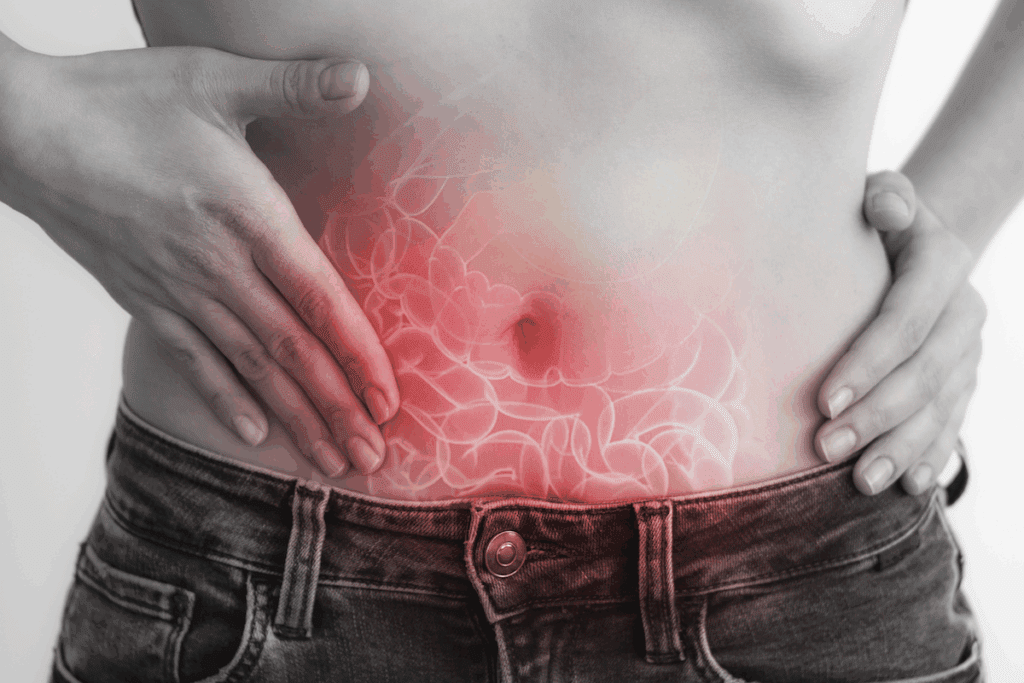
Colic pain in adults is a big health issue that affects many people. It’s different from baby colic. Adult colic is a serious problem that needs the right diagnosis and treatment.colic pain in abdomenChest Pain and Abdominal Pain: Causes Explained
At Liv Hospital, we know how bad colic pain can be. It really affects your daily life. We focus on you and use the latest medical knowledge to help.
Trying natural ways can help with stomach pain. Soothing chamomile tea, a warm heating pad, yoga, or deep breathing can help. Knowing the signs of adult colic is key to managing it well.
Key Takeaways
- Colic pain in adults is a serious medical condition.
- Internal obstructions are a common cause of adult colic symptoms.
- Proper diagnosis is key for the right treatment.
- Natural remedies can ease colic pain in the abdomen.
- Liv Hospital offers a patient-centered approach to managing colic pain.
Understanding Adult Colic Pain

Adult colic pain is a serious health issue. It can come from many causes. Unlike what many think, it’s not just for babies. Adults can get it too, due to blockages in their internal organs.
Definition and Mechanism of Colic
Adult colic happens when something blocks a hollow part inside the body. This could be the intestines, bile ducts, or ureters. The blockage causes sharp, cramp-like pain that can start suddenly or slowly.
The mechanism of colic pain involves:
- Obstruction of a hollow organ
- Muscular contraction against the obstruction
- Build-up of pressure and pain
This pain is often cramp-like and very uncomfortable. It can really affect how well you live.
How Colic Differs in Adults vs. Infants
Colic is often thought of as a baby problem, but it’s different in adults. Baby colic is usually about gas, feeding troubles, or a young digestive system. Adult colic, on the other hand, is often linked to serious issues like gallstones, kidney stones, or blockages in the bowel.
Key differences between adult and infant colic include:
- Causes: Adult colic is often due to specific medical conditions, whereas infant colic is usually related to developmental factors.
- Symptoms: Adult colic pain can be more severe and localized, whereas infant colic manifests as general fussiness and discomfort.
- Duration: Adult colic can recur over a longer period and may require medical intervention.
Knowing these differences is key for the right diagnosis and treatment. Adult colic pain needs a thorough check-up to find the cause and offer relief.
Colic Pain in Abdomen: Types and Characteristics

Adult colic pain can be divided into three main types. Each type has its own cause and symptoms. Knowing these helps doctors find the best treatment.
The three main types are biliary colic from gallstones, renal colic from kidney stones, and intestinal colic from bowel obstructions. Each needs a different treatment plan.
Biliary Colic from Gallstones
Biliary colic happens when gallstones block the bile ducts. This causes sharp pain in the upper right abdomen. It’s often linked to gallbladder disease and can be set off by eating fatty foods.
Key characteristics of biliary colic include:
- Severe, crampy pain in the upper right abdomen
- Pain that may radiate to the right shoulder or back
- Episodes often triggered by fatty food consumption
- Research indicates that between 10% to 20% of adults have gallstones, with 1% to 3% experiencing symptomatic episodes.
Renal Colic from Kidney Stones
Renal colic is caused by kidney stones moving through the urinary tract. It leads to severe pain. The pain often starts in the flank and moves to the lower abdomen.
Common features of renal colic include:
- Severe, sharp pain radiating from the flank to the groin
- Nausea and vomiting
- Possible hematuria (blood in the urine)
Intestinal Colic from Bowel Obstructions
Intestinal colic is caused by bowel obstructions. These blockages stop the normal flow of intestinal contents. This leads to severe abdominal pain and other symptoms.
Characteristics of intestinal colic may include:
- Crampy abdominal pain
- Bloating and abdominal distension
- Nausea and vomiting
- Constipation or obstipation
It’s key for doctors to understand these types of colic pain. This helps them diagnose and treat them properly. Each type needs a specific approach to help the patient.
Recognizing Colic Pain Symptoms
Colic pain in adults shows different symptoms. It often causes intense pain in the stomach or urinary tract. This pain starts suddenly and comes in waves, making it very severe.
Common Symptom Patterns
Colic pain is a severe, crampy feeling. It can be in specific areas like the abdomen or flank. The pain can spread to other spots, like the back or groin, based on the cause.
For example, pain from gallstones might hurt in the right upper abdomen. It can also go to the right shoulder or back.
Duration and Intensity of Pain Episodes
How long colic pain lasts can vary a lot. Some episodes might only last a few minutes. Others can go on for hours.
The pain’s strength can change, starting off mild and getting worse. Knowing the pain’s pattern is key to figuring out the cause.
Differentiating from Other Abdominal Conditions
Telling colic pain apart from other stomach issues is important for the right treatment. Unlike steady pain from problems like appendicitis, colic pain comes and goes. As one doctor says,
“The key to diagnosing colic pain lies in its characteristic waxing and waning pattern, which distinguishes it from other types of abdominal pain.”
Spotting this pattern helps find the right cause and treatment.
Common Causes and Risk Factors
It’s important to know what causes colic pain in adults. This knowledge helps in managing and preventing it. Colic pain can be caused by many things, like what we eat, our health, and our lifestyle.
Dietary Contributors
Our diet plays a big role in colic pain. Some foods make more gas, causing discomfort. High-fiber vegetables and legumes are often to blame because they’re hard to digest.
Other foods that can trigger colic pain include:
- Carbonated drinks
- Foods high in fat
- Dairy products for those with lactose intolerance
Medical Conditions
Some health issues can also cause colic pain. These include:
Condition | Description |
Biliary Colic | Caused by gallstones blocking the bile duct, leading to severe pain. |
Renal Colic | Results from kidney stones obstructing the urinary tract. |
Intestinal Colic | Often associated with bowel obstructions or inflammatory bowel disease. |
These conditions need medical help to diagnose and treat.
Lifestyle Factors
Our lifestyle can also affect our risk of colic pain. Factors include:
- Sedentary lifestyle: Not moving enough can lead to digestive problems.
- Stress: Too much stress can make digestive issues worse.
- Smoking: It can cause many stomach problems.
Choosing a healthy lifestyle can lower the risk of colic pain.
Immediate Relief Strategies
It’s possible to find quick relief from colic pain. When it hits, the pain can feel overwhelming. But, there are ways to ease it fast.
Position Changes to Ease Pain
Changing your position can help a lot. Sometimes, just a small change in how you sit or lie can make a big difference. For example, lying on your side with your knees up can relax your stomach and lessen pain.
Try out different positions to see what works for you. Some people find relief by sitting up straight or by standing and moving slowly.
Heat Therapy Applications
Using heat on the affected area is another good way to ease colic pain. A heating pad or a hot water bottle can warm your stomach. This helps relax your muscles and improves blood flow.
“Heat therapy is a simple yet effective way to manage colic pain. It works by relaxing the muscles and improving circulation.”
Make sure the heat isn’t too hot to avoid burns. Using heat for 15-20 minutes at a time can be very effective.
Method | Description | Benefits |
Heating Pad | Apply to abdomen | Relaxes muscles, improves circulation |
Hot Water Bottle | Wrap in cloth, apply to abdomen | Soothes pain, relaxes muscles |
Breathing and Relaxation Techniques
Breathing exercises and relaxation techniques can also help a lot. Deep breathing can calm your body and reduce stress. This can help lessen the pain.
Try progressive muscle relaxation, tensing and then relaxing different muscles. Mindfulness or meditation can also help you relax and reduce pain.
By using these strategies, you can manage colic pain better. Whether it’s through changing positions, using heat, or relaxation techniques, finding what works for you is important.
Over-the-Counter Solutions
Managing colic pain in adults can be done with over-the-counter (OTC) solutions. These are quick and effective. They are a good first step in treating colic pain.
Pain Relief Options
Non-prescription pain relievers are a common choice for colic pain. Ibuprofen and acetaminophen are two popular options. Ibuprofen, found in Advil and Motrin, reduces inflammation. Acetaminophen, found in Tylenol, is for pain relief.
It’s important to follow the dosage instructions to avoid side effects. For example, ibuprofen is usually 200-400 mg every 4-6 hours. Don’t take more than 1200 mg in 24 hours without a doctor’s advice. Acetaminophen is taken in doses of 325-1000 mg every 4-6 hours, with a maximum of 4000 mg daily.
Antispasmodic Medications
Antispasmodic medications are another option for colic pain. They relax muscles in the gastrointestinal tract, reducing spasms. Simethicone, found in Gas-X, helps with gas-related discomfort.
Some antispasmodics contain dicyclomine for bowel spasms. But, always talk to a healthcare provider before using them, if you have health conditions or take other drugs.
Proper Dosage and Timing
Knowing the right dosage and timing of OTC medications is key. Always read the label and follow instructions. If unsure, ask a healthcare professional.
For colic pain, take OTC medications as directed, usually with food or milk. This can help avoid stomach upset. Keeping a record of when you take medication and when you feel pain can help find the best timing for you.
By using these OTC solutions correctly, adults can manage colic pain and improve their life quality.
Natural and Home Remedies
Looking for comfort from colic pain? Natural and home remedies can be a big help. They offer a gentle way to manage pain without drugs.
Herbal Teas and Supplements
Herbal teas have been used for ages. Ginger tea is great for stomach issues and nausea. It also has anti-inflammatory properties that soothe the stomach.
Other teas like peppermint, chamomile, and fennel can relax muscles and ease pain. Supplements like magnesium can also help by relaxing muscles and reducing pain. But, always talk to a doctor before trying new supplements.
Essential Oils for Pain Relief
Essential oils can quickly ease colic pain. Topical application of oils like lavender or chamomile can relax muscles and reduce pain. Make sure to mix these oils with a carrier oil to avoid skin problems.
Aromatherapy with oils like eucalyptus or peppermint can also help. It promotes relaxation and eases muscle tension.
Hydration Strategies
Drinking enough water is key to preventing and managing colic pain. It helps avoid constipation and keeps muscles working right.
If you have colic from kidney stones, drinking more water can help flush out the stones. Herbal teas and clear broths also help keep you hydrated.
Adding these natural remedies to your daily life can help with colic pain. Always check with a doctor before trying new remedies, though.
Type-Specific Treatment Approaches
Knowing the type of colic is key to managing pain. Each type needs a special treatment plan for the best relief. We’ll look at how to handle biliary, renal, and intestinal colic.
Managing Biliary Colic
Biliary colic is linked to gallstones. It needs a detailed treatment plan. The main goal is to manage pain and fix the root cause.
- Pain management: Using analgesics to control pain episodes.
- Dissolving gallstones: Medications like ursodeoxycholic acid can help dissolve small gallstones.
- Surgical intervention: Cholecystectomy (gallbladder removal) is often recommended for recurrent or severe cases.
The American Gastroenterological Association says, “cholecystectomy is the best treatment for gallstones causing biliary colic.”
Relief Methods for Renal Colic
Renal colic is usually from kidney stones. It needs quick pain relief and ways to help the stone pass.
- Hydration: Encouraging fluid intake to help pass the stone.
- Pain management: Using NSAIDs or opioids for pain control.
- Medical expulsion therapy: Medications like alpha-blockers can aid in stone passage.
Treatment | Description | Benefits |
Hydration | Drinking plenty of fluids | Helps pass the stone |
Pain Management | Using NSAIDs or opioids | Controls pain effectively |
Medical Expulsion Therapy | Using alpha-blockers | Aids in stone passage |
Intestinal Colic Solutions
Intestinal colic comes from bowel obstructions or other issues. It needs a detailed plan.
- Bowel rest: Avoiding solid foods to give the bowel a rest.
- Fluid management: Ensuring proper hydration.
- Surgical intervention: In cases of obstruction or severe underlying conditions.
“The management of intestinal obstruction involves relieving the obstruction, restoring fluid and electrolyte balance, and treating the underlying cause.”
By knowing the colic type and using the right treatment, people can find relief from pain.
Medical Interventions for Severe Cases
When colic pain gets really bad, doctors often need to step in. They look at different treatments to help manage the pain and find the cause.
Prescription Medications
For really bad colic pain, prescription medications might be needed. These can include:
- Stronger pain relievers that you can’t buy over-the-counter.
- Antispasmodic medications to relax muscles and stop spasms.
- Medicines that target the root cause, like gallstones or kidney stones.
It’s very important to take the right amount of medicine as your doctor says. This keeps you safe and helps the medicine work well.
Minimally Invasive Procedures
In some cases, minimally invasive procedures are suggested. These methods are less harsh than regular surgery and help you heal faster.
- Endoscopic procedures can remove blockages or stones.
- Shockwave lithotripsy is a non-invasive way to break up stones into smaller pieces that can pass more easily.
These procedures are usually done in a hospital or a special clinic.
Surgical Options When Necessary
In very severe cases, surgical options might be the only choice. Surgery could be needed to:
- Take out gallstones or fix the gallbladder.
- Fix bowel obstructions or other issues in the intestines.
- Remove kidney stones or fix damage to the urinary tract.
We know surgery is a big decision. Our medical team will talk about the risks and benefits with you. This helps you make a choice that’s right for you.
It’s key to work closely with your doctor to find the best treatment for you. Knowing your options helps you make informed decisions about your care.
Prevention Strategies for Recurring Colic
Recurring colic can be lessened by making dietary changes, exercising regularly, and managing stress. These lifestyle changes can greatly reduce how often and how bad colic episodes are.
Dietary Changes to Prevent Colic
Making long-term changes in what you eat is key to stopping colic from coming back. Drinking more water helps avoid dehydration and lowers the chance of kidney stones, a common cause of colic. Eating foods high in fiber can also help by lowering the risk of bowel blockages.
It’s important to stay away from foods that can upset your stomach. Foods like high-fat dishes, spicy meals, and sweets are often culprits. Eating foods that are easy to digest, like bananas, rice, applesauce, and toast (BRAT diet), can help manage symptoms.
Dietary Modification | Benefit |
Increased water intake | Prevents dehydration and reduces kidney stone risk |
High-fiber diet | Reduces risk of bowel obstructions |
Avoiding trigger foods | Minimizes digestive discomfort |
Exercise and Physical Activity
Regular exercise is also very important in preventing colic. It helps move food through your system and prevents constipation, which can lead to colic. Walking, swimming, or yoga are great options.
Exercise also helps lower stress, which can make colic symptoms worse. Adding physical activity to your daily routine can improve your digestion and lower the chance of colic.
Stress Management Techniques
Managing stress well is essential to prevent colic. Using deep breathing exercises, meditation, or progressive muscle relaxation can help lower stress. Doing things you enjoy can also help reduce stress.
By using these stress management methods along with dietary changes and exercise, you can take a complete approach to preventing recurring colic.
When to Seek Emergency Medical Care
Knowing when to get emergency help for colic pain is key. While home remedies and some meds can help, some cases need quick medical attention.
Red Flag Symptoms
Look out for these signs that mean you need to see a doctor right away:
- Severe pain that doesn’t get better with meds or changing positions
- Bloody stools or vomiting blood
- Fever over 101.5°F (38.6°C)
- Having trouble breathing or a fast heartbeat
- Abdominal tenderness or muscles that feel tight
These symptoms could mean a serious issue that needs fast medical check-up.
Complications of Untreated Colic
Ignoring severe colic or not getting medical help when needed can cause big problems. Some possible issues include:
Complication | Description |
Infection | Bacterial infection of the urinary tract or gallbladder |
Organ Damage | Prolonged blockage can harm organs like the kidneys or liver |
Perforation | A hole in the gallbladder or intestine, leading to severe infection |
Knowing these risks shows why it’s vital to get medical help for red flag symptoms.
What to Tell Your Doctor
When you see a doctor for colic pain, share as much info as you can. Be ready to talk about:
- The pain’s location, how bad it is, and how long it lasts
- Any other symptoms like fever, nausea, or changes in bowel movements
- Your medical history, including past colic or other belly issues
- Any meds or supplements you’re taking now
Sharing all this info helps your doctor figure out what’s wrong and how to fix it.
Conclusion
Understanding colic pain is key to managing it well. Knowing its causes and treatment options helps a lot. We’ve talked about ways to ease colic pain, like changing positions and using heat therapy.
Managing colic means using quick fixes and long-term prevention. Eating right, exercising, and managing stress are important. These steps can help lessen colic pain.
To prevent colic, you need a full plan that tackles the root causes. A balanced diet, regular exercise, and stress control are essential. These habits can help avoid colic and boost your health.
In short, finding relief from colic pain is possible. It involves knowing the causes, using quick fixes, and preventing it in the long run. By managing colic well, you can live a more comfortable and healthy life. Always remember to see a doctor if you need help.
FAQ
What is adult colic, and how does it differ from infant colic?
Adult colic is a type of stomach pain in grown-ups. It’s often caused by things like gallstones or kidney stones. Unlike baby colic, which is usually about digestion, adult colic is a sign of a bigger problem that needs a doctor’s help.
What are the common symptoms of colic pain in adults?
Adults with colic pain often feel sharp stomach cramps. They might also feel sick to their stomach, throw up, or have trouble with their bowel movements. The pain can come and go, and its strength can change.
How can I relieve colic pain quickly?
To ease colic pain fast, try changing how you sit or lie down. Use heat on the sore spot. Also, try deep breathing and relaxation to help manage the pain and stress.
What over-the-counter medications can help with colic pain relief?
You can try over-the-counter pain relievers like ibuprofen or acetaminophen. Antispasmodic meds like hyoscyamine can also help. But, always follow the dosage and talk to a doctor before taking any medicine.
Are there any natural remedies that can help soothe colic pain?
Yes, natural remedies like herbal teas, supplements, and essential oils can help. Herbal teas like peppermint or chamomile, magnesium supplements, and oils like lavender or ginger can ease the pain. Drinking lots of water is also important.
When should I seek medical attention for colic pain?
Get medical help right away if your pain is very bad, you have a fever, or you’re vomiting blood. Also, if you have health issues or your symptoms get worse, see a doctor.
How can I prevent recurring colic pain?
To avoid colic pain coming back, change your diet and avoid foods that trigger it. Drink plenty of water and keep a healthy weight. Exercise and stress-reducing activities like meditation or yoga can also help.
What are the treatment options for biliary colic, renal colic, and intestinal colic?
Treatment depends on the type of colic. For biliary colic, surgery might be needed to remove gallstones. Renal colic might involve shockwave lithotripsy to remove kidney stones. Intestinal colic might need bowel rest, medication, or surgery to fix bowel obstructions.
Can lifestyle changes help alleviate colic pain?
Yes, making healthy lifestyle choices can help with colic pain. Eating well, staying hydrated, exercising, and managing stress can all help reduce pain and prevent future episodes.
References:
National Health Service (NHS). Evidence-Based Medical Guidance. Retrieved from https://www.nhs.uk/conditions/abdominal-pain-in-adults/



 Departments
 Related Videos
 Our Doctors
 News
News