

Imagine screening for colon cancer with a simple blood test. No need for uncomfortable prep, sedation, or at-home stool kits. Recent advances make early detection more accessible. This could increase lifesaving screening rates.
The SHIELD blood test, approved by the FDA in 2024, is a non-invasive alternative. It has 83% sensitivity and 100% detection for stages II-IV. This test is a promising development. We believe it will improve colon cancer detection rates.
Key Takeaways
- The SHIELD blood test is the first FDA-approved blood test for primary colorectal cancer screening.
- It offers 83% sensitivity and 100% detection for stages II-IV colon cancer.
- This non-invasive test provides an alternative to colonoscopy and Cologuard.
- Early detection through screening can significantly improve survival rates.
- The SHIELD blood test is a significant advancement in colon cancer screening.
Understanding Colorectal Cancer: A Growing Health Concern
Colorectal cancer is a big worry that needs our attention. It’s important to know how it affects us to find better ways to screen for it.
The Prevalence and Impact of Colorectal Cancer in the United States
In the United States, colorectal cancer is a big health problem. It affects many adults. 30% of eligible adults are not up to date with screening.
This shows we need to spread the word about the importance of early detection.
Why Early Detection is Critical: The 91% Survival Rate
Finding colorectal cancer early can greatly improve survival chances. The five-year survival rate is 91% if caught early. This highlights the key role of screening in fighting this disease.
We must tell more adults about the benefits of early detection to get them to get screened.
Current Screening Recommendations for Adults 45 and Older
Adults 45 and older should get screened for colorectal cancer regularly. The recommended tests are colonoscopy, Cologuard, and the new blood test, SHIELD. We’ll look at these options later.
Remember, screening is a personal choice. Adults should talk to their doctors to find the best screening plan for them.
Traditional Colorectal Cancer Screening Methods
It’s important to know about the traditional ways to screen for colorectal cancer. These methods help prevent and detect cancer. Let’s look at their benefits and what they can’t do.
Colonoscopy: The Gold Standard Procedure
Colonoscopy is the gold standard for screening for colorectal cancer. It uses a flexible tube with a camera to check the colon and rectum. This way, doctors can find and remove polyps before they turn into cancer.
Colonoscopy is very good at finding cancer and stopping it by removing polyps. But, it’s a bit invasive. You need to prepare and might get some sedation.
Stool-Based Tests: FIT and Cologuard
Stool-based tests like FIT and Cologuard are non-invasive alternatives to colonoscopy. They look for hidden blood or abnormal DNA in your stool. This can mean there’s colorectal cancer.
Cologuard is popular because it’s easy to use and good at finding cancer. But, it’s not as good at finding polyps that might turn into cancer as colonoscopy is.
|
Screening Method |
Invasiveness |
Accuracy |
|---|---|---|
|
Colonoscopy |
Invasive |
High |
|
FIT |
Non-invasive |
Moderate |
|
Cologuard |
Non-invasive |
High |
Why One-Third of Adults Avoid Recommended Screening
About one-third of U.S. adults don’t get screened for colorectal cancer. This is because colonoscopy is invasive and the prep can be uncomfortable.
A recent article on talks about new tests. They aim to make screening easier and less scary for adults.
Introducing SHIELD: The First FDA-Approved Blood Test for Colorectal Cancer Screening
The FDA has approved the SHIELD blood test, a big step in fighting colorectal cancer. This test is easier and less scary than old methods. It might make more people get screened.
What is the SHIELD Blood Test for Colon Cancer?
The SHIELD blood test finds tiny pieces of cancer DNA in the blood. It’s a new way to catch cancer early. This can lead to better treatment and outcomes.
This test looks for special signs in the blood that show cancer. Doctors can then find the right treatment for each patient.
The 2024 FDA Approval Process and Significance
In 2024, the FDA said the SHIELD blood test works. They based this on a big study with almost 8,000 people. This study showed the test is good at finding cancer.
The FDA’s okay of the SHIELD test is big news. It gives patients a new way to check for cancer without the usual tests. This could help find more cancers and save lives.
How SHIELD Differs from Previous Testing Methods
The SHIELD blood test is different because it’s easy and doesn’t hurt. It’s done with a simple blood draw. No need for special prep or scary tests.
The SHIELD test has many benefits:
- It’s non-invasive and easy to do.
- It might get more people to get screened.
- It finds cancer with just a blood test.
The Science Behind SHIELD: Detecting Circulating Tumor DNA
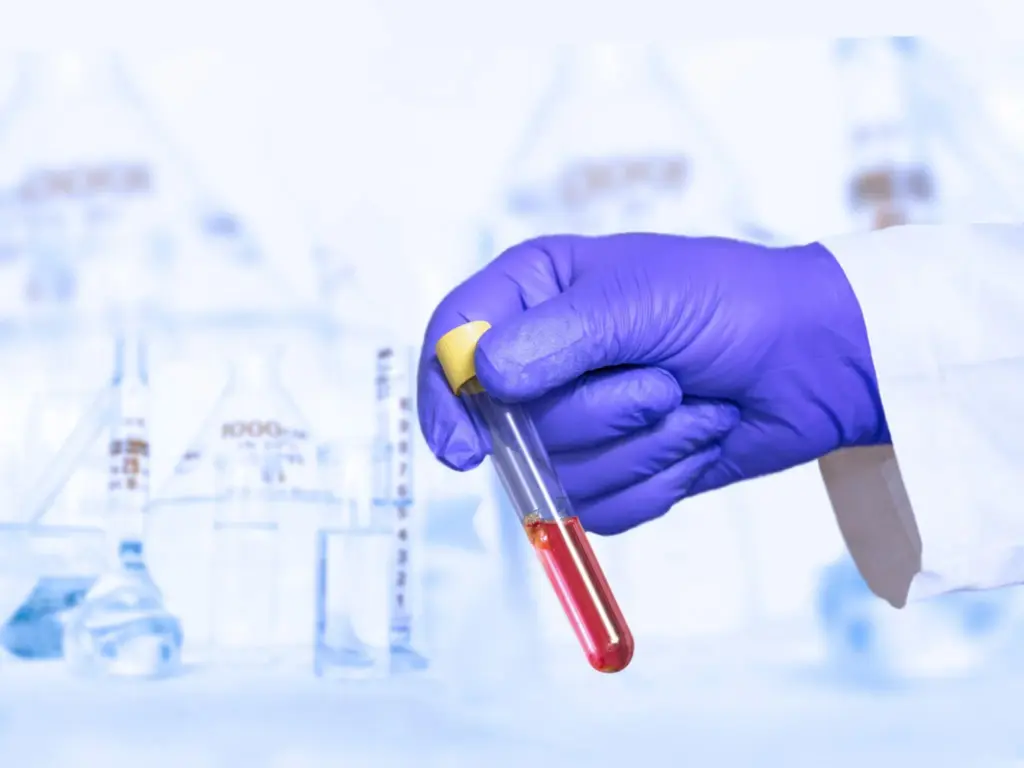
The SHIELD blood test is a big step forward in finding colorectal cancer early. It uses new ctDNA technology. This could change how we find and treat colorectal cancer.
Understanding ctDNA Technology in Cancer Detection
Circulating tumor DNA (ctDNA) is DNA from cancer cells found in the blood. The SHIELD test finds and checks this DNA. It’s a new way to spot colorectal cancer without invasive tests.
This test takes DNA from blood and looks for cancer-specific genes. It’s not just for colorectal cancer. It might help find other cancers too.
How Blood-Based Testing Works for Colorectal Cancer
The SHIELD test looks for ctDNA in the blood. When cancer cells die, they release DNA. This lets us catch cancer early and keep an eye on it.
The test is easy and just needs a blood sample. It’s great for people who don’t want or can’t have other tests.
|
Key Features |
Description |
|---|---|
|
ctDNA Analysis |
Detection of circulating tumor DNA in the bloodstream |
|
Non-Invasive |
Requires only a standard blood draw |
|
Advanced Technology |
Utilizes sophisticated algorithms for genetic mutation identification |
The Molecular Markers SHIELD Identifies
The SHIELD test looks for special markers linked to colorectal cancer. These markers help find cancer and track its growth. Doctors can use this info to plan the best treatment.
“The ability to detect colorectal cancer through a simple blood test represents a significant advancement in cancer screening. It’s a game-changer for patients and healthcare providers alike.”
SHIELD is leading the way in colorectal cancer screening with ctDNA technology. It’s a non-invasive, easy test. It could help more people get checked and improve treatment results.
Clinical Evidence: SHIELD’s Performance in Trials
A big clinical trial with over 7,800 people showed SHIELD’s blood test works well. This study gives strong evidence that SHIELD is good for screening colorectal cancer.
Results from the 7,800-Participant Multicenter Clinical Trial
The trial found SHIELD is 83% sensitive in spotting colorectal cancers. This means it can find most cases of this cancer.
It also did great in finding cancers in stages II–IV, with 100% sensitivity. For stage I, it found about 65% of cases. This shows SHIELD is best at catching more serious cancer stages.
83% Overall Sensitivity and Stage-Specific Detection Rates
The 83% overall sensitivity is key. It shows SHIELD can find most people with colorectal cancer. The stage-specific rates show it works well at all stages.
- Stage I: 65% sensitivity
- Stages II–IV: 100% sensitivity
These results are very important for using SHIELD in real-world medicine.
The 13% Detection Rate for Advanced Precancerous Lesions
SHIELD also found 13% of advanced precancerous lesions. This might seem low, but it’s very useful. Finding these lesions early can stop cancer from happening.
Being able to find these lesions is a big plus for SHIELD. It means doctors can act early, which could help patients a lot.
Cologuard vs Colonoscopy: Comparing Traditional Screening Methods
When it comes to colorectal cancer screening, two methods stand out: Cologuard and colonoscopy. Both are used to find colorectal cancer, but they work in different ways. They also have different levels of accuracy and how they make patients feel.
Accuracy Rates and Cancer Detection Capabilities
Colonoscopy is seen as the top choice for finding colorectal cancer. It can spot cancer and precancerous polyps very well. Cologuard, however, is a stool test that looks for genetic signs of cancer.
Here’s a comparison of the two:
|
Screening Method |
Accuracy for Colorectal Cancer |
Detection of Precancerous Polyps |
|---|---|---|
|
Colonoscopy |
High |
High |
|
Cologuard |
Moderate |
Limited |
Colonoscopy Preparation vs Cologuard Simplicity
Preparation is a big difference between Cologuard and colonoscopy. Colonoscopy needs a lot of bowel prep, which can be hard on patients. Cologuard, on the other hand, just needs a stool sample.
Cologuard’s simplicity is a big plus for those who don’t like the idea of colonoscopy. But, it’s not as good at finding cancer or polyps.
Does Cologuard Detect Polyps? Understanding Detection Limitations
Cologuard looks for genetic signs of cancer but misses polyps, especially small ones. Colonoscopy can see and remove polyps directly. This makes colonoscopy a better tool for screening.
It’s important for patients and doctors to know these differences. This helps decide between Cologuard and colonoscopy for screening.
SHIELD vs Traditional Methods: How the Blood Test Compares
The SHIELD blood test is a new way to screen for colorectal cancer. It offers benefits and drawbacks compared to older methods. This test could change how we find and treat this disease.
SHIELD vs Colonoscopy: Accuracy, Invasiveness, and Convenience
Colonoscopy is the top choice for finding colorectal cancer. It’s very accurate and can remove polyps. But, it’s invasive and needs a lot of prep, which can scare some people.
The SHIELD blood test is easy and doesn’t hurt. It just needs a blood sample. It’s not as accurate as colonoscopy but is better for those who don’t want invasive tests.
|
Screening Method |
Accuracy |
Invasiveness |
Convenience |
|---|---|---|---|
|
SHIELD Blood Test |
83% overall sensitivity |
Non-invasive |
High |
|
Colonoscopy |
Highly accurate |
Invasive |
Low |
SHIELD vs Cologuard: Comparing Non-Invasive Alternatives
Cologuard is another non-invasive test that looks for DNA in stool. SHIELD and Cologuard are both easy but work differently. SHIELD looks for cancer DNA in blood, offering a new way to find cancer.
Studies show SHIELD is more accurate than Cologuard in some cases. This makes SHIELD a great choice for screening.
How Accurate is Blood Test for Colon Cancer Compared to Other Methods?
SHIELD’s accuracy is key when comparing it to other tests. It’s 83% accurate, which is good but not as high as colonoscopy. Still, its ease and non-invasive nature make it a good option for many.
Every screening method has its own good and bad points. Knowing these helps doctors and patients choose the best test for each person.
Benefits of the SHIELD Blood Test
The SHIELD blood test is changing how we screen for colorectal cancer. It’s a simple, non-invasive option compared to old methods. This could greatly improve public health.
Non-Invasive Nature and Patient Comfort
The SHIELD blood test is non-invasive, unlike colonoscopy. It doesn’t need special prep and is less uncomfortable. This makes it more welcoming to those who’ve been hesitant to get screened.
Key advantages of the non-invasive SHIELD blood test include:
- No need for bowel preparation
- No risk of complications associated with invasive procedures
- Quick and simple to administer
Accessibility and Convenience Factors
The SHIELD blood test is more accessible and convenient than old methods. It can be done during a regular doctor’s visit. This means no need for special facilities or long prep times.
|
Screening Method |
Preparation Required |
Specialized Facility |
|---|---|---|
|
SHIELD Blood Test |
No |
No |
|
Colonoscopy |
Yes |
Yes |
|
Cologuard |
Yes (stool sample) |
No |
Potential to Increase Screening Compliance
Experts think a simple blood test could get more people screened for colorectal cancer. It offers a different option from traditional methods. This could help those who’ve skipped screening due to discomfort or hassle.
By pushing for the SHIELD blood test, we aim to boost screening rates. This could lead to catching cancer earlier and improving patient outcomes.
Limitations of SHIELD Testing
While the SHIELD blood test represents a significant advancement in fighting colorectal cancer, it is important to acknowledge its limitations. Yet, we must know its limits. It’s key to see both its strengths and weaknesses when we think about using it.
Lower Sensitivity for Stage I Cancers
SHIELD’s biggest drawback is its ability to find stage I colorectal cancers. It has a 65% success rate. This means it misses some early cancers. We have to think about this when we’re checking people with early signs or risk factors.
Limited Detection of Precancerous Lesions
SHIELD also struggles to spot advanced precancerous lesions, at 13%. Finding and removing these lesions is vital to prevent cancer. Remember, SHIELD isn’t a full replacement for colonoscopy, which is still the best for finding and removing polyps.
When SHIELD May Not Be Appropriate
SHIELD isn’t right for everyone. People at high risk of colorectal cancer or those with a history of precancerous lesions need more thorough tests. We also have to think about each patient’s risk and medical history when deciding on SHIELD.
Knowing SHIELD’s limits helps doctors make better choices for screening. By understanding its strengths and weaknesses, we can use it more effectively. This way, we can give our patients the best care possible.
Who Should Consider SHIELD Testing?
SHIELD testing is a great way to check for colon cancer. The U.S. Preventive Services Task Force says adults 45 to 75 should get screened. This test is best for those at average risk in this age group.
Ideal Candidates for Blood-Based Screening
Adults 45 and older with no high risk are perfect for SHIELD testing. This age group fits the current screening advice. The test is easy and doesn’t hurt.
- Average Risk Individuals: People without a history of colon cancer or polyps are at average risk.
- Age Considerations: Starting at 45, regular screening is a good idea. SHIELD testing is good for those up to 75.
Risk Factors and Age Considerations
Knowing your risk is key for SHIELD testing. If you have a family history of colon cancer or have had polyps, you might need different tests.
- Family history of colorectal cancer
- Personal history of polyps or colorectal cancer
- Presence of genetic syndromes such as Lynch syndrome
SHIELD testing is easy, but those with high risk might need more tests, like colonoscopy.
When to Choose SHIELD Over Other Screening Methods
SHIELD testing is great for those who don’t like invasive tests. It’s perfect for those who are scared of traditional screening.
- Non-Invasive Preference: People who prefer blood tests over colonoscopy.
- Previous Screening Hesitancy: Those scared of traditional tests might like SHIELD better.
Knowing who should get SHIELD testing helps doctors. This can lead to more people getting screened and catching colon cancer early.
Accessing SHIELD Testing: Practical Considerations
Exploring SHIELD testing involves understanding how to access it. The process is designed to be easy and accessible. This makes it simpler for people to take care of their colorectal health.
How to Request the SHIELD Colon Cancer Test
Getting the SHIELD colon cancer test starts with a doctor’s visit. The doctor will check your risk factors and decide if you need the test. If you do, they’ll order it and guide you through the steps to take it.
SHIELD testing is available through many healthcare providers and labs. You can ask your doctor or local health facilities if they offer it.
Insurance Coverage and Cost Comparison with Other Methods
SHIELD testing might be covered by insurance. But, coverage can differ based on your plan and provider. It’s important to check with your insurance to know what’s covered and any costs you might face.
SHIELD testing costs are similar to other screening methods. Here’s a cost comparison:
- SHIELD blood test: $100-$200 (out-of-pocket cost can vary based on insurance coverage)
- Cologuard: $100-$200 (often covered by insurance)
- Colonoscopy: $500-$1,500 (can be higher without insurance coverage)
While cost matters, consider the convenience, accuracy, and risks of each method too.
The Testing Process: What to Expect
The SHIELD testing process is simple and painless. Here’s what you can expect:
- A healthcare professional will draw a blood sample, usually during a routine visit.
- The sample will be sent to a lab for analysis.
- Results will come back in a few days to a week.
- Your doctor will talk about the results with you and suggest next steps if needed.
SHIELD testing is a convenient and accessible screening option. Understanding how to access it helps individuals make informed health choices.
The Screening Pathway: What Happens After a Positive SHIELD Test
When the SHIELD test shows positive, it’s key to know what comes next. A positive result means there’s cancer DNA in your blood. But it’s not a final say on whether you have cancer.
Follow-Up Procedures and Diagnostic Confirmation
After a positive SHIELD test, more tests are needed to be sure. Talk to your doctor to figure out what’s best for you.
These tests might include scans and scopes. But, colonoscopy is the top choice for looking inside and taking samples.
The Role of Colonoscopy After Positive Results
Colonoscopy is key after a positive SHIELD test. It lets doctors see inside your colon and rectum. They can spot any odd growths or tumors.
If they find something weird, they can take a sample. This sample is then checked to see if it’s cancer and how far it’s spread.
Understanding and Managing False Positives
Even though the SHIELD test is very good, it can sometimes say you have cancer when you don’t. This is called a false positive.
Dealing with false positives means knowing the test’s accuracy and your own health situation. If you get a positive result, you should get checked again to make sure.
|
Procedure |
Purpose |
Next Steps |
|---|---|---|
|
SHIELD Test |
Detect circulating tumor DNA |
If positive, proceed to colonoscopy |
|
Colonoscopy |
Visual examination and biopsy |
If cancer is found, stage and treat accordingly |
|
Biopsy |
Pathological examination of tissue |
Confirm presence and type of cancer |
Knowing what happens after a positive SHIELD test can help you feel better. It’s important to follow up to get a clear diagnosis and plan your treatment.
The Impact on Colorectal Cancer Screening Rates
Nearly one-third of eligible adults are not up to date with colorectal cancer screening. The SHIELD test offers a promising solution. It makes screening more accessible and convenient for patients.
Addressing the One-Third Gap in Screening Compliance
The SHIELD blood test could close the gap in screening compliance. It’s a non-invasive alternative to traditional methods like colonoscopy. Increasing screening compliance is critical to reducing colorectal cancer incidence and mortality rates. A recent article suggests that the colorectal cancer screening gap.
Potential Public Health Benefits
The SHIELD blood test has substantial public health benefits. It can detect colorectal cancer at an earlier stage. Early detection is key to improving survival rates and reducing the burden of colorectal cancer on healthcare systems. It could also reduce healthcare costs associated with treating advanced-stage colorectal cancer.
Reaching Underserved Populations
The SHIELD blood test has a significant advantage in reaching underserved populations. These populations often face barriers to accessing traditional screening methods. By providing a more accessible alternative, we can improve health equity and reduce disparities in colorectal cancer outcomes. This is especially important in communities with limited healthcare resources.
Future Developments in Blood-Based Cancer Screening
The world of cancer screening is changing fast, with blood tests leading the way. New technologies are being developed, bringing big changes to blood-based cancer screening.
Ongoing Research to Improve Detection Rates
Scientists are working hard to make blood tests better. They’re looking for new biomarkers and improving old ones. This is to catch cancer early, before symptoms show up.
They’re also focusing on making multi-cancer early detection tests more accurate. These tests can spot many cancers from just one blood sample. This could be a game-changer for early detection.
Multi-Cancer Early Detection Tests on the Horizon
New tests are being made to find many cancers with one blood test. These tests look for ctDNA and other biomarkers. They could find cancers early, changing how we screen for them.
|
Test Type |
Cancer Types Detected |
Detection Method |
|---|---|---|
|
Multi-Cancer Early Detection |
Multiple (e.g., breast, lung, colon) |
ctDNA analysis |
|
Single Cancer Screening |
One specific type (e.g., colon cancer) |
Specific biomarker analysis |
The Evolving Landscape of Cancer Screening Technology
Technology in cancer screening is always getting better. Genomics, proteomics, and more are driving these changes. This means we’re getting tests that are more accurate and easier to use.
- Genomic sequencing is helping find cancer biomarkers better.
- Proteomic analysis is spotting cancer-related proteins in blood.
- Artificial intelligence is making diagnostic algorithms more precise.
As these technologies keep improving, we’ll see even better cancer screening options. These will be more effective and easier to get.
Conclusion: The Future of Colorectal Cancer Screening
Looking ahead, we’ll use a mix of tests for the best results. The new SHIELD blood test is a big step forward in finding cancer early.
Experts say mixing different screening methods will boost success rates. SHIELD’s easy blood test could win over those scared of traditional tests.
As research grows, we’ll see better blood tests and new tech. The future of screening will use many tests together for better care.
By using these new tools, we aim to lower cancer rates and help more people stay healthy.
FAQ
What is the SHIELD blood test for colon cancer?
The SHIELD blood test is a new way to screen for colon cancer. It looks for DNA from cancer cells in your blood. It’s the first blood test approved by the FDA for this purpose.
How accurate is the SHIELD blood test for colon cancer?
The SHIELD test is pretty good at finding colon cancer, with an 83% success rate. It also finds 13% of precancerous lesions. Its accuracy gets better as the cancer gets more advanced.
How does SHIELD compare to Cologuard and colonoscopy?
SHIELD is a blood test, so it’s less invasive than colonoscopy. It’s also easier to do than Cologuard, a stool test. While colonoscopy is still the best, SHIELD is a good alternative.
What are the benefits of the SHIELD blood test?
SHIELD is easy to do and doesn’t require special prep. It’s a good option for those who don’t like traditional screenings. It’s also non-invasive and convenient.
Who is the ideal candidate for SHIELD testing?
SHIELD is best for adults over 45 who are at average risk for colon cancer. It’s also good for those who don’t want to do a colonoscopy. People with certain risk factors might also find it helpful.
What happens after a positive SHIELD test?
If SHIELD finds something, you’ll likely need a colonoscopy to confirm. Managing false positives means understanding the test’s accuracy. You might need to repeat the test or try other methods.
Is SHIELD covered by insurance?
Insurance coverage for SHIELD varies. Check with your provider to see what’s covered. SHIELD is usually as affordable as other screening options.
Can SHIELD detect precancerous lesions?
SHIELD can find some precancerous lesions, but not all. It’s mainly for finding colon cancer. It can spot 13% of advanced precancerous lesions.
How does SHIELD compare to other blood-based cancer screening tests?
SHIELD is made just for colon cancer screening. Other tests might find more types of cancer but are still being developed. SHIELD is a big step forward for colon cancer screening.
What are the limitations of SHIELD testing?
SHIELD isn’t as good at finding early-stage cancers (65%) or precancerous lesions. It’s not for everyone, especially those at high risk or with a history of colon cancer.
Reference
Click On Detroit (Local News on Blood Test Screening in Michigan):https://www.clickondetroit.com/news/local/2025/09/15/how-a-new-blood-test-is-making-colon-cancer-screening-easier-in-michigan/



 Departments
 Related Videos
 Our Doctors
 News
News