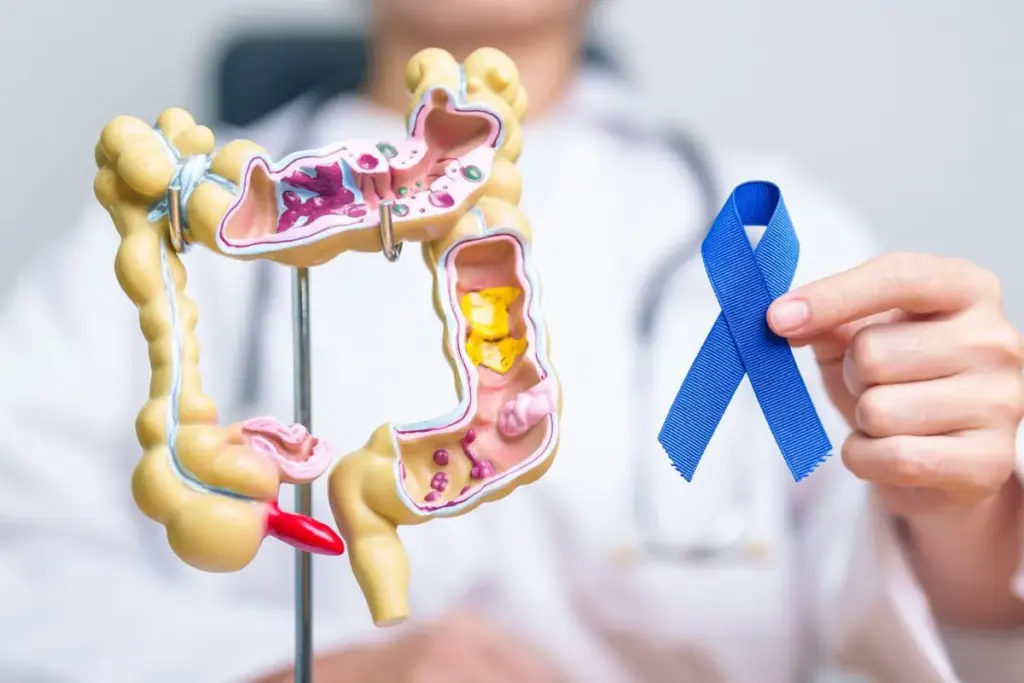
Changes in bathroom habits are a well-known sign of colon cancer. But could an unusual stool odor also serve as an early warning? We explore what current science says about the relationship between colorectal health and stool smell.
While alterations in bowel habits are a primary indicator, changes in stool odor can also occur. Understanding these subtle signs is key for early detection and treatment. As we dive into the topic, we will examine the connection between colorectal cancer and its impact on stool smell and other symptoms.
Key Takeaways
- Changes in stool odor can be associated with colorectal health issues.
- Alterations in bowel habits are a common sign of colorectal cancer.
- Early detection is key for effective treatment.
- Understanding subtle signs can lead to better health outcomes.
- Colorectal cancer can impact stool smell and other symptoms.
The Connection Between Stool Changes and Colorectal Cancer
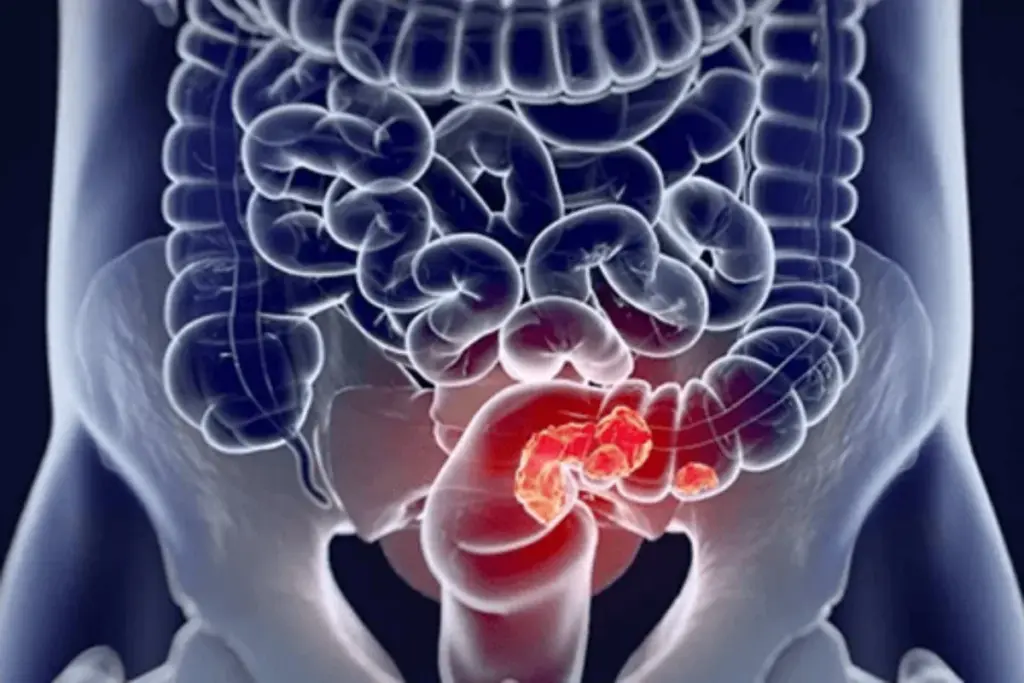
It’s important to know how stool changes relate to colorectal cancer. This knowledge helps in catching the disease early and treating it well. Colon cancer can greatly affect how we digest food, causing noticeable changes in our bowel habits.
We’ll look into how these changes happen and how common they are in cancer patients. Up to 54% of patients notice a change in their stool habits. This shows why it’s key to spot these colon cancer signs.
How Colon Cancer Affects Digestive Processes
Colon cancer can change how we digest food in several ways. As tumors grow in the colon, they can block the normal flow of stool. This leads to changes in how often we go, the consistency of our stools, and what they look like.
The tumor can also cause inflammation and irritation in the surrounding tissue. This can make bowel movements worse. In some cases, the cancer can block the colon, causing severe symptoms like constipation or diarrhea.
The Prevalence of Bowel Changes in Cancer Patients
Bowel changes are a common symptom in colorectal cancer patients. Studies show many patients notice changes in their bowel habits before they’re diagnosed. These changes can be an early sign of the disease.
Spotting these bowel cancer symptoms is key for early medical help. By understanding the link between stool changes and colorectal cancer, we can better diagnose and treat the disease.
Colon Cancer Symptoms: Changes in Stool Characteristics
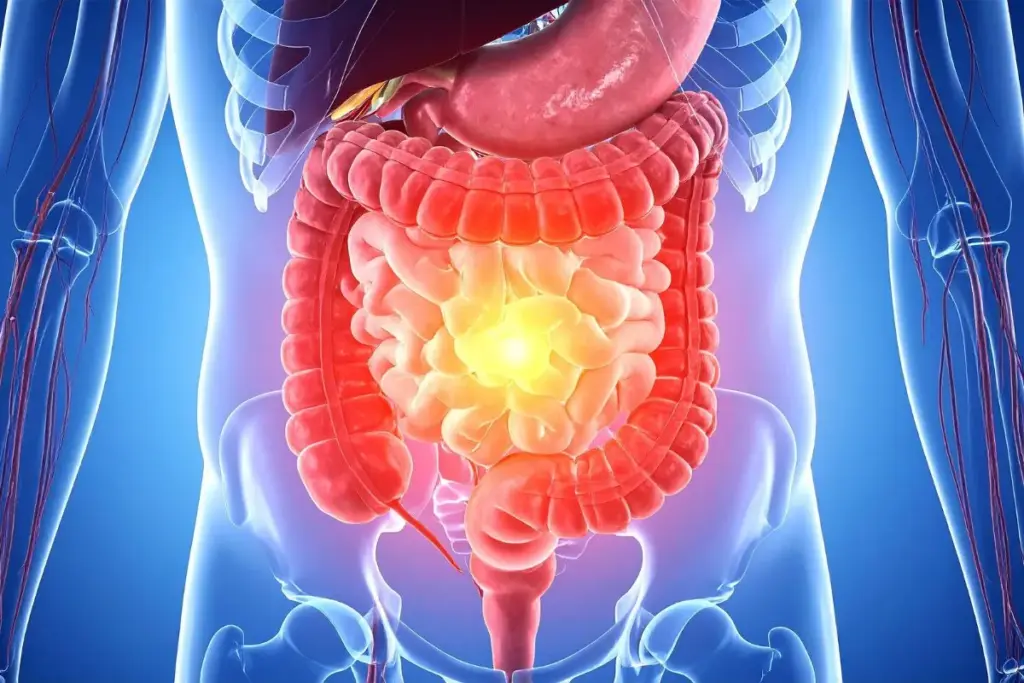
Colon cancer often shows up through small changes in how you go to the bathroom. These signs can be early warnings. They can affect how your body digests food.
Primary Bowel Symptoms
Primary bowel symptoms come from changes in the colon and rectum. These include:
- Changes in how often you go, like frequent diarrhea or constipation
- Stools that are narrow or ribbon-like
- Seeing blood in your stool, which can mean the cancer is advanced
These symptoms happen because the tumor can block the normal flow of stool. For example, a tumor in the colon can make the passageway narrow, causing narrow stools.
Secondary Digestive Symptoms
Secondary digestive symptoms happen because of how colon cancer affects your digestive system. These can include:
- Abdominal pain or discomfort
- Bloating and gas
- Feeling like you didn’t fully empty your bowels after going
These symptoms can be caused by the tumor’s presence. For instance, a tumor can cause intestinal obstruction, leading to pain and bloating in the abdomen.
It’s important to know these symptoms for early detection and treatment of colon cancer. If you notice persistent changes in your bowel habits or other digestive issues, see a healthcare professional.
Does Stool Odor Change With Colon Cancer?
Research shows that some cancers, like colon cancer, can change body smells. This happens because of chemical changes in the body when cancer is present. We’ll look into how colon cancer might change stool smell and why this happens.
Scientific Research on Stool Odor in Cancer Patients
Studies have looked into how stool smells change in people with colorectal cancer. They found that cancer can alter the gut’s microbiota. This might change the smell of stool.
One study showed that people with colorectal cancer have different smells in their breath and stool. This means stool odor could be a sign of colon cancer without needing invasive tests.
Volatile Organic Compounds Associated With Cancer
Volatile organic compounds (VOCs) are chemicals that evaporate easily. In cancer, certain VOCs are made due to metabolic changes linked to tumor growth.
Research has found specific VOCs in cancer patients’ breath, urine, and stool. These can be used as markers for cancer, including colorectal cancer. Testing VOCs in stool might help find colon cancer early.
Understanding the Science Behind Cancer-Related Body Odors
Research into cancer-related body odors has uncovered interesting facts. Cancer changes how the body breaks down and releases compounds. This includes substances that affect our smell.
Metabolic Changes That Affect Body Odors
Cancer changes how the body works, affecting our smell. Cancer cells have different needs than normal cells. This leads to the creation of unique smells.
Certain cancers, like colon cancer, can change the gut’s bacteria. This shift affects how we process food and smell. The complex interaction between cancer cells, the immune system, and bacteria is key to these changes.
Current Research on Odor as a Diagnostic Tool
Recent studies look into using smell changes to find cancer. Scientists are studying how cancer-specific smells can be detected. This could lead to new, non-invasive tests.
For example, some smells in breath or urine might signal cancer, including colon cancer. Electronic nose technology is being developed to find these smells. It aims to spot cancer early.
This research is just starting, but it’s very promising. It could help find colon cancer signs and other cancers early. Learning about cancer smells helps us understand the body’s changes. It also opens doors for early detection and diagnosis.
Common Bowel Habit Changes in Colorectal Cancer Patients
Colorectal cancer often shows up through changes in bowel habits. These changes can start small but grow as the disease gets worse. Knowing about these signs is key for catching the disease early.
Alternating Diarrhea and Constipation
Patients with colorectal cancer may switch between diarrhea and constipation. This back-and-forth can be upsetting and might mean a tumor is blocking the way stool moves. It’s vital to see a doctor if bowel habits keep changing like this.
Narrow or Ribbon-like Stools
Stools that are narrow or ribbon-like are another sign. This happens when a tumor narrows the colon, changing how stool looks as it goes through. If you notice this, you should talk to a doctor right away.
Feeling of Incomplete Evacuation
Feeling like you didn’t fully go after using the bathroom is common too. This can be uncomfortable and might make you try to go again. If you’re feeling this way, along with other changes, see a doctor.
More than half of patients notice symptoms for at least three months before they’re diagnosed. Spotting these changes early is critical. By knowing these signs, patients can get help sooner, which can lead to better results.
Visual Changes in Stool That May Indicate Colon Cancer
Changes in stool appearance, like color or texture changes, can signal colon cancer early. It’s important to watch for these signs for early detection and treatment.
Color Variations and Their Meanings
The color of stool can change for many reasons, including diet and health issues. Normally, it’s brown because of bile and bilirubin. But, certain conditions can make it change.
- Black or Tarry Stools: This might mean bleeding in the upper GI tract, a sign of advanced colon cancer.
- Red or Maroon Stools: Seeing fresh blood could mean bleeding in the lower GI tract. This could be colon cancer, along with other symptoms like pain or weight loss.
- Pale or Clay-colored Stools: This might show a lack of bile, possibly due to a blockage from a tumor.
Texture and Consistency Abnormalities
Stool texture and consistency can also give clues about colon health. Colon cancer can change bowel habits, affecting stool texture.
- Narrow or Ribbon-like Stools: This could mean a partial bowel obstruction from a tumor.
- Diarrhea or Constipation: Switching between diarrhea and constipation might be a sign of colon cancer. The tumor can mess with bowel habits.
- Presence of Mucus or Blood: Mucus in stool can have many causes. But, blood with mucus is a worrying sign that needs medical check-up.
Knowing about these visual changes in stool can help spot colon cancer early, even in women. Spotting these symptoms of colon cancer early can greatly improve treatment results.
Gender Differences: Colon Cancer Symptoms in Women vs. Men
It’s important to know how colon cancer symptoms differ between men and women. This knowledge helps in catching the disease early. Studies show that symptoms can vary greatly between genders.
Unique Symptom Presentation in Women
Women with colon cancer often have symptoms that are not typical. These can include:
- Abdominal pain or discomfort
- Changes in bowel habits, such as diarrhea or constipation
- Fatigue or weakness
- Iron deficiency anemia
These symptoms can be hard to spot and are often mistaken for other issues. It’s vital for women to know these signs and see a doctor if they don’t go away.
How Hormonal Factors May Influence Symptoms
Hormonal changes in women can affect how they feel colon cancer symptoms. For example, changes in bowel habits can be linked to hormonal shifts during the menstrual cycle or menopause.
A study in a medical journal showed that hormones can change how colon cancer symptoms show up in women. Here are some key findings:
|
Hormonal Factor |
Impact on Colon Cancer Symptoms |
|---|---|
|
Estrogen levels |
May influence tumor growth and symptom presentation |
|
Menstrual cycle changes |
Can affect bowel habits and abdominal symptoms |
|
Menopause |
May alter symptom perception and reporting |
Hormones play a big role in how colon cancer symptoms appear in women. Knowing this helps doctors make better diagnoses.
“Recognizing the unique symptom presentation in women is key for early detection and effective treatment of colon cancer.”
By understanding these differences, we can improve how we diagnose and treat patients.
Timeline of Symptoms: How Long Before Diagnosis?
Spotting the early signs of colon cancer can greatly improve treatment chances. Many people show symptoms for months before getting a diagnosis.
Early Warning Signs Often Missed
Colon cancer often starts with small symptoms that are easy to miss. These might include:
- Changes in bowel habits, such as diarrhea or constipation
- Presence of blood in the stool
- Unexplained abdominal pain or discomfort
- Weakness or fatigue
- Unexplained weight loss
These signs can be vague and might not point to colon cancer right away. This can cause delays in getting a diagnosis.
The Critical Three-Month Window
Studies show that over 50% of colon cancer patients have symptoms for at least three months before being diagnosed. This time is key because catching it early can greatly improve treatment success.
The three-month window is very important. It’s when symptoms often get stronger or last longer, making people go to the doctor.
Knowing the timeline of symptoms and spotting early signs can lead to quicker diagnosis. This can mean better chances for patients with colon cancer.
Other Conditions That Can Cause Changes in Stool Odor
Changes in stool odor can be caused by many things. These include infections, allergies, and even certain medications. Each of these can affect how your stool smells.
For example, infections like bacterial or viral can make your stool smell bad. Allergies can also change the smell of your stool. And some medicines can alter your stool’s odor too.
It’s important to know these causes. This way, you can talk to a doctor if you notice any changes. They can help figure out what’s causing the smell and find a solution.
So, if you notice your stool smells different, don’t ignore it. It could be a sign of something bigger. Talking to a doctor is the best way to find out what’s going on.
When to Consult a Doctor About Changes in Bowel Movements
Knowing when to see a doctor about bowel symptoms is key to catching colon cancer early. Watch for any lasting changes in your bowel movements. These can signal serious health problems.
Duration of Symptoms That Warrant Medical Attention
If bowel changes last more than a few weeks, see a doctor. Medical experts say to check if symptoms last 3-4 weeks. Persistent symptoms can be a sign of colon cancer, and catching it early is vital.
Here are some key times to watch for:
- Diarrhea or constipation lasting more than a week
- Bleeding or blood in stool that persists
- Narrow or ribbon-like stools that continue over time
Doctors say, “The presence of persistent bowel symptoms should prompt further investigation to rule out colorectal cancer.”
Red Flag Combinations of Symptoms
Some symptom combinations are strong signs of colon cancer. If you notice these, get medical help right away:
|
Symptom Combination |
Potential Indication |
|---|---|
|
Abdominal pain + changes in bowel habits |
Possible obstruction or tumor |
|
Bleeding + persistent diarrhea or constipation |
Potential sign of colorectal cancer |
|
Unexplained weight loss + bowel changes |
Possible advanced stage of cancer |
Knowing these red flags and acting fast is important. The Times of India says being aware of colon cancer signs can greatly improve treatment results.
Don’t wait to take care of your health. If you notice unusual or lasting bowel symptoms, talk to your doctor. Early detection and treatment are critical for managing colon cancer.
Diagnostic Procedures for Suspected Colorectal Cancer
Diagnosing colorectal cancer involves several steps. At Liv Hospital, we focus on quick and accurate diagnosis. This is key for international patients who need full support during treatment.
Initial Screening Tests
Early detection is vital. We use several tests to find colorectal cancer early. These include:
- Fecal Occult Blood Test (FOBT): This test finds hidden blood in stool, a sign of cancer.
- Colonoscopy: It’s the top test for finding colorectal cancer. A flexible tube with a camera checks the colon and rectum.
- Sigmoidoscopy: It looks at the sigmoid colon and rectum, similar to colonoscopy but less detailed.
These tests spot problems that might mean colorectal cancer. Finding cancer early makes treatment more effective.
Advanced Diagnostic Procedures
If early tests show something’s off, we use more detailed tests. These confirm cancer and see how far it has spread.
- Biopsy: A sample of tissue is taken during a colonoscopy and checked for cancer cells.
- Imaging Tests: CT scans, MRI scans, and PET scans check if cancer has spread.
- Genetic Testing: Sometimes, genetic tests are done to find inherited risks for colorectal cancer.
These tests give a clear picture of the cancer’s stage. At Liv Hospital, we use a team approach to treat colorectal cancer. This ensures patients get care that fits their needs.
Risk Factors for Developing Colon Cancer
The risk of colon cancer comes from genetic, lifestyle, and environmental factors. Knowing these factors helps find who needs early screening and prevention.
Genetic and Family History Considerations
A family history of colon cancer raises your risk, if it’s in first-degree relatives. Certain genetic syndromes like Familial Adenomatous Polyposis (FAP) and Lynch Syndrome also increase risk. People with these conditions need more watchful care and genetic advice.
Lifestyle and Environmental Factors
What you eat, how active you are, and smoking can affect your colon cancer risk. Eating too much red meat, not enough fiber, and being overweight are bad. But, eating more fruits, veggies, and whole grains, and staying active can help. Smoking and drinking too much alcohol also raise your risk.
Age-Related Risk Increases
Colon cancer risk grows with age, with most cases found in people over 50. The American Cancer Society says start screening at 45 if you’re at average risk. Early detection is key to treating it better.
Knowing the risks for colon cancer helps you prevent and detect it early. Regular screening and a healthy lifestyle are essential in lowering your risk.
Preventive Measures and Screening Recommendations
Preventing colon cancer involves making lifestyle changes and following screening guidelines. These steps can greatly lower the risk of getting colon cancer.
Age-Appropriate Screening Guidelines
Screening for colon cancer works best when started at the right time. Guidelines suggest starting screening at age 45 for those with average risk. If you have a family history or other risk factors, you might need to start screening earlier.
There are different screening tests, like colonoscopy, fecal occult blood tests (FOBT), and others. Each has its own benefits and drawbacks. The right test for you depends on your preferences, risk factors, and what’s available.
Colonoscopy is seen as the top choice for screening. It can find and remove polyps that could turn into cancer, all in one go.
Lifestyle Modifications to Reduce Risk
Changing your lifestyle can also lower your colon cancer risk. Eating more fruits, vegetables, and whole grains, and staying active, can help.
- Eat more fiber-rich foods
- Stay active
- Keep a healthy weight
- Don’t smoke and drink alcohol in moderation
By making these lifestyle changes and following screening guidelines, you can take steps to lower your colon cancer risk.
Conclusion
Knowing about changes in bowel movements is key for catching colon cancer early. Spotting symptoms like changes in stool can really help with treatment. We’ve talked about how colon cancer can mess with digestion, causing different bowel habits. Screening for colon cancer is very important. It can find the disease early, making treatment more likely to work. If you notice lasting changes in your bowel movements or other symptoms, see a doctor right away. By keeping an eye on your bowel health and following screening advice, we can find colon cancer early. This can save lives and make us feel better overall.
FAQs
Does foul-smelling poop always indicate colon cancer?
No, foul-smelling stool can be caused by many things. This includes diet changes, infections, and inflammatory bowel diseases. It’s a symptom, but not the only one for colon cancer.
What are the common bowel habit changes in colorectal cancer patients?
People with colon cancer might have diarrhea and constipation that switch back and forth. They might also have narrow stools or feel like they can’t fully empty their bowels. These signs can point to colon cancer, but only when seen with other warning signs.
Are there any differences in colon cancer symptoms between men and women?
Yes, women might feel abdominal pain or anemia because of hormones. It’s important to know these differences to catch cancer early.
How long do symptoms typically last before colon cancer diagnosis?
Symptoms often last for months before a diagnosis. A key three-month period is often critical for catching it early.
What other conditions can cause changes in stool odor beside colon cancer?
Other than colon cancer, changes in stool odor can be due to inflammatory bowel diseases, infections, or diet. A doctor needs to check to find the real cause.
When should I consult a doctor about changes in bowel movements?
See a doctor if your bowel habits change a lot, like diarrhea or constipation. Also, if you notice blood in your stool or lose weight without trying, get help right away.
What are the risk factors for developing colon cancer?
Risk factors include genetics, family history, diet, exercise, and age. Knowing these can help with early screening and prevention.
What preventive measures can I take to reduce my risk of colon cancer?
Eat well, exercise, and don’t smoke to lower your risk. Also, follow screening guidelines to catch cancer early.
What diagnostic procedures are used to detect colorectal cancer?
First, tests like fecal occult blood tests or colonoscopy might be used. Later, CT scans, MRI, or biopsies might confirm the diagnosis.
Can colon cancer be prevented through screening?
Screening can’t prevent all cases, but it can catch cancer early. Following screening guidelines is key for early detection and better treatment.
References
Halitosis: the unique scent of colorectal cancer https://pmc.ncbi.nlm.nih.gov/articles/PMC12171006/