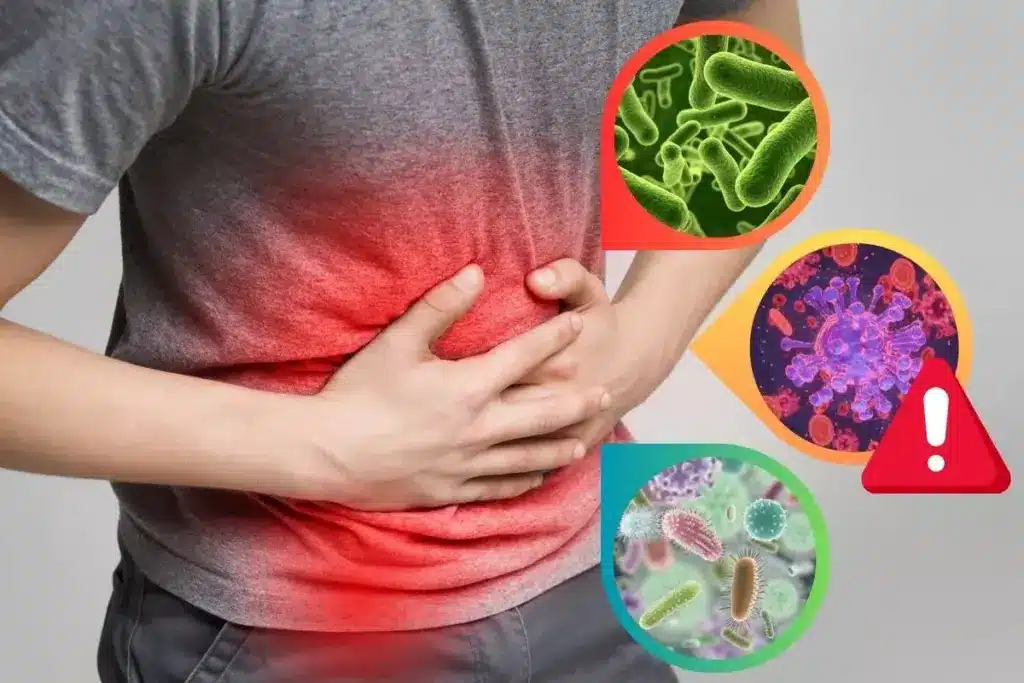
Colon cancer is a complex disease. It is influenced by genetics, environment, and lifestyle.
Recent studies show a worrying increase in colorectal cancer among young adults. This rise is linked to obesity, lack of exercise, and changes in the gut microbiome.
The disease often starts with precancerous polyps in the colon lining. Early detection is key.
Knowing the signs of colon cancer is essential. It helps prevent and treat the disease on time.
Key Takeaways
- Colon cancer is influenced by genetic, environmental, and lifestyle factors.
- There’s a rising trend in colorectal cancer cases among adults under 50.
- Factors like obesity and physical inactivity contribute to the increased risk.
- Early detection is key for effective treatment.
- Understanding colon cancer symptoms is vital for prevention.
The Nature of Colon Cancer

Colon cancer is a serious health issue worldwide. It starts in the large intestine and grows over time. Knowing how it begins is key to understanding this disease.
Definition and Basic Understanding
Colon cancer affects the colon and rectum, parts of the large intestine. It usually comes from precancerous polyps in the lining. These polyps can grow into cancer if not removed.
How Colon Cancer Develops in the Large Intestine
Colon cancer develops due to genetics and environment. It starts with polyps in the colon lining. Some of these polyps can turn cancerous over time.
|
Stage |
Description |
Symptoms |
|---|---|---|
|
Polyp Formation |
Benign growths in the colon lining |
Often none |
|
Polyp to Cancer |
Polyps become malignant |
May include bleeding, changes in bowel habits |
|
Advanced Cancer |
Cancer spreads beyond the colon |
Can include pain, weight loss, fatigue |
Finding colon cancer early is vital for treatment. Knowing the risk factors and colorectal cancer symptoms helps catch it early.
The Multifactorial Nature of Colon Cancer Causes
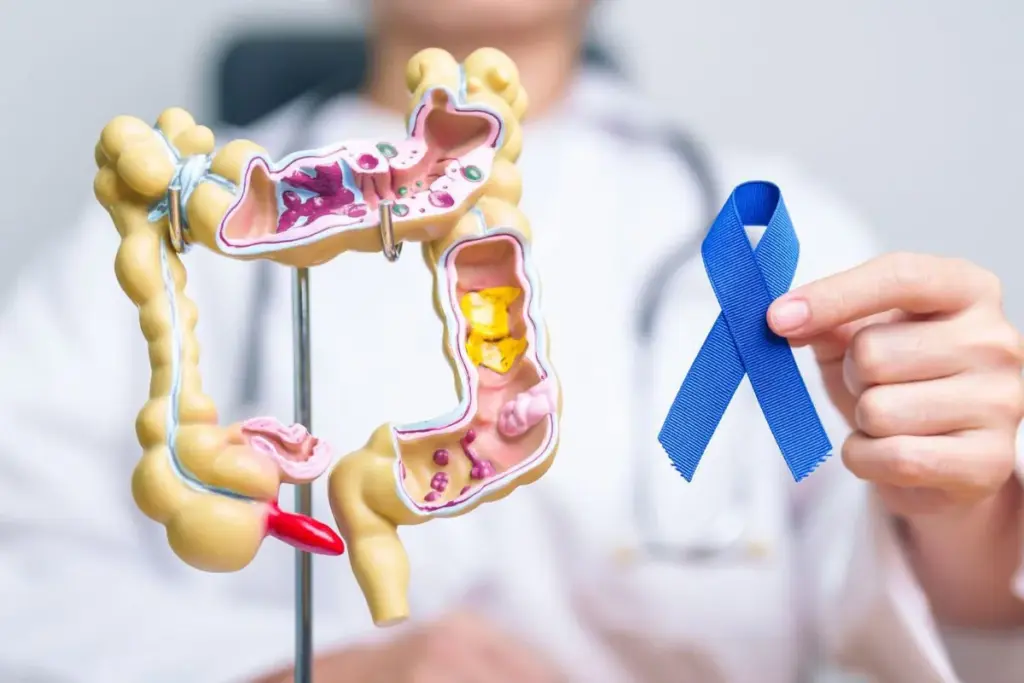
Colon cancer has many causes, including genetics, environment, and lifestyle. It’s hard to pinpoint one main cause. Knowing the different risk factors is key to preventing and catching it early.
Interplay of Genetic and Environmental Factors
Genetics and environment both play a part in colon cancer. Genetic factors like family history and certain syndromes can increase risk. Environmental factors, like diet and chemicals, also matter a lot.
Studies, like the PrimeBiome review, show how important gut health is. The gut microbiome affects our immune system and metabolism, which can influence cancer risk.
Why There’s No Single “Root Cause”
Colon cancer is caused by many things, not just one. Knowing this helps us find better ways to prevent and treat it.
By understanding the mix of genetic, environmental, and lifestyle factors, we can lower our risk. Eating well, staying active, and avoiding bad substances are good steps.
Genetic Factors Contributing to Colon Cancer
The genetics of colon cancer are complex. It involves hereditary syndromes and family history. Both genetics and environment play a role. Knowing the genetics can help find those at higher risk and guide prevention.
Hereditary Syndromes
Certain hereditary syndromes raise the risk of colon cancer. Lynch syndrome is one, caused by DNA mismatch repair gene mutations. Another is familial adenomatous polyposis (FAP), leading to many polyps in the colon and rectum. Without treatment, FAP leads to almost certain colon cancer by age 40.
Genetic screening is key for families with these syndromes. Finding genetic mutations early can lead to better surveillance and possibly surgery to prevent cancer.
Family History as a Risk Factor
A family history of colon cancer is a big risk factor. Those with a first-degree relative diagnosed with colon cancer face higher risks. The National Cancer Network (NCCN) offers guidelines for screening based on risk, including family history.
Talking about your family history with a doctor is important. It helps decide when and how often to get screened. This approach is vital for catching cancer early and treating it effectively.
Precancerous Polyps: The Precursors to Colon Cancer
Understanding precancerous polyps is key to preventing colon cancer. They are the precursors to this disease. Colon cancer often develops from these polyps in the colon lining. Early detection and removal are critical for prevention.
Types of Colon Polyps
There are several types of colon polyps, each with different characteristics and risks of progressing to cancer. The most common types include:
- Adenomatous polyps (adenomas), which are considered precancerous and have the chance to develop into cancer over time.
- Hyperplastic polyps, which are generally considered to have little to no risk of becoming cancerous.
- Serrated polyps, a subtype that can be precancerous, mostly if they are large or located in the right side of the colon.
The presence and type of polyp can significantly influence an individual’s risk of developing colon cancer.
How Polyps Progress to Cancer
The progression from a polyp to colon cancer involves a series of genetic mutations that can take several years to occur. Factors that can influence this progression include:
- The type and size of the polyp.
- The presence of dysplasia, a condition where cells in the polyp become abnormal.
- Genetic predisposition and family history of colon cancer.
Early detection and removal of polyps can prevent the development of colon cancer. This highlights the importance of regular screening.
Early Detection of Polyps
Early detection of colon polyps is critical for preventing colon cancer. Screening methods such as colonoscopy, CT colonography, and stool tests can identify polyps before they become cancerous. Regular screening is recommended for individuals over 45 years old, or earlier for those with a family history or other risk factors.
By detecting and removing polyps early, it’s possible to prevent colon cancer from developing. Screening is a key tool in the fight against this disease.
Age as a Primary Risk Factor
The risk of colon cancer goes up with age, more so after 50. Most cases happen in this age group.
Why Risk Increases After Age 50
Several things make colon cancer risk higher after 50. Genetic mutations that happen over time can cause cancer cells in the colon. Also, environmental exposures and lifestyle choices over the years play a part.
The aging process can make it harder for the body to fix DNA damage. This makes older people more likely to get cancer. Older adults are also more likely to have precancerous polyps. These can increase cancer risk if not found and removed.
|
Age Group |
Average Risk of Colon Cancer |
Risk Factors |
|---|---|---|
|
50-59 |
Moderate |
Family history, genetic mutations |
|
60-69 |
Higher |
Presence of polyps, lifestyle factors |
|
70+ |
Highest |
Cumulative exposure to risk factors |
The Concerning Rise in Young-Onset Colorectal Cancer
There’s a worrying trend: more young-onset colorectal cancer in adults under 50. This changes how we see colon cancer, which used to be thought of as a disease for older people.
Changes in dietary habits, physical inactivity, and more obesity in younger people might be reasons for this rise. The exact causes are being studied, but it shows we need to be more aware and screen earlier.
As young-onset colorectal cancer cases keep going up, it’s key for doctors and the public to know about the risks and symptoms in younger people.
Inflammatory Bowel Diseases and Colon Cancer Risk
It’s important to understand how inflammatory bowel diseases (IBD) affect colon cancer risk. IBD includes ulcerative colitis and Crohn’s disease. These are chronic conditions that cause inflammation in the digestive tract.
Ulcerative Colitis
Ulcerative colitis leads to chronic inflammation and ulcers in the colon and rectum. This condition raises the risk of colon cancer. This is true for those with extensive colitis or a long history of the disease.
Crohn’s Disease
Crohn’s disease can affect any part of the GI tract. It causes deep inflammation, leading to complications like narrowed intestines and fistulas. Like ulcerative colitis, it also increases the risk of colon cancer.
Monitoring Symptoms in IBD Patients
It’s key to watch for symptoms in IBD patients to catch colon cancer early. Regular screenings, like colonoscopies, are advised for those with a long history of IBD. Healthcare providers should also watch for symptom changes that could signal colon cancer.
Chronic conditions like IBD raise the risk of colon cancer. So, it’s vital for IBD patients to work closely with their healthcare providers. This helps manage their condition and lower their colon cancer risk.
Lifestyle Factors in Colon Cancer Development
Knowing how lifestyle affects colon cancer risk is key. Diet, obesity, and smoking play big roles. These lifestyle choices can greatly influence your chance of getting colon cancer.
Diet and Nutrition
Eating a lot of processed and red meats can raise your colon cancer risk. But, eating more fruits, veggies, and whole grains can lower it. Good gut health and a healthy microbiome, as PrimeBiome shows, are also important for preventing colon cancer.
Nutritional Recommendations:
- Eat more fiber-rich foods
- Have more fruits and veggies
- Eat less processed and red meats
Physical Inactivity and Obesity
Being inactive and obese are big risks for colon cancer. Staying active can help lower your risk. But, sitting too much can increase it. Obesity, linked to not moving enough, also raises your risk.
|
Lifestyle Factor |
Risk Level |
Preventive Measure |
|---|---|---|
|
Physical Inactivity |
High |
Regular Exercise |
|
Obesity |
High |
Weight Management |
|
Healthy Diet |
Low |
Balanced Nutrition |
Alcohol Consumption and Smoking
Drinking alcohol and smoking can both increase your colon cancer risk. Alcohol can lead to many cancers, including colon cancer. Smoking is a known risk factor for many cancers.
By changing these lifestyle habits, you can lower your colon cancer risk. A healthy lifestyle, with a good diet, regular exercise, and avoiding harmful substances, is key to preventing colon cancer.
Colon Cancer Symptoms
Knowing the signs of colon cancer is key to getting help early. Colon cancer often grows quietly, so spotting symptoms early is critical.
Early Warning Signs
Early signs of colon cancer can be hard to notice. They might include persistent diarrhea or constipation. Seeing blood in your stool could mean a polyp or tumor in the colon.
Other early signs are abdominal pain or discomfort, unexplained weight loss, and fatigue. These symptoms can be vague, so seeing a doctor if they last is important.
Advanced Symptom Presentation
As colon cancer gets worse, symptoms get more obvious. You might feel severe abdominal pain, rectal bleeding, and bowel obstruction. It can also cause anemia from losing too much blood.
Advanced cancer might spread to places like the liver or lungs. This can cause jaundice or shortness of breath.
Symptoms That Require Immediate Medical Attention
Some symptoms need urgent medical care. These include severe rectal bleeding, intense abdominal pain, and vomiting. These signs might mean a serious issue like a bowel blockage or tear.
If you have these severe symptoms, get medical help right away.
Colon Cancer Symptoms in Women
Women might have different symptoms than men. These can be similar to irritable bowel syndrome or gynecological issues. Women should watch for changes in bowel habits and stomach pain.
Women, and those with a family history of colon cancer, should talk to their doctor. They should also get the screenings they need.
The Gut Microbiome’s Role in Colon Cancer
The gut microbiome is key in fighting or causing colon cancer. It’s a mix of tiny life forms that affect our health, like how we fight off sickness and how we digest food. This can change our risk of getting cancer.
Microbiome Disruptions and Cancer Risk
When the gut microbiome gets out of balance, it can lead to colon cancer. Things like what we eat, antibiotics, and our environment can mess with this balance. This can cause harm.
A study mentioned in PrimeBiome review shows how important gut health is. It points out how changes in the microbiome can lead to colon cancer.
Probiotics and Gut Health
Probiotics are good bacteria that help our health. They can make our gut microbiome better and might lower colon cancer risk.
- Probiotics help keep our gut healthy.
- They help our immune system fight off cancer cells.
- They might also cut down on harmful substances in our gut.
Recent Research Findings
New studies have shed light on the gut microbiome’s role in colon cancer. They found certain microbes linked to colon cancer. This could help find cancer early.
Also, research is looking into ways to change the gut microbiome. This includes changing our diet and using probiotics to prevent colon cancer.
Environmental Exposures Linked to Colorectal Cancer
Environmental factors, like occupational hazards and pollutants, raise the risk of colorectal cancer. Recent studies show how important these exposures are in causing colorectal cancer.
Occupational Hazards
Certain jobs expose workers to harmful substances, raising the risk of colorectal cancer. For example, workers in the chemical and manufacturing sectors face exposure to carcinogenic chemicals.
A study revealed that workplace chemicals can greatly increase the risk of colorectal cancer. This highlights the need for better workplace safety and protective gear.
Environmental Pollutants
Environmental pollutants, such as heavy metals and pesticides, also raise the risk of colorectal cancer. These pollutants can pollute water and soil, leading to exposure through various means.
To reduce exposure to environmental pollutants, we need both individual and collective actions. This includes stricter pollution regulations and personal choices to minimize exposure.
Colon Cancer Diagnosis and Screening
Diagnosing and screening for colon cancer is very important. It shows how vital it is to know about the best screening methods.
Recommended Screening Methods
There are many ways to screen for colon cancer. Each method has its own good points and downsides. Here are some common ones:
- Colonoscopy: Seen as the top choice for screening, it lets doctors find and remove polyps.
- Fecal Occult Blood Test (FOBT): A simple test that finds hidden blood in stool.
- Flexible Sigmoidoscopy: Looks at the lower colon part.
- CT Colonography: Uses X-rays to see the colon and rectum.
NCCN Guidelines for Screening
The National Cancer Network (NCCN) has rules for colon cancer screening. These rules depend on your risk level. They suggest:
|
Risk Category |
Recommended Screening Age |
Screening Interval |
|---|---|---|
|
Average Risk |
45 years |
Every 10 years (colonoscopy) |
|
High Risk |
Earlier than 45 years |
More frequently (varies based on risk factors) |
Diagnostic Procedures
If screening finds something odd, more tests are needed. These might include:
- Biopsy: Checks tissue for cancer cells.
- Imaging Tests: Like MRI or PET scans to see how far cancer has spread.
When to Begin Screening Based on Risk Factors
Start screening early if you have certain risk factors. This includes family history, genetic syndromes, and past polyps or cancer. The NCCN guidelines help figure out when to start.
Screening early is key to catching colon cancer early. Knowing the best screening methods and following NCCN guidelines can lower your risk. It can also help if you do get diagnosed.
The Alarming Rise in Young Adult Colon Cancer
Recent studies have shown a sharp increase in colon cancer among adults under 50. This is a big concern. Colon cancer was once seen as a disease of older people.
Current Trends and Statistics
The rise in colon cancer among young adults is a global health problem. Data shows that more young adults are getting colon cancer over the years. This is worrying because young patients often have more aggressive cancer.
Research shows that while colon cancer rates are falling in older adults, they are rising in the young. The reasons for this are complex and involve many factors.
Hypothesized Causes for the Increase
Experts have several theories on why young adults are getting colon cancer more often. These include changes in diet and lifestyle, more obesity, and changes in gut bacteria. Exposure to certain chemicals and pollutants is also thought to play a role.
“The increasing incidence of colorectal cancer in younger adults is a concerning trend that warrants further investigation into its causes and risk factors.”
Warning Signs Often Missed in Younger Patients
Diagnosing colon cancer in young adults is hard because symptoms are often vague. Common symptoms include abdominal pain, changes in bowel habits, and rectal bleeding. Doctors need to watch for these signs, even in young patients with a family history of colon cancer.
Early detection is key to treating colon cancer effectively. So, it’s important to be aware of the risk of colon cancer in young adults. This awareness, along with proper screening and diagnosis, can help improve treatment outcomes.
Colon Cancer Treatment Options
Treating colon cancer involves many steps. Each one is important for the best results. Knowing these options helps in caring for patients well.
Surgical Approaches
Surgery is a key treatment for colon cancer. It aims to remove the tumor and part of the colon. Surgical resection can cure cancer if caught early. The surgery type depends on the cancer’s location and stage.
Minimally invasive surgical techniques, like laparoscopic surgery, are becoming more common. They offer shorter recovery times and less pain after surgery.
Chemotherapy and Radiation
Chemotherapy kills cancer cells that may have spread. It’s given before or after surgery. Radiation therapy is used with chemotherapy for rectal cancer. It uses high-energy beams to target cancer cells.
Targeted Therapies
Targeted therapy uses drugs that target cancer cells’ specific traits. This approach is used for advanced colon cancer. It works well with chemotherapy.
Treatment Based on Cancer Stage
The cancer stage at diagnosis affects treatment. Early-stage cancers might only need surgery. But, more advanced cancers need a mix of treatments, like chemotherapy and targeted therapies.
Knowing the colon cancer treatment options helps create a tailored plan. This improves outcomes and quality of life for patients.
Preventive Measures to Maintain Colon Health
Keeping your colon healthy is key. You can do this by changing your diet, making lifestyle changes, and sometimes getting medical help. These steps can lower your chance of getting colon cancer.
Comprehensive Dietary Modifications
Eating right is vital for a healthy colon. Foods like fruits, veggies, and whole grains can help prevent colon cancer. A balanced diet is also good for your gut health, as shown in the PrimeBiome review.
Adding foods high in fiber, like legumes and whole grains, is good for digestion. Foods full of antioxidants, like berries and leafy greens, protect cells from harm.
|
Food Group |
Examples |
Benefits |
|---|---|---|
|
Fruits |
Berries, Apples |
Rich in Antioxidants |
|
Vegetables |
Leafy Greens, Broccoli |
High in Fiber and Vitamins |
|
Whole Grains |
Brown Rice, Quinoa |
Good Source of Fiber |
Lifestyle Changes
Changing your lifestyle is also important. Regular exercise can lower your risk of colon cancer. Aim for 150 minutes of moderate exercise or 75 minutes of vigorous exercise weekly.
Staying away from harmful things like tobacco and drinking less alcohol also helps. Smoking and too much alcohol can increase your risk of colon cancer.
“Regular physical activity and a balanced lifestyle are key components of colon cancer prevention.”
— American Cancer Society
Medical Interventions for High-Risk Individuals
If you’re at high risk of colon cancer, medical steps might be needed. This could mean regular check-ups and sometimes surgery. Catching risk factors early can help manage and lower your risk.
People at high risk, like those with a family history of colon cancer, should talk to their doctor. They can figure out the best plan for them.
By making dietary changes, lifestyle adjustments, and getting medical help when needed, you can keep your colon healthy. This can help prevent colon cancer.
Conclusion: Understanding and Addressing the Root Causes of Colon Cancer
It’s key to know the root causes of colon cancer to prevent and catch it early. Recent studies show how genetics, lifestyle, and the environment play a part in this disease.
By understanding these factors, people can lower their risk. Eating well, staying active, and avoiding harmful substances like tobacco and too much alcohol are important steps.
Screening early is also critical, for those with a family history or other risk factors. By tackling the root causes and promoting prevention, we can lower the disease’s rate and improve health.
Good prevention starts with knowing the causes of colon cancer. This knowledge helps people make smart choices for their health and wellbeing.
FAQ
What are the primary risk factors for colon cancer?
Colon cancer risk factors include age and genetics. This includes hereditary syndromes and family history. Lifestyle factors like diet, exercise, and smoking also play a role.
How does colon cancer develop in the large intestine?
Colon cancer often starts with polyps in the colon lining. Knowing about different polyps and their cancer risk is key to prevention and early detection.
What is the role of genetic factors in colon cancer?
Genetics are a big part of colon cancer. Syndromes like Lynch and familial adenomatous polyposis increase risk. Family history also matters a lot.
How can lifestyle changes help prevent colon cancer?
Changing your lifestyle can help prevent colon cancer. Eating well, staying active, avoiding tobacco and alcohol, and keeping a healthy weight are all important.
What are the early warning signs of colon cancer?
Early signs of colon cancer include changes in bowel habits and blood in the stool. Also, persistent discomfort and unexplained weight loss are warning signs.
How does the gut microbiome affect colon cancer risk?
The gut microbiome is key in colon cancer. Disruptions can raise cancer risk. But, a healthy gut microbiome and probiotics can help prevent it.
What are the recommended screening methods for colon cancer?
Screening for colon cancer includes colonoscopy and fecal occult blood tests. The NCCN guidelines outline these methods. Screening starts based on individual risk.
What are the treatment options for colon cancer?
Treatment for colon cancer includes surgery, chemotherapy, and radiation. The choice depends on the cancer stage. Early detection and staging are critical.
Why is there a concerning rise in young-onset colorectal cancer?
Young-onset colorectal cancer is rising due to obesity, lack of exercise, and microbiome issues. Lifestyle and environmental factors also play a role. Understanding these is key to early detection and prevention.
How can individuals maintain colon health?
To keep your colon healthy, make dietary changes and adopt a healthy lifestyle. Avoid harmful substances. For those at high risk, medical interventions are also important.
National Center for Biotechnology Information. Evidence-Based Medical Insight. Retrieved from
References
National Center for Biotechnology Information. Evidence-Based Medical Insight. Retrieved from https://pubmed.ncbi.nlm.nih.gov/