

Having colon surgery is a big deal, and the recovery process is just as important. Knowing about the different stages and what affects colon operation recovery helps patients and their families. It makes this tough time easier to get through.
Learning about your digestive system helps before and after surgery. The recovery after colon removal or colon resection means getting better and making lifestyle changes. This includes what you eat and how active you are.
Key Takeaways
- Colon operation recovery involves multiple stages with varying timelines.
- Understanding your digestive system is key for a smooth recovery.
- After surgery, you’ll need to change your diet and daily activities.
- Healing times differ based on the surgery’s extent and type.
- Getting the right care and advice greatly affects your recovery.
Understanding Colon Surgery: Types and Their Impact on Recovery

Knowing about colon surgery is key for patients to get through recovery well. This surgery is often needed for colon cancer or other issues. It removes the bad part of the colon. The surgery type greatly affects how you recover.
Common Types of Colon Operations
Colon surgery can be divided into several types. These depend on the problem and the surgery method. The main types are:
- Colectomy: This is when a part or all of the colon is removed.
- Sigmoidectomy: It removes the sigmoid colon. This is often for cancer or diverticulitis.
- Proctocolectomy: This surgery removes both the colon and rectum.
Each surgery has its own recovery needs. For example, a sigmoidectomy recovery might differ from a colectomy.
Differences Between Open and Minimally Invasive Procedures
The surgery method, open or minimally invasive, affects recovery. Open surgery uses a big cut for direct access. Minimally invasive, like laparoscopic or robotic, uses small cuts and might hurt less.
| Surgical Approach | Recovery Characteristics |
| Open Surgery | Longer recovery, more pain, bigger scar |
| Minimally Invasive Surgery | Shorter recovery, less pain, smaller scars |
A medical expert says, “Choosing between open and minimally invasive surgery changes recovery a lot.”
“New surgical methods, like minimally invasive, have changed colon surgery. They make recovery faster and less painful.”
Factors That Influence Recovery Time
Many things can affect how long it takes to recover from colon surgery. These include your health, age, surgery complexity, and any surgery problems.
Most people feel a lot of pain in the first days. This pain is managed with medicine. The recovery time from colon resection varies, but most see big improvements in weeks.
Knowing these factors and your surgery type helps set realistic recovery goals. This is important for both patients and their caregivers.
The Immediate Post-Operative Period: What to Expect
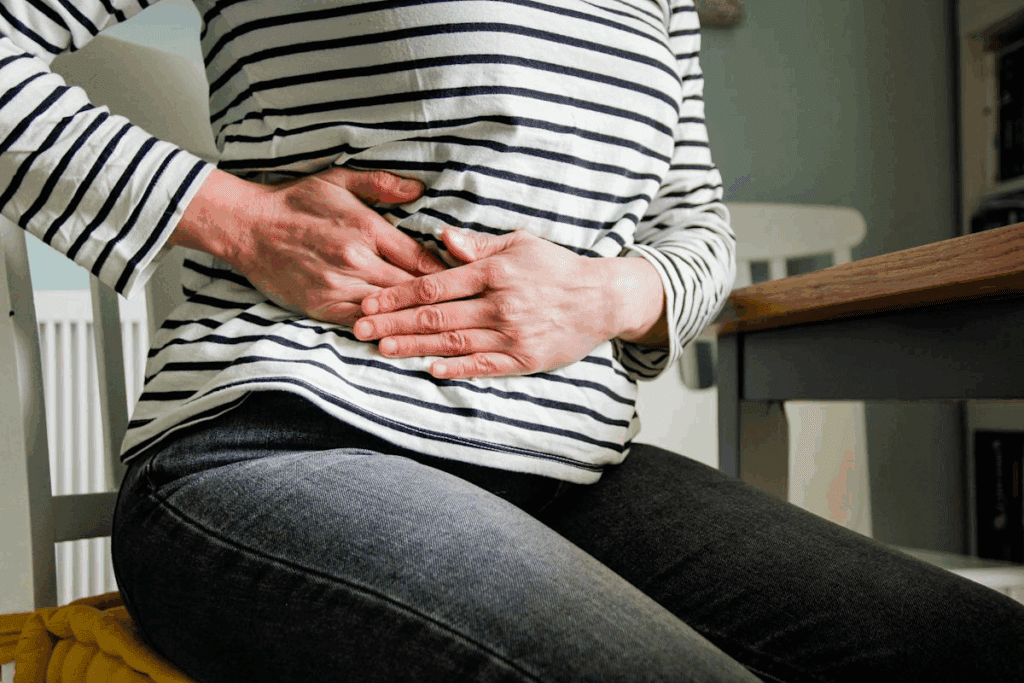
After colon surgery, the first days are key for recovery. Doctors watch closely, manage pain, and prevent problems.
First 24-48 Hours After Surgery
The first 24-48 hours are very important. Patients are watched for any signs of trouble. Their health is checked often.
Patients might feel pain, discomfort, and tiredness. The medical team helps with pain management strategies to keep them comfortable.
Pain Management Strategies
Managing pain is a big part of care after surgery. Patients might get medicine or try other ways to feel better. The goal is to reduce pain and help them heal.
- Medication: Patients may be given pain relief medication to manage their discomfort.
- Alternative therapies: Techniques such as deep breathing, meditation, or physical therapy may be recommended to complement medication.
Monitoring Vital Signs and Complications
Doctors keep a close eye on patients’ vital signs. They watch temperature, blood pressure, and heart rate. This helps catch any problems early.
They also watch for bloody stool after bowel resection. If something seems off, patients tell the doctors right away.
| Aspect of Care | Description | Importance |
| Pain Management | Use of medication and alternative therapies to manage pain | High |
| Vital Sign Monitoring | Regular checks on temperature, blood pressure, and heart rate | High |
| Complication Prevention | Early detection of problems like infection or bleeding | High |
| Bowel Function Monitoring | Watching for normal or abnormal bowel movements | Medium |
Patients usually start moving their bowels in 3–4 days. But, how often and how well can change. The care team uses a checklist to know when it’s time to go home.
Hospital Stay Duration and Care
Knowing how long you’ll stay in the hospital is key when getting ready for colon surgery. The time you spend there can change a lot. It depends on the surgery type and your health.
Typical Length of Hospitalization
Patients having open colon surgery usually stay longer than those with minimally invasive procedures. Open surgery patients stay 3–5 days. But, those with laparoscopic or robotic surgery might go home in 1–2 days.
Daily Progress Expectations
In the hospital, your health team watches your progress closely. They manage your pain, check for complications, and help you start eating again. They check daily to see when you’re ready to go home.
Preparing for Discharge
Before you leave, you’ll get tips on taking care of yourself at home. You’ll learn about pain management, dietary restrictions, and follow-up appointments. It’s important to follow these steps for a smooth recovery.
| Day | Expected Progress | Care Instructions |
| 1-2 | Pain management, initial recovery | Follow hospital pain management protocol |
| 2-3 | Gradual introduction to oral intake | Start with clear liquids, progress as tolerated |
| 3-5 | Continued recovery, preparation for discharge | Review discharge instructions, follow-up appointments |
By knowing what to expect in the hospital and after, you can prepare better for your recovery after colon surgery.
Colon Operation Recovery Timeline: Week by Week
Recovering from a colon operation takes time, with each week bringing its own milestones. The time needed to heal can differ based on the surgery type. Open surgeries usually take longer than minimally invasive ones.
Week 1: Initial Healing Phase
The first week is key for starting the healing process. Rest and avoid hard activities. Pain management is important, with meds to help with pain. Watch for signs of complications like infection or bleeding.
Weeks 2-4: Progressive Improvement
Weeks 2-4 see patients getting better slowly. Energy levels go up, and pain goes down. Start with light activities and slowly move more.
- Resume light physical activities
- Gradually increase mobility
- Follow a nutritious diet to support healing
Weeks 6-8: Approaching Full Recovery
By weeks 6-8, most are almost fully recovered. The healing time for colon resection varies. But, most can get back to normal in 6 to 8 weeks after open surgery. Minimally invasive surgeries might take 2 to 4 weeks.
Beyond 8 Weeks: Long-term Healing
After 8 weeks, it’s about long-term healing and adjusting to surgery changes. Keep up with doctor visits to track your healing. Eating well and staying active are key for your health.
Your doctor will set up follow-ups to check on your recovery and watch for cancer signs. Sticking to this schedule helps your recovery go smoothly.
Resuming Bowel Function After Surgery
Getting back to normal bowel movements is a big step after colon surgery. Patients often wonder when and how their bowel habits will return.
First Bowel Movements: What’s Normal
The first bowel movements after surgery can worry many. It’s normal for them to be loose or like diarrhea at first. Patients should be prepared for variability in their bowel movements as their body adjusts.
At first, bowel movements might be irregular and could hurt. Pain meds can also make bowel habits change, leading to constipation. Drinking plenty of water and following dietary advice from healthcare teams can help manage these changes.
Managing Changes in Frequency and Consistency
Most patients see temporary changes in bowel frequency and consistency. Some might get constipation, while others might have diarrhea. Managing these changes involves dietary adjustments, staying hydrated, and possibly using medications as recommended by healthcare providers.
Eating a balanced diet with fiber-rich foods can help regulate bowel movements. Patients are often advised to slowly introduce different foods back into their diet to help their bowel habits return to normal.
| Dietary Adjustment | Benefit |
| Increasing fiber intake | Helps regulate bowel movements |
| Adequate hydration | Softens stool and aids in bowel regularity |
| Avoiding spicy or fatty foods | Reduces the risk of bowel irritation |
When to Be Concerned About Bowel Function
While some bowel function changes are normal after colon surgery, there are times to seek medical help. Severe abdominal pain, persistent diarrhea or constipation, and bleeding are signs that need immediate attention from healthcare providers.
Some people might face long-term bowel function issues after colorectal surgery, like chronic diarrhea or fecal incontinence. It’s important to keep an eye on bowel habits and report any persistent issues to healthcare providers to manage these complications effectively.
Nutrition and Diet Progression During Recovery
Nutrition is key in healing after a colon operation. A good diet helps manage recovery, lowers complication risks, and boosts health outcomes.
Initial Diet Restrictions
Right after surgery, patients follow a restricted diet. They start with clear liquids like broth or drinks rich in electrolytes. These help replace lost fluids and electrolytes.
As they get better, they move to low-fiber foods. This is to ease the digestive system’s workload.
A typical initial diet includes:
- Clear broths
- Electrolyte-rich drinks
- Plain toast
- Applesauce
- Plain rice
Transitioning to Solid Foods
As they progress, patients can add solid foods to their diet. It’s important to gradually increase food texture and variety. This lets the digestive system adjust.
They should eat small, frequent meals. Avoid foods high in fiber, fat, or spice, as they’re hard to digest.
| Food Type | Recommended Foods | Foods to Avoid |
| Proteins | Lean meats, fish, eggs | Fatty meats, processed meats |
| Vegetables | Cooked vegetables, soft leafy greens | Raw vegetables, high-fiber vegetables |
| Fruits | Ripe bananas, applesauce | Raw fruits with seeds or skins |
Long-term Dietary Considerations
Once fully recovered, patients can go back to a normal diet. But some might need to make long-term dietary adjustments. It’s important to follow the healthcare provider’s diet advice.
Supplements and Nutritional Support
Some patients might need nutritional supplements during recovery. This could include vitamins, minerals, or protein. The healthcare team will decide if supplements are needed based on the patient’s nutritional status and recovery.
Eating a healthy diet helps in recovery and lowers the risk of health issues like heart disease and diabetes. By choosing the right foods, patients can support their health and well-being during and after recovery.
Physical Activity and Exercise After Colon Surgery
Physical activity is key after colon surgery. It helps lower the risk of cancer coming back and improves health. The journey starts with gentle movements.
Early Mobility Guidelines
Right after surgery, start with light activities. Light walking is best to avoid blood clots and aid healing. Aim to walk within 24 hours.
Gradually Increasing Activity Levels
As you get better, you can do more. Listen to your body and don’t overdo it. Most people can do daily tasks in 1–2 weeks, depending on their surgery and health.
Exercise Restrictions and Timelines
Start with light activities, but avoid hard ones early on. Strenuous activities, heavy lifting, and bending are off-limits for weeks. Your doctor will tell you when you can do more.
Returning to Work and Daily Routines
Going back to work and daily life varies. It depends on your surgery, job, and recovery. Most people return to daily activities in a few weeks. Always follow your doctor’s advice on returning to work and strenuous activities.
Knowing the right physical activity after colon surgery helps. It makes recovery smoother and improves health.
Managing Energy Levels and Fatigue During Recovery
After colon surgery, patients often feel their energy levels change. This is a common issue that needs to be understood and managed. The body’s response to surgery and the healing process can affect how much energy we have.
Understanding Post-Surgical Fatigue
Post-surgical fatigue is a complex issue. It’s influenced by the surgery’s extent, the patient’s health, and their physical condition before surgery. It’s important to know that fatigue is a normal part of recovery. It can last for weeks after surgery.
“Fatigue and energy changes are common for weeks, getting better slowly,” say healthcare experts. This knowledge helps manage expectations and lowers anxiety about recovery.
Energy Conservation Techniques
To manage energy, it’s key to use energy-saving techniques. This means pacing yourself, taking breaks, and focusing on important tasks first. Saying ‘no’ to non-essential tasks also helps save energy.
- Prioritize rest and sleep
- Break tasks into smaller, manageable chunks
- Ask for help when needed
Sleep Quality and Recovery
Sleep is vital for recovery, as it helps the body heal and recharge. To improve sleep, establish a regular sleep schedule, create a comfy sleep space, and avoid stimulants before bed.
“Sleep is a critical component of the healing process, and poor sleep quality can significantly impact recovery.”
When Energy Levels Should Improve
Energy levels usually start to get better as the body heals. Most people see a big improvement in energy within 6 to 8 weeks after surgery. It’s important to check in with healthcare providers if fatigue lasts or gets worse.
Managing long-term side effects like fatigue is key to recovering from colorectal cancer treatment. By understanding fatigue, using energy-saving tips, improving sleep, and keeping an eye on progress, patients can better handle recovery.
Conclusion: Adjusting to Life After Colon Surgery
Understanding the colon operation recovery time is key for a smooth return to normal life after colon surgery. The bowel resection healing time can differ for each person. But, with the right care and follow-up, most can get back to their usual activities slowly.
It’s important to keep up with follow-up care after colorectal surgery. This helps watch for any complications and manage long-term side effects. Patients need to know how vital recovery after colon resection is. They also need ongoing medical check-ups for a successful life after bowel resection.
By knowing the recovery timeline and following post-operative instructions, patients can heal better and avoid complications. As they move through their colon operation recovery time, they can look forward to getting stronger and returning to their normal activities.
FAQ
What is the typical recovery time for colon resection surgery?
Recovery from colon resection surgery varies. Most people need 6-8 weeks to fully recover. But, it can be 4-12 weeks, depending on the surgery and the person.
How long does it take to recover from bowel resection surgery?
Bowel resection surgery recovery takes weeks to months. The exact time depends on the surgery, health, and any complications.
What can I expect during the first bowel movement after colon surgery?
The first bowel movement after surgery can be uncomfortable. You might feel pain, bloating, or constipation. Always follow your doctor’s advice and use stool softeners or laxatives if needed.
How long does it take for bowel function to return to normal after colon surgery?
Bowel function usually returns in a few weeks after surgery. Adjusting to new bowel habits can take time. Some discomfort or irregularity is common during this period.
What are the dietary restrictions after colon surgery?
After surgery, you might need to eat only liquids or soft foods. As your bowel heals, you can slowly add more foods to your diet. Avoid heavy or high-fiber foods for a while.
When can I resume physical activity after colon surgery?
Start with gentle exercises like walking soon after surgery. Gradually add more activities over weeks. Always listen to your doctor and avoid heavy lifting or bending.
How long does it take to manage energy levels and fatigue after colon surgery?
Fatigue is common after surgery. It can take weeks to months for energy to return. Rest, eat well, and slowly increase activity to manage fatigue.
When can I return to work after colon surgery?
Returning to work varies based on your job and health. Expect 4-8 weeks off, but it can vary.
What are the signs of complications after colon surgery?
Look out for severe abdominal pain, fever, vomiting, or bloody stools. If you experience these, seek medical help right away.
How long does it take to heal from colon resection surgery?
Healing from colon resection surgery takes months. The initial recovery is 6-8 weeks. But, full healing and adjustment can take longer.
References:
Pietrangelo, A. (2024). Managing weight loss after gallbladder removal. Medical News Today. Retrieved from https://www.medicalnewstoday.com/articles/317659



 Departments
 Related Videos
 Our Doctors
 News
News