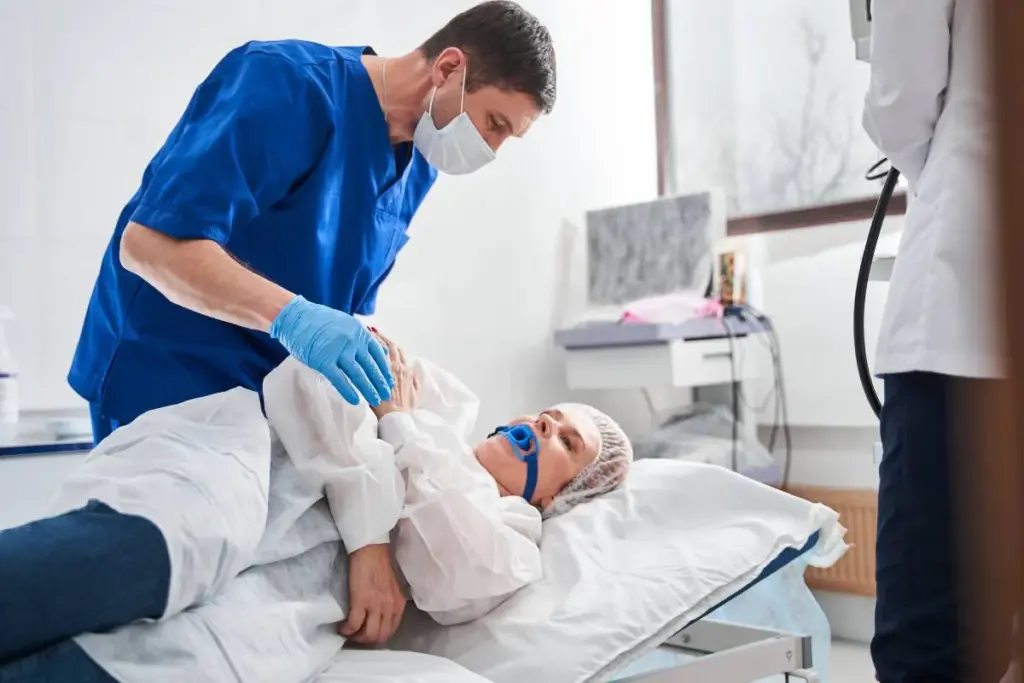
Colorectal cancer is a big health problem in the United States. It’s expected to cause 52,900 deaths in 2025. But, regular screening can find colon cancer early, when it’s easier to treat.
What is the right colonoscopy age for you? Use this powerful guide to understand vital screening timelines that can save your life from cancer.
To avoid colon cancer, evidence-based guidelines suggest regular screening for adults aged 45 to 75. Following these guidelines can greatly lower the risk of dying from colon cancer.
Key Takeaways
- Regular screening can help detect colon cancer early.
- Adults between 45 and 75 should undergo regular screening.
- Following evidence-based guidelines can reduce colon cancer mortality.
- Colon cancer is a significant health threat in the U.S.
- Screening is key for early detection and treatment.
Understanding Colon Cancer: Facts and Statistics
It’s important to know the facts and stats about colon cancer. This cancer affects many people, so it’s key to understand how common it is and who’s at risk.
Prevalence and Mortality Rates in the United States
Colon cancer is a big deal in the U.S. Every year, over 100,000 new cases are found. This cancer is a major health issue, leading to a lot of deaths.
|
Year |
New Cases |
Mortality Rate |
|---|---|---|
|
2020 |
104,000 |
52.5 per 100,000 |
|
2021 |
106,000 |
51.8 per 100,000 |
|
2022 |
108,000 |
51.2 per 100,000 |
Risk Factors for Developing Colorectal Cancer
There are several things that can increase your risk of getting colorectal cancer. These include getting older, having a family history of it, and certain lifestyle choices. Knowing these risk factors helps with early detection and prevention.
Key risk factors include:
- A family history of colon cancer
- A diet high in processed foods and low in fiber
- Lack of physical activity
- Smoking and heavy alcohol consumption
By knowing these stats and risk factors, you can take steps to prevent it. This includes getting regular colonoscopy screenings.
The Importance of Early Detection
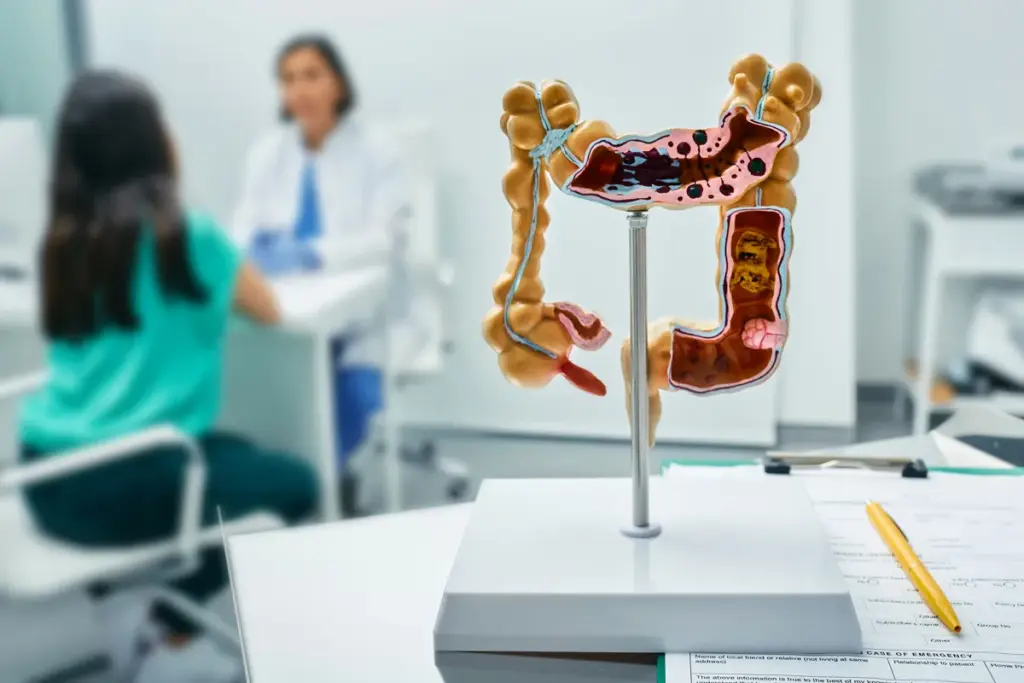
Finding colon cancer early is vital for better patient outcomes. Early detection means more effective treatments and higher survival rates.
Survival Rates with Early vs. Late Detection
The colon cancer survival rates change a lot based on when it’s found. If caught early, the 5-year survival rate is about 90%. But, if it’s found later, the rate drops to around 14%. This shows how important early detection is.
The 1.5 Million Colorectal Cancer Survivors
Today, over 1.5 million Americans are colorectal cancer survivors. Many thanks to early detection through colonoscopy. This method not only finds cancer early but also stops it by removing polyps. The many survivors show how far medical science has come and the value of screening.
The early detection of colon cancer is key for good treatment and better survival chances. Regular screenings, like colonoscopies, are essential in this fight.
Colonoscopy Age: When Should You Start Getting Screened?
Colon cancer is a big health issue. Knowing when to get a colonoscopy is key. Doctors have changed their advice on when to start screening.
For people at average risk, screening starts at 45. This is because early checks can lower cancer rates. You should keep getting screened until you’re 75.
Standard Recommendations for Average-Risk Adults
The U.S. Preventive Services Task Force says adults 45 to 75 should get screened. This age is best for catching and removing polyps before they turn cancerous.
Recommendations for High-Risk Individuals
If you have a family history of colon cancer, start screening 10 years before your relative’s diagnosis. Those with inflammatory bowel disease or genetic syndromes might need to start even sooner.
Upper Age Limits for Routine Screening
For those 76 to 85, screening depends on your health and how long you might live. It’s not usually recommended for those over 85 because the benefits might not outweigh the risks.
Knowing about colon cancer screening guidelines and the recommended age for colonoscopy helps you make smart health choices. Always talk to your doctor to figure out the best screening plan for you.
Why One-Third of Adults Skip Recommended Screenings
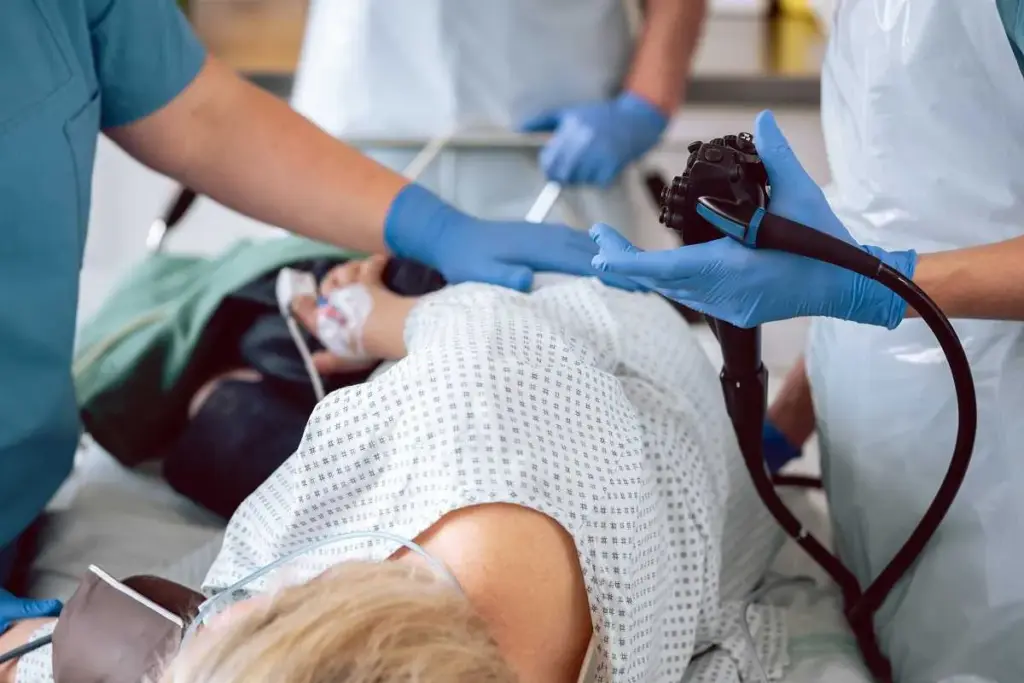
Many adults aged 45 and older skip colon cancer screenings. This is a big problem because catching cancer early is key to treating it effectively.
Common Barriers to Colon Cancer Screening
Several reasons explain why many adults don’t get screened. Fear of the colonoscopy, cost worries, and not knowing how important it is are big hurdles. Some people also feel embarrassed or anxious about the procedure.
Addressing Fears and Misconceptions
To get more people screened, we need to tackle these fears and myths. Education and awareness campaigns can help spread the word about screening’s benefits. Doctors can also help by talking to their patients and easing their worries. By understanding and addressing these barriers, we can get more adults to get the screenings they need.
Colonoscopy: The Gold Standard for Colon Cancer Screening
Colonoscopy is the top choice for colon cancer screening. It’s the best way to find colon cancer early, when it’s easier to treat.
What Happens During a Colonoscopy
A colonoscopy uses a flexible tube with a camera and light to look inside the colon. Doctors can spot polyps, cancer, and other issues. If polyps are found, they can often be removed right then, helping prevent cancer.
The whole thing takes about 30-60 minutes. It’s usually done with sedation to make it less uncomfortable.
Preparation Process
Getting ready for a colonoscopy is key. You’ll eat only clear liquids the day before and clean your colon. This makes sure the doctor can see the colon lining well.
“Adequate bowel preparation is essential for a successful colonoscopy, as it allows for better visualization of the colon lining and increases the chances of detecting polyps or cancer.”
Gastroenterologist
Recovery and Aftercare
After the procedure, you’ll be watched until the sedation wears off. You might feel bloated, gassy, or have mild cramps. But these symptoms usually go away fast.
|
Recovery Aspect |
Details |
|---|---|
|
Immediate Recovery |
Monitored for a short period post-procedure |
|
Common Side Effects |
Bloating, gas, mild cramps |
|
Resuming Normal Activities |
Usually within a day |
Colonoscopy is a safe and effective way to prevent and catch colon cancer early.
Alternative Screening Methods
There are other ways to screen for colon cancer that are easier and less scary. These options are great for people who don’t want to get a colonoscopy or can’t get one.
High-Sensitivity Fecal Blood Tests
High-sensitivity fecal blood tests are a good choice for colon cancer screening. They find tiny bits of blood in your stool, which might mean colon cancer is starting. You should get tested every year.
Stool DNA Tests
Stool DNA tests look at a stool sample for DNA changes that could mean colon cancer. You might need to get tested every 1-3 years. They’re a nice option if you don’t want a colonoscopy.
Other Screening Options
New screening options are coming up, like blood tests and advanced imaging. These might be good in the future. But, it’s best to talk to your doctor to find the right test for you.
Talking to your doctor about screening options is key. Choosing the right test can help find colon cancer early, when it’s easier to treat.
Understanding Colonoscopy Results
Knowing your colonoscopy results is important for your health. A colonoscopy lets doctors see inside your colon. They look for polyps, cancer, and other issues.
Normal Findings
If your results are normal, it’s good news. No polyps, cancer, or other problems were found. But, it’s important to keep up with your screening schedule as your doctor advises.
Polyp Detection and Removal
If polyps are found, they can be removed right away. Polyp removal helps prevent colon cancer. The removed polyps are checked to see if they are cancerous or not.
When Biopsies Are Necessary
Your doctor might take a biopsy if they suspect cancer or other issues. This is when they take a sample of your colon lining. Biopsy results can give more details about your health.
Talking to your healthcare provider about your results is key. They can explain what your results mean. Whether it’s good news or not, they’ll tell you what to do next.
- Normal results mean no immediate action is required, but continued screening is necessary.
- Polyp detection and removal are critical for preventing colon cancer.
- Biopsies provide detailed information when abnormalities are detected.
The Link Between Polyps and Colon Cancer
It’s important to know how colon polyps and colon cancer are connected. Colon polyps grow on the inside of the colon or rectum. Most are harmless, but some can turn into colon cancer over time.
Types of Colon Polyps
Colon polyps come in different types, each with its own risk level. The main types are:
- Hyperplastic polyps, which are usually not cancerous
- Adenomatous polyps, or adenomas, which can become cancerous
- Serrated polyps, which might be precancerous based on their features and location
How Polyps Progress to Cancer
Turning from a benign polyp to colon cancer involves genetic changes. Adenomas are precancerous because they can grow into cancer over years. The size, type, and presence of dysplasia in the polyp affect cancer risk.
Polyp Removal as Cancer Prevention
Polyp removal, or polypectomy, is key to stopping colon cancer. During a colonoscopy, doctors can spot and remove polyps. This stops them from turning into cancer. It greatly lowers the chance of getting colon cancer, showing why regular checks are vital.
Knowing about colon polyps and their cancer risk helps prevent colon cancer. Regular screenings and removing precancerous polyps are essential. They are key to stopping colon cancer before it starts.
Recognizing Warning Signs of Colon Cancer
It’s important to know the warning signs of colon cancer. This is because catching it early can lead to successful treatment. Being aware of its symptoms is key.
Changes in Bowel Habits
A change in bowel habits is a key warning sign. This might mean you have diarrhea, constipation, or your stool looks different. Watching for these changes can help spot problems early.
Blood in Stool
Blood in your stool is another big symptom. You might see bright red blood or black, tarry stools. Don’t ignore blood in your stool, as it could mean colon cancer or other issues.
Other Symptoms to Watch For
Look out for ongoing stomach pain, like cramps or gas. You might also feel like your bowel doesn’t empty fully. Feeling weak or tired is common, often because of iron loss from bleeding.
|
Symptom |
Description |
|---|---|
|
Changes in Bowel Habits |
Diarrhea, constipation, or changes in stool consistency |
|
Blood in Stool |
Bright red blood or black, tarry stools |
|
Abdominal Discomfort |
Persistent cramps, gas, or pain |
Knowing these signs and talking to a doctor can make a big difference. Early detection is the best way to improve treatment success and survival rates.
Stool-Based Testing: What to Expect
Stool-based tests look for hidden blood or abnormal DNA in stool. These signs might point to colon cancer. They are a non-invasive way to screen for colon cancer, perfect for those who don’t want a colonoscopy.
Collection Process
Getting a stool sample is easy. You get a kit with instructions and materials. After you collect the sample, it goes to a lab for testing. Make sure to follow the kit’s instructions well to get accurate results.
Interpreting Results
Test results can show if you need more screening. A positive result doesn’t always mean you have colon cancer. It might mean you have polyps or other issues that need a closer look, usually a colonoscopy.
Follow-Up Requirements
If your test shows something positive, your doctor will talk about what’s next. This often means a colonoscopy to check your colon. Even if the test is negative, keep up with your screening schedule as your doctor advises.
|
Test Type |
Description |
Follow-Up for Positive Result |
|---|---|---|
|
Fecal Blood Test |
Detects hidden blood in the stool |
Colonoscopy |
|
Stool DNA Test |
Identifies abnormal DNA in the stool |
Colonoscopy |
Insurance Coverage for Colon Cancer Screening
It’s important to know about insurance for colon cancer screening. Many plans cover it, but the details can differ a lot. This depends on the insurance company and your specific plan.
Medicare and Medicaid Coverage
Medicare helps those 50 and older with colon cancer screening. It covers colonoscopy, fecal occult blood tests, and other approved methods. Medicaid’s coverage varies by state, but most states offer some screening options.
|
Insurance Type |
Coverage Details |
|---|---|
|
Medicare |
Covers colonoscopy, fecal occult blood tests, and other approved screening methods for beneficiaries 50+ |
|
Medicaid |
Varies by state; most cover some form of colon cancer screening |
|
Private Insurance |
Coverage varies; many plans cover colon cancer screening as a preventive service |
Private Insurance Requirements
Private insurance often covers colon cancer screening without extra costs. This is thanks to the Affordable Care Act. But, the details can change based on your plan and provider.
Options for Uninsured Individuals
If you don’t have insurance, there are options. Community health clinics and programs offer free or low-cost screenings for colon cancer.
Lifestyle Factors That Reduce Colon Cancer Risk
Some lifestyle choices can lower your chance of getting colon cancer. By choosing the right diet, staying active, and avoiding harmful habits, you can reduce your risk.
Dietary Recommendations
Eating lots of fruits, veggies, and whole grains is good for your colon. Foods like legumes and whole grain cereals are full of fiber. Try to eat less red and processed meats, as they might increase your risk.
Adding foods with anti-inflammatory properties, like omega-3s in fish, is also smart. A diet low in saturated fats and rich in nutrients keeps your colon healthy.
Exercise and Physical Activity
Staying active is another way to lower your colon cancer risk. Exercise helps you stay at a healthy weight, improves digestion, and boosts your immune system. The American Cancer Society suggests doing at least 150 minutes of moderate or 75 minutes of vigorous activity weekly.
Limiting Alcohol and Tobacco Use
Drinking too much alcohol and smoking can raise your cancer risk, including colon cancer. Cutting down on alcohol and quitting tobacco can greatly lower this risk. If you smoke, quitting is a big step towards better health and less cancer risk.
By eating well, staying active, and avoiding harmful substances like tobacco and too much alcohol, you can actively lower your colon cancer risk.
When to Consult a Gastroenterologist
Seeing a gastroenterologist early is key to catching colon cancer before it’s too late. They offer advice that fits your unique risk and health story.
Family History Considerations
If you have a family history of colon cancer, you should talk to a gastroenterologist. Having a first-degree relative with colon cancer, like a parent or sibling, raises your risk. A gastro expert can set up a screening plan just for you.
Symptom-Based Referrals
If you notice changes in your bowel habits, blood in your stool, or persistent belly pain, see a gastroenterologist. These signs might mean you need a closer look.
Follow-Up After Abnormal Screening Results
After getting abnormal screening results, meeting with a gastroenterologist is vital. They’ll talk about more tests, like a colonoscopy, and help manage any polyps or cancer found.
By getting advice from a gastroenterologist when needed, you can keep your colon healthy. This helps lower your risk of colon cancer.
Multidisciplinary Approach to Colon Cancer Care at Liv Hospital
At Liv Hospital, patients with colon cancer get care from a team of experts. This team includes many medical fields. Each patient gets a treatment plan made just for them.
The Role of Different Specialists
The team at Liv Hospital has gastroenterologists, surgical oncologists, and more. They all work together to treat colon cancer. This way, they can handle every part of treatment, from start to finish.
|
Specialist |
Role in Colon Cancer Care |
|---|---|
|
Gastroenterologist |
Performs colonoscopies and diagnoses colon cancer |
|
Surgical Oncologist |
Conducts surgical removal of tumors |
|
Medical Oncologist |
Administers chemotherapy and other treatments |
Comprehensive Treatment Planning
The team at Liv Hospital makes personalized treatment plans. They use the latest research and the patient’s health. This way, they make sure the best treatment is chosen.
Innovative Approaches and Clinical Trials
Liv Hospital leads in colon cancer treatment. They offer new therapies and join clinical trials. This helps patients get the newest and best treatments.
Conclusion: Taking Control of Your Colon Health
Good colon health is key to feeling your best. Regular screenings are a big part of stopping colon cancer. Knowing the risks and acting early can lower your cancer chance a lot.
Eating right and staying active help your colon. Drinking less and quitting smoking also helps. Early screenings catch problems before they get worse, making treatment better.
Talking to a doctor about your colon health is important. They can tell you when to get screened. Taking care of your colon health can lower your cancer risk and make life better.
FAQ
What is the recommended age for starting colonoscopy screening?
Adults should start colonoscopy screening at 45 years old if they’re at average risk. Those with a family history of colon cancer or other risk factors might need to start earlier.
What are the symptoms of colon cancer?
Symptoms of colon cancer include changes in bowel habits, blood in stool, and abdominal pain. Unexplained weight loss is also a sign. If you notice these, see a doctor.
What is a colonoscopy, and how is it performed?
A colonoscopy uses a flexible tube with a camera to see inside the colon. It looks for polyps or cancer. The procedure is done under sedation.
Are there alternative screening methods for colon cancer?
Yes, there are other tests like high-sensitivity fecal blood tests and stool DNA tests. These can find blood or genetic material in stool that might show colon cancer.
What are the benefits of early detection in colon cancer?
Finding colon cancer early greatly improves survival chances. Early detection means the cancer is more treatable, leading to better survival rates.
How often should I get a colonoscopy?
Colonoscopy frequency depends on your risk and past results. For most, screenings are needed every 10 years.
What are the risk factors for developing colon cancer?
Risk factors include family history, age, diet, exercise, and certain health conditions. These can increase your risk of colon cancer.
Does insurance cover colon cancer screening?
Many insurance plans, including Medicare and Medicaid, cover colon cancer screening. Check with your provider for specific details and requirements.
How can I reduce my risk of colon cancer?
Eating well, exercising regularly, and avoiding alcohol and tobacco can lower your risk. Keeping a healthy weight also helps.
What should I expect during a colonoscopy procedure?
You’ll get sedation during a colonoscopy. The procedure lasts 30-60 minutes. You’ll be watched during recovery.
What are the different types of colon polyps?
Colon polyps include adenomatous, hyperplastic, and serrated types. Some can turn into cancer.
When should I consult a gastroenterologist?
See a gastroenterologist if you have a family history of colon cancer, notice symptoms like changes in bowel habits or blood in stool, or have abnormal screening results.
National Center for Biotechnology Information. Evidence-Based Medical Insight. Retrieved from
References
National Center for Biotechnology Information. Evidence-Based Medical Insight. Retrieved from https://pubmed.ncbi.nlm.nih.gov/