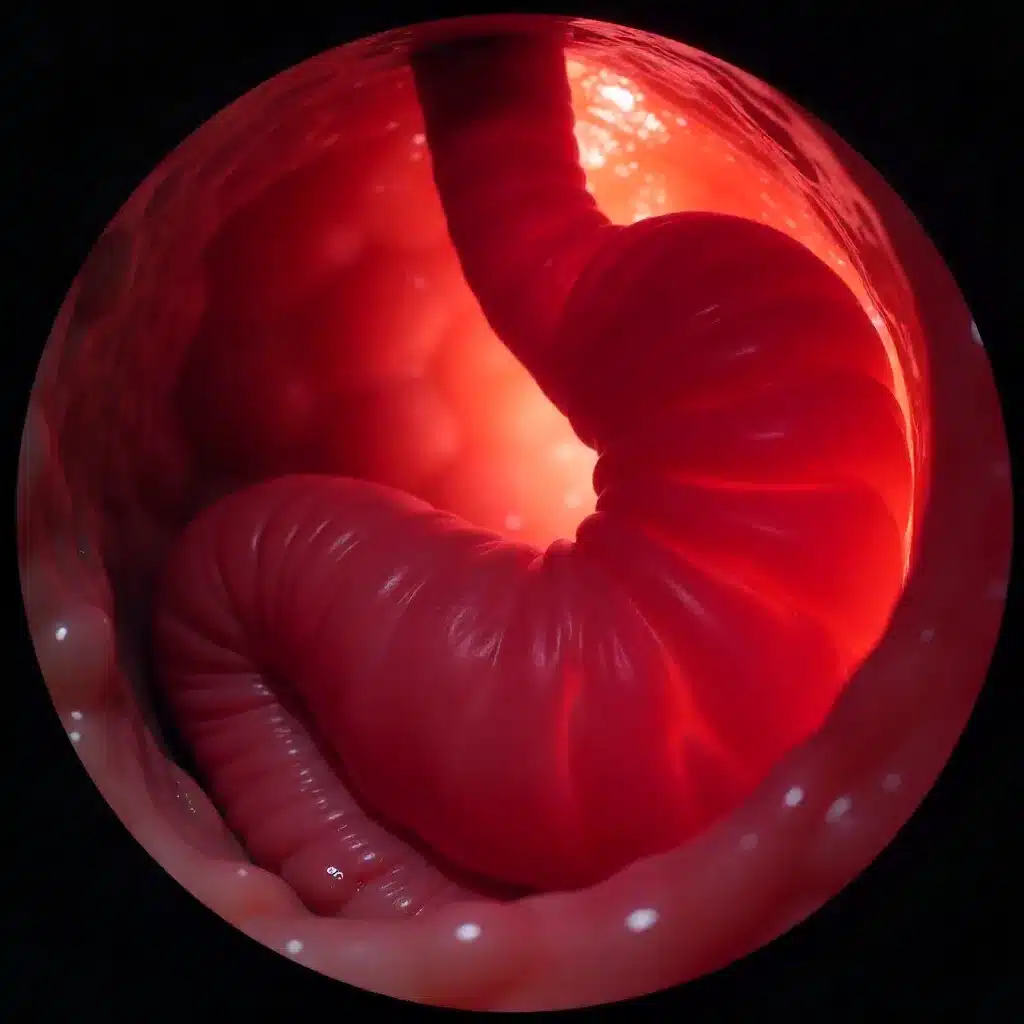
We are seeing big changes in colonoscopy procedures. These changes come from new global guidelines and a focus on care that fits each person. Now, adults of average risk should start screening at 45. They should have a colonoscopy every 10 years if the first one shows nothing wrong.
This shift means colon cancer screening is now more tailored to each person. It’s based on the latest research and evidence. Let’s look at what makes the colonoscopy procedure better and easier for patients today.
Key Takeaways
- Updated global guidelines recommend starting colon cancer screening at age 45.
- The new colonoscopy procedure emphasizes individualized care.
- A 10-year interval is suggested between screenings for adults with normal results.
- The modern approach focuses on making the procedure more effective and patient-friendly.
- Personalized care is now a key aspect of colon cancer screening.
The Evolution of Colonoscopy Procedures
Medical technology has changed the colonoscopy procedure a lot. It’s now more effective and better for patients. We know more about colon cancer and how to prevent it, thanks to new tools and methods.
Historical Perspective on Colon Cancer Screening
Colon cancer screening used to be hard to do. Colonoscopy changed that by letting doctors see the colon directly. Katie Couric’s message about screenings helped make them more common.
At first, colonoscopy was tough because of old equipment and bad prep methods. But these problems led to new, better tech and ways to do the procedure.
Key Advancements in Recent Years
Recently, colonoscopy has gotten a lot better. Split-dose bowel preparation is a big improvement. It means taking two doses of prep: one before bed and one in the morning.
New tech like artificial intelligence (AI) and high-definition imaging also help a lot. They make colonoscopies more accurate, helping doctors find and remove polyps early.
|
Advancement |
Description |
Benefit |
|---|---|---|
|
Split-Dose Bowel Preparation |
Dividing bowel prep into two doses |
Improved detection rates and patient compliance |
|
Artificial Intelligence (AI) |
AI-assisted lesion detection |
Enhanced accuracy in polyp detection |
|
High-Definition Imaging |
Advanced imaging technologies |
Better visualization of the colon |
These changes have made colonoscopies better for everyone. They help find colon cancer early. The future of colonoscopy looks bright for fighting colon cancer.
Understanding the Modern Colonoscopy Procedure
It’s key for both patients and doctors to know about the modern colonoscopy. It’s a big part of keeping the colon healthy. Today’s colonoscopy uses the newest medical tech. This makes it great for finding and stopping colon cancer early.
Definition and Purpose of a Colonoscopy
A colonoscopy lets doctors see inside the colon. They look for polyps, cancer, and other issues. It’s used to both find problems and fix them by removing polyps. The American Cancer Society says adults should start screening at 45 if they’re at average risk.
“The colonoscopy is a powerful tool in the fight against colon cancer, giving a chance for both finding and treating problems,” say gastroenterology experts. They stress how important it is for keeping the colon healthy and stopping cancer.
When is a Colonoscopy Recommended?
Doctors suggest a colonoscopy for adults starting at 45, based on new American Cancer Society guidelines. This advice depends on the person’s risk level. Those with a family history of colon cancer or other risks might need to start screening sooner.
- Average-risk adults should begin screening at age 45.
- Individuals with a family history of colon cancer may need to start screening earlier.
- Those with a history of colon polyps or cancer may require more frequent screenings.
Knowing when and why a colonoscopy is needed helps patients get ready. It also helps them make smart choices about their colon health.
Updated Screening Guidelines for 2025
The new guidelines for colonoscopy screening in 2025 are a big change. They are important for both doctors and patients to know.
New Age Recommendations: Starting at 45
Now, doctors suggest starting colonoscopy screenings at 45. This change is based on new research. It shows that early screening can help prevent colon cancer better.
The Colorectal Cancer Alliance backs these new rules. They say regular screening is key. Starting early can catch colon cancer when it’s easier to treat.
Starting screening at 45 has many benefits:
- Early detection of colon cancer
- Prevention of colon cancer through removal of precancerous polyps
- Improved patient outcomes due to timely intervention
Risk-Based Screening Intervals
The new guidelines also talk about risk-based screening intervals. This means how often you get screened depends on your risk factors. People at higher risk might need more screenings, while those at average risk might follow a standard schedule.
Things that can affect how often you get screened include:
- Family history of colon cancer
- Personal history of colon polyps or cancer
- Genetic predispositions, such as Lynch syndrome
Special Considerations for High-Risk Patients
For those at high risk, the guidelines suggest more intense screening. This could mean more frequent colonoscopies or other screening methods. It’s vital for high-risk patients to talk to their doctors about the best screening plan.
The Individualized Approach to Colonoscopy Screening
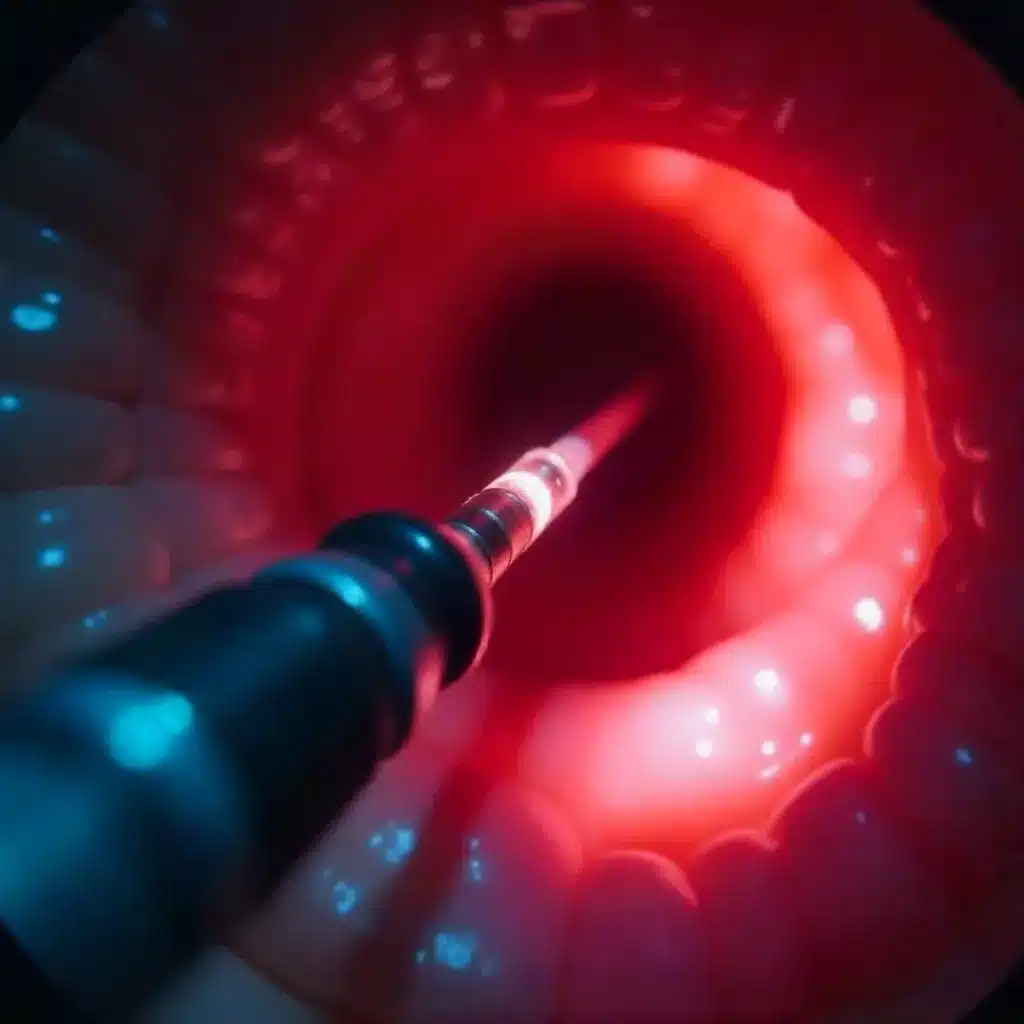
We can make colonoscopy screening better by focusing on each person’s needs. This way, we can give more targeted care. It’s all about recognizing that everyone is different.
Personalized Risk Assessment Tools
Recent studies show how important personalized risk assessment tools are for colon cancer screening. These tools help doctors see a patient’s risk factors. This includes family history, genetic risks, and lifestyle choices.
For example, if someone has a family history of colon cancer, they might need to get screened more often. Advanced risk assessment models help find these high-risk patients. They make sure they get the right screening schedule.
Tailoring the Procedure to Patient Needs
Adjusting the colonoscopy to fit each patient’s needs is key. It makes the screening more comfortable and effective. This might mean changing sedation levels or using specialized equipment.
It also means giving extra support to those who are anxious or have had bad experiences before. By understanding and meeting each patient’s unique needs, we can improve health outcomes.
Pre-Procedure Innovations: Improved Bowel Preparation
Advances in bowel prep have made colonoscopies better for patients. These changes have improved how well the prep works and how often doctors find important issues.
The Split-Dose Bowel Preparation Method
The split-dose method is now common in colonoscopies. It means taking two doses of prep: one the night before and another a few hours before the test. Research shows this method makes prep work better and easier for patients, leading to more accurate results.
This method helps because it lets patients take the second dose closer to the test. This reduces the chance of leftover stool, making it easier to see the colon’s lining. This is key for spotting small polyps and lesions.
Flexible Dietary Instructions for Better Compliance
Flexible diet plans also help patients stick to bowel prep. By giving patients easier diet options before the test, we make the prep less uncomfortable and less stressful.
Now, patients might eat foods like white bread, plain pasta, and clear broths a day or two before. This makes them feel more at ease and ready for the test.
Measuring Preparation Quality
It’s important to check how well the bowel prep works. The Boston Bowel Preparation Scale (BBPS) is a tool used to rate how clean the colon is. It scores the prep on a scale, helping us know how well it’s done.
By focusing on better prep quality, we make colonoscopies more effective. This means doctors can find polyps and cancer more often, which helps patients get better care.
Step-by-Step: What to Expect During a Modern Colonoscopy

We’ll walk you through the steps of a modern colonoscopy. This will help you know what to expect and ease any worries you might have.
Before the Procedure: New Preparation Protocols
Modern colonoscopy has brought new changes to start with the prep phase. The split-dose bowel preparation method is now standard. It cleanses better and is easier for patients to handle.
Today, we give flexible diet plans to help patients follow along better. You might be told to eat a low-residue diet the day before. We also guide you on how much to drink to get ready.
During the Examination: The Enhanced Experience
New tech, like artificial intelligence (AI) for lesion detection, has made colonoscopies better. AI helps doctors spot problems more easily, making them more accurate.
Thanks to new sedation techniques and monitoring, the procedure is more comfortable. You’ll be under conscious sedation, so you’ll stay relaxed.
- High-definition imaging gives a clearer view of the colon, helping spot issues.
- Computer-aided diagnosis systems help doctors make better diagnoses.
|
Technological Advancement |
Benefit |
|---|---|
|
Artificial Intelligence |
Improved lesion detection accuracy |
|
High-Definition Imaging |
Clearer visualization of the colon |
|
Computer-Aided Diagnosis |
Enhanced diagnostic accuracy |
Recovery and Post-Procedure Care
After the procedure, you’ll stay in a recovery area until the sedation wears off. We give you post-procedure care instructions to help you recover smoothly. This includes advice on diet, activity, and managing side effects.
It’s important to have someone with you when you go home. The sedation’s effects can last. We also tell you when to start doing normal things again and what to watch for in case of complications.
Knowing what to expect from a modern colonoscopy helps you prepare. This makes the experience better and leads to better results.
How Long Does a Modern Colonoscopy Take?
Many people wonder how long a colonoscopy takes. The time it takes can change based on a few things. These include how complex the procedure is, the patient’s health, and the technology used.
Time Factors in the New Procedure
Several things can affect how long a modern colonoscopy lasts. These include:
- Preparation Time: The new split-dose bowel prep has made prep easier and faster.
- Procedure Complexity: The time needed for the colonoscopy can change. This depends on if there are polyps or other issues that need to be looked at or removed.
- Technological Advancements: New tech, like high-definition imaging and AI, might make the procedure a bit longer. But they help find more problems.
Efficiency Improvements in Recent Protocols
Recent changes aim to make colonoscopies more efficient. Some key updates include:
- Streamlined Preparation: New diet rules and the split-dose prep have made prep easier and less uncomfortable for patients.
- Enhanced Recovery: We’ve made post-procedure care better. This lets patients recover faster and get back to their daily lives sooner.
- Personalized Approach: We tailor the procedure to each patient. This cuts down on delays and makes the whole process more efficient.
Understanding these changes helps patients prepare better for their colonoscopy. It also lets them know what to expect. We keep working to make sure our patients get the best care possible.
Technological Advancements in Colonoscopy Detection
The world of colonoscopy has changed a lot with new technologies. These changes have made finding colon cancer more accurate and the procedure more efficient.
Artificial Intelligence for Lesion Detection
Artificial intelligence (AI) is now used to find lesions during colonoscopy. AI looks at images from the colonoscopy in real-time. It helps spot polyps and lesions that might be missed by humans.
A study in a top gastroenterology journal showed AI helps find adenomas better than old methods. This tech is great because it helps doctors right away. It can also make finding cancer more consistent.
High-Definition Imaging Technologies
High-definition (HD) imaging is another big step forward. HD imaging gives a clearer view of the colon’s lining. This makes it easier to see and remove small polyps and flat lesions early.
HD imaging has many benefits:
- It finds small and flat lesions better
- It shows the colon’s lining more clearly
- It helps tell the difference between cancerous and non-cancerous lesions
Computer-Aided Diagnosis Systems
Computer-aided diagnosis (CAD) systems are also a big deal. These systems use advanced algorithms to help doctors analyze images. They can help figure out what a lesion is and guide treatment choices.
Using CAD systems in colonoscopy can:
- Make diagnoses more accurate
- Help doctors make better decisions
- Make the procedure run smoother
As these technologies get better, we’ll see even more progress in finding and treating colon cancer. The future of colonoscopy looks bright, thanks to these innovations.
The Role of Patient Navigators in Modern Colonoscopy
In today’s healthcare, patient navigators play a big role in improving colonoscopy results. As we make colonoscopy better, their role is more critical than ever.
Who Are Patient Navigators?
Patient navigators are healthcare experts who help guide patients through colonoscopy. They offer support and help, making sure patients know what to expect. They connect patients with healthcare providers, making the experience smoother.
How Navigators Improve Patient Outcomes
Research shows that patient navigators greatly enhance colon cancer screening results. They help with preparation, encourage patients to follow through, and offer emotional support. This leads to better care for patients. Some key benefits include:
- Helping patients understand the procedure
- Improving how well patients prepare for the test
- Lowering anxiety and stress
- Ensuring patients get the care they need after the test
By focusing on these areas, navigators make colonoscopy more effective and patient care better.
The Navigator-Patient Relationship
The bond between patient navigators and patients is based on trust, empathy, and clear talk. Navigators listen to each patient’s needs and offer tailored support. This personal touch boosts patient happiness and makes the procedure more effective.
Using patient navigators more in our care teams is making a big difference. It’s improving patient results and the overall colonoscopy experience. By adding navigators to our teams, we offer more complete and caring care to our patients.
Enhanced Communication Strategies for Better Colonoscopy Experiences
Good communication between healthcare providers and patients makes colonoscopy better. It makes patients happier and more likely to follow screening advice. This leads to better results.
Pre-Procedure Education and Counseling
Learning about the colonoscopy is key. We tell patients what to expect and how to prepare. We also talk about diet and answer their worries.
This way, patients feel ready and supported. They can handle the procedure better.
Digital Tools for Patient Communication
Using technology helps us talk to patients better. We offer online ways to schedule, check results, and talk to our team.
Our online tools are easy to use and safe. Patients can use them without worry.
Addressing Patient Concerns and Anxieties
We listen to patients’ worries about colonoscopy. It’s stressful for many. Our team is here to reassure and support.
We create a safe space for open talks. This helps reduce fears and makes the experience better.
Good communication is key to great colonoscopy care. We focus on clear, caring, and complete talks. This boosts satisfaction, following advice, and results.
Alternatives to Traditional Colonoscopy in 2025
In 2025, doctors are looking for new ways to screen for colon cancer. Traditional colonoscopy is the top choice, but new methods are needed. This is because patients want easier options, and doctors want to make screening more accessible.
Virtual Colonoscopy (CT Colonography)
Virtual Colonoscopy, or CT Colonography, is getting more attention. It uses CT scans to see the colon without surgery. This method is less scary for patients who don’t like traditional colonoscopy or have health issues.
A study in the Journal of the American Medical Association found virtual colonoscopy works well for finding big polyps. But, if it finds polyps, a regular colonoscopy is needed to remove them.
Stool-Based Tests and Their Place in Screening
Stool-based tests are another option. They look for blood or DNA in stool that might mean cancer. These tests are easy to use at home. There are different kinds, like FOBT, FIT, and Cologuard, which find blood and DNA changes.
These tests are good for people at low risk of colon cancer. But, if they show something, a regular colonoscopy is needed to check further.
When Alternatives May Be Recommended
Choosing between traditional colonoscopy and new methods depends on many things. Like the patient’s risk, what they prefer, and their health history. For example, virtual colonoscopy might be best for those who want something less scary or can’t have traditional colonoscopy.
Dr. David Lieberman says, “The right screening method depends on the person’s needs and what they’re comfortable with.” This approach is key in 2025 for better care that fits each patient.
Liv Hospital’s Implementation of Advanced Colonoscopy Protocols
At Liv Hospital, we aim to provide top-notch care with our advanced colonoscopy protocols. Our team works together to give each patient the best care possible. This ensures every patient gets care that’s just right for them.
Multidisciplinary Excellence in Gastroenterology
Our team includes gastroenterologists, surgeons, and other healthcare experts. They work together to give seamless care. We use the latest in colonoscopy tech, like artificial intelligence and high-definition imaging, to improve accuracy and patient results.
These technologies help us spot problems early and accurately. Our specialists are trained to use these tools well. This means every procedure is done with great care and skill.
Patient-Centered Approach to Colonoscopy
We know colonoscopies can make patients nervous. At Liv Hospital, we aim to make the experience as easy and stress-free as we can. Our patient-centered approach includes making care plans just for you, clear talking, and emotional support every step of the way.
Our patient navigators are key in helping patients through their colonoscopy journey. They help with any worries, make sure you’re ready for your procedure, and help with recovery.
Outcomes and Quality Metrics
We keep an eye on our colonoscopy results and quality metrics. We look at things like how well we find polyps, how happy patients are, and any complications. This helps us see where we can get better and make changes to improve.
We’re serious about top-notch healthcare and have strict quality control. We make sure all our patients, local or international, get the same great care.
By using the latest in colonoscopy and focusing on our patients, Liv Hospital is leading the way in gastroenterology. We’re proud to be innovators and are always working to better our services for our patients.
Conclusion: The Future of Colonoscopy Procedures
Looking ahead, colonoscopy procedures will keep getting better. This is thanks to new tech, research, and a focus on patient care. We can expect more improvements as technology and research keep advancing.
There have been big steps forward in colonoscopy. New guidelines and tech have made these tests better and easier for patients. We’ll see even more progress with AI, high-def imaging, and personalized care.
Hospitals like Liv Hospital are leading the way with new colonoscopy methods. These changes will make care better and safer for everyone. We’re excited for the future of colonoscopy and our commitment to keep improving.
FAQ
SEP-15740What is a colonoscopy, and why is it performed?
A colonoscopy lets doctors see inside the colon. They look for polyps, cancer, and other issues. It’s done to check and treat problems, like removing polyps.
At what age should I start getting a colonoscopy?
Adults should start screening at 45, according to new guidelines. If everything looks good, you’ll need a colonoscopy every 10 years.
How long does a colonoscopy procedure take?
A colonoscopy usually takes 30-60 minutes. The time can vary based on the procedure’s complexity and your health.
What is the split-dose bowel preparation method, and how does it improve the colonoscopy experience?
The split-dose method divides bowel prep into two doses. Taken at different times, it makes prep easier and improves detection rates. This makes the colonoscopy more effective.
Are there alternatives to traditional colonoscopy?
Yes, there are alternatives like virtual colonoscopy and stool tests. These might be suggested for those not suited for traditional colonoscopy or who prefer other methods.
What is the role of patient navigators in the colonoscopy process?
Patient navigators offer support and guidance during the colonoscopy process. They help address concerns, improve communication, and ensure a smooth experience.
How has artificial intelligence impacted colonoscopy detection?
Artificial intelligence has greatly improved colonoscopy detection. AI systems help doctors spot abnormalities more accurately. This leads to better patient care.
What can I expect during a modern colonoscopy procedure?
In a modern colonoscopy, you’ll experience a more comfortable and effective procedure. Advances in technology and patient care ensure a thorough examination. Any issues found can be removed or biopsied.
How can I prepare for a colonoscopy?
To prepare, follow your doctor’s bowel prep instructions. This might include a split-dose method. Discuss any concerns with your doctor and follow their advice on getting ready for the procedure.
What are the benefits of an individualized approach to colonoscopy screening?
An individualized approach tailors the colonoscopy to your needs. It leads to more effective screening and better outcomes. It also makes the experience more personal.
References
- Conexiant. (2025, March 4). New guidelines: Split-dose bowel prep sufficient. Retrieved from https://conexiant.com/gastroenterology/articles/new-guidelines-split-dose-bowel-prep-sufficient/ Conexiant