

Colorectal cancer (CRC) is a big health problem. Over 154,000 Americans will get it in 2025. Not enough people are getting checked. Asking for a colonoscopy could save your life, as screening rates are too low. Need a colonoscopy? Learn amazing ways to talk to doctors and find powerful ways to overcome scary anxiety for your vital bowel health.
The U.S. Preventive Services Task Force says adults 45 to 75 should get checked for CRC. Doctors’ advice helps more people get screened. By understanding CRC screening and knowing what to say to your doctor, you can help find problems early.
Key Takeaways
- CRC screening is key for early detection and treatment.
- Adults aged 45 to 75 should get CRC screened.
- Doctors’ advice boosts screening rates.
- Knowing how to ask for a colonoscopy is vital.
- Screening rates are lower than health goals.
Understanding Colorectal Cancer: Why Screening Matters
Colorectal cancer is a big problem in the U.S. We need to know more about it and why screening is key. It’s one of the top cancers found in the country.
Recent numbers show over 154,000 new cases and 52,900 deaths from CRC in 2025. This shows how urgent it is to screen more. The U.S. Preventive Services Task Force says adults 45 to 75 should get screened. Early detection is key to fighting and treating the disease.
The Prevalence of Colorectal Cancer in the United States
Colorectal cancer is a big health issue. It’s important to spread the word and take steps to prevent it. Some groups are at higher risk because of their genes, lifestyle, or environment.
“Screening is key because it finds colorectal cancer early, when it’s easier to treat.” Doctors stress how important screening is. They say it can save lives.
Mortality Rates and Prevention
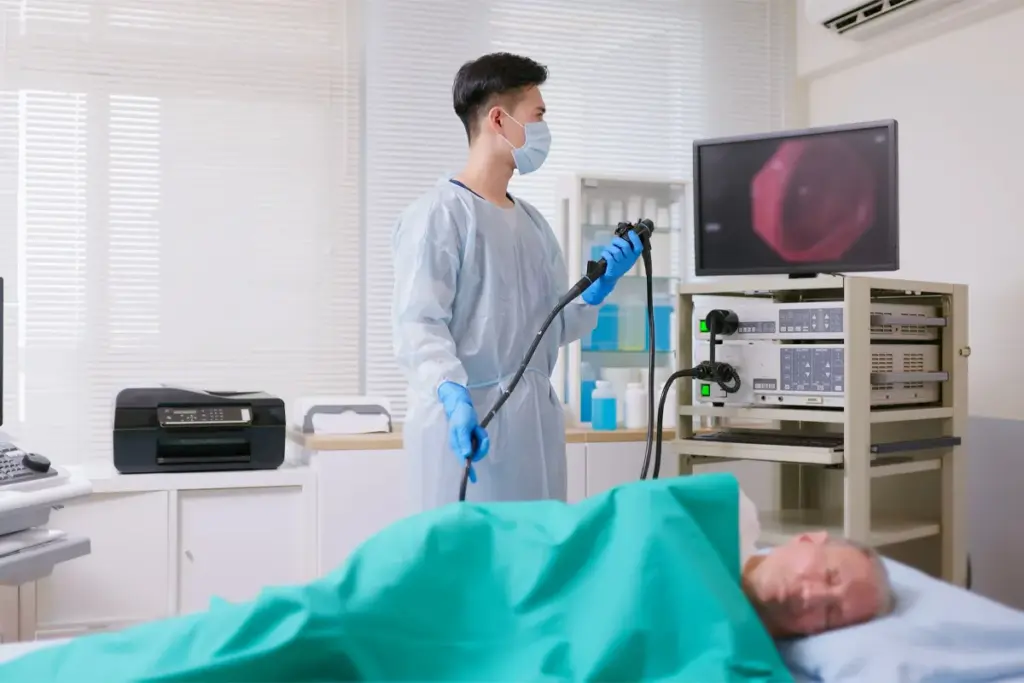
Screening can lower death rates from colorectal cancer. It finds and removes polyps that could turn into cancer. Early detection also means better treatment and survival chances.
Screening can really make a difference. With more cases and deaths expected, we must push for more screening. This is true for those in the recommended age range and at higher risk.
Knowing about colorectal cancer’s impact helps us see why screening is so important. We must tackle the barriers to screening. We should encourage people to take care of their colorectal health.
Current Screening Guidelines for Colonoscopy
The U.S. Preventive Services Task Force now says to start colonoscopy screenings at 45. This change aims to catch and stop colorectal cancer early. We’ll cover the latest guidelines, including when to start and who might need to start sooner.
Age Recommendations: Starting at 45
Now, adults should start screening for colorectal cancer at 45. This is a big change from the old advice to start at 50. The reason for the earlier start is the rising number of colorectal cancer cases in younger people.
Screening Age Recommendations:
|
Age Group |
Recommendation |
|---|---|
|
45-75 |
Regular Screening |
|
76 and older |
Discuss with Healthcare Provider |
Risk Factors That May Require Earlier Screening
Even though 45 is the new start age for most, some people should screen earlier. This includes those with:
- A family history of colorectal cancer or polyps
- A personal history of inflammatory bowel disease (IBD)
- Known genetic syndromes like Lynch syndrome
If you fit into any of these categories, talk to your doctor about when to start screening.
Knowing your risk factors and talking to your doctor can help figure out the right screening time for you.
The Screening Gap: Why Many Americans Avoid Colonoscopies
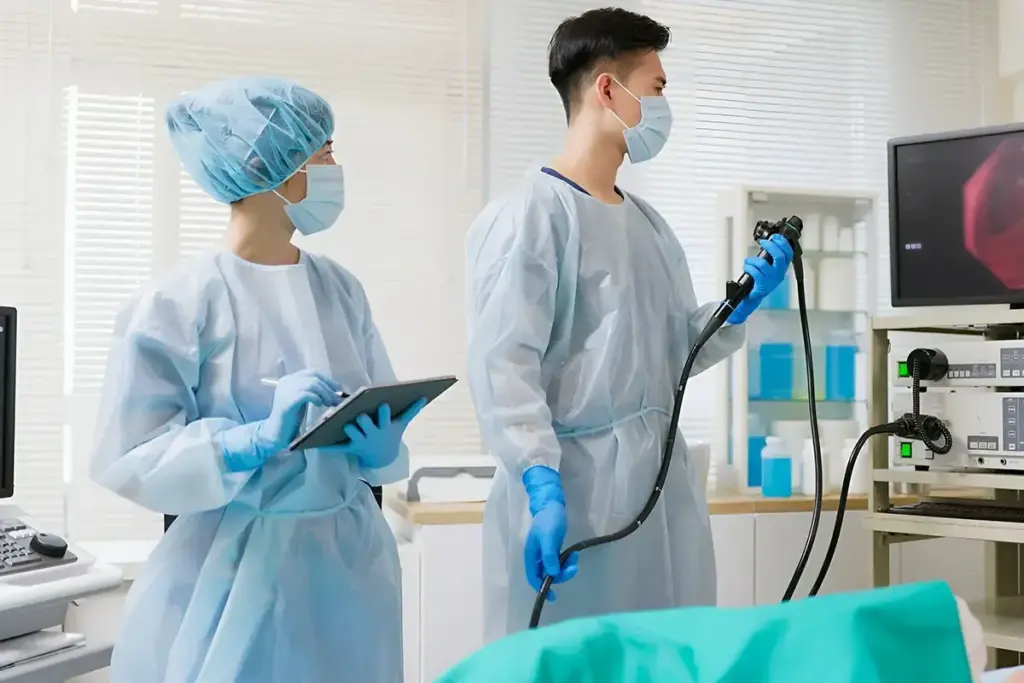
Many Americans skip colonoscopies, even though they’re key to preventing colorectal cancer. The Centers for Disease Control and Prevention (CDC) says only 61.4% of adults have had the screening. This is short of the goal set for 2030. We need to spread the word and work harder to get more people screened.
Current Screening Statistics
One-quarter of adults aged 50 to 75 have never had a colon cancer screening. This shows how big the gap is. Let’s look at the numbers:
|
Age Group |
Screening Rate |
Never Screened |
|---|---|---|
|
50-54 years |
57.4% |
30.1% |
|
55-59 years |
63.2% |
25.5% |
|
60-64 years |
68.5% |
20.8% |
|
65-75 years |
72.1% |
18.2% |
Common Barriers to Getting Screened
There are many reasons why people don’t get screened for colon cancer. These include:
- Lack of Awareness: Some people don’t know how important screening is or when they should start.
- Fear and Anxiety: The thought of the procedure, what might be found, or the prep can scare people off.
- Access Issues: Not having a doctor or insurance that covers screening can make it hard to get tested.
- Embarrassment: Feeling shy about the procedure or talking about it with doctors is another big hurdle.
To fix the screening gap, we need to tackle these barriers. Knowing the stats and the challenges helps us come up with better ways to encourage more people to get screened.
What Is a Colonoscopy: Understanding the Procedure
Knowing what a colonoscopy is important for those thinking about it for colorectal cancer screening. It’s a key test that lets doctors see inside the colon and rectum.
Colonoscopy Meaning and Purpose
“Colonoscopy” means looking at the colon with a special tube. This tube has a camera and light. It helps find problems like polyps or cancer early.
This test is key for spotting colorectal cancer, mainly in people over 45 or with a family history. It also checks for symptoms like bleeding or changes in bowel habits.
How the Procedure Is Performed
The colonoscope goes in through the anus and moves through the colon. It shows images on a screen, letting doctors see the colon’s lining. If they find polyps or something odd, they can remove or take a sample.
The steps are:
- The patient gets sedation to relax.
- The colonoscope is inserted and moved through the colon.
- Air is pumped in to make it easier to see.
- The doctor looks at the colon lining and removes polyps or takes samples.
Learning about the colonoscopy can make people feel more at ease. It’s a step that could save lives.
When Should You Get a Colonoscopy: Timing Guidelines
Knowing when to get a colonoscopy is key for catching colorectal cancer early. The U.S. Preventive Services Task Force says adults 45 to 75 should get screened. This shows how important it is to screen on time.
Standard Age-Based Recommendations
People with a normal risk of colorectal cancer should start screening at 45. The American Cancer Society and others agree with this. Starting at 45 helps find problems before symptoms show up, when they’re easier to treat.
|
Age Group |
Recommendation |
|---|---|
|
45-75 |
Screening recommended |
|
76 and above |
Discuss with healthcare provider |
Symptom-Based Indications
Some people might need a colonoscopy before 45 if they have symptoms or a family history of colorectal cancer. Signs like ongoing belly pain, blood in the stool, or changes in bowel movements mean you should see a doctor. A colonoscopy can find out what’s causing these symptoms.
“Screening for colorectal cancer is a vital tool in the early detection and prevention of this disease. Individuals with a family history or symptoms should consult their healthcare provider about the appropriate timing for their first colonoscopy.”
Understanding when to get a colonoscopy and following colonoscopy timing guidelines helps keep your colorectal health in check. It’s also key to talk about any symptom-based indications with your doctor to figure out the best next steps.
What Diseases Can Be Detected By a Colonoscopy
A colonoscopy is more than just a test for colorectal cancer. It’s a way to find other diseases in the colon too. Doctors can see inside the colon and rectum to check for different conditions.
Colorectal Cancer Detection
The main goal of a colonoscopy is to find colorectal cancer early. Doctors look for cancerous tumors and polyps during the test. Polyps are growths that could turn cancerous later.
Finding colorectal cancer early through a colonoscopy can greatly improve treatment chances. Research shows that colonoscopies can cut colorectal cancer rates by up to 90%.
Non-Cancer Conditions Identified During Screening
Colonoscopy also finds non-cancerous issues. These include:
- Diverticula: Small pouches in the colon wall.
- Inflammatory bowel disease (IBD): Conditions like Crohn’s disease and ulcerative colitis.
- Angiodysplasia: Abnormal blood vessels in the colon.
- Polyps: While often precancerous, most polyps are benign.
The table below lists some conditions found during a colonoscopy:
|
Condition |
Description |
Significance |
|---|---|---|
|
Colorectal Cancer |
Cancerous tumors in the colon or rectum |
Early detection improves treatment outcomes |
|
Polyps |
Growths on the lining of the colon |
Can be precancerous or benign |
|
Diverticula |
Small pouches in the colon wall |
Can cause symptoms like bleeding or pain |
|
Inflammatory Bowel Disease (IBD) |
Chronic inflammation of the colon |
Can lead to complications if not managed |
Knowing what a colonoscopy can find shows its value. It helps find diseases early, leading to better treatment and a better life.
The Importance of Physician Recommendation for Colonoscopy
When doctors strongly recommend colonoscopy, more people get screened. A doctor’s advice often makes the difference for those thinking about it.
How Doctor Recommendations Impact Screening Rates
Studies show that a doctor’s push for colonoscopy makes a big difference. When doctors stress its importance, patients are more likely to get the test done.
“A strong recommendation from a healthcare provider is one of the most significant predictors of whether a patient will undergo colorectal cancer screening.”
American Cancer Society
This is key for groups that don’t get screened as much. Doctors can help by clearly telling patients they need it.
|
Factor |
Impact on Screening Rate |
|---|---|
|
Physician Recommendation |
Significant Increase |
|
No Physician Recommendation |
Lower Adherence |
Why Your Doctor Might Not Bring It Up First
Some doctors might not suggest colonoscopy right away. This could be because they’re short on time, don’t know the latest guidelines, or worry about patient hesitation.
But, research shows a simple, clear suggestion can really influence a patient’s choice to get screened.
Knowing how important doctor’s advice is for colonoscopy, we should encourage more doctors to talk about it with their patients.
Direct Approaches: What to Say to Get a Colonoscopy
Starting a conversation about colonoscopy can be tough. But, knowing what to say can make it easier. Being ready with the right info can help your talk with your doctor go smoothly.
Age-Based Request: “I’m [age] and understand I should be screened”
Adults between 45 and 75 should get screened for colon cancer, says the U.S. Preventive Services Task Force. If you’re in this age group, start by mentioning your age and the screening guidelines. For instance, you could say, “I’m 50, and I should get screened for colon cancer. Can we schedule a colonoscopy?”
Family History Approach: “My family has a history of colorectal issues”
Tell your doctor about any colon cancer or related issues in your family. You might say, “My family has had colon cancer; should I get screened early?” This shows your risk and lets your doctor give you advice tailored to you.
Symptom-Based Discussion: “I’ve been experiencing these symptoms”
If you’re noticing changes in bowel movements, blood in stool, or stomach pain, talk to your doctor. You could say, “I’ve got some symptoms that worry me, and I think I might need a colonoscopy.” Your doctor will then check your symptoms and decide what’s best for you.
Prevention-Focused Request: “I want to be proactive about my health”
Wanting to stay healthy can lead to a colonoscopy talk. You might say, “I want to stay healthy, and I’m thinking about a colonoscopy.” This shows you’re serious about preventive care and might lead to a discussion about your health risks.
Let’s look at some data on colon cancer screening:
|
Age Group |
Recommended Screening |
Risk Factors to Discuss |
|---|---|---|
|
45-49 |
Initial Screening |
Family history, symptoms |
|
50-75 |
Regular Screening |
Personal medical history, ongoing symptoms |
|
76 and above |
Discuss with doctor based on health status |
Overall health, previous screening results |
Being informed helps you have a good talk with your doctor about colonoscopy screening. Remember, the goal is to keep yourself healthy.
Does a Colonoscopy Hurt? Addressing Pain Concerns
Many people worry about pain during and after colonoscopies. This worry is normal, given the procedure’s invasive nature. But, it’s key to know how to reduce discomfort.
Sedation is a common practice during colonoscopies. It helps patients stay comfortable during the procedure. “The use of sedation has made colonoscopies much more bearable for patients,” say doctors. Sedation levels can vary, from moderate to deep, affecting how awake a patient is.
The Reality of Discomfort During the Procedure
Even with sedation, some patients might feel minor sensations. These could be pressure or bloating, but they’re not usually painful. The whole procedure takes about 30 to 60 minutes, with medical staff watching closely.
Sedation is used during the procedure to minimize discomfort. This is a key thing to know about colonoscopies. Sedation makes the procedure as comfortable as it can be.
Post-Procedure Sensations and Recovery
After the procedure, patients go to a recovery area. They’re watched until the sedation wears off. Some might feel gas, bloating, or cramps, but these usually go away in a few hours. It’s best to have someone with you when you go home, as sedation’s effects can last.
In summary, while colonoscopies might seem scary, sedation and careful monitoring reduce pain risks. Knowing what to expect can help ease worries and encourage people to get this important screening.
Insurance and Cost Conversations for Colonoscopy
Knowing the cost of a colonoscopy is key to good health decisions. Many worry about the cost, but knowing about insurance and what you might pay can ease these concerns.
Understanding Insurance Coverage for Preventive Screening
Many insurance plans cover colonoscopies for cancer screening. This means you might not have to pay for it if it’s for screening. But, always check your coverage details.
Key points to check with your insurance provider include:
- Whether colonoscopy is covered as a preventive service
- If there are any age or frequency limitations for coverage
- What the out-of-pocket costs might be if the procedure is not considered preventive (e.g., if polyps are removed during the procedure)
What to Ask About Potencial Costs
Even with insurance, a colonoscopy might have some costs. To avoid surprises, ask the right questions:
Questions to ask your healthcare provider or the facility where the colonoscopy will be performed:
- What are the total costs associated with the procedure, including facility fees and professional fees?
- Are there any additional costs for services like anesthesia or pathology exams?
- If you’re having the procedure done at an out-of-network facility, what are the implications for your costs?
Understanding your insurance and asking the right questions can help with the financial side of a colonoscopy. This knowledge can reduce stress and make it more likely you’ll get this important screening.
What Does a Colonoscopy Show? Understanding Results
Understanding your colonoscopy results is key to staying healthy. A colonoscopy shows how your colon is doing.
A colonoscopy lets doctors see inside your colon. The results can show if everything looks normal or if there are problems.
Normal Findings and What They Mean
If your colonoscopy shows nothing wrong, it’s good news. Normal results mean your colon looks healthy. But, it’s important to keep up with screenings to stay healthy.
“A normal colonoscopy result is reassuring, but it’s not a guarantee against future issues. Regular screenings are always needed.”
Abnormal Findings and Their Significance
Abnormal results can show polyps, cancer, or other issues. The importance of these findings depends on what they are and how serious they are. For example, polyps might not be harmful but could turn into cancer. Finding cancer early can help a lot with treatment.
- Polyps: These are common and can be removed during the colonoscopy.
- Colorectal Cancer: Early detection is key for effective treatment.
- Inflammation or Ulcers: These may indicate conditions such as diverticulitis or inflammatory bowel disease.
Biopsy Process and Tissue Analysis
If something looks off, your doctor might take a biopsy. A biopsy involves removing a small sample of tissue from the colon. This tissue is then checked under a microscope.
The biopsy results help your doctor decide what to do next. This could mean more tests, treatment, or other steps based on what’s found.
Preparing for a Colonoscopy: The Complete Process
Learning about colonoscopy prep can make you feel less anxious and help the procedure go smoothly. We’ll walk you through the steps to get ready.
Dietary Restrictions Before the Procedure
Before your colonoscopy, you’ll need to eat a special diet. Start with a clear liquid diet the day before. This includes:
- Clear broths
- Plain gelatin
- Water
- Clear juices (like apple or white grape)
- Black coffee or tea (without cream or sugar)
It’s important to avoid red or purple liquids as they can mess up the results.
Bowel Preparation Process
Cleaning your colon is key for a good colonoscopy. This starts a day before and includes:
- Following your doctor’s instructions for bowel prep
- Drinking lots of clear liquids
- Being close to a bathroom, as you’ll go often
Transportation and Support Person Requirements
After the colonoscopy, you might feel drowsy from the sedation. So, make sure someone can drive you home. Having a support person can also offer comfort and help with care.
It’s a good idea to have someone with you for a few hours after. They can help keep you safe and comfortable.
Alternative Screening Options to Discuss
Colonoscopy is a top choice for screening, but there are other options too. These alternatives can be a good start or used with other tests for full health checks.
Stool-Based Tests and Their Limitations
Stool tests are easy and non-invasive. They find hidden blood or DNA changes in stool, which might mean cancer or polyps. These tests are simple to do at home.
Types of Stool-Based Tests:
- Fecal Occult Blood Tests (FOBT): Find hidden blood in stool.
- Fecal Immunochemical Tests (FIT): Also find blood but are more precise than FOBT.
- Stool DNA Tests: Find DNA changes that might show cancer or big polyps.
Stool tests are handy, but they’re not perfect. They might miss some polyps or cancers. If a test shows something, you’ll need a colonoscopy to check it out.
|
Test Type |
Detectable Conditions |
Follow-Up Required |
|---|---|---|
|
FOBT/FIT |
Hidden blood in stool |
Yes, if positive |
|
Stool DNA Tests |
DNA changes that might mean cancer or big polyps |
Yes, if positive |
Virtual Colonoscopy (CT Colonography)
Virtual colonoscopy uses CT scans to see the colon and rectum clearly. It finds polyps and cancers without a scope in the colon.
Virtual colonoscopy is less invasive than regular colonoscopy. But, it needs good bowel prep and might miss small polyps. If it finds polyps, you’ll need a regular colonoscopy to remove them.
Talking to a doctor about these options can help find the best screening plan. This depends on your risk, preferences, and health history.
Overcoming Reluctance: Addressing Fear and Embarrassment
It’s important to talk about the emotional side of getting a colonoscopy. Many people feel scared or nervous about it.
Common Psychological Barriers
Fear and embarrassment stop some from getting a colonoscopy. These feelings come from worries about the test, what it might find, or the prep work needed.
Common fears include:
- Fear of pain or discomfort during the procedure
- Embarrassment about the nature of the examination
- Anxiety about possible diagnoses
Strategies for Managing Anxiety
Knowing that sedation is used can ease pain worries. Talking to a healthcare provider about your fears can also help.
Effective strategies for managing anxiety include:
- Learning about the procedure and what to expect
- Talking to a healthcare provider about your concerns
- Having someone you know there during the procedure
Finding Support Through the Process
Having support can really help with anxiety. This support can come from doctors, family, and friends.
Ways to find support include:
- Having a family member or friend with you
- Talking to your healthcare provider about your fears
- Looking for reliable health information
By tackling these emotional barriers and getting support, people can feel more ready for a colonoscopy.
Conclusion
Colorectal cancer screening is key to finding and treating cancer early. Knowing about colonoscopy helps people take care of their health. We suggest talking to your doctor about screening options. Looking after your colorectal health is important for your overall well-being. Knowing when and how to get screened can help. This way, we can all help lower cancer rates. Don’t wait to talk to your doctor about colonoscopy. This step is good for your health and helps fight cancer. Let’s make smart choices for our health together.
FAQ
What is a colonoscopy?
A colonoscopy lets doctors see inside the colon and rectum. They look for polyps, cancer, and other issues.
Why is colonoscopy important?
Colonoscopy helps find and prevent colorectal cancer. It’s the second leading cause of death in the U.S. Regular screenings can catch and treat the disease early.
When should I get a colonoscopy?
Start screening at 45 years old. If you have a family history or risk factors, you might need to start earlier. Talk to your doctor to find out when it’s right for you.
What diseases can be detected by a colonoscopy?
Colonoscopy can find colorectal cancer, polyps, and other conditions. This includes diverticulosis, inflammatory bowel disease, and bleeding.
Does a colonoscopy hurt?
Some discomfort might happen during the procedure. But sedation helps reduce pain. Afterward, you might feel a bit uncomfortable, but it’s short-lived.
How do I prepare for a colonoscopy?
Preparation includes eating certain foods, bowel prep, and getting a ride home. Your doctor will give you detailed instructions.
What are the alternative screening options?
Other options include stool tests and virtual colonoscopy. But they might not be as good as a real colonoscopy.
How do I discuss colonoscopy with my doctor?
Start by talking about your age, family history, or symptoms. Be open with your doctor to figure out the best plan for you.
What does a colonoscopy show?
A colonoscopy can reveal normal or abnormal findings. This includes polyps, cancer, or other issues. Biopsy results can give more details about cancer or other problems.
What should I ask about insurance coverage and costs?
Make sure you know about insurance for preventive screenings. Ask about costs, including any you might have to pay out of pocket.
How can I overcome fear and embarrassment about colonoscopy?
Learning about the procedure and talking to your doctor can help. Also, finding support can make the experience less scary and more comfortable.