
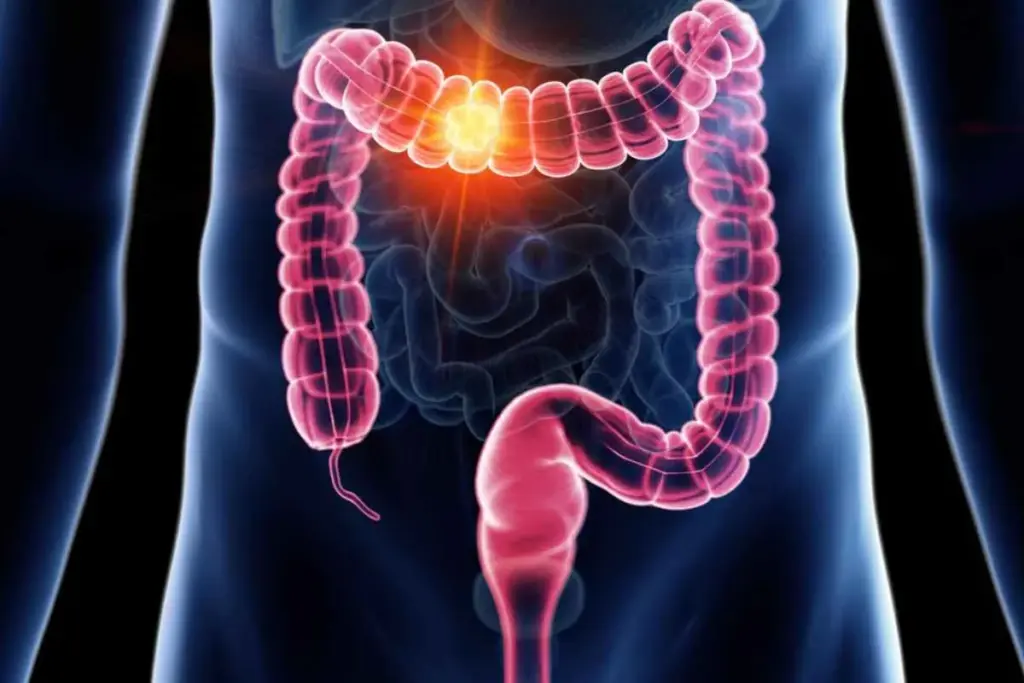
Colorectal cancer, which includes both colon and rectal cancer, is a big health issue worldwide. We aim to give you all the info you need. This will help you understand the risks and why screening is so important.
Globally, about 1.9 million new cases of colorectal cancer are diagnosed annually, resulting in over 900,000 deaths. It’s the third most common cancer globally. Knowing where colon cancer is most common helps us understand the risks and why screening is key.
We’ll dive into the colon and rectum’s anatomy, how colorectal cancer develops, and its global spread. This will help us better understand this serious health issue.
Key Takeaways
- Colorectal cancer is a leading cause of cancer deaths worldwide.
- About 1.9 million new cases are diagnosed annually.
- Understanding the common locations of colon cancer is key for prevention and treatment.
- Screening is vital for early detection and effective management.
- Global epidemiology is important for understanding colorectal cancer.
Anatomy of the Colon and Rectum
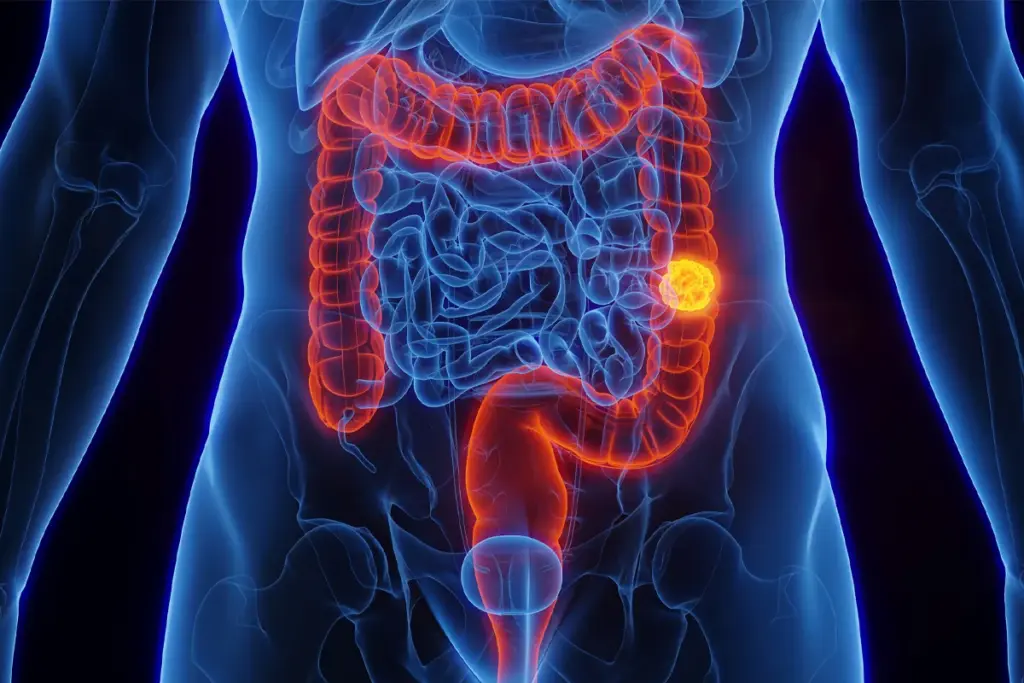
The colon and rectum are key parts of our digestive system. The colon or large bowel helps absorb water and salts. It also stores and eliminates waste.
Structure and Function of the Large Intestine
The large intestine is about 5 feet long. It’s divided into parts with different jobs. Its main task is to absorb water and salts, making waste more concentrated.
The walls of the large intestine have a mucous membrane. This helps move stool smoothly and protects the walls from waste.
Different Segments of the Colon
The colon has several parts:
- The ascending colon is on the right side of the abdomen.
- The transverse colon crosses the abdomen from right to left.
- The descending colon is on the left side of the abdomen.
- The sigmoid colon connects to the rectum.
Each part has a similar structure but may have different roles. Their location and the type of stool they handle can affect their function.
The Rectum and Its Relationship to the Colon
The rectum is the last part of the large intestine. It stores feces before they leave the body. It’s about 12-15 cm long and in the pelvis.
The rectum connects the sigmoid colon to the anus. It’s important for controlling bowel movements. Knowing how the rectum relates to the colon helps diagnose and treat issues.
Colorectal Cancer: Definition and Development
It’s important to know about colorectal cancer (CRC) for early detection and treatment. CRC happens in the colon and rectum, which are parts of the large intestine.
What Defines Colorectal Cancer
Colorectal cancer is when abnormal cells grow out of control in the colon or rectum. This is also known as malignant neoplasm of the colon. It often starts from benign polyps that can turn malignant over time.
The growth of CRC is influenced by genetics and lifestyle. Genetic predisposition, lifestyle, and diet all affect CRC risk.
The Progression from Polyps to Cancer
Most CRC starts as benign polyps in the colon or rectum. Not all polyps turn into cancer, but some types, like adenomatous polyps, can if not removed.
|
Polyp Type |
Cancer Risk |
Characteristics |
|---|---|---|
|
Adenomatous Polyps |
High |
Can progress to cancer over time |
|
Hyperplastic Polyps |
Low |
Generally not considered precancerous |
|
Serrated Polyps |
Variable |
May have a chance for malignancy |
Key Differences Between Colon and Rectal Cancer
Colon and rectal cancers are both CRC, but they differ in characteristics and treatment. Rectal cancer, being closer to the anus, needs more complex treatments.
Symptoms and how doctors diagnose them can also differ. Knowing these differences is key for proper diagnosis and treatment.
Most Common Anatomical Locations of Colorectal Cancer

Knowing where colorectal cancer often happens is key for good screening and treatment. We’ll look at the usual spots in the colon and rectum where cancer is found.
Distribution Patterns Within the Colon
The colon, or large intestine, gets ready waste for the body to get rid of. Cancer can happen in any part of the colon, but some spots are more common. The sigmoid colon, near the rectum, is a top spot for cancer. This is because it deals with a lot of waste and harmful substances.
Where cancer happens in the colon changes based on where you are and who you are. In Western countries, most cancers are on the left side of the colon. This is linked to diet and lifestyle in these areas.
Rectal Cancer Locations and Frequency
Rectal cancer happens in the rectum, the last part of the large intestine before the anus. It’s a common type of colorectal cancer. Knowing where it happens and how often is key for treatment.
Where in the rectum cancer is found affects symptoms and treatment. Cancers in the lower rectum might need different care than those in the upper. New imaging techniques and staging methods help doctors diagnose and plan treatment better.
Changing Patterns in Cancer Location Over Decades
In recent years, where colorectal cancer happens has changed. More cases are in younger people, often on the right side of the colon. This change affects how we screen and diagnose.
Many factors cause these changes, like diet, lifestyle, and environment. Knowing these trends helps us find better ways to prevent and catch cancer early. As we watch these changes, we can make our cancer management better and help patients more.
Global Epidemiology of Colorectal Cancer
Looking at colorectal cancer worldwide, we see a mix of risk factors and differences by region. It’s a big health issue, being the third most common cancer globally.
Colorectal cancer makes up about 10% of all cancers worldwide. The rates of getting and dying from it vary a lot. This is because of different genes, environments, and lifestyles.
Worldwide Incidence and Mortality Statistics
Colorectal cancer is a big problem, with over 1.8 million new cases every year. It’s most common in places like Australia, the U.S., and some parts of Europe. This is because of lifestyle and diet.
Mortality rates from colorectal cancer also vary a lot. Countries with growing economies often have higher rates. This is because they might not have as much access to screening and treatment.
Geographical Variations and Hot Spots
Where you live affects your risk of colorectal cancer. This is because of genes, diet, exercise, and screening. For example, eating a lot of red and processed meat can increase your risk.
Some areas are called “hot spots” because they have very high rates. This includes parts of Eastern Europe and some Asian countries. Changes in lifestyle and diet have led to more cases of colorectal cancer there.
“The global epidemiology of colorectal cancer highlights the need for tailored public health strategies that address regional risk factors and promote early detection through screening programs.”
A Colorectal Cancer Researcher
Relationship Between Economic Development and Cancer Rates
As countries get richer, their colorectal cancer rates often go up. This is because of changes in diet, lifestyle, and living longer.
- More processed and high-calorie foods
- Less exercise
- More obesity
- Better at finding and diagnosing cancer
It’s important to understand these trends. This helps us create better ways to fight colorectal cancer in countries that are changing economically.
Colorectal Cancer in the United States
The United States sees over 150,000 new cases of colorectal cancer each year. This shows how big of a problem it is for public health.
About 1 in 24 people in the U.S. will get colorectal cancer at some point. The risk changes based on who you are and where you live. This means we need to focus our health efforts in different ways.
Current Statistics and Lifetime Risk
It’s key to know the numbers and risks of colorectal cancer. Every year, more than 150,000 new cases are found in the U.S.
Getting colorectal cancer is a 1 in 24 chance for most people. Catching it early through screening can really help patients.
Regional Variations Across States
How often colorectal cancer happens varies a lot from state to state. Some states have more cases than others. This could be because of many things like lifestyle, genes, and healthcare access.
|
State |
Incidence Rate (per 100,000) |
Mortality Rate (per 100,000) |
|---|---|---|
|
Alabama |
45.6 |
17.1 |
|
Alaska |
38.2 |
14.5 |
|
Arizona |
42.1 |
16.3 |
Economic and Healthcare Burden
Colorectal cancer costs a lot in the United States. The money spent on tests, diagnosis, treatment, and care is huge. It also affects how well people can work and live their lives.
To lessen the impact of colorectal cancer, we need to improve screening and early detection. We also need better treatments. Knowing the numbers and how it varies helps us plan better and use our resources wisely.
Demographic Patterns and Risk Distribution
The risk of colorectal cancer changes a lot across different groups. It’s key to understand these patterns to create better screening and prevention plans.
Age-Related Risk Patterns
Colorectal cancer mostly affects older adults, with risk going up after 50. More than 90% of cases are in people aged 50 or older. But, there’s a worrying rise in cases among the young.
Gender Differences in Location and Prevalence
Men face a higher risk of colorectal cancer than women, mainly in the upper colon. Men tend to get it younger than women.
Ethnic and Racial Disparities
There are big differences in colorectal cancer rates and deaths by ethnicity and race. For example, African Americans have the highest rates in the U.S.
“The disparity in colorectal cancer incidence and mortality among African Americans is a significant public health concern, necessitating targeted interventions.”
The Alarming Rise of Colorectal Cancer in Young Adults
More young adults are getting colorectal cancer, and it’s causing big worries in healthcare. This disease is now hitting people under 50 more often. It’s a big change from what we thought before.
Current Trends and Statistics
Recent numbers show a big jump in early-onset colorectal cancer. This is surprising because we thought it mostly hit older people.
Studies show more young adults are getting diagnosed with this disease. This isn’t just happening in the U.S. It’s happening all over the world.
- There’s a big increase in cases among adults under 50.
- The rates are going up faster in younger people.
- More young adults are being diagnosed with advanced disease.
Predominance of Rectal Cancer
Rectal cancer is becoming more common in young patients. It’s a big problem because of where it is and how hard it is to treat.
Key observations include:
- More young adults are getting rectal cancer than older people.
- Rectal cancer in young people is often more aggressive.
- Young patients need special care and a team approach to treatment.
Potential Causes and Risk Factors
We don’t know for sure why more young people are getting colorectal cancer. But there are a few things that might be causing it.
Some of the hypothesized causes include:
- Changes in what we eat and how we live.
- More people are overweight and don’t move much.
- Genetics and family history might play a role too.
Risk Factors Influencing Colorectal Cancer Development
Many factors can affect the risk of getting colorectal cancer. Some can’t be changed, and others can. Knowing these factors helps in preventing and catching cancer early.
Non-Modifiable Risk Factors
Some risks can’t be changed, like age, genes, and family history. The risk goes up a lot after 50.
Genetic conditions like Lynch syndrome and FAP also raise the risk of colorectal cancer.
Lifestyle and Environmental Risk Factors
Lifestyle and environment play big roles in colorectal cancer risk. Dietary habits, exercise, and exposure to harmful substances are key.
Eating a lot of red and processed meats and not enough fiber increases risk. But, eating more fruits, veggies, and whole grains can lower it.
Location-Specific Symptoms of Colorectal Cancer
Knowing the symptoms of colorectal cancer by location can help catch it early. The symptoms change based on where the tumor is in the colon or rectum. It’s important for both patients and doctors to know these differences to spot problems quickly.
Symptoms Associated with Right-Sided Colon Cancer
Right-sided colon cancer, found in the ascending colon, has symptoms that are not always clear. Common signs include:
- Fatigue due to iron deficiency anemia
- Abdominal pain or discomfort
- Weight loss
- A palpable mass in the abdomen
These symptoms are often vague and can be mistaken for other issues. So, it’s key to be careful and think of colorectal cancer.
Presentation of Left-Sided Colon Cancer
Left-sided colon cancer, in the descending colon, shows symptoms that block the flow. Symptoms include:
- Changes in bowel habits, such as constipation or diarrhea
- Bloody stools or visible red blood
- Abdominal cramping or pain
- Narrowing of the stool caliber
These symptoms are more likely to get someone to see a doctor sooner because they affect bowel habits directly.
Distinctive Signs of Rectal Cancer
Rectal cancer, near the anus, has symptoms that are easier to notice. Symptoms include:
- Bright red blood per rectum
- Tenesmus (a feeling of incomplete evacuation)
- Changes in bowel habits, including a feeling of urgency
- Pain or discomfort during defecation
The table below shows the main symptoms for different colorectal cancer locations:
|
Cancer Location |
Common Symptoms |
|---|---|
|
Right-Sided Colon |
Fatigue, abdominal pain, weight loss, palpable mass |
|
Left-Sided Colon |
Changes in bowel habits, bloody stools, abdominal cramping, narrowing of stool |
|
Rectum |
Bright red blood, tenesmus, changes in bowel habits, pain during defecation |
It’s important to know the symptoms of colorectal cancer by location for early detection and treatment. We urge people to be aware of these signs and seek medical help if they notice any.
Screening and Early Detection Strategies
Early detection through screening is key to improving outcomes in colorectal cancer patients. Screening helps find cancer early and prevents it by removing precancerous polyps.
Current Screening Guidelines and Recommendations
Guidelines say adults with average risk should start screening at 45. Those with family history or risk factors may start earlier and screen more often.
We follow guidelines from the American Cancer Society and the U.S. Preventive Services Task Force. They offer evidence-based advice on screening intervals and methods.
Available Screening Methods
There are many screening methods, from non-invasive tests to more invasive procedures.
- Fecal Immunochemical Test (FIT): A simple, at-home test that detects blood in the stool.
- Colonoscopy: A detailed examination of the colon and rectum using a flexible tube with a camera.
- CT Colonography: A radiologic examination that uses CT scans to visualize the colon.
|
Screening Method |
Frequency |
Advantages |
|---|---|---|
|
FIT |
Annually |
Non-invasive, easy to perform at home |
|
Colonoscopy |
Every 10 years (if normal) |
Highly sensitive, allows for polyp removal |
|
CT Colonography |
Every 5 years |
Less invasive than colonoscopy, visualizes the entire colon |
Addressing Screening Barriers and Disparities
Despite effective screening methods, disparities in screening rates exist. These disparities affect certain ethnic and socioeconomic groups.
We understand that tackling these disparities needs a broad approach. This includes education, outreach, and better access to healthcare services.
Diagnosis and Staging Based on Cancer Location
Knowing how to diagnose and stage colorectal cancer is key for good treatment plans. Where the tumor is in the colon or rectum matters a lot. It affects how we diagnose, stage, and treat the cancer.
Diagnostic Procedures and Imaging
To find colorectal cancer, we use several methods. Colonoscopy is our main tool. It lets us see inside the colon and rectum. We can spot tumors and take biopsies.
CT scans, MRI, and PET scans help us see how far the cancer has spread. They check if the cancer has reached lymph nodes or other parts of the body.
The TNM Staging System Explained
The TNM system is used to stage colorectal cancer. It was made by the American Joint Committee on Cancer (AJCC). This system looks at three main things:
- T (Tumor): How big the main tumor is.
- N (Node): If nearby lymph nodes are affected.
- M (Metastasis): If the cancer has spread to other parts of the body.
|
Stage |
T |
N |
M |
|---|---|---|---|
|
I |
T1-T2 |
N0 |
M0 |
|
II |
T3-T4 |
N0 |
M0 |
|
III |
Any T |
N1-N2 |
M0 |
|
IV |
Any T |
Any N |
M1 |
How Tumor Location Affects Prognosis and Treatment Planning
The place of the tumor in the colon or rectum changes how we see the cancer. Tumors in the rectum might need different treatments than those in the colon. This is because the rectum is close to important parts of the body.
We think about where the tumor is when we plan treatment. This helps us choose between surgery, radiation, or chemotherapy. Knowing the tumor’s details helps us make a treatment plan that fits the patient best.
Location-Specific Treatment Approaches
Treatment plans for colorectal cancer depend on where the tumor is and what it’s like. The location of the cancer in the colon or rectum affects the treatment choice.
Surgical Interventions for Different Colon Segments
Surgery is often the main treatment for colorectal cancer. The type of surgery needed depends on where the tumor is. For tumors in the right colon, a right hemicolectomy is usually done. Left-sided tumors might need a left hemicolectomy or sigmoid colectomy.
“The way we treat colon cancer surgery has changed a lot,” says a top colorectal surgeon. “We focus on making patients less sick and keeping their functions better.” New surgical methods, like minimally invasive ones, have made recovery faster and outcomes better.
Specialized Approaches for Rectal Cancer
Rectal cancer needs special treatments because of its location and the challenges of surgery. Total Mesorectal Excision (TME) is now the standard for rectal cancer. It helps control the cancer better and lowers the chance of it coming back. Before surgery, treatments like radiation and chemotherapy are used to make the tumor smaller.
Adjuvant and Neoadjuvant Therapy Considerations
Adjuvant and neoadjuvant therapies depend on the tumor’s location, stage, and other risk factors. For advanced rectal cancer, neoadjuvant chemoradiation is often used to shrink the tumor before surgery. After surgery, adjuvant chemotherapy might be suggested for stage III colon cancer to lower the chance of it coming back.
- Neoadjuvant therapies aim to downstage the tumor before surgery.
- Adjuvant therapies are used to eliminate any remaining cancer cells after surgery.
- The choice of therapy is influenced by the tumor’s location, stage, and molecular characteristics.
Innovative Targeted and Immunotherapy Options
New treatments like targeted therapy and immunotherapy are helping patients with colorectal cancer. Targeted agents, such as bevacizumab and cetuximab, have shown to improve outcomes in patients with metastatic disease. Immunotherapy, including checkpoint inhibitors, is promising for patients with MSI-H tumors.
Targeted therapy targets specific molecules involved in cancer growth. Immunotherapy uses the immune system to fight cancer cells.
As we learn more about colorectal cancer, we’re finding better and more personalized treatments. Combining location-specific treatments with new therapies is very promising for better patient outcomes.
Advanced Care Protocols at Specialized Centers
Specialized centers are leading the way in treating colorectal cancer. They use new methods that greatly improve patient results. This change focuses on care that fits each patient’s needs.
Academic Protocol Implementation
Places like livhospital.com are at the edge of using advanced academic protocols. These methods come from the latest studies and trials. They ensure patients get the best and newest treatments.
Key components of these protocols include:
- Personalized treatment plans tailored to individual patient needs
- Integration of the latest surgical techniques and technologies
- Use of targeted therapies and immunotherapies
- Comprehensive care coordination across multiple disciplines
Multidisciplinary Team Approaches
Advanced care uses a team effort. This team includes surgeons, doctors, and other specialists. They work together to help patients.
The benefits of the MDT approach include:
|
Benefit |
Description |
|---|---|
|
Comprehensive Care |
All aspects of patient care are considered and coordinated |
|
Improved Outcomes |
Better treatment decisions lead to enhanced patient outcomes |
|
Streamlined Communication |
Regular team meetings ensure all providers are informed and aligned |
Continuous Improvement in Colorectal Cancer Care
Specialized centers always look to improve care for colorectal cancer. They stay updated through education and research. This keeps them at the top of treatment advancements.
Strategies for continuous improvement include:
- Regular review of patient outcomes and treatment protocols
- Participation in clinical trials and research studies
- Ongoing education and training for healthcare providers
- Implementation of new technologies and treatment modalities
Ethical and Innovative Treatment Philosophies
Advanced care centers focus on ethical and new treatment ideas. They put patients first, respect their choices, and try new treatments. This approach aims for the best results.
By combining these elements, centers are raising the bar in treating colorectal cancer. They give patients the best chance for successful treatment and a better life.
Prevention Strategies for Reducing Colorectal Cancer Risk
Exploring ways to lower colorectal cancer risk is key. We must look at lifestyle changes and chemoprevention. By using effective strategies, we can cut down on this disease’s occurrence.
Evidence-Based Lifestyle Modifications
Lifestyle greatly affects colorectal cancer risk. Evidence-based lifestyle modifications can lower this risk. These include:
- Dietary Changes: Eating more fiber, fruits, and veggies, and less red and processed meat.
- Physical Activity: Regular exercise helps keep a healthy weight and boosts health.
- Avoiding Harmful Substances: Drinking less alcohol and avoiding tobacco.
Adopting these lifestyle changes can lower colorectal cancer risk. It also improves overall health and well-being.
Chemoprevention Options and Research
Chemoprevention uses medicines or natural compounds to prevent cancer. Research on chemoprevention options for colorectal cancer looks promising. Some studied agents include:
- Aspirin and NSAIDs: Taking aspirin and NSAIDs regularly may lower colorectal cancer risk.
- Calcium and Vitamin D: Some studies show calcium and vitamin D may protect against colorectal cancer.
More research is needed to fully grasp chemoprevention’s role in reducing colorectal cancer risk.
The Critical Role of Regular Screening
Lifestyle changes and chemoprevention are vital, but regular screening is most important. Screening finds precancerous polyps and early cancer, when treatable.
Following screening guidelines is key for early detection and prevention. There are many screening methods, like colonoscopy and fecal occult blood tests, each with its own benefits.
Combining lifestyle changes, chemoprevention, and regular screening can effectively lower colorectal cancer risk and incidence.
Conclusion
Colorectal cancer is a big health issue that needs full care and support. Knowing where colon cancer often happens is key. It helps us understand the risks and why screening is so important. At livhospital.com, we aim to give top-notch healthcare. We focus on helping international patients, including those with colorectal cancer. We work hard to prevent, detect early, and treat this disease effectively. We are committed to colorectal cancer care. We offer special treatments, advanced screenings, and new therapies. Our goal is to improve our patients’ lives. We provide personalized care and support every step of the way.
FAQs
What is colorectal cancer?
Colorectal cancer is a type of cancer that affects the colon or rectum. It happens when abnormal cells grow out of control. These cells often start as benign polyps and grow into cancer over years.
Where is the colon located?
The colon, or large intestine, is part of our digestive system. It has segments like the ascending, transverse, descending, and sigmoid colon. It connects to the rectum, which is the last part before the anus.
What are the most common locations for colorectal cancer?
Colorectal cancer is most often found in the sigmoid colon and rectum. These areas are more likely to get cancer due to various reasons.
How does colorectal cancer develop?
Colorectal cancer usually starts from benign polyps. Over time, these polyps can turn malignant because of genetic mutations and other risk factors.
What are the risk factors for colorectal cancer?
Risk factors include genetics and lifestyle choices. Knowing these can help prevent and detect cancer early.
What are the symptoms of colorectal cancer?
Symptoms vary based on where the cancer is. Right-sided colon cancer and rectal cancer have different signs. It’s important to recognize these symptoms early.
How is colorectal cancer diagnosed and staged?
Diagnosis uses various procedures and imaging. The TNM staging system helps determine the cancer’s stage. This is key for planning treatment.
What are the treatment options for colorectal cancer?
Treatment depends on the cancer’s location and stage. It includes surgery, therapies, and new treatments like targeted and immunotherapy. Each case is considered individually.
How can colorectal cancer be prevented?
Prevention includes lifestyle changes and regular screening. These steps can lower the risk of getting colorectal cancer.
What is the importance of screening for colorectal cancer?
Screening is key for catching cancer early and reducing deaths. Guidelines suggest different screening methods. Overcoming barriers to screening is important for public health.
Are there any disparities in colorectal cancer incidence and mortality?
Yes, there are big disparities in cancer rates and deaths. These differences vary by location, ethnicity, and race. Understanding these can help improve healthcare and prevention.
What is the role of specialized centers in colorectal cancer care?
Specialized centers like livhospital.com lead in colorectal cancer care. They use advanced protocols and a team approach to better patient outcomes.
Reference:
Colorectal Cancer: Epidemiology, Risk Factors, and Prevention https://pmc.ncbi.nlm.nih.gov/articles/PMC11049480/