Brain cancer is a tough disease, with glioblastoma being the most aggressive type. It’s important to know the latest in brain cancer treatment to manage it well.
Managing brain tumors often means using a few methods together. This can include surgery, radiation, and chemotherapy. At Liv Hospital, we focus on the patient, using the latest treatments to help them get better.
This guide will show you how to tackle cancer treatment for brain cancer step by step. You’ll learn about your options and the new ways doctors are treating this disease.
Key Takeaways
- Understanding the complexity of brain cancer is essential for effective treatment.
- Standard treatment involves surgery, radiation, and chemotherapy.
- Innovative approaches like targeted therapies and immunotherapy are changing the landscape.
- A patient-centered approach improves treatment outcomes.
- Liv Hospital provides complete care and advanced therapies for brain cancer.
Understanding Brain Cancer: Types and Diagnosis
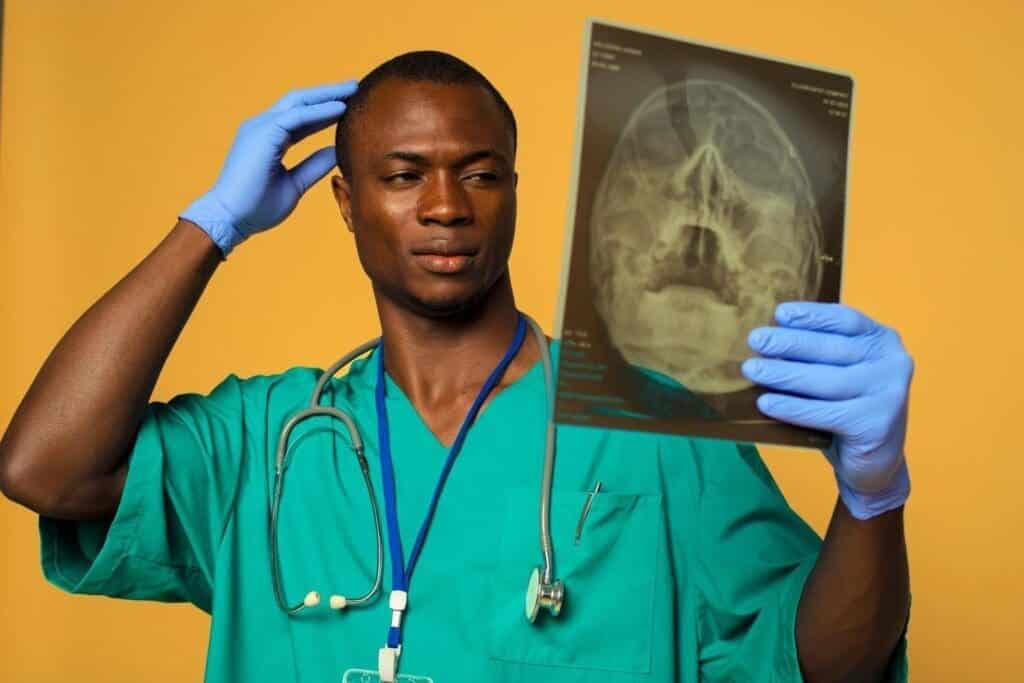
Learning about brain cancer starts with knowing its different types and how doctors find them. Brain tumors can be either benign or malignant. Their effect on the brain and health depends on their type and where they are.
Common Types of Brain Tumors
Brain tumors are divided into primary and secondary types. Primary tumors start in the brain, while secondary ones come from cancer spreading to the brain. Glioblastoma is a very aggressive primary tumor that needs quick and strong treatment.
Other common types include:
- Meningioma
- Pituitary adenoma
- Medulloblastoma
- Ependymoma
Diagnostic Procedures and Tests
To diagnose brain cancer, doctors use imaging tests and sometimes a biopsy. Magnetic Resonance Imaging (MRI) and Computed Tomography (CT) scans help see the tumor’s size and where it is in the brain.
- Neurological exams to check brain and body functions
- Lumbar puncture (spinal tap) to find cancer cells in the cerebrospinal fluid
- Molecular and genetic testing to learn about the tumor’s characteristics
Grading and Staging of Brain Cancer
After finding a brain tumor, doctors grade and stage it to see how aggressive and big it is. The World Health Organization (WHO) grading system is used. It ranges from Grade I (benign) to Grade IV (very malignant).
| WHO Grade | Description | Typical Treatment Approach |
| I | Benign, slow-growing | Surgery, observation |
| II | Low-grade, potentially malignant | Surgery, radiation therapy |
| III | Malignant, anaplastic | Surgery, radiation, chemotherapy |
| IV | Highly malignant, glioblastoma | Multimodal treatment including surgery, radiation, and chemotherapy |
Knowing the type, grade, and stage of brain cancer is key to making a treatment plan that fits the patient’s needs.
The Conventional Approach: How to Get Rid of Brain Cancer

Treating brain cancer usually starts with a standard plan. This plan includes surgery, radiation, and chemotherapy. Each part is chosen based on the patient’s needs.
Initial Assessment and Treatment Planning
The first step is an initial assessment. A team of experts checks the patient’s health and the tumor’s details. This helps decide the best treatment.
Tests like MRI and CT scans are used. They show the tumor’s size, where it is, and how serious it is. This info is key for planning the treatment.
The Multidisciplinary Treatment Team
A multidisciplinary treatment team is central to brain cancer treatment. It includes neurosurgeons, oncologists, and more. They work together to create a treatment plan just for the patient.
Experts say this team approach is better. It considers all parts of the patient’s condition. This leads to more effective treatments.
Setting Realistic Treatment Goals
Setting realistic treatment goals is important. Goals depend on the cancer type, stage, and the patient’s health. They also consider what the patient wants.
Goals might be to remove the tumor or ease symptoms. Clear goals help the team work towards the best outcome for the patient.
In summary, treating brain cancer involves a detailed plan. This plan is made by a team of experts. Understanding the process helps patients on their treatment journey.
Surgical Interventions for Brain Tumors
Choosing surgery for a brain tumor depends on several factors. These include the tumor’s type, size, and location. Also, the patient’s overall health is important.
Determining Surgical Candidacy
Not every brain tumor can be removed by surgery. We decide if surgery is right by looking at the tumor and the patient’s health history. MRI and CT scans help us make this decision.
Key factors influencing surgical candidacy include:
- Tumor type and grade
- Tumor location and its proximity to critical brain structures
- Patient’s overall health and the risks of surgery
Types of Brain Tumor Surgery
There are different ways to surgically treat brain tumors. Each method has its own benefits and when it’s best to use it.
| Surgical Technique | Description | Indications |
| Craniotomy | A traditional open surgery where a section of the skull is temporarily removed | Large tumors or those in complex locations |
| Stereotactic Surgery | A minimally invasive technique using precise coordinates to locate the tumor | Small, well-defined tumors |
| Laser Interstitial Thermal Therapy (LITT) | A procedure using laser heat to destroy tumor cells | Tumors that are difficult to access or in sensitive areas |
Recovery and Post-Surgical Care
Recovery from brain tumor surgery can vary. It depends on the surgery’s complexity and the patient’s health. We focus on detailed post-surgical care to handle any complications and support recovery.
Post-surgical care may include:
- Monitoring for neurological deficits
- Managing pain and discomfort
- Rehabilitation therapy to regain lost functions
Understanding the surgical options and what to expect during recovery helps patients make informed decisions about their treatment.
Radiation Therapy Protocols and Advancements
Radiation therapy has become a key part of treating brain cancer. It has improved a lot, making treatments better and life quality higher. This treatment can be used alone or with surgery and chemotherapy.
External Beam Radiation
External Beam Radiation Therapy (EBRT) is a common way to treat brain cancer. It sends high-energy beams from outside the body to the tumor. EBRT can be adjusted to fit the patient’s needs, protecting healthy tissues.
We use advanced tech like intensity-modulated radiation therapy (IMRT) and image-guided radiation therapy (IGRT). These help us target the tumor accurately. They adjust the beams in real-time for precise treatment.
Stereotactic Radiosurgery
Stereotactic Radiosurgery (SRS) is a precise radiation therapy. It gives a high dose of radiation to a specific area. It’s not surgery but a non-invasive treatment that can be done in a few sessions. It works well for small, well-defined tumors.
Recent studies show SRS can control tumor growth and improve outcomes. For more on this, check out this article on radiation therapy advancements.
Managing Radiation Side Effects
Radiation therapy can cause side effects like fatigue, hair loss, and swelling. We help patients manage these side effects. This includes using medications, rehabilitation, and nutritional counseling.
- Medications to reduce swelling and inflammation
- Rehabilitation therapies to address cognitive and physical changes
- Nutritional counseling to maintain strength and overall health
By knowing about side effects and using proactive strategies, we can lessen their impact. This improves the patient’s quality of life during and after treatment.
Chemotherapy and Drug Treatments
Chemotherapy is key in fighting brain cancer, often paired with other treatments. We’ll look at how it tackles brain cancer. This includes the types of drugs used, how they’re given, and how we track how well they work.
Standard Chemotherapy Agents
Chemotherapy for brain cancer uses drugs that target fast-growing cancer cells. Temozolomide is a common drug for some brain tumors. Other drugs, like nitrosoureas, can get past the blood-brain barrier.
Administration Methods and Schedules
How chemotherapy is given can change based on the cancer type and drugs. It can be taken by mouth, through an IV, or directly into the brain fluid. The treatment plan is made just for the patient, with the schedule adjusted as needed.
Monitoring Treatment Response
It’s important to see how well the treatment is working. We use MRI scans, brain checks, and sometimes more tests to monitor this. These steps help us fine-tune the treatment for the best results.
Understanding chemotherapy’s role in treating brain cancer helps us see the complexity of managing it. It’s a vital part of treatment, bringing hope and better chances of recovery to many.
How to Shrink Brain Tumors: Targeted Therapies
Targeted therapies have changed how we treat brain tumors. They offer hope to patients and doctors. These treatments focus on specific parts of cancer cells, unlike old chemotherapy.
We’re seeing big changes in treating brain cancer with these new therapies. By knowing the genetic makeup of tumors, we can make treatments that really work.
Molecular Targeted Treatments
Molecular targeted treatments aim at specific molecules in brain tumors. They can:
- Stop signals that make tumors grow
- Stop new blood vessels from forming
- Make cancer cells die
Drugs like tyrosine kinase inhibitors and BRAF inhibitors are showing great results. They help patients with certain brain tumors.
Anti-Angiogenic Therapies
Anti-angiogenic therapies stop new blood vessels from forming. This is key for tumors to grow. By stopping this, these therapies can shrink tumors.
Bevacizumab is a therapy that works this way. It blocks vascular endothelial growth factor (VEGF), a protein that helps blood vessels grow.
Personalized Medicine Approaches
Personalized medicine tailors treatments to each patient’s tumor. This includes genetic tests to find specific markers. These markers guide treatment choices.
This approach makes treatments better and safer. It also helps us find ways to beat resistance to treatments.
In summary, targeted therapies are a big step forward in treating brain tumors. By understanding cancer’s molecular details, we can create treatments that really help patients.
Brain Tumor Treatment Without Surgery
New medical technologies have made non-surgical treatments for brain tumors possible. These options are vital for those who can’t have surgery because of where the tumor is or their health.
Non-Invasive Treatment Options
Non-invasive treatments for brain tumors have gotten better. Stereotactic radiosurgery is one, delivering precise radiation to the tumor without harming the brain too much.
Chemotherapy is another option. It uses drugs to kill cancer cells. These drugs can be taken by mouth or given through an IV, based on the tumor and the patient’s health.
“The development of non-invasive treatments has revolutionized the management of brain tumors, giving new hope to those who were once thought to be inoperable.”
Inhaled Therapies and Molecular Agents
Inhaled therapies are a new way to treat brain tumors. They send treatments directly to the lungs, aiming to hit brain tumor cells more effectively.
Molecular agents, like bevacizumab, are also promising. They target specific molecules that help tumors grow and spread.
| Treatment Type | Description | Benefits |
| Stereotactic Radiosurgery | Precise radiation delivery | Minimally invasive, preserves surrounding tissue |
| Chemotherapy | Systemic drug treatment | Can target widespread disease |
| Inhaled Therapies | Direct delivery to lungs | Potential for targeted therapy |
When Surgery Is Not an Option
Surgery might not be the best choice for some brain tumor patients. This could be because the tumor is in a key area of the brain or the patient has other serious health issues.
In these cases, non-surgical treatments are the main option. It’s key for patients to talk to a team of healthcare experts to find the best treatment plan.
We know each patient’s situation is different. We tailor treatment plans to meet their needs. By using the latest non-surgical treatments, we aim to give effective care to brain tumor patients.
Advanced Brain Cancer Treatment Innovations
The field of brain cancer treatment is changing fast. New therapies like immunotherapy and fusion superkines are leading the way. These changes aim to make treatments more targeted and effective.
Immunotherapy and Cancer Vaccines
Immunotherapy is a new hope for brain cancer treatment. It uses the body’s immune system to fight cancer cells. Cancer vaccines, a part of immunotherapy, help the immune system find and destroy cancer cells.
“The use of immunotherapy in brain cancer treatment represents a paradigm shift in our approach to managing this complex disease.”
Scientists are looking into different types of immunotherapy. These include checkpoint inhibitors and adoptive T-cell therapy. Early trials show promise, giving hope to brain cancer patients.
Fusion Superkines and Novel Biologics
Fusion superkines are a new kind of biologic that might help treat brain cancer. They are made to be more powerful and precise, aiming to reduce side effects. Studies suggest they can target and kill cancer cells without harming healthy tissue.
The field of fusion superkines and other new biologics is growing fast. We’re working to see how these can fit into current treatments to help patients more.
Focused Ultrasound for Drug Delivery
Focused ultrasound is a new tech being tested to improve drug delivery to brain tumors. It temporarily opens the blood-brain barrier, letting drugs reach the tumor better. This could lead to better treatment results by focusing the drug’s effect on the tumor.
As research keeps moving forward, we expect to see even more new treatments for brain cancer. Combining focused ultrasound with new drugs could greatly improve patient care.
Clinical Trials and Research Participation
Clinical trials are key in finding new treatments for brain cancer. They test new medicines, surgeries, and other treatments on people. This helps us learn how safe and effective they are.
Trials let patients try new treatments that might not be available yet. They also help us understand how well these treatments work and their side effects. This knowledge helps us improve brain cancer research.
Finding Appropriate Clinical Trials
Finding the right clinical trial can be hard. Start by looking online at the National Cancer Institute’s database or ClinicalTrials.gov. These sites let you search for trials based on your condition, treatment history, and where you live.
Talking to your doctor is also a good idea. They can help find trials that might be right for you. They can also guide you through the process of joining a trial.
Emerging Experimental Treatments
Right now, trials are looking at many new treatments for brain cancer. These include immunotherapies, targeted therapies, and new chemotherapy drugs. These treatments aim to stop tumors by targeting specific parts of cancer cells.
Some exciting areas include CAR-T cell therapy and oncolytic viruses. CAR-T cell therapy uses your own T cells to fight cancer. Oncolytic viruses kill tumor cells but not healthy ones.
Weighing Risks and Benefits of Experimental Treatment
Thinking about joining a trial means weighing the risks and benefits. Talk to your doctor to understand what might happen. This helps you make a choice that’s right for you.
Trials offer new treatments, but they’re not without risks. The safety and effectiveness of these treatments are being tested. Yet, for many, the chance to try something new is worth it, even if standard treatments have failed.
Managing Side Effects and Improving Quality of Life
Managing side effects and improving quality of life are key parts of brain cancer care. As treatments get better, it’s vital to tackle the challenges patients face. This includes during and after therapy.
Neurological Symptom Management
Neurological symptoms can really affect a patient’s life. Effective management is key. This might include medicines, physical therapy, and more.
For example, seizures are common in brain cancer patients. We create a plan for each patient to manage their symptoms. This helps them stay independent and functional.
Cognitive Rehabilitation
Cognitive rehabilitation is also very important. Brain cancer and its treatment can harm memory, attention, and processing speed. A good program can help patients regain these skills.
- Cognitive training exercises tailored to the patient’s needs
- Strategies to improve memory and concentration
- Assistive technology to support daily activities
This way, patients can live their daily lives better. They can keep their cognitive abilities as much as possible.
Nutritional Support During Treatment
Nutritional support is essential for brain cancer patients. Good nutrition helps them handle side effects, stay strong, and recover faster. Our team helps with nutritional planning, considering each patient’s needs and any dietary limits.
Nutritional counseling helps with side effects like nausea and taste changes. We also suggest supplements when needed to ensure patients get all nutrients.
By focusing on neurological symptoms, cognitive rehabilitation, and nutrition, we offer complete care. This approach is key to improving life quality and outcomes for brain cancer patients.
Conclusion: The Future of Brain Cancer Treatment
The treatment of brain cancer is complex, using many medical fields and new technologies. The future looks bright, with ongoing research and new treatments giving hope to patients and their families.
Research is making us understand brain cancer better, leading to new treatments and better care. We’re seeing big steps forward in targeted therapies, immunotherapy, and personalized medicine. These advancements are improving life for those with brain cancer.
It’s important to keep funding brain cancer research to keep making progress. As we go on, we’ll see even better treatments. This will change how we care for people with brain cancer. By keeping up with these advances, we can offer the best care possible.
FAQ
What are the latest advancements in brain cancer treatment?
New treatments for brain cancer are emerging. These include targeted therapies, immunotherapy, and biologics. They aim to reduce tumors and improve patient care.
How is brain cancer diagnosed?
Doctors use MRI or CT scans and biopsies to diagnose brain cancer. Knowing the cancer type and stage helps plan treatment.
What are the conventional treatment approaches for brain cancer?
Treatments for brain cancer include surgery, radiation, and chemotherapy. A team of doctors works together to create a treatment plan for each patient.
Can brain tumors be treated without surgery?
Yes, non-invasive treatments like radiation and chemotherapy are available. In some cases, inhaled therapies and molecular agents are used too.
How can I find clinical trials for brain cancer treatment?
Look for clinical trials on ClinicalTrials.gov or talk to your doctor. It’s important to understand the risks and benefits of new treatments.
What are the side effects of brain cancer treatment, and how can they be managed?
Side effects include neurological symptoms and fatigue. Managing these involves symptom care, cognitive rehab, and nutrition.
How can I improve my quality of life during brain cancer treatment?
To improve your life, manage side effects, eat well, and stay connected with loved ones.
What is the role of chemotherapy in treating brain cancer?
Chemotherapy kills cancer cells. Doctors monitor how well it works with scans and check-ups.
What are targeted therapies, and how are they used to treat brain cancer?
Targeted therapies use treatments that target specific cancer cells. They are often used with other treatments like chemotherapy or radiation.
Can brain cancer be cured?
Brain cancer’s cure rate varies by type and stage. While some can be cured, others need ongoing treatment. New treatments are improving outcomes.
How to shrink brain tumors?
Shrinking tumors often requires a mix of treatments. The best plan depends on the patient and the tumor’s specifics.
What is advanced brain cancer treatment?
Advanced treatments include new therapies like immunotherapy and biologics. They aim to tackle complex brain cancers.
How is brain cancer treated without surgery?
Without surgery, treatments include radiation, chemotherapy, and other non-invasive methods. These can be used alone or together.
References:
• Wertheim UF Scripps Institute. (2025). Scientists wipe out aggressive brain cancer tumors by targeting cellular motors. https://wertheim.scripps.ufl.edu/2025/07/01/scientists-wipe-out-aggressive-brain-cancer-tumors-by-targeting-cellular-motors/
• Cancer Network. (2025). Newer, alternative treatment methods may improve brain tumor care. https://www.cancernetwork.com/view/newer-alternative-treatment-methods-may-improve-brain-tumor-care
• Keck Medicine of USC. (2025). Could electric fields supercharge immune attack on the deadliest form of brain cancer? https://news.keckmedicine.org/could-electric-fields-supercharge-immune-attack-on-the-deadliest-form-of-brain-cancer/