Hair loss is a worry. We clarify which are the most common immunotherapy side effects and address whether hair thinning or loss is a typical one.
Many people worry about losing their hair during cancer treatments. But, immunotherapy rarely causes hair loss. New studies are looking into how it might even help hair grow back in some cases. This gives patients new hope and care options.
We will talk about how immunotherapy and hair loss are connected. We’ll look at the risks and compare it to other treatments like chemotherapy. Hair loss is not common with cancer immunotherapy treatments like checkpoint inhibitors.

Tecentriq (atezolizumab), a type of immunotherapy, might cause hair loss in a few people. But, this happens in a small number of cases. Knowing how different immunotherapies affect hair can help both patients and doctors make better choices.
Key Takeaways
- Hair loss is not a common side effect of most immunotherapy treatments.
- Tecentriq (atezolizumab) has been linked to hair loss in a small number of cases.
- The risk factors for hair loss vary depending on the type of immunotherapy used.
- Hair usually regrows after immunotherapy treatment is completed.
- The timing of hair regrowth can vary among individuals.
Understanding Immunotherapy and Its Mechanisms
Immunotherapy is a new way to fight cancer. It uses the body’s immune system to find and kill cancer cells. This method has changed how we treat cancer, giving hope to many patients.
It works by making the immune system stronger. Instead of directly attacking cancer, it helps the body’s defenses. This is different from old treatments that focus on killing cancer cells directly.
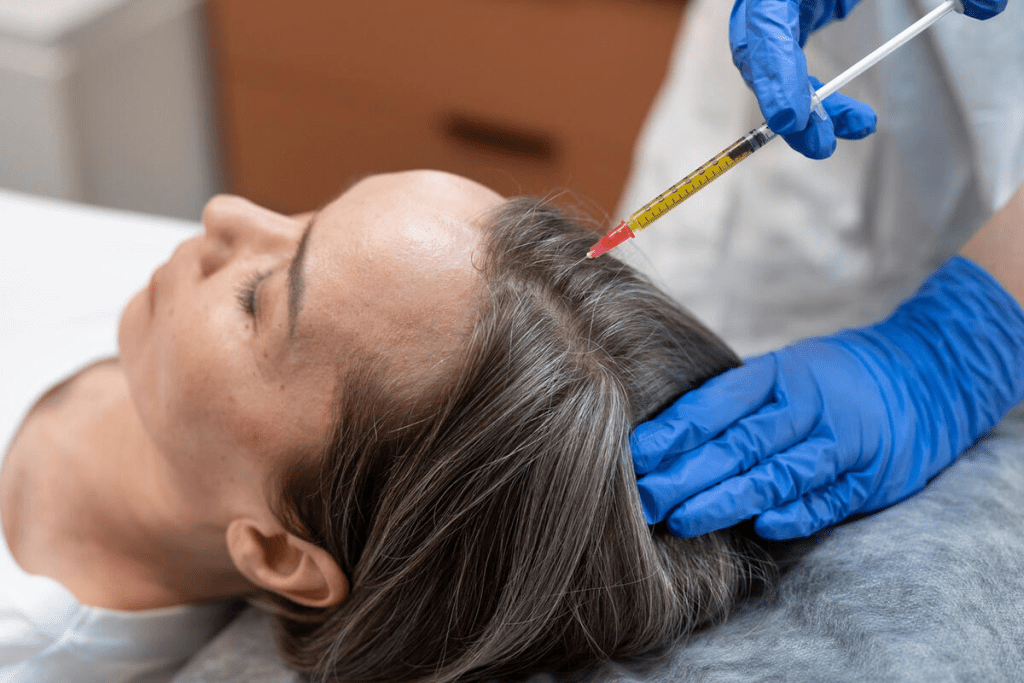
How Immunotherapy Works in Cancer Treatment
Immunotherapy uses the immune system to fight cancer. It does this in several ways:
- It makes the immune system create more cells to fight cancer.
- It uses checkpoint inhibitors to let the immune system attack cancer cells better.
- It uses monoclonal antibodies to mark cancer cells for the immune system to destroy.
This approach helps target cancer cells without harming healthy ones. This is a big advantage over other treatments.
Different Types of Immunotherapy Treatments
There are many types of immunotherapy, each working in its own way:
- Checkpoint Inhibitors: These drugs help the immune system fight cancer better. Examples are pembrolizumab and nivolumab.
- Cancer Vaccines: These vaccines help the immune system recognize and attack cancer cells. For example, the HPV vaccine can prevent some cancers.
- Monoclonal Antibodies: These are special antibodies made in the lab. They target specific proteins on cancer cells, helping the immune system destroy them.
- Adoptive T-cell Therapy: This involves taking T cells from the body, changing them to fight cancer, and then putting them back.
Knowing about these types of immunotherapy helps patients understand how they work. It also helps them know what side effects they might face.
Immunotherapy vs. Chemotherapy: Effects on Hair
Understanding the side effects of cancer treatments is key for patients. The effects on hair differ a lot between chemotherapy and immunotherapy.
Chemotherapy targets fast-growing cells, including cancer and hair follicles. Hair follicles grow quickly, making them a target for chemotherapy.
Why Chemotherapy Commonly Causes Hair Loss
Chemotherapy kills fast-growing cells, which includes hair follicles. This damage causes hair to fall out. It’s a distressing side effect for many patients.
The amount of hair loss varies. It depends on the chemotherapy type, dose, and the patient’s health. Some treatments cause more hair loss than others.
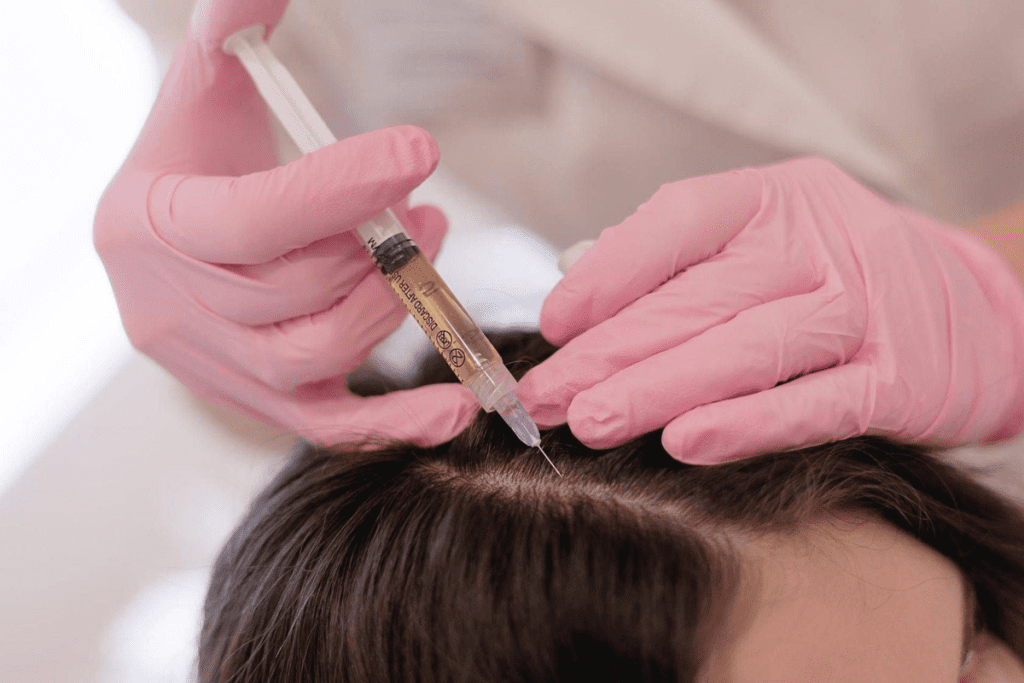
How Immunotherapy Differs in Its Impact on Hair Follicles
Immunotherapy boosts the immune system to fight cancer. It tends to cause less hair loss than chemotherapy.
Immunotherapy focuses on the immune system’s cancer fight, not directly harming hair follicles. So, many patients don’t lose much hair.
But, some patients might experience hair changes or loss. This is less common with immunotherapy.
The Risk of Hair Loss with Immunotherapy Treatments
Many patients worry about hair loss when they start immunotherapy for cancer. This treatment is new and can affect hair differently for everyone.
Studies show that hair loss from immunotherapy is rare. Most patients don’t lose a lot of hair. This is good news for those thinking about or already on immunotherapy.
Factors That May Influence Hair Loss Risk
Several things can change how likely hair loss is with immunotherapy. These include:
- The type of immunotherapy used: Different treatments have different side effects.
- The specific cancer being treated: Some cancers need stronger treatments, which might lead to more hair loss.
- Patient’s overall health and medical history: Past health issues or treatments can affect how well a patient does with immunotherapy.
- Combination therapies: Using immunotherapy with other treatments like chemotherapy might raise the risk of hair loss.
Knowing these factors helps patients understand what to expect. It also helps them make better choices about their treatment.
It’s key for patients to talk to their doctors about their risk factors. This way, they can get a clear idea of what to expect. They can also learn how to handle any hair changes during treatment.
Even though hair loss is rare with immunotherapy, it’s good to know what might affect your risk. This helps patients get ready and deal with any hair changes.
Common Immunotherapy Side Effects and Their Management
Immunotherapy is a promising treatment for many cancers. But, it can cause side effects. These side effects happen because the treatment boosts the immune system to fight cancer.
Most Frequently Reported Side Effects
Fatigue is a common side effect of immunotherapy. It can be mild or severe and affect daily life. Other common side effects include skin issues like rashes and itching, and stomach problems like diarrhea or nausea.
Some patients may face serious side effects. These include lung inflammation, liver issues, or hormonal problems. These are less common but can be very serious and need quick medical help.
Severity and Duration of Side Effects
Side effects from immunotherapy can vary a lot. Some people may have mild side effects that go away on their own. Others may have severe reactions that need medical help.
Most side effects can be managed with the right care. For example, mild fatigue can be helped with rest and lifestyle changes. Severe side effects might need treatments like corticosteroids to reduce inflammation and ease symptoms.
Comparing Hair Loss to Other Side Effects
Hair loss is not as common with immunotherapy as it is with chemotherapy. But, some patients may experience hair changes or loss. Hair loss can be upsetting, but many other side effects can have a bigger impact on health and quality of life.
Side effects like lung inflammation or severe colitis can be very dangerous and need quick treatment. So, while hair loss is a concern, it’s often seen as part of a bigger picture of possible side effects.
It’s important for patients to know about the possible side effects and how to manage them. By understanding what to expect, patients can better handle their treatment and make informed choices about their care.
Immunotherapy Side Effects by Cancer Type
Immunotherapy side effects can change a lot based on the cancer type. We’ll look at how different cancers and their treatments affect side effects.
Melanoma Immunotherapy and Hair Concerns
Melanoma immunotherapy, like anti-CTLA4 and anti-PD1 drugs, works well. But, it can cause skin problems. Hair loss isn’t common, but hair health might change.
Key considerations for melanoma patients: It’s important to watch skin and hair. Some treatments can lead to vitiligo or other skin issues.
Lung Cancer Immunotherapy Side Effects
Lung cancer immunotherapy is a key treatment, helping many patients live longer. Drugs like nivolumab and pembrolizumab are used. These treatments are often better than old chemotherapy but can have big side effects.
Common side effects include: feeling very tired, rash, and lung problems. Hair loss is rare but can happen.
Other Cancer Types and Their Specific Considerations
Immunotherapy is used for cancers like kidney, bladder, and head and neck. Each has its own side effects. How often and how bad these side effects are depends on the drug and cancer.
- Anti-CTLA4 drugs often cause more problems than anti-PD1 and anti-PDL1 drugs.
- It’s key to know the specific treatment and its side effects to care for patients well.
Healthcare providers can give better support by knowing the unique challenges of each cancer and treatment. This helps patients get the best care during immunotherapy.
Immunotherapy as a Treatment for Hair Loss Disorders
Recent studies show immunotherapy works well for alopecia areata. This condition causes a lot of hair loss because of the immune system.
Immunotherapy uses the body’s immune system to fight diseases. It can help with hair loss by stopping the immune system from attacking hair follicles. This can lead to hair growing back.
Alopecia Areata and Immunotherapy Interventions
Alopecia areata is an autoimmune condition that causes patchy hair loss. It can even lead to total baldness. Traditional treatments like corticosteroids and minoxidil may not work well for everyone.
Immunotherapy is a new way to treat alopecia areata. It targets the immune system’s role in the condition. Diphencyprone (DPCP) and squaric acid dibutylester (SADBE) are two treatments. They cause an allergic reaction on the scalp, which can help hair grow back.
Success Rates of Immunotherapy for Hair Regrowth
Studies show different success rates for immunotherapy in treating alopecia areata. The hair regrowth rates are between 56% and 75%. This depends on how severe the condition is and the type of immunotherapy used.
| Treatment | Success Rate | Condition Severity |
| DPCP | 60% | Mild |
| SADBE | 75% | Moderate |
| Combination Therapy | 56% | Severe |
Immunotherapy is a promising treatment for alopecia areata. It can help hair grow back. More research is needed to make treatments even better.
In conclusion, immunotherapy is a good option for treating hair loss disorders like alopecia areata. It works by changing how the immune system acts. This makes it a good choice for people looking for new treatments.
Research Findings on Hair and Immunotherapy
Recent studies have uncovered a complex link between immunotherapy and hair loss. Researchers are diving into how immunotherapy affects hair. They found that the treatment’s impact on hair is complex.
It’s now clear that genes linked to autoimmune hair loss also boost cancer immunotherapy’s power. This shows how the immune system and hair growth are closely tied.
Recent Studies on Hair-Related Outcomes
Studies have looked into how immunotherapy affects hair in patients. For example, some immunotherapy drugs might cause less hair loss than traditional chemotherapy.
A study in a top medical journal found that hair loss in immunotherapy patients was much lower. This is good news for those thinking about immunotherapy.
Researchers also found a link between genes for autoimmune hair loss and better cancer treatment with immunotherapy. This area is getting a lot of research attention.
As we learn more about immunotherapy and hair, understanding the science is key. By looking at new research, we can grasp how immunotherapy affects hair. This helps us find ways to lessen any bad effects.
Managing Hair Changes During Immunotherapy
Managing hair changes during immunotherapy needs a full plan. This includes knowing how treatment affects hair, taking steps to prevent issues, and knowing when to get medical help.
Preventative Measures and Monitoring
To lessen hair changes during immunotherapy, patients can take steps. Eating a healthy diet full of vitamins and minerals is key. Foods like biotin, vitamin E, and omega-3 fatty acids help hair health.
Also, gentle hair care is important. Use mild shampoos, avoid too much heat styling, and cut down on chemical treatments.
Watching hair health during treatment is vital. Notice any thinning, brittleness, or texture changes. Tell your healthcare provider about these. Regular visits can catch hair problems early.
Treatment Options for Any Hair Issues
If hair changes happen during immunotherapy, there are ways to fix them. For light hair loss, topical treatments or supplements might help. For serious cases, doctors might suggest other treatments.
- Minoxidil: A scalp solution to help hair grow.
- Low-Level Laser Therapy (LLLT): A treatment that uses light to help hair grow.
- Dietary Supplements: Supplements with biotin, vitamin B, and more to support hair.
When to Consult Your Healthcare Provider
If you see big hair changes during immunotherapy, talk to your doctor. This includes a lot of hair loss, sudden texture changes, or any worries. Doctors can help manage these issues and suggest treatments.
Being proactive and informed helps manage hair changes during immunotherapy. This ensures your overall health during treatment.
Patient Experiences and Long-Term Outcomes
Patients going through immunotherapy share important insights on hair changes. Immunotherapy uses the immune system to fight cancer. But, it can also affect hair health.
Documented Cases of Hair Changes During Treatment
Studies and patient stories show hair changes during immunotherapy. Some lose hair, while others see changes in texture or growth. For example, a study found melanoma patients often experienced hair loss.
“The hair loss was quite distressing for me,” said one patient. “It affected my self-esteem.” These stories highlight the need to consider hair health in treatment plans.
Long-term Hair Health After Immunotherapy
Most patients see their hair grow back after treatment. Long-term, hair health usually improves. Many return to their pre-treatment hair status.
“After immunotherapy, my hair grew back,” another patient said. “It showed my body was recovering.”
Quality of Life Considerations
Quality of life is key during and after immunotherapy. Hair changes can impact self-image and well-being. Healthcare providers should talk about hair side effects and offer support.
- Talking about hair changes before treatment helps manage expectations.
- Scalp cooling can help some patients.
- Monitoring hair health during treatment is important.
Understanding patient experiences and long-term hair outcomes helps us support immunotherapy patients. We aim to provide care that covers physical, emotional, and psychological health.
Conclusion: The Reality of Hair Loss Risk with Immunotherapy
The link between immunotherapy and hair loss is complex. Our study found that the risk of losing a lot of hair is low. Most people don’t see a big change in their hair.
In conclusion, immunotherapy is not usually linked to severe hair loss. This is different from some other cancer treatments. While some patients might notice hair changes, these are usually not as bad as those from chemotherapy.
Patients need to understand the risks and benefits of immunotherapy. Knowing this helps them make better choices about their treatment. We’ve learned that the type of immunotherapy and the patient’s health can affect hair side effects.
Our talk about immunotherapy side effects shows the need for care tailored to each person. This way, doctors can help patients and deal with hair health concerns.
FAQ
Does immunotherapy cause hair loss?
Immunotherapy is not usually linked to hair loss, unlike chemotherapy. But, some people might see their hair thin or change.
How does immunotherapy differ from chemotherapy in terms of hair loss?
Chemotherapy can make hair fall out because it affects fast-growing cells, like hair follicles. Immunotherapy, which boosts the immune system to fight cancer, has a different effect on hair.
What are the common side effects of immunotherapy?
Side effects of immunotherapy can include feeling tired, skin rash, diarrhea, and nausea. How bad these side effects are and how long they last can vary.
Can immunotherapy be used to treat hair loss disorders like alopecia areata?
Yes, immunotherapy is being studied as a treatment for alopecia areata and other hair loss conditions. Early studies suggest it might help hair grow back.
How can I manage my hair during immunotherapy?
To protect your hair, use gentle products and avoid too much heat styling. Keep an eye on your hair’s health and talk to your doctor if you notice any issues.
Are there any long-term effects of immunotherapy on hair health?
Research on immunotherapy’s long-term hair effects is ongoing. Some people might notice changes in hair texture or growth. More research is needed to fully understand these effects.
What are the side effects of Keytruda, a type of immunotherapy?
Keytruda, or pembrolizumab, can cause fatigue, skin rash, and diarrhea. Hair loss is rare, but some might see hair changes.
Can immunotherapy make cancer worse before it gets better?
Sometimes, immunotherapy can make tumors seem bigger or symptoms worse at first. This is called pseudoprogression. But, it’s not the cancer getting worse, and it might mean the treatment is working.
How long do immunotherapy side effects last?
Side effects of immunotherapy can last different lengths for different people and treatments. Some might go away on their own, while others need ongoing care.
What should I do if I experience hair changes during immunotherapy?
If you notice hair changes or other side effects during immunotherapy, talk to your doctor. They can help manage these effects and guide you on what to do next.
References
- Park, M., et al. (2025). Alopecia as an adverse event of immune checkpoint inhibitor therapy: A systematic review. Journal of Drugs in Dermatology, 24(3), 255“260. https://pubmed.ncbi.nlm.nih.gov/40043266/
- Antoury, L., et al. (2020). Alopecia areata as an immune-related adverse event of checkpoint inhibitors. Dermatology (online). https://onlinelibrary.wiley.com/doi/pdf/10.1111/dth.14171
- Martins, F., et al. (2019). Adverse effects of immune-checkpoint inhibitors. Nature Reviews Clinical Oncology.https://www.nature.com/articles/s41571-019-0218-0
- Schneider, B. J., et al. (2021). Management of immune-related adverse events in patients treated with immune checkpoint inhibitor therapy. Journal of Clinical Oncology. https://ascopubs.org/doi/10.1200/JCO.21.01440
- Toh, E. Q., et al. (2023). Targeted immunotherapy for hair regrowth and regeneration. Frontiers in Medicine. https://www.frontiersin.org/journals/medicine/articles/10.3389/fmed.2023.1285452/full