
As we get older, our bodies change a lot. This can lead to orthopedic issues. Did you know that almost half of adults over 65 have osteoarthritis? It’s a big reason why older adults lose their ability to move around.
We’ll look at the top aging health issues that affect seniors. These include degenerative disc disease and foot and ankle problems. Knowing about these is key to keeping seniors mobile and happy.
By learning about the causes, signs, and ways to treat these problems, we can help older adults stay healthy.
Key Takeaways
- Osteoarthritis is a leading cause of disability among older adults.
- Degenerative disc disease and foot and ankle disorders are common among seniors.
- Understanding orthopedic conditions is key to keeping mobility and quality of life.
- Early diagnosis and treatment can greatly improve outcomes for older adults.
- Maintaining a healthy lifestyle can help reduce the risk of orthopedic issues.
Osteoarthritis: The Leading Orthopedic Condition in Seniors
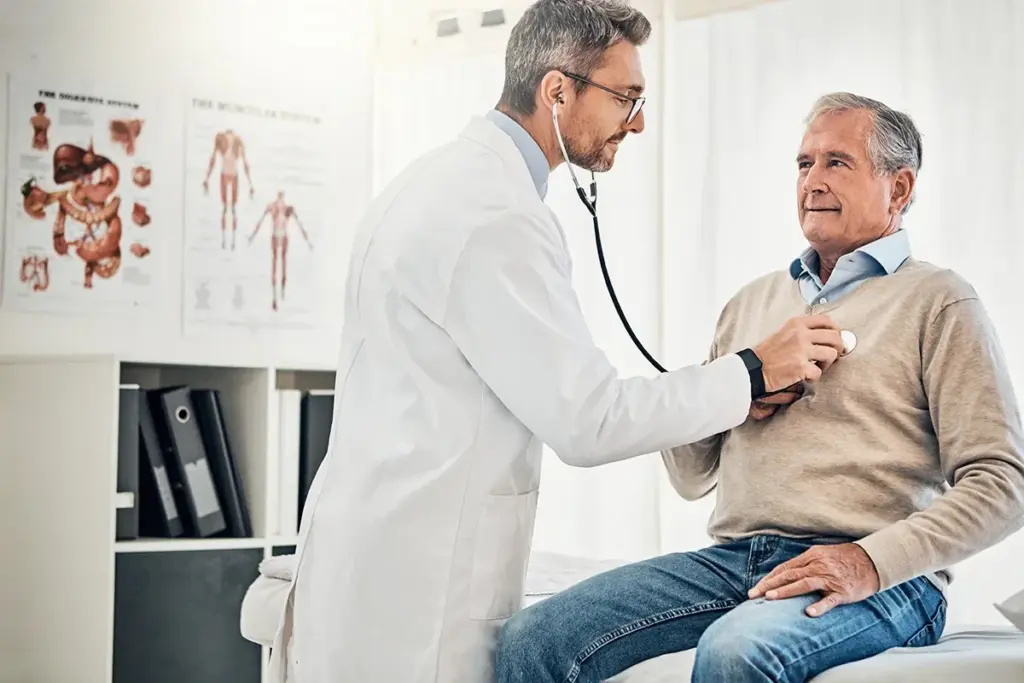
Osteoarthritis is a major cause of disability in seniors. It happens when joints wear down over time. This condition affects not just the joints but also the overall quality of life for older adults.
Impact on Joint Function
Osteoarthritis damages the cartilage in joints. This leads to bone-on-bone contact, causing pain and stiffness. It also reduces mobility, impacting daily activities and well-being.
Common Locations: Knees, Hips, and Hands
The knees and hips are often affected by osteoarthritis. The hands can also be impacted. These areas are more prone to the condition due to daily stress and strain.
|
Joint |
Common Symptoms |
Impact on Daily Life |
|---|---|---|
|
Knees |
Pain, stiffness, swelling |
Difficulty walking, climbing stairs |
|
Hips |
Pain in the groin or thigh, limited mobility |
Difficulty with daily activities, such as dressing |
|
Hands |
Pain, stiffness, deformity |
Difficulty with fine motor tasks, such as writing or buttoning |
Risk Factors for Developing Osteoarthritis
Several factors increase the risk of osteoarthritis. These include age, obesity, previous injuries, and genetics. Understanding these factors is key to prevention and early treatment.
By grasping the effects of osteoarthritis on seniors, we can tackle its challenges. This improves the quality of life for those affected.
Osteoporosis: Silent Bone Weakening in Aging Adults

As people get older, they face a higher risk of osteoporosis. This condition quietly weakens bones. It’s known for reducing bone density, making bones more likely to break.
This disease is often called “silent” because it doesn’t show symptoms until a bone breaks.
Bone Density Loss Mechanism
Bones lose density as we age, but some factors speed up this loss. Hormonal changes, like those in postmenopausal women, are big contributors. Not getting enough calcium and vitamin D, not exercising enough, and some medicines also weaken bones.
Fracture Risk Assessment and Prevention
It’s key to check how likely someone is to break a bone. The FRAX tool helps figure out this risk. It looks at age, sex, bone density, and other health factors.
Spotting and treating early can greatly lower fracture risk. To prevent fractures, eat well, exercise, and avoid smoking and too much alcohol.
|
Risk Factor |
Description |
Prevention Strategy |
|---|---|---|
|
Low Bone Density |
Reduced bone mass and strength |
Calcium and Vitamin D supplements |
|
Family History |
Genetic predisposition to osteoporosis |
Regular bone density monitoring |
|
Smoking |
Increased risk of bone loss |
Smoking cessation programs |
Gender Differences in Osteoporosis Prevalence
Osteoporosis hits both men and women, but women are more affected, mainly after menopause. The drop in estrogen levels speeds up bone loss in women. Men also lose bone density with age, but at a slower pace.
Knowing these differences helps us create better ways to prevent and treat osteoporosis.
We must tackle osteoporosis in older adults. By understanding how bones lose density, checking fracture risk, and using prevention methods, we can lessen its effects on people and communities.
Degenerative Disc Disease: Spinal Changes with Age
As we get older, our spines change naturally. This can lead to degenerative disc disease, affecting many older adults. This condition changes the intervertebral discs, which are key for spinal flexibility and shock absorption.
How Intervertebral Discs Change Over Time
Intervertebral discs are gel-filled cushions between vertebrae. They act as shock absorbers and help with spinal flexibility. Over time, these discs can lose hydration, shrink, and develop tears in their outer layer.
These changes can make the spine less flexible and increase the risk of disc herniation. The degenerative process is a natural part of aging. But, it can speed up due to genetics, lifestyle, and previous spinal injuries. Knowing about these changes helps manage degenerative disc disease better.
Symptoms and Mobility Limitations
Degenerative disc disease can cause back pain, stiffness, and reduced mobility. As it gets worse, people may feel pain, numbness, or weakness in their limbs. This depends on where and how bad the disc degeneration is.
Mobility issues can really affect daily life, making simple tasks hard. It’s important to tackle these symptoms early to stop things from getting worse and keep independence.
Treatment Options for Disc Degeneration
There are many ways to manage degenerative disc disease, depending on the person’s situation. Non-surgical methods include physical therapy, pain meds, and changes in lifestyle like exercise and diet.
For severe cases, surgery might be needed. This could be spinal fusion or disc replacement surgery. The right treatment depends on how bad the disc degeneration is, how severe the symptoms are, and the patient’s overall health.
Spinal Stenosis: Narrowing of the Spinal Canal
As we age, the chance of getting spinal stenosis goes up. This is when the spinal canal gets smaller. It can cause pain and nerve problems.
Causes and Development of Spinal Narrowing
Spinal stenosis happens because of aging. It’s caused by a few things, like:
- Degenerative disc disease, where discs in the spine shrink and bulge.
- Osteoarthritis, which can make bone spurs that narrow the canal.
- Thickening of the ligamentum flavum, a ligament that gets thicker with age.
Neurological Symptoms and Pain Patterns
The symptoms of spinal stenosis can be different. They often include:
- Chronic pain in the neck or back.
- Numbness, tingling, or weakness in the arms or legs.
- Pain that goes down the legs, known as sciatica.
- In severe cases, loss of bladder or bowel control.
These symptoms can really affect your life, making simple tasks hard.
Surgical and Non-Surgical Interventions
Treatment for spinal stenosis depends on how bad it is and your health. Non-surgical ways include:
- Physical therapy to improve mobility and strength.
- Pain management through medication.
- Lifestyle changes, like staying healthy and good posture.
For more serious cases, surgery might be needed. This could be:
- Laminectomy, to remove part of the vertebra and relieve pressure.
- Spinal fusion, where vertebrae are fused together to stabilize the spine.
Living with spinal stenosis is tough, but the right treatment can help. Many people manage their symptoms well and stay independent.
Rotator Cuff Tears: Shoulder Deterioration in Seniors
Rotator cuff tears are common in older adults. They can make everyday tasks hard and affect their health. As people get older, the chance of getting a rotator cuff tear goes up.
Anatomy of the Aging Shoulder
The shoulder has bones, tendons, and muscles. With age, these parts can weaken and get damaged. Knowing how the aging shoulder works helps us find and treat rotator cuff tears.
Diagnosing Rotator Cuff Injuries
To find rotator cuff tears, we use physical checks, medical history, and imaging. We pick the right tools to see how bad the injury is and what to do next.
- Physical checks to see how the shoulder moves and is strong
- Imaging like X-rays, ultrasound, or MRI to see the rotator cuff
Recovery and Rehabilitation Approaches
Getting better from rotator cuff tears needs a good rehab plan. We suggest physical therapy, managing pain, and changing how you live to help seniors use their shoulders better and feel less pain.
Rehabilitation approaches include:
- Physical therapy to make the shoulder move better and stronger
- Pain management with medicine and other ways
- Changes in lifestyle to not make the problem worse
Rheumatoid Arthritis: Autoimmune Joint Inflammation
It’s important to know about rheumatoid arthritis, as it affects older adults. This chronic autoimmune disorder causes joint inflammation and pain. Unlike osteoarthritis, which is due to wear and tear, rheumatoid arthritis happens when the body attacks its own joints. This leads to swelling, pain, and serious damage to the joints.
Distinguishing Rheumatoid from Osteoarthritis
Rheumatoid arthritis and osteoarthritis are both joint diseases, but they differ. Osteoarthritis is linked to aging and wear, while rheumatoid arthritis is an autoimmune disease. Symptoms of rheumatoid arthritis include joint pain and swelling, morning stiffness, and systemic symptoms like fatigue and fever. Osteoarthritis mainly affects specific joints and is due to mechanical wear.
Systemic Effects Beyond the Joints
Rheumatoid arthritis affects more than just the joints. It can harm the heart, bones, and other body systems. The chronic inflammation can cause fatigue, loss of appetite, and feeling unwell.
Modern Treatment Protocols
Treatment for rheumatoid arthritis has improved a lot. Modern treatments include medications like DMARDs, biologics, and corticosteroids. These aim to reduce inflammation, ease symptoms, and prevent joint damage. Lifestyle changes like exercise, a balanced diet, and stress management are also important.
Common Old Age Ailments: Orthopedic Perspective
Elderly people often face many health issues, with orthopedic problems being common. As we get older, our bodies change, leading to health problems. It’s important to understand how these conditions affect each other for better care.
How Orthopedic Conditions Interact with Other Age-Related Health Issues
Older adults often deal with conditions like osteoarthritis, osteoporosis, and degenerative disc disease. These can make other health issues worse. For example, osteoporosis can lead to more fractures, which can be serious if you also have diabetes or heart disease.
When treating elderly patients, we must think about how different health problems affect each other. A patient with osteoarthritis might also have heart disease. This can change how we treat their joint problems.
- Orthopedic conditions can make other health issues worse.
- Dealing with many health problems at once can be hard.
- It’s key to take a complete approach to health care.
Multidisciplinary Approach to Elderly Care
Managing the health of older adults needs a team effort. This team includes orthopedic doctors, primary care doctors, physical therapists, and more.
Effective care for the elderly requires teamwork. By working together, healthcare providers can create detailed plans that meet the complex needs of older adults.
Key parts of a team approach include:
- Checking the patient’s overall health.
- Creating plans that fit the patient’s needs.
- Working together with different healthcare teams.
- Keeping an eye on the treatment and making changes as needed.
Vertebral Compression Fractures: Consequences of Bone Fragility
Vertebral compression fractures are common in older adults. They happen because of osteoporosis, causing back pain and disability. It’s important to understand and manage bone health better.
Identifying Compression Fractures
To diagnose vertebral compression fractures, we use clinical checks and imaging. X-rays, CT scans, or MRI help us see the spine and find fractures. Finding them early is key to managing them well.
Signs of vertebral compression fractures include sudden back pain, loss of height, or spinal deformity. We need to watch for these signs, mainly in those with osteoporosis.
Pain Management Strategies
Managing pain from vertebral compression fractures needs a variety of treatments. We start with pain meds, rest, and physical therapy.
Table: Pain Management Options
|
Treatment |
Description |
Benefits |
|---|---|---|
|
Pain Medication |
Use of analgesics to manage pain |
Quick relief from acute pain |
|
Physical Therapy |
Exercises to strengthen back muscles |
Improved mobility and strength |
|
Bracing |
Use of orthotic braces for support |
Stabilization of the spine |
Vertebroplasty and Kyphoplasty Procedures
For some, vertebroplasty and kyphoplasty are good options. These are minimally invasive procedures. They involve injecting bone cement into the fractured vertebra to stabilize it and reduce pain.
We suggest these procedures for those with severe pain or big height loss. They give quick pain relief, but we consider the risks and benefits for each patient.
Tendinopathy and Bursitis: Soft Tissue Inflammation
As we get older, tendinopathy and bursitis become more common. They cause pain and inflammation in soft tissues. This can really affect our daily life.
Tendinopathy is when tendon tissue wears down, often from too much use. Bursitis is when a bursa, a fluid-filled sac, gets inflamed. This sac helps joints move smoothly and reduces friction.
Common Sites of Tendon and Bursa Inflammation
Tendinopathy and bursitis can happen in many places. But some areas get them more often because they move a lot and get stressed.
- Shoulders: Rotator cuff tendinopathy and subacromial bursitis are common in the shoulder region.
- Elbows: Tennis elbow (lateral epicondylitis) is a form of tendinopathy that affects the tendons on the outside of the elbow.
- Hips: Trochanteric bursitis causes pain on the outer aspect of the hip.
- Knees: Patellar tendinopathy (jumper’s knee) and prepatellar bursitis (housemaid’s knee) are conditions that affect the knee area.
Conservative Treatment Approaches
Most cases of tendinopathy and bursitis can be treated without surgery. We use treatments that help reduce pain and inflammation. They also help the tissues heal and work better.
|
Treatment |
Description |
|---|---|
|
Rest and Activity Modification |
Avoiding activities that make the problem worse and changing daily activities to ease the strain on the affected area. |
|
Physical Therapy |
Exercises to strengthen the muscles around the affected area, improve flexibility, and help it heal. |
|
Anti-inflammatory Medications |
Using NSAIDs to lessen pain and swelling. |
“Conservative management is often effective in treating tendinopathy and bursitis, but it’s important to see a doctor if symptoms don’t get better or get worse.”
When to Consider Interventional Procedures
If treatments like rest and physical therapy don’t work, we might need to try something more. This could be injections to reduce swelling or even surgery to fix the problem.
These options include corticosteroid injections to cut down inflammation, PRP therapy to help healing, or surgery to fix damaged tendons or remove inflamed bursae.
Knowing about tendinopathy and bursitis and how to treat them is key. It helps us stay active and healthy as we age.
Foot and Ankle Disorders in the Elderly
Older adults often face foot and ankle problems that can really affect their daily life. These issues can range from mild to severe pain, impacting how they move and their overall happiness. We’ll look at common foot and ankle issues in the elderly, like plantar fasciitis, bunions, hammertoes, and diabetic foot problems.
Plantar Fasciitis and Heel Pain
Plantar fasciitis is a common issue where the plantar fascia gets inflamed, causing heel pain. It often comes from repetitive strain and gets worse with age. Treatment includes rest, ice, physical therapy, and orthotics. Here are some ways to manage plantar fasciitis:
- Stretching exercises to improve flexibility
- Using supportive footwear
- Avoiding activities that aggravate the condition
Bunions and Hammertoes
Bunions and hammertoes are deformities that can be very painful. Bunions make the big toe point towards the second toe, while hammertoes bend the toe joints. These can be treated with the right shoes, orthotics, and sometimes surgery. Early treatment is important to avoid more problems.
Diabetic Foot Complications
Diabetes can cause serious foot issues due to nerve damage and poor blood flow. Foot ulcers and infections are common and need quick treatment to avoid serious problems. It’s important for diabetics to take good care of their feet. Here are some tips for diabetic foot care:
- Daily check of the feet for injuries or infections
- Keeping feet clean and dry
- Wearing the right shoes to avoid pressure
In conclusion, foot and ankle problems are a big issue for the elderly, affecting their life quality and mobility. Knowing about these issues and how to treat them is key to managing them well. By tackling these problems early, we can help older adults live better lives.
Preventive Strategies for Orthopedic Health in Aging
Preventive strategies are key for keeping aging bones, joints, and muscles healthy. As we get older, these parts of our body change, which can impact how we move and live. But, by taking certain steps, we can lower the chance of orthopedic problems and stay independent.
Exercise and Physical Activity Recommendations
Exercise is vital for older adults to keep their orthopedic health in check. We suggest mixing aerobic activities like walking or swimming with strength training. This helps build muscle and bone. Also, doing flexibility and balance exercises, like yoga or tai chi, can boost mobility and cut down fall risks.
Before starting any new workout, it’s smart to talk to a doctor, even more so if you have health issues. They can tailor a workout plan that fits your needs and abilities.
Nutritional Support for Bone and Joint Health
Eating a balanced diet is key for strong bones and healthy joints. Foods rich in calcium and vitamin D, like dairy, leafy greens, and fortified cereals, are good for bones. Omega-3 fatty acids in fatty fish, nuts, and seeds can also help with joint health by reducing inflammation.
Drinking enough water is also important for joint health. Staying hydrated helps keep your joints lubricated and working well.
Fall Prevention and Home Safety
Falls are a big risk for older adults, leading to serious injuries like fractures and head trauma. To avoid falls, make your home safer by removing hazards, installing handrails, and improving lighting. Wearing the right shoes and using aids like canes or walkers can also help prevent falls.
Regular eye exams and managing health conditions can also prevent falls. By being proactive, you can greatly reduce your fall risk and keep your independence.
Emerging Treatments and Research Directions
Orthopedic care is changing fast with new treatments and research. We’re learning more about musculoskeletal health in older adults. New technologies and therapies are being developed for common orthopedic issues.
Regenerative Medicine Applications
Regenerative medicine is leading the way in orthopedic innovation. It offers hope for repairing and regrowing tissues. Methods like stem cell therapy and PRP injections are being tested to heal damaged joints and soft tissues.
These treatments aim to improve function and reduce pain. They might even prevent the need for surgery.
Biomaterials and scaffolding technologies are also advancing. They help in growing new tissues. This is key for treating conditions like osteoarthritis and tendon injuries.
Advances in Joint Replacement Technology
Joint replacement surgery is a big deal for severe orthopedic issues. New tech is making prosthetic joints last longer and work better. Robotic-assisted surgery is making these procedures more precise. This leads to better results and quicker recovery times.
There’s also a trend towards customized implants made for each patient. This personalized approach can improve how well the implant fits and works. It can also make patients happier and reduce complications.
Promising Clinical Trials for Orthopedic Conditions
Many clinical trials are exploring new treatments for orthopedic issues. They’re looking at things like new anti-inflammatory drugs, gene therapies, and new physical therapy methods. For example, research on mesenchymal stem cells for osteoarthritis is showing great promise. It could lead to less pain and better joint function.
There’s also a lot of focus on preventing orthopedic problems. Early intervention studies are trying to stop severe conditions before they start. These studies are important for better understanding and managing age-related musculoskeletal diseases.
Living Well with Orthopedic Conditions
Many people manage their orthopedic conditions well and live active, happy lives. To do this, they need a mix of medical care, lifestyle changes, and support from others.
Adaptive Equipment and Mobility Aids
Adaptive equipment and mobility aids are key for staying independent and improving life quality. They range from simple tools like canes and walkers to more complex items like wheelchairs and stair lifts.
- Canes and walkers help with balance and support.
- Wheelchairs are for those with big mobility issues.
- Stair lifts make going up and down stairs safe.
- Bathroom aids like grab bars and non-slip mats make bathrooms safer.
Using these tools helps people do daily tasks better and stay independent.
Pain Management Strategies
Managing pain well is key to living with orthopedic conditions. There are many ways to reduce pain and feel better.
- Medications, both over-the-counter and prescription, can help with pain.
- Physical therapy with special exercises can strengthen muscles and improve joints.
- Alternative therapies like acupuncture, massage, and meditation can also help.
- Changing diet, exercise, and daily habits can reduce pain too.
A healthcare provider can help find the best pain management plan for you.
Maintaining Independence and Quality of Life
Keeping independence is important when living with orthopedic conditions. It means managing your condition and adapting your daily life to lessen its impact.
“Independence is not about being able to do everything on your own; it’s about being able to live your life on your own terms.”
— A healthcare professional’s insight
Ways to keep independence include:
- Changing your home to make it safer and more accessible.
- Doing regular, right exercise to keep muscles strong and flexible.
- Using assistive technology to make daily tasks easier.
- Staying in touch with family, friends, and community to avoid feeling alone.
By using these strategies, people with orthopedic conditions can improve their quality of life and live happy, independent lives.
Conclusion
As we get older, our bones and joints face more challenges. This can affect how we live and our ability to do things on our own. We’ve looked at common issues like osteoarthritis, osteoporosis, and problems with our feet and ankles. We’ve also talked about how to treat and prevent these problems.
It’s important to know about these conditions and how to deal with them. By staying active, eating right, and seeing a doctor when needed, we can fight off the effects of aging. This helps us stay healthy and independent for longer.
Handling these conditions well means working together. We need doctors, healthy habits, and support from others. By doing this, we can help people age better and live more comfortably with these issues.
FAQ
What is the most common orthopedic condition affecting older adults?
Osteoarthritis is the most common condition in older adults. It causes joint pain and stiffness, mainly in the knees, hips, and hands.
What are the risk factors for developing osteoarthritis?
Risk factors include age, obesity, and previous joint injuries. Genetics and repetitive stress also play a role.
How does osteoporosis affect bone health in older adults?
Osteoporosis makes bones weak and brittle. This increases the risk of fractures, mainly in the spine, hips, and wrists.
What are the symptoms of degenerative disc disease?
Symptoms include back pain, stiffness, and limited mobility. You might also feel numbness, tingling, or weakness in your arms or legs.
How is spinal stenosis diagnosed and treated?
Doctors use MRI or CT scans to diagnose spinal stenosis. Treatment includes physical therapy, pain management, and sometimes surgery.
What are the causes and symptoms of rotator cuff tears?
Tears are caused by wear and tear, injury, or repetitive strain. Symptoms are shoulder pain, weakness, and limited mobility.
How does rheumatoid arthritis differ from osteoarthritis?
Rheumatoid arthritis is an autoimmune disease causing joint inflammation. Osteoarthritis is a degenerative disease from wear and tear.
What are the benefits of a multidisciplinary approach to elderly care?
A team of healthcare professionals work together to address older adults’ complex needs. This improves their health and well-being.
How can vertebral compression fractures be prevented and treated?
Preventing fractures involves treating osteoporosis and preventing falls. Treatment includes pain management, vertebroplasty, and kyphoplasty.
What are the common sites of tendon and bursa inflammation?
Inflammation often occurs in the shoulders, elbows, hips, and knees. Treatment includes conservative management and interventional procedures.
How can foot and ankle disorders be prevented and treated?
Preventing disorders involves proper footwear, exercise, and foot care. Treatment includes orthotics, physical therapy, and surgery.
What are the benefits of exercise and physical activity for orthopedic health?
Exercise keeps joints mobile, strengthens bones, and reduces fall and fracture risks.
How can falls be prevented in older adults?
Falls can be prevented with home safety, exercise, and vision correction. Addressing medical conditions also helps.
What are the emerging treatments and research directions in orthopedics?
New treatments include regenerative medicine and advances in joint replacement. Clinical trials also show promise for various conditions.
How can older adults maintain independence and quality of life with orthopedic conditions?
Older adults can stay independent by using adaptive equipment, managing pain, and staying active.
Reference
National Center for Biotechnology Information. Evidence-Based Medical Insight. Retrieved from https://pmc.ncbi.nlm.nih.gov/articles/PMC11780618/